Backpacking Tents
Backpacking Tent Design Trade-Offs: Three Tents That Show What to Check Before You Buy
A practical look at the three design trade-offs that shape every backpacking tent purchase, using a trekking pole A-frame, a semi-freestanding ultralight shelter, and a freestanding two-person tent as examples.
Introduction
No backpacking tent avoids trade-offs entirely, but those trade-offs are far easier to live with when you understand them before you buy. Three design decisions matter more than most spec sheets suggest: how a shelter interacts with the sleep system you already own, whether its features genuinely support the weather performance its shape promises, and how much living space it gives up in the name of weight.
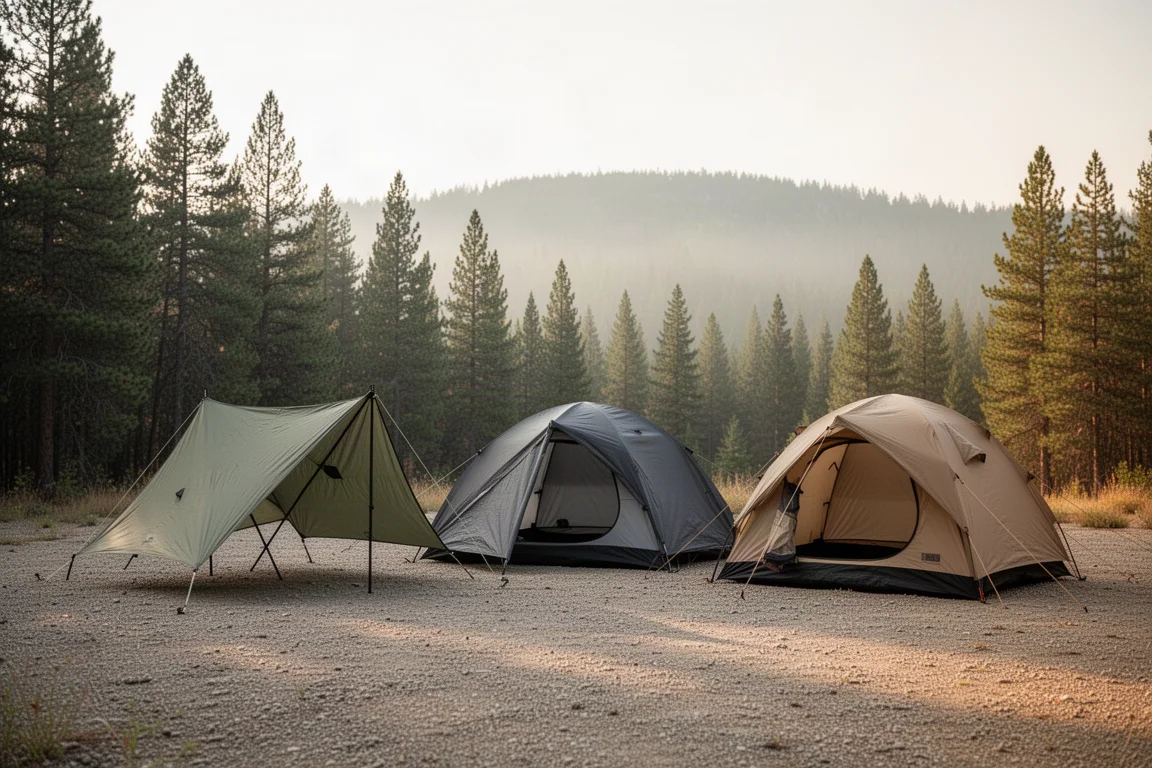
The three tents below illustrate each of those points in a different way, moving from a trekking pole A-frame to a semi-freestanding double-wall shelter to a freestanding two-person design.
What to Look For Before Buying a Backpacking Tent
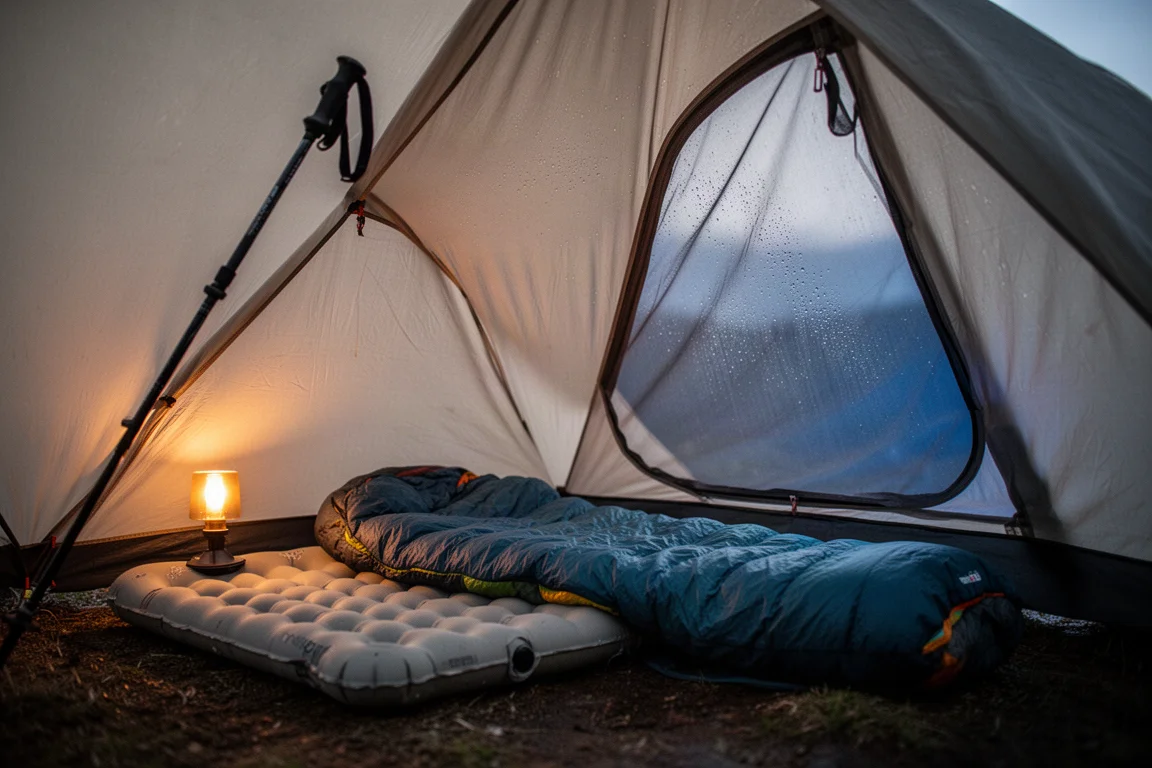
Sleep system fit comes first. Pad thickness and pad width determine how close your face sits to a wall, and that matters most in a low A-frame shelter, where a taller sleeping position pushes you nearer the fabric. The closer you are to the wall, the more condensation collects around your head, because warm air leaving your body meets colder outside air right against the fabric. If you sleep on a thick pad, look for real vertical room above the sleeping position.
Weather performance depends on shape and materials working together. Ultralight nylon construction saves weight but demands careful pitching, and fabrics that absorb water can sag over a long wet night. A shelter needs either the structure to resist heavy wind, rain, or snow load, or the tensioning hardware to be re-adjusted as conditions change.
Living space is the third factor. The lightest tents are frequently the most cramped, and a shelter you cannot sit up in becomes a miserable place to wait out a storm. Extra interior volume usually costs weight, so the question is how much livability your trips actually require.
None of these three factors is a dealbreaker on its own. They simply show where a given tent is making its compromises, which is exactly what makes comparing shelters useful rather than confusing.
Outdoor Vitals Fortius: Lightest Option, Smallest Footprint
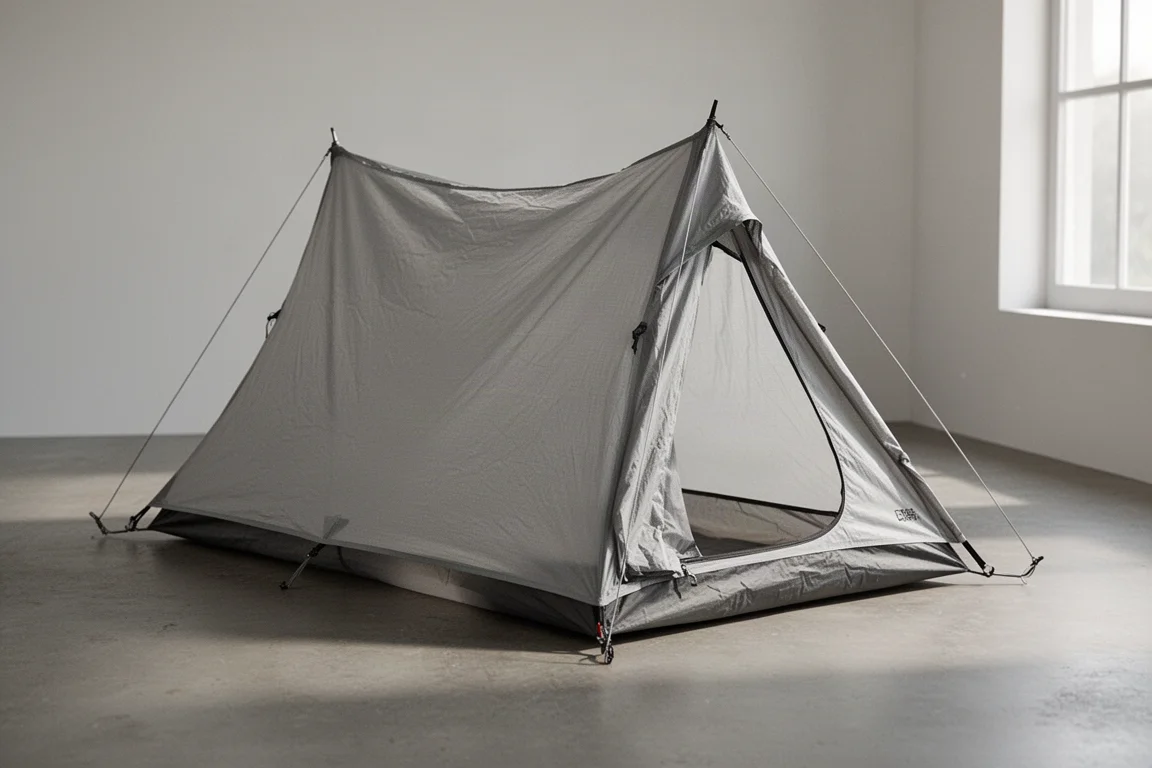
The Outdoor Vitals Fortius is a one-person, non-freestanding trekking pole tent. Its A-frame structure creates steeper sidewalls and a smaller footprint than a freestanding design, and it is the lightest option in this group. That same geometry brings the wall closer to your face, which is worth thinking through if you sleep on a thick pad.
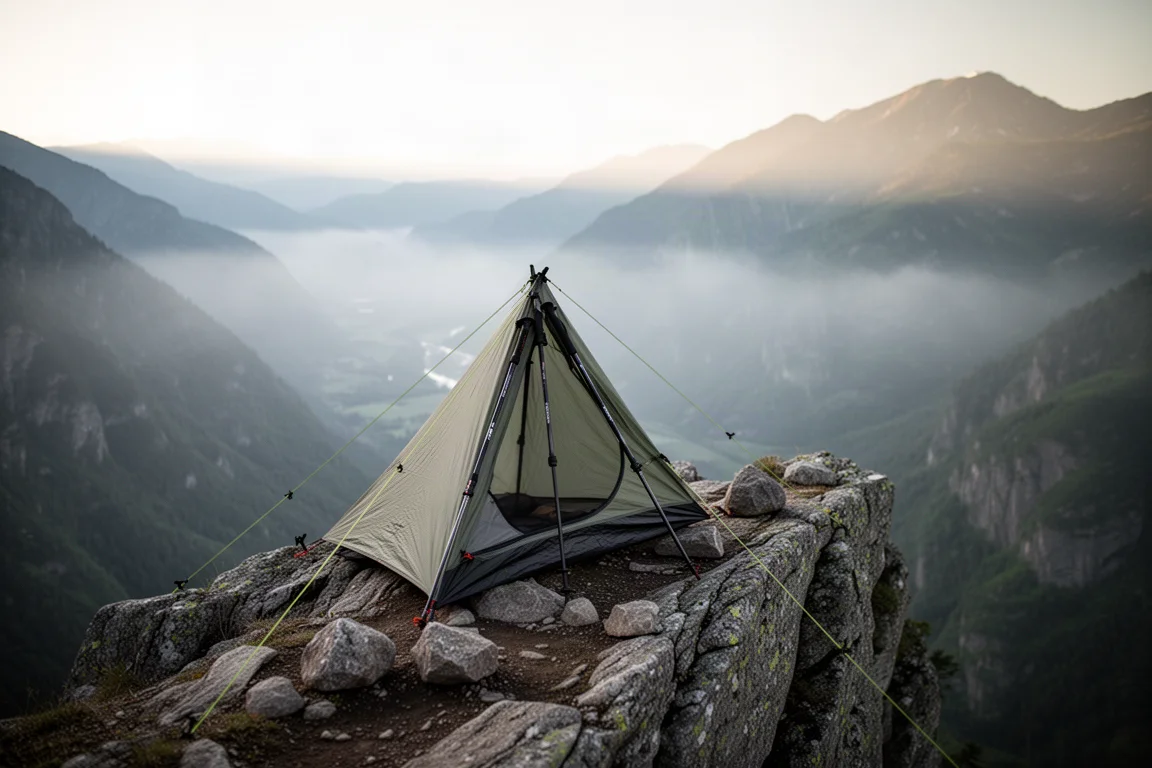
With a four-inch inflatable pad underneath, the sleeping position sits high enough that the sidewall ends up close to your face. That proximity can increase condensation inside the shelter and limit airflow around your head, since the warm air you release mixes with colder outside air directly against the fabric. There are workarounds. Guylines can pull the wall further away from you, and a stick or spare pole placed under the wall can lift it slightly to create more clearance.
The other consideration is pitching. A non-freestanding shelter depends on anchors and terrain, and depending on where you camp it can be the most cumbersome of the three to set up. In exchange, you get the lightest load and the smallest patch of ground to clear.
Big Agnes Tiger Wall UL1: Livable Space With a Weather-Performance Caveat
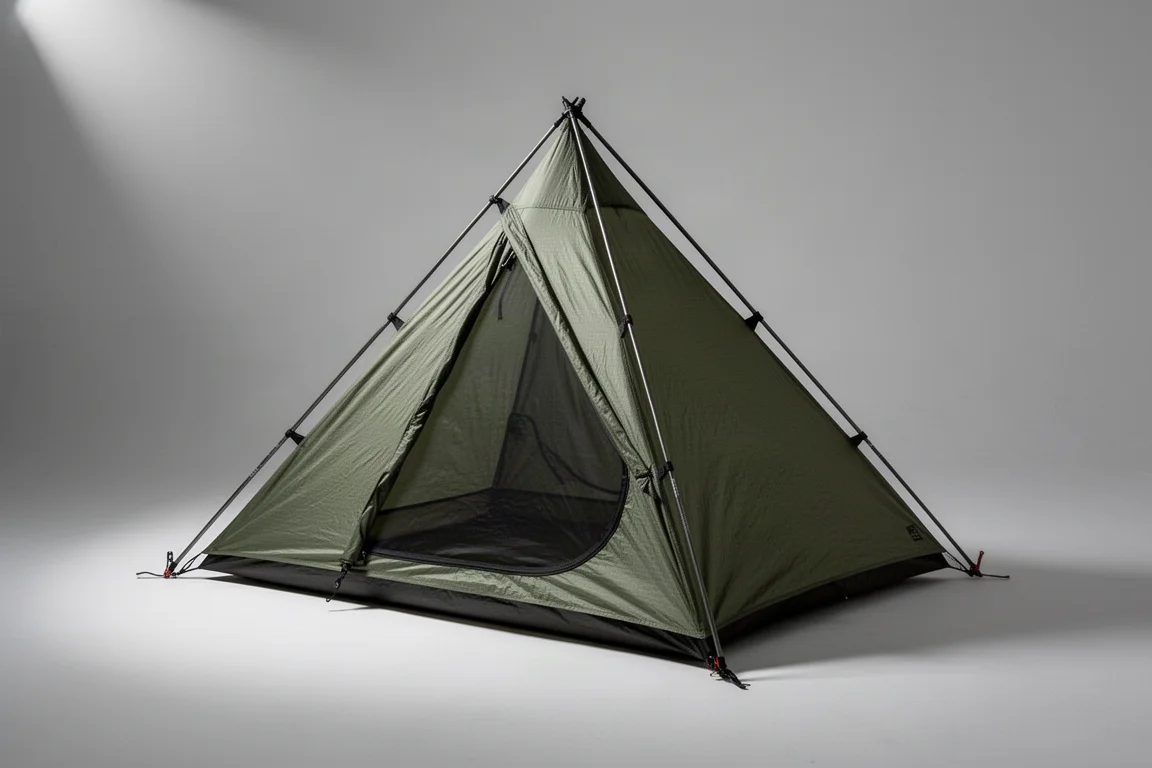
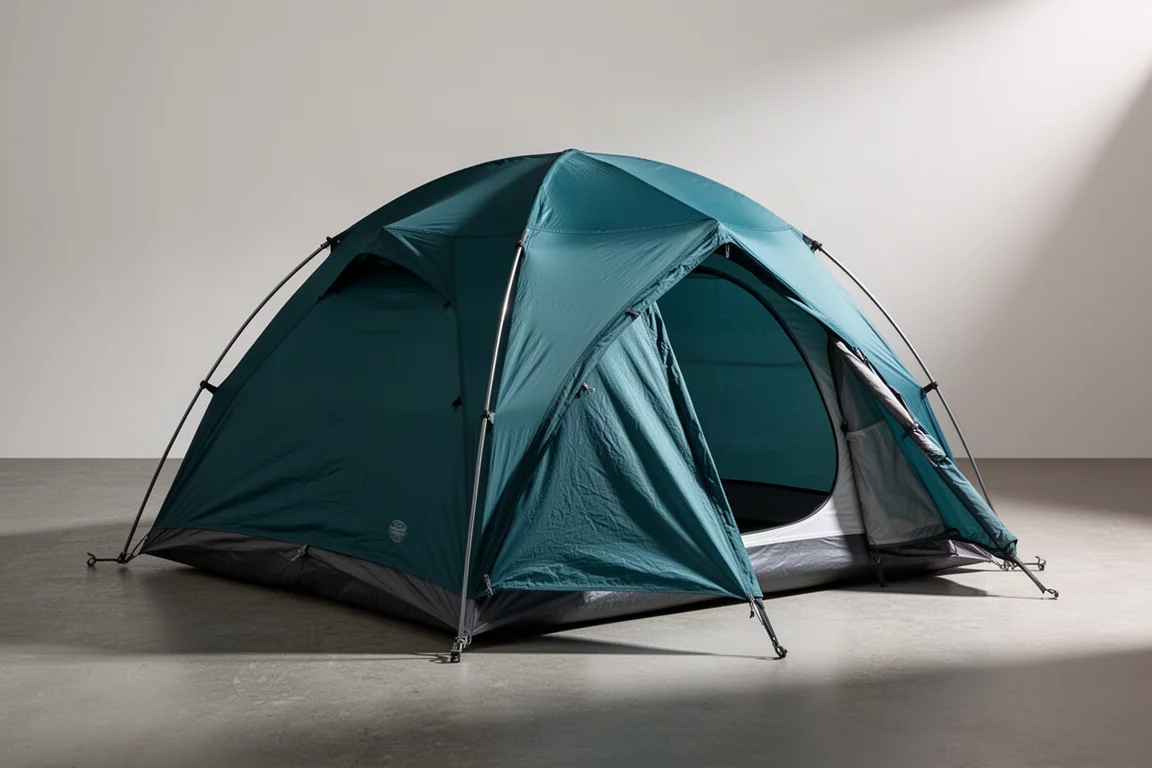
The Big Agnes Tiger Wall UL1 is a semi-freestanding, double-wall nylon tent. Its steep walls and interior volume give a one-person shelter that does not feel crammed, and the double-wall construction helps keep condensation off the sleeper. It performs well in cold conditions and remains a genuinely enjoyable shelter for three-season trips.
Where it asks for care is extreme weather. As a semi-freestanding ultralight design, it is not the most structurally sound option for high alpine exposure, snow load, or sustained heavy rain and wind. In those conditions a freestanding tent like the Telos TR2, or a pyramid-style trekking pole shelter, can offer more stability. The Tiger Wall also lacks tension adjustment at its tie-off and stakeout points, which matters because nylon absorbs more water than polyester or Dyneema. As the fly wets out it can sag, and a sagging sidewall can press against the inner tent and transfer moisture to the inside. Pitching it carefully and being able to re-tension the shelter as conditions shift makes a real difference.
Sea to Summit Telos TR2: Freestanding Weather Performance
The Sea to Summit Telos TR2 is a freestanding two-person tent with excellent weather performance. It stands on its own, which makes it simpler to pitch on terrain where a trekking pole shelter is awkward, and it offers generous height at both the head and foot ends so the walls do not crowd your face.
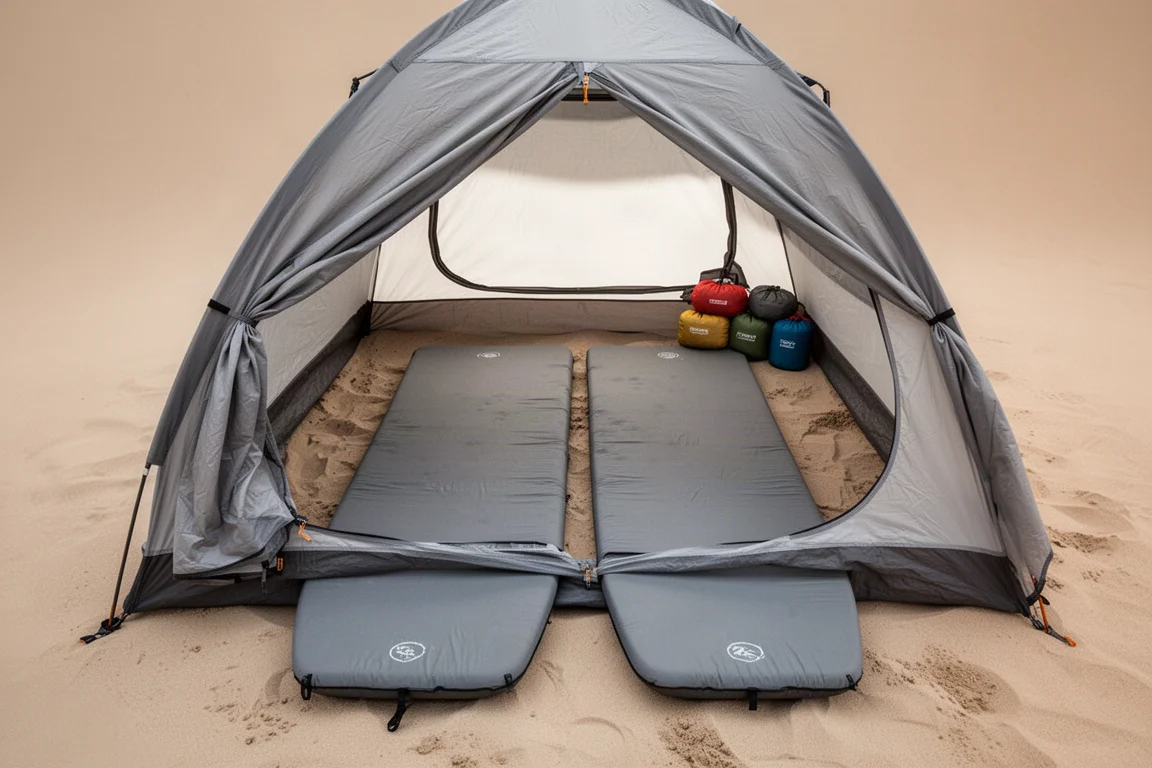
The catch is width at the foot end. The Telos TR2 measures roughly 52 inches across at the head end and tapers to about 42 inches at the foot. Two 25-inch wide pads will not sit side by side in that footprint, even though 25-inch pads are becoming the more common choice. Used solo, the same interior becomes a real advantage: it swallows a full gear load inside the tent, so nothing has to stay in the vestibule.
Buying Advice: Match the Tent to Your Sleep System and Terrain
Start with the sleep system you already own. Pad thickness and pad width determine how much headroom and floor width you genuinely need, and they are the fastest way to rule a shelter in or out. From there, weigh how you camp. A trekking pole A-frame rewards anyone counting grams and willing to pitch deliberately, while a freestanding shelter is easier to live with across varied terrain for a modest weight penalty.
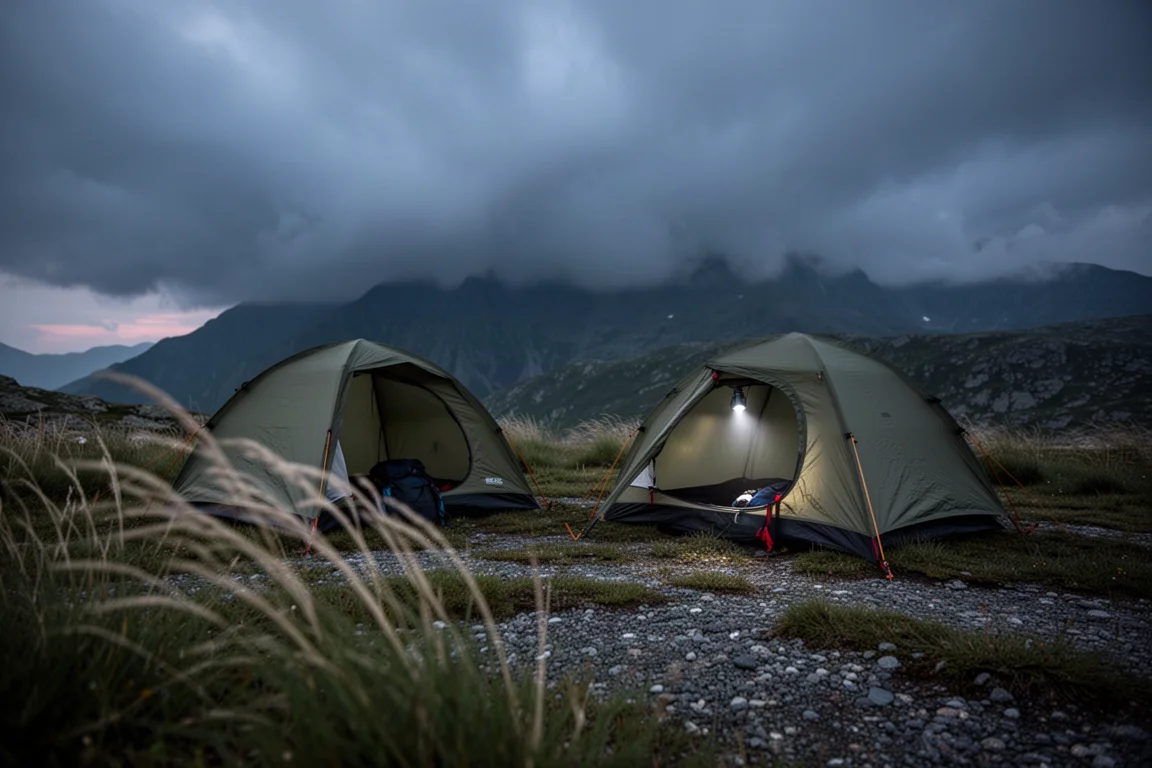
Weather expectations deserve the same honesty. If your trips involve exposed ridges, sustained rain, or snow load, prioritize a design with the structure and the tensioning hardware to handle it. If your trips are mostly three-season and at least partly sheltered, an ultralight nylon shelter can serve you very well, provided you pitch it properly and re-tension it once it wets out.
It also helps to study how a tent is actually set up before committing. Setup walkthroughs and long-term owner feedback tend to reveal the small details, like tensioning points, stakeout geometry, and how a wall sits above a thick pad, that a spec sheet will never show you.
Conclusion
No single tent solves all three problems at once. The Fortius wins on weight and footprint, the Tiger Wall wins on livable space for one person, and the Telos TR2 wins on freestanding weather performance, and each carries a trade-off in return. Decide which of the three matters most for the trips you actually take, then choose the shelter whose compromise you can comfortably live with.
Further reading
Related Reviews
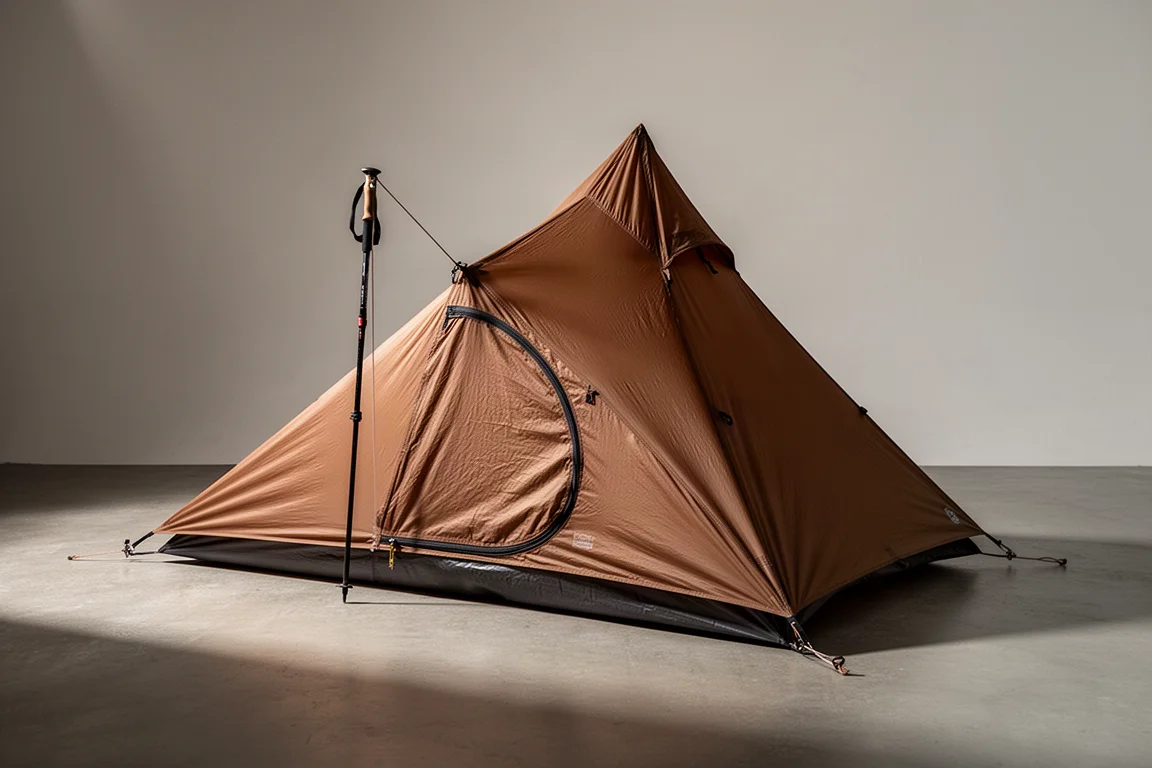
Backpacking Tents
3F UL Lanchan Pro 1 Review: A 1 lb 8 oz Single-Wall Trekking Pole Tent
A practical look at the 3F UL Lanchan Pro 1, a single-wall trekking pole shelter with a 1 lb 8 oz weight, 20D silnylon fabrics, and a roomy 90 x 31 x 49 inch interior.
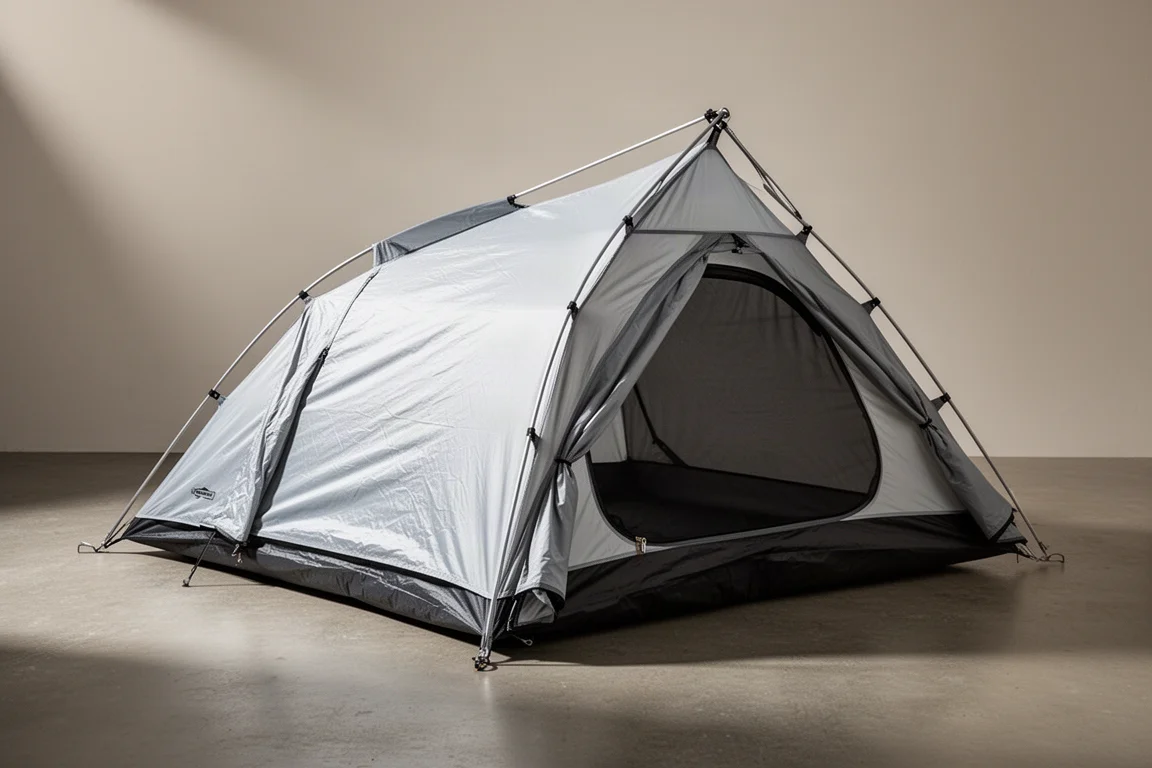
Backpacking Tents
3F UL Taiji 2-Person Tent: A Convertible Backpacking Shelter Worth a Closer Look
A practical look at the 3F UL Taiji two-person tent, covering its materials, true two-person interior, fly-first pitching, and the seasonal inner swap that lets one shelter cover more of the year.
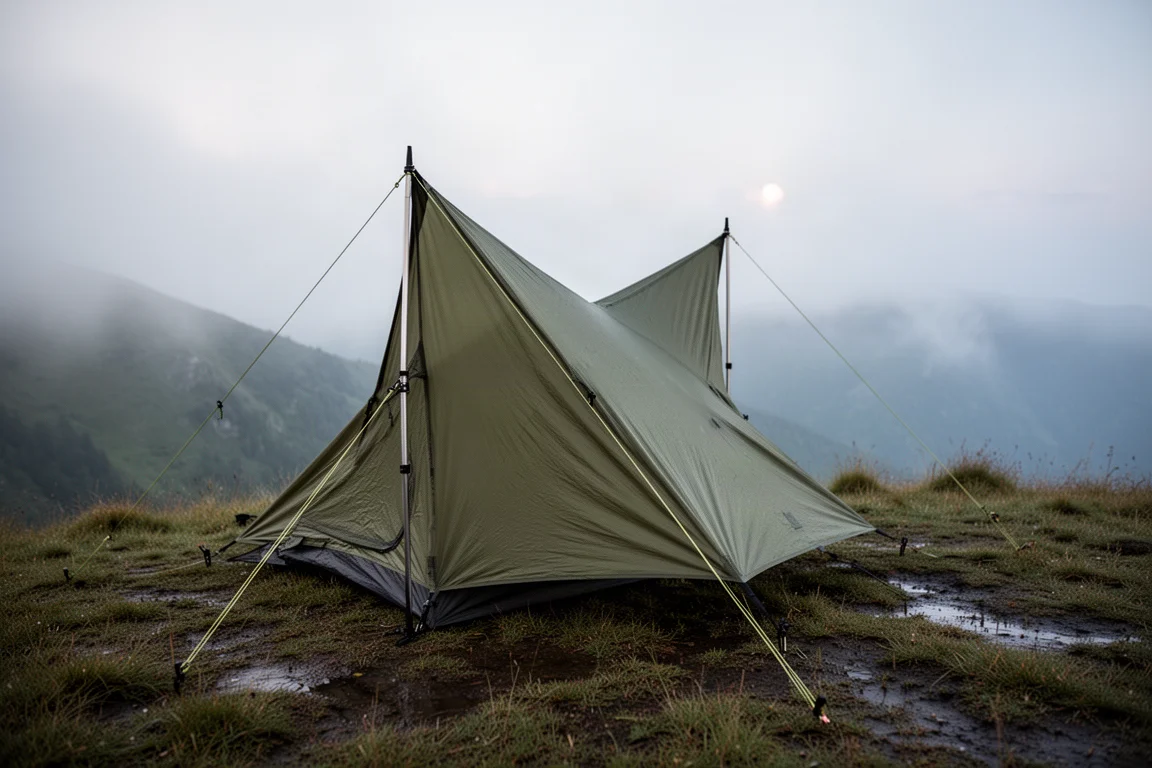
Backpacking Tents
3FUL Lanshan Twoerson Pro Review: A Light Trekking Pole Shelter That Struggled in Rain
A two-person trekking pole shelter with a 2026 redesign, pitched with sticks and put through a night of steady rain. Here is what worked, what did not, and what to check before buying.