Backpacking Tents
Backpacking Tent Buying Guide: Three Common Problems to Check Before You Buy
A practical look at three recurring backpacking tent trade-offs, with four tents that show how design choices affect sleep systems, weather performance, and living space.
Introduction
Backpacking tents can look similar on a spec sheet and behave very differently once you are inside them. Three problems come up again and again, and they are worth checking before you spend money on a shelter: a tent shape that does not suit the sleep system you already own, a design that lacks the features needed for strong weather performance, and living space that gets sacrificed to save weight.
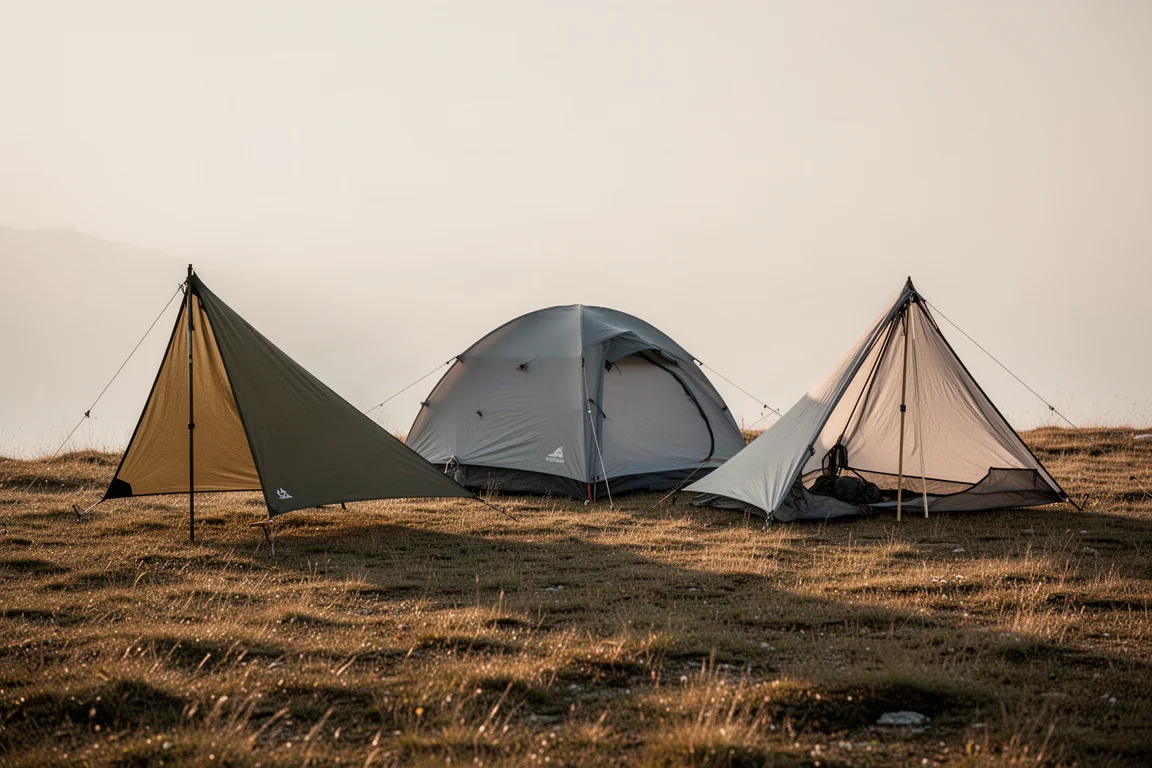
None of these are dealbreakers on their own, and each has a workaround. But knowing which compromise you are accepting makes it much easier to pick a tent that fits the trips you actually take. The four tents below cover the main design families: a non-freestanding trekking pole shelter, a fully freestanding double-wall tent, and a semi-freestanding ultralight design in one and two-person sizes.
What Matters Most When Choosing a Backpacking Tent
The first problem is sleep system compatibility. A tent with steep A-frame sidewalls brings the fabric much closer to your face than a tent with more vertical walls. Add a thick inflatable pad, four inches or so, and the effect is magnified: your body warms the air around you, that warm air meets the colder fabric, and condensation collects right where you are breathing. Airflow around your head drops as well.
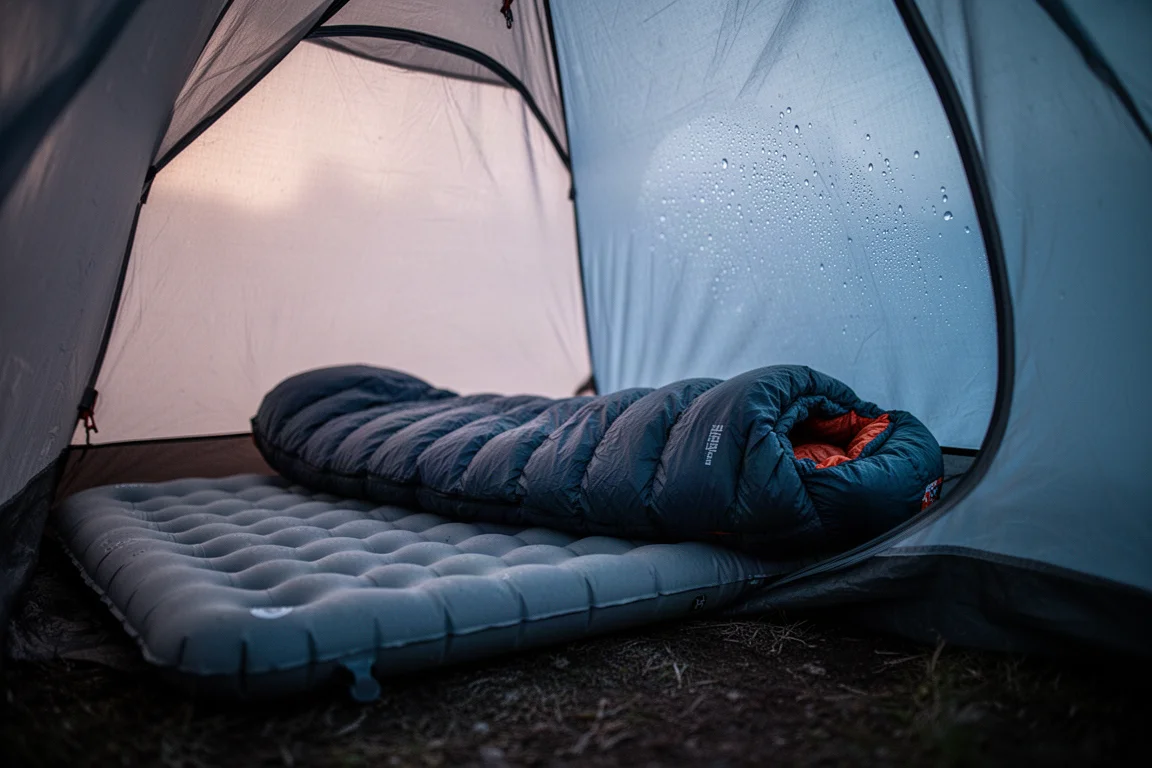
The second problem is weather performance. Lightweight materials and minimal pole structures save grams, but they also depend far more on a careful pitch. A shelter that shrugs off a calm night can move around in heavy wind and rain if the guy lines are not tensioned properly, and some designs give you no way to re-tension them once the fabric stretches.
The third problem is living space. Cutting interior volume is one of the fastest ways to cut weight, and some one-person tents end up so tight that sitting up or changing layers becomes a chore. If you have to wait out a storm inside, that matters far more than the weight figure on the box.
The workarounds are usually simple. A guy line pulled out from the wall, or a stick propped under the fabric to lift it away from your face, can solve the condensation issue in a steep-walled tent. What you cannot work around is a floor that is simply too narrow for the pads you own.
Outdoor Vitals Fortius 1P: Lightest Footprint, Steepest Walls
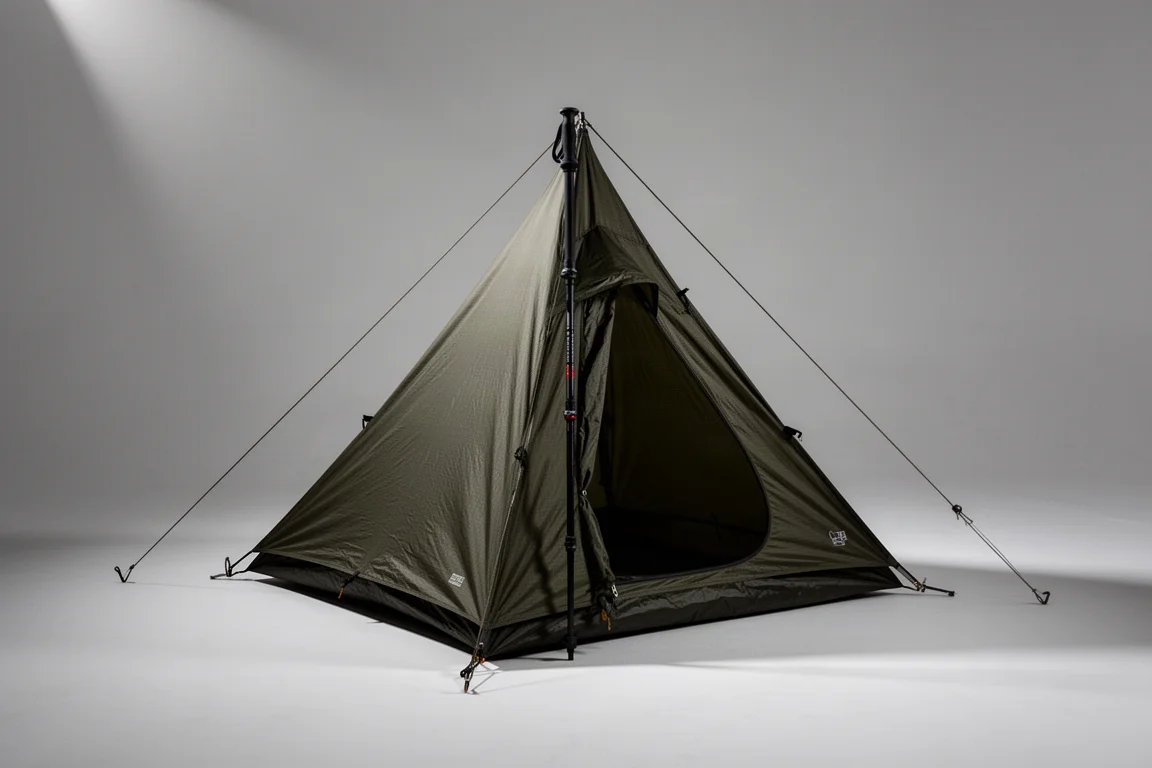
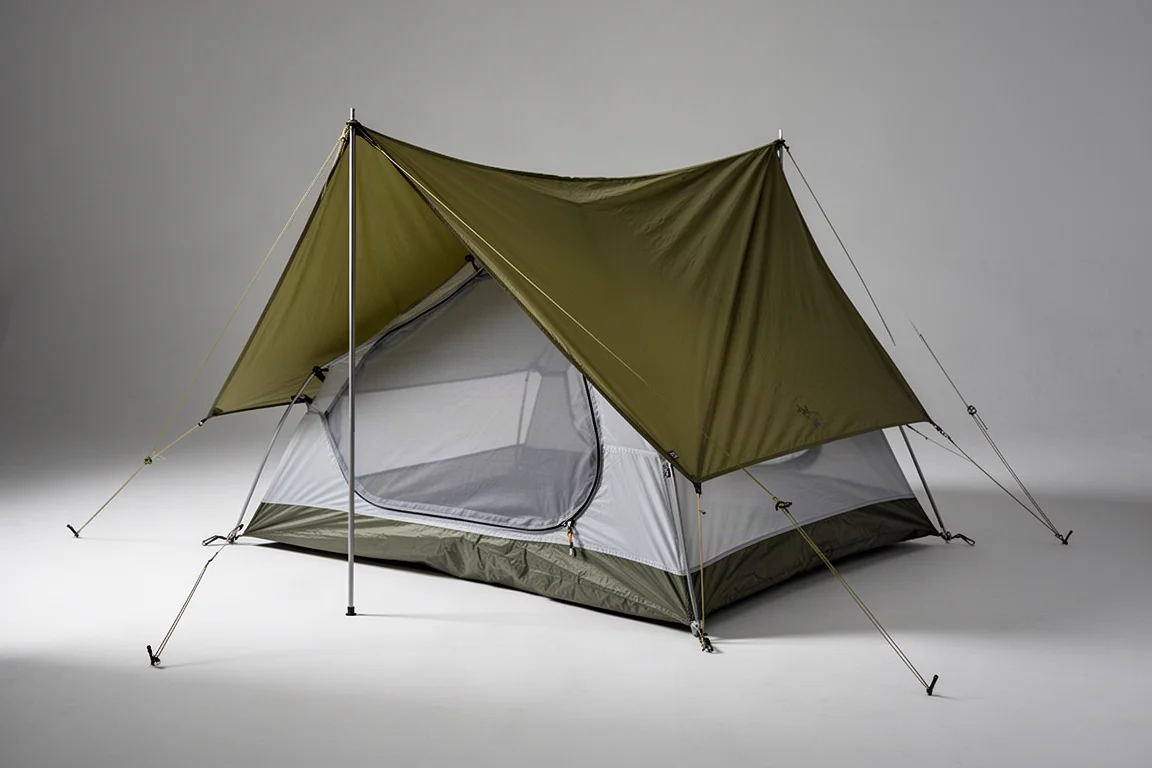
The Fortius 1P is a non-freestanding trekking pole tent built around an A-frame. That geometry produces notably steep sidewalls, and it is the clearest illustration of the sleep system problem: the wall sits closer to your face than it does in a design such as the Tiger Wall UL1.
With a thick pad underneath you, that gap shrinks further and condensation near your head becomes more likely, because warm air from your body mixes with cooler air at the fabric. The fix is to pull the wall away with a guy line or prop it up from inside, which restores some airflow and keeps the fabric off your face.
The payoff is weight and footprint. This is the lightest and smallest option of the group, which is exactly what you want on long trips where every gram counts. The trade-off is pitching flexibility: on terrain where stakes will not hold well, a non-freestanding shelter can be the most cumbersome of the four to set up.
Sea to Summit Telos TR2: Room Up Front, Tighter at the Foot
The Telos TR2 is a freestanding two-person tent with strong weather performance and generous headroom at both ends. Its walls rise steeply, so the fabric does not crowd your face the way an A-frame shelter can, which makes it comfortable for taller sleepers and for sitting up through a long storm.
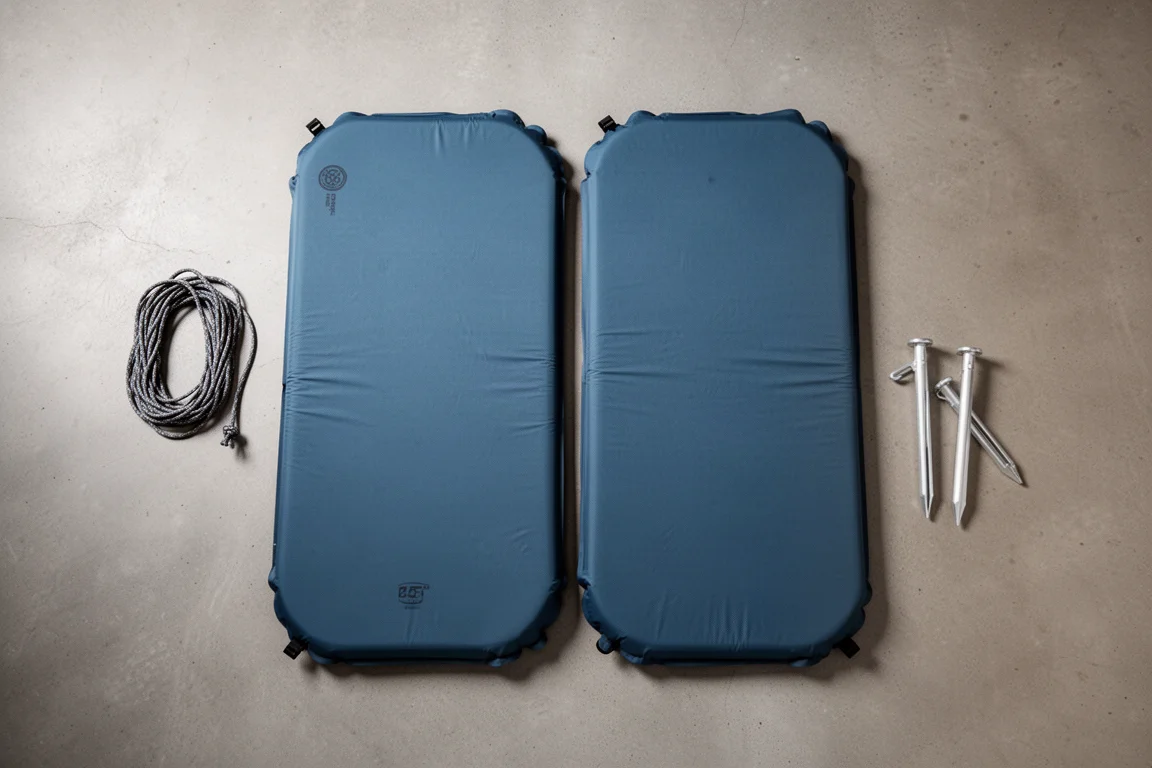
The width is where the design shows its limits. The floor measures roughly 52 inches across at the head end and tapers to about 42 inches at the foot end. Two 25-inch wide pads will not sit side by side in that footprint, and 25-inch pads are becoming the norm rather than the exception. Buyers who already own wide pads should plan around that, either by choosing a wider two-person tent or by treating this as a solo shelter.
As a solo shelter, the Telos TR2 is exceptionally livable. There is enough room to keep your gear inside the tent rather than leaving it in the vestibule, and the freestanding structure means you can pitch it on ground where staking is difficult. That combination of weather protection and interior space is what earns it a place on this list.
Big Agnes Tiger Wall UL1: Light, Livable, and Setup Sensitive
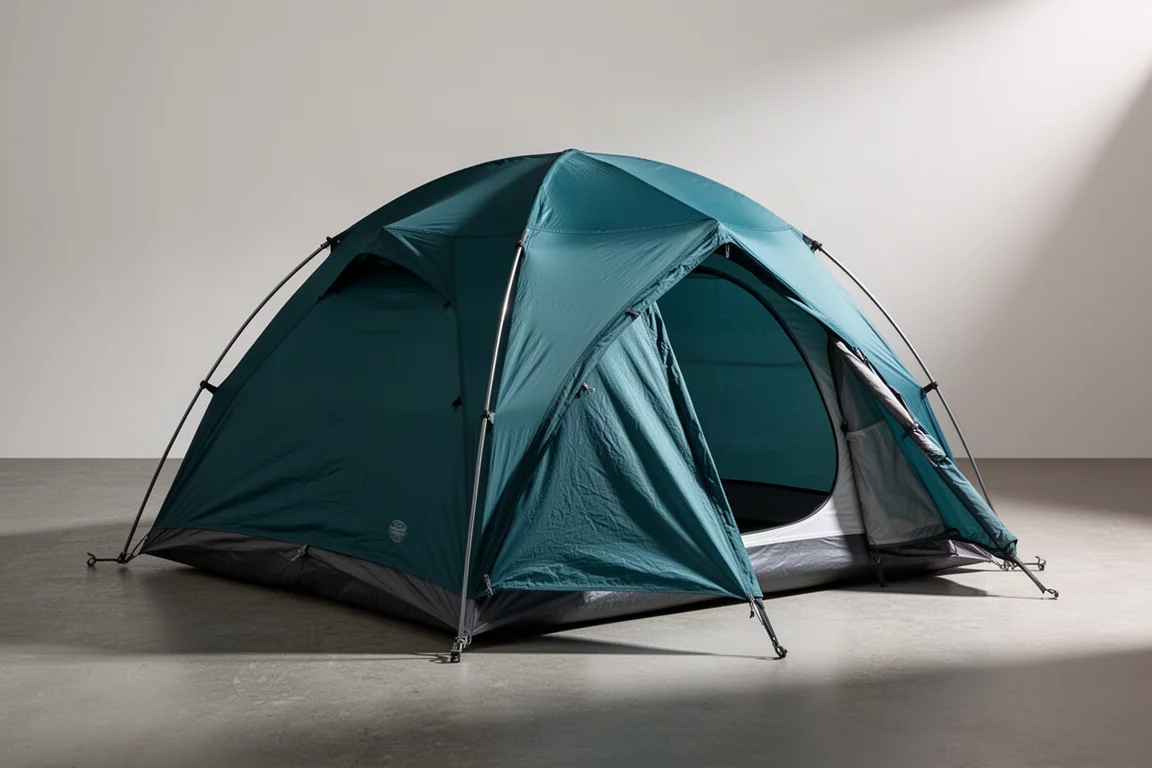
The Tiger Wall UL1 is semi-freestanding and built from nylon, which keeps the weight low but makes structural stability something you have to manage. In heavy wind, driving rain, or any snow load, it is not the most solid option in this group. A freestanding tent like the Telos TR2, or a pyramid-style trekking pole shelter, is a better answer for exposed high alpine conditions. Pitch quality matters here more than with a stiffer frame: if the tent is not set up carefully, panels move around and performance drops.
The specific feature gap is tension adjustment. The tie-off and stake-out points on the Tiger Wall do not let you tighten the shelter as conditions change. Nylon takes on more water than polyester or Dyneema, so the fabric sags in sustained rain, and a sagging fly can press against the inner tent and wick moisture inside. Being able to re-tension a shelter through a wet night is a genuine advantage, and this design does not offer it.
Where the Tiger Wall UL1 does well is livability. The double-wall construction keeps condensation off you, the steep wall stays out of your face, and the interior is a fair middle ground for a one-person tent rather than a cramped tube. The floor fills up quickly once a thick pad and a sleeping bag are in place, so some gear will likely end up outside.
Big Agnes Tiger Wall UL2: The Same Lightweight Design for Two
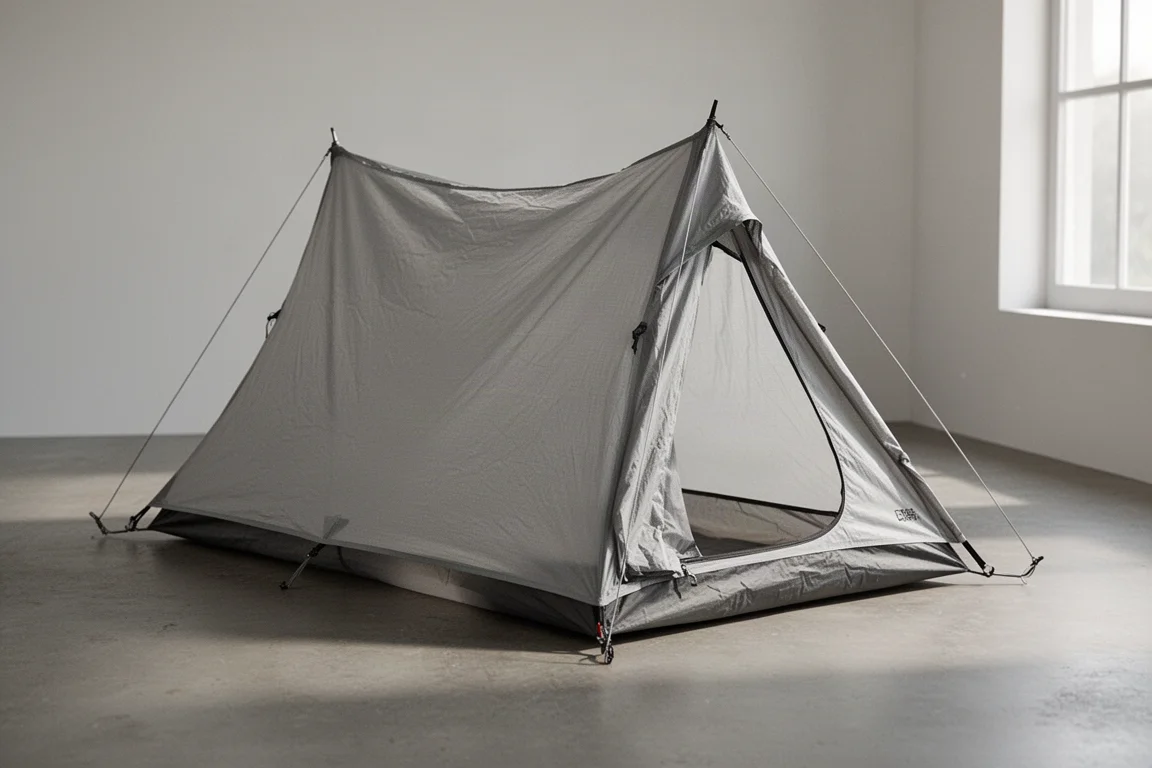
The Tiger Wall UL2 scales the same semi-freestanding, double-wall concept to two people. The wind-performance caveat grows with the larger panels: a two-person Tiger Wall has been seen flattening in strong wind on soft sandy ground when the pitch was not dialed in, which is a reminder that ultralight shelters reward attention at setup time.
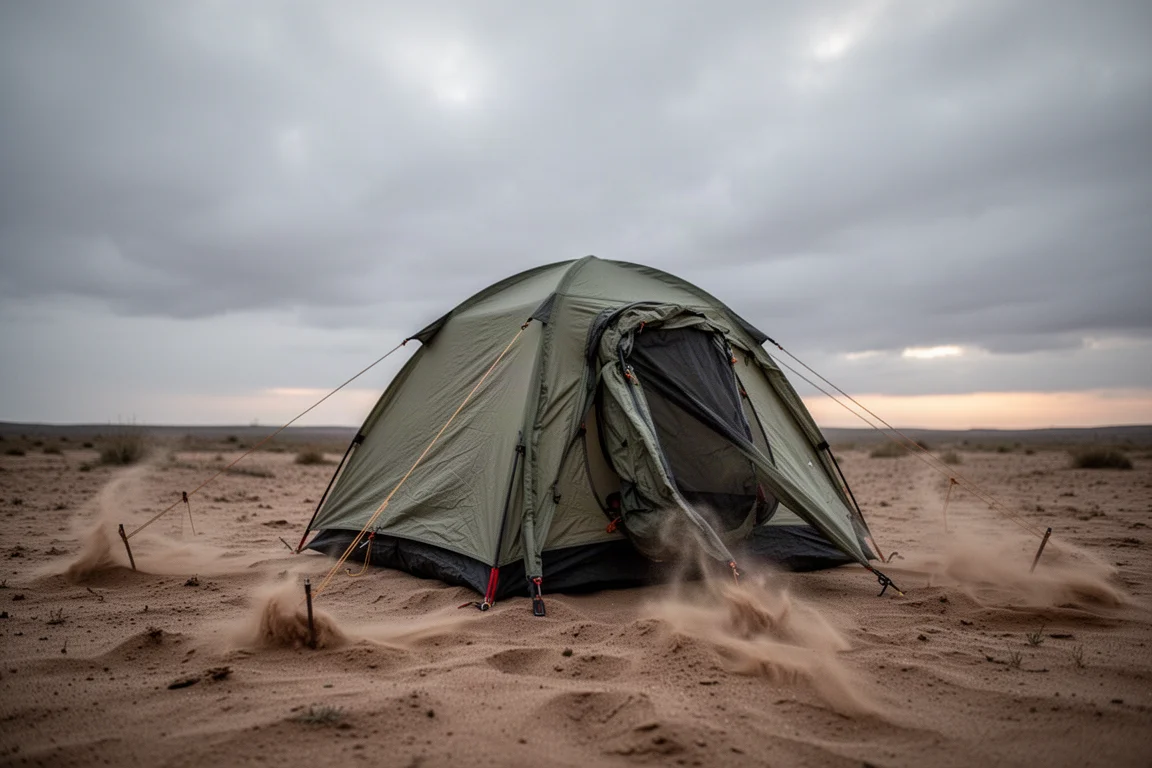
For two people in sheltered terrain and moderate weather, the appeal is the space-to-weight ratio: double-wall protection, two sleeping positions, and a packable size that is easy to carry. For trips above tree line or in shoulder-season storms, the same budget is better spent on a freestanding design or a pyramid shelter that handles wind and load more predictably.
Buying Advice for Your Next Backpacking Tent
Start with the gear you already own. Measure your pad, note its thickness and width, and check the floor dimensions of any tent you are considering at both the head and foot ends. If you sleep on a 25-inch pad, a two-person tent that tapers to 42 inches will not work for two wide pads, no matter how good the rest of the design is.
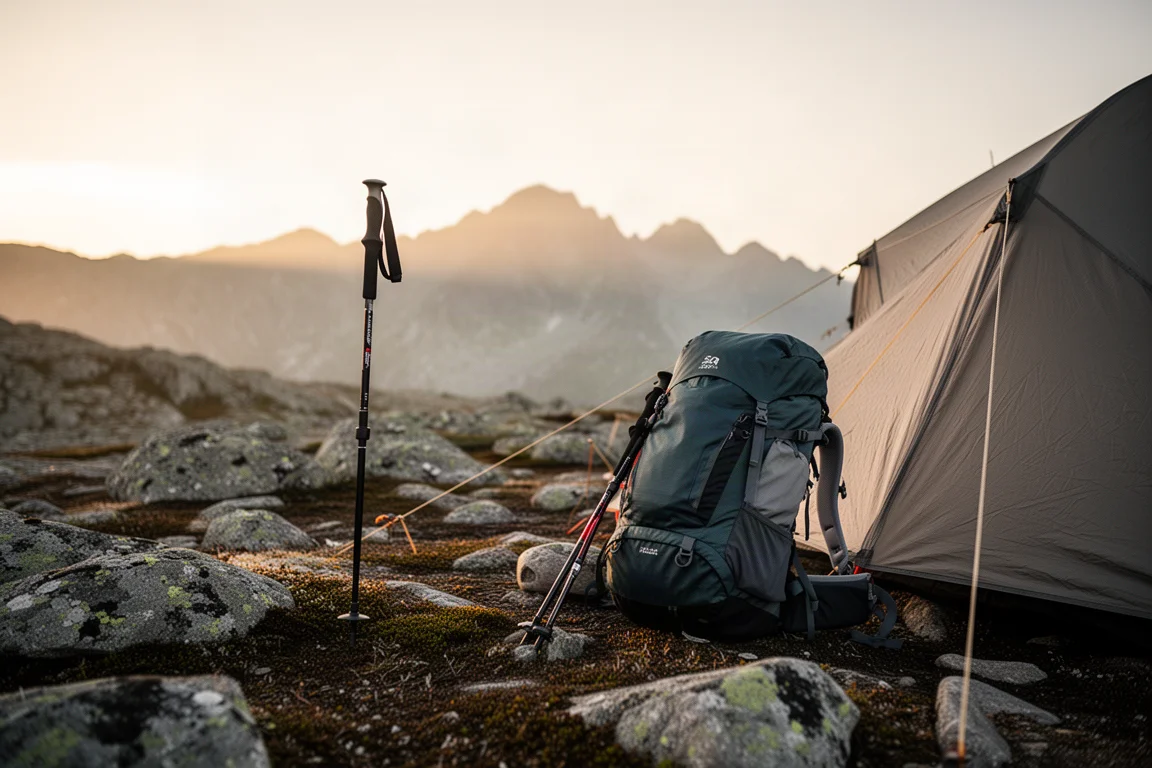
Then match the shelter to the ground and the weather you expect. Non-freestanding designs save the most weight but need reliable stake placements. Freestanding tents cost a little more weight and offer far more pitching flexibility. Semi-freestanding ultralight tents sit in between and depend on careful setup and, ideally, on tensioning hardware that lets you adjust through the night.
Expect give and take. Choosing the lightest shelter may mean accepting a smaller footprint and more careful pitching. Choosing a roomier tent may mean carrying a bit more weight or giving up interior space to your sleep system. Decide which of the three problems above matters least for your trips, and accept that compromise deliberately rather than discovering it on the trail.
Conclusion
The Fortius 1P wins on weight and footprint, the Telos TR2 wins on freestanding weather protection and interior room, and the Tiger Wall UL1 and UL2 balance weight against living space in one and two-person sizes. None of them is universally best. Check your sleep system, your expected weather, and how much space you need to sit out a storm, and the right choice becomes much clearer.
Further reading
Related Reviews
Backpacking Tents
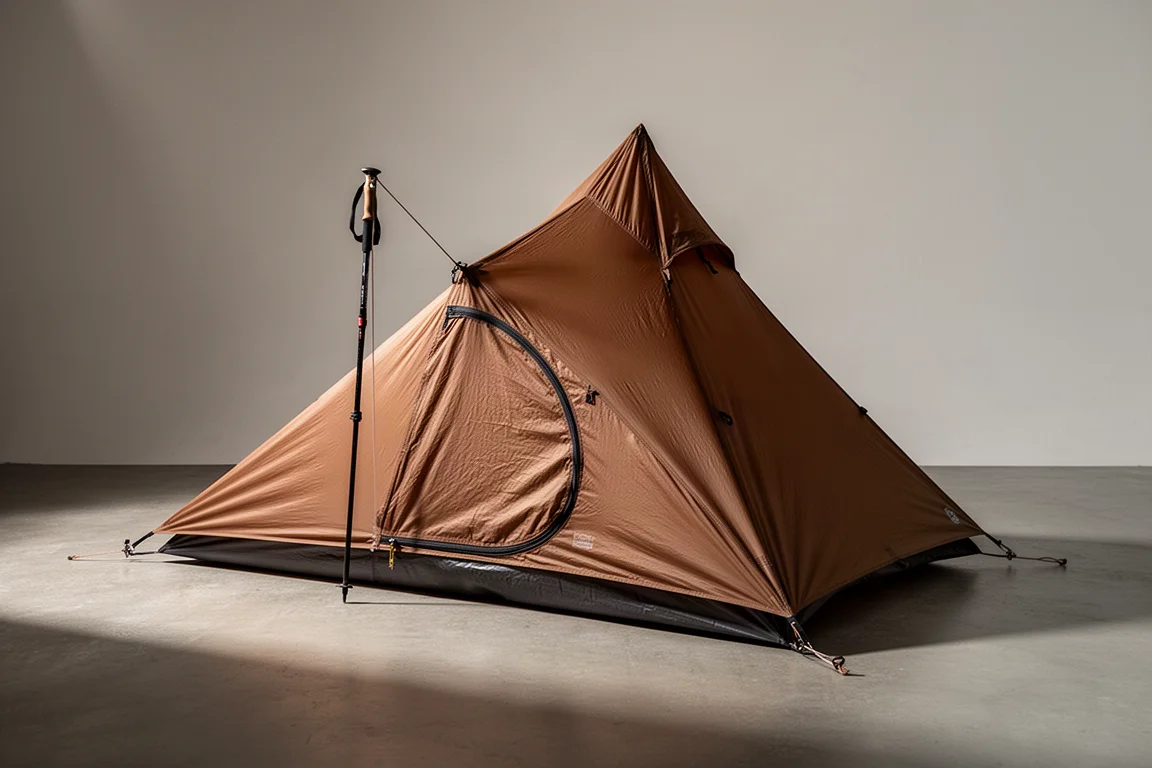
3F UL Lanchan Pro 1 Review: A 1 lb 8 oz Single-Wall Trekking Pole Tent
A practical look at the 3F UL Lanchan Pro 1, a single-wall trekking pole shelter with a 1 lb 8 oz weight, 20D silnylon fabrics, and a roomy 90 x 31 x 49 inch interior.
Backpacking Tents
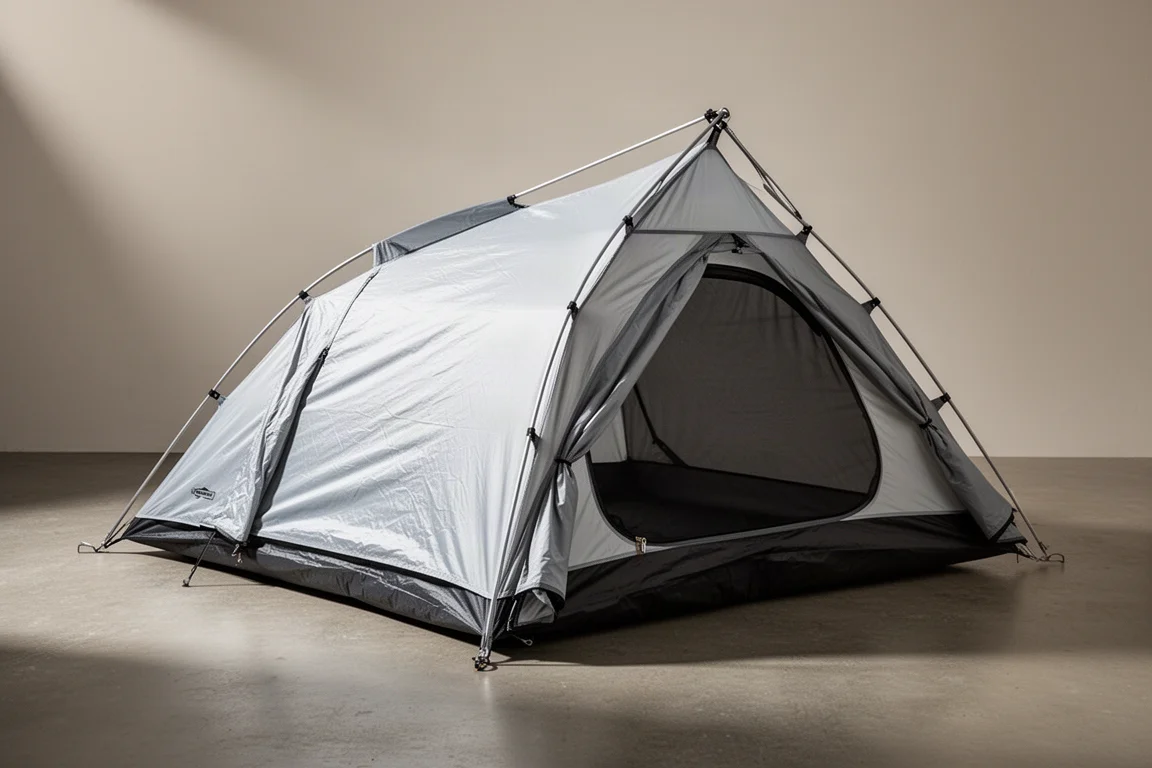
3F UL Taiji 2-Person Tent: A Convertible Backpacking Shelter Worth a Closer Look
A practical look at the 3F UL Taiji two-person tent, covering its materials, true two-person interior, fly-first pitching, and the seasonal inner swap that lets one shelter cover more of the year.
Backpacking Tents
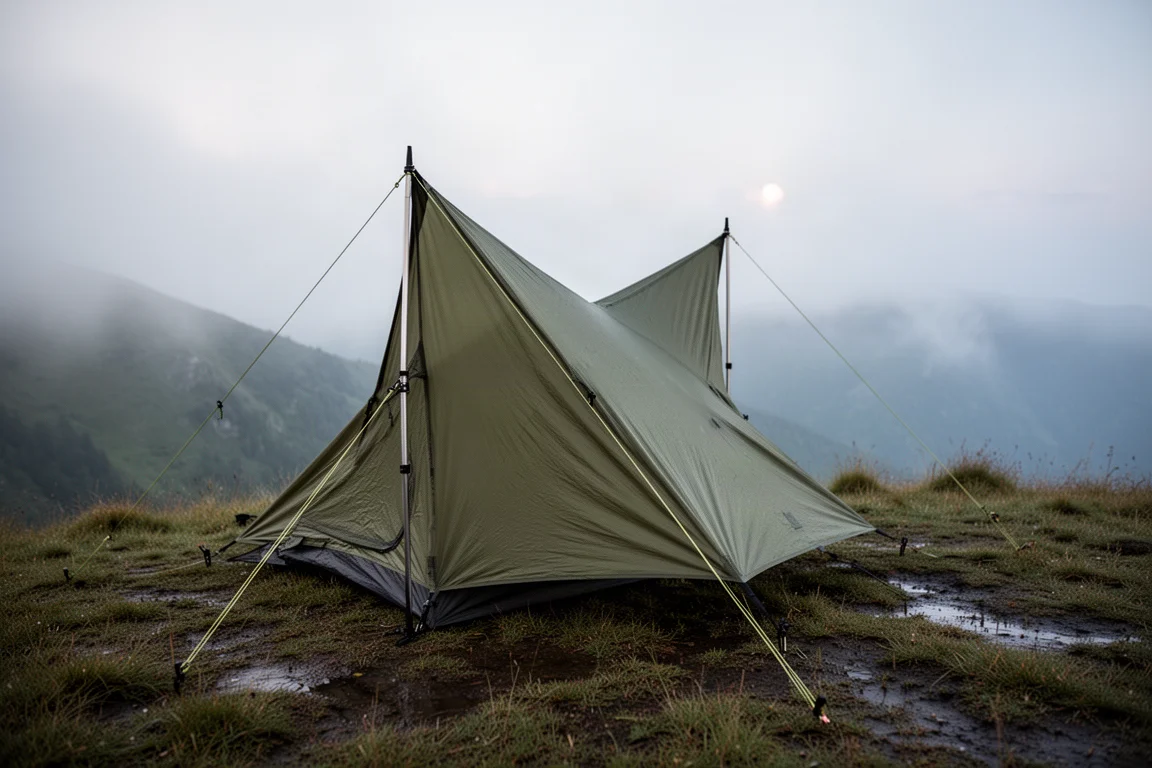
3FUL Lanshan Twoerson Pro Review: A Light Trekking Pole Shelter That Struggled in Rain
A two-person trekking pole shelter with a 2026 redesign, pitched with sticks and put through a night of steady rain. Here is what worked, what did not, and what to check before buying.