Outdoor Gear
Backpacking Stoves Compared: Budget Ultralight vs Premium Cook Systems
A $20 ultralight stove against a $130 cook system, plus two mid-range options, with real boil times, fuel use, and stability notes.
Introduction
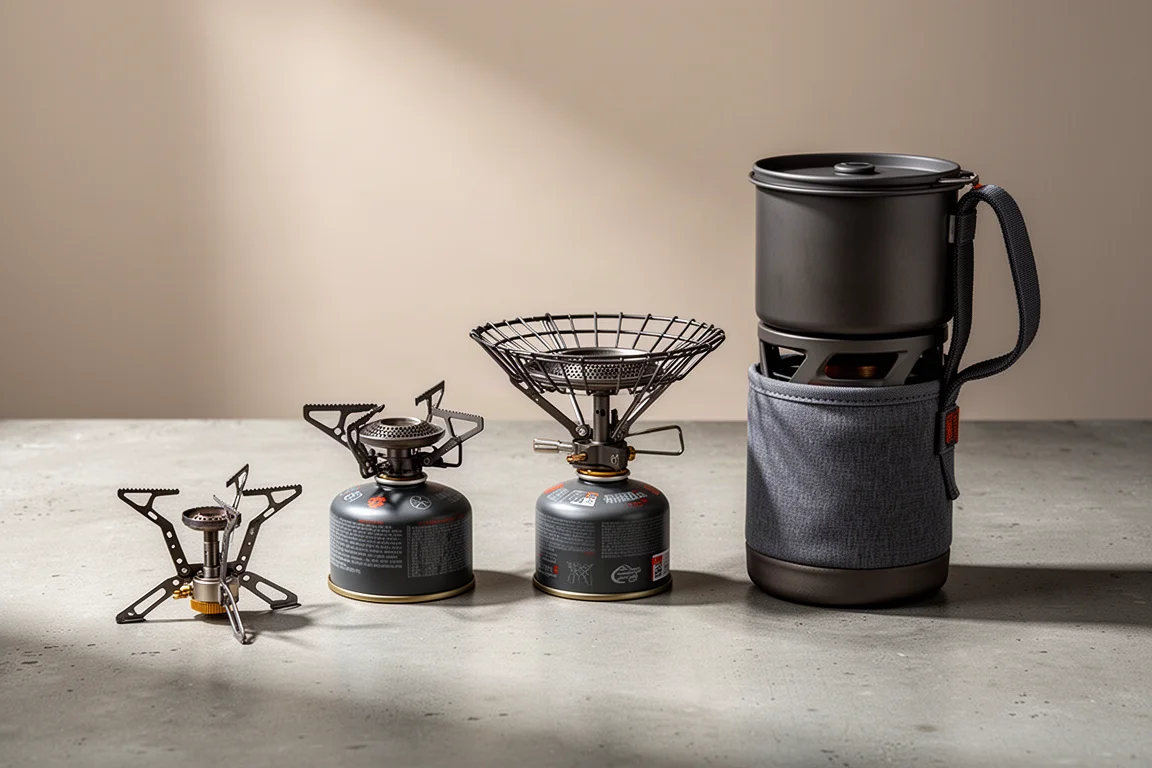
Two stoves, two very different ideas about what a backcountry kitchen should be. The BRS 3000T costs around $20 and weighs 26 g. The Jetboil Flash is a complete cook system at around $130 and about 13 oz (370 g). Both will boil two cups of water. How they get there, and what that costs you in weight, fuel, and money, is the interesting part.
This comparison puts four options side by side: the BRS 3000T at about $20, the MSR PocketRocket 2 at about $50, the Soto WindMaster at about $70, and the Jetboil Flash at about $130. Boil times and fuel use come from a controlled test with two cups (16 oz) of water at roughly 12,200 ft elevation, about 64°F, and no wind. The rest comes down to how each stove behaves when you are standing in camp at the end of a long day.
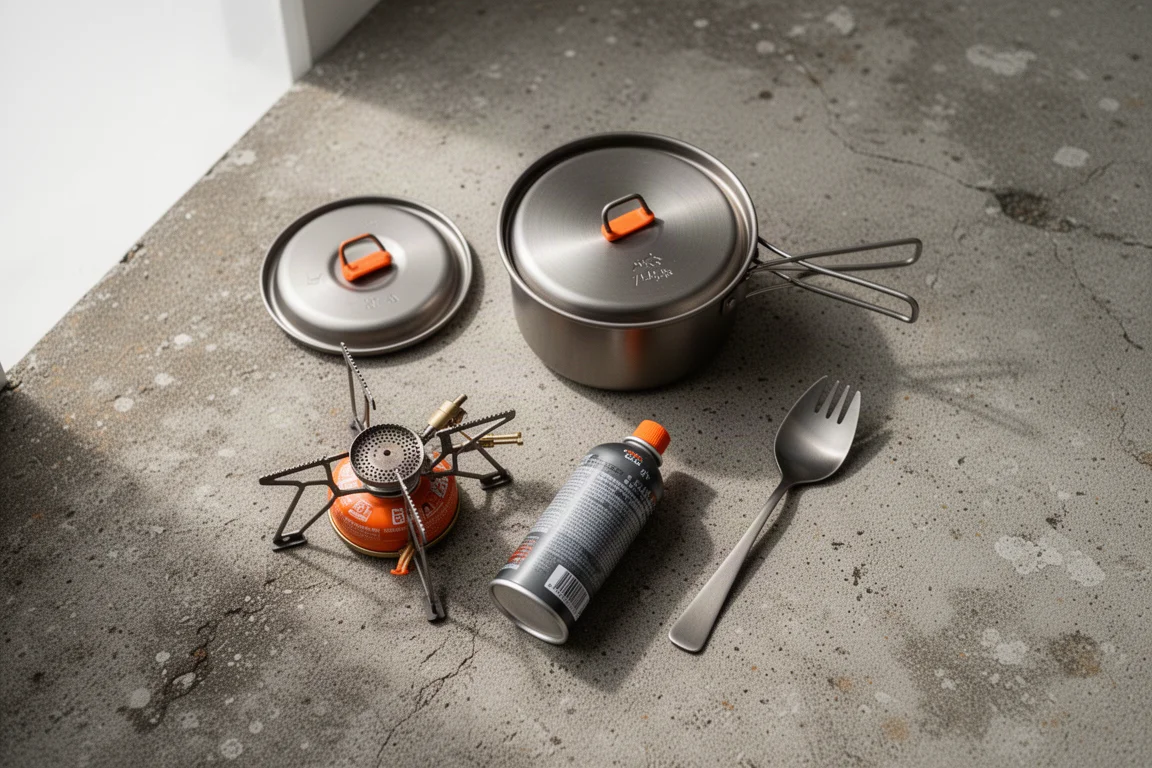
Weight, boil time, and fuel consumption are the three numbers that separate these stoves, and the sections below take them one at a time.
How These Stoves Were Compared
The test was deliberately simple. Each stove was lit, set to maximum output, and timed until two cups of water reached a rolling boil. Fuel use was measured by weighing the canister before and after each boil on a kitchen scale. Conditions were held steady: roughly 12,200 ft of elevation, about 64°F, and no wind.
Three things mattered most. First, boil time, because nobody wants to stand around waiting. Second, fuel consumed per boil, because canisters are dead weight you carry on your back. Third, stability, because a tipped pot of boiling water is the worst possible outcome of a camping trip. Setup, packability, and price round out the picture.
BRS 3000T: The Ultralight Budget Pick
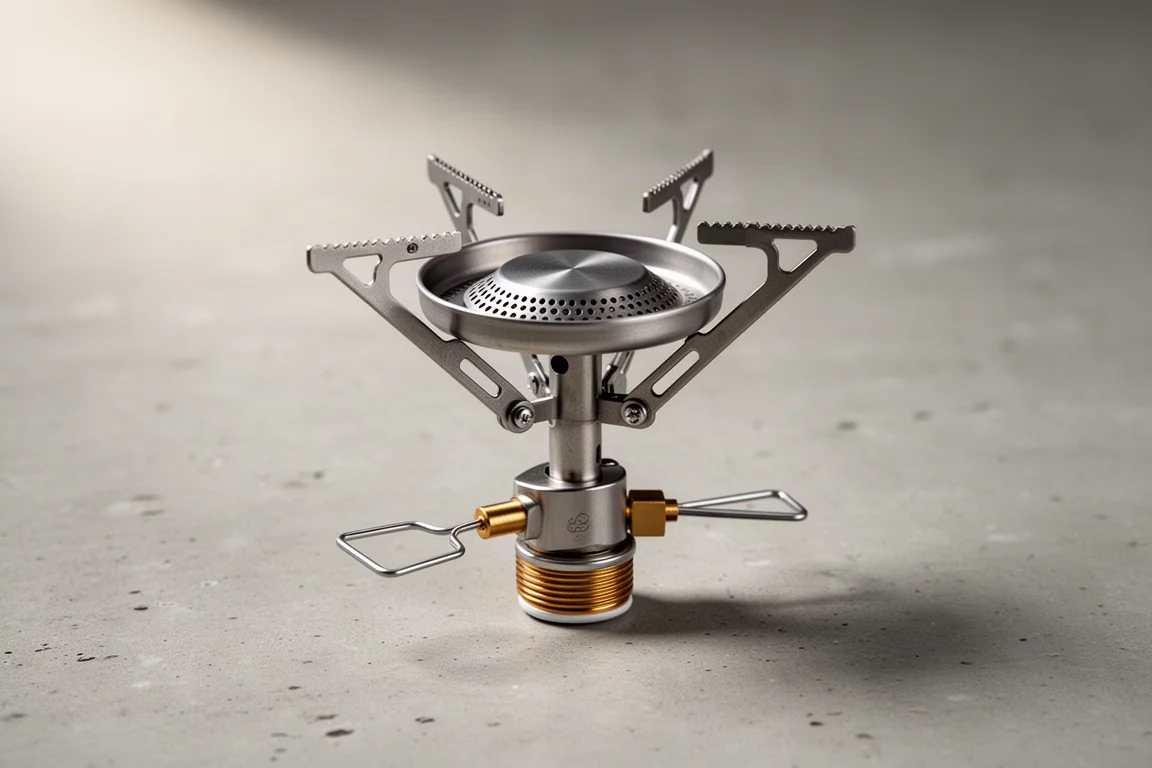
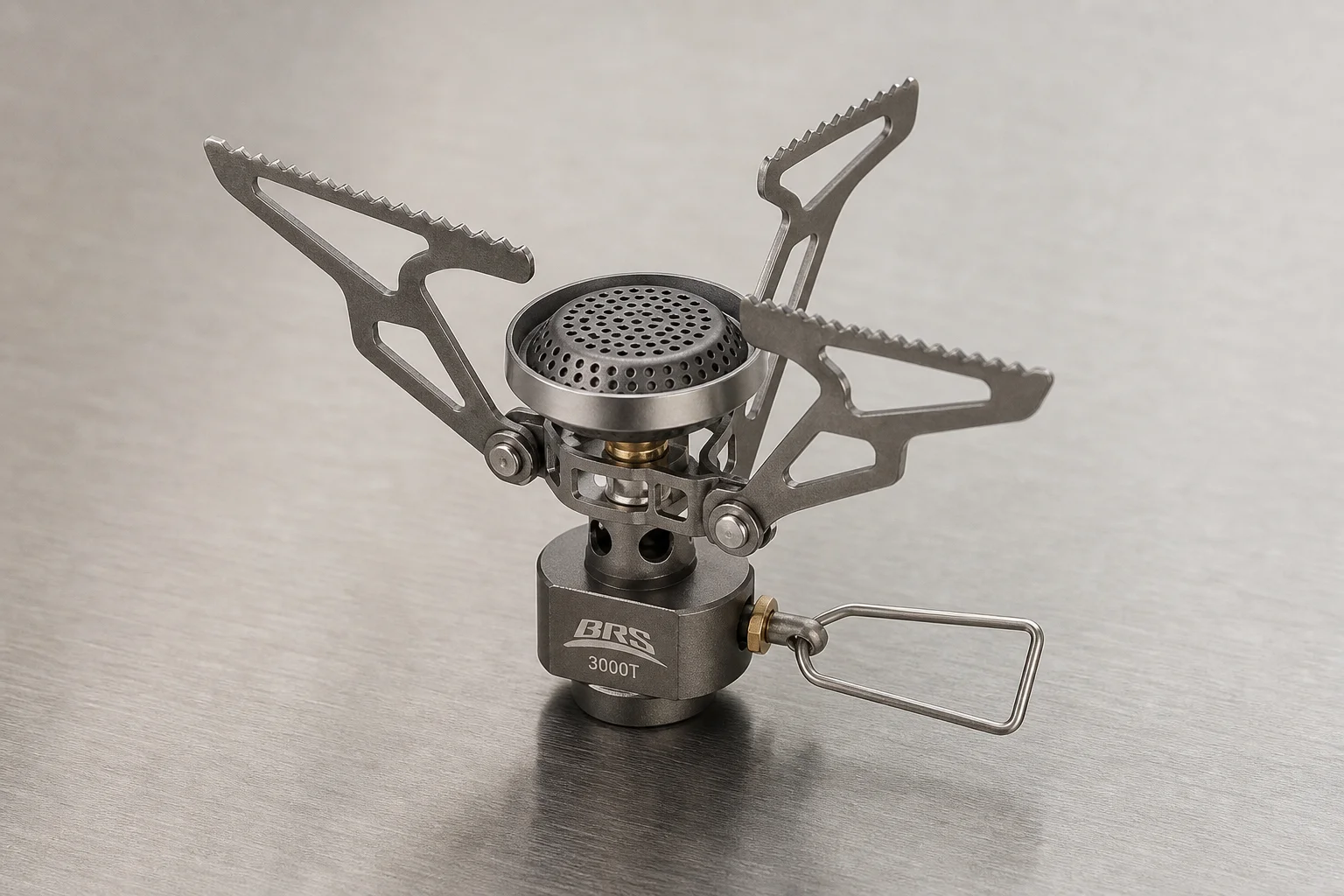
The BRS 3000T is about as minimal as a canister stove gets. It weighs 26 g, which is roughly the weight of 25 almonds, and the entire design consists of one adjuster for fuel output and three arms that flip up to form the pot support. There is nothing else to it.
That simplicity cuts both ways. Fewer parts mean fewer things to break, and the stove feels almost impossibly small in the hand. It also feels slight, in the sense that it does not inspire the same confidence as a heavier stove. Pot support is where that shows up most. A pot sits on those three arms and stays there, but it needs more care in placement than a system that locks the pot to the burner. Choose a flat, sheltered spot and keep the pot centred.
The numbers were respectable. Two cups of water boiled in 3 minutes and 25 seconds and used about 9 g of fuel. Pairing the stove with an ultralight titanium pot, which typically runs about $40 to $60, brings a complete cook system to roughly $70, or about half the price of the Jetboil Flash.
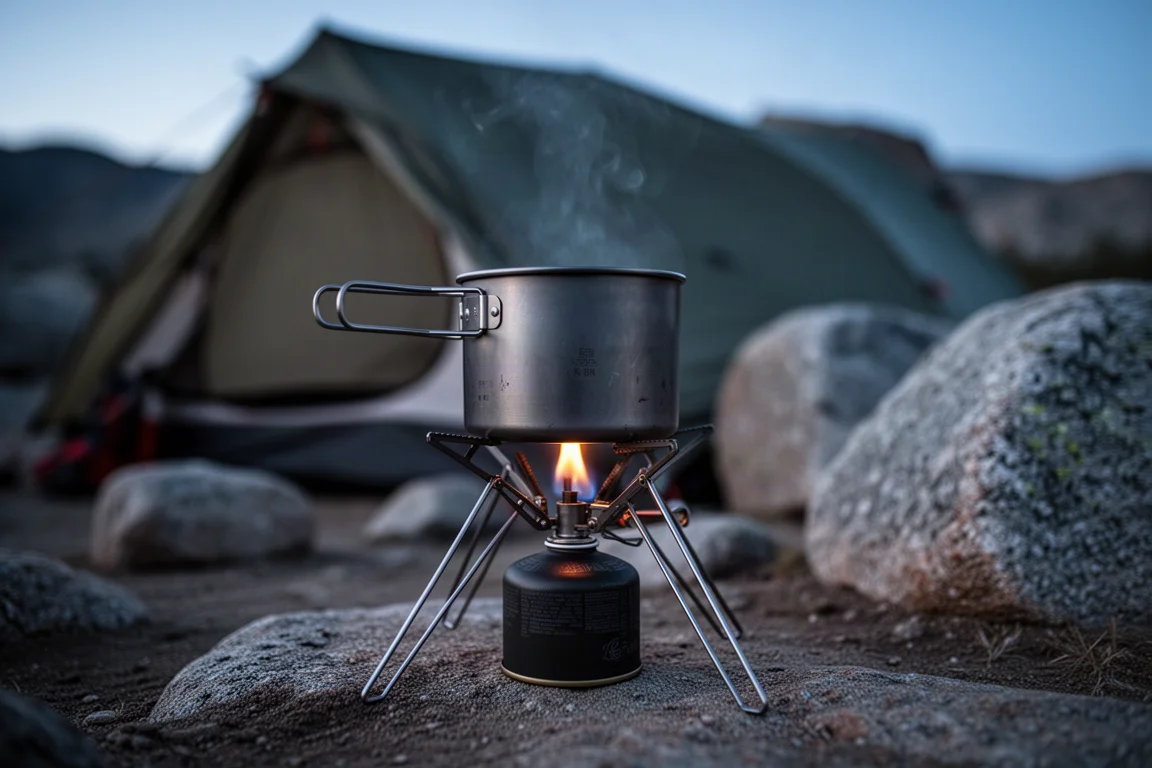
For anyone counting grams, this is the stove that disappears into a hip belt pocket and stays out of the way. The trade-off is time and fuel, both of which it uses more of than the alternatives here.
Jetboil Flash: The Fast, Shareable Cook System
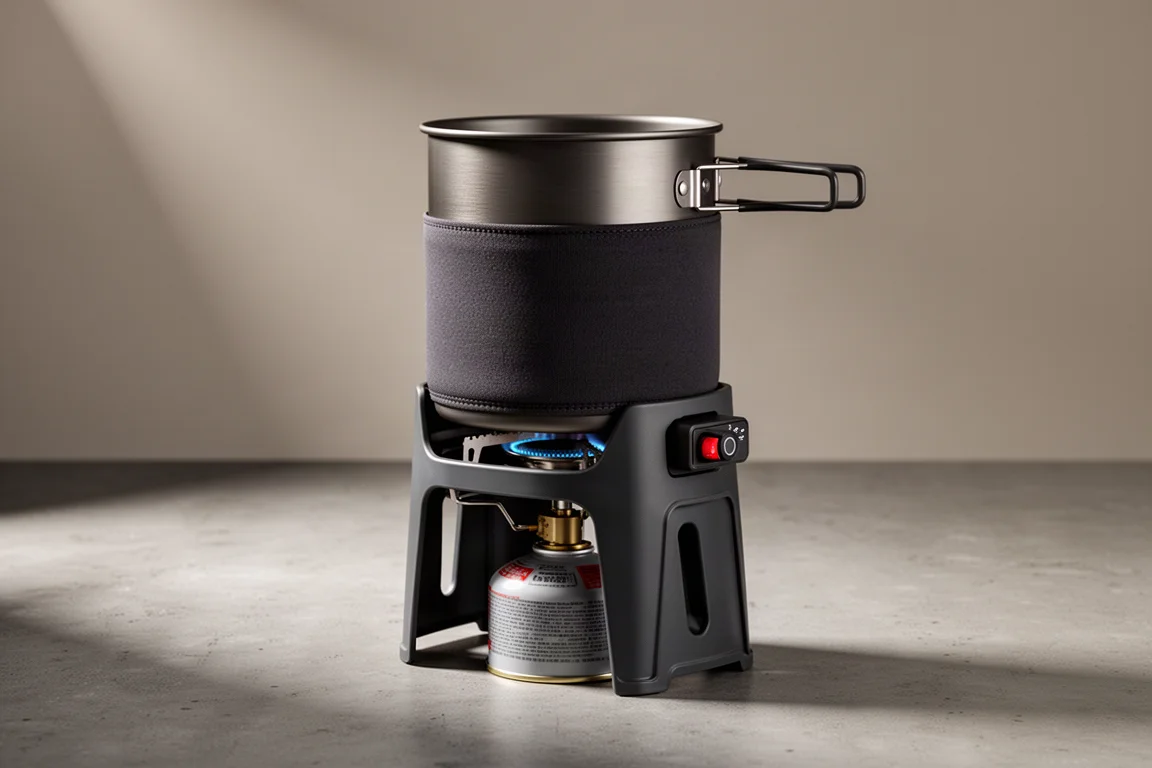
The Jetboil Flash is not really a stove, it is a system. The $130 buys a pot, a lid, a cup that attaches to the base of the pot, the burner itself, a small fuel canister support, and an insulated sleeve with a handle. That sleeve carries flame graphics that turn red as the water inside heats up, so you get a visual cue that the boil is close.
The whole package weighs about 13 oz (370 g), roughly 14.2 times the BRS 3000T. Packed down it is taller and bulkier, and over several days of backpacking it starts to feel like a lot of gear for one person.
What you get for that weight is speed and stability. The pot screws directly onto the stove and latches onto the burner arms, so the whole assembly stands firm. You can tap the pot without it wobbling, which is not something you would try with a stove that relies on three folding arms.
In the boil test, two cups took 1 minute and 42 seconds and used about 5 g of fuel. That is roughly half the time and half the fuel the BRS 3000T used under the same conditions.
One caveat worth knowing: the built-in push-button igniter is not dependable. It lit once and then refused to work again, and the practical odds of it sparking on a given attempt are low enough that a backup lighter belongs in your kit regardless. If a reliable ignition system is a deciding factor for you, treat the igniter as a bonus rather than a feature.
MSR PocketRocket 2: The Balanced Mid-Range Option
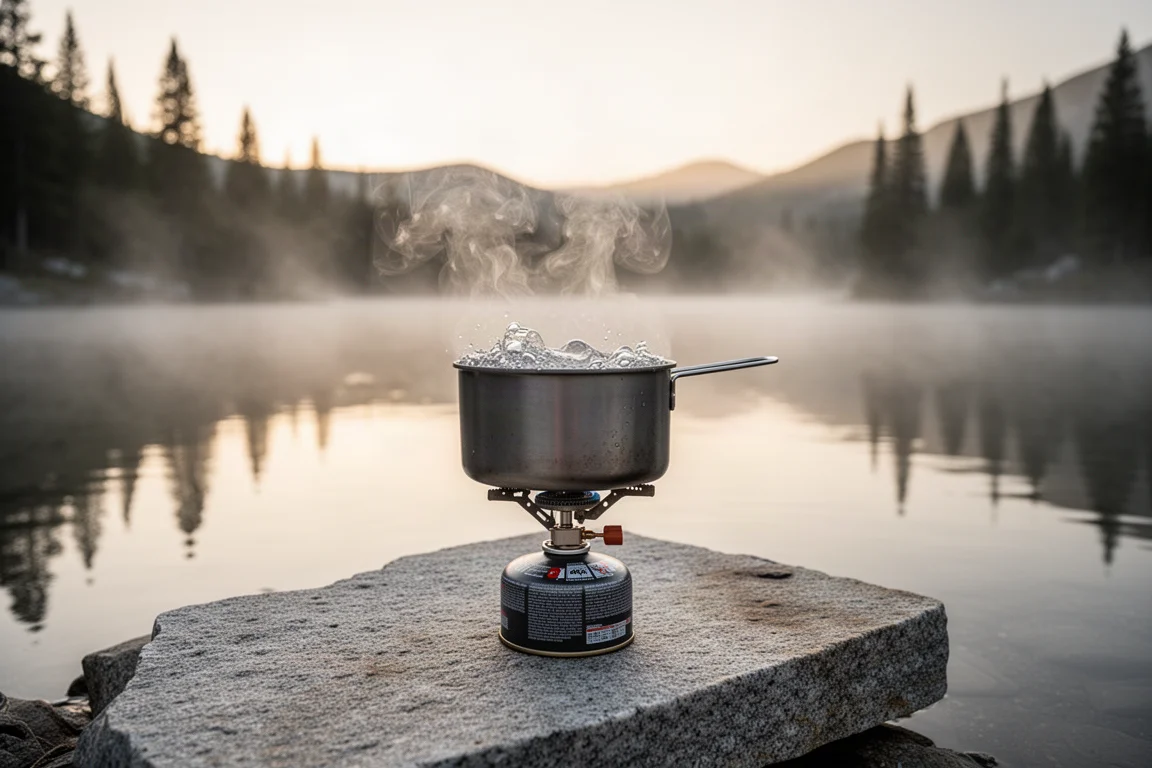
At around $50, the MSR PocketRocket 2 occupies the middle of this group. It is very stable, boils water quickly, and is efficient with fuel, which makes it an easy recommendation for anyone who wants better manners than the budget stove without paying for a full cook system.
The appeal here is that it avoids both extremes. It is not as stripped down as the BRS 3000T, and it does not ask you to carry a pot, sleeve, and lid as one integrated package the way the Jetboil Flash does. For a lot of backpackers, that is the whole point.
If you are unsure whether you lean ultralight or comfort-first, this is the price point where that uncertainty costs you the least.
Soto WindMaster: The Wind-Resistant Step Up
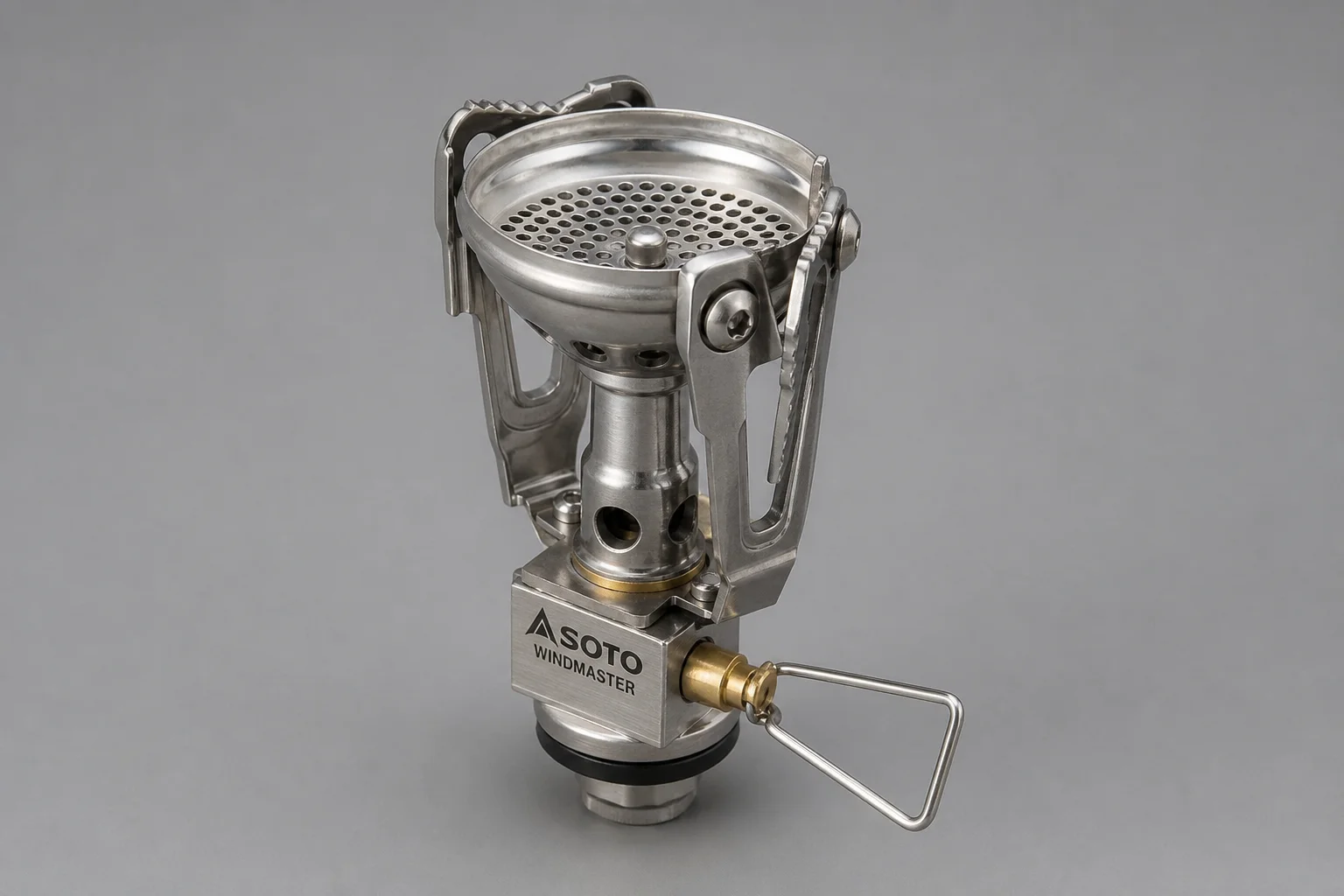
The Soto WindMaster runs about $70 and is built for the conditions that expose weaker stoves. It is reliable in wind, boiling water well when the weather is working against you, and it does so quickly and without burning through a lot of fuel. That combination of reliability and efficiency is what separates it from the cheaper options here.
For campers who regularly cook in exposed places, the extra $20 over the PocketRocket 2 buys peace of mind that is hard to put a number on. It is still a stove rather than a complete cook system, so a pot remains part of the shopping list.
Buying Advice: Matching the Stove to the Trip
The honest answer is that both ends of this range are worth their price, just not for the same trip.
If the goal is the lightest possible pack and you are comfortable paying attention while you cook, the BRS 3000T is hard to argue with at around $20. Its 26 g weight means you can carry it without noticing, and its low cost leaves room to spend on a pot or other gear you actually care about. On a long or gruelling route, that weight saving matters more than the boil time.
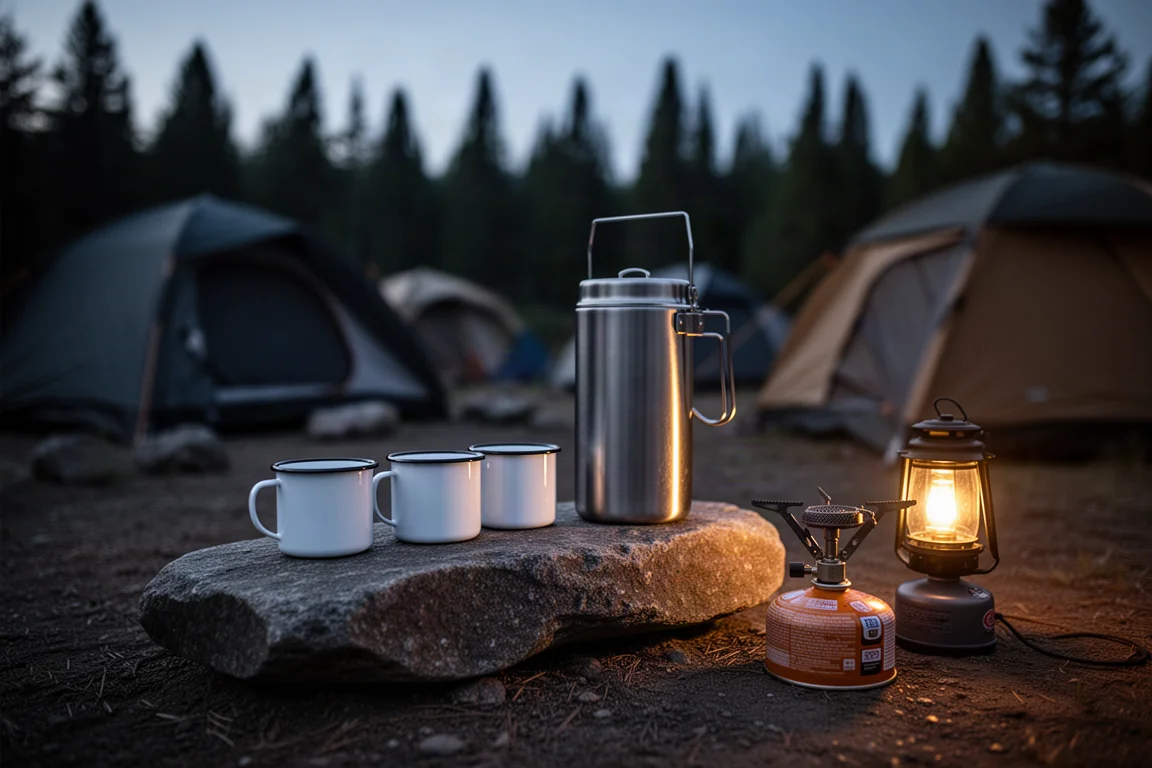
The Jetboil Flash earns its $130 in a different scenario: group trips. Because it boils water so quickly and uses so little fuel, several people can share one system and get their meals and hot drinks ready in sequence without carrying multiple stoves. As a solo setup over several days, the weight and bulk start to feel like overkill.
The two mid-range stoves cover the space in between. The MSR PocketRocket 2 at around $50 delivers stability, speed, and fuel efficiency without the integrated cook system. The Soto WindMaster at around $70 adds dependable performance when it is windy. If you are not sure which camp you fall into, one of these is the lower-risk purchase.
A practical way to decide is to weigh the stove against the trip. Ultralight and long distance point to the BRS 3000T. Shared meals and fast boils point to the Jetboil Flash. Wind and uncertainty point to the PocketRocket 2 or the WindMaster.
Conclusion
There is no single winner here, and that is the useful takeaway. The BRS 3000T is an outstanding ultralight stove for about $20, provided you accept slower boils, higher fuel use, and a pot support that asks for care. The Jetboil Flash is the better system for about $130, provided you are willing to carry 13 oz and can live without relying on its igniter. Between them, the MSR PocketRocket 2 and the Soto WindMaster offer a middle path that suits a lot of backpackers better than either extreme.
Match the stove to how you actually travel, and the price stops being the deciding factor.
Further reading
Related Reviews
Outdoor Gear
Backpacking Gear Evolution: 100 Years of Technology Compared
We tested backpacking gear from 1925, 1975, and 2025 across a three-day hike in Yosemite. Here's how technology has transformed comfort, weight, and the outdoor experience.
Outdoor Gear
Best Affordable Hiking Watches: Five Rugged Options for Outdoor Adventures
Five durable hiking watches that balance ruggedness, functionality, and value for outdoor enthusiasts who need reliable GPS tracking and weather resistance.
Outdoor Gear
Best Backpack Coolers 2026: Five Practical Options for Outdoor Adventures
Five backpack coolers with distinct cooling capabilities, storage features, and design trade-offs to help you choose the right one for your outdoor needs.