Outdoor Gear
Backpacking Gear vs Camping Gear: 10 Pieces That Show the Difference
A practical look at how backpacking gear and camping gear differ in priorities, with ten products that show the trade-offs between weight savings and campsite comfort.
Introduction
The line between backpacking gear and camping gear gets blurry fast. A piece of kit that feels excessive on a long trail can be exactly right when the vehicle is parked a few steps away. The most useful rule of thumb is simple: all backpacking gear can work for camping, but not all camping gear can work for backpacking.
That single idea explains most disagreements about weight. When gear is carried on your back, every gram has to earn its place. When gear rides in a vehicle, the priorities shift toward comfort, space, and livability. The ten items below show that split clearly, from power and sleep systems to seating and cooking.
The Real Difference: Priorities, Not Categories
Before choosing anything, it helps to answer two questions: what is the goal of the trip, and what kind of experience do you want to have? A fast, lightweight backpacking trip and a relaxed basecamp weekend are different experiences, and the gear that supports each one is different too.
For backpacking, the priorities are compact size, low weight, and simplicity. Gear should set up quickly, be easy to use when you are tired, and avoid demanding much attention. For camping, the priorities are comfort and livability. Weight matters far less, and the main constraint is usually how much room everything takes up in the vehicle rather than on your back.
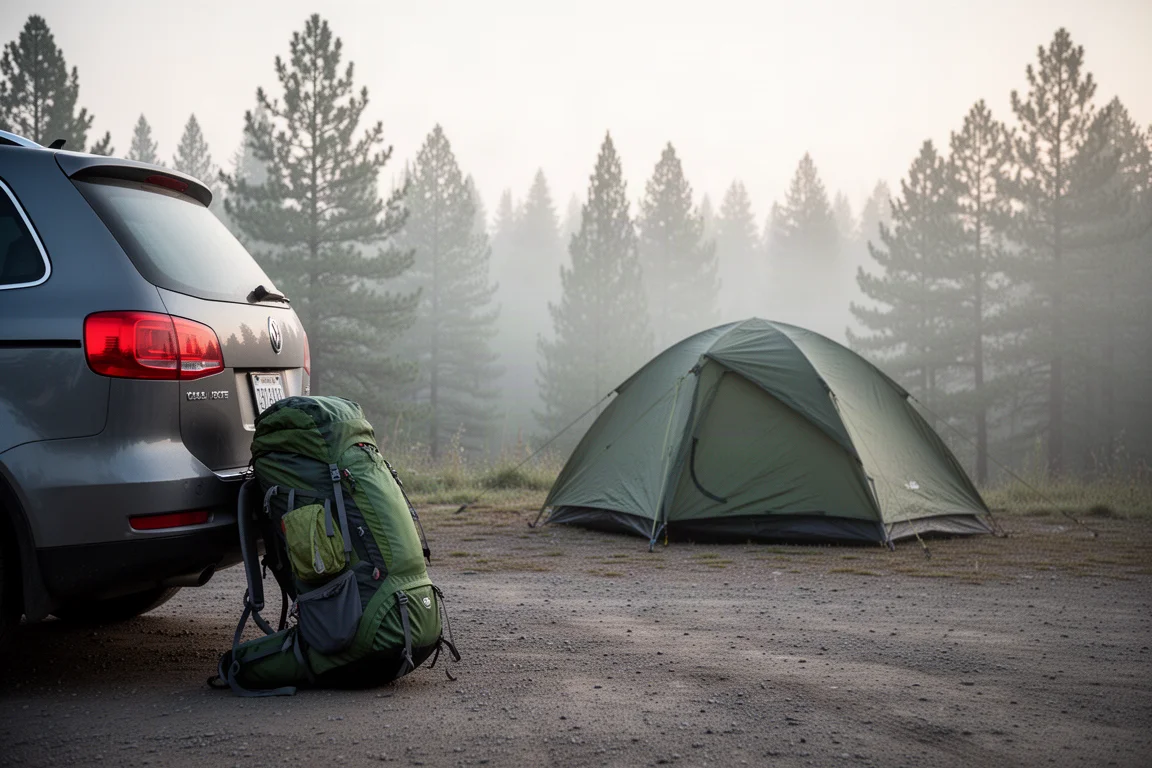
That is why a piece of gear can be excellent in one context and a poor fit in another without either judgment being wrong. The same shelter, pad, or stove can be perfectly reasonable for a car camping weekend and genuinely hard to justify on a multi-day hike.
Power: Battery Bank or Portable Power Station
Power needs scale with the trip. A small battery bank covers a phone, a satellite messenger, and a few camera batteries for a weekend. A camping trip that involves lighting, small appliances, or several devices to keep topped up is a different problem, and that is where a portable power station earns its place.
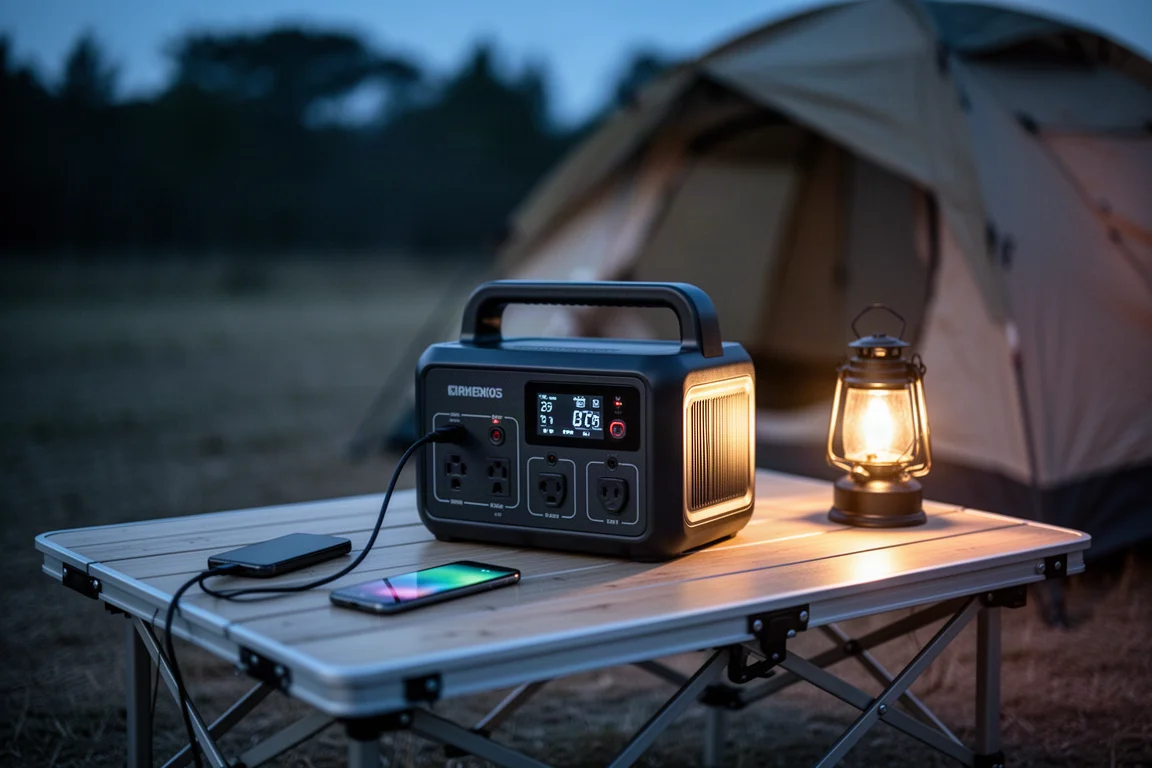
Anker Solix C300 DC Power Station
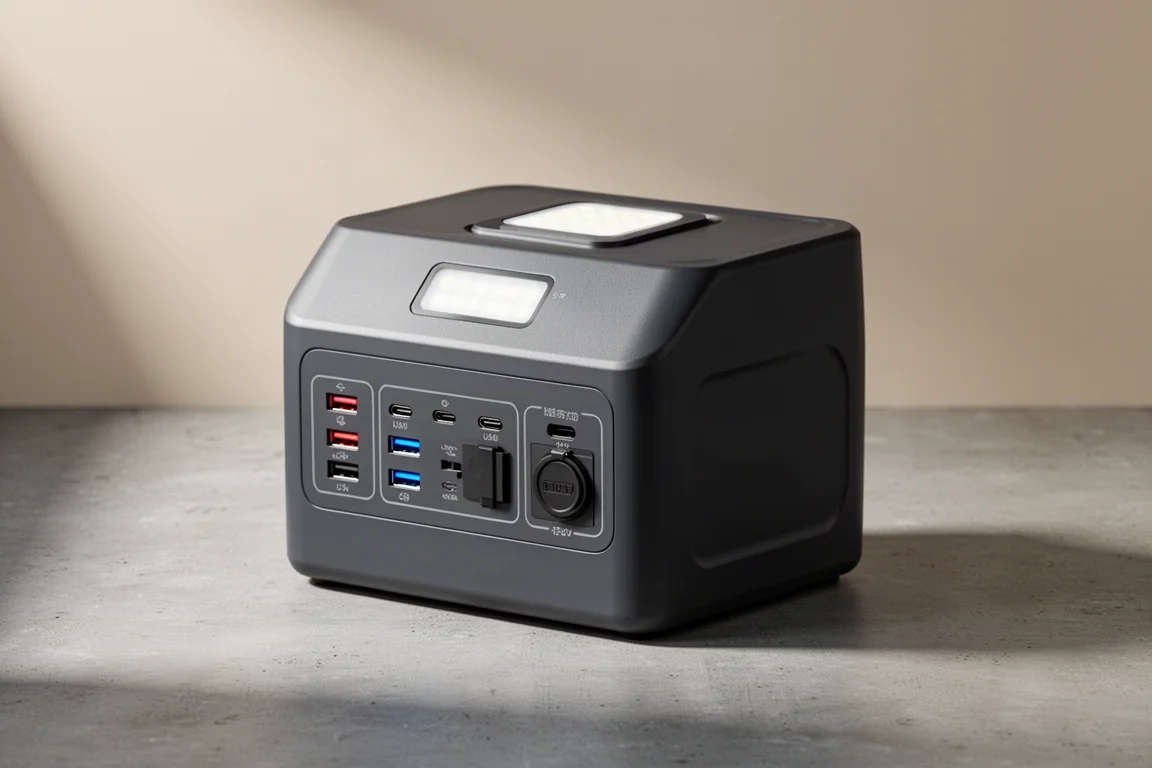
The Anker Solix C300 DC is a compact power station with a 90,000 mAh capacity that delivers 300W of output. Around $200 USD, it offers two USB-C ports at 140W each for fast charging, two additional USB-C ports, two USB-A ports, a 12V output, and a solar input rated for up to 100W.
One detail that suits tent life is the pop-up light on top, which provides ambient lighting when you are hanging out inside. For camping trips where several devices need charging and a little light is useful, it covers both jobs in one unit.
Anker Solix C300 Power Station
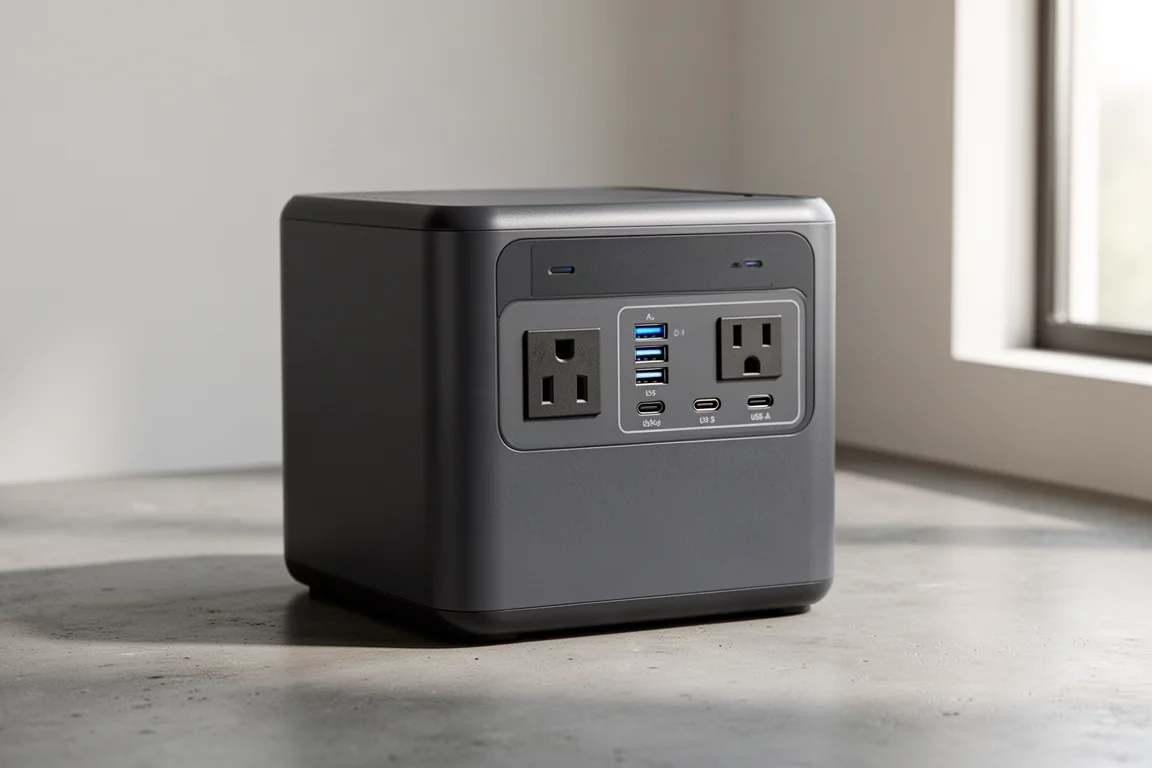
The Anker Solix C300 adds AC outlets for more flexibility. Its AC inverter handles up to 600W of surge power and 300W of continuous power, which opens up uses that a DC-only station cannot cover.
If your camping setup includes anything that plugs into a standard wall outlet, the C300 is the more versatile choice. If you only need USB charging and a bit of light, the DC version keeps things simpler.
Sleep Systems: Bags, Pillows, and Pads
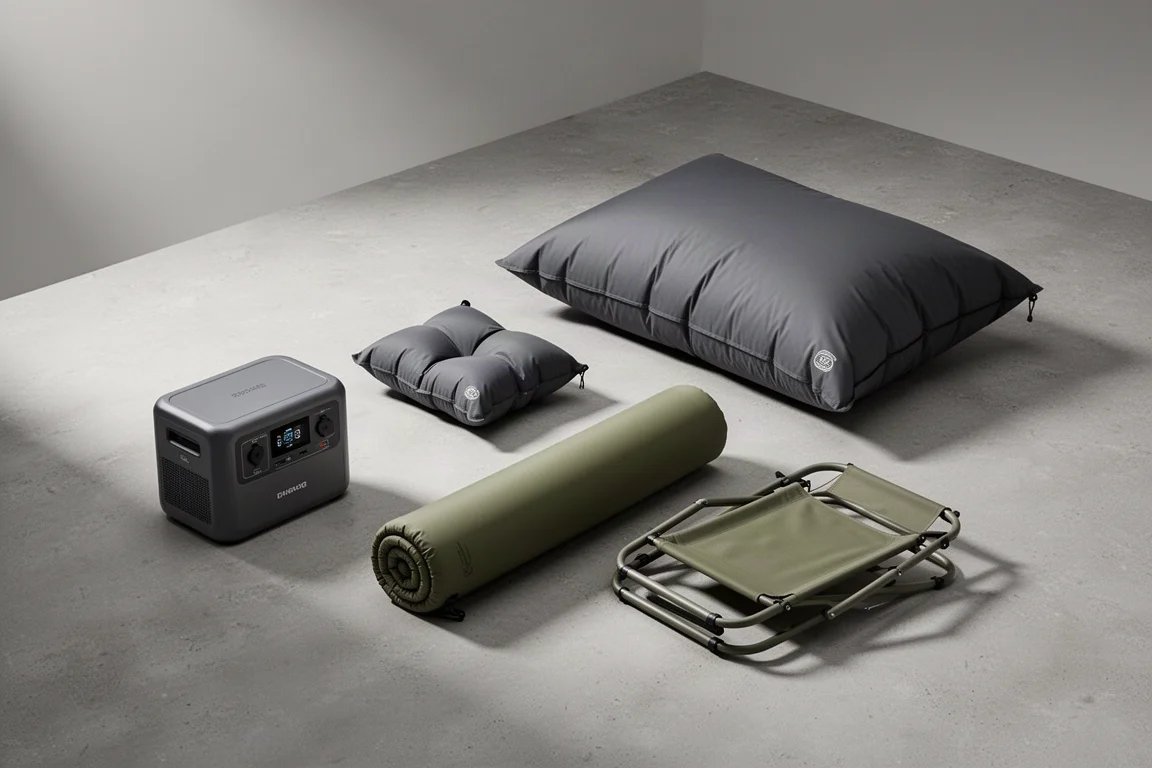
Sleep is where the backpacking and camping split shows up most clearly. A backpacking sleep system is built around saving weight and pack space, while a camping sleep system is built around how you feel in the morning.
That trade-off shows up in every part of the system: the bag, the pillow, and the pad. Each one has a lightweight version and a comfort-first version, and the right pick depends on how far you are carrying it.
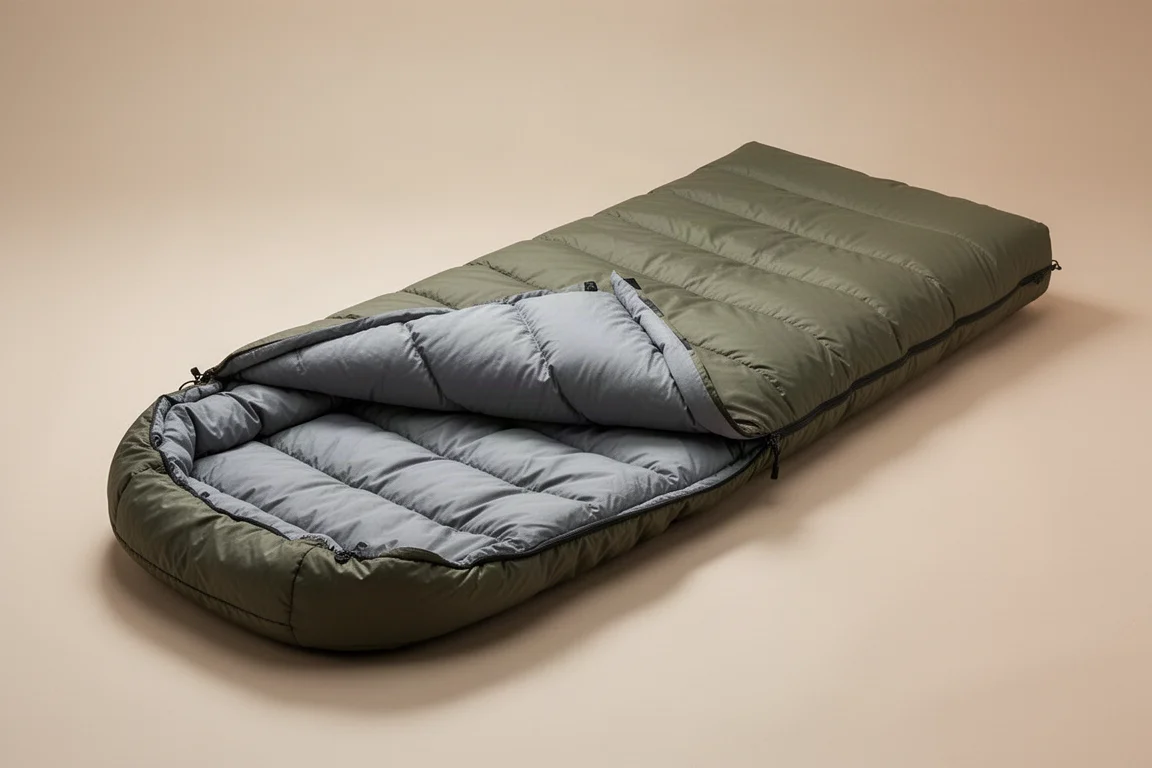
Big Agnes Diamond Park Sleeping Bag
The Big Agnes Diamond Park is a large sleeping bag with a lot of interior room to move around in, designed to feel closer to a bed than a mummy bag. That space and comfort come with real weight and bulk compared with a lightweight backpacking bag.
For a car camping trip, the extra room is the whole point. It is heavier and bulkier than a minimal bag, and for that reason it is not the first choice when every item has to fit inside a pack.
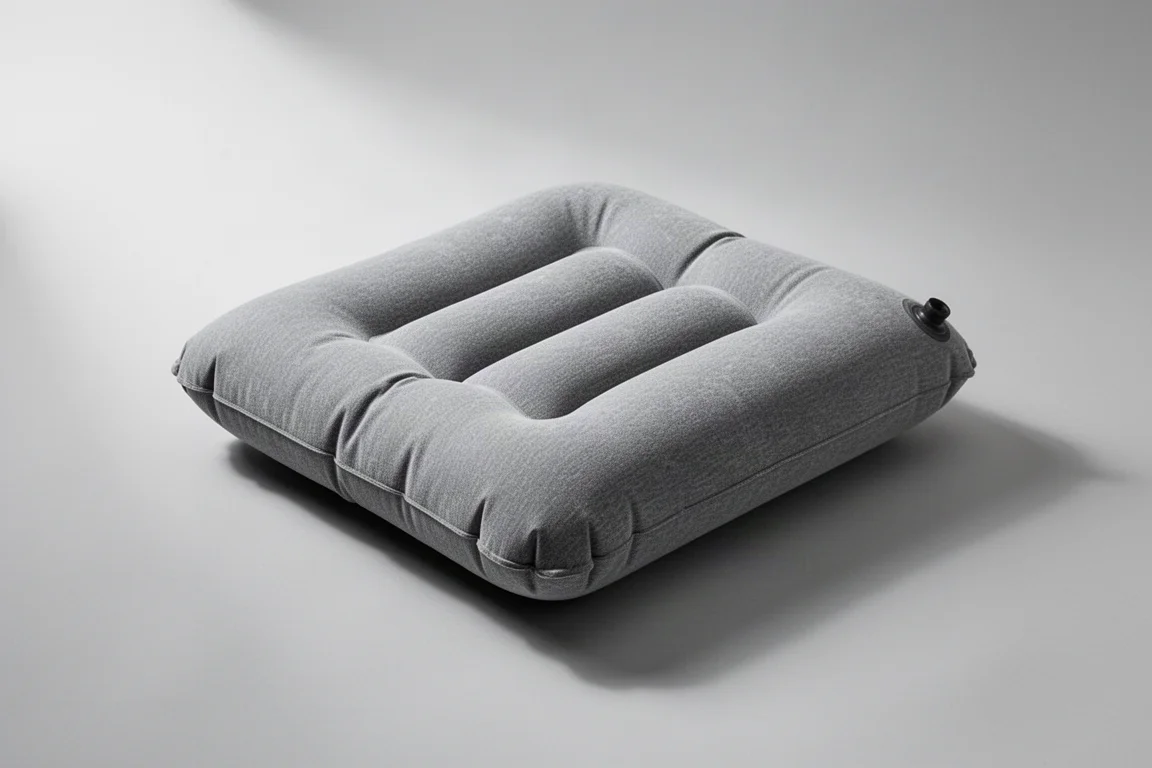
NEMO Fillo Elite Pillow
The NEMO Fillo Elite is a very small inflatable pillow. It is light, packs down to almost nothing, and still gives you something soft to rest your head on.
From a backpacking standpoint it is a strong option, because it solves the problem without adding meaningful weight or volume. Campers who want more cushioning will likely look at something larger.
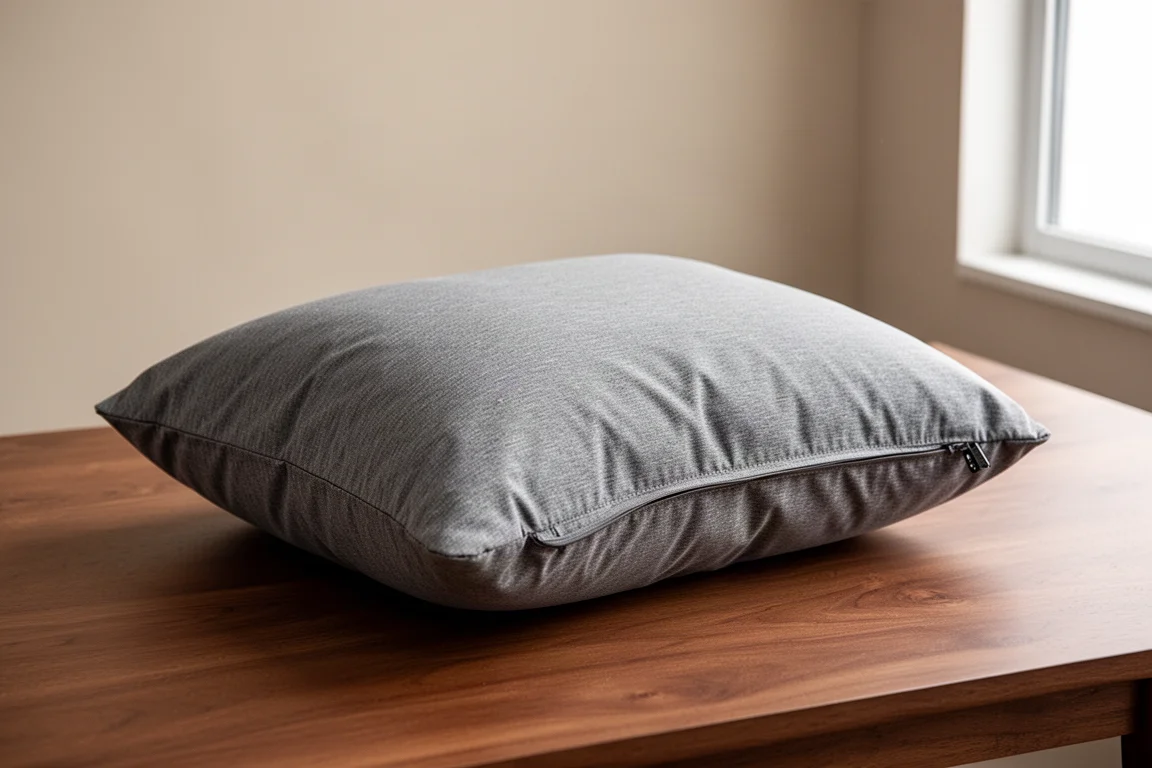
HEST Camp Pillow
The HEST Camp Pillow takes the opposite approach. It is bulky and heavy, and it is built for comfort rather than packability.
That makes it a natural fit for a camping setup where the pillow travels in a vehicle. It is exactly the kind of item that is easy to appreciate at a campsite and hard to justify on the trail.
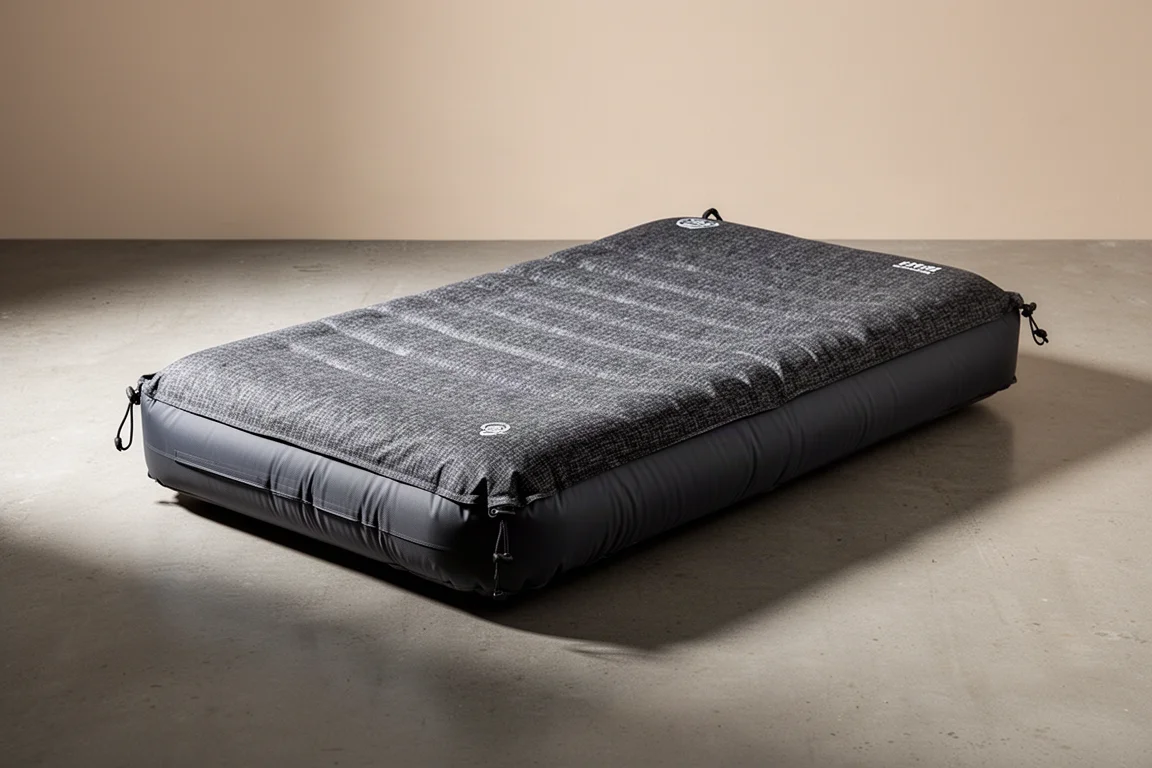
NEMO Tensor Sleeping Pad
The NEMO Tensor is a compact, lightweight pad that does not take up much space in a pack and still provides a fairly comfortable night. It is the sort of pad that makes backpacking sleep workable without much sacrifice.
The trade-off is the usual one for packable pads: less cushioning and less warmth than a large self-inflating design. For backpackers, that is usually a trade worth making.
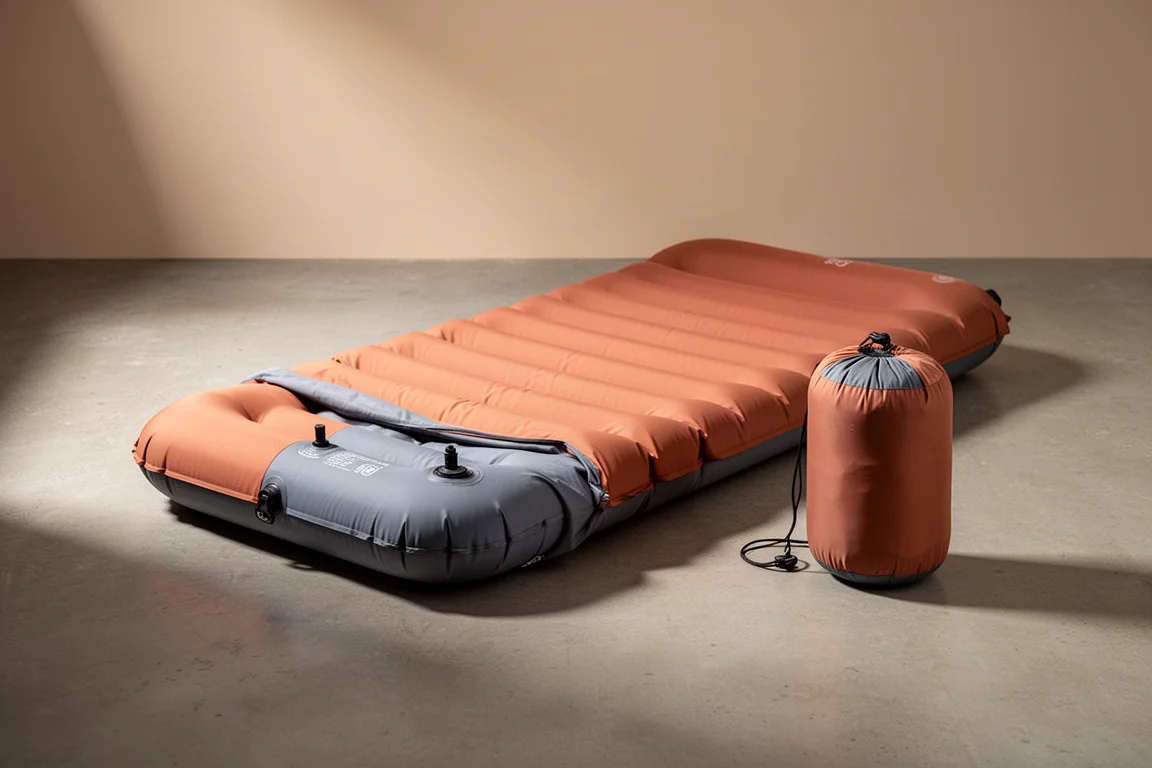
NEMO Roamer Sleeping Pad
The NEMO Roamer is a self-inflating pad with a very high R-value, and its size makes the contrast obvious. It is far too large to be a practical backpacking pad, but it delivers a level of comfort that a thin, packable pad cannot match.
If warmth and cushioning matter more than weight, this is the kind of pad that makes a camping trip feel genuinely restful.
Seating: Lightweight vs Lounge
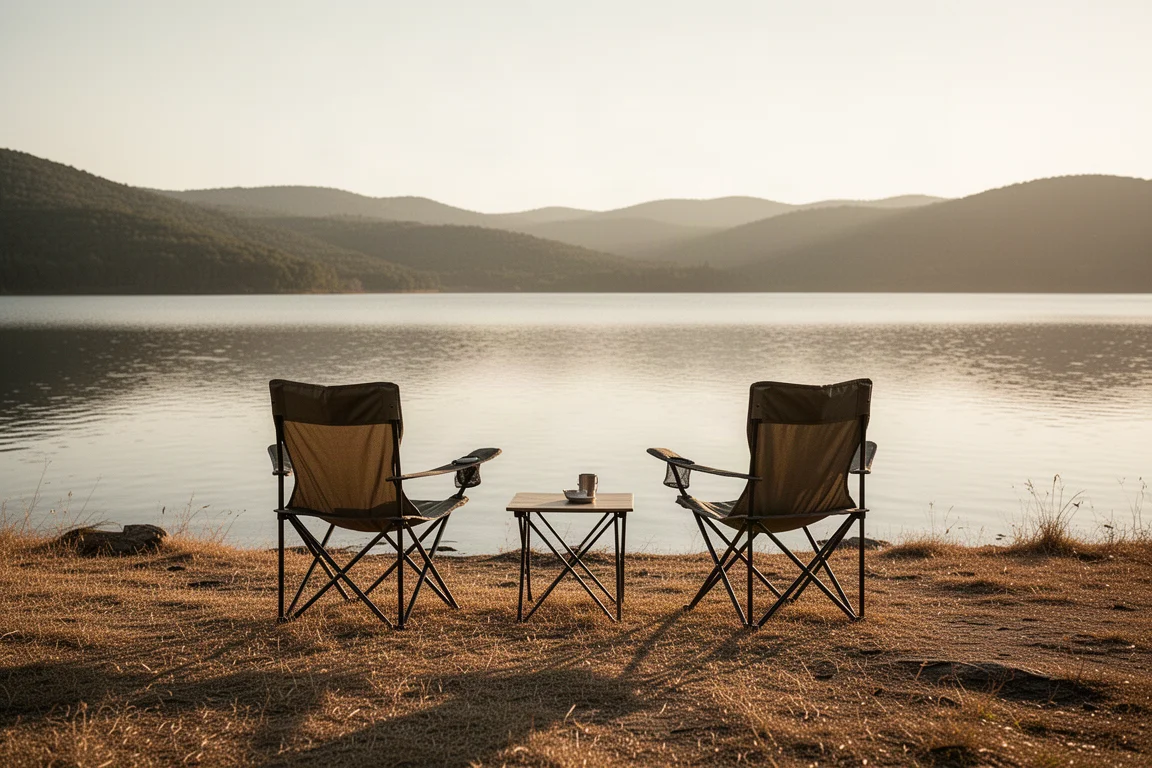
Chairs are a good test of priorities. A chair that is bulky and heavy is a poor backpacking choice, but at a campsite it can be one of the best comfort upgrades you bring.
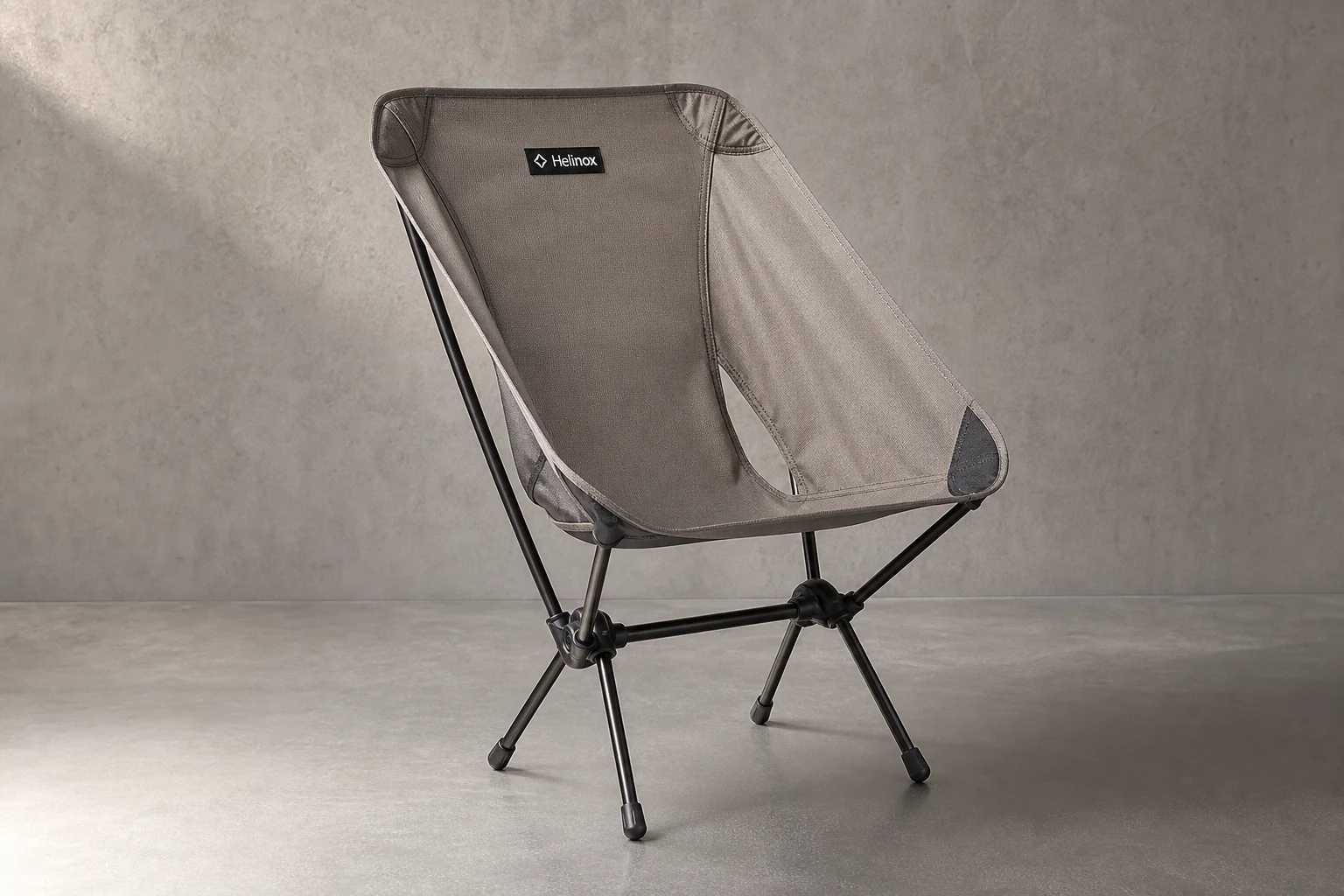
Helinox Chair Zero
The Helinox Chair Zero weighs about one pound and is the kind of luxury item that backpackers sometimes decide is worth carrying. It is small and light enough to justify the space, and it gives you a real seat at the end of the day.
It is a backpacking-first design, so it trades lounge-style comfort for portability. If you want to sink into a chair for an evening, it is not that kind of product.
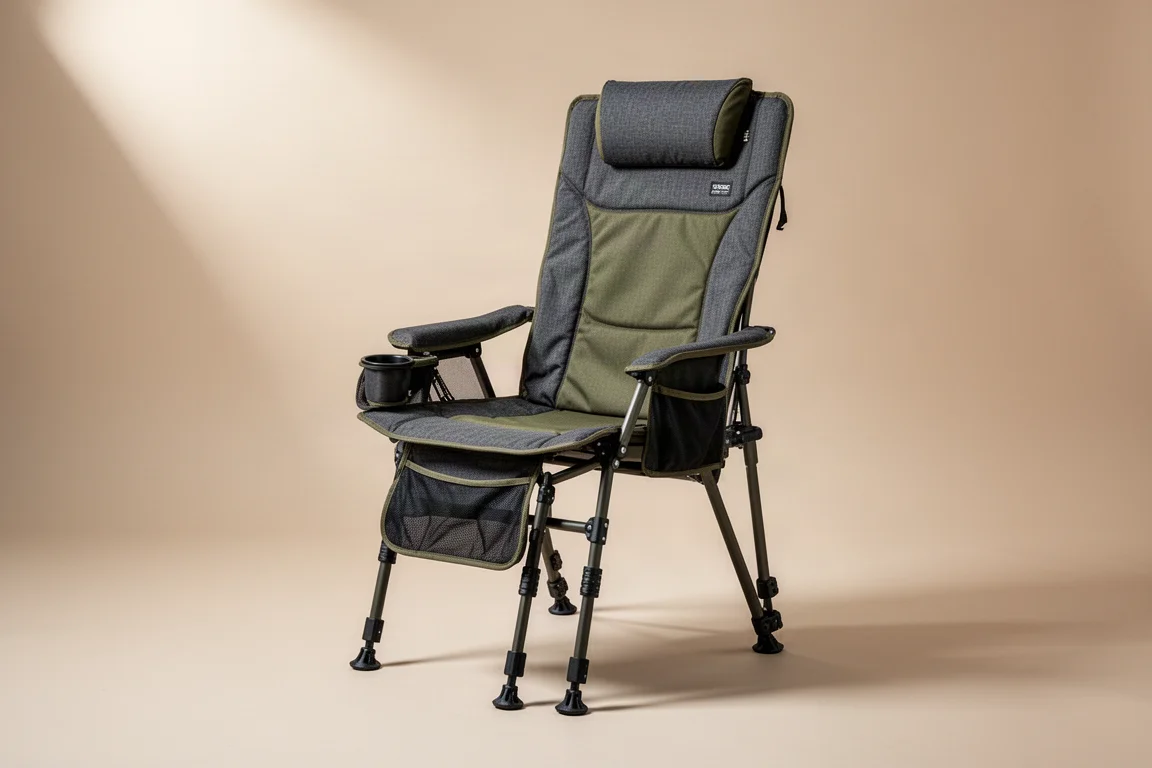
Kilos Gear Grand Peak Chair
The Kilos Gear Grand Peak Chair is a large, bulky, heavy chair with a high back, a pillow at the top, and armrests. It is a lounge chair in the fullest sense, and it is not something you would carry on a backpacking trip.
At a campsite, though, the high back and armrests make long evenings far more pleasant. It is a clear example of camping gear that is excellent in its own context and simply out of scope for a pack.
Cooking Gear: Boil Water or Cook a Real Meal
Cooking priorities diverge quickly too. A backpacking stove exists to boil water efficiently, which is enough when dinner comes out of a freeze-dried pouch. A camping kitchen can be built around fresh food, because a cooler or fridge in the vehicle makes real ingredients possible.
That difference in ambition is what separates a tiny canister stove from a full camp cooking setup with larger pots and more burners.
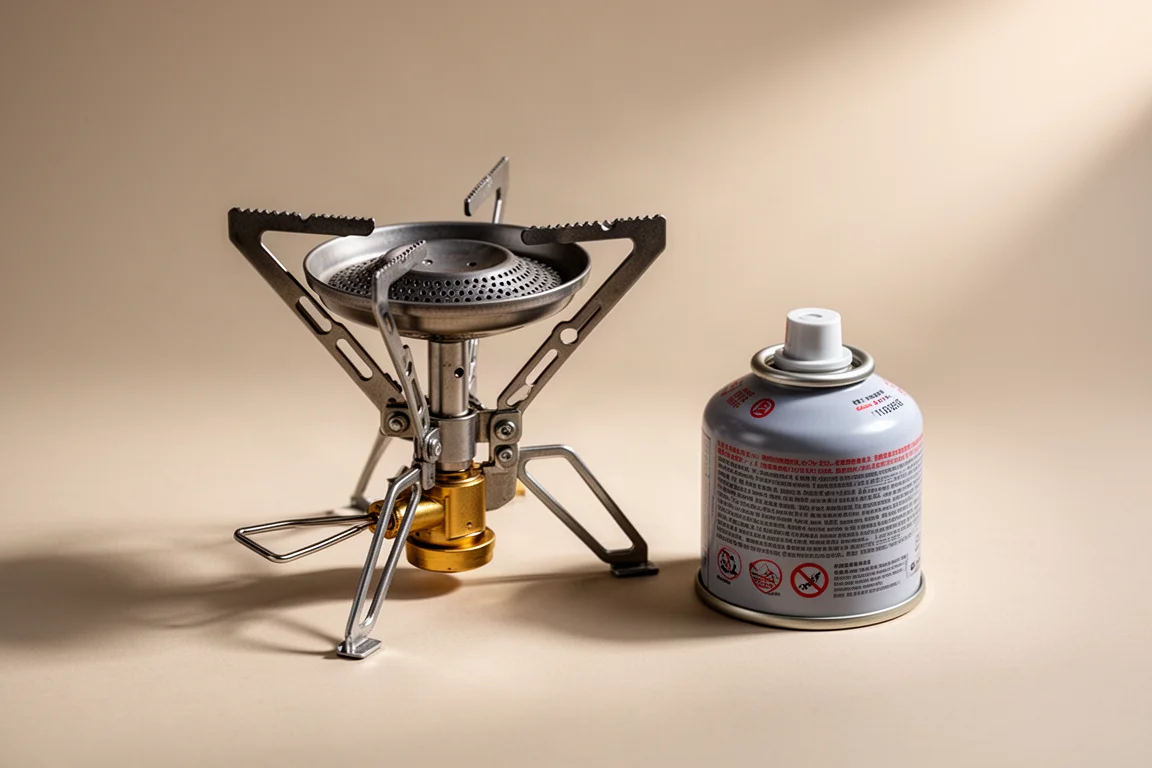
Soto WindMaster Canister Stove
The Soto WindMaster is a small canister stove that fits the backpacking model well. It is compact and light, and it does the job of boiling water that then goes into a dehydrated meal.
That is the entire brief for a backpacking stove, and this one keeps it simple. If your camping trips revolve around proper cooking, a larger stove and bigger pots will serve you better.
What You Trade Away: Weight, Space, and Comfort
Backpacking gear almost always involves some compromise. Saving weight and pack volume usually means accepting a thinner pad, a smaller pillow, a tighter bag, or fewer features. That trade is deliberate, and most backpackers go into it knowing the comfort cost is part of the deal.
Camping gear flips the trade. You give up packability and gain room, cushioning, and features that make a site feel like a comfortable base. The only real constraint is fitting everything into the vehicle, which is a much more forgiving limit than the inside of a pack.
Neither approach is better. They simply serve different trips, and understanding which one you are planning is what makes gear decisions straightforward.
Buying Advice: Matching Gear to the Trip
Start with the trip, not the product. If you are carrying everything on your back, prioritize compact size, low weight, and simple setup, and accept that comfort will be reduced somewhere. If the vehicle is doing the carrying, prioritize comfort and livability, and treat pack size as a secondary concern.
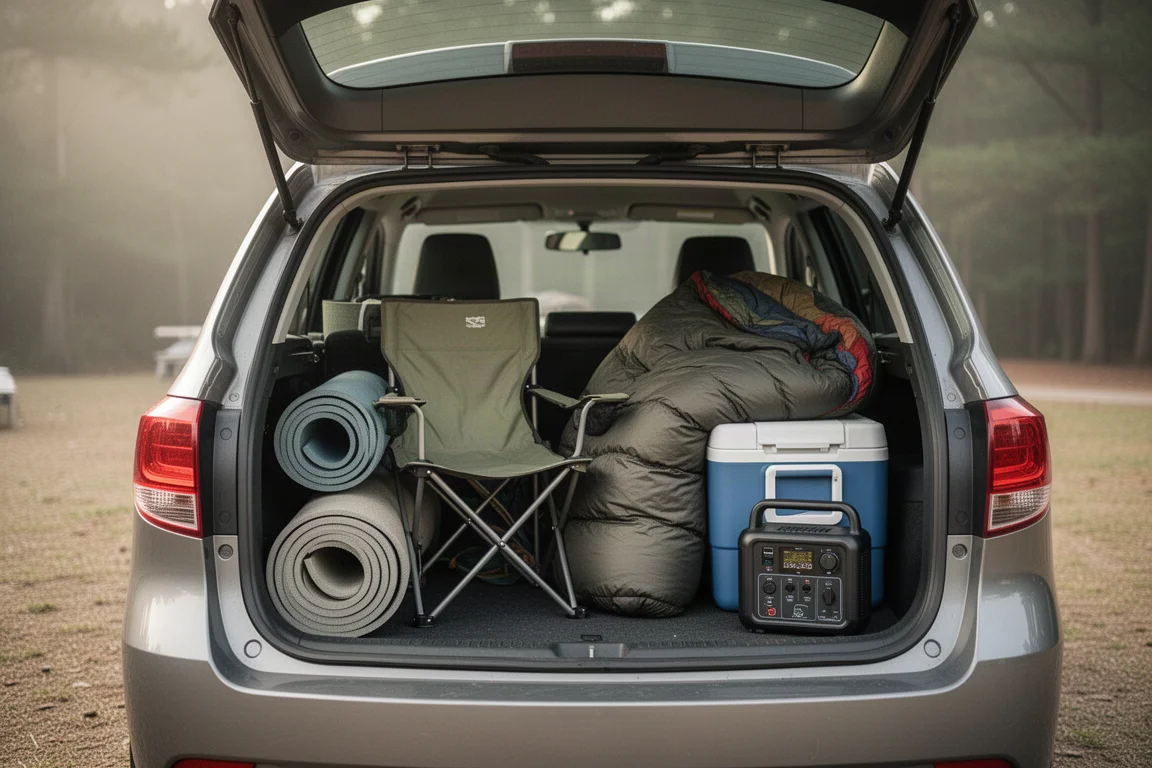
It also helps to think in pairs. A small battery bank and a portable power station solve the same problem at different scales. A lightweight inflatable pillow and a full-size camp pillow do the same. A minimal sleeping pad and a large self-inflating pad do the same. Choosing within a category is easier once you know how the gear is traveling.
Budget and access matter too. If the pad or bag you already own is heavier than ideal, it can still be the right choice for the trips you actually take. Gear that gets used is worth more than gear that stays in a closet because it was not quite perfect on paper.
Conclusion
The difference between backpacking gear and camping gear comes down to priorities. Backpacking rewards light, compact, simple equipment and accepts a comfort cost in exchange. Camping rewards comfort, space, and livability, and does not need to worry much about weight.
The ten items above show both sides of that line, from power stations and sleep systems to chairs and stoves. All backpacking gear can work for camping, but not all camping gear can work for backpacking, and knowing which side of that line a trip falls on is the most useful gear decision you can make.
Further reading
Related Reviews
Outdoor Gear
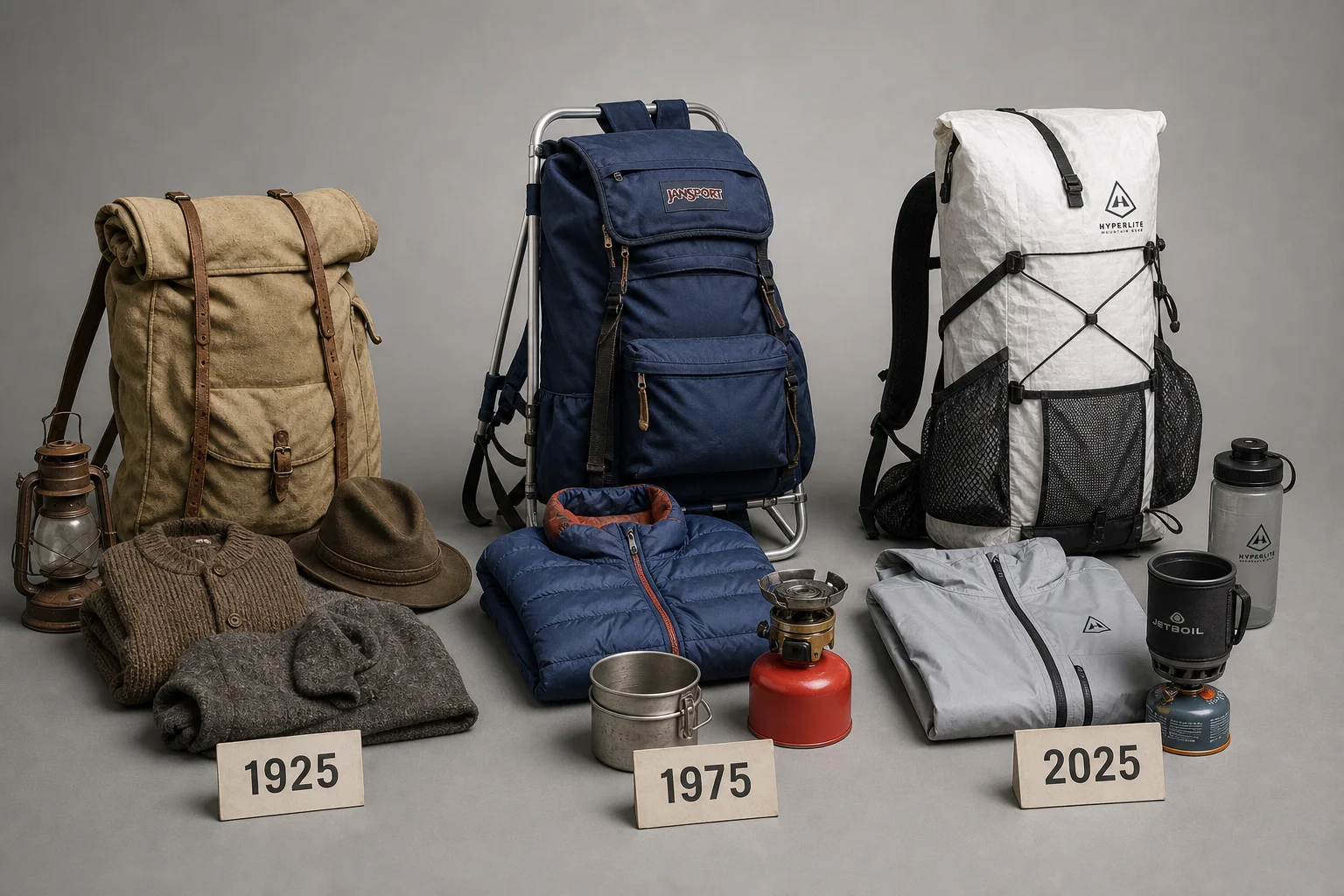
Backpacking Gear Evolution: 100 Years of Technology Compared
We tested backpacking gear from 1925, 1975, and 2025 across a three-day hike in Yosemite. Here's how technology has transformed comfort, weight, and the outdoor experience.
Outdoor Gear
Best Affordable Hiking Watches: Five Rugged Options for Outdoor Adventures
Five durable hiking watches that balance ruggedness, functionality, and value for outdoor enthusiasts who need reliable GPS tracking and weather resistance.
Outdoor Gear
Best Backpack Coolers 2026: Five Practical Options for Outdoor Adventures
Five backpack coolers with distinct cooling capabilities, storage features, and design trade-offs to help you choose the right one for your outdoor needs.