Outdoor Gear
Backpacking Gear Preview 2026: 10 Pieces Worth Watching
A practical look at ten backpacking and camping items worth following, from a one-person ultralight shelter to bug repellents, a water purifier and two sleeping pads.
Introduction
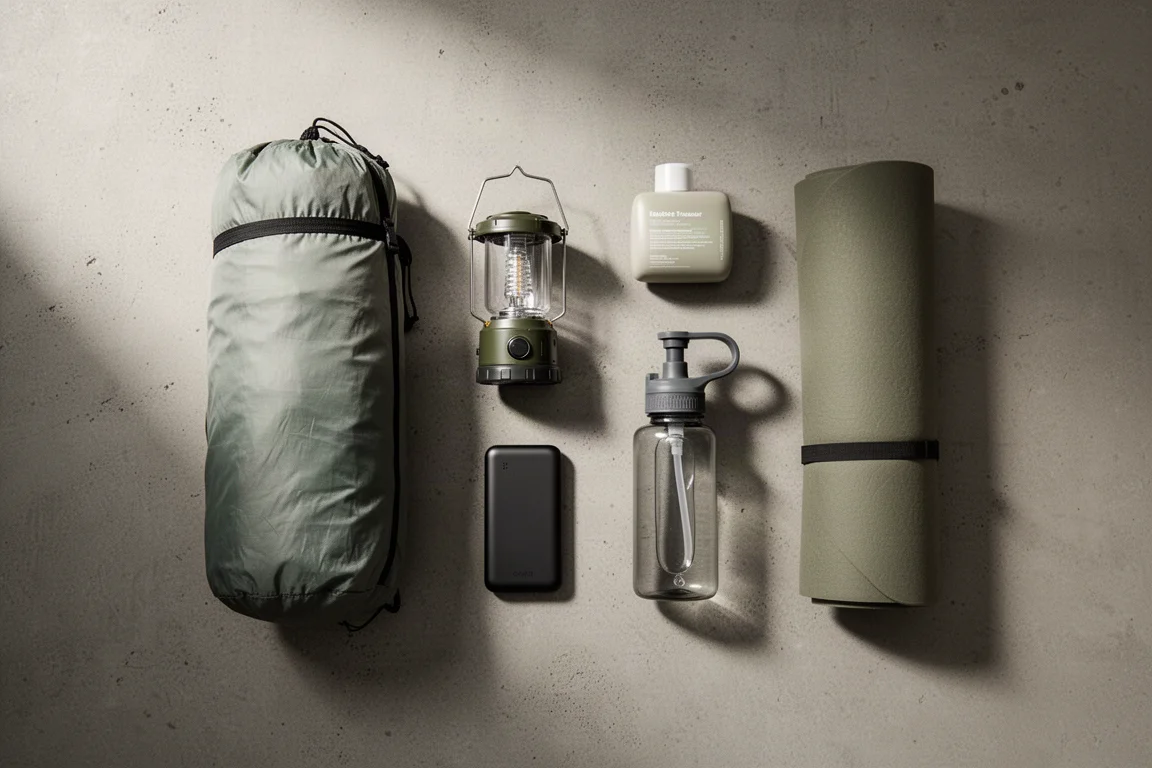
Gear lists are most useful when they explain why an item earns space in a pack. The ten products below cover a wide spread of needs: a one-person ultralight shelter, two different approaches to mosquito protection, a camp pump, a high-capacity power bank, a fabric treatment for older tents, hiking shorts, a water purifier, and two sleeping pads. Each one solves a specific problem, and each is worth understanding before deciding whether it belongs in your own kit.
How These Picks Were Selected
The list leans toward items that address recurring backcountry problems: weight on long carries, insects at camp, power for cameras and electronics, water safety, and the condition of gear you already own. Some of these products are new to the market, one is still in development, and others have earned attention over a longer period. Rather than ranking them against each other, this guide groups them by the job they do, so you can move straight to the category that matters for your next trip.
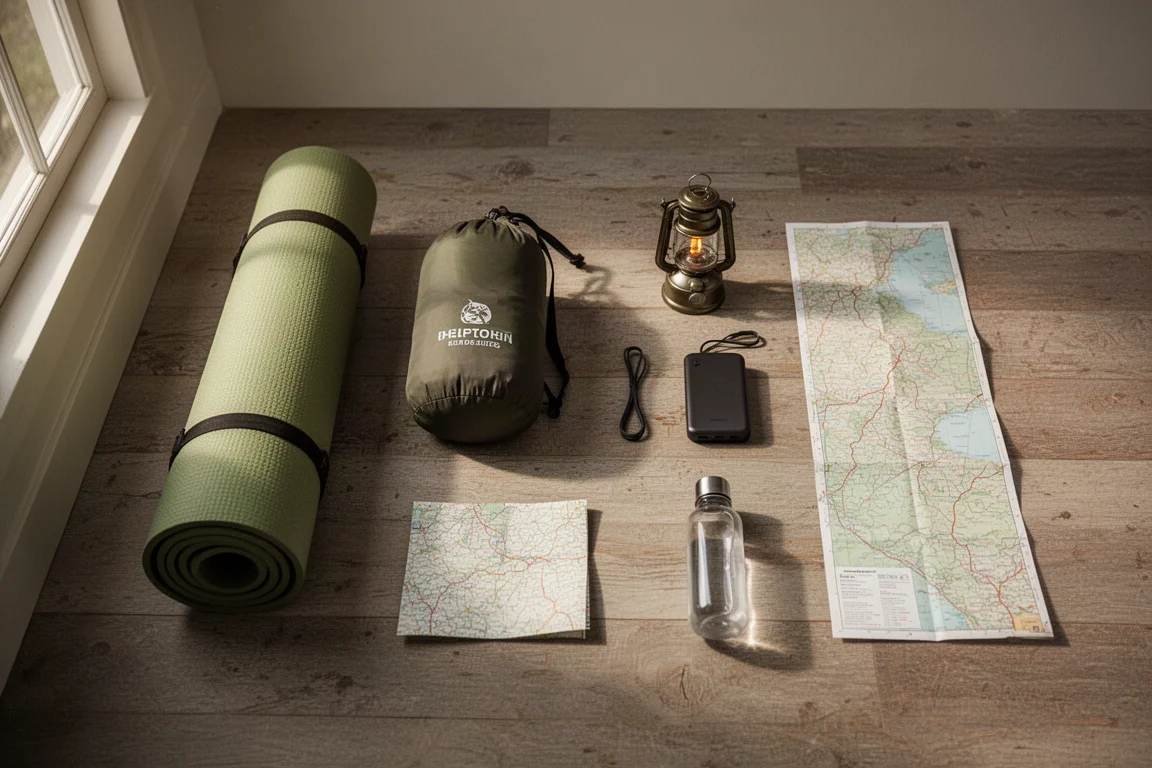
Prices, weights and availability vary widely across the list, so treat the sections below as starting points for your own comparison rather than a single shopping list.
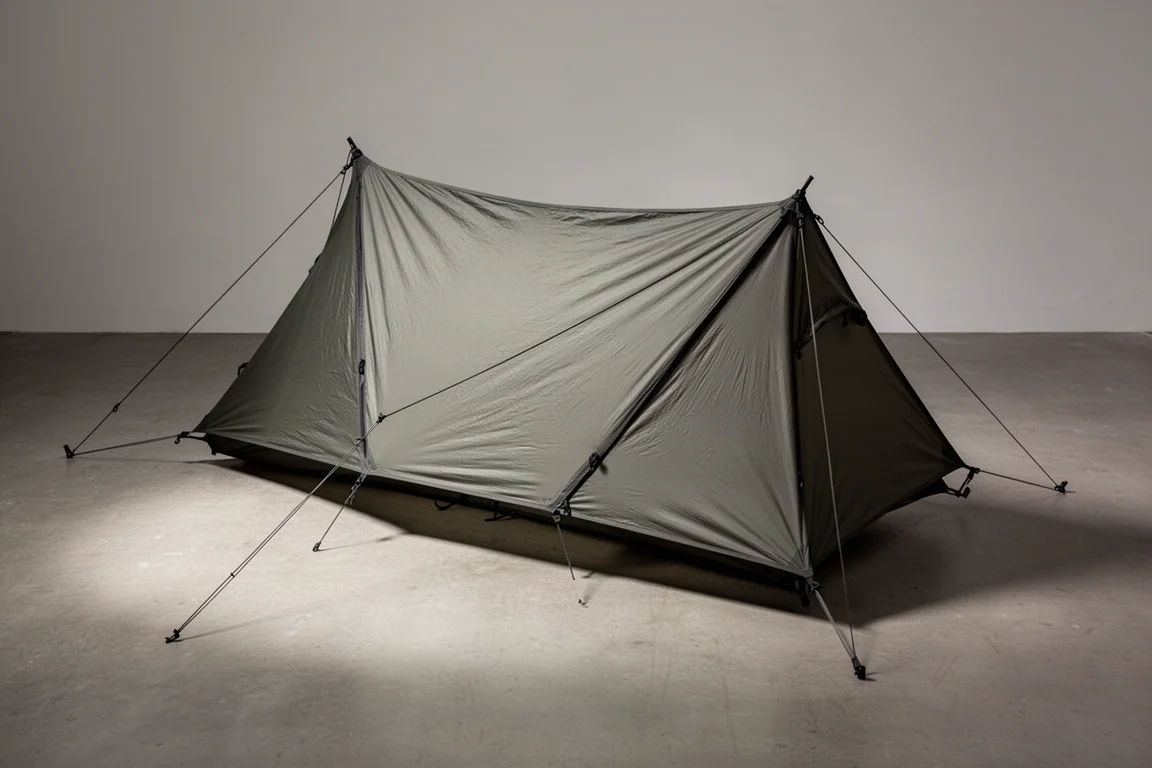
Durston X-Mid Pro 1: A One-Person Ultralight Shelter
The X-Mid Pro 1 is the one-person version of the X-Mid Pro shelter line. For anyone familiar with the two-person model, the appeal of a solo version is easy to see: less material to carry, a smaller footprint, and interior space scaled to one person rather than two. The useful comparison is between the two sizes, especially for hikers who want a light shelter but still value a bit of room to spread out gear.
Flextail Tiny Repel: A Lantern That Doubles as a Repellent
The Tiny Repel is a multi-use device. On its own it works as a lantern that can be hung in camp to light the area around you. Slide a repellent pad into the housing and the device heats that pad to create a protective zone, aimed mainly at mosquitoes. The meaningful difference from canister-powered repellent devices is the power source: running on a battery rather than a gas canister means it is not held back by the conditions at higher elevations that make canister devices less effective.
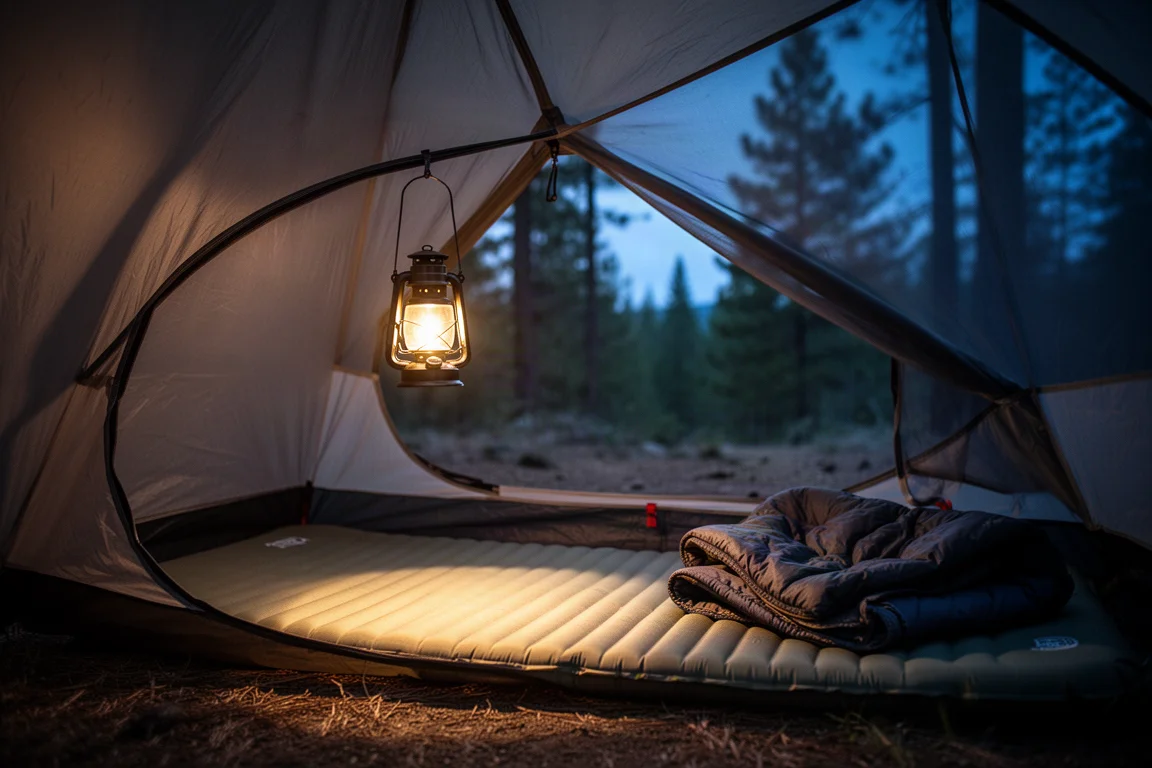
This is a comfort item rather than an essential, and it makes the most sense for camping and backpacking trips where insects are a genuine problem. For anyone who already carries a canister repellent and finds it unreliable at altitude, a battery-powered option changes the calculation.
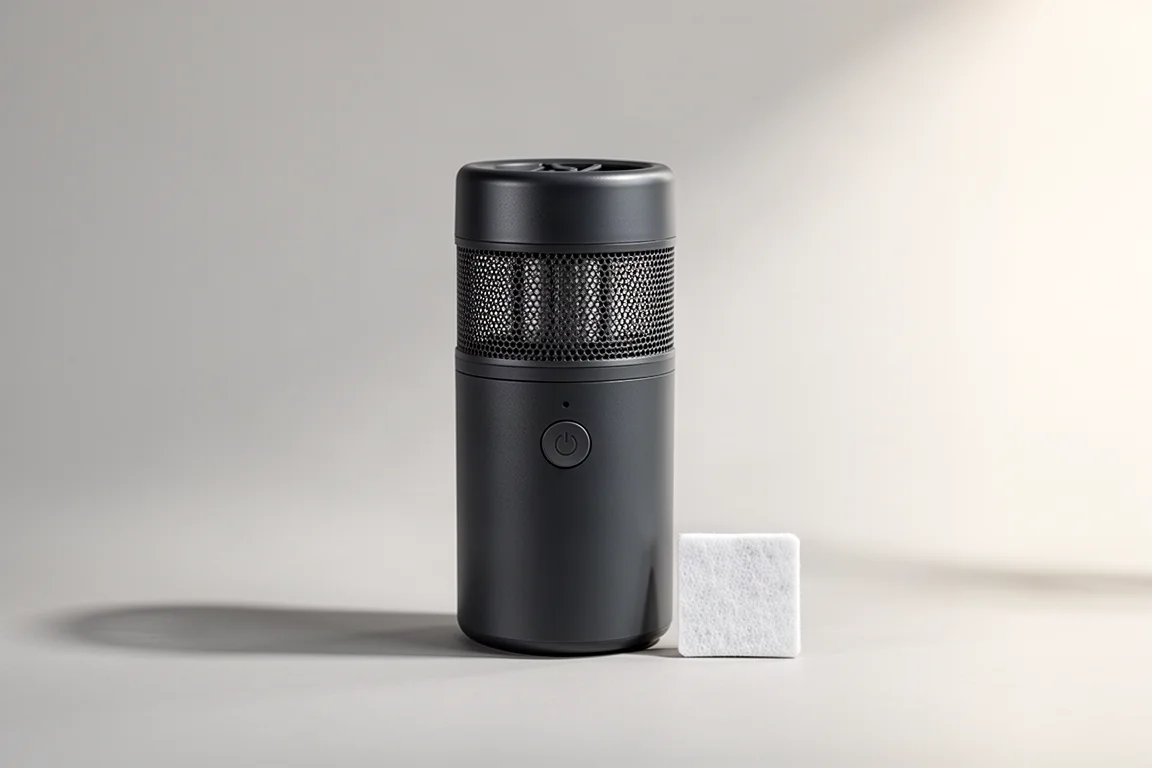
Nitecore EM6: Wearable Mosquito Protection
The EM6 approaches the same problem from a different angle. It is a compact repellent device designed to attach to a backpack strap, so it keeps working while you are walking rather than only when you stop at camp, creating a personal protection zone on the move. Nitecore also offers a larger device that serves a similar purpose, which makes the EM6 the more portable of the two.
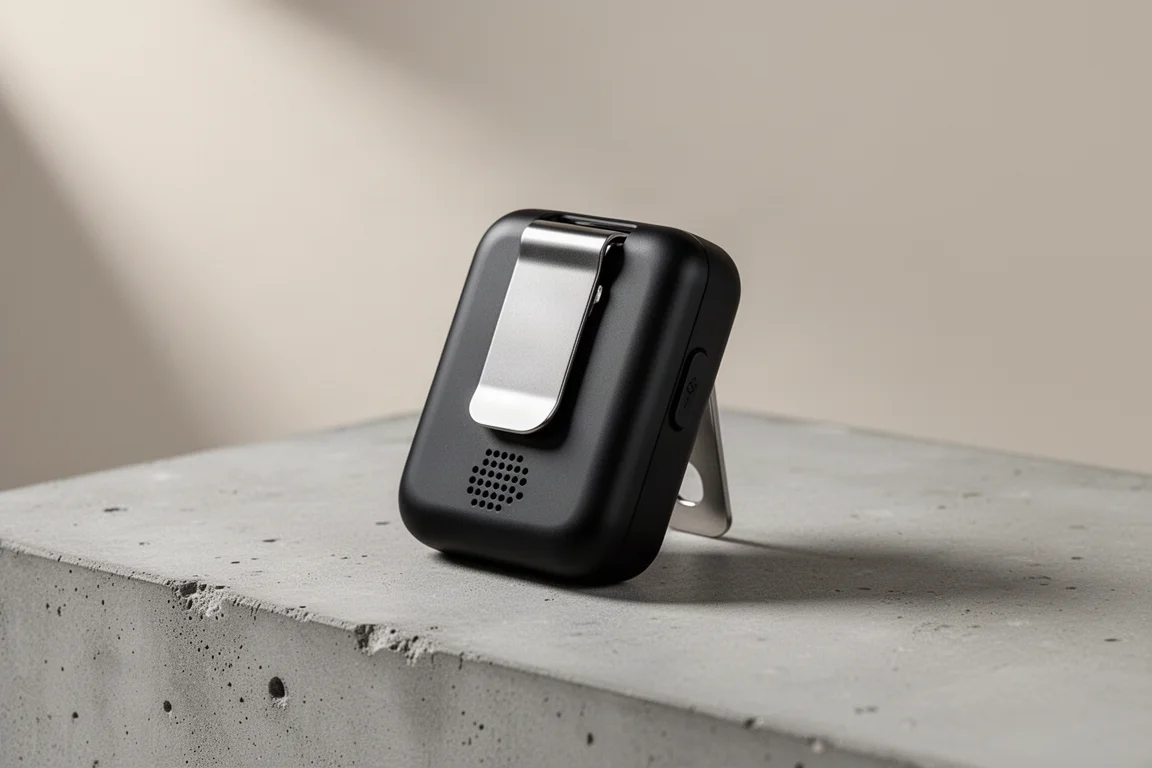
Nitecore AP10: A Camp Pump With a Lantern Built In
The AP10 is an inflation pump with a lantern built into the top and several attachments for inflating different items. It is larger than most backpackers would want to carry, so it suits camping trips and base camp setups where bulk matters less than convenience and the ability to inflate pads, pillows and other gear quickly.
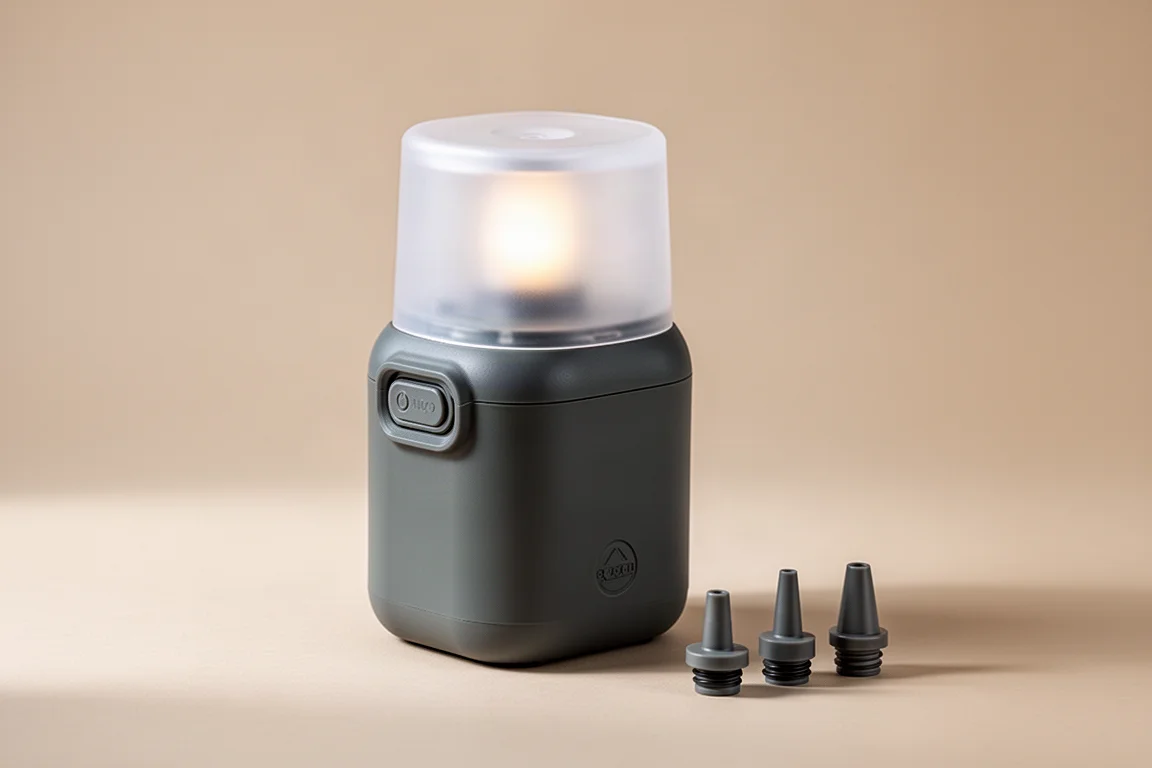
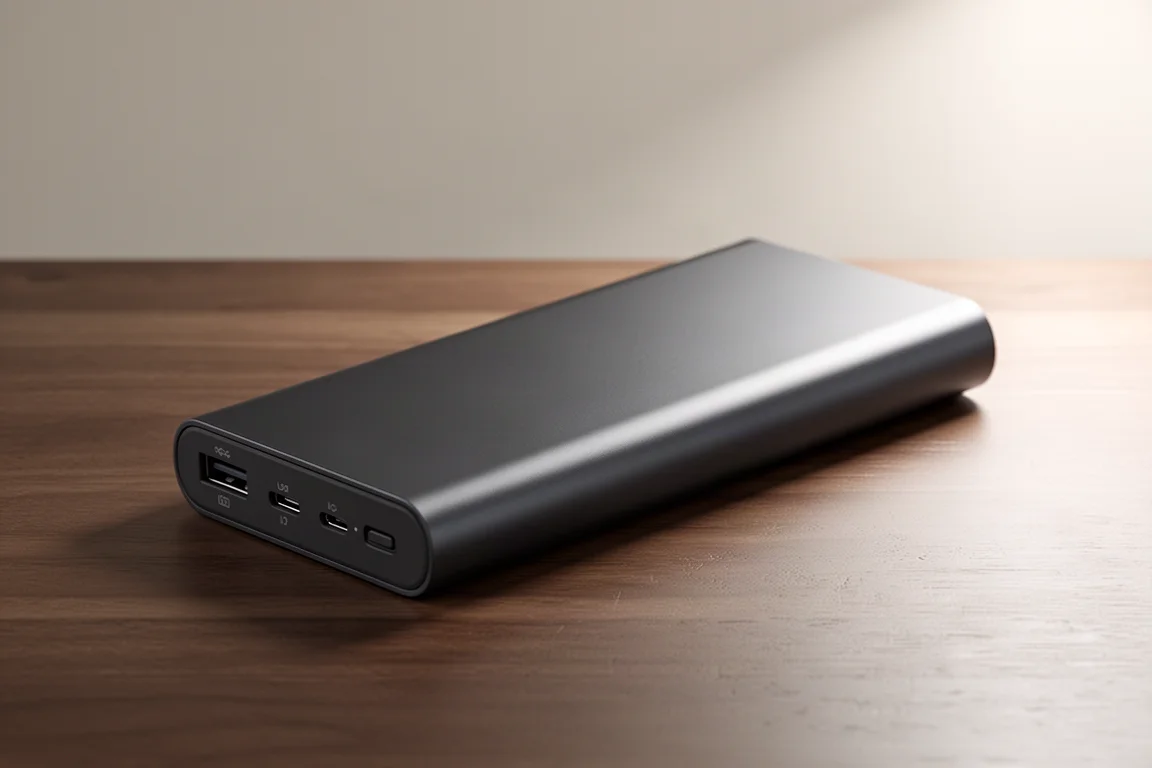
Nitecore Carbo 20000: Extra Power for Longer Trips
The Carbo 20000 is a 20,000 mAh power bank built for trips where a small battery pack is not enough. With larger camera batteries, microphones and other electronics in the bag, capacity becomes the limiting factor on longer outings, and this is the kind of bank that covers that gap.
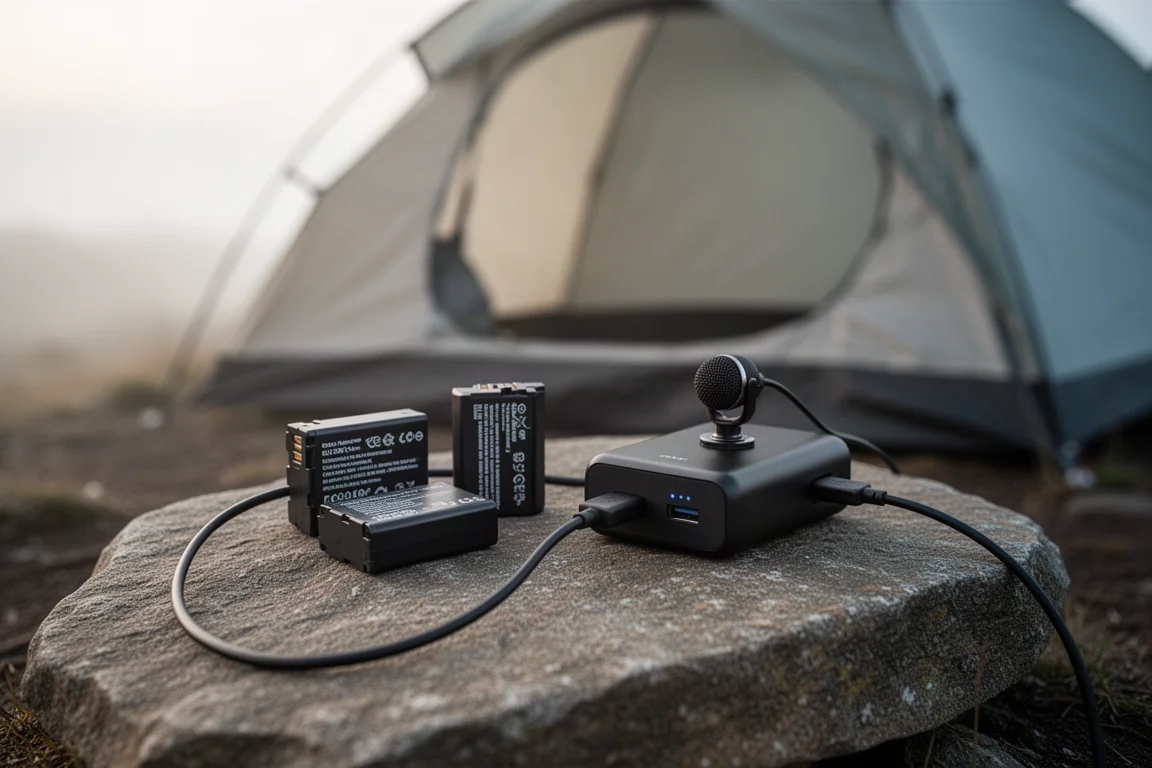
A power bank of this size is most relevant for photographers and anyone else carrying power-hungry equipment, or for trips long enough that a smaller bank would run out before the end.
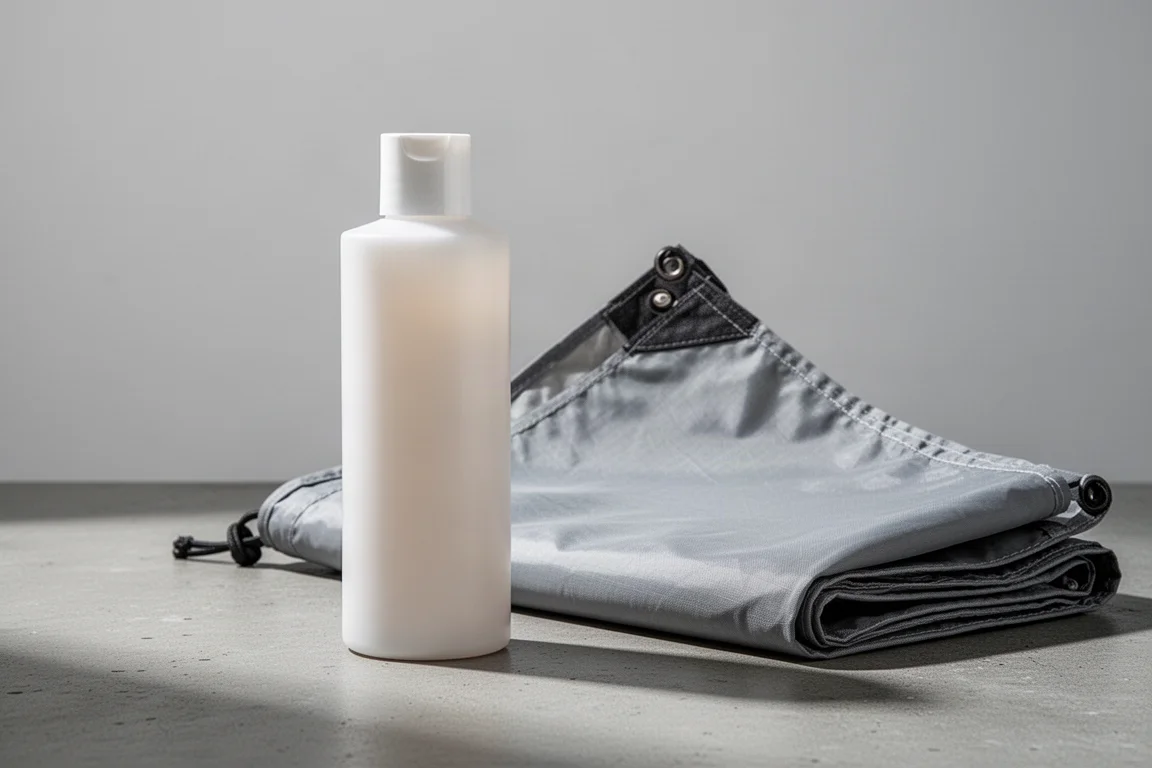
Nikwax Tent & Gear SolarProof: Bringing Old Nylon Back
Tent & Gear SolarProof is a combined cleaner and waterproofing treatment for tents and similar gear. It refreshes nylon fabric, restores the durable water repellent finish and adds protection against sunlight. The clearest use case is an older tent that has spent a long time in storage: instead of retiring it because the fabric no longer sheds water, the treatment brings the water repellency back and extends the tent’s usable life.
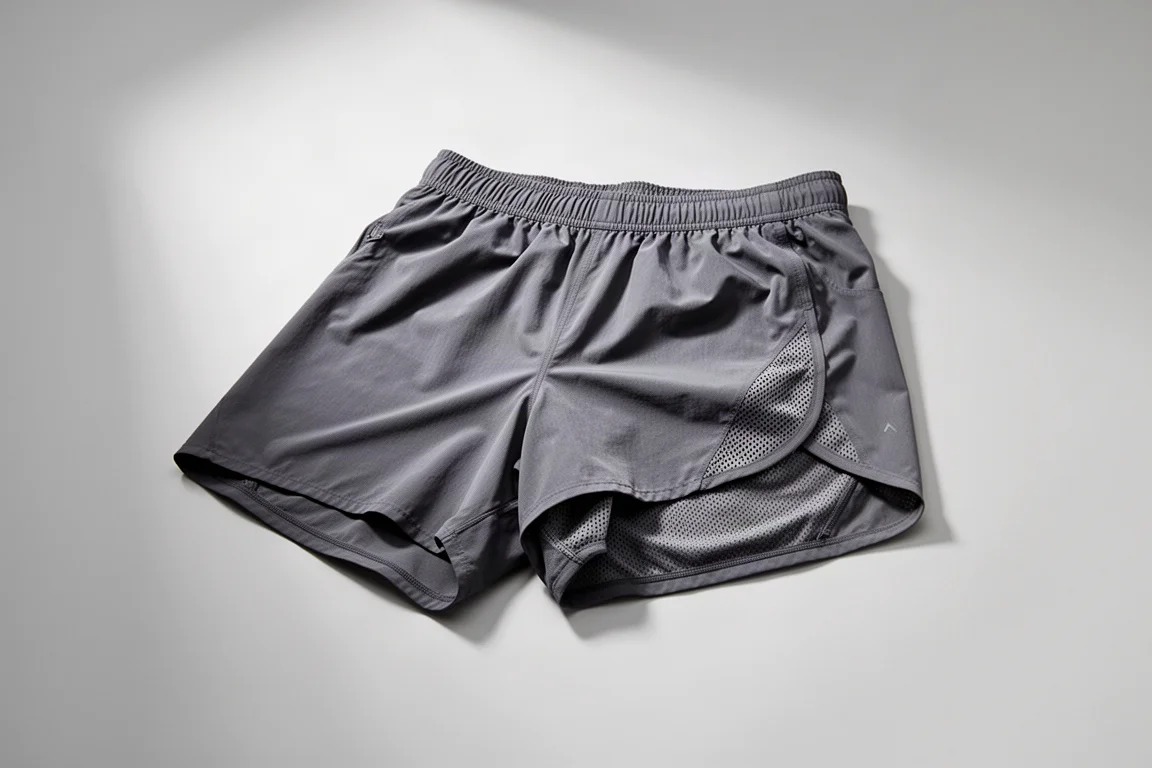
Outdoor Vitals Skyline Shorts: An Everyday Hiking Short
The Skyline Shorts are hiking shorts that handle more than walking. They have been worn for swimming in the ocean as well as everyday use, and they are lined up as a primary hiking short for an upcoming trip. For anyone who wants a single pair of shorts that works on the trail and in the water, that versatility is the main attraction.
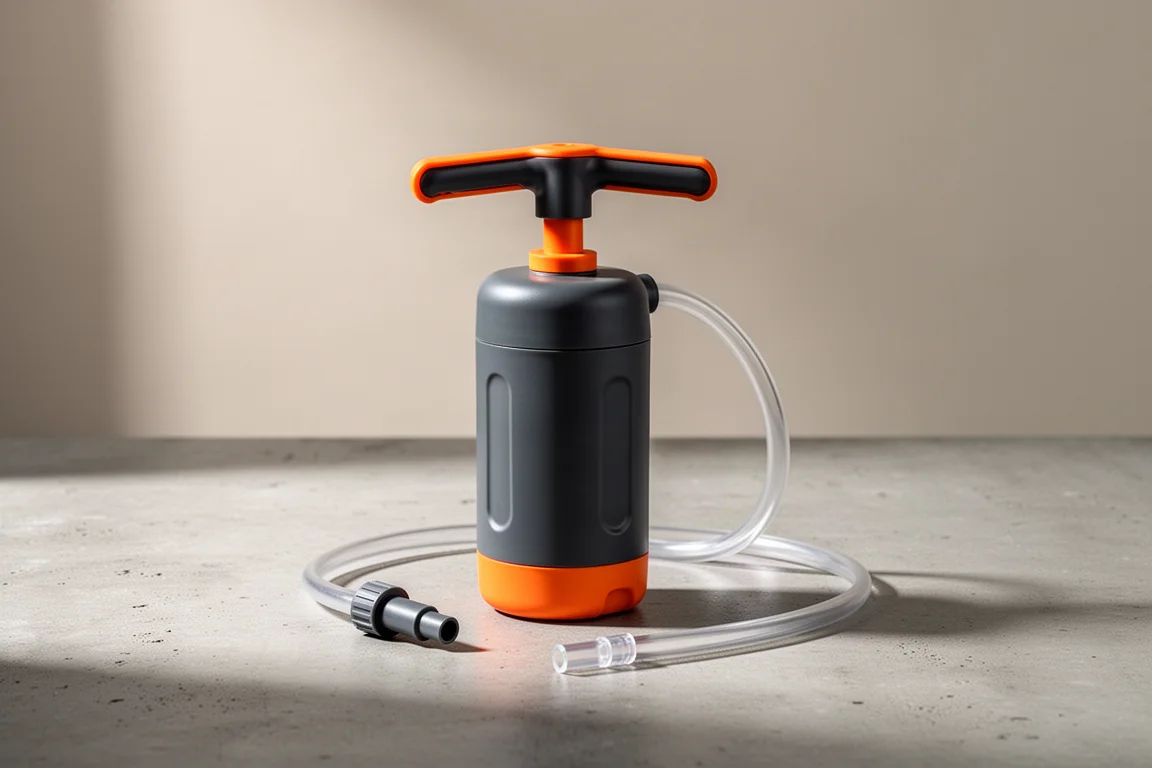
LifeSaver Wayfarer: Purification Beyond Filtration
The Wayfarer is a water purifier rather than a filter, and the distinction matters. A filter removes bacteria and protozoa, while a purifier also removes viruses. For routine backpacking, a squeeze-style filter is often the simpler and lighter choice, which is why a purifier tends to be a situational tool rather than a default. It becomes relevant when you need to remove more from your water than bacteria and protozoa, and that is exactly the gap the Wayfarer is built to fill.
REI Helix Sleeping Pad: A Well-Regarded All-Rounder
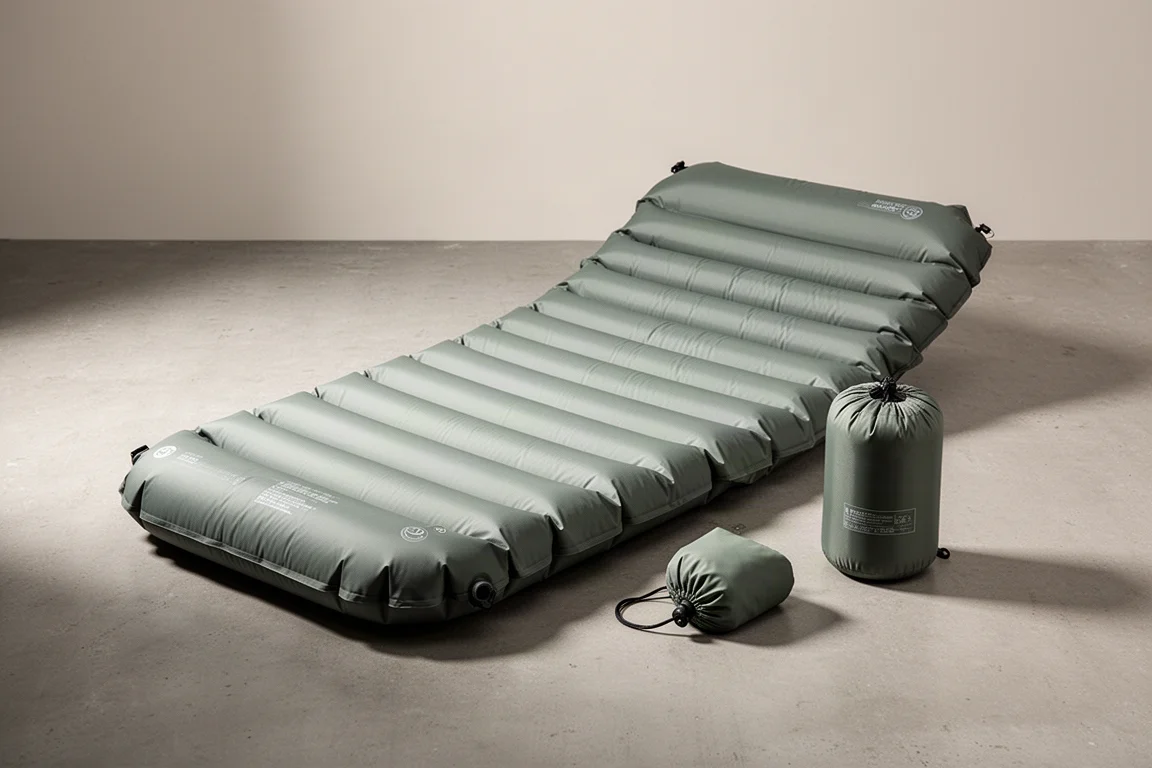
The Helix is a sleeping pad with a long track record and consistently strong ratings. It keeps appearing on shortlists when people compare pads, which usually points to a design that handles the basics well. For a first serious backpacking pad, that kind of reputation is worth weighing.
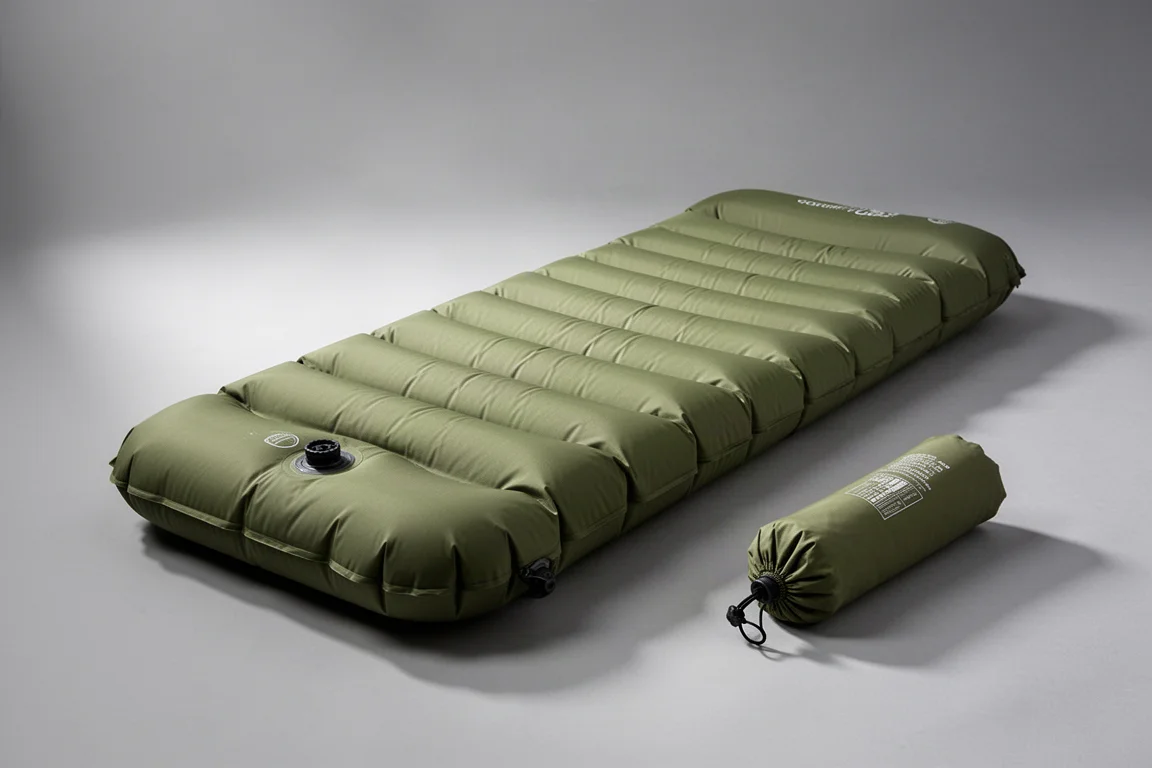
Nemo Tensor All Season: An In-Development Cold-Weather Pad
The Tensor All Season is the newest model in the Tensor line and is still in development. The sample on hand weighs roughly 14 oz, but that figure and other details may change before the final version is released. The All Season name suggests a pad built for a wider range of conditions than a summer-only model, which is where this model sits in the line.
Buying Advice: Matching Gear to the Trip
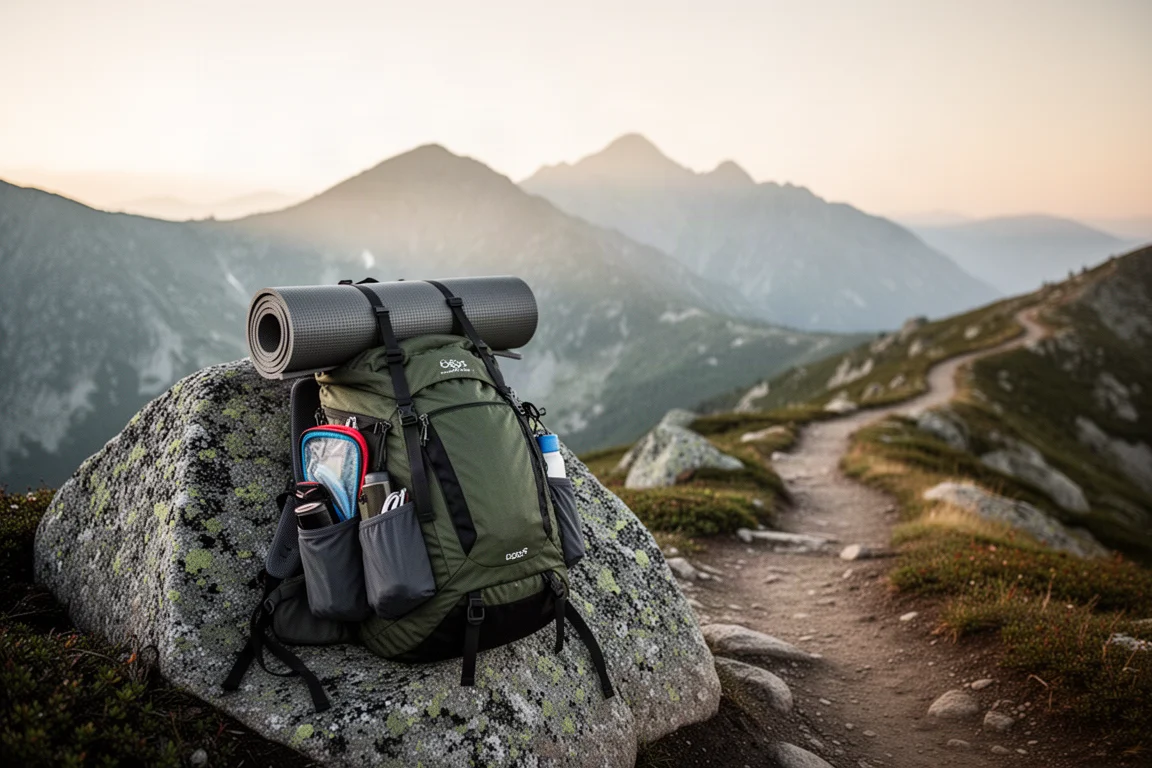
Most of these items are not upgrades you need all at once, and it helps to start from the problem you actually have. If pack weight is the constraint, a one-person shelter is the biggest lever on this list. If insects are what ruin your trips, the two repellent devices cover different situations: a wearable unit for the trail and a lantern-style device for camp. If you carry cameras or audio gear, battery capacity matters more than almost anything else. If your water sources are uncertain, a purifier adds a layer a filter cannot provide. And if you already own a good tent that has lost its water repellency, a treatment costs far less than a replacement.
The two sleeping pads serve slightly different buyers: one with a long track record behind it, and one that is newer and still being finalised. When a product is still in development, waiting for final specifications before committing is a reasonable approach.
Conclusion
None of these products is a mandatory purchase, and that is the point. The best kit is built around the trips you actually take. Use this list to identify the one or two gaps that affect you most, check the specifications that matter for your conditions, and add gear only when it solves a problem you have already run into.
Further reading
Related Reviews
Outdoor Gear
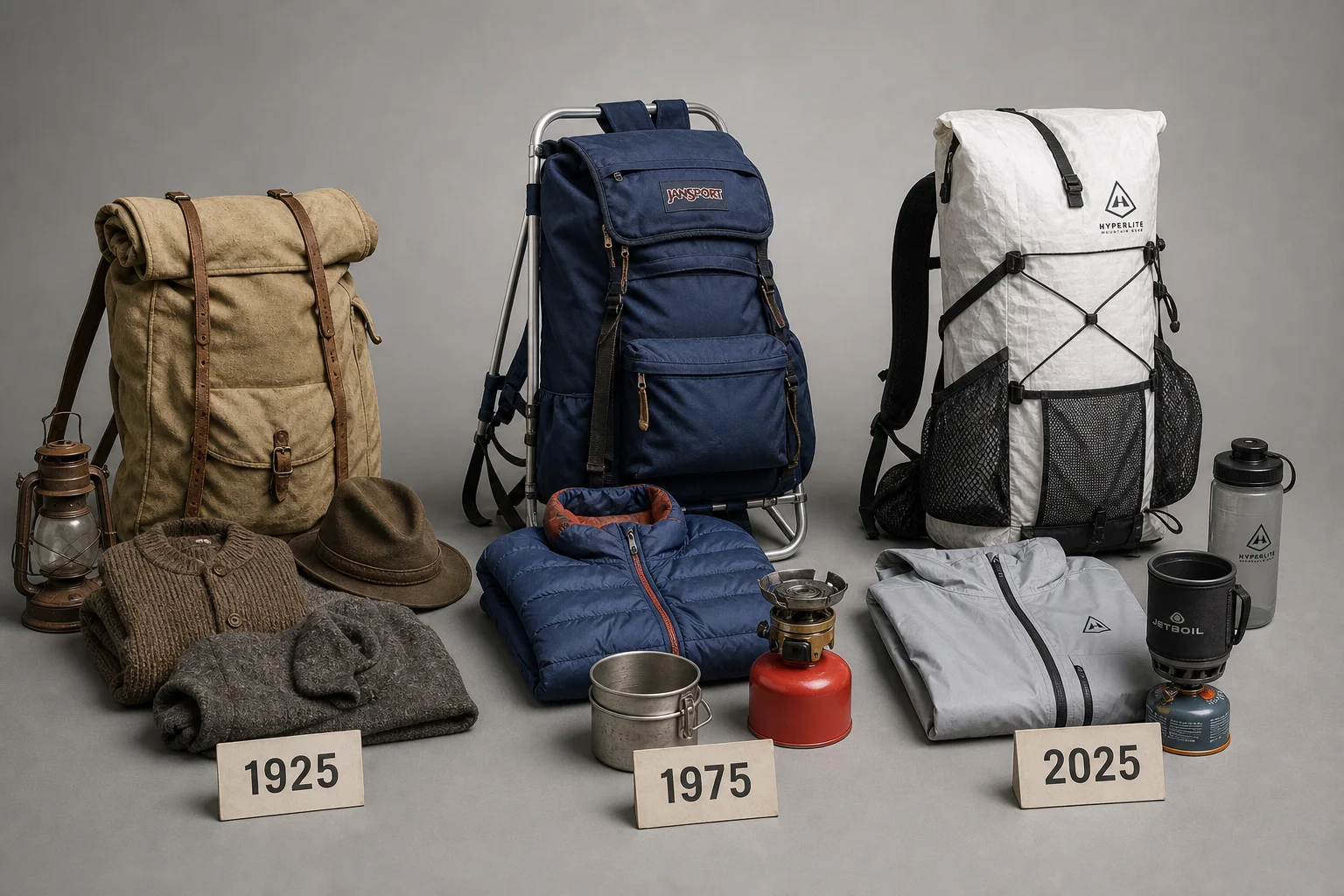
Backpacking Gear Evolution: 100 Years of Technology Compared
We tested backpacking gear from 1925, 1975, and 2025 across a three-day hike in Yosemite. Here's how technology has transformed comfort, weight, and the outdoor experience.
Outdoor Gear
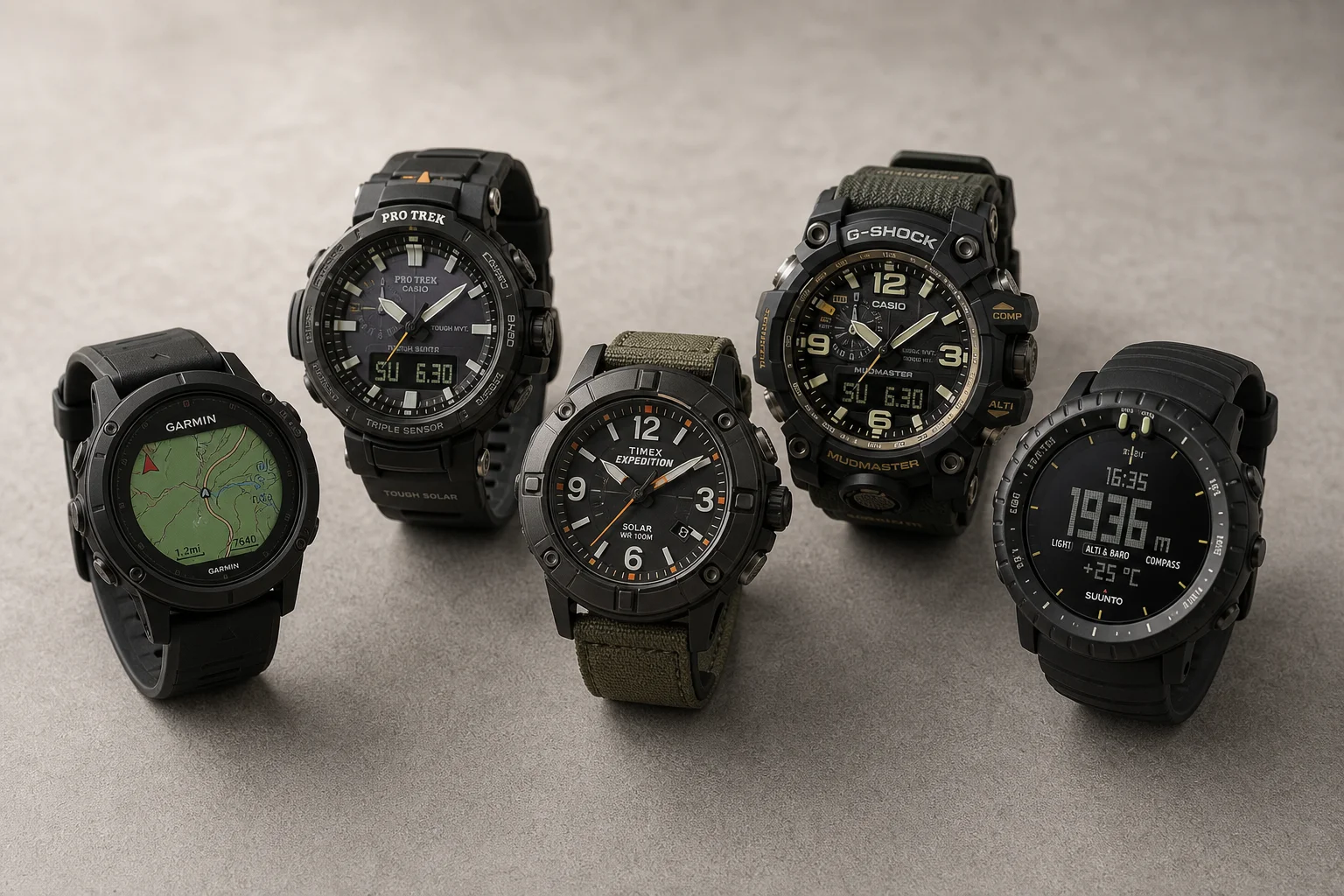
Best Affordable Hiking Watches: Five Rugged Options for Outdoor Adventures
Five durable hiking watches that balance ruggedness, functionality, and value for outdoor enthusiasts who need reliable GPS tracking and weather resistance.
Outdoor Gear
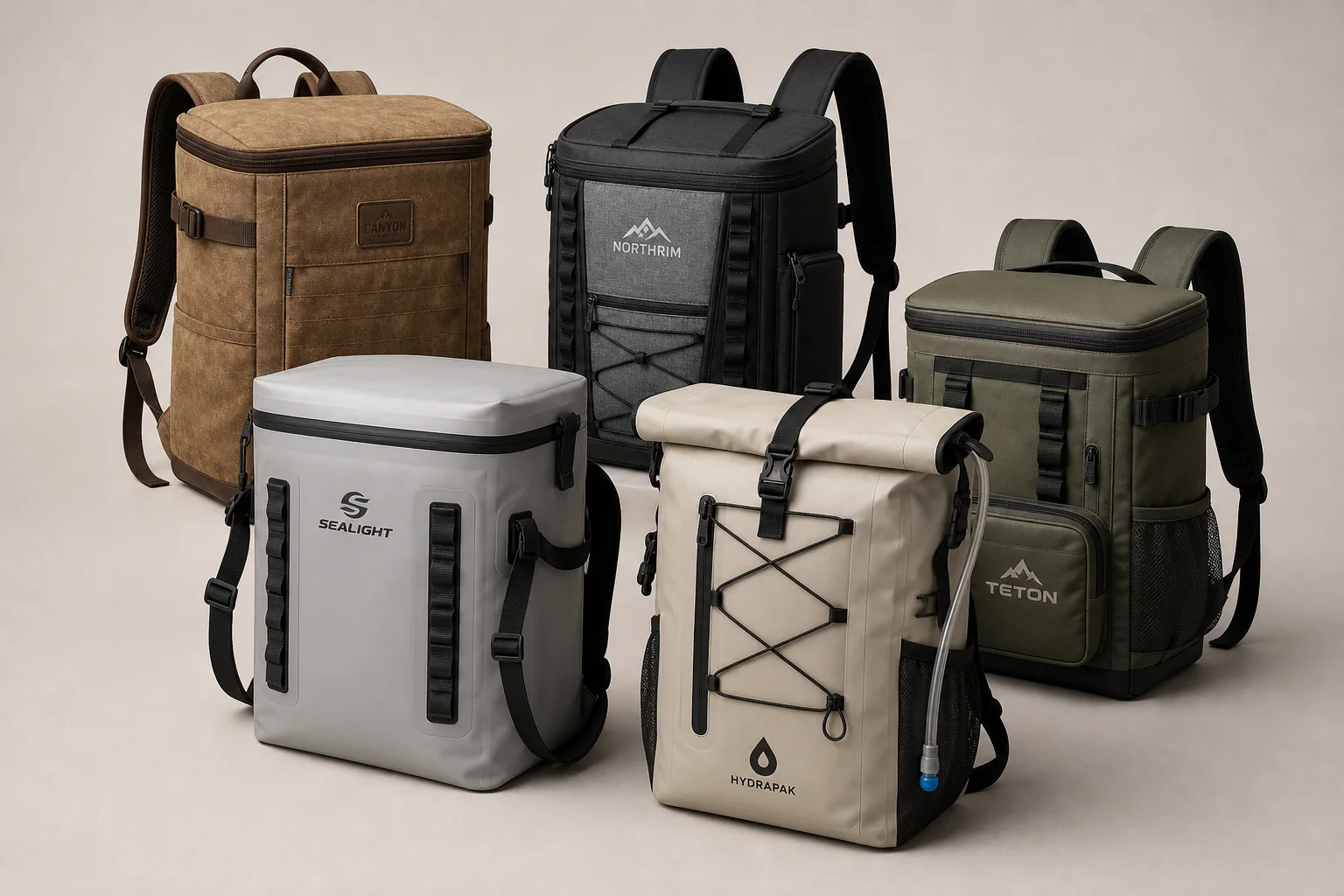
Best Backpack Coolers 2026: Five Practical Options for Outdoor Adventures
Five backpack coolers with distinct cooling capabilities, storage features, and design trade-offs to help you choose the right one for your outdoor needs.