Outdoor Gear
Backpacking and Camping Gear: 8 Picks Worth Considering
A season of trail and car camping use, sorted into gear that delivered and gear that came with real compromises to weigh before you buy.
Introduction
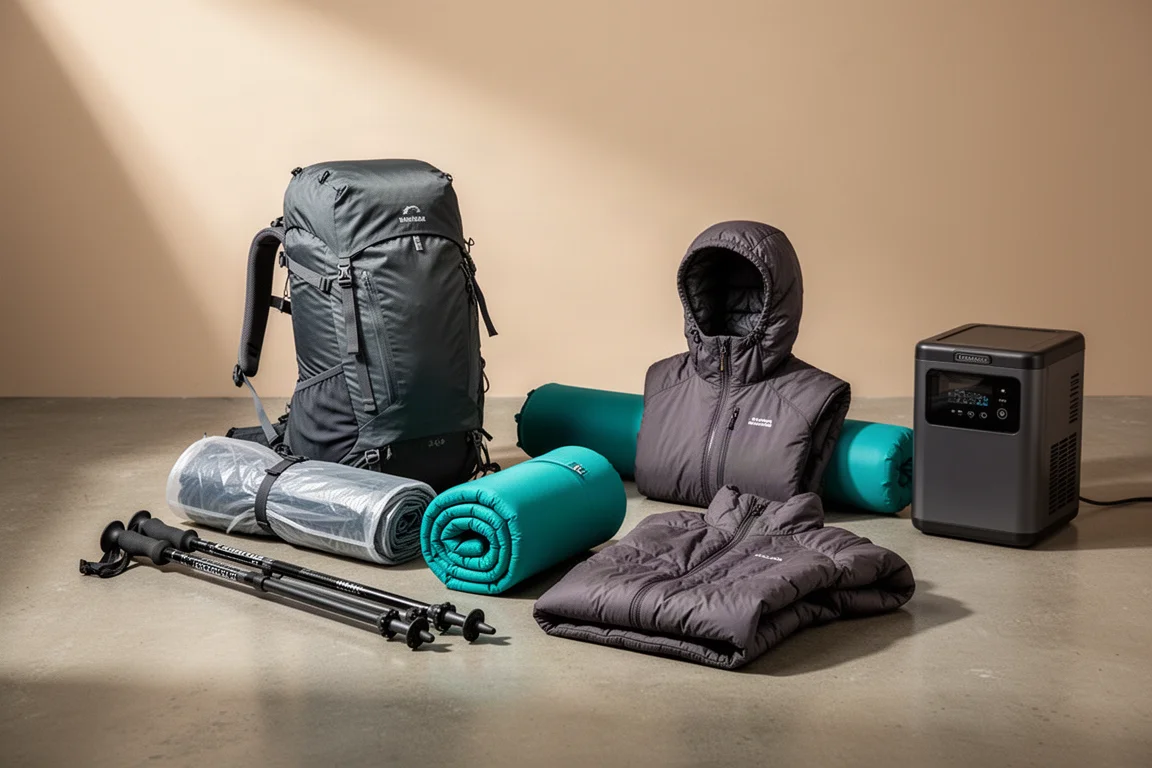
A full season of trail time separates gear that earns a permanent place in a pack from gear that quietly gets left behind. The items below were carried, pitched, inflated, slept on and driven to across a wide range of trips, and they landed in two groups: pieces that outperformed expectations, and pieces that came with compromises worth understanding before any money changes hands.
That second group deserves just as much attention. None of it is a catastrophic failure, but several items fell short in ways that a spec sheet will never tell you about.
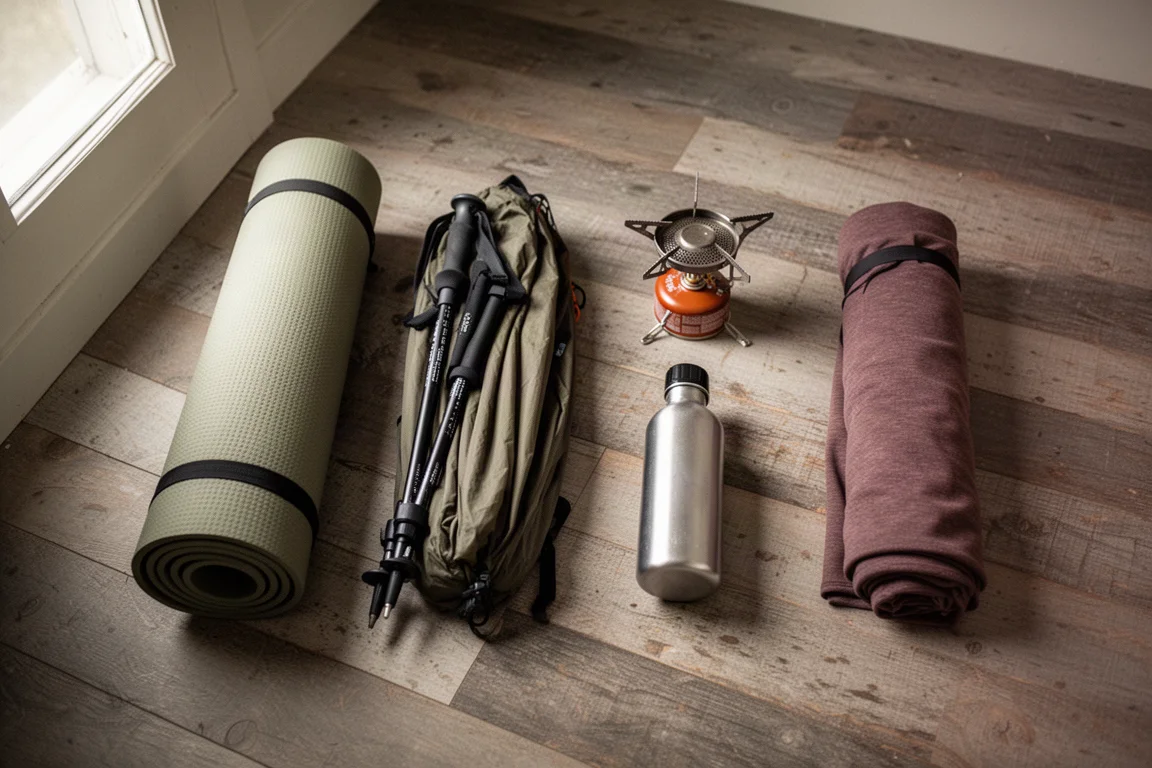
This roundup covers a pack, a mid layer, four shelter options, a sleeping pad and one car camping upgrade that changes how a weekend trip works. Each entry explains what the product does well, where it falls down, and who should realistically consider it.
Best Overall Pack: Waymark Gear Through 40L
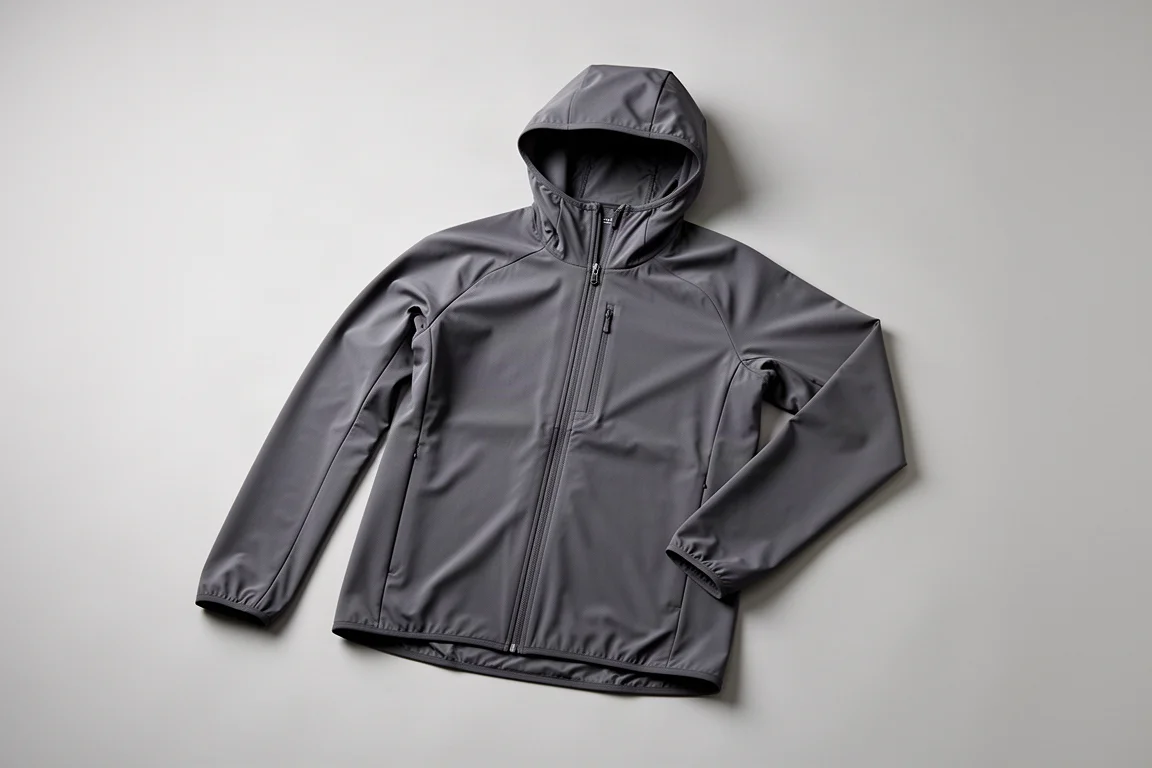
The pack that saw the most trail time is a 40-litre X-Pack backpack from Waymark Gear Company. It was built to order, which is exactly why it carries so well: the volume, pocket layout and harness all match a specific carry style rather than a generic size chart.
X-Pack fabric is the headline feature. It is a laminate with a woven grid that resists abrasion, holds its shape when the load shifts, and does not soak up water the way a plain nylon body would. Forty litres is a sensible capacity for multi-day trips with a reasonably dialled kit.
For hikers who want one pack that simply works, this is the kind of gear that stops being something you think about.
Best Mid Layer: Outdoor Vitals Ventus Hoodie
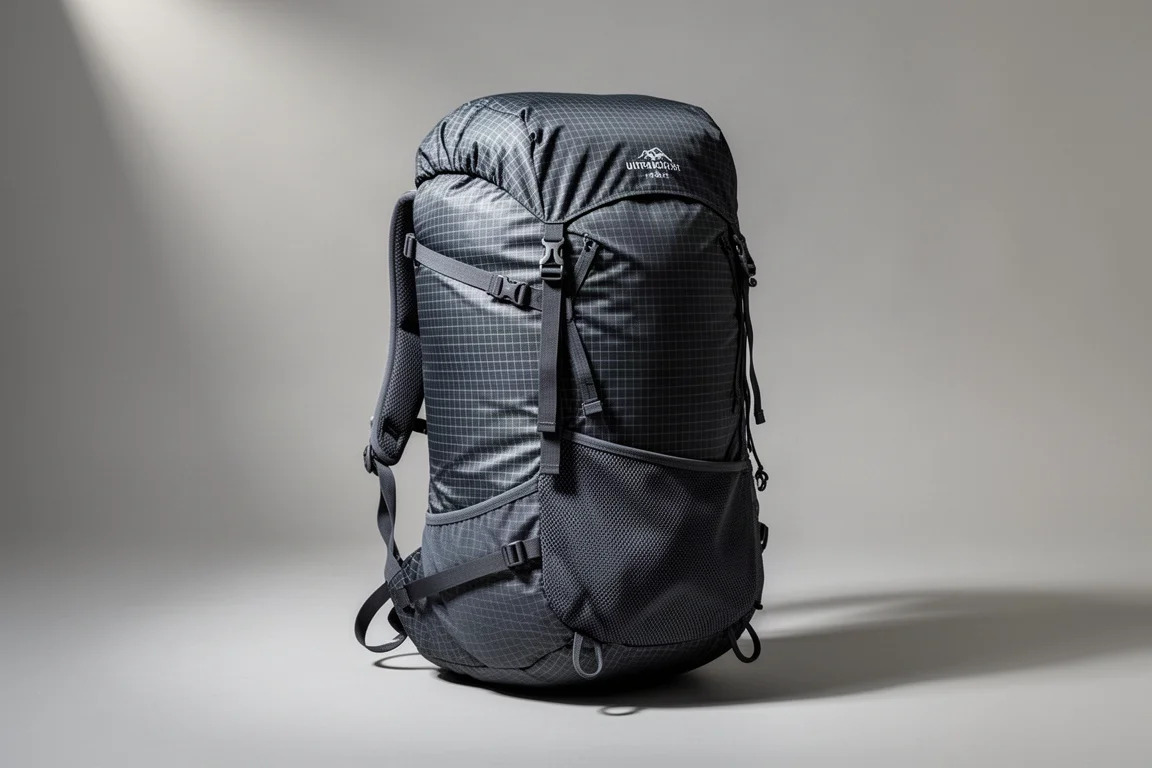
The Ventus hoodie has been the single mid layer on most trips, and the reason comes down to one detail: perforated panels under the arms. They dump heat on a climb and stop the layer from turning into a sweat trap, while the rest of the body stays covered when the pace slows.
Weight is minimal and it compresses down small enough to disappear into a pack until the temperature drops. Worn alone on a cool morning or layered under a shell in worse weather, it covers a wide range of conditions without asking for much space.

A few details are worth knowing. There is no drawcord or elastic at the hem, and the rear hem sits lower than some wearers will want. There is also no zippered pocket on the front. None of these are deal breakers at this weight, but they are the changes most likely to appear in a future version, and buyers who rely on a chest pocket should plan around the omission.
Best Shelter: Tarptent Double Rainbow Li
The Double Rainbow Li is the shelter that made everything else on the rack feel optional. It is light enough and fast enough to pitch that it raises an obvious question: could one tent cover almost every trip of the year?
The Dyneema-based construction is what makes that possible. It keeps packed weight low without giving up weather protection, and the design pitches taut with a small number of stakes. For a solo hiker or a pair travelling light, it is the shelter to beat.
It is a considered investment rather than an impulse buy, and that is the main thing to weigh before committing.
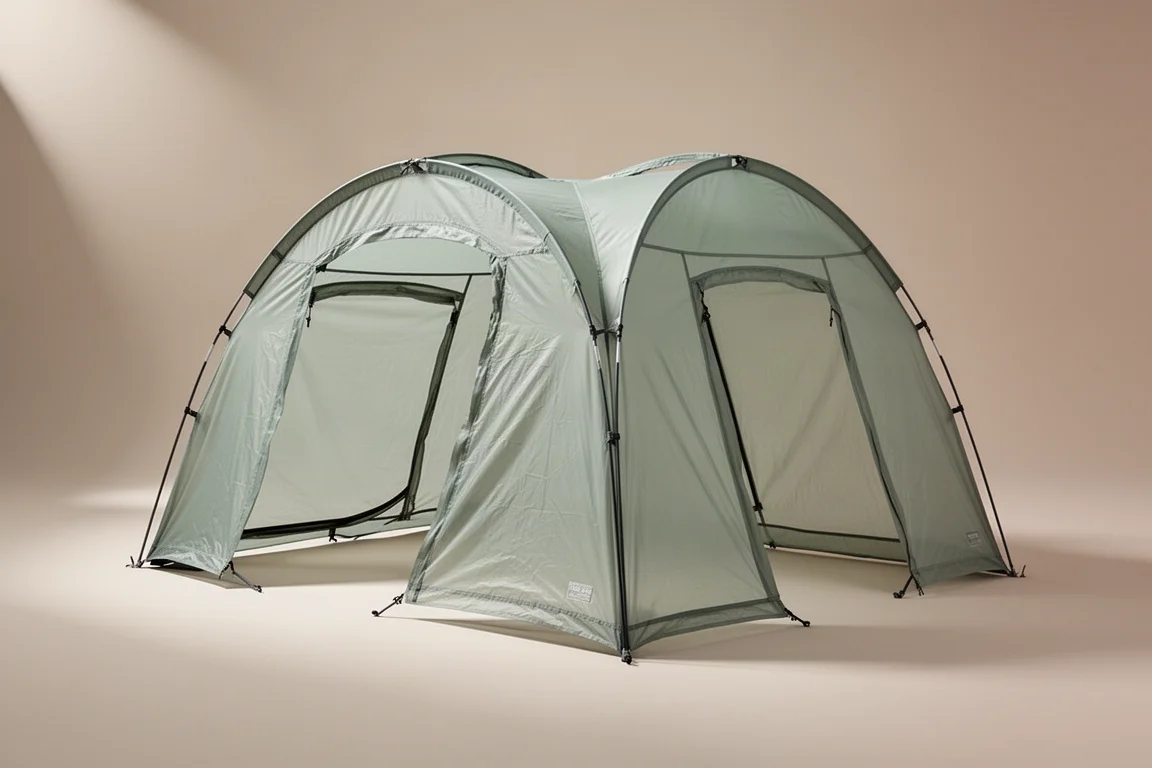
A Tent That Disappointed: Big Agnes Fly Creek UL2
Big Agnes has a strong record with lightweight shelters, and the Copper Spur in particular remains a benchmark for interior space and stability. The Fly Creek UL2 takes a different route, built around environmentally focused materials and reduced impact.
The problem is wind. This shelter does not handle gusty conditions well, and exposed ridgelines or open alpine campsites will expose that weakness quickly. In calm, sheltered forest sites it behaves far better and the low-impact construction makes more sense.
If you mostly camp in protected spots, it can still work. If you regularly pitch above the treeline, the Copper Spur is the smarter choice from the same brand.
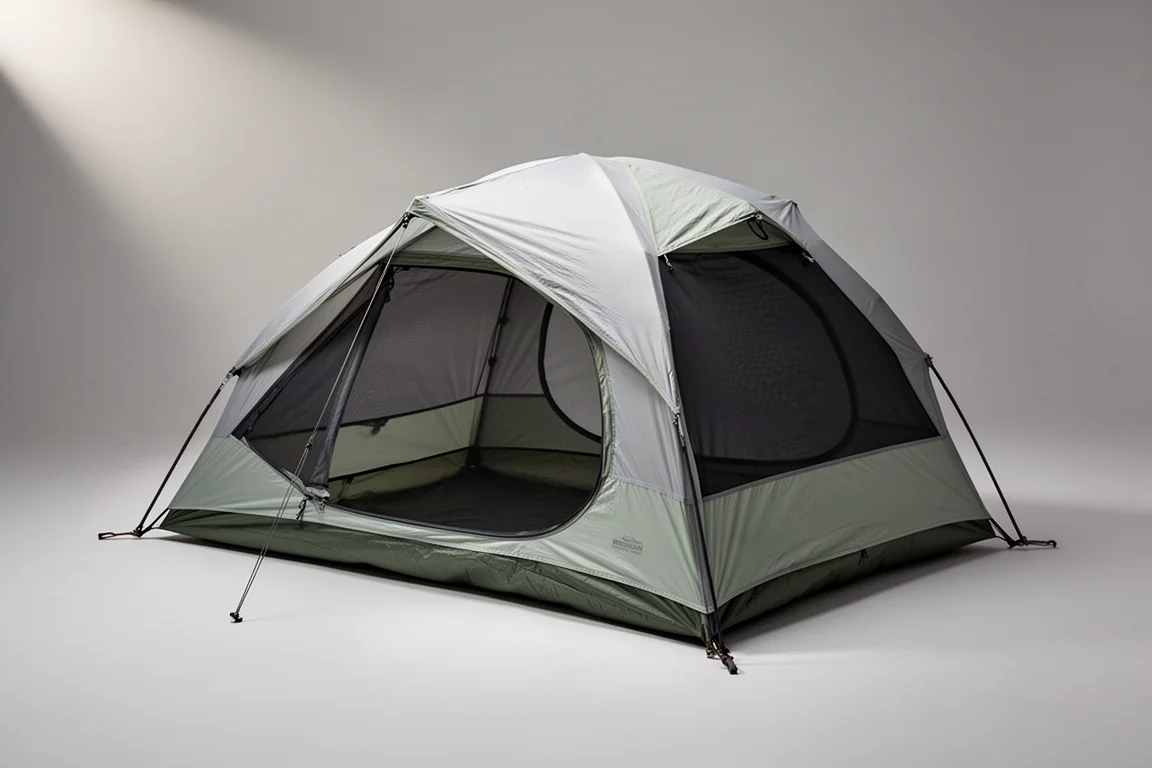
Budget Tent Caution: Naturehike Cloud Up 2 UL
The Cloud Up 2 UL is positioned as a lightweight, budget-friendly two-person tent, and on paper it delivers both. In practice, quality control is the risk you are accepting.
On the very first pitch, the piece that holds the rear vent open came away from the tent straight from the factory. That is a small component, but it raises a wider question about assembly standards. The response from the brand when the issue was reported was not reassuring.
A simple repair might solve the problem, but confidence in a shelter matters more than the repair itself. Buyers working to a tight budget should weigh that uncertainty against the savings.
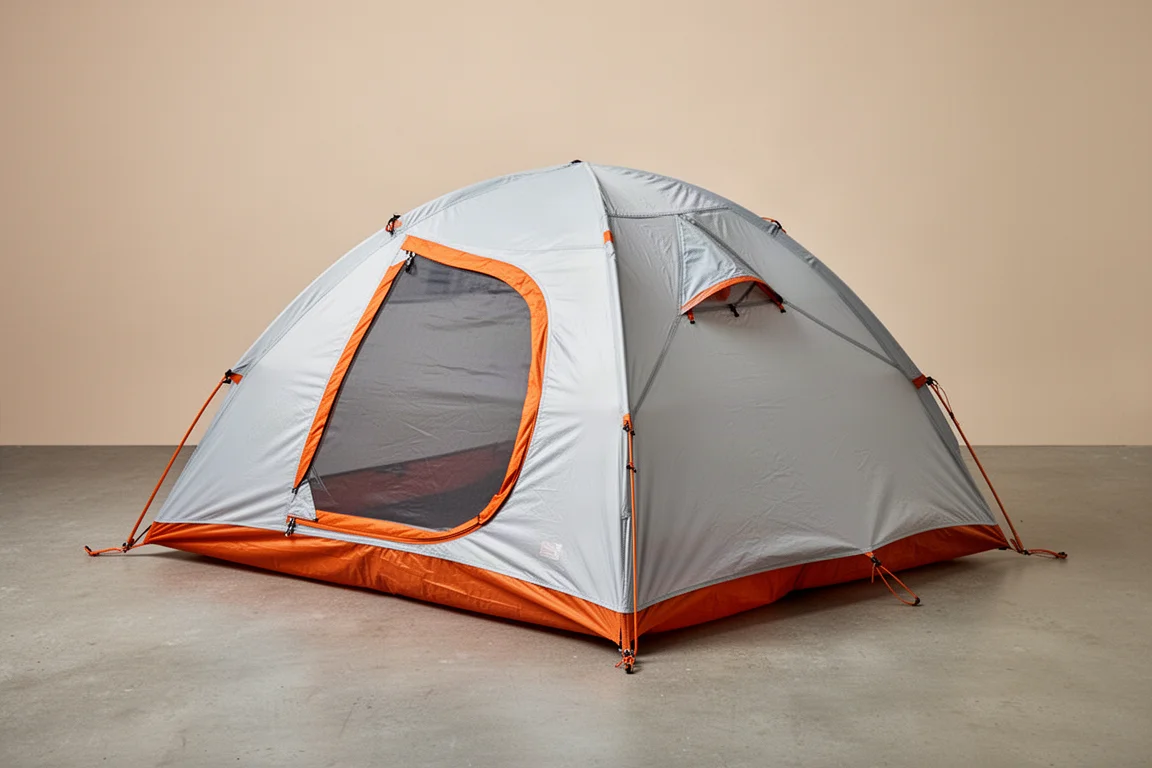
Best Hammock System: Hammock Gear WanderLux Hammock Kit
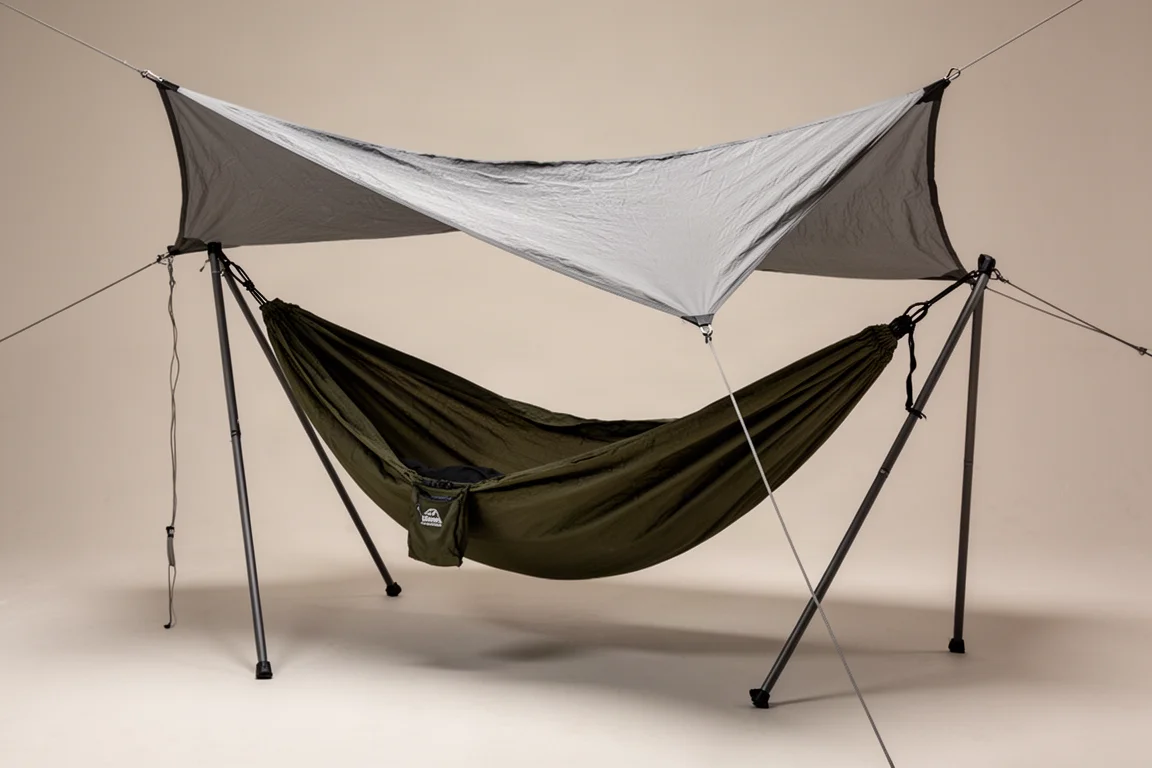
The WanderLux kit brings together a gathered-end hammock, a Dyneema tarp and insulation in one package. The tarp is the standout component: Hammock Gear has been building tarps for years, and this one pitches tight and sheds weather without fuss.
The hammock itself is comfortable enough for a first overnight in a complete system, and the top and under quilts in the setup are rated for roughly 20-degree conditions, which stretches the usable season well beyond summer.
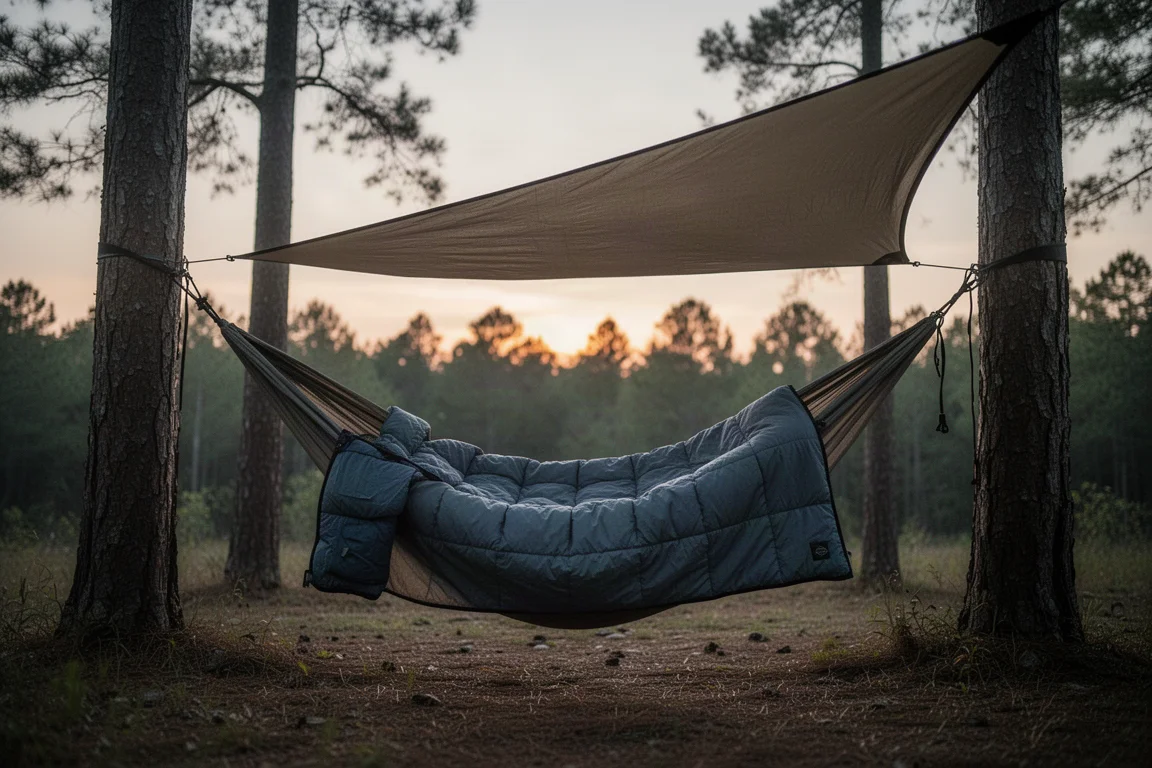
The weak point is the suspension. The included daisy chains are functional but slow to fine-tune, and most users will want to move to a buckle-based system. Hammock camping also carries a learning curve that a tent does not, so plan a shakedown night close to home before relying on it for a long trip.
Best Sleeping Pad: Sea to Summit Ether Light XT
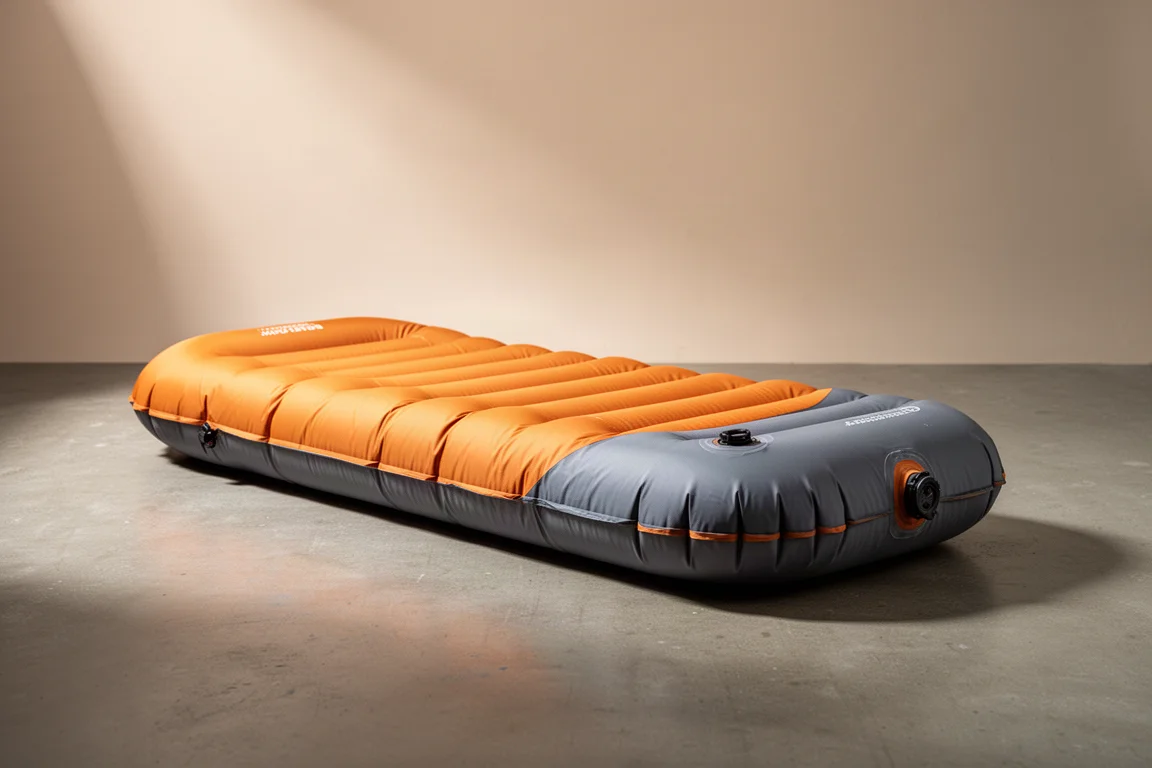
Four inches of thickness is the number that matters here. The Ether Light XT is insulated, comfortable and consistent, holding up night after night rather than softening or losing loft. Across half a dozen nights of use it stayed comfortable and predictable.
Packed size is the trade-off. It takes up noticeably more room in a pack than a thinner pad, and anyone counting every litre will feel that difference on a long carry. For comfort-focused backpackers and car campers, it is an easy recommendation.
Best Car Camping Upgrade: ICECO JP30 12V Fridge
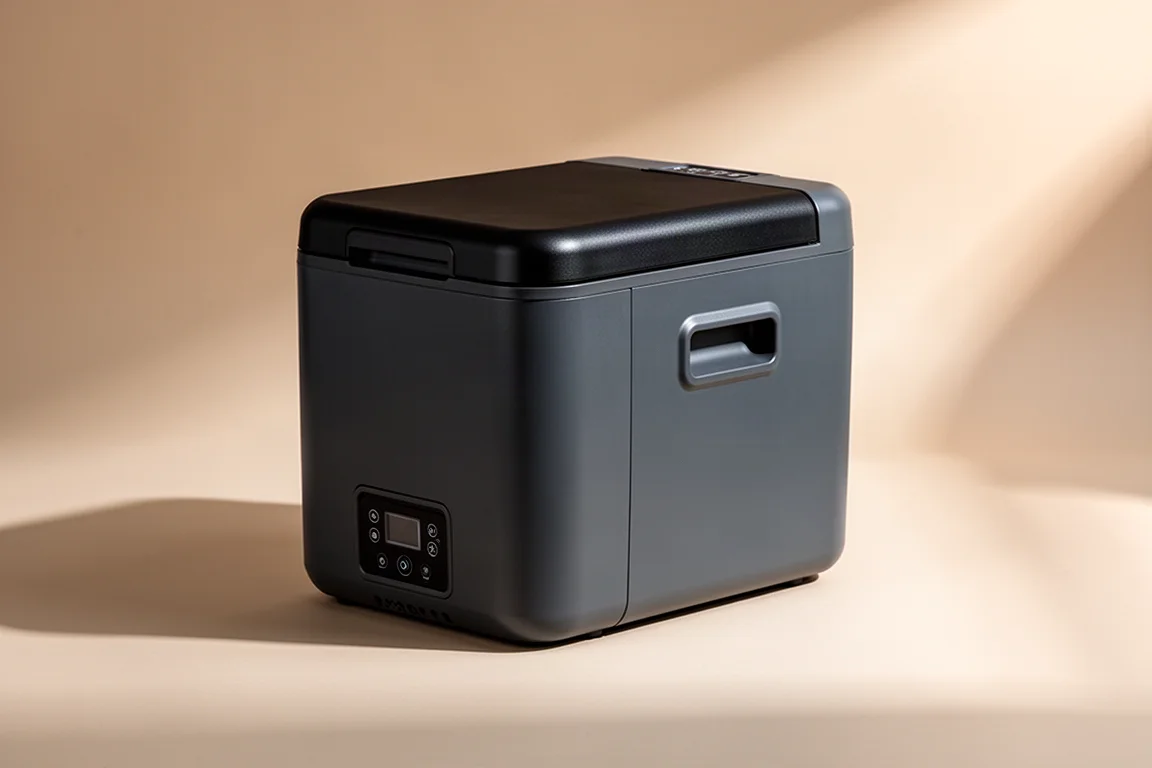
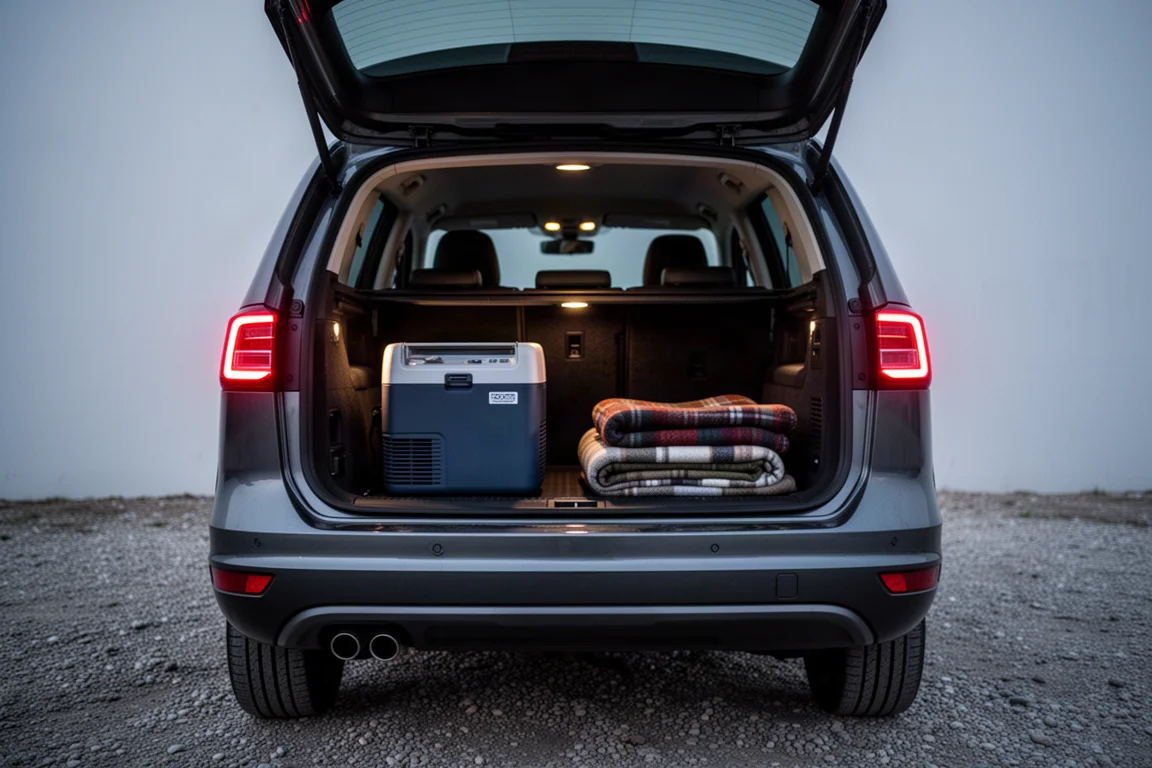
A portable 12-volt fridge changes how a car camping weekend works. The JP30 fits neatly in the cargo area of a mid-size SUV and runs either from a vehicle’s 12-volt outlet while driving or from a portable power station once you are parked.
On a full weekend trip it ran continuously off a single 700Wh power station without draining it. That is the detail that matters most: real refrigeration, no ice runs, and no soggy food by the second morning.
A few design details could be refined, and this is strictly a car camping item rather than anything you would carry on foot.
Buying Advice
Start with the shelter and the sleep system, because those two decisions set the weight and comfort baseline for everything else. The Double Rainbow Li is the strongest single answer if you want one tent that handles most trips, while the Fly Creek UL2 only makes sense if your campsites are reliably sheltered and the lower-impact build matters to you.
Budget tents are where the biggest savings and the biggest risk sit side by side. The Cloud Up 2 UL is light and inexpensive, but the assembly issue on first pitch is a real signal, and buyers should decide whether they are comfortable fixing small problems themselves. A hammock kit is a different kind of commitment again: the WanderLux is a complete system, but it rewards riders who take the time to learn the setup and upgrade the suspension.
On comfort, the Ether Light XT trades packed volume for genuinely good sleep, which is usually the right trade on shorter carries. And if most of your nights happen beside a vehicle, the JP30 delivers the single largest upgrade in quality of life per dollar on this list. Match the purchase to how you actually camp rather than to the trip you imagine taking.
Conclusion
The gear here falls into two clear patterns. The pieces that earn their place, the Through 40L pack, the Ventus hoodie, the Double Rainbow Li, the WanderLux kit, the Ether Light XT and the JP30, all solve a specific problem cleanly and get out of the way once they are in use. The pieces that fall short, the Fly Creek UL2 in wind and the Cloud Up 2 UL out of the box, are still usable, but they ask you to accept a limitation you should know about in advance.
Buy for the conditions you actually camp in, and the right shelter, pad and pack will outlast several rounds of upgrades elsewhere.
Further reading
Related Reviews
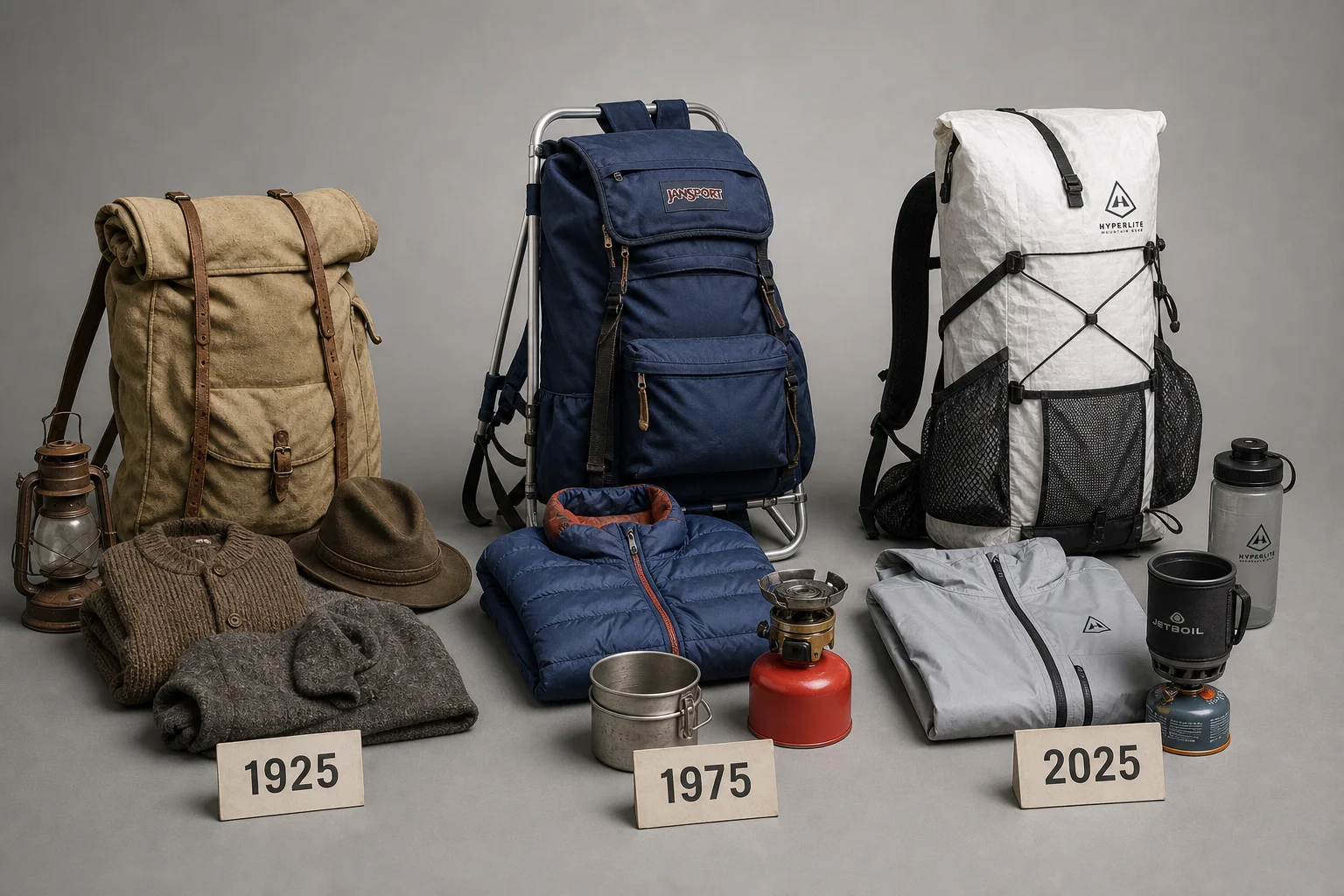
Outdoor Gear
Backpacking Gear Evolution: 100 Years of Technology Compared
We tested backpacking gear from 1925, 1975, and 2025 across a three-day hike in Yosemite. Here's how technology has transformed comfort, weight, and the outdoor experience.
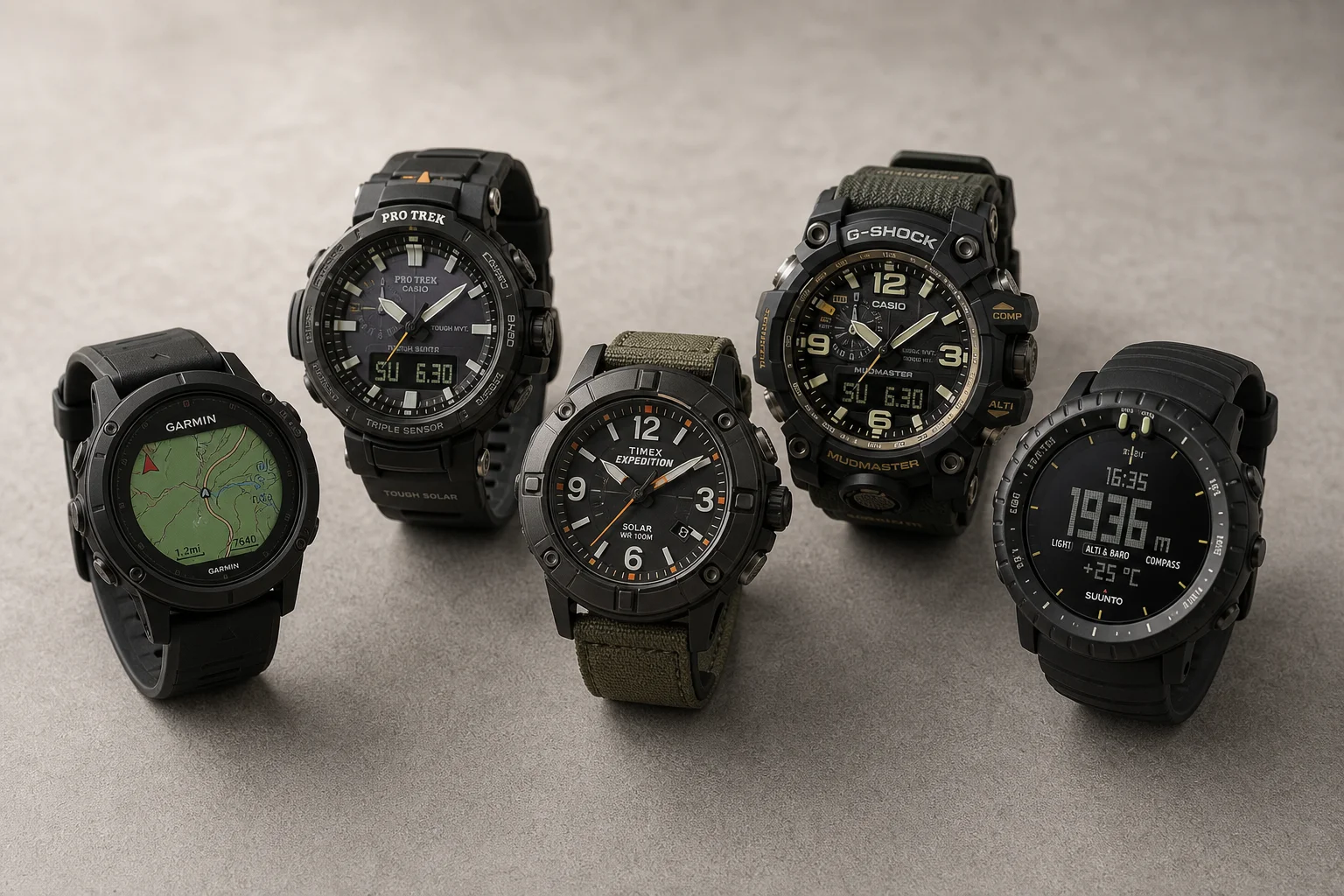
Outdoor Gear
Best Affordable Hiking Watches: Five Rugged Options for Outdoor Adventures
Five durable hiking watches that balance ruggedness, functionality, and value for outdoor enthusiasts who need reliable GPS tracking and weather resistance.
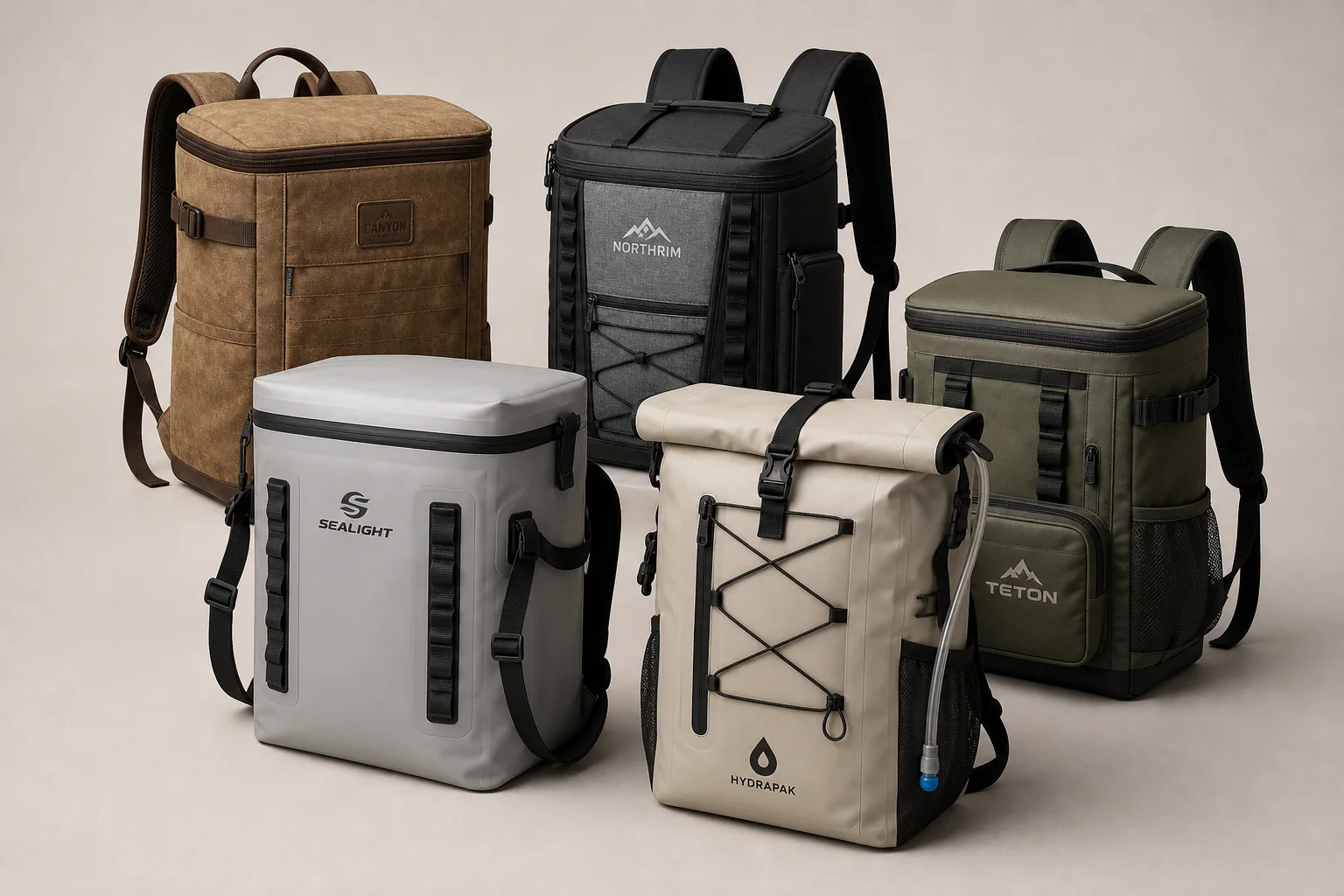
Outdoor Gear
Best Backpack Coolers 2026: Five Practical Options for Outdoor Adventures
Five backpack coolers with distinct cooling capabilities, storage features, and design trade-offs to help you choose the right one for your outdoor needs.