Outdoor Power Equipment
Backpack Blower Comparison: Wild Badger 53cc, Husqvarna 150BT, and STIHL BR 800 X
Three backpack blowers at very different price points, tested side by side during heavy leaf fall: where the budget pick surprises, and when the bigger investment makes sense.
Introduction
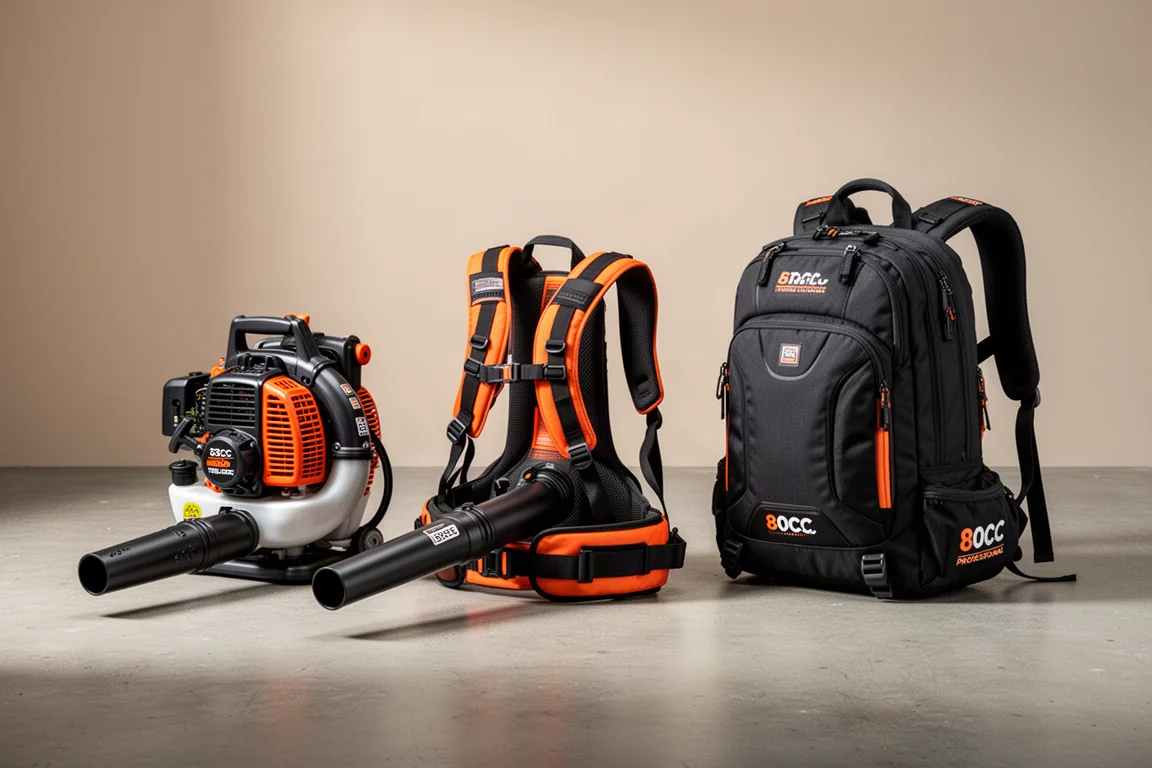
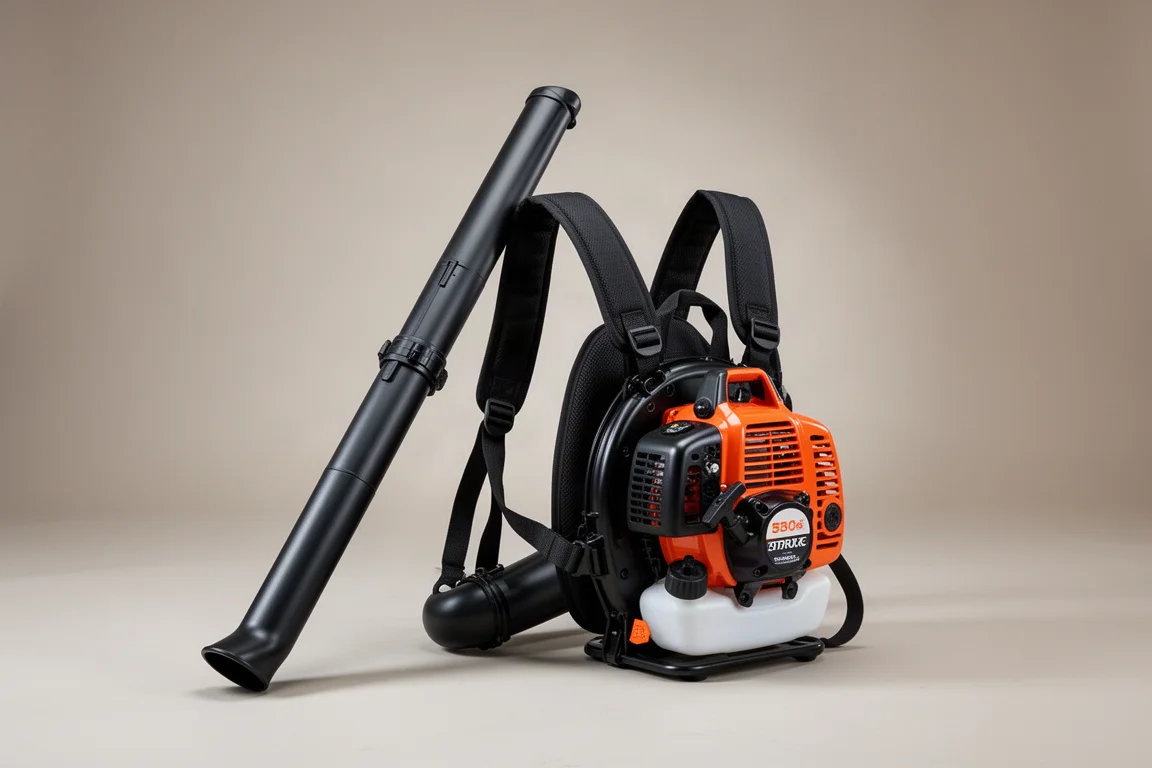
When heavy leaf fall arrives, a backpack blower is one of those tools that either earns its spot in the garage or turns into a frustrating weekend. This comparison covers three machines at very different price points: a budget-friendly Wild Badger 53cc, the popular Husqvarna 150BT at 51cc, and the STIHL BR 800 X, an 80cc unit that sits firmly in the investment category. The focus here is on the two 50cc-class units, with the STIHL as the reference point for buyers wondering whether they truly need that much blower.
The Lineup and What They Cost
The Husqvarna 150BT typically runs between $300 and $350 depending on where you buy it, while the Wild Badger lands somewhere between $200 and $250, so roughly $100 less. Both are two-stroke machines, and sales can shift those numbers, so it is worth checking current pricing before committing.
The STIHL BR 800 X costs around $650 at 80cc. It is an absolute beast, but for many homeowners it may be more blower than they need, which is exactly why the two 50cc-class units deserve a closer look.

First Impressions Out of the Box
Pulling both smaller units out of the box showed they are pretty close to the same. The first starts took seven or eight pulls each to get fuel through the system, but after that both started with one or two pulls. The primer ball on the Wild Badger is a little harder to push, but that is about the only startup difference. Both pull easily and are ergonomically set up.
One practical note: the Wild Badger can be left in the stop position, and if you try to start it there, you will be pulling for no good reason because it will never run. Always keep it in the Run position when using it.
Fit, Comfort, and Everyday Handling
The Husqvarna has a chest strap and a belt around the bottom. On a larger frame it can feel a bit like a big guy in a small suit, and everything seemed slightly restrictive at first, though it was comfortable once on and does not look as restrictive as it feels. Vibrations are low, which is impressive for two-strokes, though neither matches the comfort of more expensive units.
The Wild Badger uses just two shoulder straps and a lower belly strap. It felt open and comfortable, staying planted on the back without restricting movement. Both weigh similarly on the back: the Husqvarna comes in at 22 lbs and the Wild Badger at 20, with no real felt difference while wearing them.
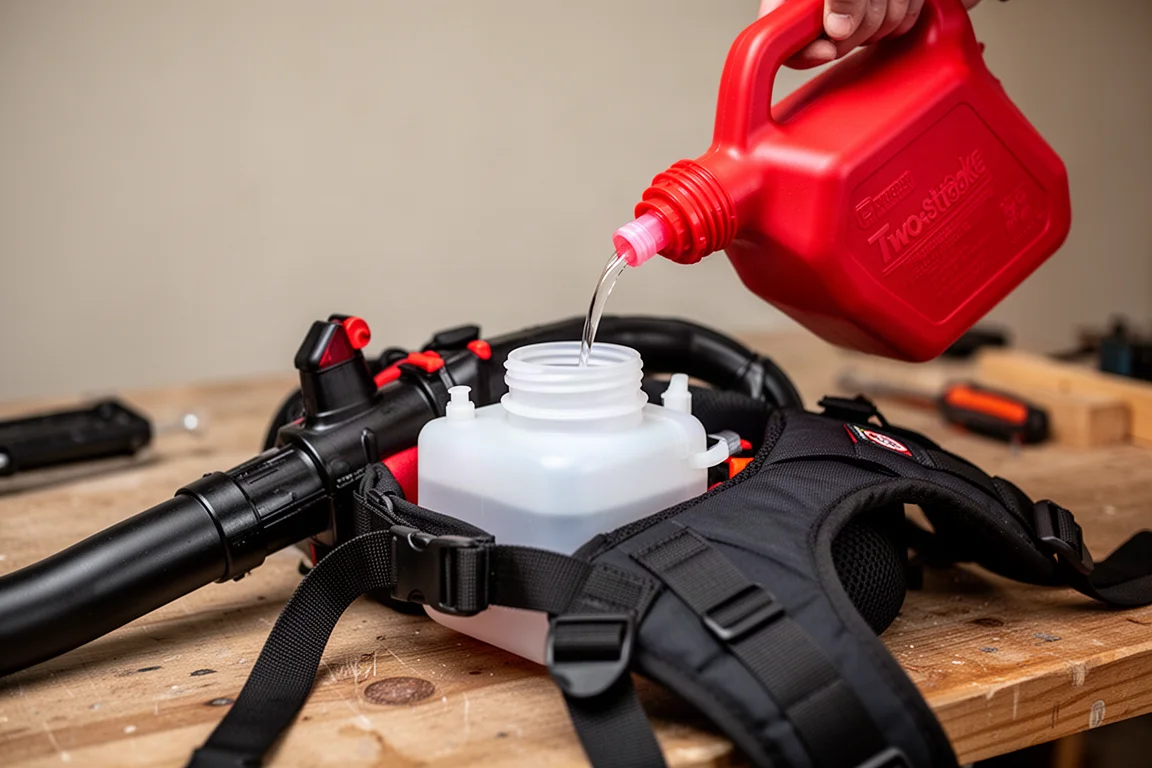
Both have forward controls on the tube handle with a cruise control and a start/stop switch.
Real-World Blowing Performance
On paper, the gap looks huge. The Husqvarna 150BT is rated at 765 CFM and 270 mph out of a shorter tube, while the Wild Badger is rated at 559 CFM and 175 mph out of a long tube that reaches close to the ground. In practice, the story flips.
The Husqvarna’s shorter tube spreads a wider area of flow and pushes well when leaves are dry and scattered across open ground. The Wild Badger’s long tube gets underneath things, sitting maybe 18 inches closer to the ground, which makes it feel like it has much more ability to move leaves. With a large volume of leaves, the Wild Badger genuinely felt like it had more usable power, and it cleaned a driveway off noticeably faster.
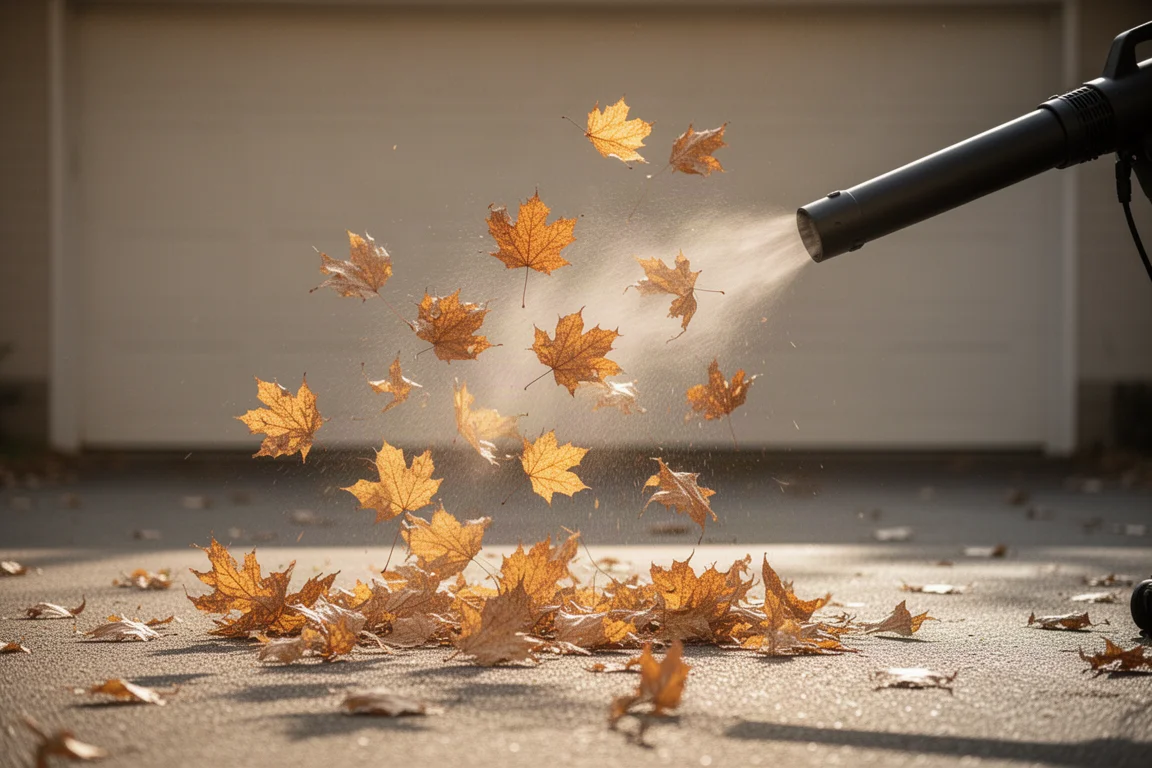
The Husqvarna lifts leaves a bit more into the air with its wider flow, which helps in open areas and against swirling wind. If you dislike the Wild Badger’s long tube, you can remove a length to shorten it, but for heavy leaf cover the long tube is the better setup.
Noise, Refinement, and Long-Term Ownership
The Wild Badger is rated at 80 dB at 50 ft and the Husqvarna at 78 dB at 50 ft. Both are loud on your back and good hearing protection is a must. The Husqvarna sounds a little more put together, while the Wild Badger has a slightly higher-pitched whine and a less refined two-stroke character. Not a dealbreaker, but noticeable side by side.
The overall refinement difference is real. The Husqvarna has a smooth trigger pull, easy starting, a simple and well-placed choke, and quieter running. The Wild Badger’s trigger feels a bit gritty, the choke lever feels slightly flimsy, and the primer pump is harder to push. That is the trade-off for spending $100 less.
The big unknown for the budget unit is longevity. The Wild Badger backs itself with a 4-year warranty, and buying from a retailer like Tractor Supply gives you a place to return it. The Husqvarna offers a 5-year warranty as long as you purchase one container of their premixed fuel at the same time, on the same receipt, as the blower.
Which One Should You Buy?
If both sat in the garage, the first pick for a larger job with fewer leaves would be the Husqvarna 150BT: the shorter tube spreads the wind and CFM out over a wider area and moves things faster across open ground. But when there is a heavy volume of leaves to move, the Wild Badger’s longer tube gets things done quicker, even if the brand feels less premium and the design less polished.
If you have woods around you and serious leaf volume, moving up to something like the STIHL BR 800 X will push leaves further away and get the job done with less walking, though at a significantly higher price.
Both 50cc-class units used about the same amount of fuel and got the job done. The decision comes down to whether refined ergonomics or raw close-to-the-ground pushing power matters more in your yard.
Conclusion
The Husqvarna 150BT is the more polished machine with better ergonomics, a smoother trigger, and a longer warranty path, while the Wild Badger delivers surprising real-world leaf-moving ability for around $100 less. The STIHL BR 800 X remains the tool for buyers who genuinely need maximum output. Matching the blower to your leaf load is what turns any of these into a good purchase.
Further reading
Related Reviews

Outdoor Power Equipment
Best Cordless Chainsaws 2026: EGO, Milwaukee, and Stihl Compared
Three flagship battery-powered chainsaws from EGO, Milwaukee, and Stihl go head to head in cutting speed, power, weight, and price.

Outdoor Power Equipment
Best Cordless Leaf Blowers 2026: Nine Models Put to the Test
We tested nine leading cordless leaf blowers from Ryobi, STIHL, Toro, EGO, Husqvarna, DeWalt, Makita, Milwaukee, and Echo to find the best blowing force, run time, and value.
Outdoor Power Equipment
Amazon Big Spring Sale 2026: Best Outdoor Power Equipment and Backyard Deals
Cordless mowers, blowers, grills, and portable power on sale this spring, with practical advice on which packages are actually worth buying.