Outdoor Gear
Backcountry Water Filters vs Purifiers: Five Options Worth Knowing
How hollow fiber filters and purifiers differ, what each one removes, and five backcountry water treatment options matched to different trips.
Introduction
Water treatment is one of the few pieces of backcountry gear where the choice genuinely changes what you are protected against. A hollow fiber filter and a purifier both clean water, but they do not remove the same things from it. That difference matters most when the water source is uncertain: a glacier-fed stream high in a mountain range is a very different proposition from a ditch beside a cattle pasture or a village supply with limited sewage infrastructure.
This guide explains how the two categories work, where each one earns its place, and five models that cover the practical range, from ultralight hollow fiber filters to a hard-wearing purifier built for questionable water.
How Water Filters and Purifiers Differ
Hollow fiber filters push water through a bundle of very fine hollow tubes. Water passes through the tube walls while dirt, debris, bacteria, and protozoa such as giardia are trapped on the outside. That covers the most common causes of backcountry stomach illness, which is why a filter is the default choice on clean mountain routes.
Purifiers remove everything a filter removes and then go further, taking out viruses, chemicals, and heavy metals as well. The cost is weight, bulk, and price, so the decision usually comes down to how much uncertainty the water source carries rather than which tool is objectively better.
It helps to be honest about risk. Filters have performed well across long-distance routes covering thousands of miles in mountain terrain, but they offer no protection against viruses in a village with poor sanitation or against agricultural runoff in a farming valley. Treating water always involves a judgement call about the source in front of you.
Best Ultralight Pick: Sawyer Micro Squeeze
The Micro Squeeze sits at the compact end of the hollow fiber category. It weighs around two ounces or less and is small enough to live in a hip belt pocket, a pack lid, or strapped directly to the top of a bottle, which means it stays within reach instead of buried at the bottom of a pack.
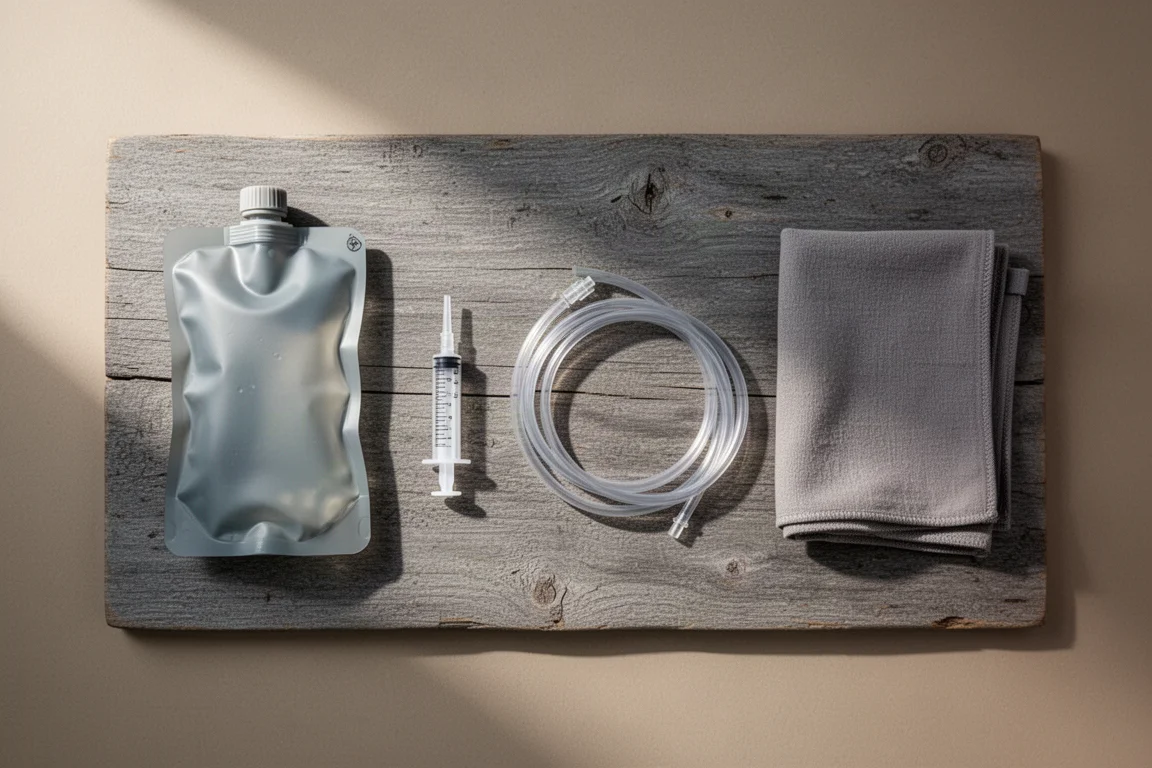
Setup options are broad for something this small. It threads onto a bottle, works with a dirty water bladder, or can be rigged as a gravity feed at camp. Field cleaning is simple: a backflush with clean water clears the silt and sediment that builds up after drawing from silty or mineral-heavy sources.
Best All-Round Pick: Sawyer Squeeze
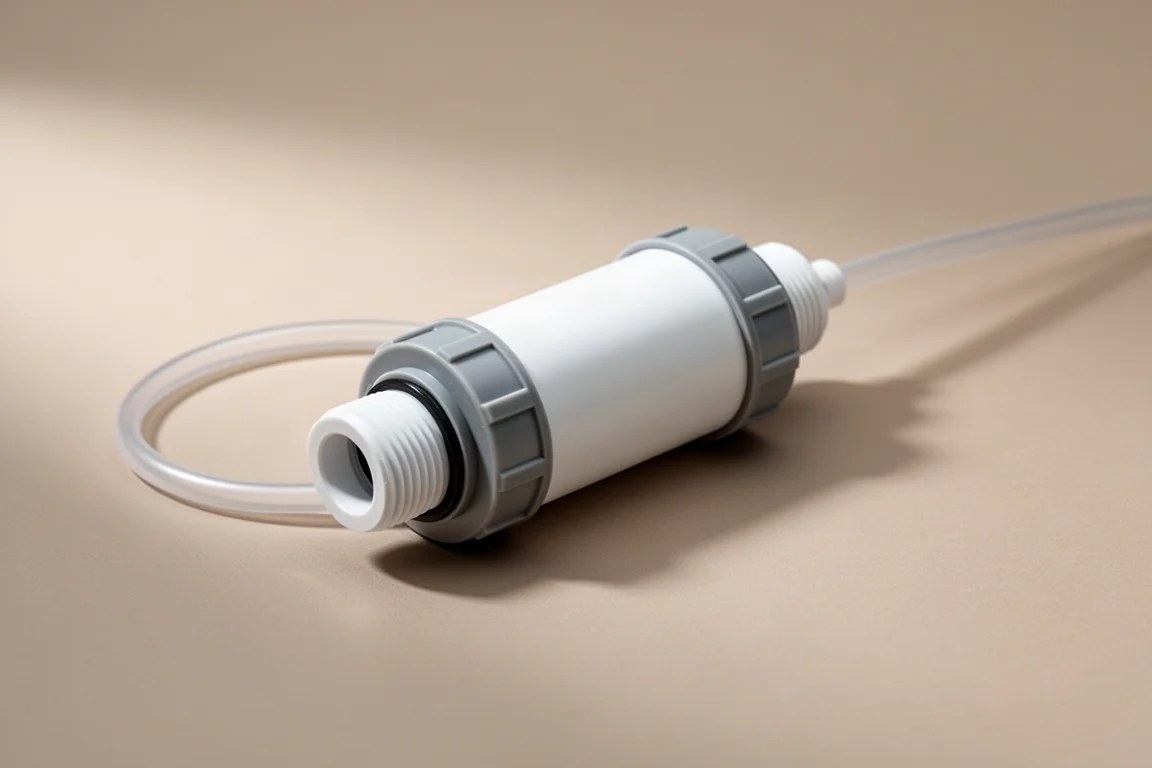
The Sawyer Squeeze is the model many long-distance hikers reach for, and the reasons are practical rather than clever. It handles the same bacteria and protozoa as the rest of the hollow fiber family, it is light enough to forget about in a pack, and it works with a wide range of bottles and bladders.
Durability is where every filter in this category asks for care. The housings are built from thin, ultralight plastic, so a hard drop onto rock can crack one, and freezing is a genuine concern. Water left inside the hollow fibers can expand as it freezes and damage the membrane, which means a filter that has frozen should be treated as compromised rather than trusted.

For three-season trips in clean mountain terrain, that is usually an acceptable trade for the weight and the price.
Best Value Pick: Sawyer Mini
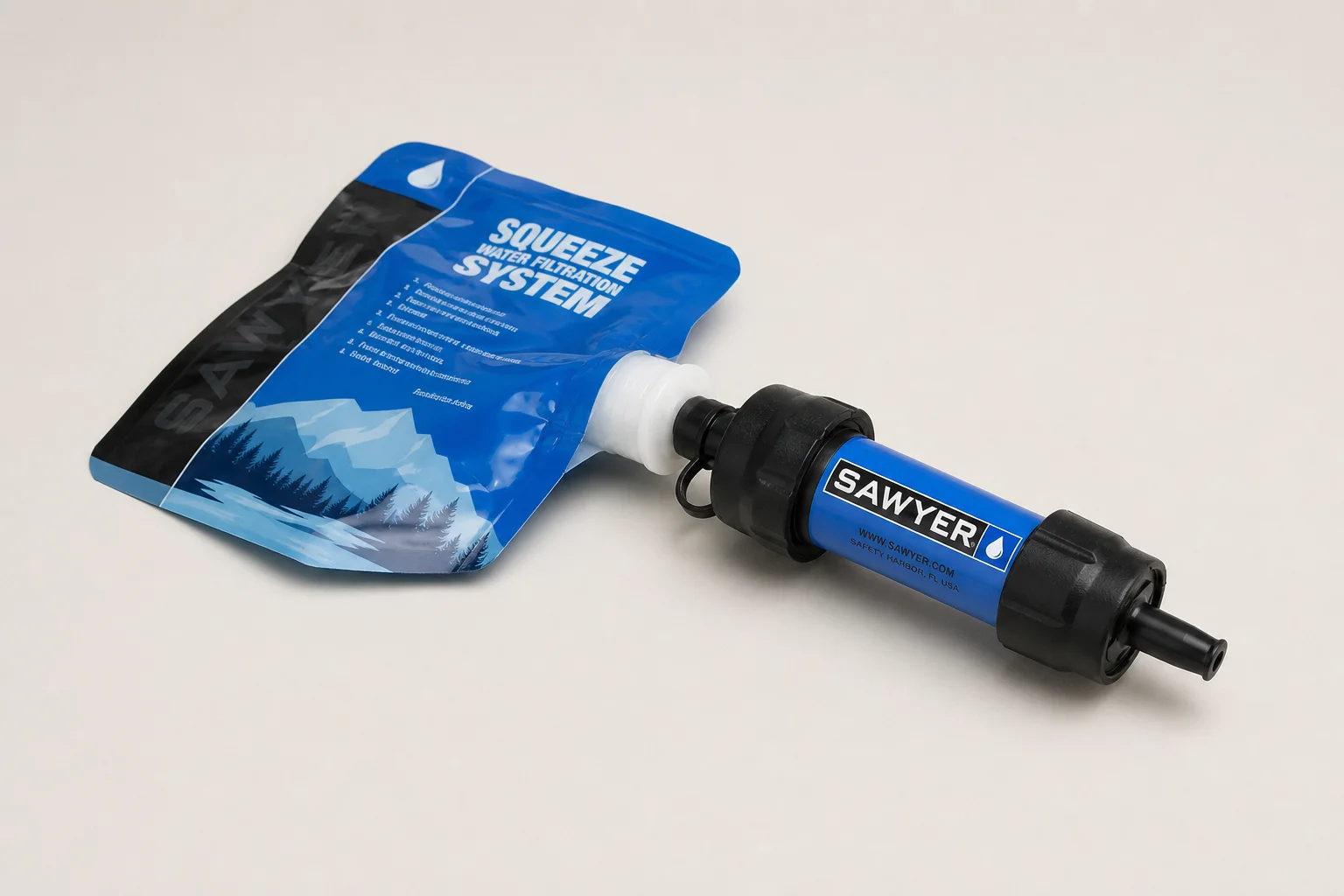
The Mini is the smallest and lightest option in this group, and it is generally the least expensive way into hollow fiber filtration. It suits hikers who want a minimalist kit or a spare filter for a longer route, and it pairs naturally with a squeeze pouch on shorter trips.
Its compact size does mean slower flow than the larger models, so it is best matched to trips where you are topping up a bottle or two rather than filling water for a group at every source.

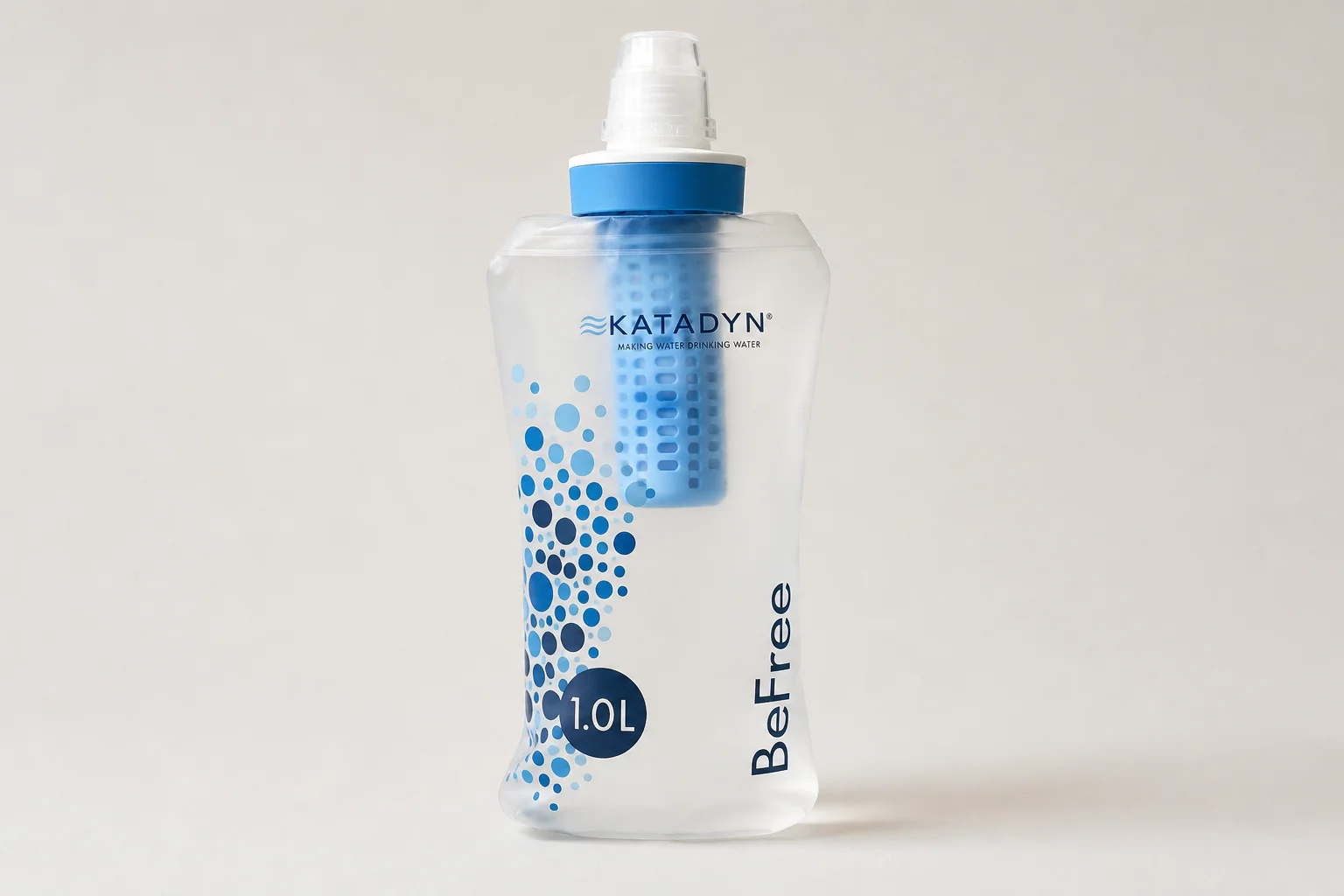
Best Fast-Flow Pick: Katadyn BeFree
The BeFree takes a different approach to field maintenance. Rather than relying on backflushing alone, the filter element can be removed, knocked against a rock, rinsed, and put straight back to work. That makes it a friendly option for silty or mineral-heavy water where a filter clogs quickly.
It is light, compact, and shares the same core limitation as the rest of the hollow fiber group. It removes dirt, debris, bacteria, and protozoa, but not viruses, chemicals, or heavy metals, and it will not improve the taste of water drawn from a stagnant source.

For fast-moving streams, springs, and snowmelt, that trade-off is usually the right one to make.
Best Purifier Pick: Grayl Geopress
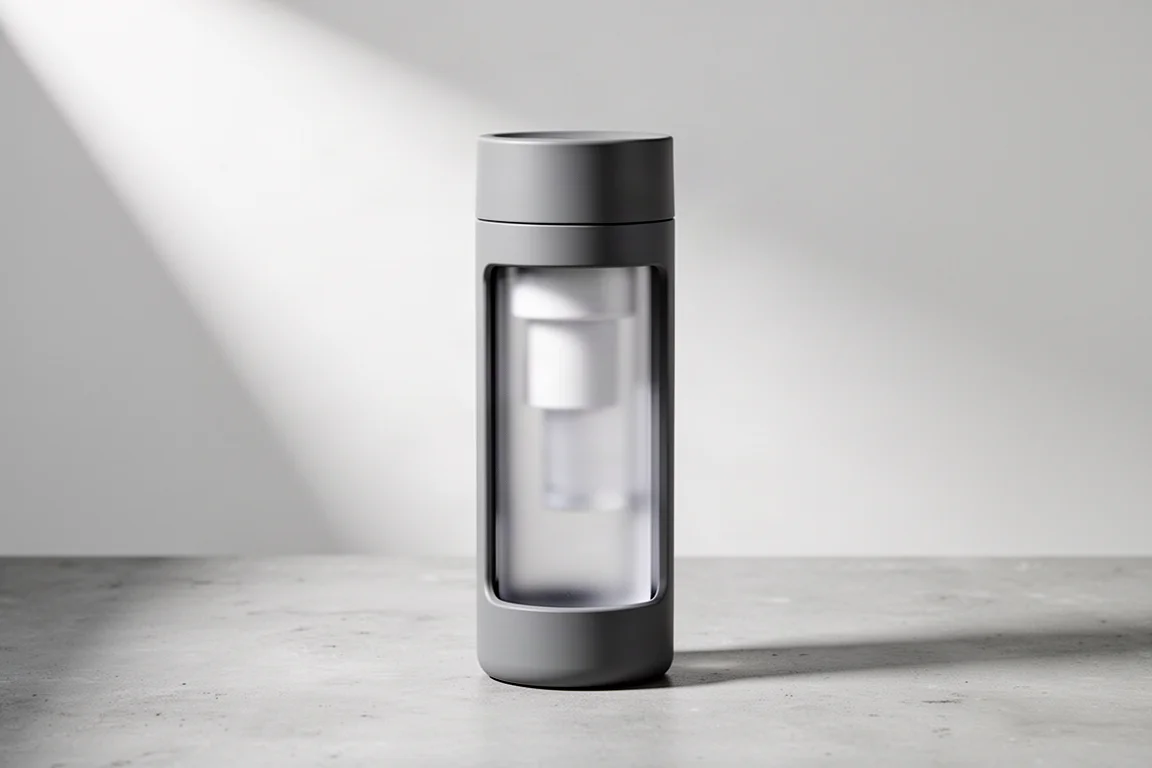
The Grayl Geopress belongs to a different category. It removes the same dirt, debris, bacteria, and protozoa as a hollow fiber filter, then also takes out viruses, chemicals, and heavy metals. It improves taste as well, which is a meaningful difference when the only water available is stagnant and smells off.
Build quality is the other headline. The body is metal, and it stands up to genuine abuse, including being ejected from a bike bottle cage onto hard road surface several times during an 800-mile bikepacking route without failing. It also does more than treat water: it can serve as a cook pot on a stove or a fire, a coffee press is available for it, and it works as a drinking bottle in its own right.
The trade-offs are honest ones. It is heavier and bulkier than any hollow fiber filter, it costs considerably more, and the internal charcoal element does not cope well with salty water. It is also harder to clean in the field than a filter that can simply be backflushed.
How to Choose Between a Filter and a Purifier
Neither tool is universally better. They are different tools for different jobs, and the right answer depends almost entirely on where you are going.
A hollow fiber filter is the sensible choice when the water sources are likely to be clean: springs, fast-moving streams, snowmelt, and glacier-fed water high in a mountain range. Filters are lighter, smaller, cheaper, and easier to maintain on the move, and they have a long record of working well on long-distance mountain routes.
A purifier earns its extra weight when the water is uncertain. Agricultural valleys where pesticides and runoff reach the streams, areas with mining, fracking, or heavy construction, villages with limited sewage infrastructure, and long-distance trails where norovirus circulates are all situations where virus, chemical, and heavy metal removal changes the risk profile.
If you are weighing the two, think about the worst water source you realistically expect to meet, not the best one. A filter that is fine on a pristine alpine traverse can be the wrong tool in a farming valley, and a purifier that feels heavy on a fast and light trip can be the difference between drinking confidently and not drinking enough.
Conclusion
Filters and purifiers are not competing versions of the same product. A hollow fiber filter is the lighter, simpler, cheaper option for clean mountain water, and the Sawyer Micro Squeeze, Sawyer Squeeze, Sawyer Mini, and Katadyn BeFree all cover that ground well. A purifier such as the Grayl Geopress is the choice when viruses, chemicals, and heavy metals are a real possibility, and it brings durability and multi-use function along with that protection.
Match the tool to the trip. If your sources are springs and snowmelt, a filter will serve you for years. If your route passes through farmland, industry, or populated areas, the extra weight of a purifier is easy to justify.
Further reading
Related Reviews
Outdoor Gear
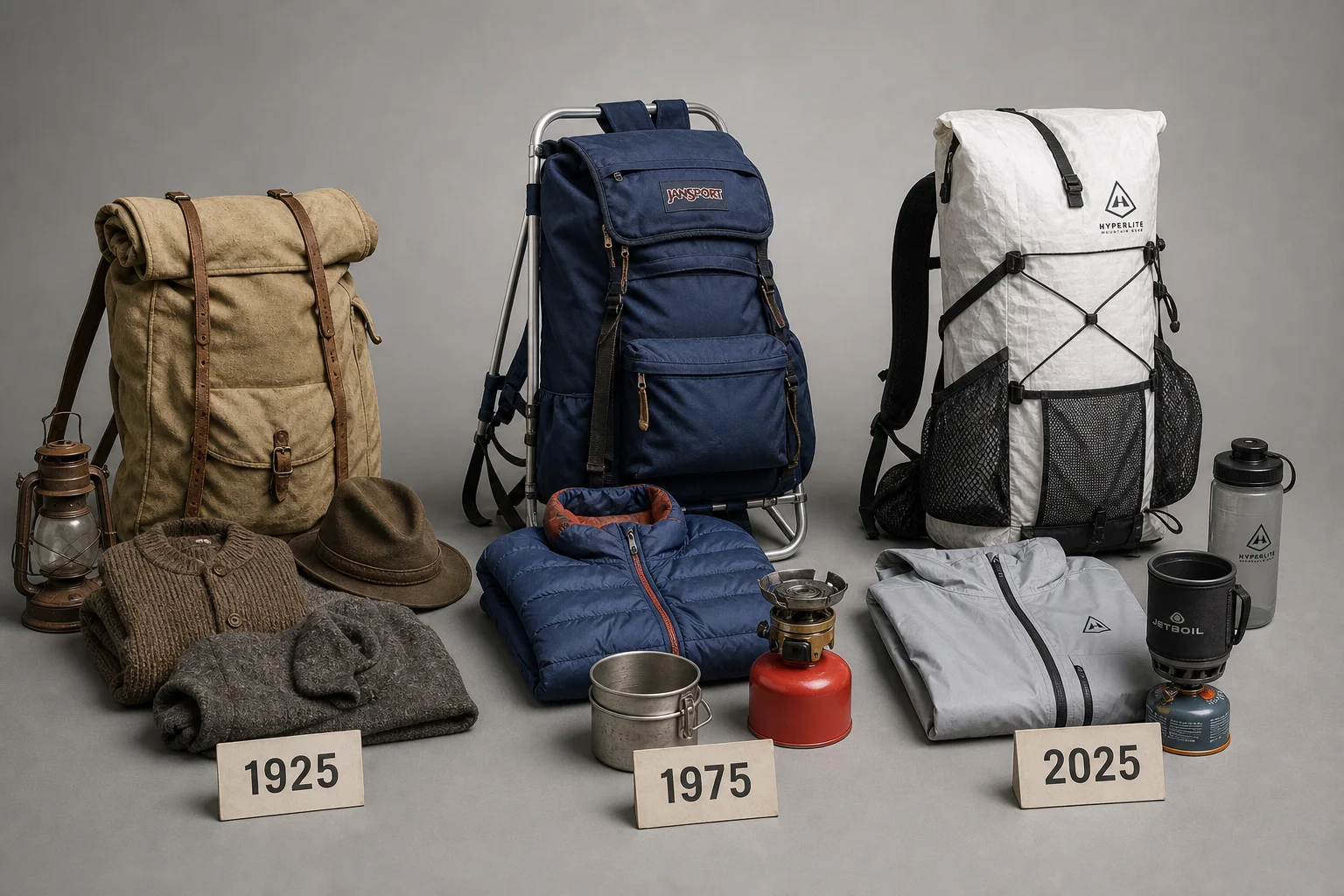
Backpacking Gear Evolution: 100 Years of Technology Compared
We tested backpacking gear from 1925, 1975, and 2025 across a three-day hike in Yosemite. Here's how technology has transformed comfort, weight, and the outdoor experience.
Outdoor Gear
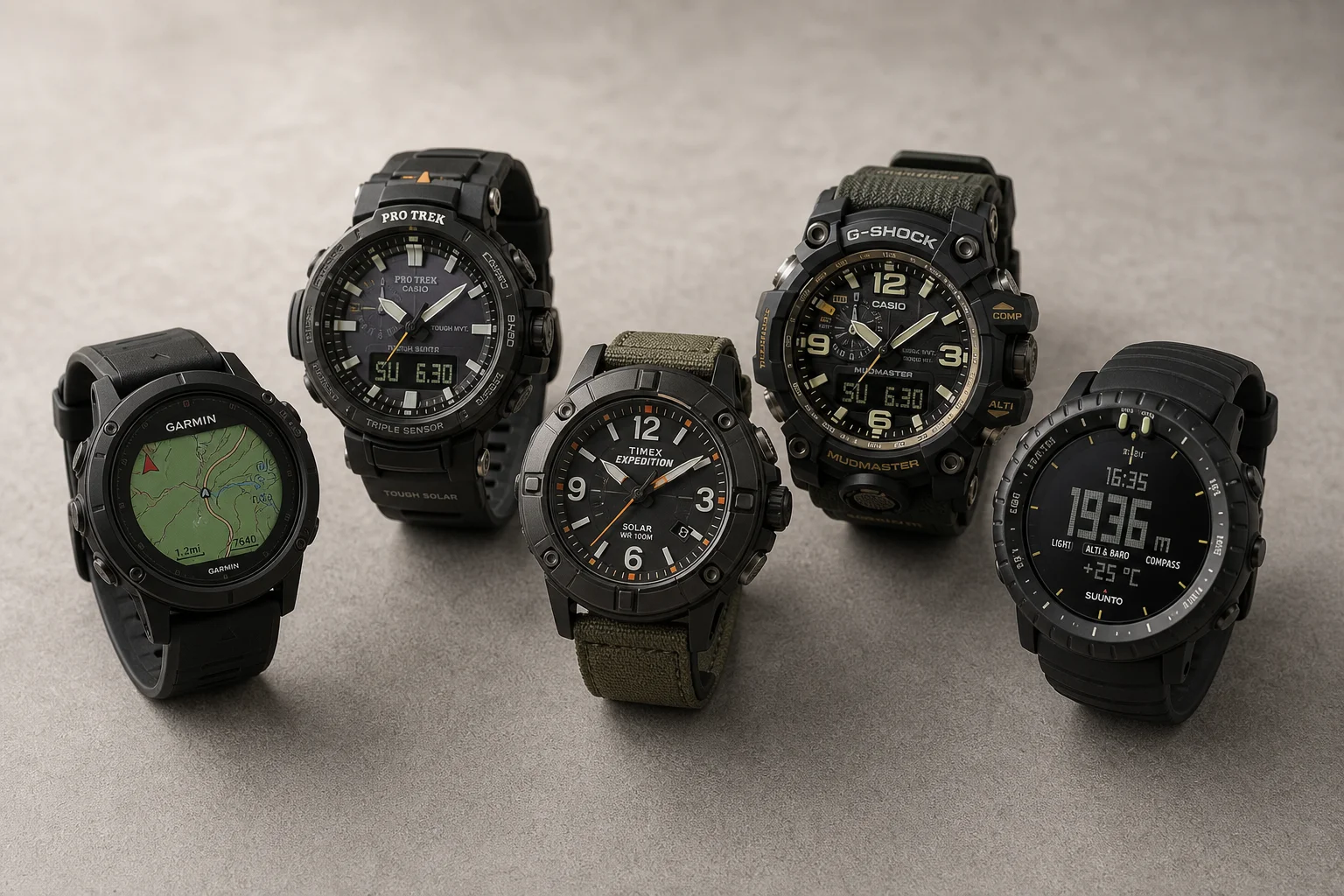
Best Affordable Hiking Watches: Five Rugged Options for Outdoor Adventures
Five durable hiking watches that balance ruggedness, functionality, and value for outdoor enthusiasts who need reliable GPS tracking and weather resistance.
Outdoor Gear
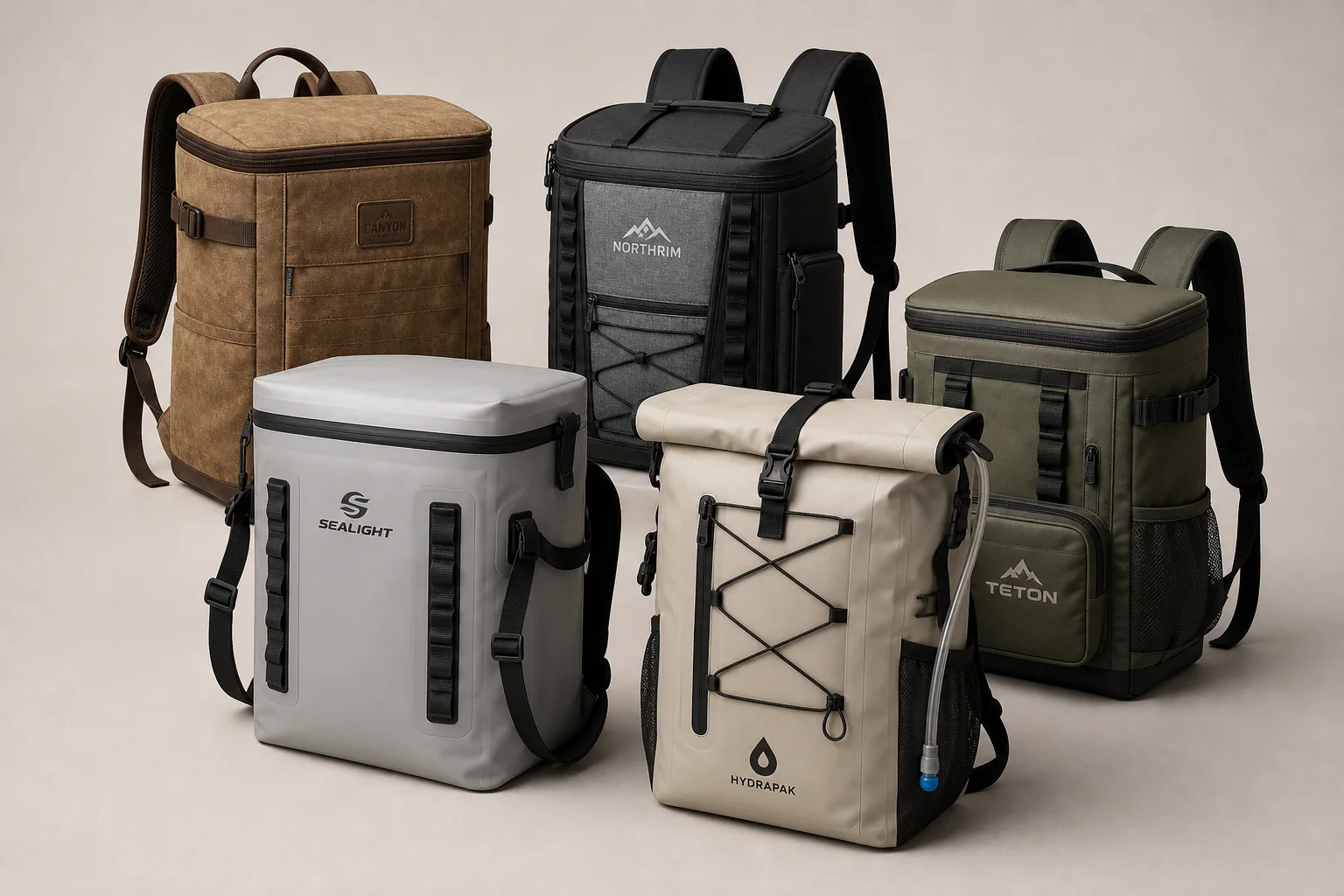
Best Backpack Coolers 2026: Five Practical Options for Outdoor Adventures
Five backpack coolers with distinct cooling capabilities, storage features, and design trade-offs to help you choose the right one for your outdoor needs.