Camping Gear
Backcountry Light Mesa Floor Tarp Review: A Dual-Purpose Idea That Belongs Inside the Tent
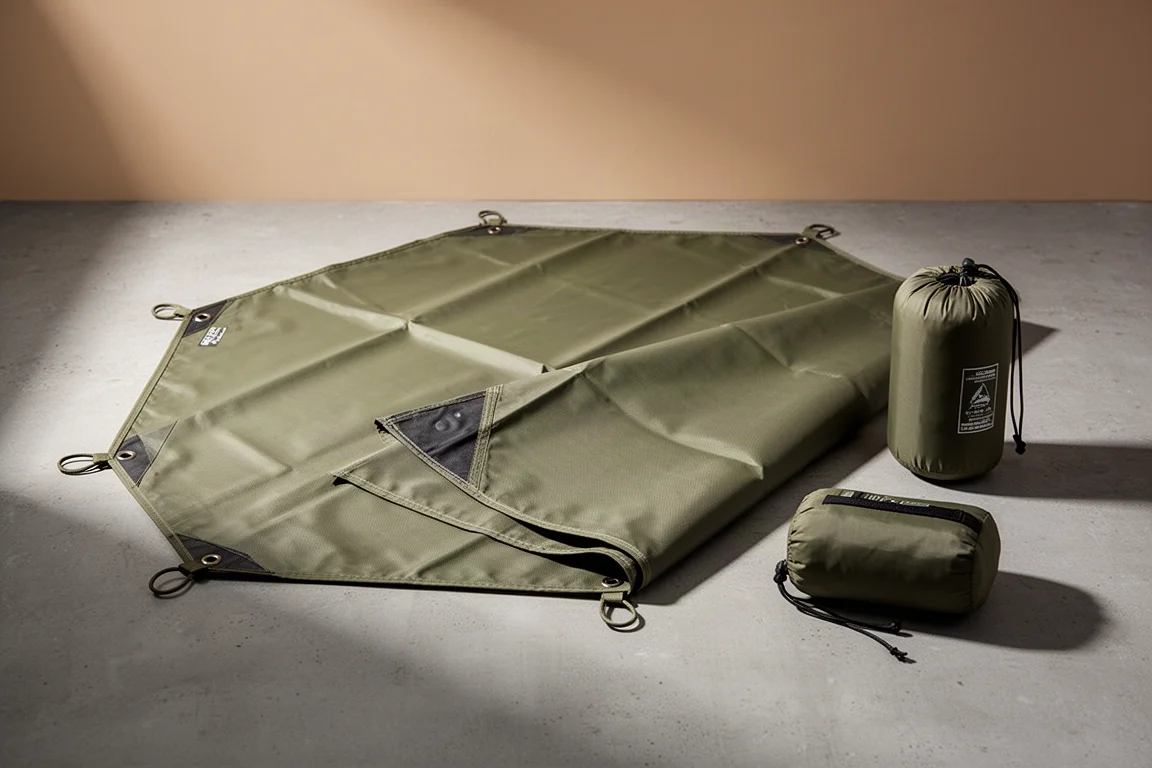
A waterproof octagonal groundsheet that doubles as a footprint for the Mesa tent. It holds up as a floor, but as a standalone tarp it struggles in wind and rain.
Introduction
Backcountry Light makes an accessory for its Mesa tent that is sold on a dual-purpose promise: it works as a fitted floor inside the tent, and the company also presents it as a tarp that can be used on its own. That second claim is the interesting one, and it is the one worth testing properly.
The product itself is waterproof, and it kept falling rain off during a morning of steady light precipitation on an exposed ridge. What it could not do was block wind. Because of the octagonal shape, there is no practical way to pitch it so that the wind stops moving through your space, and wind is what makes a cold, wet day uncomfortable rather than the rain alone. The floor claim holds up. The tarp claim does not.
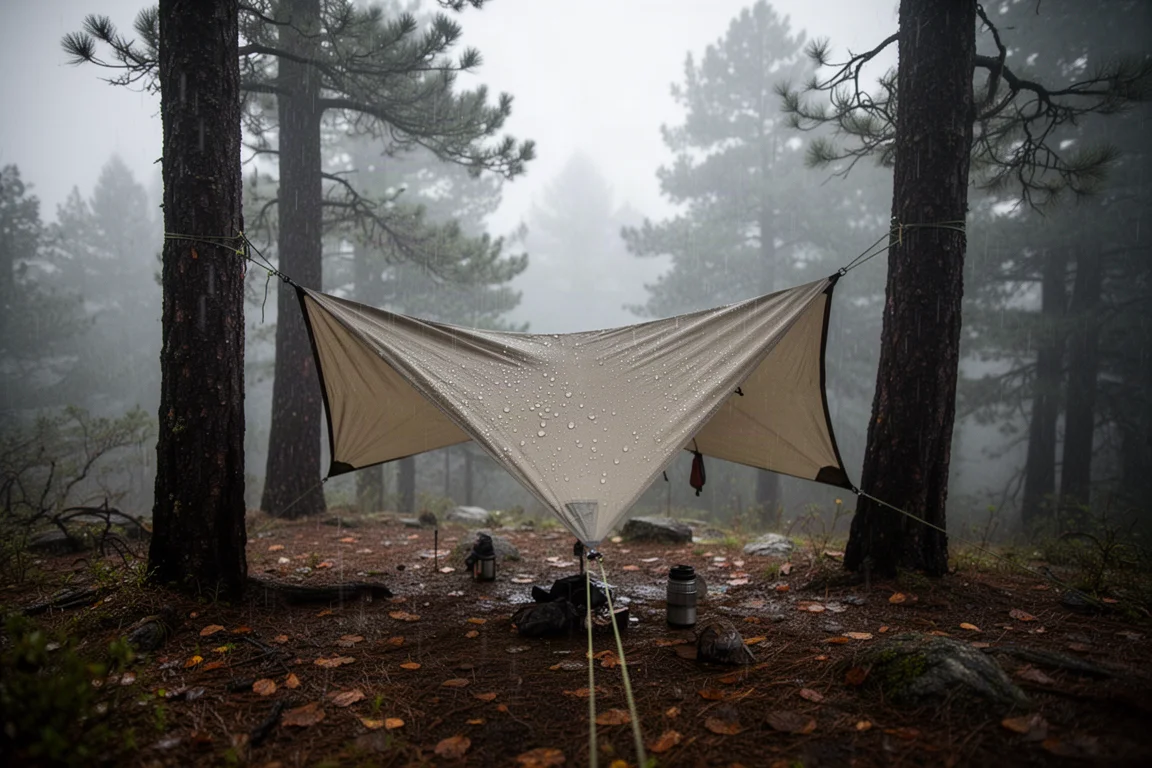
The concept is genuinely creative, and the rest of this review looks at where the design works, where it does not, and who should actually consider buying it.
Who This Product Is For
This is a sensible purchase for one clear group: owners of the Mesa tent who want a protective floor layer that fits the tent it was designed for. In that role it is doing exactly what it was made to do.
It is a much weaker fit for anyone shopping for a standalone shelter. If your goal is a tarp you can pitch over a sitting area, a cooking setup, or a sleeping spot, the octagonal footprint makes that job harder than it needs to be. Buyers who already own the Mesa tent and want a footprint should feel confident here. Buyers who want a tarp should look at a conventional rectangular or catenary-cut option instead.
How It Performed in Wind and Rain
Rain was light throughout the test, and the fabric handled it. Nothing seeped through from above, and the surface stayed dry to the touch while moisture collected around the campsite. On the waterproofing question, the product does what it says.
Wind was a different story. With the tarp pitched as low and as tight as the shape allowed, gusts still came straight underneath and through the open sides. The setup could be dropped closer to the ground, but doing that removes headroom and gives up the front coverage the pitch depends on, so the shape effectively caps how much protection is available. The result was a dry but cold sit: humidity in the air, rain outside, and no way to close the gap where the wind enters.
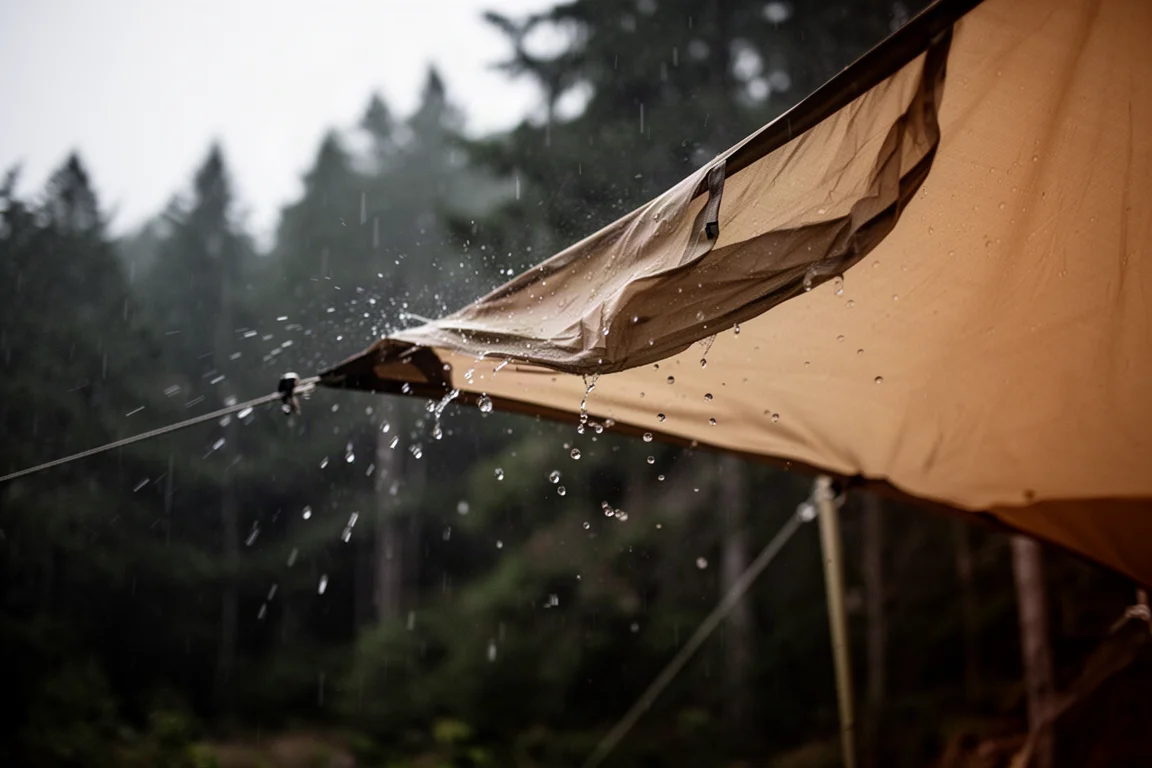
That is the core of the problem. A shelter that cannot cut wind leaves you exposed to the part of bad weather that actually drains you, even when it keeps the rain off.
Main Strengths
The waterproofing is the headline. In sustained light rain, the fabric held up and the space underneath stayed dry, which is the minimum you want from any groundsheet or shelter layer.
The dual-purpose idea is also genuinely useful in one direction. Treated as a floor for the Mesa tent, this is a fitted, purpose-built layer rather than a generic sheet, and that is the scenario the design was clearly built around. It also has value as a last-resort option: if this is the only cover you have with you when weather turns, it is better than nothing at all.
Finally, the attempt to solve two jobs with one piece of gear is worth acknowledging. It is an outside-the-box approach, even if the tarp half of the equation does not hold up in the field.
Things to Consider Before Buying
The octagon shape is the central limitation. It creates open angles and gaps that a rectangular tarp does not have, and those gaps are exactly where wind and driven moisture get in. During testing, gusts pushed moisture underneath the pitch and left clothing damp even though the rain itself was never heavy.
Coverage is also modest. With this size and shape, there is not much room to work with, and the tighter and lower you pitch it, the less usable space you have. You can improvise an unusual pitch to shelter a single person from one direction, but doing so distorts the rest of the sheet and sacrifices the coverage you started with.
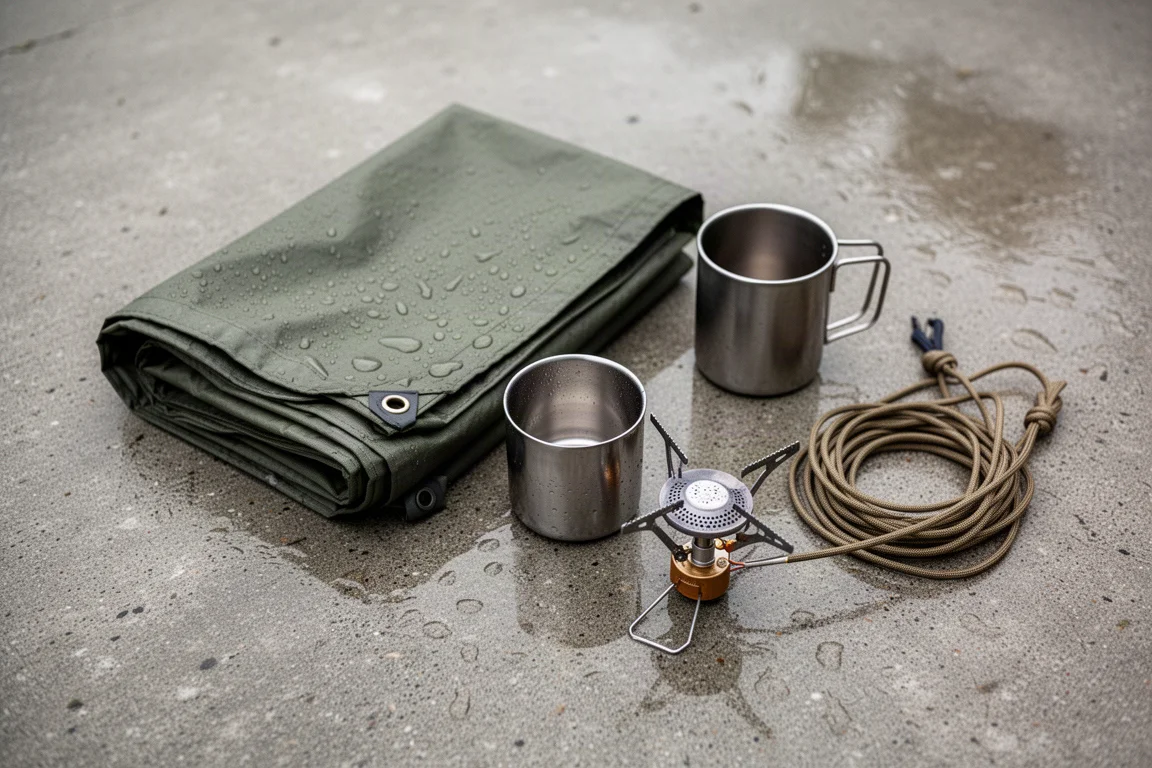
The honest summary is that you can stay dry under it, and that is roughly where the benefits stop. It does not deliver the wind protection that makes a shelter comfortable, which is the main reason to carry a tarp in the first place.
Using It as a Mesa Tent Floor
Judged purely as a tent floor, the product makes sense. It is designed for the Mesa tent, it is waterproof, and it adds a protective layer between you and the ground. Nothing in the testing suggested a problem with that use case.
This is where the dual-purpose claim earns its keep, and it is the reason the accessory is worth a look for anyone already invested in the Mesa platform. The confusion only starts when the same product is marketed as a shelter in its own right, because the shape that suits a tent floor is precisely the shape that limits it as a tarp.
Buying Advice
Buy this as a floor for the Mesa tent. In that role it is waterproof, purpose-built, and does the job you are paying for, and owners of the tent can feel good about the purchase.
Do not buy it as a tarp. If you need overhead shelter that blocks wind and driven rain, a conventional tarp will serve you far better, and there is little reason to choose this over a standard option for that purpose. The one exception is emergency use: if it is all you have and the weather turns, it will keep falling rain off you, and that is worth something.
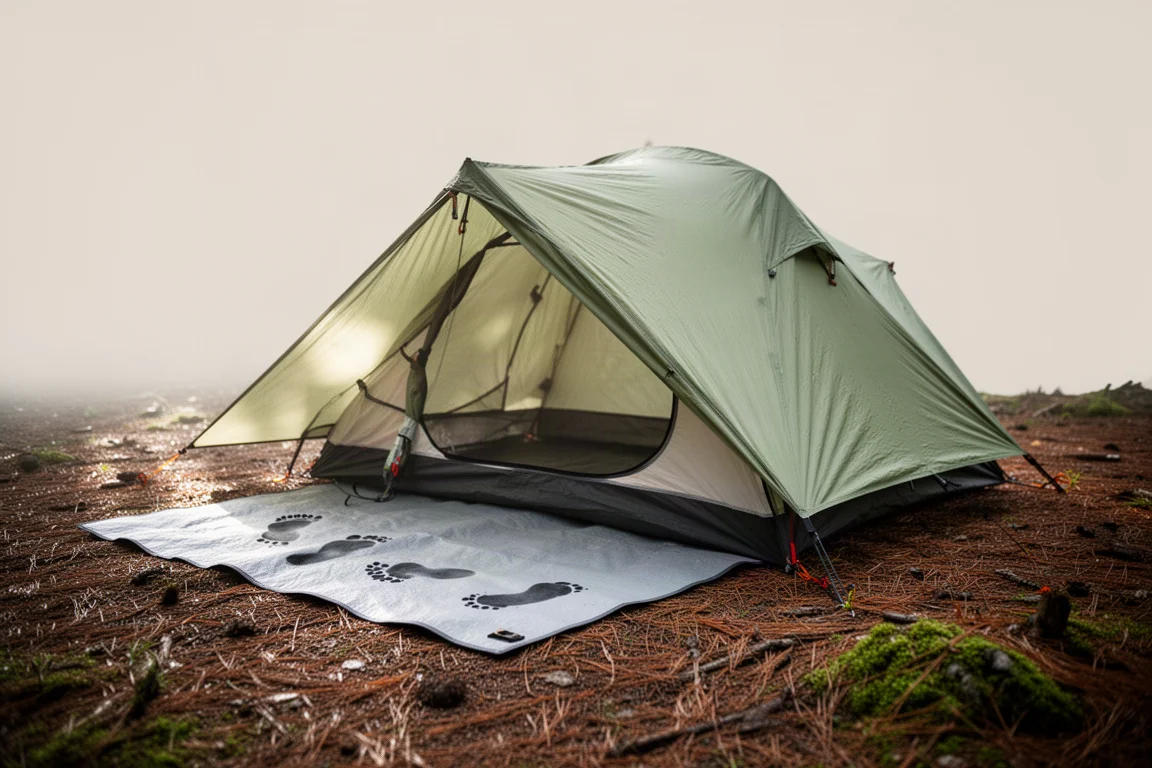
Treat the tarp claim as a bonus rather than the reason to buy. If your priority is a footprint that fits a specific tent, this is a straightforward choice. If your priority is a shelter, keep looking.
Conclusion
The Backcountry Light Mesa floor tarp is a good floor and a poor tarp. It stays waterproof, it fits the tent it was built for, and it will keep rain off you if you are caught out with nothing else. What it cannot do is stop wind, and without that, it never becomes the kind of shelter most campers actually need. Buy it for the tent floor. Leave the tarp duty to a real tarp.
Product link
View more details for Backcountry Light Mesa Floor Tarp
This product is mentioned in the review. Check the specifications, options, and compatibility before buying.
View more details for Backcountry Light Mesa Floor TarpFurther reading
Related Reviews
Camping Gear
3FUL Ultralight Ground Sheet Review: A Two-Person Footprint Worth Packing
A 6.7 oz two-person ground sheet in ripstop silnylon, priced around $30. Here is what it protects, what it does not do, and who should pack it.
Camping Gear
Backcountry Light Dual-Function Tarp and Floor Review: A Footprint First
A dual-purpose tent floor and tarp that keeps falling rain off you, but cannot block wind. Here is where it works and where it does not.
Camping Gear
Best 2-Person Camping Mattresses for Couples: 10 Options Compared
A practical comparison of ten two-person camping mattresses, covering self-inflating pads, air pads and air mattresses for couples.