Outdoor Gear
Backcountry Light Dual-Function Floor and Tarp Review: A Tent Floor That Does Not Make a Good Shelter
Backcountry Light's octagonal floor and tarp keeps falling rain out and fits the Mesa tent as a footprint, but its shape leaves it exposed to wind when pitched as a shelter.
Introduction
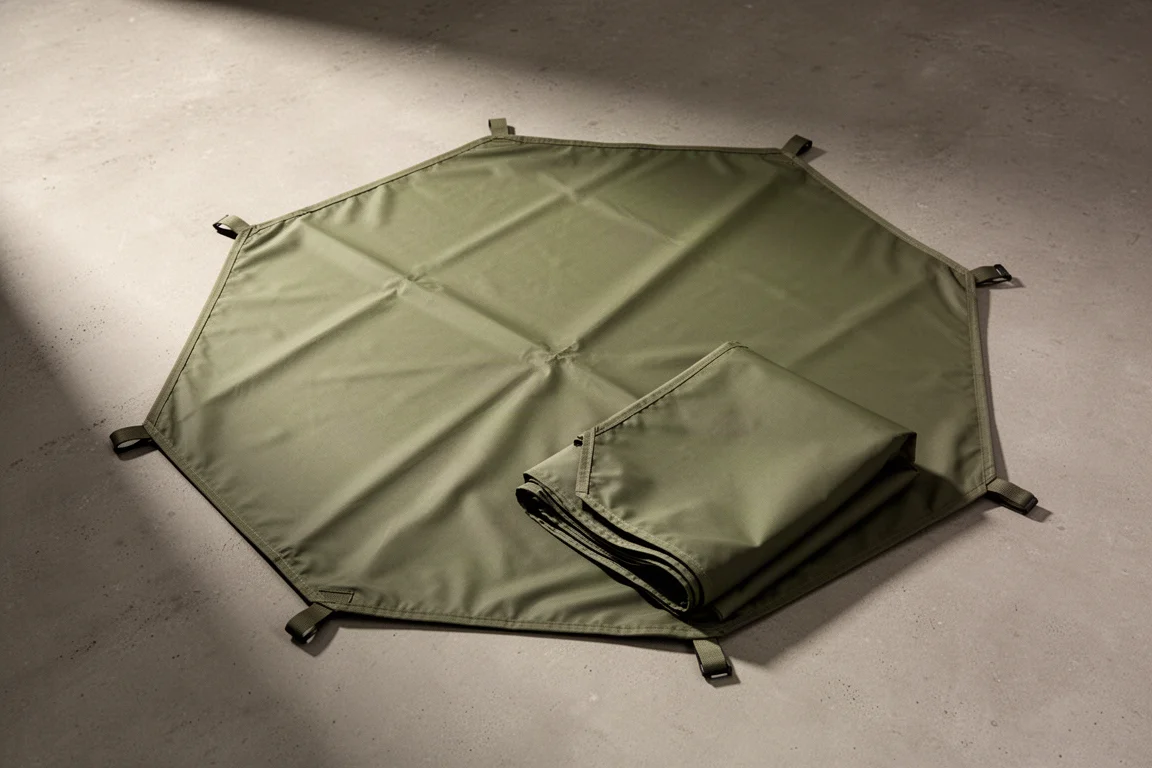
Backcountry Light built its dual-function floor and tarp around a simple idea: one panel of fabric that serves as a protective floor for the company’s Mesa tent and, in a pinch, as an emergency shelter. The second half of that claim is the one worth examining closely, because a floor and a tarp are asked to do very different jobs.
The panel is cut into an octagon, and that shape governs everything about how the product behaves. In steady, light rain the fabric kept falling moisture off effectively. Wind was a different story. Because the eight-sided panel cannot be pitched into a tight, wind-blocking profile, gusts moved straight through and underneath it, which is the opposite of what a shelter needs to do in exposed, changeable weather.
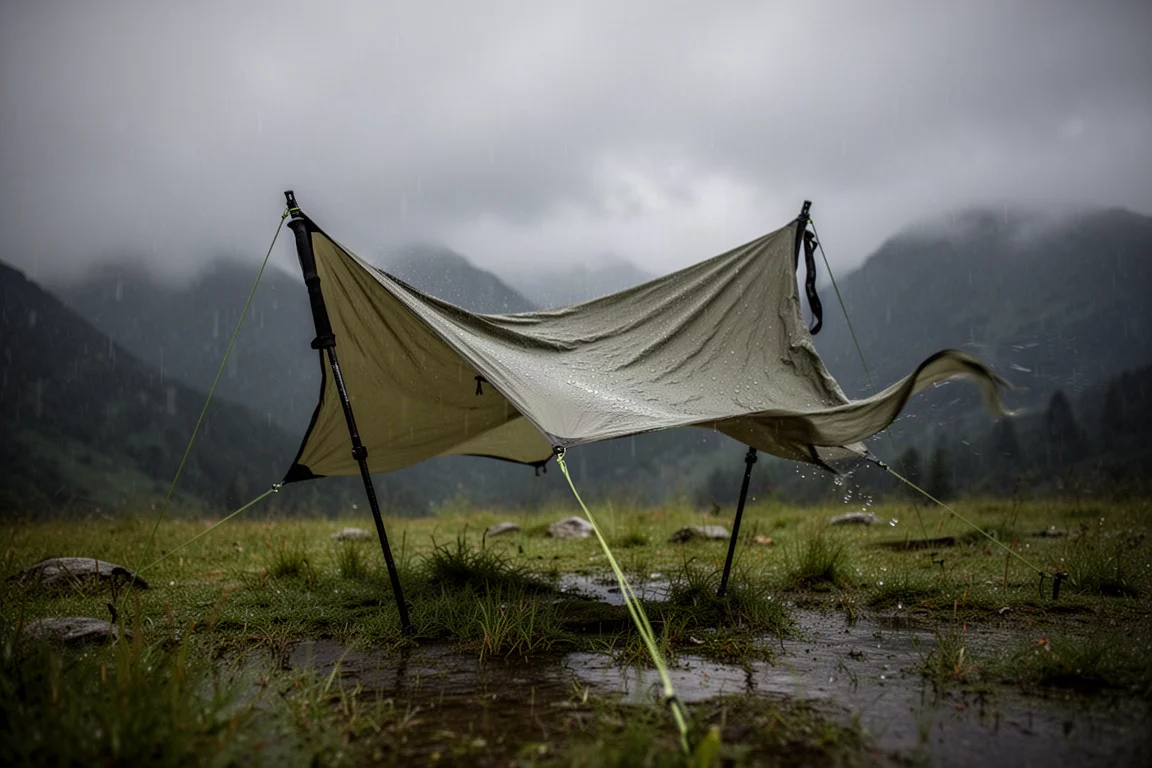
A tarp earns its place by breaking wind and shedding rain over a usable living space. This panel manages the second task and struggles with the first, and that distinction sits at the centre of everything below.
Who This Product Is For
This product makes the most sense for owners of the Backcountry Light Mesa tent. As a matched floor it adds a protective layer between the tent base and the ground, and it is shaped to fit that specific tent rather than a generic footprint.
It is a poor fit for campers shopping for a standalone tarp. Anyone who wants a shelter for lunch stops, sudden weather, or a quick camp setup will find more usable geometry in a conventional rectangular or catenary-cut tarp, which can be pitched with a windward wall and a defined opening.
Main Strengths as a Tent Floor
The strongest argument for this product is the one Backcountry Light leads with: it is a floor. Under the Mesa tent it does what a footprint should do, adding a durable layer between the tent base and the ground and keeping the underside of the tent cleaner and drier.
Water resistance held up in use. During a steady but light soak, no moisture came through the fabric, and the panel stayed dry where rain landed directly on it.
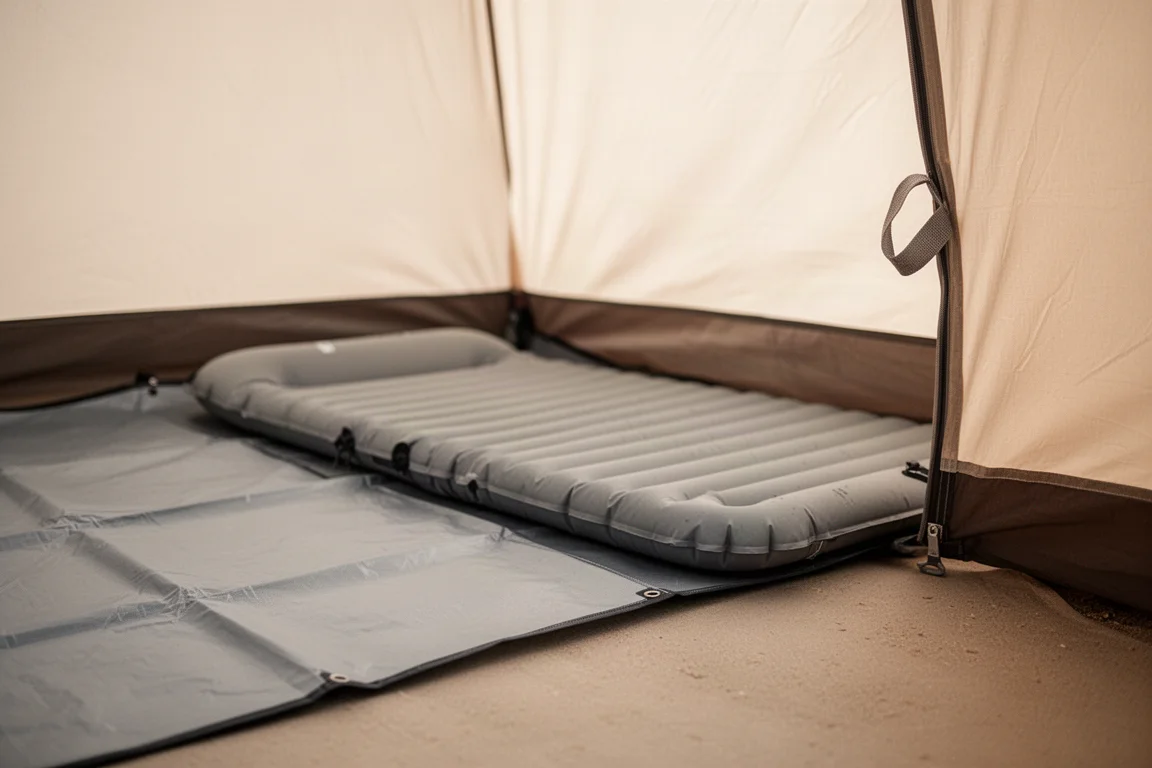
Used this way, the octagon shape stops being a liability and becomes a fit advantage, since it matches the tent it was designed for instead of fighting it.
How It Held Up in Wind and Rain
Rain alone was not the problem. The panel shed light, steady precipitation without leaking, and the surface stayed dry throughout the wet part of the day.
Wind was the problem. Pitched low, the panel left gaps that gusts moved through and under, and the shape offered no practical way to build a solid windward wall. Pitching it lower to reduce exposure costs headroom and front coverage, and because the panel is small, there is not much height to give up in the first place.
The practical result is a strange one: you can stay dry from falling rain and still feel cold, because moving air carries warmth away. A shelter that cannot cut wind is only doing half of its job. An improvised, asymmetrical pitch might wrap the fabric around one person, but that pulls the rest of the panel out of shape and leaves an awkward setup that is hard to justify.
Things to Consider Before Buying
Octagon geometry is the central trade-off. A tarp works because straight edges let you create taut walls, a ridgeline, and a controllable opening. Eight equal sides make those pitches difficult to achieve, and the panel tends to stay open to the weather no matter how you set it up.
Size is the second consideration. The panel is small enough that headroom and front coverage run out quickly once you lower it toward the ground. That is fine for a floor and limiting for a shelter, and it means the product is genuinely good at one job and compromised at the other.
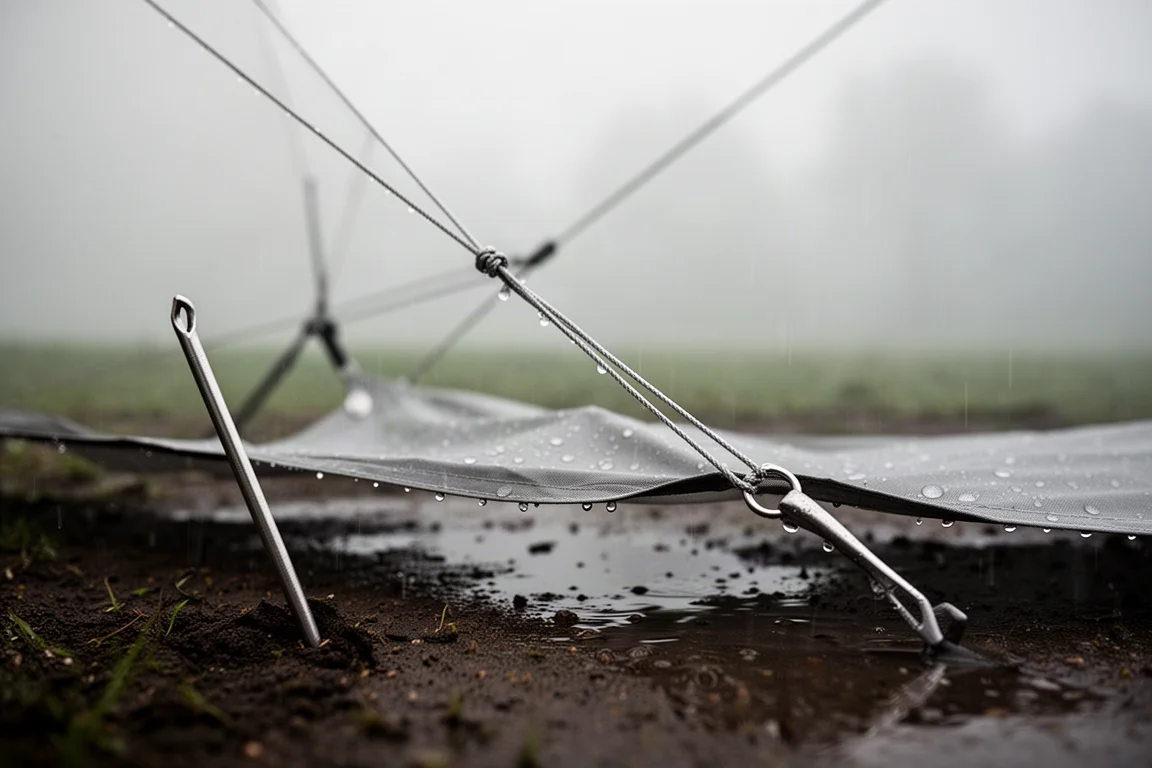
If your plans involve exposed campsites, shoulder-season weather, or any real chance of wind-driven rain, a conventional tarp will serve you better. If your plan is a floor for the Mesa tent, this panel does what it says.
A Fair Look at the Dual-Function Claim
Credit where it is due: the concept is creative, and dual-purpose gear is genuinely appealing when pack space is tight. Carrying one panel instead of two sounds efficient on paper.
The tension is that a floor and a tarp are optimised in opposite directions. A floor wants to match a tent footprint exactly and lie flat and sealed against the ground. A tarp wants straight edges, adjustable geometry, and enough span to create sheltered space with a windward side. The octagonal cut that makes this panel fit the Mesa tent so neatly is precisely what makes it awkward as a shelter.
That is a design tension rather than a defect, and it explains the experience in the field without dismissing the thinking behind the product.
Buying Advice
Buy this as a Mesa tent floor and treat the tarp claim as a footnote. In that role it is a sensible accessory: matched sizing, effective water resistance, and a shape that fits the tent it was made for.
Do not buy it as your primary shelter. A standard tarp gives you the geometry you need to block wind and control exposure, and that geometry matters more than the flexibility suggested by a dual-purpose label.
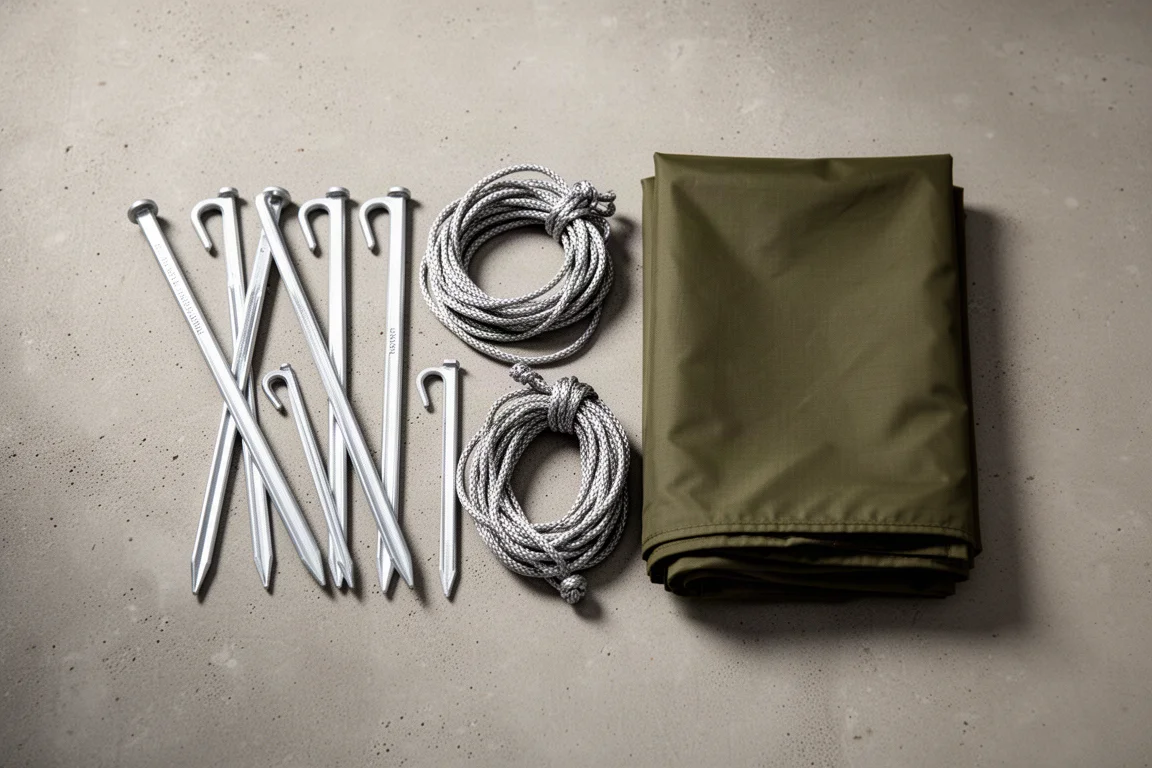
The honest summary is that the idea is inventive but the execution only supports one of its two claims. A floor that doubles as a tarp sounds efficient on paper, and in the field the tarp half is the weak link.
Conclusion
Backcountry Light deserves credit for trying something different, and the floor half of this product is a legitimate accessory for the Mesa tent. It sheds light rain, stays waterproof where rain lands on it, and fits the tent it was designed around.
As a shelter it falls short. The octagon shape cannot block wind, and the small panel runs out of headroom and front coverage as soon as you pitch it low. If you own the Mesa tent, this is a reasonable addition to your kit. If you are shopping for a tarp, keep looking.
Product link
View more details for Backcountry Light Dual-Function Floor and Tarp
This product is mentioned in the review. Check the specifications, options, and compatibility before buying.
View more details for Backcountry Light Dual-Function Floor and TarpFurther reading
Related Reviews
Outdoor Gear
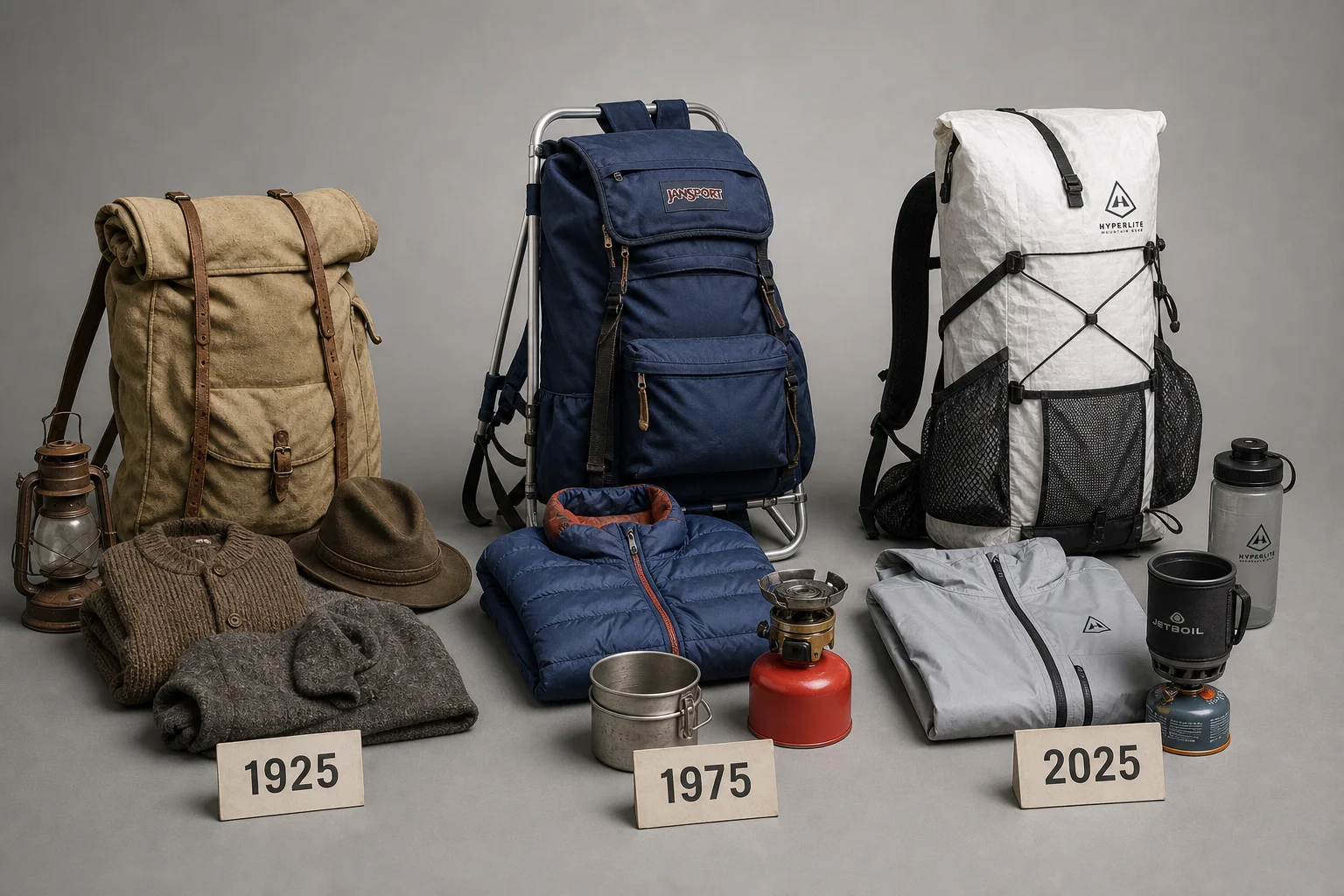
Backpacking Gear Evolution: 100 Years of Technology Compared
We tested backpacking gear from 1925, 1975, and 2025 across a three-day hike in Yosemite. Here's how technology has transformed comfort, weight, and the outdoor experience.
Outdoor Gear
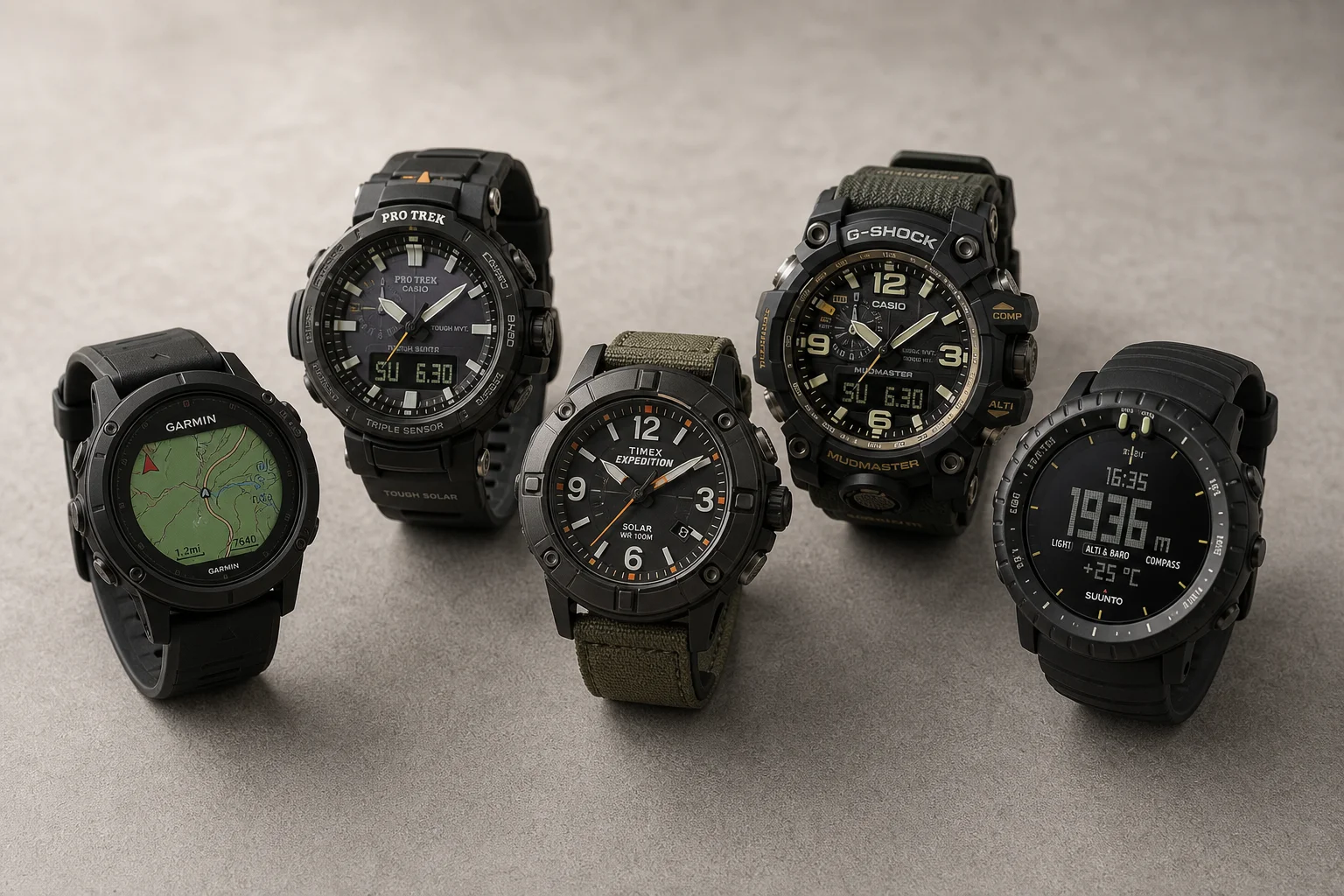
Best Affordable Hiking Watches: Five Rugged Options for Outdoor Adventures
Five durable hiking watches that balance ruggedness, functionality, and value for outdoor enthusiasts who need reliable GPS tracking and weather resistance.
Outdoor Gear
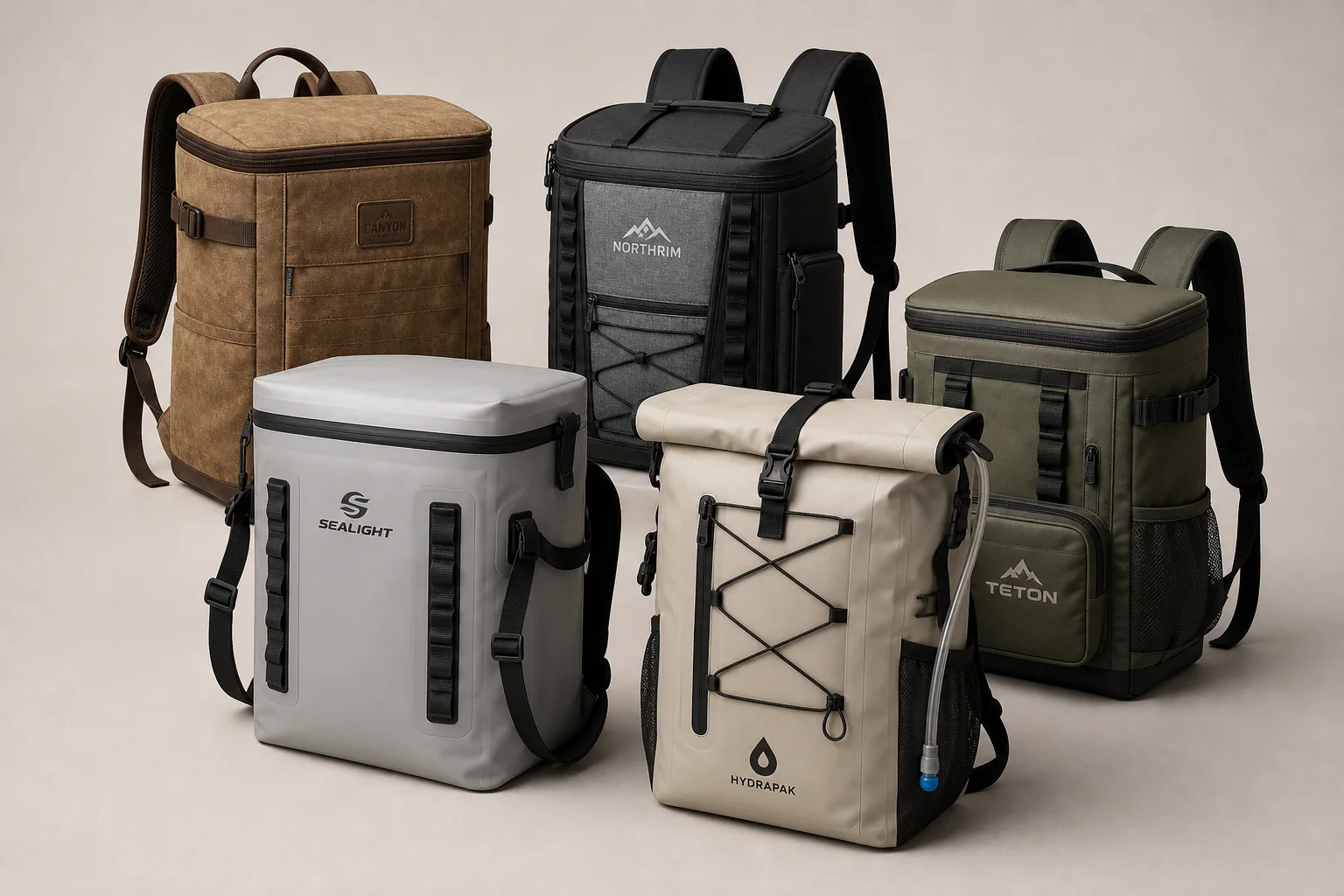
Best Backpack Coolers 2026: Five Practical Options for Outdoor Adventures
Five backpack coolers with distinct cooling capabilities, storage features, and design trade-offs to help you choose the right one for your outdoor needs.