Outdoor Gear
Backcountry Gear Tested in the Rain: Four Picks Worth Knowing
A self-heating meal, a solid fuel stove, an instant coffee that surprised us, and a chest harness with real trade-offs, all field-tested through a mountain thunderstorm.
Introduction
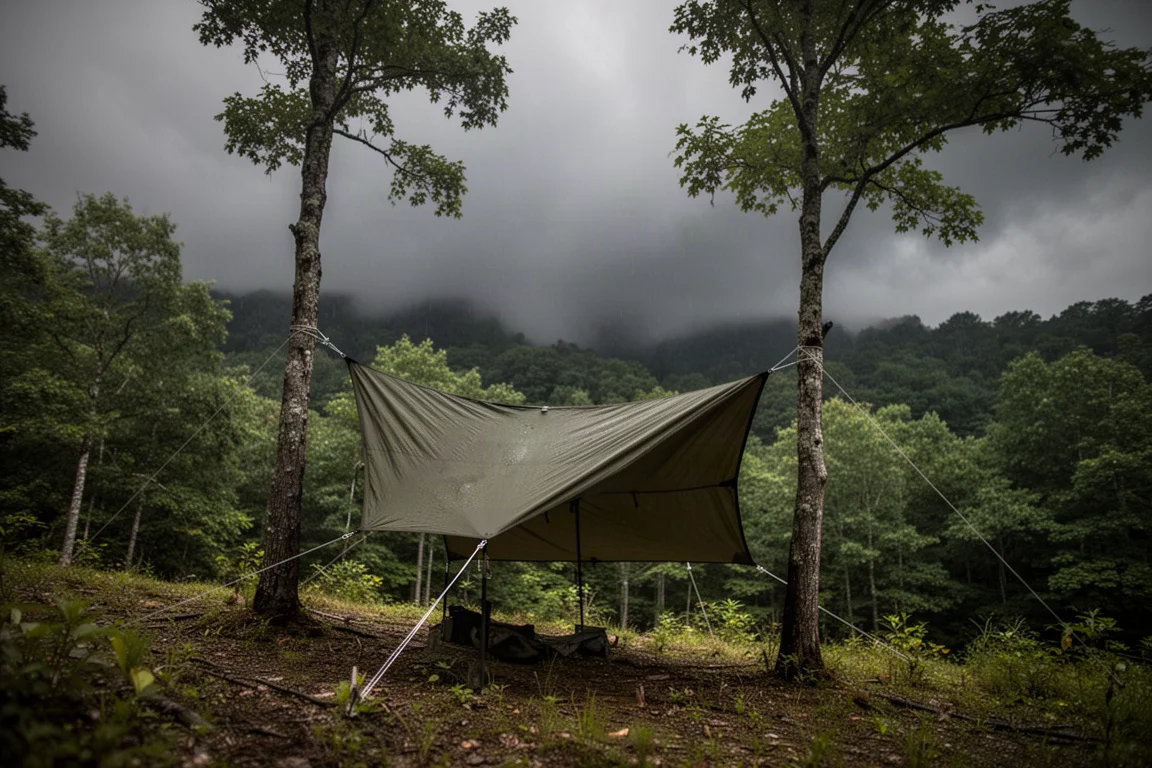
Some of the most useful gear testing happens in conditions you would not choose for yourself. A hot, humid afternoon in the mountains of North Carolina turned into a fast-moving thunderstorm, and that window between the first rumble and the first heavy drops became a genuinely useful test bench for four pieces of outdoor kit.
The plan was simple: pitch a tarp between two trees, sit out the weather, and put a hot lunch and a cup of coffee together without much fuss. What followed was a mix of small wins and one clear disappointment, which is exactly the kind of honest result that helps you decide where your money should go.
This article covers four products tested on that trip: a chest-mounted bino harness, a self-heating meal pouch, a compact solid fuel stove, and an instant coffee. Each one is judged on what it actually did in the field, not on what the packaging promises.
How These Picks Were Evaluated
The criteria were deliberately practical. Gear carried on a short backcountry trip has to earn its place in a pack, so the questions were straightforward: does it set up quickly, does it work the first time without fiddling, does it survive wind and rain, and would it still make sense on a longer trip?
Comfort and carry quality mattered as much as function. A harness that pulls or shifts is worse than useless on a long walk, and a stove that takes forever to heat water quietly stops being used. Value also counted, but only alongside how often a product would realistically come out of the pack.
Finally, everything here was judged on first and repeated impressions rather than a single use. Some of these items earned a confident recommendation. One did not, and that is worth saying plainly.
Eberlestock Bino Harness: A Chest Rig With Real Trade-Offs
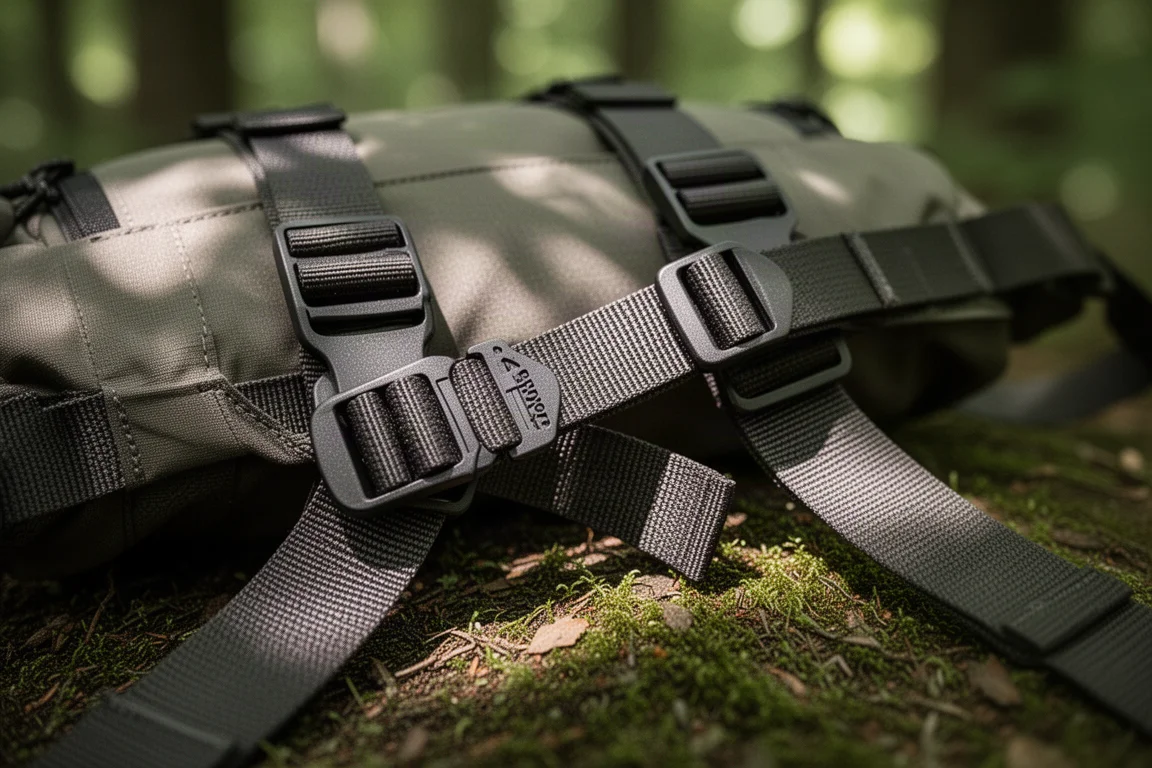
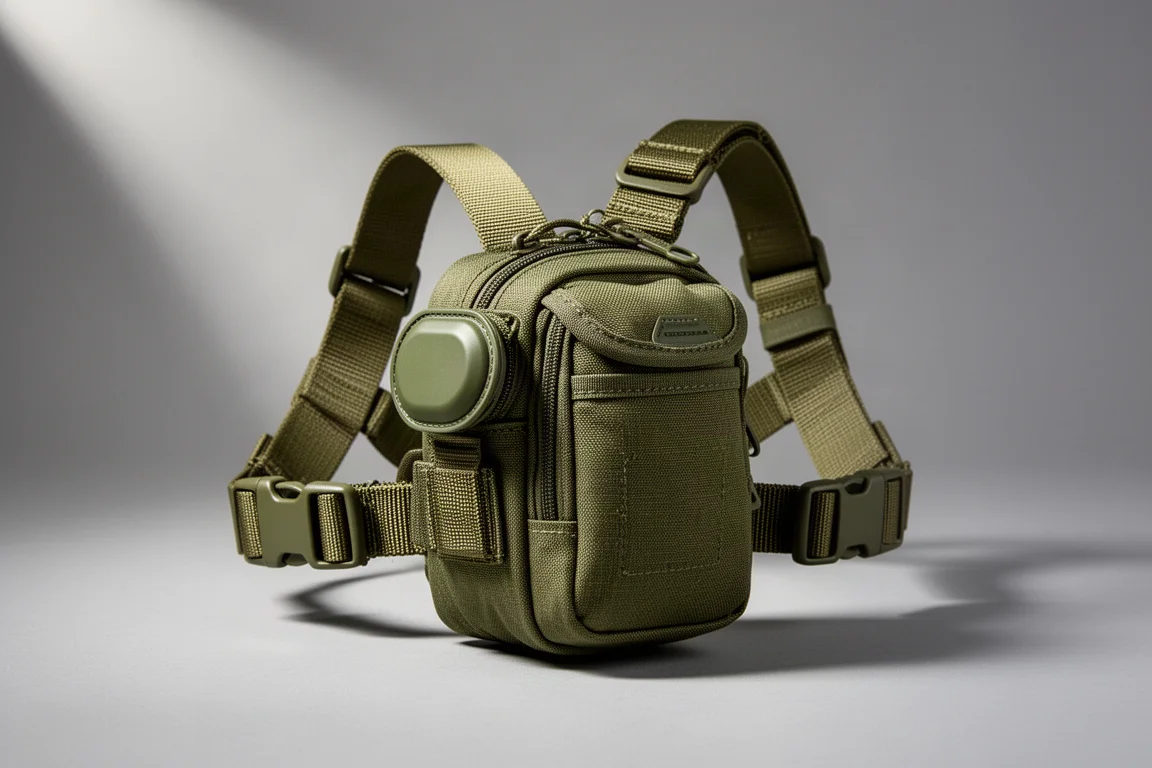
The Eberlestock Bino Harness is a chest-mounted pouch designed to keep binoculars, or a similarly sized item, within easy reach. It has a front zipper, a fully adjustable harness system, and buckles at each of the attachment points on the back. The lid is magnetic, snapping shut against the pouch and popping open when you pull it.
On paper the layout makes sense, and the magnetic lid is genuinely quick to open one-handed. The problem shows up in how the whole system carries. With the lid closed, the harness straps pull the lid upward, which changes the shape of the pouch and feels strange against the chest. In the tested configuration, worn together with a backpack, it was not especially comfortable.
The pouch also does not seal tightly enough to inspire confidence in steady rain, which rules it out as a place to store anything that needs to stay dry. That is a meaningful limitation for a piece of gear meant to be worn on the front of the body, where it catches the worst of the weather.
The honest summary is that this one needs more adjustment time before it can be judged fairly, and the initial impression was not strong. Anyone shopping for a chest rig should look carefully at how the straps route and pull before committing, and compare against alternatives that are known for stable carry.
Omeals Chicken Creole with Rice: A Hot Meal Without a Stove
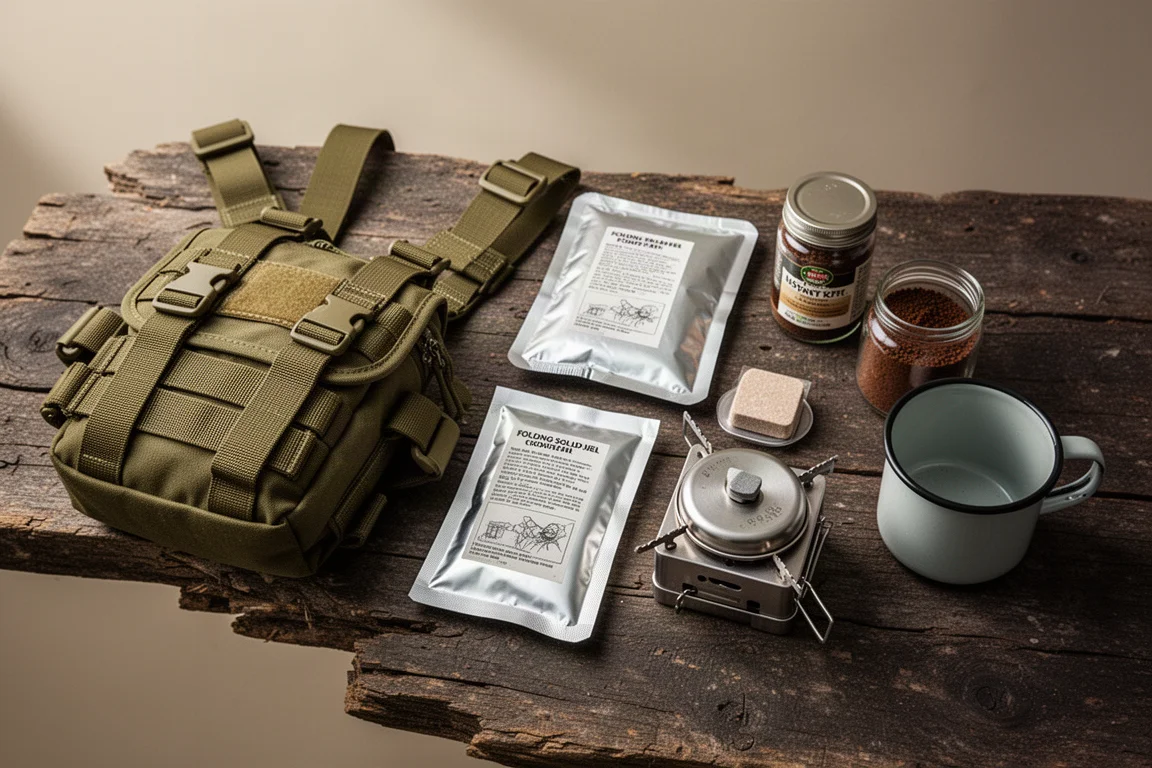
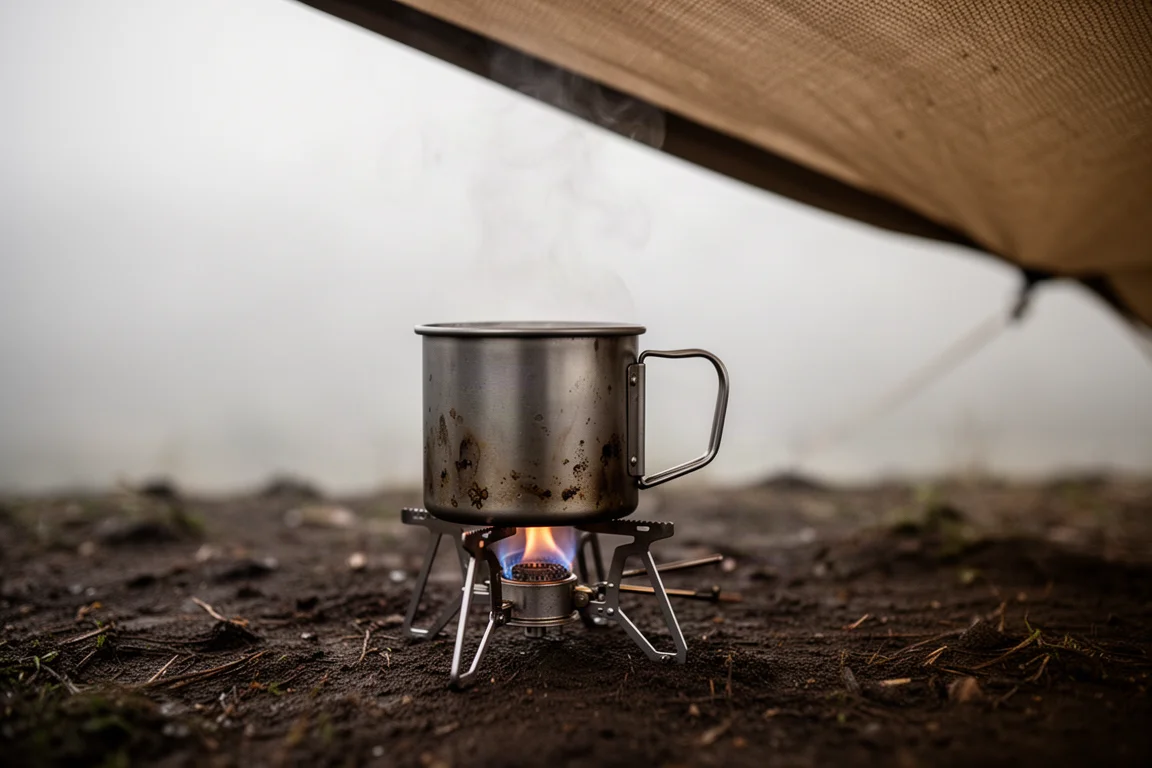
The Omeals Chicken Creole with Rice is a self-heating meal pouch. The concept is refreshingly simple: the meal is fully cooked inside the bag, and a heating pad packed with it is activated with water. Steam escapes through a small vent in the top, and after a few minutes you have a hot lunch with no stove, no pot, and no cleanup.
The contents are chicken creole with rice, tomato sauce, celery, green peppers, and onions, and the kit also includes a spoon, salt, pepper, and a paper towel. Everything needed for the meal travels in the same package.
The heating reaction works exactly as described, and it works vigorously. The bag becomes genuinely hot to the touch while the food heats through, so handling it with care matters. Once opened, the meal looked and smelled the part, and the result landed firmly in the very good range rather than the exceptional one.
For anyone who wants a hot meal on a wet, windy day without unpacking a stove, this format solves a real problem. It is a strong option for day trips, emergency kits, and cold-weather lunches where stopping to cook is the last thing you want to do.
Esbit Solid Fuel Stove: Lightweight Heat in a Small Package
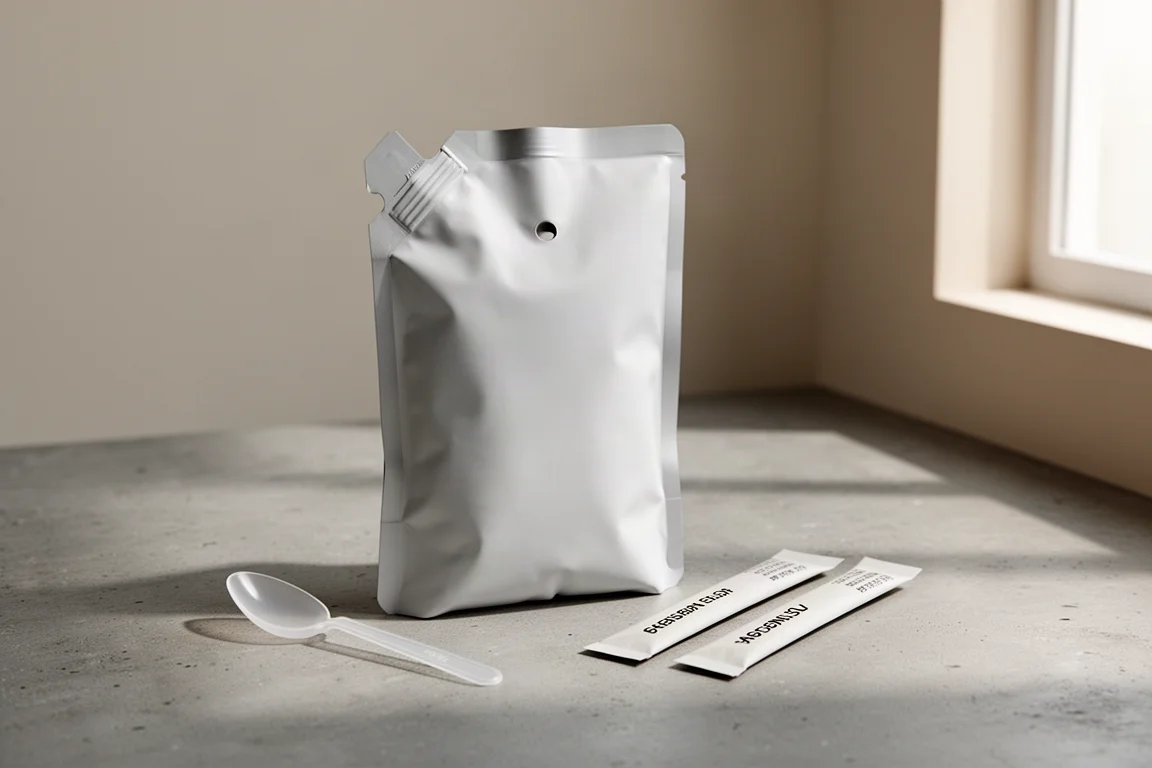
The Esbit solid fuel stove is a compact system built around a simple idea: a small fuel tablet, a burner plate, and a folding metal body. The kit includes a handle, a lid that doubles as a windscreen, and solid fuel cubes. The stove sits on top of the burner plate, and the whole thing packs down small enough to disappear into a side pocket.
In use, it was surprisingly effective. Within a few minutes of lighting a cube, the water was almost hot enough for coffee, and shortly after that it was ready. Wind is the obvious enemy of any open flame, and the windscreen lid helps here, though it is not a full enclosure.

Fuel economy is easy to manage because the cubes burn for a predictable stretch of time, roughly twelve minutes each, and a partially burned cube can be left in the stove and used again on the next outing. That makes it a sensible backup stove or a lightweight option for boiling small amounts of water rather than a full cooking setup.
Mount Hagen Organic Fair Trade Instant Coffee: Better Than Expected
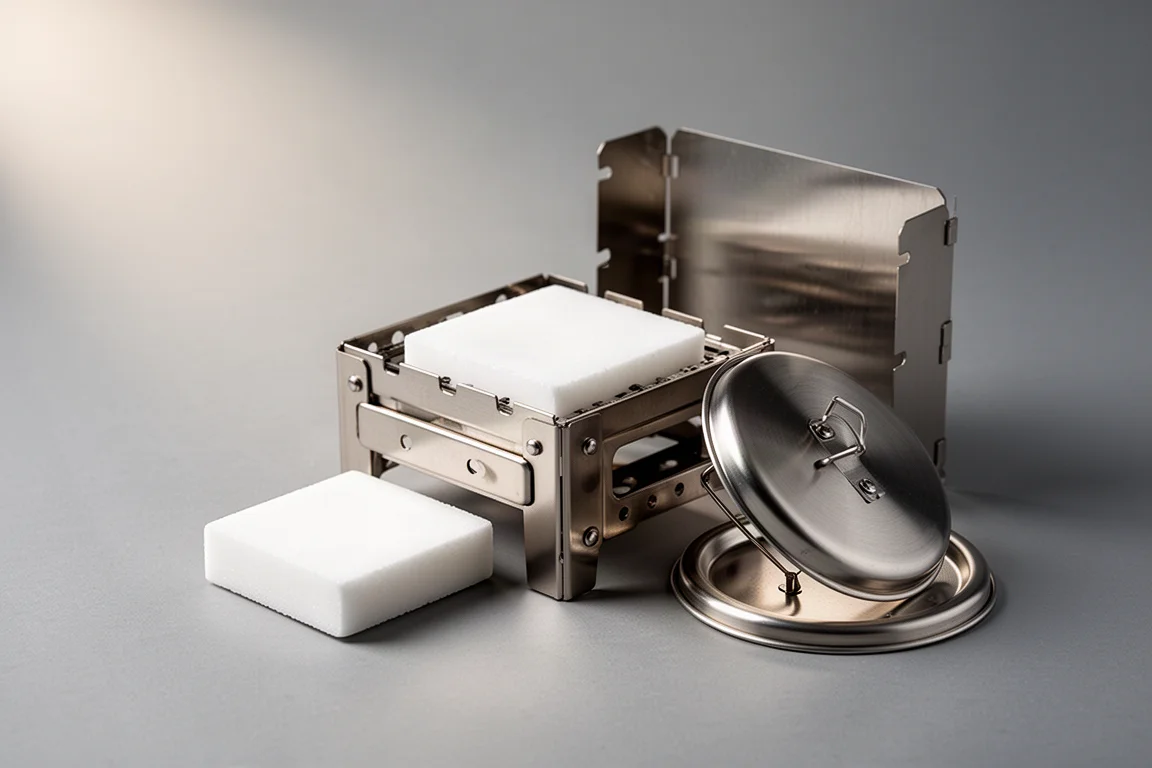
Instant coffee has a reputation problem, and it is often deserved. Mount Hagen Organic Fair Trade Instant Coffee arrived with low expectations and quietly exceeded them. It is organic and fair trade, and it dissolves quickly in hot water with nothing more than a stir.
The taste is the headline. Where cheap instant coffee can be harsh and bitter, this one came across as noticeably smoother and substantially better than the budget options many campers default to. It is not a replacement for freshly brewed coffee, but on a rainy afternoon under a tarp it was a genuinely enjoyable cup.
That makes it a practical item to keep in a pack or a camp bin. It weighs almost nothing, needs no equipment beyond a mug and hot water, and pairs naturally with a small stove for a fast morning routine.
Buying Advice: Matching Gear to the Trip
The right way to think about these four items is by the problem each one solves. If you want a hot lunch with zero cooking gear, a self-heating meal pouch is the most direct answer, and the Omeals Chicken Creole with Rice delivers that with a genuinely hot result and a complete kit in one bag.
If you want hot water for coffee or a freeze-dried meal without carrying a canister stove, the Esbit solid fuel stove is a compact and reliable way to get there, with fuel cubes that are easy to ration. Pair it with an instant coffee like Mount Hagen Organic Fair Trade Instant Coffee and you have a complete, lightweight hot-drink setup that costs very little in pack space.
The Eberlestock Bino Harness is the one to approach with caution. It has useful features, including the adjustable harness and the magnetic lid, but the strap geometry pulls the pouch out of shape and it does not seal well against rain. If a chest rig is on your list, try it with your own pack and layers before committing, and compare it against designs with a reputation for stable carry.
A sensible way to build a kit is to start with the items you will use every trip, then add the specialist pieces. For most people that means a stove and a coffee, a meal backup for bad weather, and only then a carrying solution for optics.
Conclusion
Testing gear in a thunderstorm strips away marketing language quickly. The self-heating meal worked better than expected, the solid fuel stove quietly did its job, and the instant coffee turned out to be a genuine upgrade over the cheap stuff. The chest harness, by contrast, raised more questions than it answered, and that is a useful result in itself.
If your goal is a simple, lightweight setup for quick trips in changeable weather, three of these four products are easy to recommend. The fourth is worth a closer look, a longer adjustment period, and an honest comparison before you spend.
===
Further reading
Related Reviews
Outdoor Gear
Backpacking Gear Evolution: 100 Years of Technology Compared
We tested backpacking gear from 1925, 1975, and 2025 across a three-day hike in Yosemite. Here's how technology has transformed comfort, weight, and the outdoor experience.
Outdoor Gear
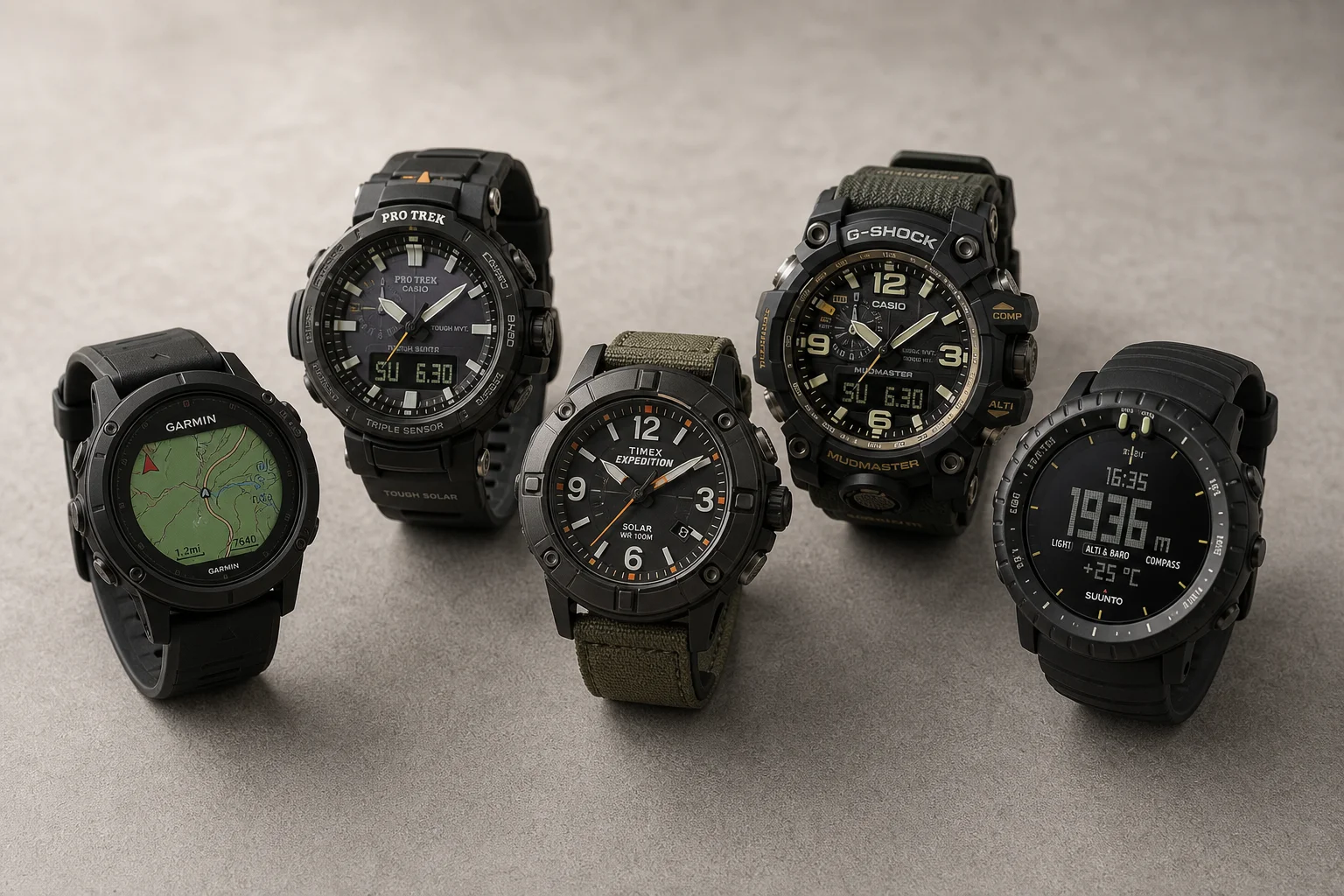
Best Affordable Hiking Watches: Five Rugged Options for Outdoor Adventures
Five durable hiking watches that balance ruggedness, functionality, and value for outdoor enthusiasts who need reliable GPS tracking and weather resistance.
Outdoor Gear
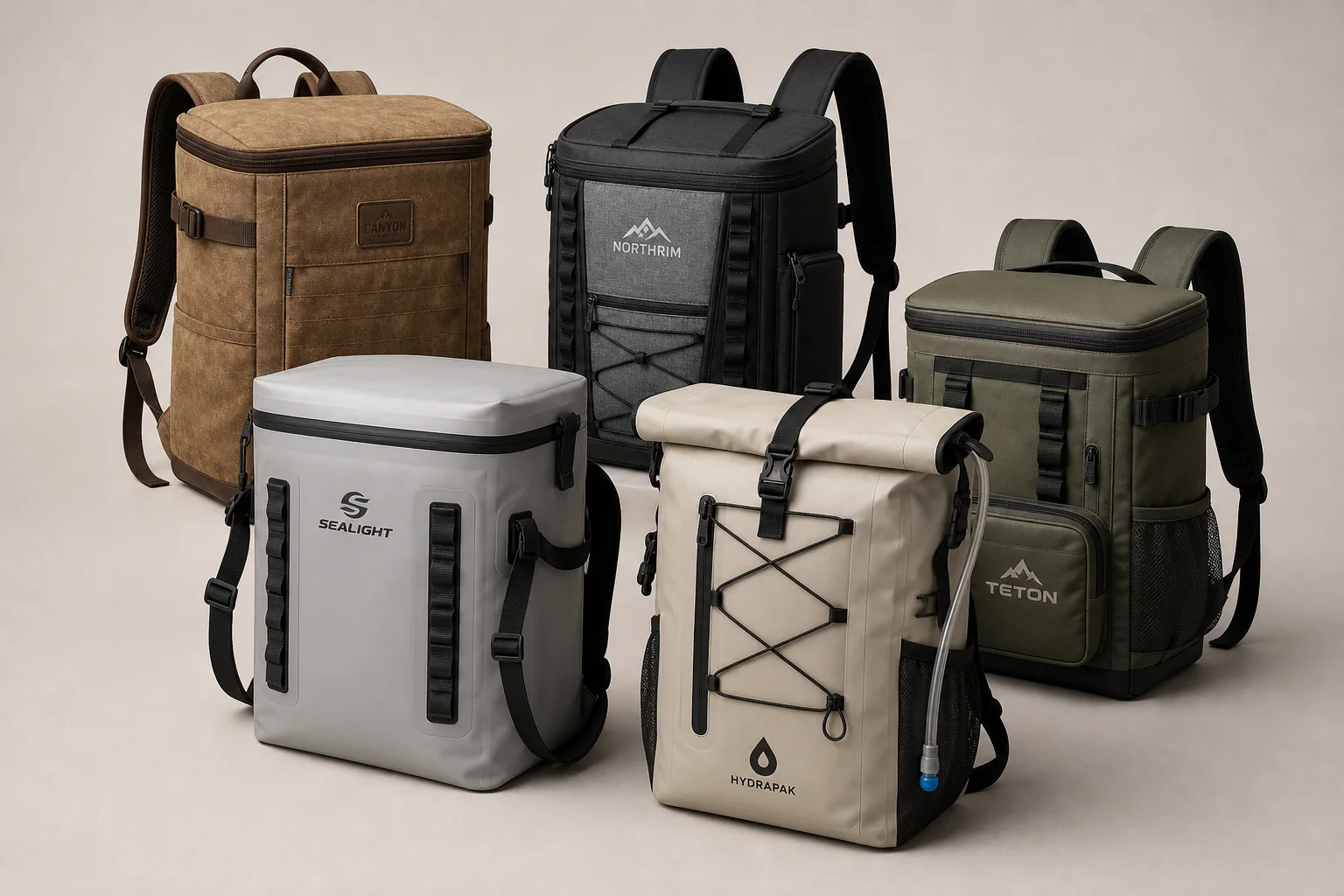
Best Backpack Coolers 2026: Five Practical Options for Outdoor Adventures
Five backpack coolers with distinct cooling capabilities, storage features, and design trade-offs to help you choose the right one for your outdoor needs.