Outdoor Gear
Backcountry Gear That Held Up and Gear That Failed on a 300-Mile Alaska Traverse
Field notes on trekking poles, trail shoes, water treatment, shelter, and food storage after 17 days and 300-plus miles in the Brooks Range.
Introduction
A 17-day, 300-plus-mile traverse of the Brooks Range in Alaska puts gear under pressure that short trips never do. Mixed packrafting and backpacking, days of wet tundra, silty river water, and exposed ridge lines all test the same kit at once.
Some items failed in ways that could not be repaired on the trail. Others turned out to be the wrong tool for the conditions even though nothing was defective. And a handful of pieces handled everything the route threw at them. This guide covers both sides of that ledger so you can decide what belongs in your own pack for a long, remote trip.
How This Gear List Came Together
The route combined packrafting sections with long backpacking stretches across tundra and rocky river valleys. That mix creates specific stresses: trekking poles take repeated lateral loads and get jammed between rocks, footwear stays wet for days at a time, filters meet water carrying heavy silt, and shelter has to stand up to wind and rain on ground that may not hold a stake well.
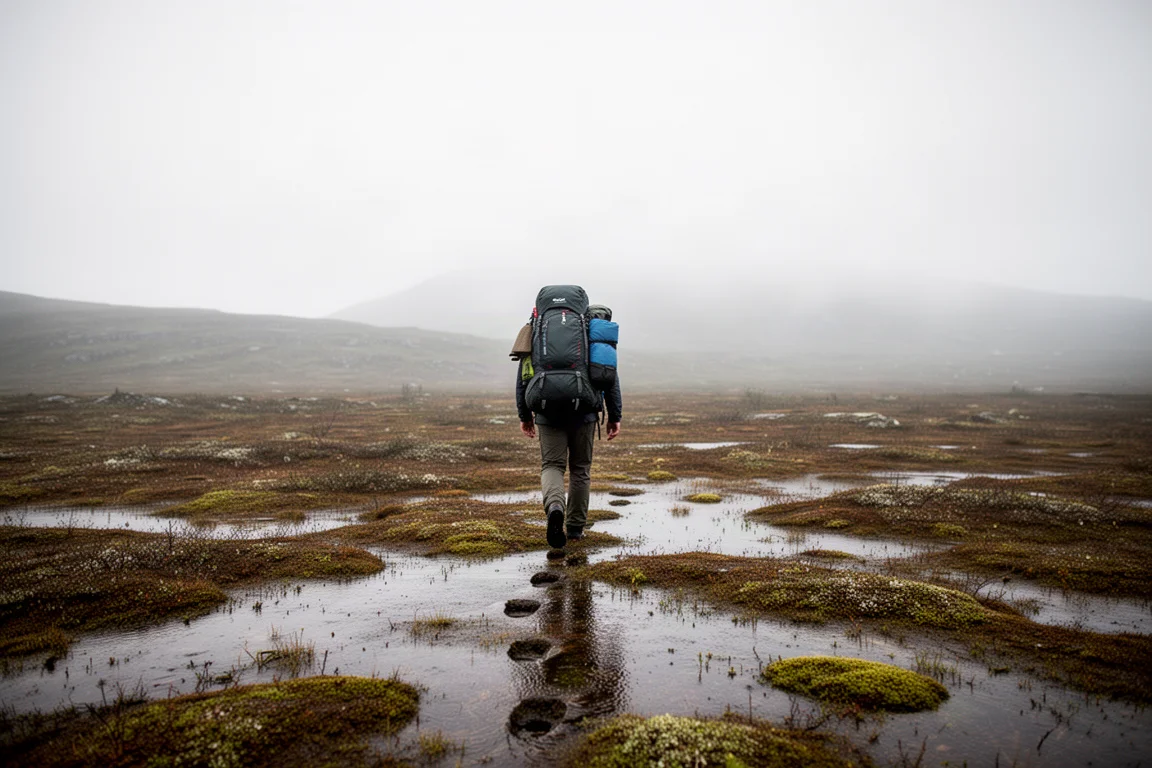
Each item below is judged on how it behaved across the full trip rather than how it looks in a shop. Where something worked, the reason is specific. Where something failed, the failure is described plainly so you can judge whether the same risk applies to the trips you take.
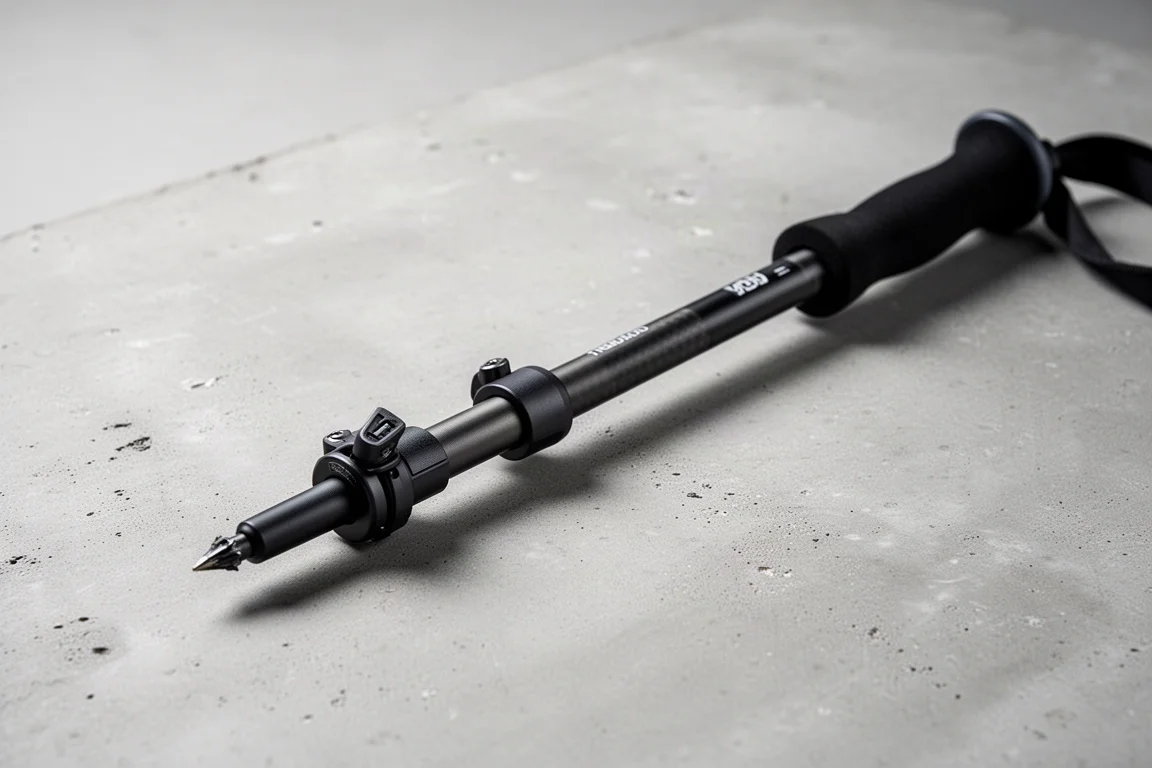
Trekking Poles That Failed: Durston Iceline Carbon
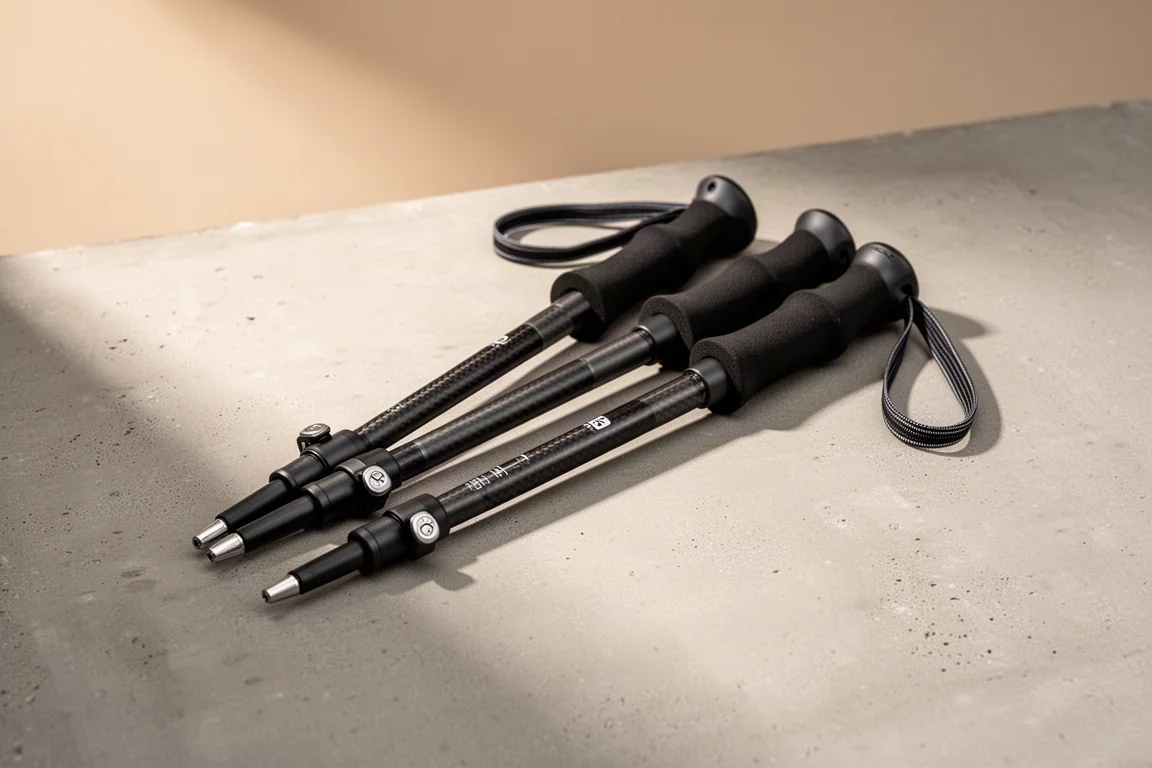
The Durston Iceline carbon poles were chosen for three reasons: low weight, a stiff carbon build, and a segmented design that packs down small enough to stow inside a pack. That combination makes sense for a heavy load on a long route where every gram and every bit of pack space matters.
The locking button stopped springing back on the second day. Once the mechanism would not re-engage, the sections separated mid-stride, dropped into mud, and needed constant re-seating. Cleaning the button did not restore it.
About five days into the trip, the carbon shaft sheared through while crossing rocky ground near a river, well above the tip. The small insert that engages the locking button also bent later, after taking the weight of a fall on loose scree. Carbon poles do break, but the timeline matters here: this shaft failed after roughly five days of use, where a comparable pole had previously lasted close to 3,000 miles.
A Proven Alternative: Black Diamond Carbon Cork Poles
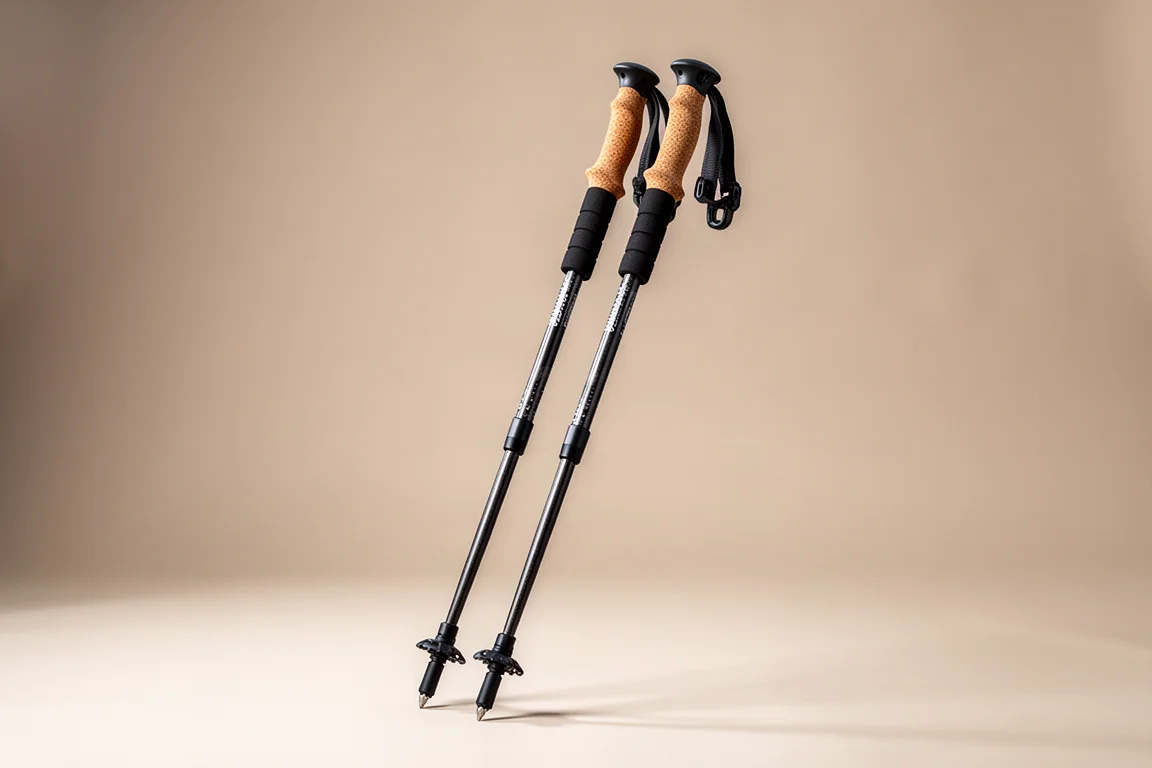
For comparison, the Black Diamond carbon cork poles have been in continuous use since 2016. They have covered a large share of the Pacific Crest Trail, the Arizona Trail, and trips overseas, and they have never failed in the field. That record is the reason they remain the default choice when reliability matters more than the last few grams.
Another Dependable Option: Diorite Carbon Trekking Poles
The Diorite carbon pole, previously sold under a different name before a rebrand, is another option with a long service record. A single failure occurred after almost 3,000 miles of hard hiking, which is a very different durability profile from a pole that fails inside the first week of a trip.
Footwear Problems on Tundra: Topo Pursuit 2
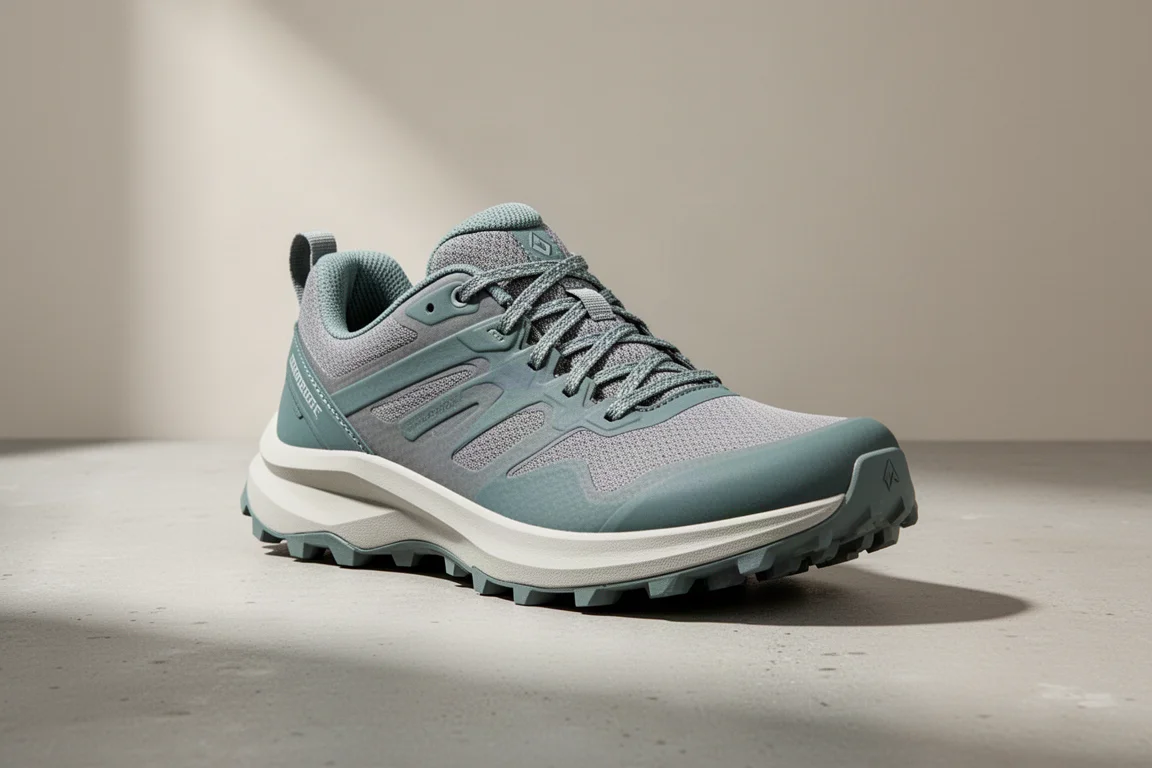
The original Topo Pursuit had earned its place over years of use, with no blisters, no ankle or Achilles trouble, and no knee problems. The updated Pursuit 2 had already been a less happy experience over the previous year, but a fresh pair still went to Alaska because a long tundra route tends to destroy at least one pair of shoes.
The problem was the heel cup. On both shoes, the top of the heel rubbed against the Achilles tendon. Removing the fabric, foam, and a small hard plastic piece from the right shoe helped slightly, but Achilles tendonitis had already developed on both sides, and the pain returned with every step for the rest of the trip. Walking barefoot around camp or in other shoes caused no pain at all, which pointed clearly at the heel cup.
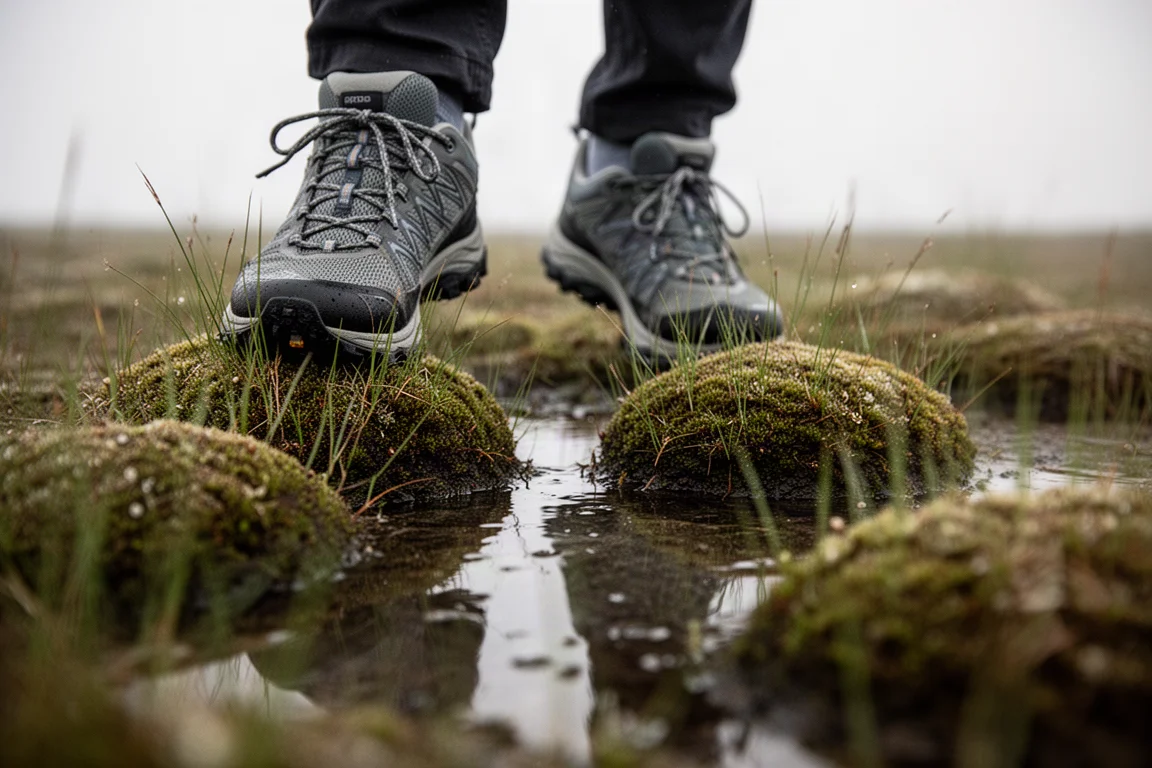
Miles of tundra, where the foot rolls constantly over bulbous grass mounds, amplify any pressure point at the heel. A shoe that feels fine on a short walk can still produce an overuse injury when it is worn for ten hours a day across two weeks.
Water Treatment: Sawyer Mini 2
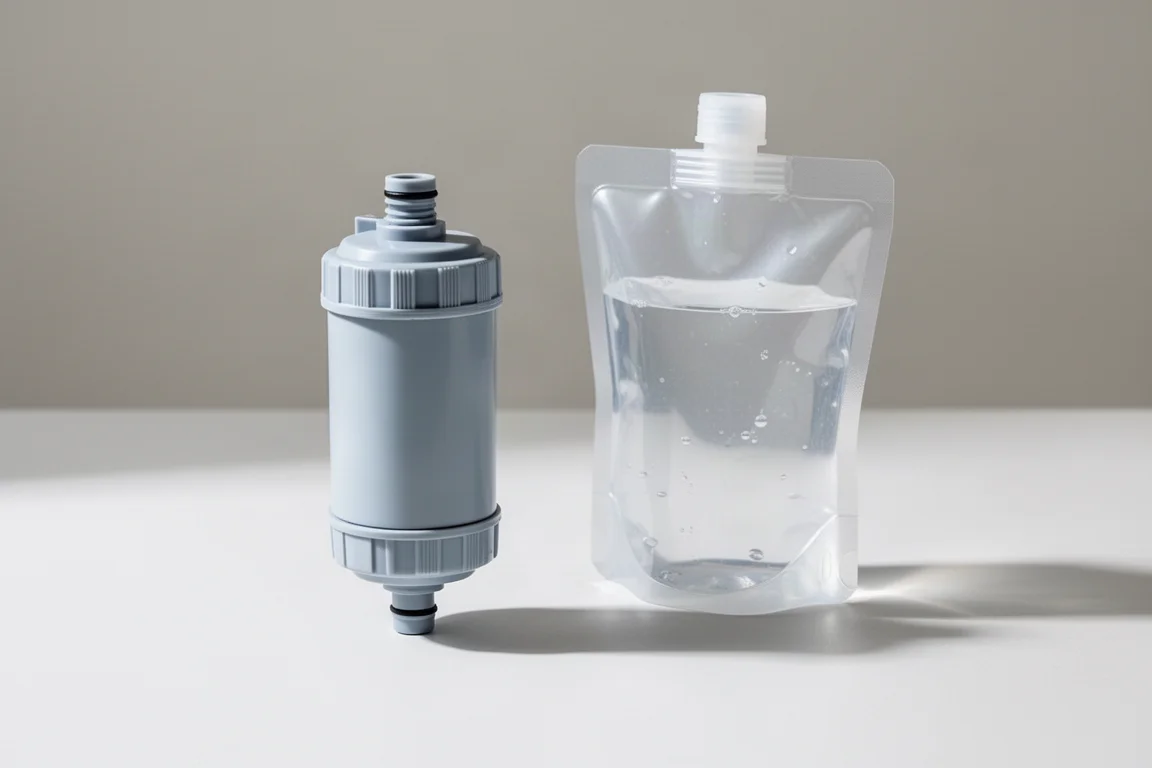
Earlier versions of the Sawyer Mini clogged easily, particularly with salty water, and their flow rate was disappointing. The current Mini 2 is dual threaded at both ends and has an improved flow rate.
In silty river water it never clogged. Backflushing in the field was straightforward: the cap comes off, the filter threads onto a water bottle, and the bottle pushes clean water back through the filter using the small nipple on the filter body.
Water Bottles: Cnoc Vesica and the Case for Capacity
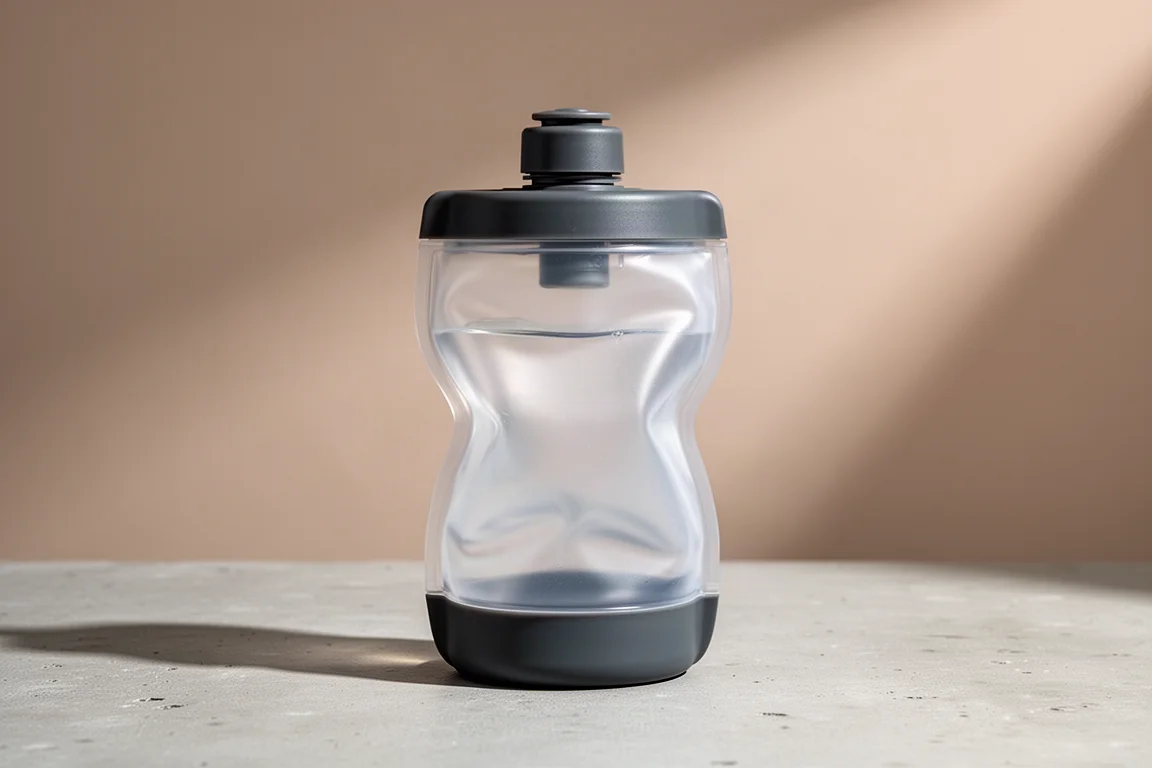
The original plan paired the filter with a 1 L Cnoc Vesica collapsible bottle that has a hard top and a hard bottom. At the last minute, a smaller 750 mL pouch was substituted. The pouch itself held up perfectly and nothing failed.
The problem was capacity. Filling a 1 L bottle from a 750 mL pouch means making extra trips to the water source, and on high ridges where water collects in small puddles, the firmer top of the Vesica worked far better as a scoop. The lesson is simple: match container capacity to the bottle you actually carry, and favour a container that can also gather water from shallow pools.
Bug Protection: Sawyer Picaridin Spray Over Lotion
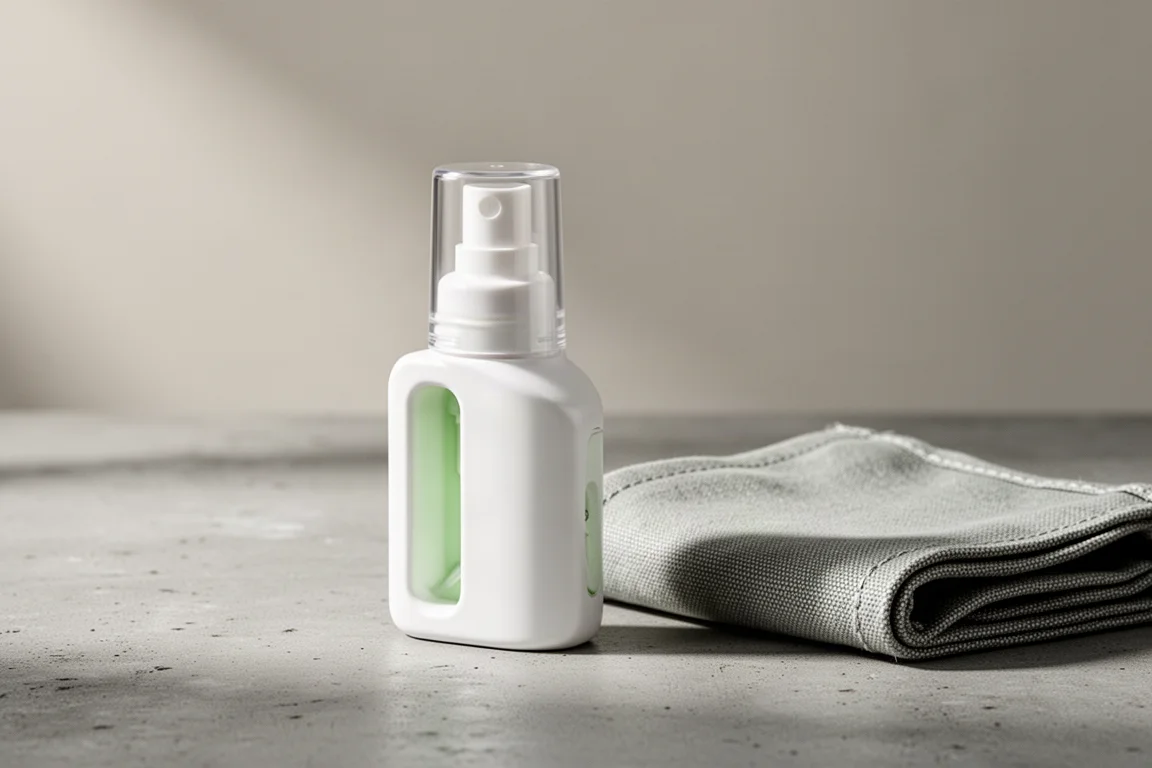
Picaridin lotion has worked well against mosquitoes for years. The mismatch on this trip was clothing: with long pants, long sleeves, and a hood worn almost the entire time, the only exposed skin was the hands and face, and a bug net covered the face. Across 17 days of heavy mosquito pressure, roughly one lotion packet was used.
A spray is the better match for covered-up hiking. It applies quickly over cuffs and collars, it can be topped up without stopping to spread lotion, and it performed well against mosquitoes throughout the trip. Treating clothing with permethrin added another layer of protection.
Shelter That Held Up: Zpacks Altaplex
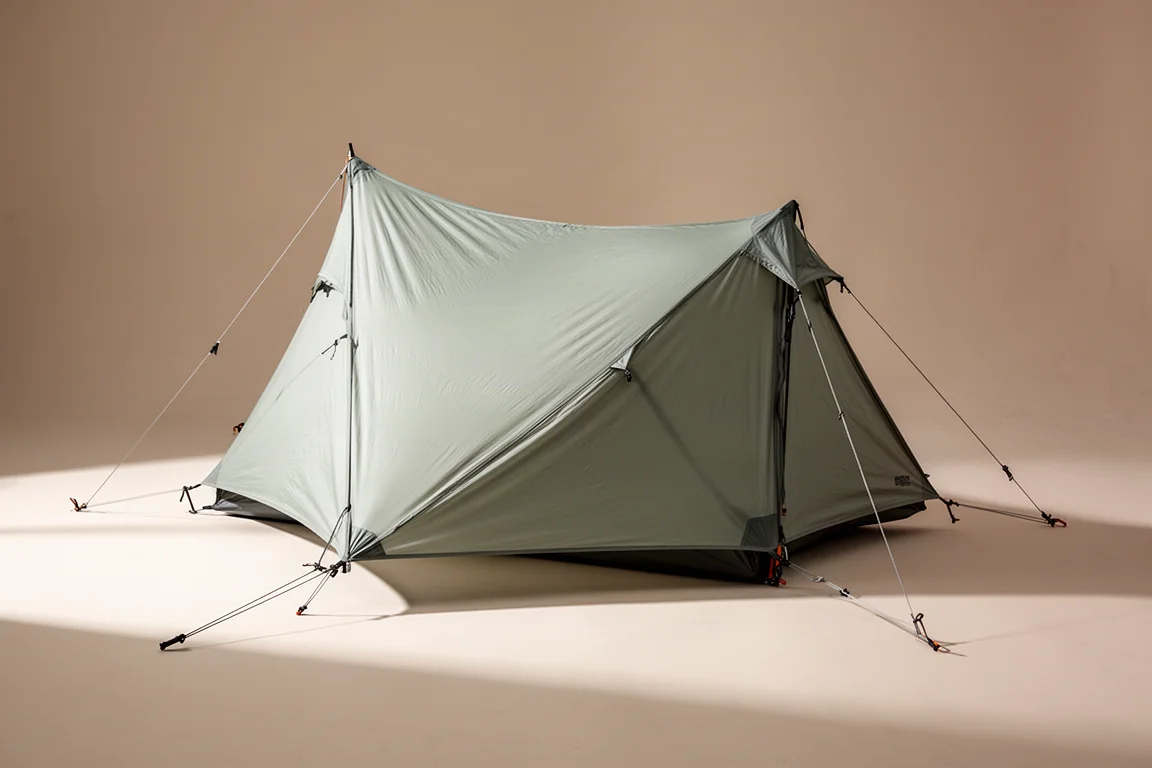
Trekking pole shelters often get questioned for exposed terrain, where wind, rain, and ground that will not take a stake can make pitching difficult. This shelter has years of use behind it, and on this trip it handled rain and wind without a single night where it could not be pitched.
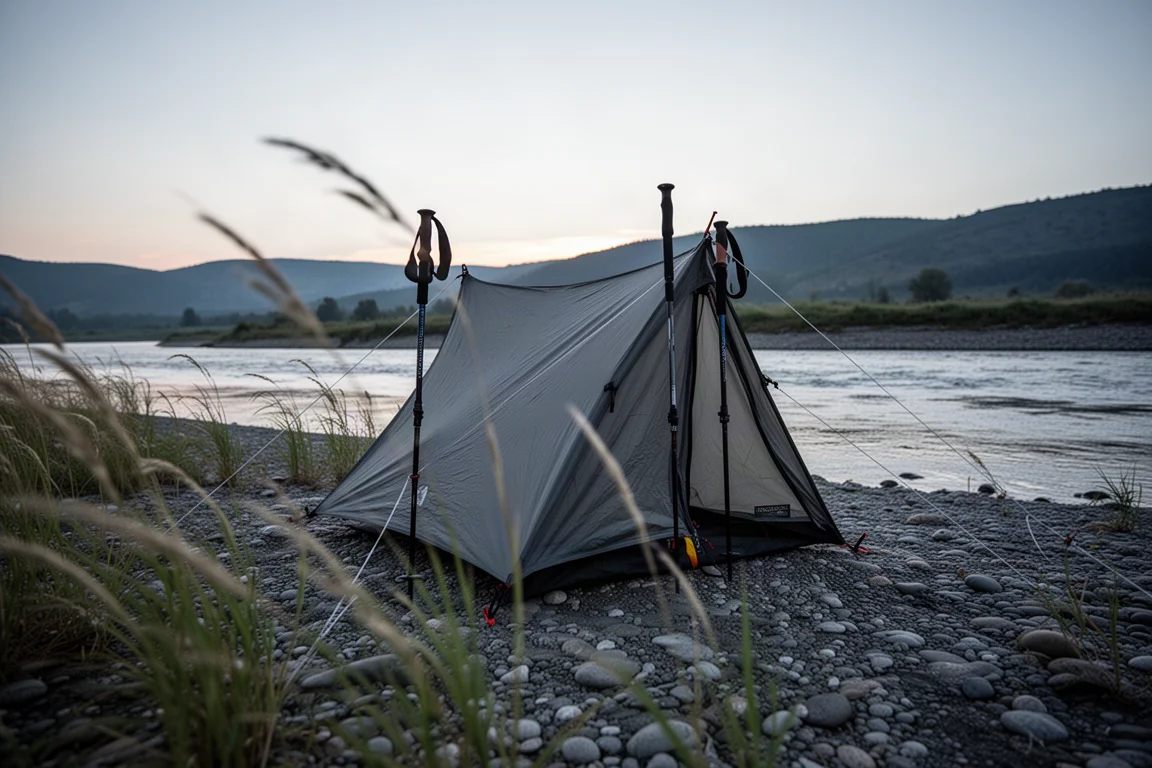
On tundra and gravel bars, a shelter that needs one pole and a handful of anchor points is far easier to live with than one that depends on a fixed frame. That flexibility is what made the difference on this route.
Cook System: Toaks Siphon Alcohol Stove
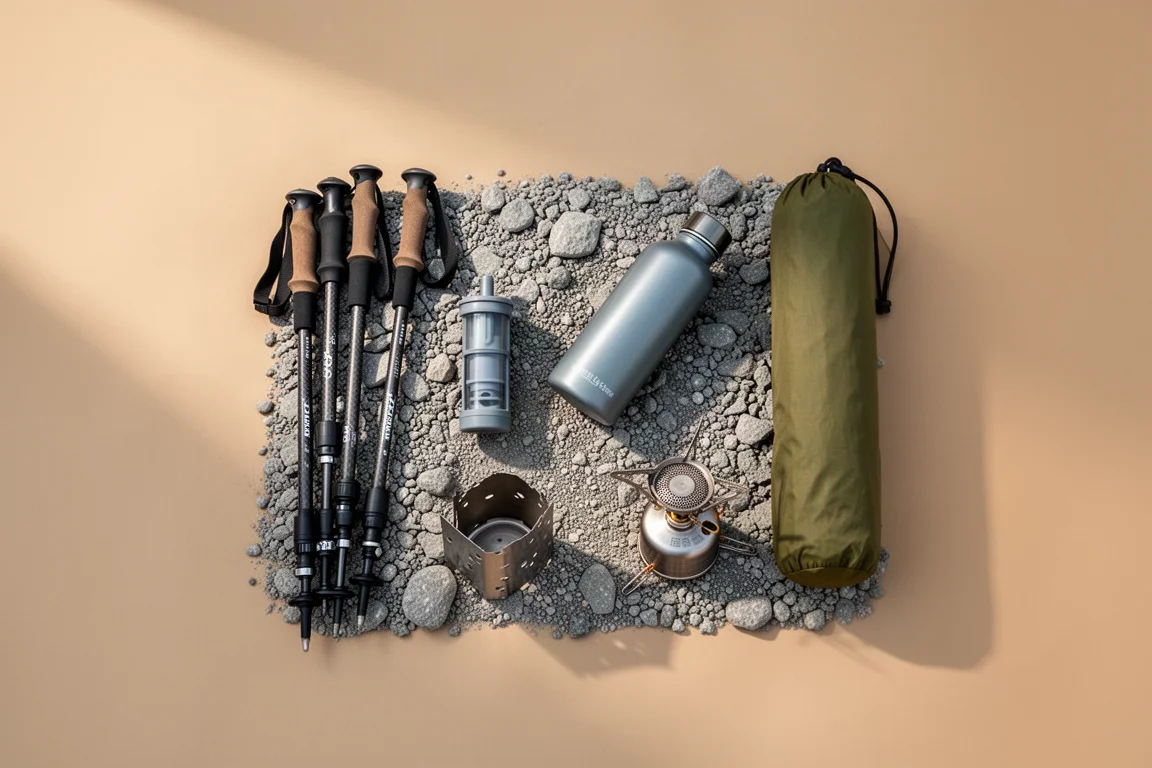
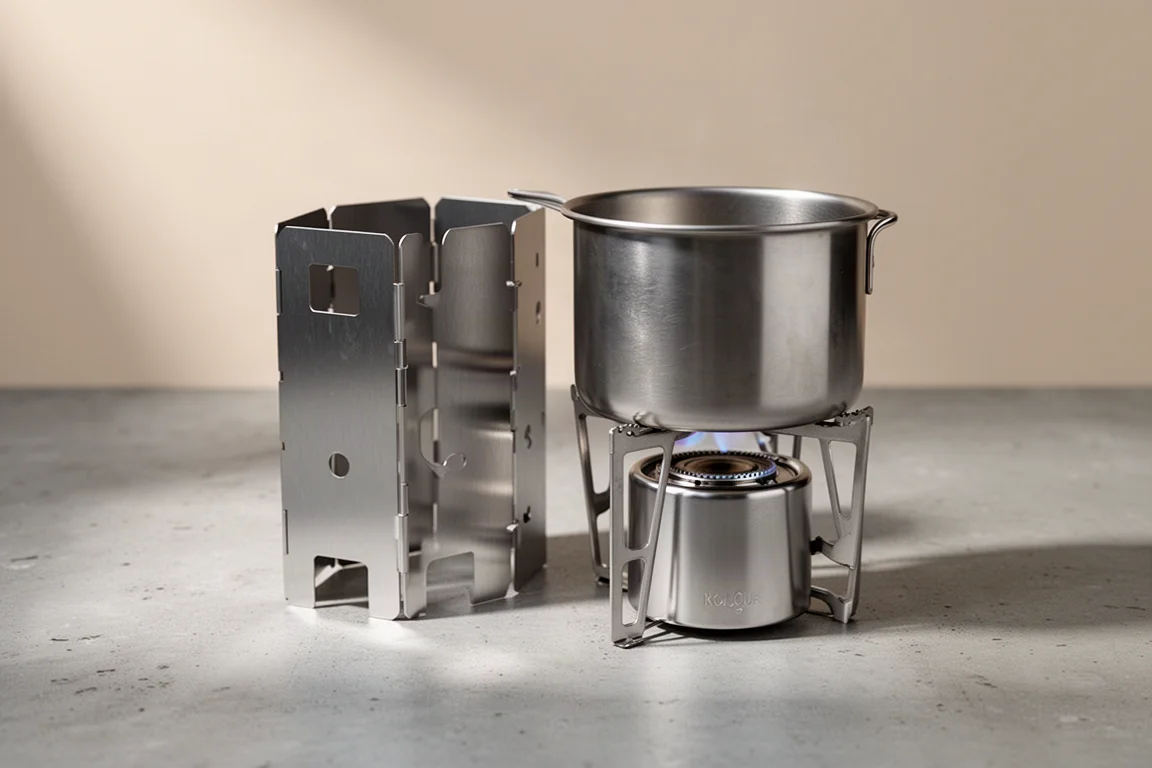
The cooking setup was deliberately simple: the stove, a windscreen and stand, and an 8 oz bottle of fuel. A boil took about half an ounce of alcohol, and morning coffee took a quarter ounce. One ounce per day was enough for eight-day stretches, and the windscreen kept the flame stable once the wind picked up.
Food Storage That Earned Its Place: Adotec Grizzly Bag
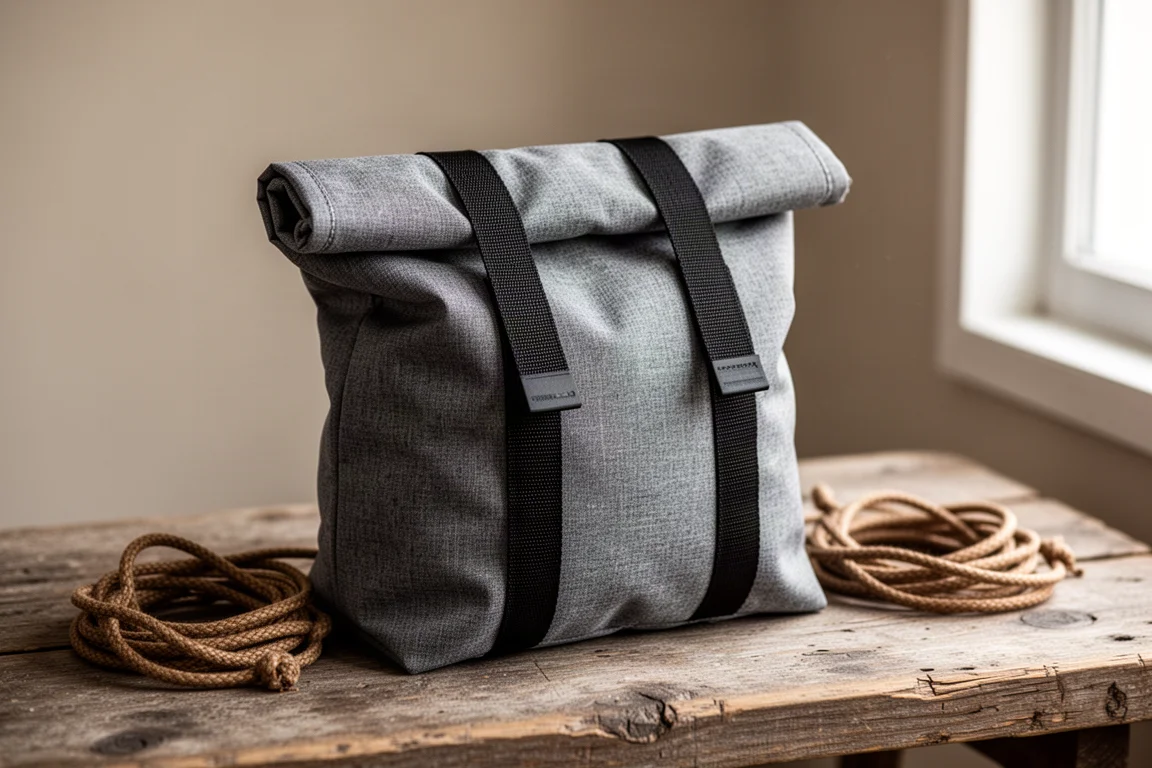
Food storage for bear country is often the item people worry about most on routes where they expect no trees. This bag held the entire food load, and every night it could be tied to a tree, a bush, or a root system. No bear was seen during the 17 days, and the bag came through the trip without any issue.
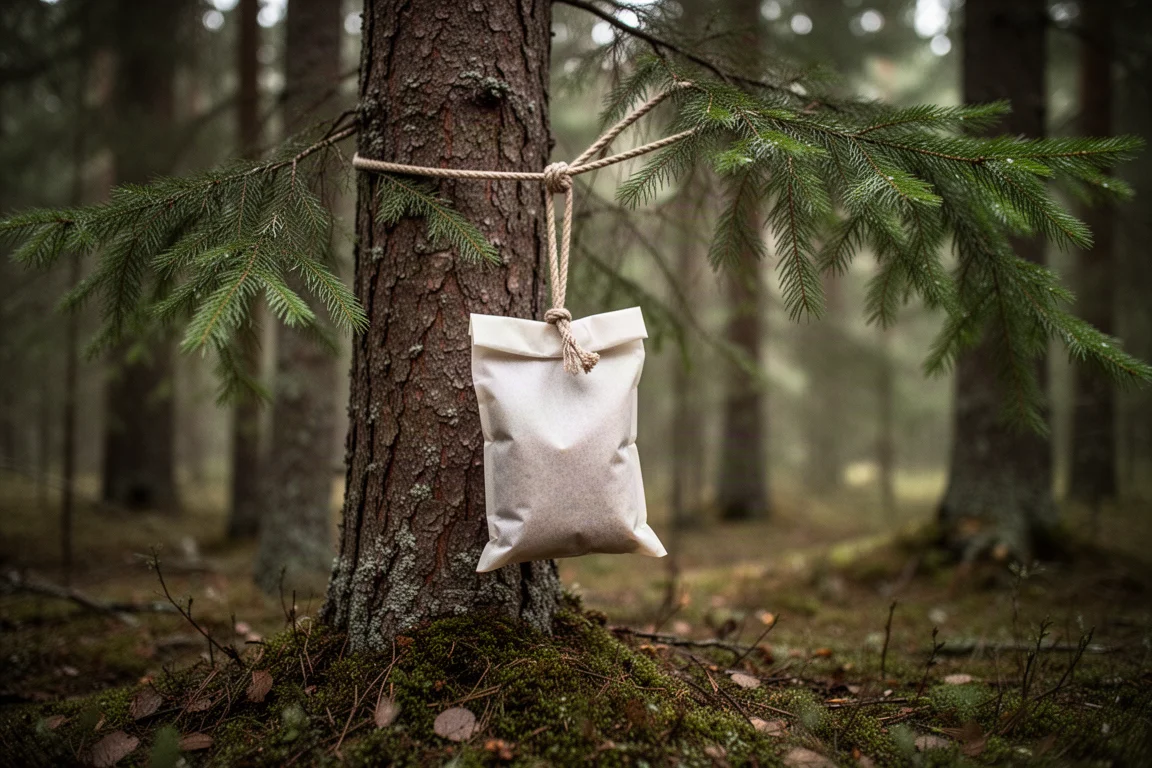
For anyone travelling in grizzly country, a soft bag that can be tied to whatever vegetation is available is a practical choice, as long as it swallows the full food load for the longest stretch between resupplies.
Overall Buying Advice
The pattern across this trip is consistent: the items that caused the most trouble failed early and could not be repaired in the field, while the items that earned their place were simple, proven designs. If you are assembling a kit for a long route, prioritise locking mechanisms you have already tested over many miles, footwear you have broken in on similar terrain, and water treatment that can be backflushed without tools. Capacity and reliability are worth more than small weight savings when the nearest resupply is days away.
Conclusion
A 300-mile traverse sorts gear quickly. Carbon poles that separate and shear, a heel cup that rubs through two weeks of tundra, and a water container one size too small all cost time and comfort. Proven poles, a filter that keeps flowing in silty water, a trekking pole shelter that pitches in wind, a frugal alcohol stove, and a food bag that ties to whatever grows nearby are the pieces that made the trip work.
Further reading
Related Reviews
Outdoor Gear
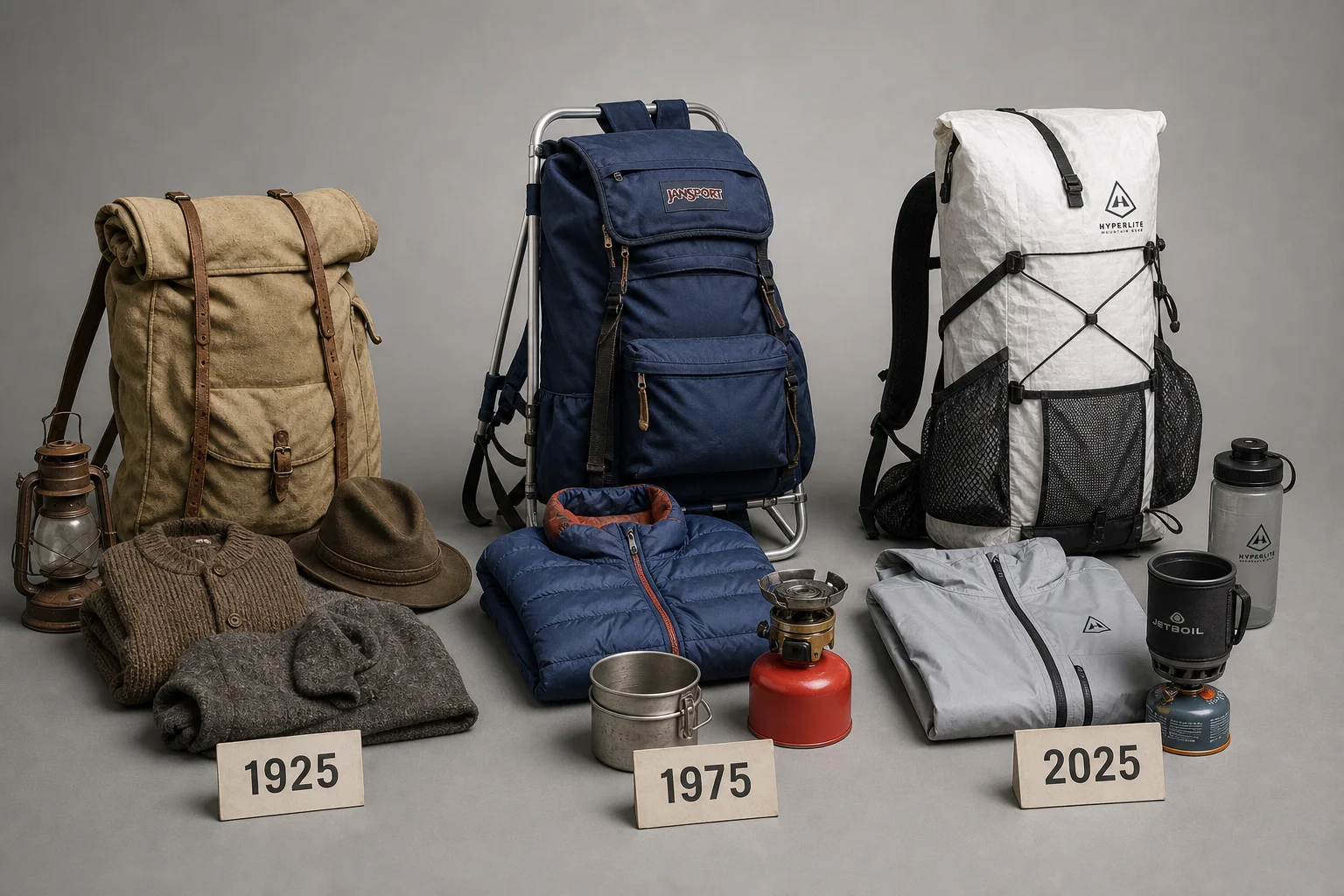
Backpacking Gear Evolution: 100 Years of Technology Compared
We tested backpacking gear from 1925, 1975, and 2025 across a three-day hike in Yosemite. Here's how technology has transformed comfort, weight, and the outdoor experience.
Outdoor Gear
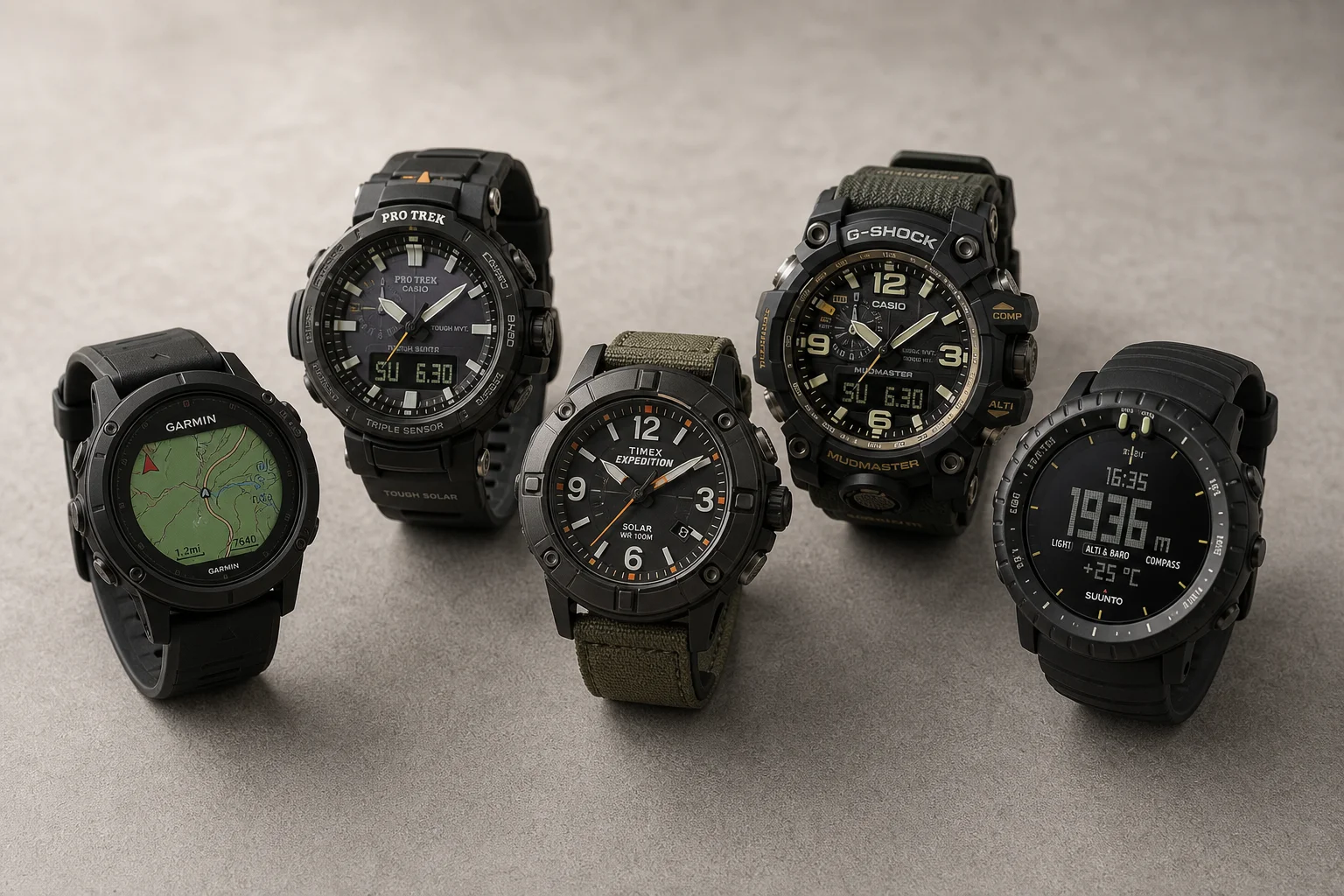
Best Affordable Hiking Watches: Five Rugged Options for Outdoor Adventures
Five durable hiking watches that balance ruggedness, functionality, and value for outdoor enthusiasts who need reliable GPS tracking and weather resistance.
Outdoor Gear
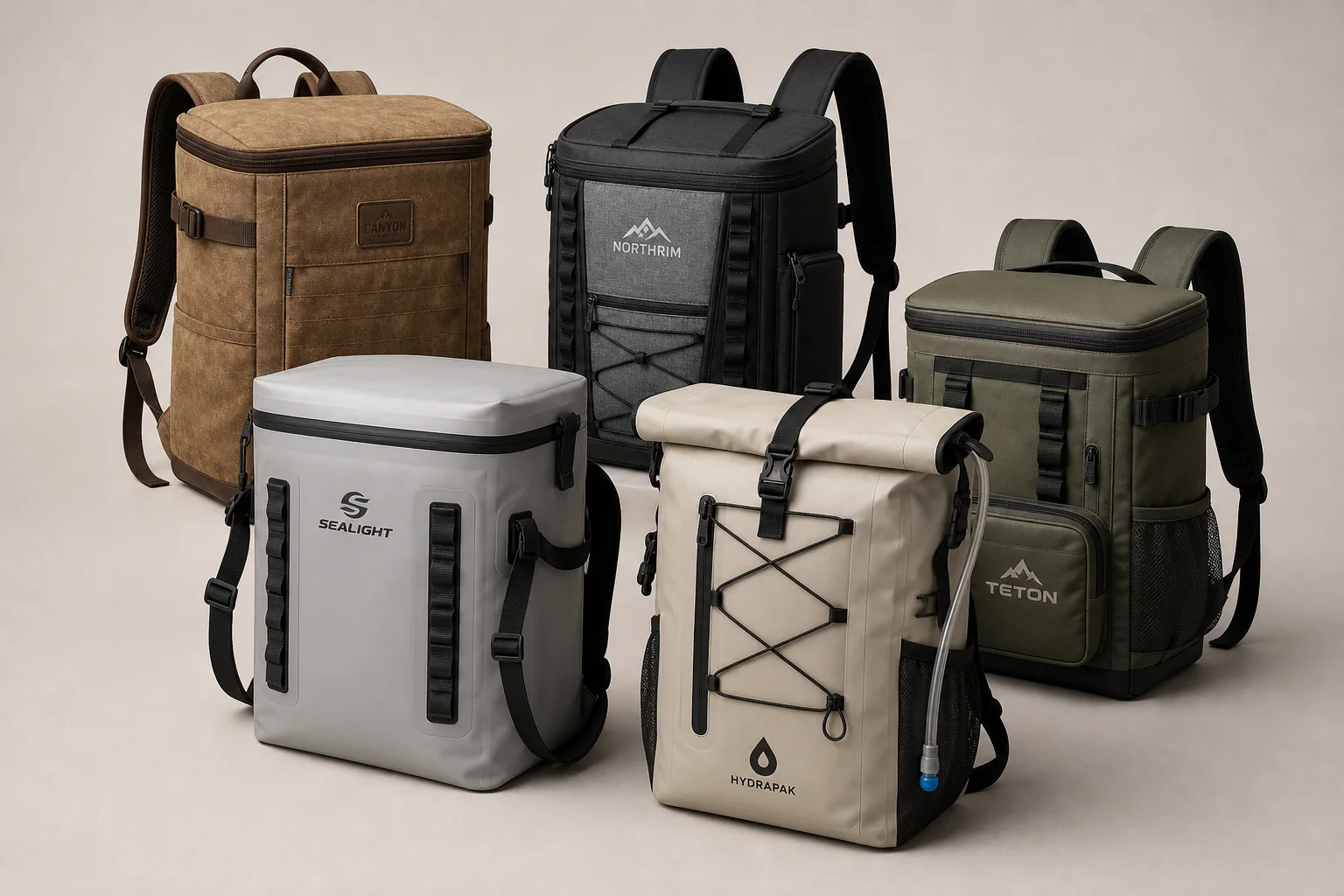
Best Backpack Coolers 2026: Five Practical Options for Outdoor Adventures
Five backpack coolers with distinct cooling capabilities, storage features, and design trade-offs to help you choose the right one for your outdoor needs.