Outdoor Gear
Backcountry Exposure Pinyon Gear Tote Review: A Durable 25L and 35L Gear Tote
A practical look at the Pinyon Gear Tote from Backcountry Exposure, covering its recycled ultra grid fabric, interior organization, foam-padded base, and how to choose between 25L and 35L.
Introduction
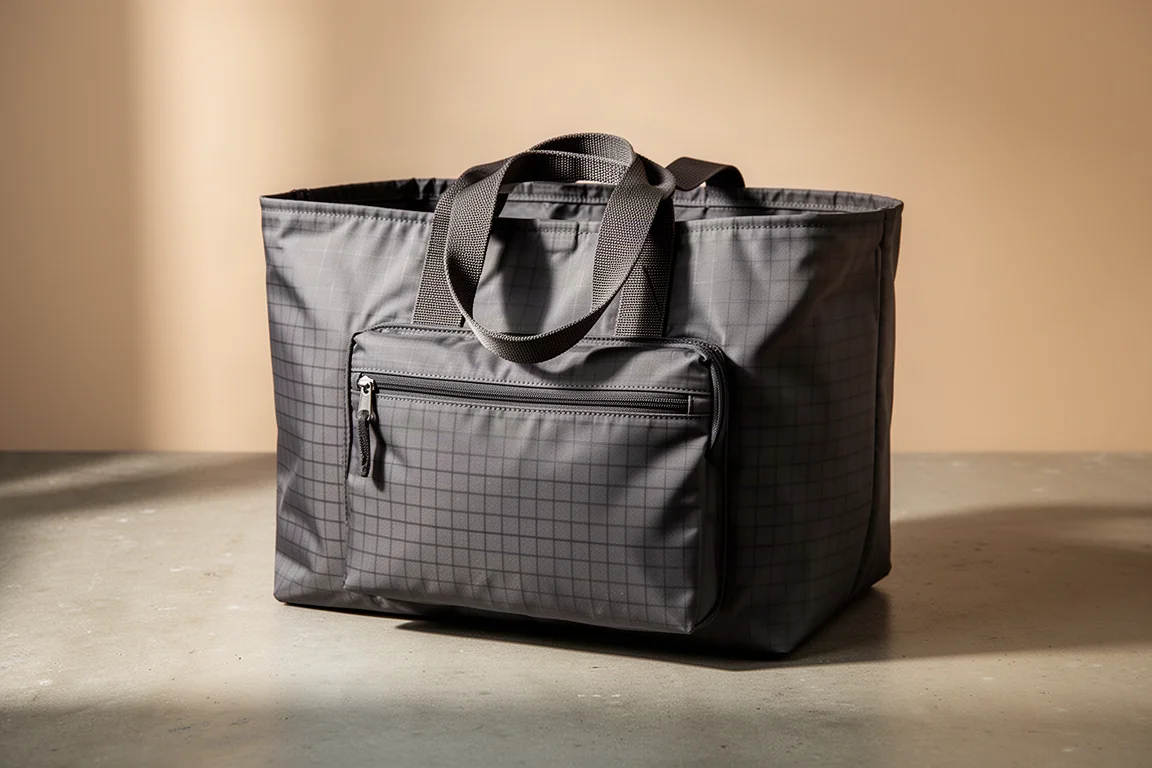
A gear tote rarely gets the attention a pack or a sleeping bag does, yet it is one of the most useful pieces of equipment an outdoor enthusiast can own. The Pinyon Gear Tote from Backcountry Exposure is built around that idea, using a large open rectangular interior that accepts bulky gear instead of fighting it.
It comes in two capacities, 35 L and 25 L, which covers everything from a full camping load to a tighter day kit.
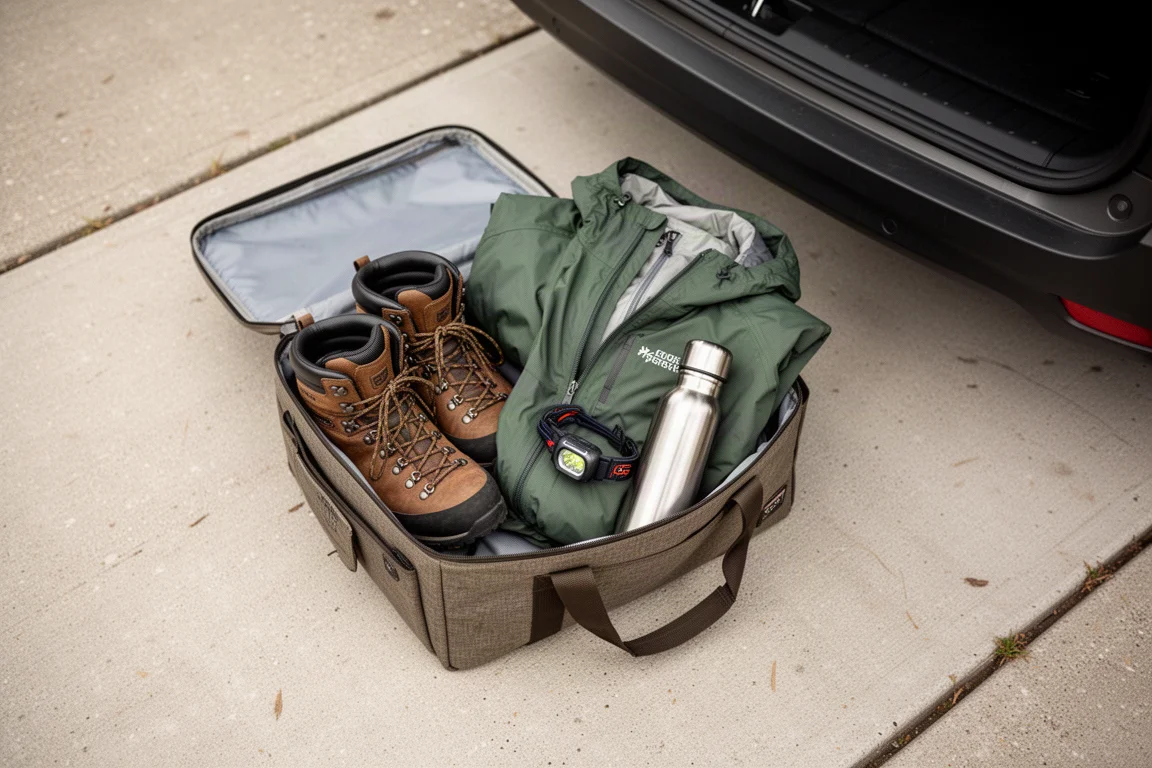
The tote is aimed at the trips that start at home and end at a trailhead: camping, backpacking, day hiking, trail running, skiing, rock climbing, or a simple beach day. Keeping that gear together in one place makes loading the car and unpacking at the trailhead noticeably quicker.
Who This Product Is For
This tote suits anyone who moves bulky outdoor gear between home, car, and trailhead on a regular basis. Campers and backpackers will appreciate the open interior, since shelters, sleeping bags, and cook kits tend to be awkward shapes that resist tidy packing.
Day hikers, trail runners, skiers, and climbers fit the same pattern. So do people heading to the climbing gym, the lake, or the beach, where the goal is simply to carry a lot of loose items in one trip rather than juggle several bags.
Design and Materials
The outer fabric is an ultra grid material selected for strength, durability, and abrasion resistance. It is also made from recycled post-consumer nylon, which gives the tote a more sustainable material story without changing how it holds up in use.
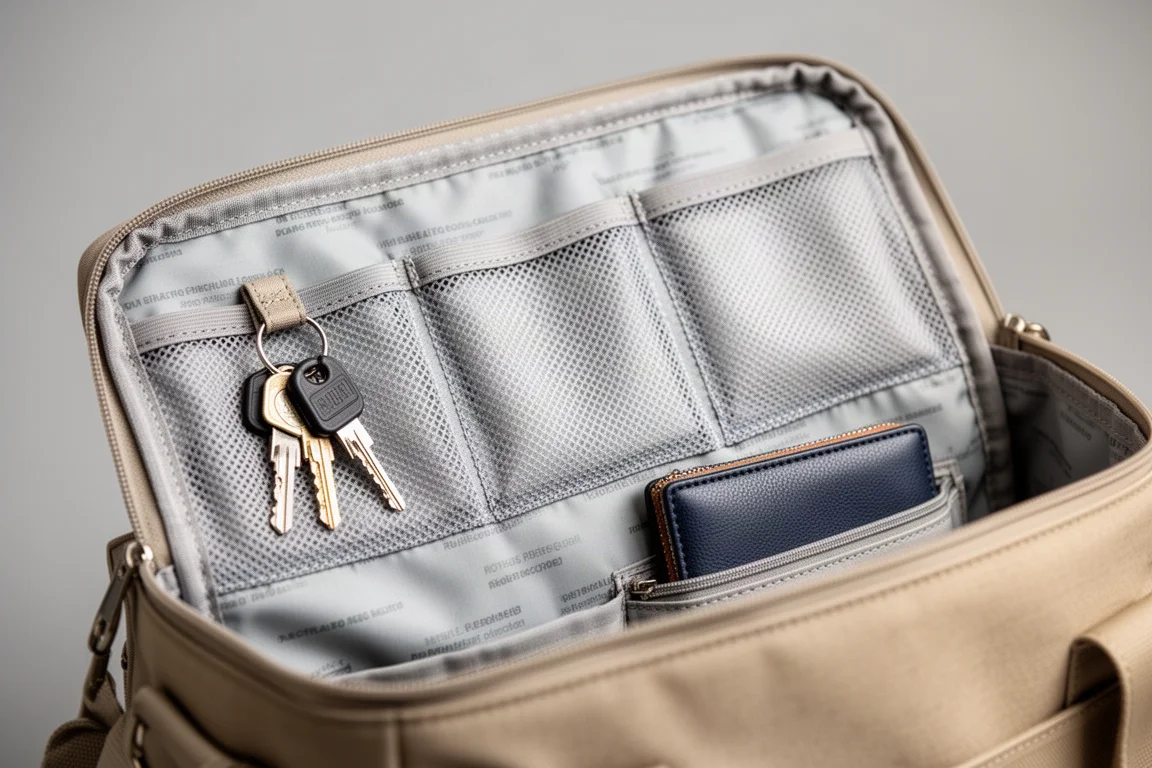
Inside, the lining is recycled as well. It adds durability to the interior and uses a lighter tone that makes it easier to see what is inside the bag, which matters more than it sounds when you are searching for a headlamp in low light.
Capacity and Organization
Three interior pockets are made from a monolite material. Their purpose is to hold small gear items in place so they do not sink to the bottom of the bag and become difficult to find when you are getting ready to head out.
A front pocket handles the small essentials: a wallet, a pair of keys, or anything you would rather keep in a dedicated space than loose in the main compartment. It closes with a watertight zipper, and a key clip inside lets you attach keys rather than drop them in. Both the 35 L and the 25 L include these features.
Carrying Comfort and Protection
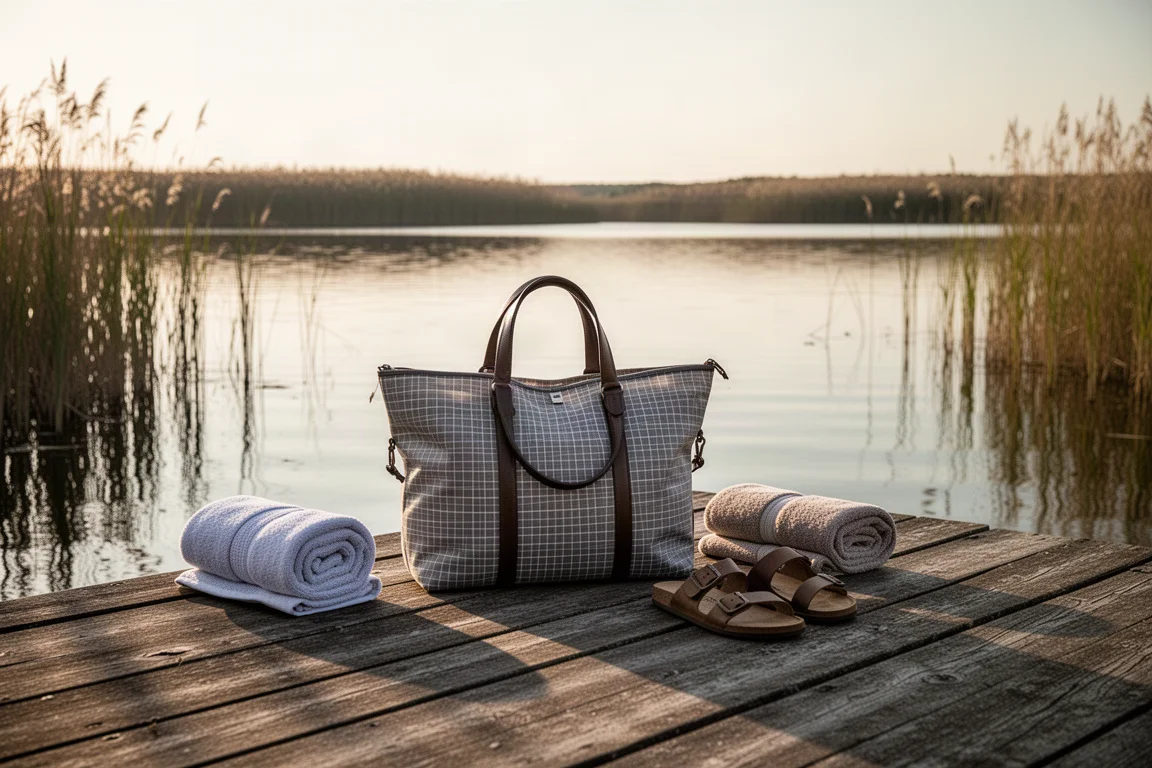
The carry handles are designed to go over the shoulder for short distances, such as the walk from the car to the beach, the lake, or the climbing gym. The fold of the handle at the top of the bag gives it a comfortable carry.
At the base, a layer of foam sits between the two bottom panels. That foam adds structure so the tote keeps its shape rather than sagging into a loose, awkward bag, and it also protects the contents when you set the tote down on rough ground.
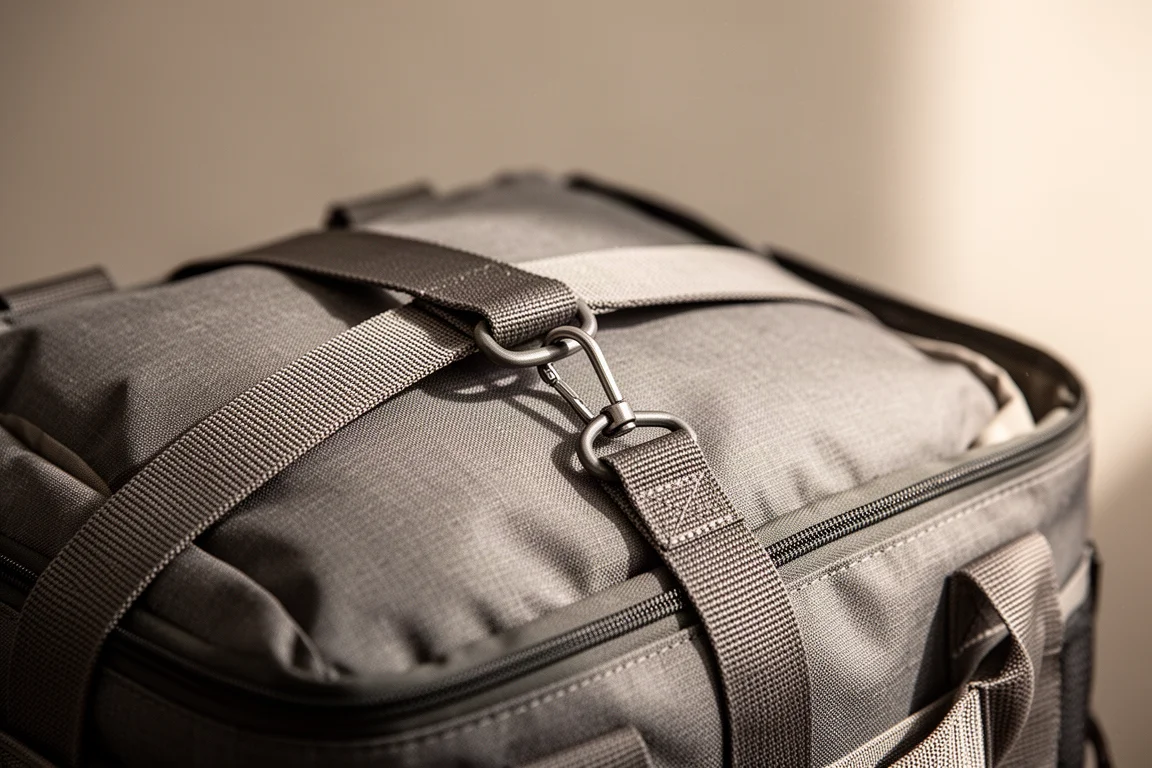
An over-the-top webbing strap with an adjustable metal G hook lets you secure and compress the load. It does not close the tote completely, but it does keep contents in place when the bag is loaded slightly above the rim.
Things to Consider Before Buying
The over-the-top strap secures and compresses the load but does not seal the tote, so the main compartment stays open. If you need a bag that closes fully, that is a design trade-off worth weighing before you buy.
The handles are built for short carries. They work well over the shoulder on the walk from a car to a beach or a gym, but this is not a pack with a harness intended for long distances.
Capacity is the other decision. The 35 L version suits bulky camping and backpacking loads, while the 25 L keeps a day kit tighter and easier to handle.
Buying Advice
Choose capacity first. If the tote will hold sleeping bags, shelters, or climbing gear, the 35 L version gives you more room to work with. If it will carry a day hike or gym kit, the 25 L is the more manageable size.
Both sizes include the same interior pockets, watertight front pocket, key clip, and foam-padded base, so the difference comes down to volume rather than features.
Colour options apply to the front pocket panel, which gives you a small way to personalise the tote without changing its overall look. Full details on the range are available from the brand.
Conclusion
The Pinyon Gear Tote is a simple idea carried out with durable materials: recycled ultra grid nylon on the outside, a recycled lining inside, three monolite organisation pockets, a watertight front pocket with a key clip, and a foam-padded base for structure and protection. It will not replace a backpack, and it is not meant to. As a way to keep bulky outdoor gear together between home, car, and trailhead, it earns its place in an outdoor kit.
Product link
View more details for Pinyon Gear Tote
This product is mentioned in the review. Check the specifications, options, and compatibility before buying.
View more details for Pinyon Gear ToteFurther reading
Related Reviews
Outdoor Gear
Backpacking Gear Evolution: 100 Years of Technology Compared
We tested backpacking gear from 1925, 1975, and 2025 across a three-day hike in Yosemite. Here's how technology has transformed comfort, weight, and the outdoor experience.
Outdoor Gear
Best Affordable Hiking Watches: Five Rugged Options for Outdoor Adventures
Five durable hiking watches that balance ruggedness, functionality, and value for outdoor enthusiasts who need reliable GPS tracking and weather resistance.
Outdoor Gear
Best Backpack Coolers 2026: Five Practical Options for Outdoor Adventures
Five backpack coolers with distinct cooling capabilities, storage features, and design trade-offs to help you choose the right one for your outdoor needs.