Home & Garden
Back to the Roots Aquaponic Fish Tank Review: Two Months of Real Use
After two months of hands-on use, here's an honest look at where this compact aquaponic tank shines as a fish habitat, and where the microgreens side falls short.
Introduction
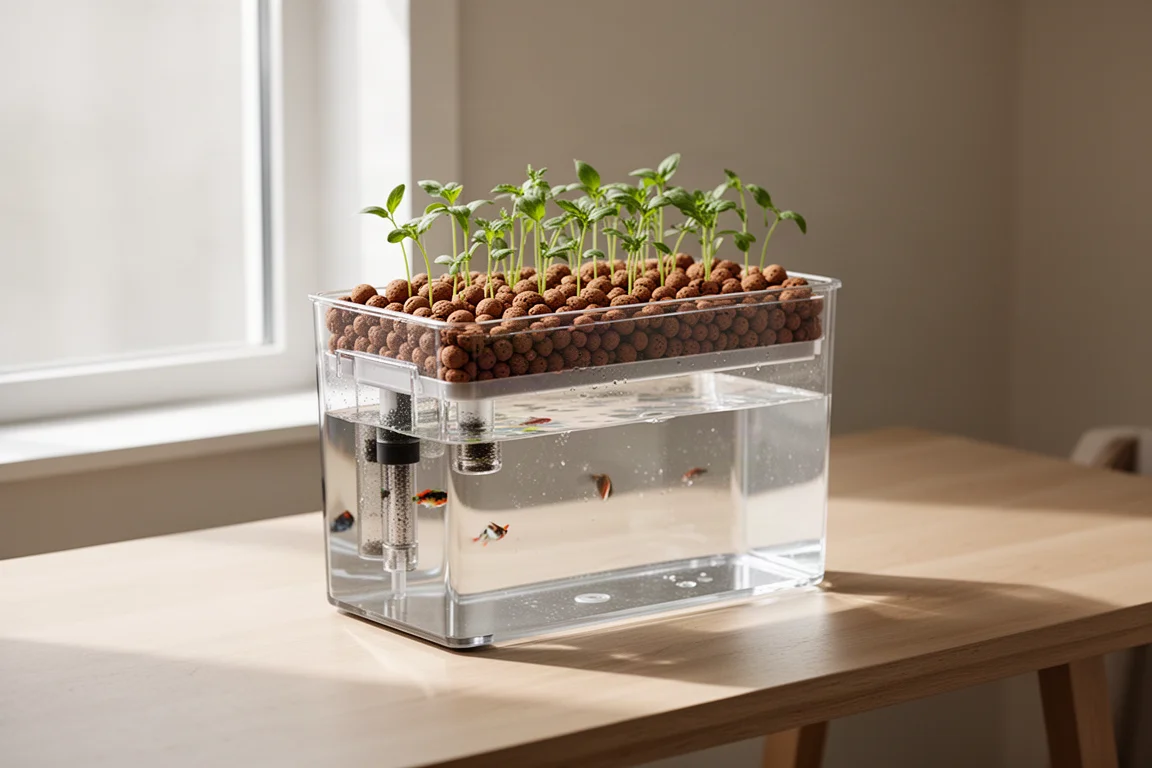
Compact aquaponic tanks promise a neat idea in principle: fish below, plants above, and a system that partly cleans itself. After living with the Back to the Roots Aquaponic Fish Tank for two months, including a deliberate “set it and forget it” experiment, the reality is more nuanced. It works well as a small fish tank with a charming planter on top, but the self-cleaning claim and the microgreens side of things deserve a closer look before you buy.
Two Months In: First Impressions
The first few weeks looked great. Everything sprouted and grew lush and green, exactly the kind of setup photos you would expect. The fish also seems happy and comfortable in the tank, which is arguably the most important job this product has.
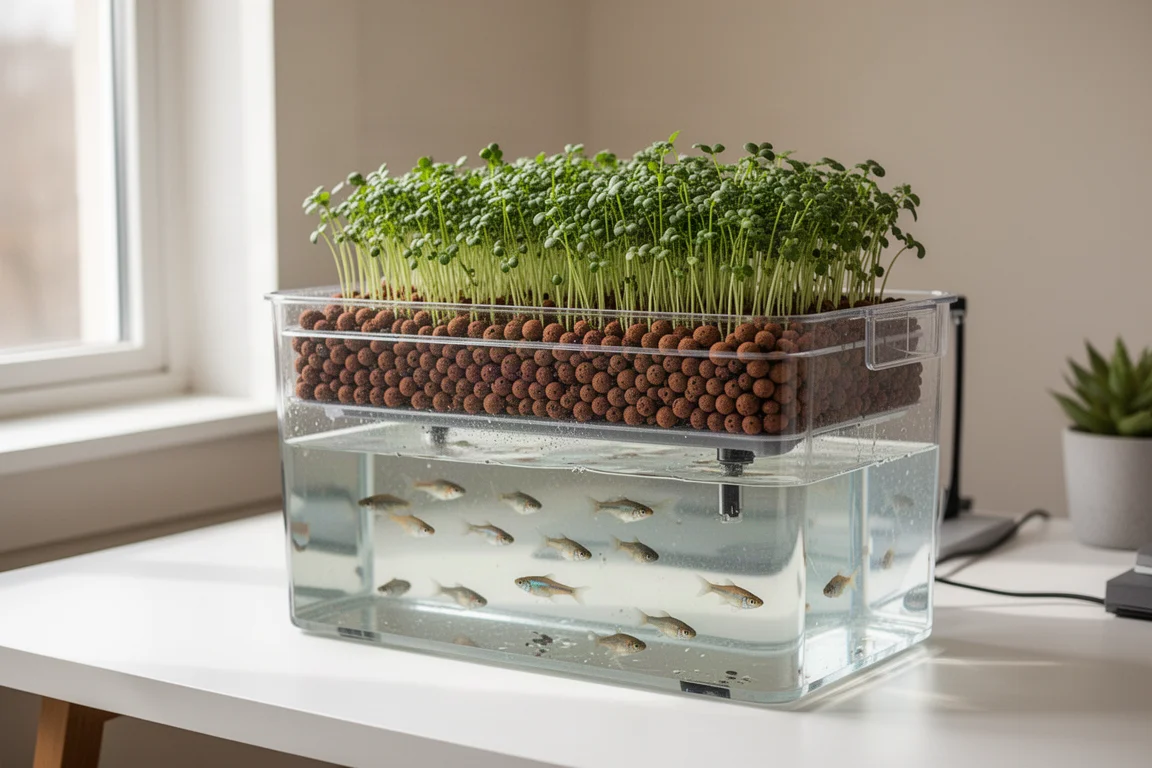
To stress-test the claims, the tank was set up and left entirely alone for two months, with no cleaning and no intervention. The result: algae built up on the sides, and the plants on top gradually declined. The short version is that this is not genuinely self-cleaning, at least not over two months of neglect.
What Grew, and What Didn’t
The included seed pods are designed for short-term crops. The radish microgreens, meant to be harvested at 7 to 14 days, did well early on, but they were never intended to sit for two months. The wheatgrass also started strongly. The two tiny micro cherry tomatoes sprouted, got barely under an inch tall, and then died, which was expected given how few nutrients this small system can carry. Tomatoes simply do not stand a chance in a tank this size.
One thoughtful design detail deserves credit: the small feeding hole on top. Without it, getting food down to the fish would be genuinely difficult.
The Cleaning Reality
Monthly maintenance is part of the deal. The instructions recommend removing the pump and rinsing it so water keeps cycling up to the plants, and the used clay grow pebbles (LECA) need rinsing before reseeding. In practice, cleaning one pod took about ten minutes: lifting the pod out, dumping the pebbles into a bowl, scrubbing the pot under hot water, and picking out root fragments and leftover radish seeds mixed into the media. Not horrible, but it takes time.
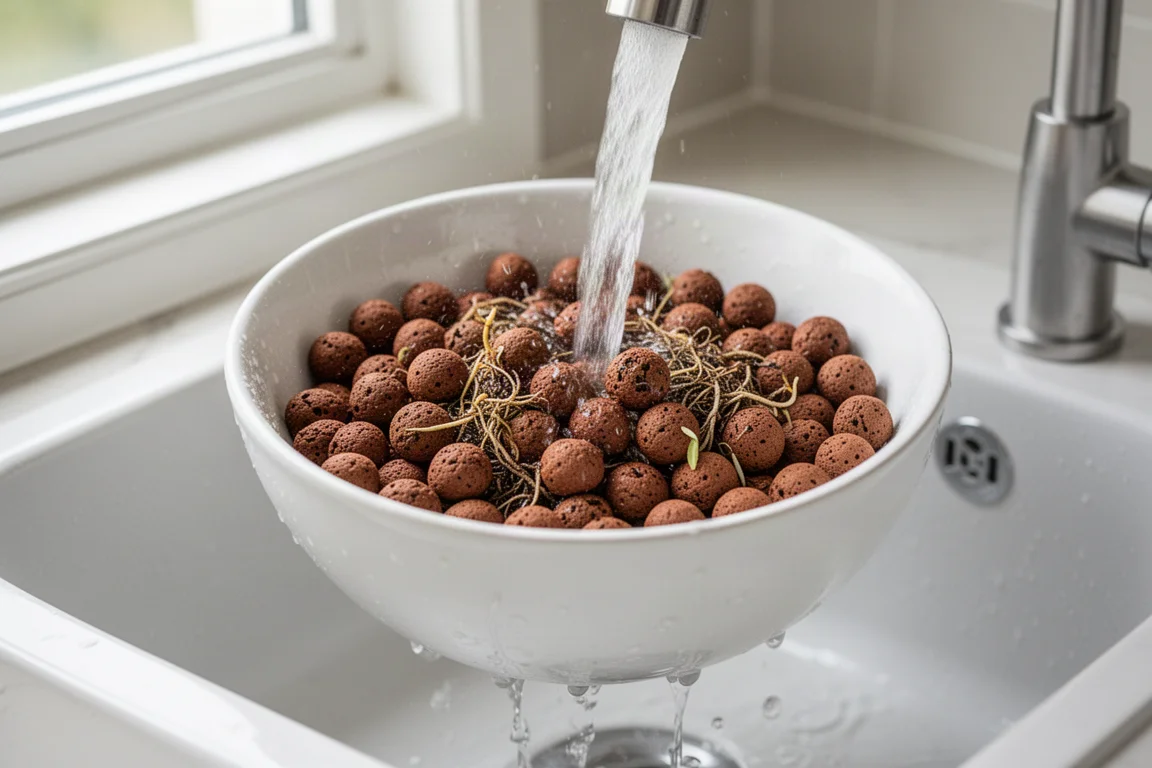
A few practical lessons emerged from this. Wheatgrass is noticeably more finicky to clean out than radish microgreens because its roots grip the pebbles much more tightly. When rinsing, cover the drain or use a sieve so no pebbles escape into the plumbing. Also, never clean more than one pod per day: the beneficial bacteria that make the system work live in those pebbles, and cleaning them all at once can throw the whole balance out of whack. If you stick with microgreens, succession planting solves this: sow pod one on day one, pod two a few days later, pod three after that, so harvesting and cleaning always happen in rotation.
A Better Use: Houseplants Instead of Microgreens
The instructions note you can use the top tray for houseplants, and after two months this feels like the smarter route. Easy-rooting plants such as pothos thrive in the wet pebbles, and since you are not eating them, there is no need to worry about repeatedly sanitizing the media or replacing it every couple of weeks. With houseplants, the constant pod-cleaning cycle largely disappears, which removes the most fiddly part of ownership.
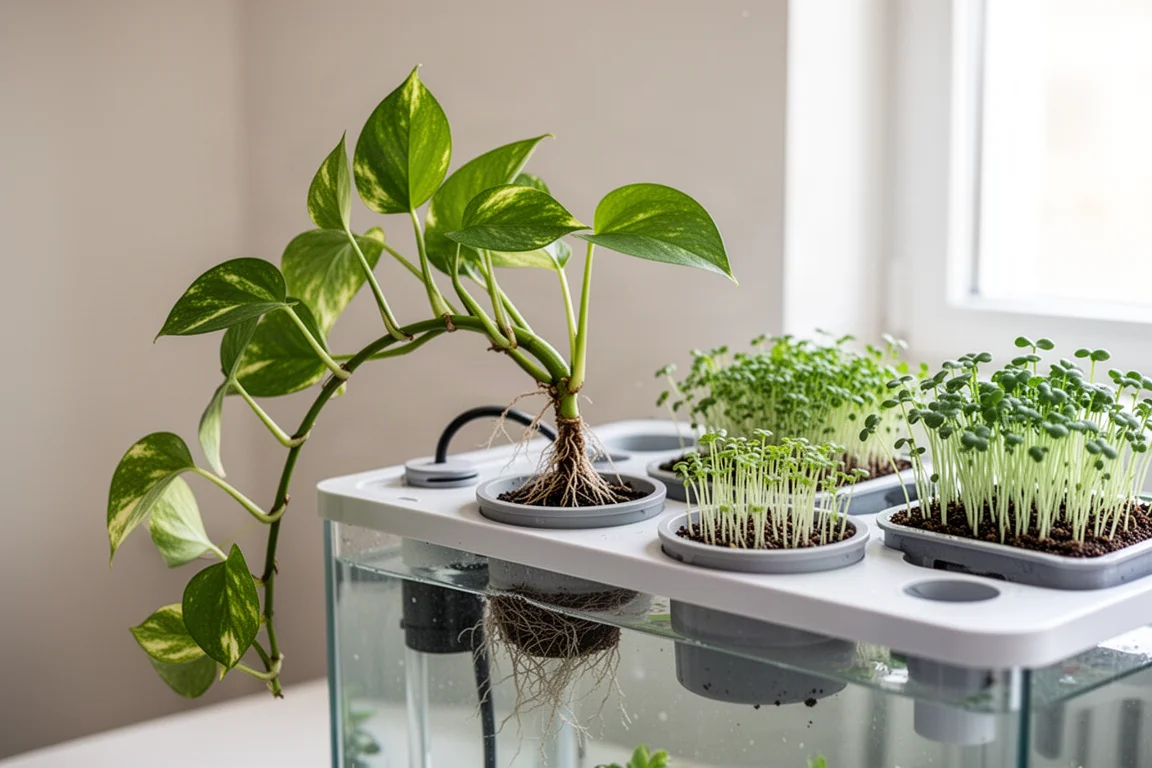
The pods themselves lift straight out, which makes the whole process much easier than it could have been, and the top section lifts off entirely to give direct access to the pump. Maintenance access is well thought out even if the system is not truly hands-off.
Noise and Maintenance Routine
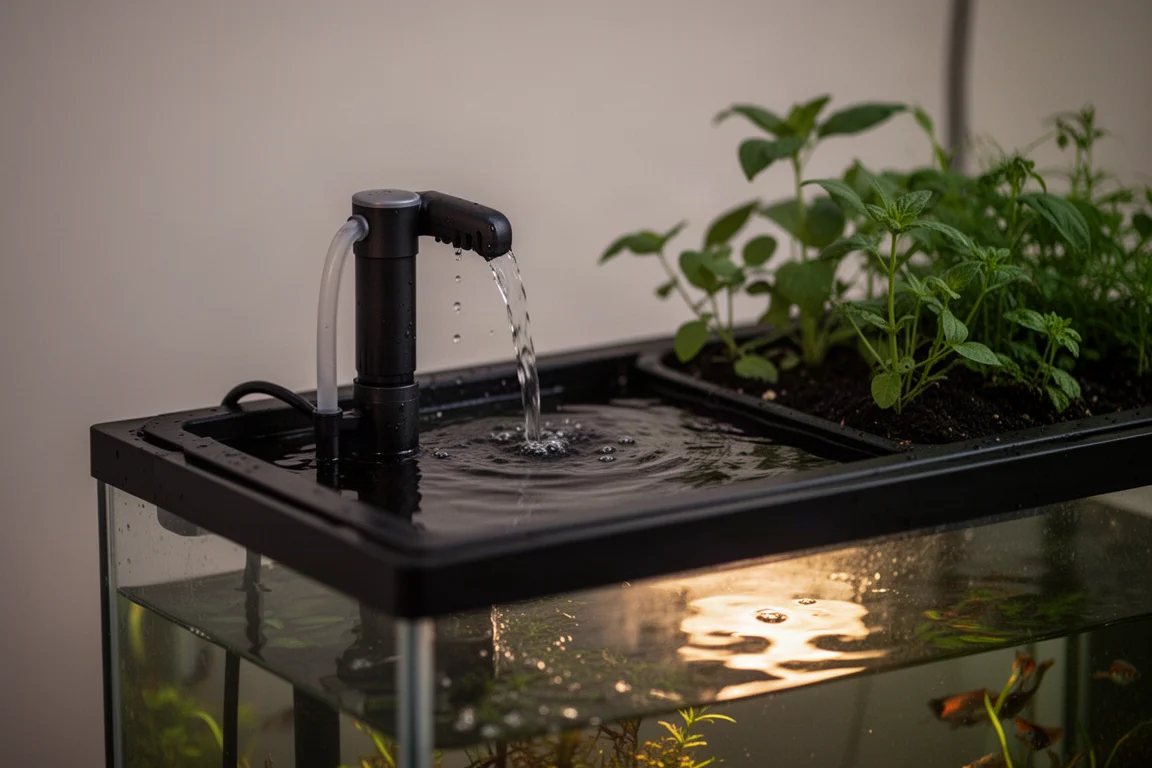
One point worth knowing before buying: the main noise is not really the pump, but the sound of water falling back into the tank as the pump lifts it to the top. In a quiet room it can be distracting. There are simple tricks to quieten the trickle, but expect some ongoing water sound as part of daily life with this tank.
Buying Advice
This tank makes sense for two kinds of buyers. If you want a small, attractive fish tank with a living planter on top and you do not mind a quick monthly rinse of the pump and a light scrub of the glass, it delivers. If you want a modest, occasional supply of microgreens, it can work too, provided you accept the 10-minute pod cleaning routine and use succession planting to keep the bacterial balance stable.
Skip it if you expect a fully self-cleaning system or if you want to grow anything long-term like tomatoes. The nutrients simply are not there, and the neglect test proved the “self-cleaning” label optimistic at best. The most satisfying use of all may be the simplest: keep a happy fish below and let a pothos cutting do its thing above.
Conclusion
After two months, the Back to the Roots Aquaponic Fish Tank earns its keep as a compact, well-designed fish tank with a workable planter on top. The microgreens experiment taught the limits: short-term crops only, regular pod cleaning, and careful rotation to protect the beneficial bacteria. Treat it as a low-key desktop ecosystem rather than a self-sustaining food machine, and it is an enjoyable little system to live with.
Product link
View more details for Back to the Roots Aquaponic Fish Tank
This product is mentioned in the review. Check the specifications, options, and compatibility before buying.
View more details for Back to the Roots Aquaponic Fish TankFurther reading
Related Reviews
Home & Garden
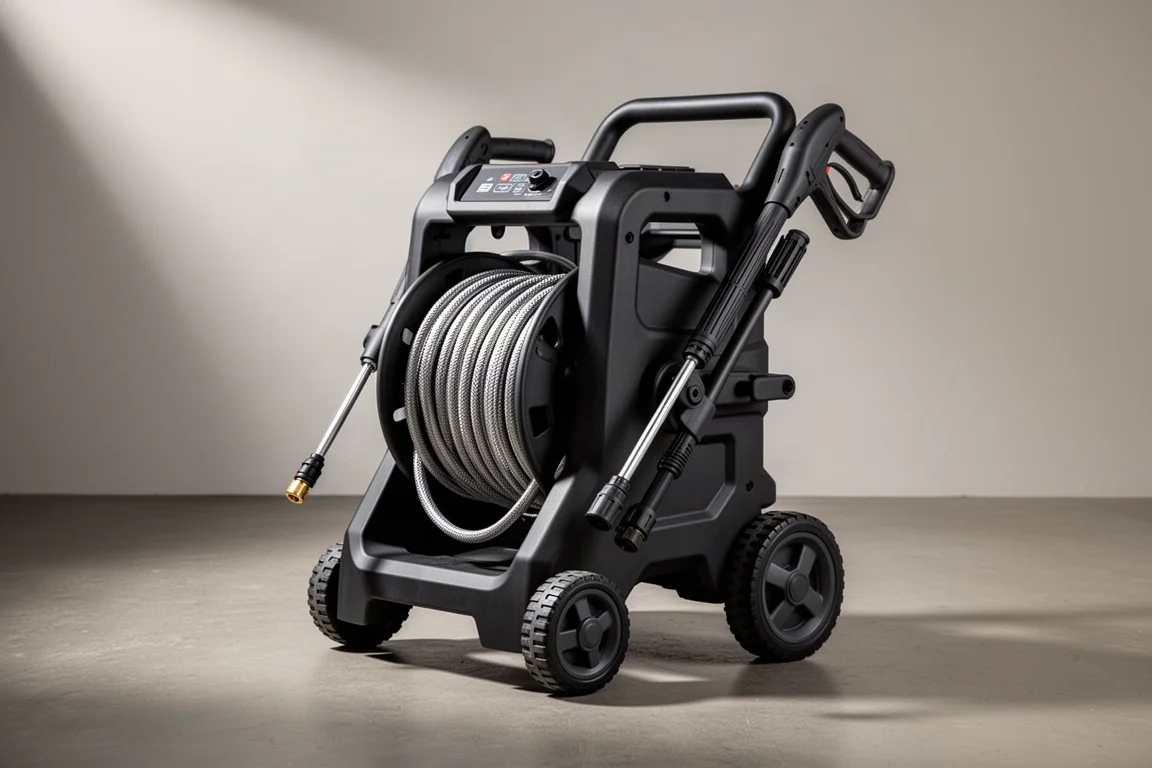
AVA Master P80 Pressure Washer Review: Thoughtful Design Meets Serious Power
A 160 bar pressure washer from Norway with a hose reel that actually works, a clever low-force trigger, and a kit that covers patios, cars, and everything in between.
Home & Garden
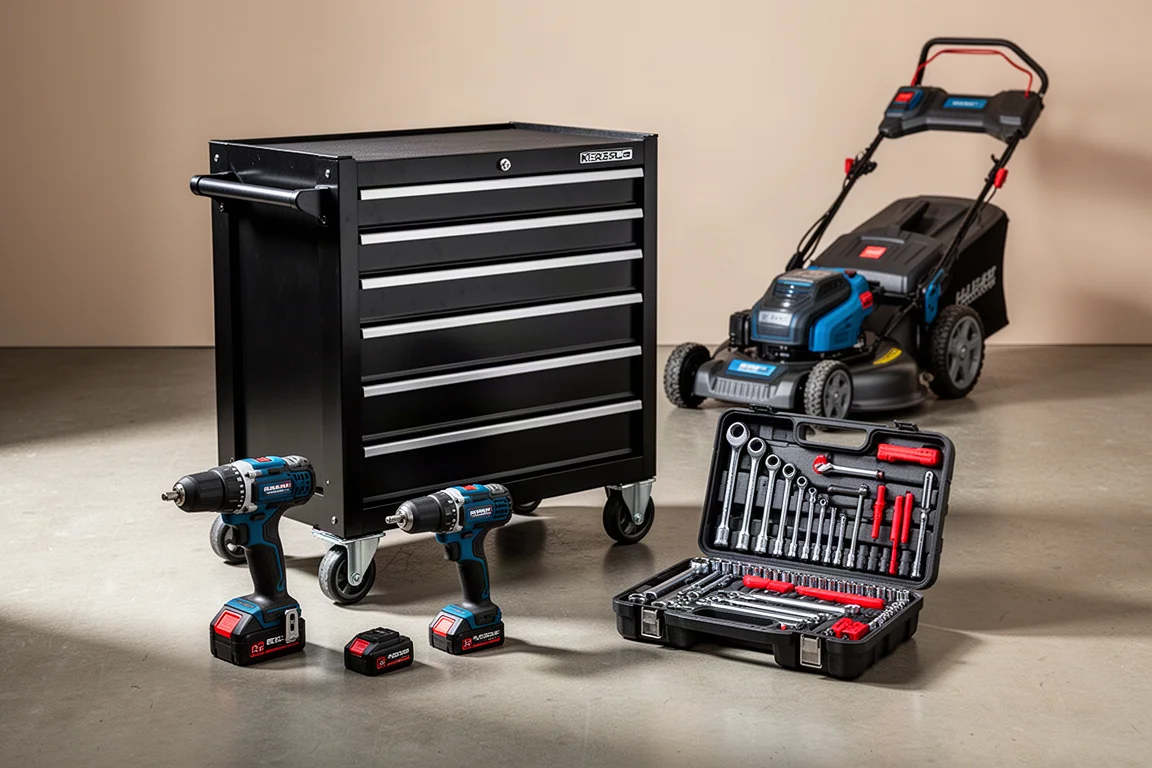
Lowe's Labor Day Deals 2026: What's Worth Buying and What to Skip
A practical walkthrough of the Lowe's Labor Day sale, including Kobalt Days offers, DeWalt battery bonuses, appliance picks, and a few items to pass on.
Home & Garden
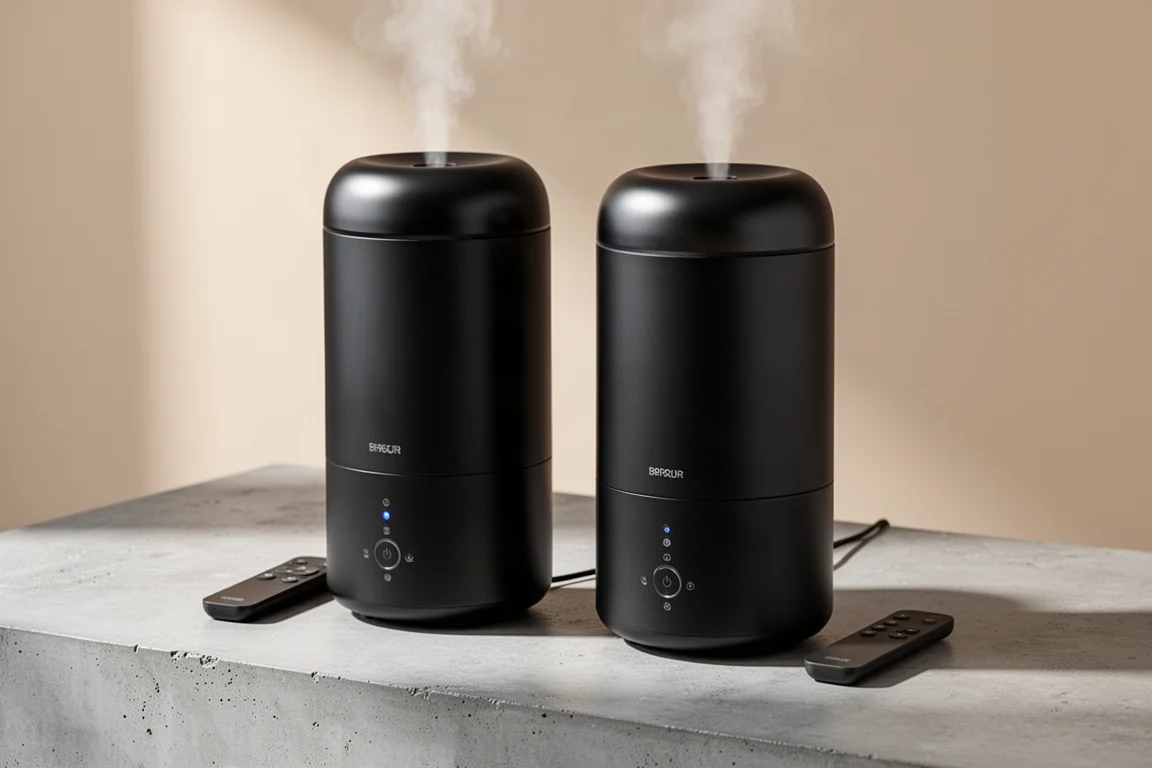
Best Grow Tent Humidifiers: Two Warm and Cool Mist Picks Worth Buying
Two warm and cool mist humidifiers that handle grow tent humidity well, plus the buying criteria that separate the good ones from the algae traps.