Gaming Headsets
Audeze Maxwell Review: A Wireless Gaming Headset That Doubles as a Music Headphone
A practical look at the Audeze Maxwell, a wireless gaming headset with planar magnetic drivers, up to 80 hours of battery life, and a detachable boom mic that turns it into a serious music headphone.
Introduction
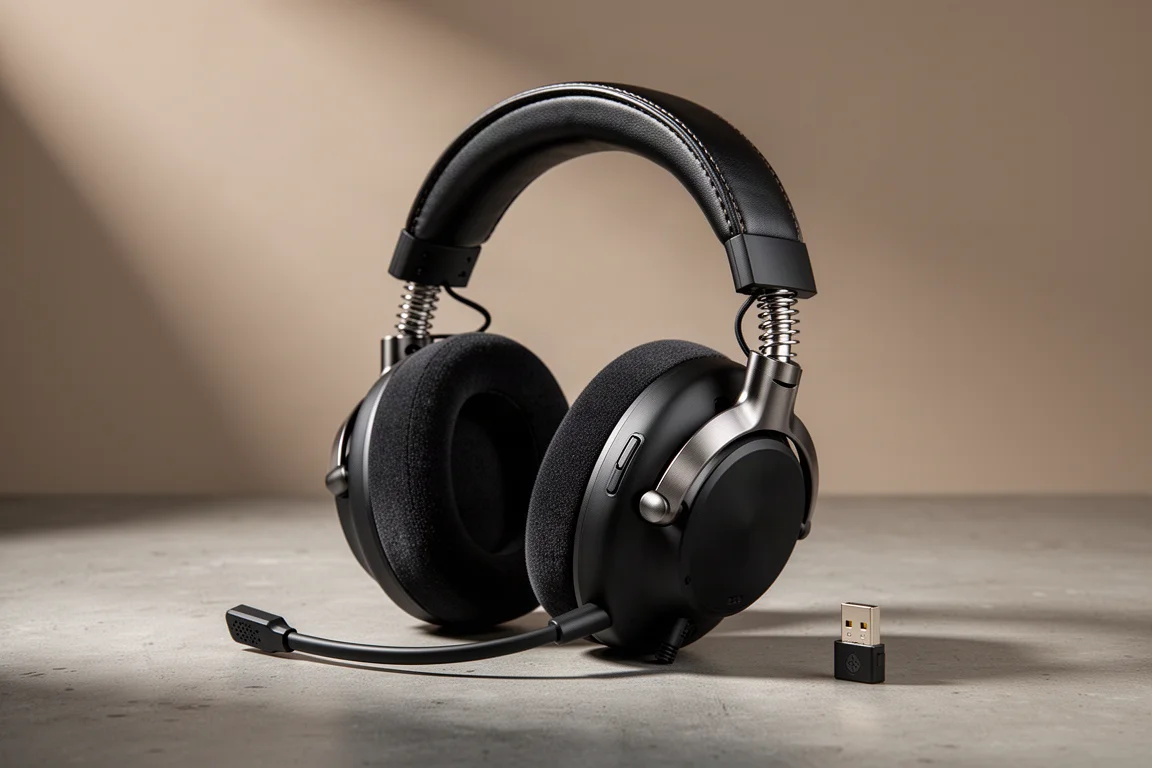
Gaming headsets have long asked players to accept a trade-off: wireless convenience and a boom microphone in exchange for sound quality that rarely satisfies once the match is over. The Audeze Maxwell takes a different route. It pairs a 90mm planar magnetic driver built in Audeze’s Orange County, California factory with a full wireless feature set, and it has been a top seller in its category since launch.
The result behaves like two products in one. With the detachable boom microphone fitted, the Maxwell is a competitive gaming headset with AI noise filtering and a companion app full of game-specific EQ presets. With the boom mic removed, it becomes a Bluetooth music headphone that holds its own against models costing considerably more.
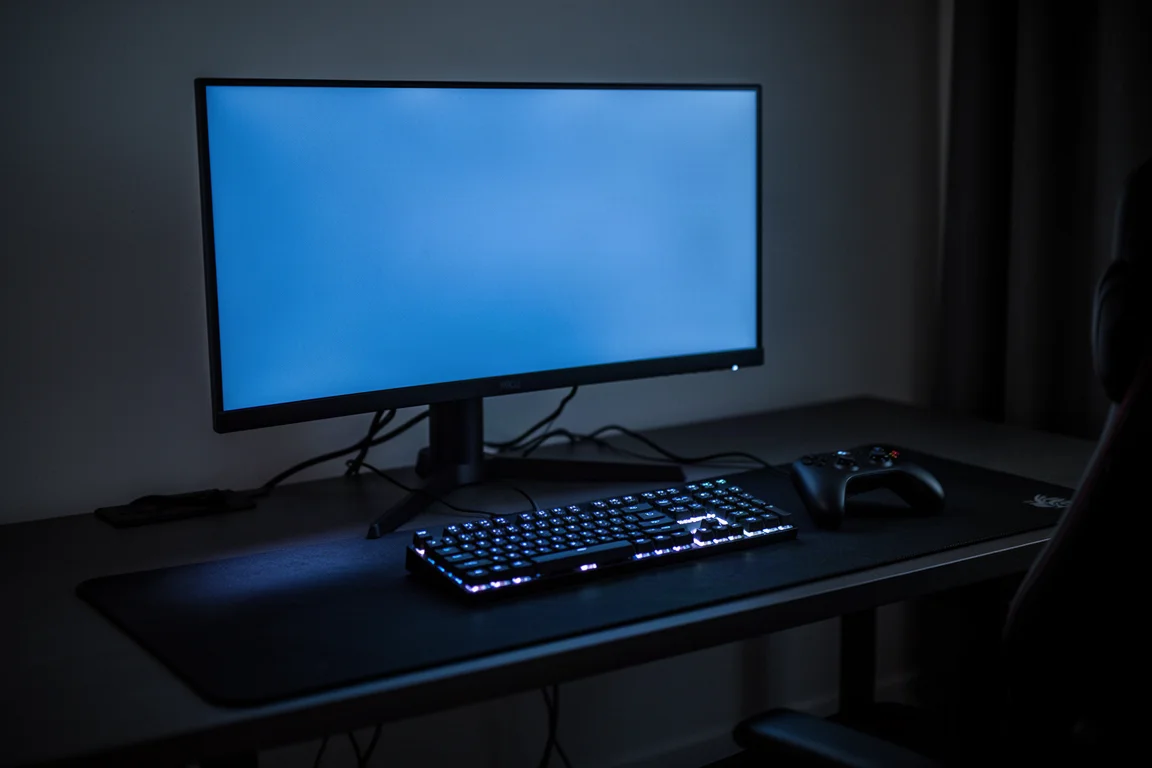
That adaptability is the core of the Maxwell’s appeal, and it is why this review gives as much attention to music performance and microphone quality as it does to latency and battery life.
Who This Headset Is For
Three kinds of buyers get the most from the Maxwell.
Competitive and everyday gamers who want accurate positional audio, low latency, and a battery that outlasts a long session. The Maxwell delivers all three, and it does so without the hollow, bass-heavy tuning that defines so many gaming headsets.
Music listeners who want a single headphone for both the desk and everyday listening. The planar magnetic drivers produce deep, linear bass and a balanced frequency response, so the Maxwell works as a genuine music headphone rather than a gaming accessory that happens to play songs.
Audio professionals working with Dolby Atmos. The Xbox version carries an embedded Dolby Atmos license, which allows mixes to be previewed in full Atmos and supports head tracking integration for the Atmos renderer. That makes it a useful reference tool as well as a headset.
If you play mainly on PlayStation and have no need for Atmos, the PlayStation version covers the same ground for a little less money.
Main Strengths
Build Quality, Comfort, and Design
The Maxwell does not feel like a typical gaming headset. Aluminium yokes and a spring steel headband give it a solid, premium feel, and the ear cups are made from high quality plastic that still looks and feels durable. The leather suspension strap slides to adjust for head size, and the ear pads are removable if you want to fit aftermarket pieces later.
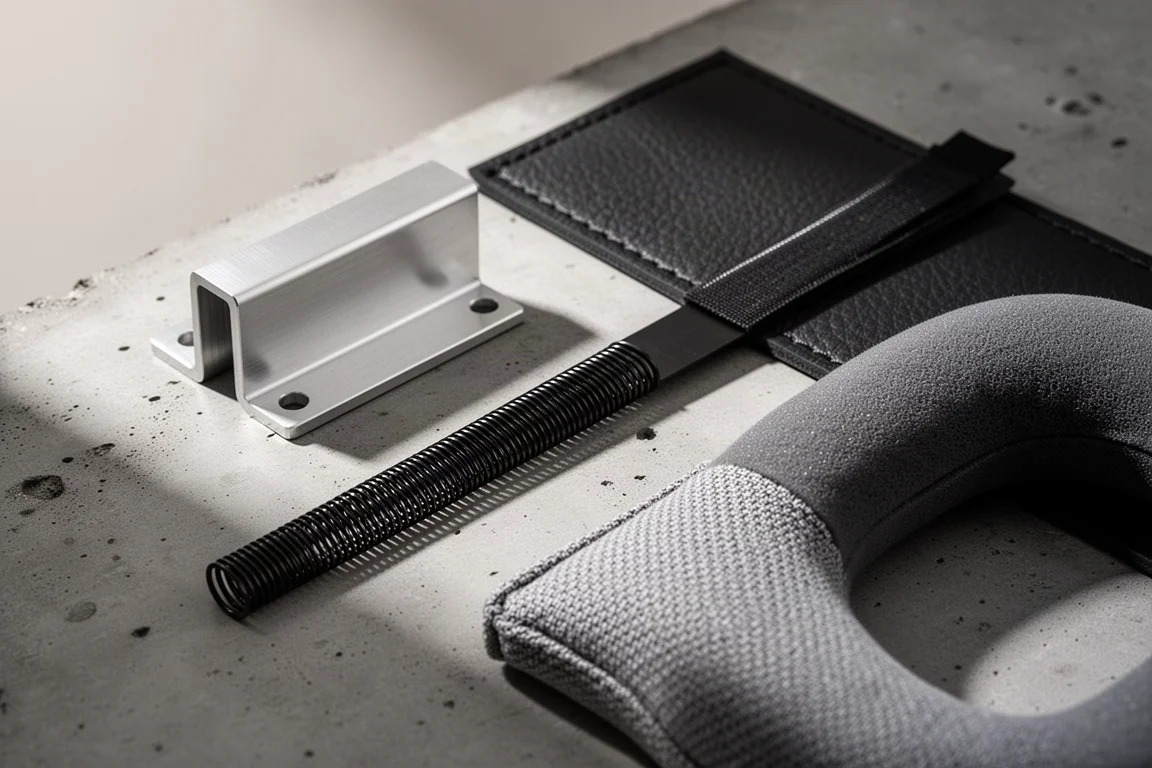
At 490g the Maxwell is heavier than many competitors, but the weight is well balanced across the head, and the clamping force stays light. The suspension strap cups the ears comfortably, and the ear pads breathe well enough that heat does not build up during long sessions. One detail worth noting: the pads are slightly shallower toward the front than the back, so listeners with larger ears may find their ears touching the front edge.
Battery Life and Connectivity
Battery anxiety is one of the biggest frustrations with wireless gaming headsets, and the Maxwell addresses it directly with a 1,800 mAh lithium polymer battery rated for up to 80 hours of use. Real world figures will vary, but during testing the headset always seemed to have charge available, and roughly 20 minutes on the charger was enough to cover a full day of use.
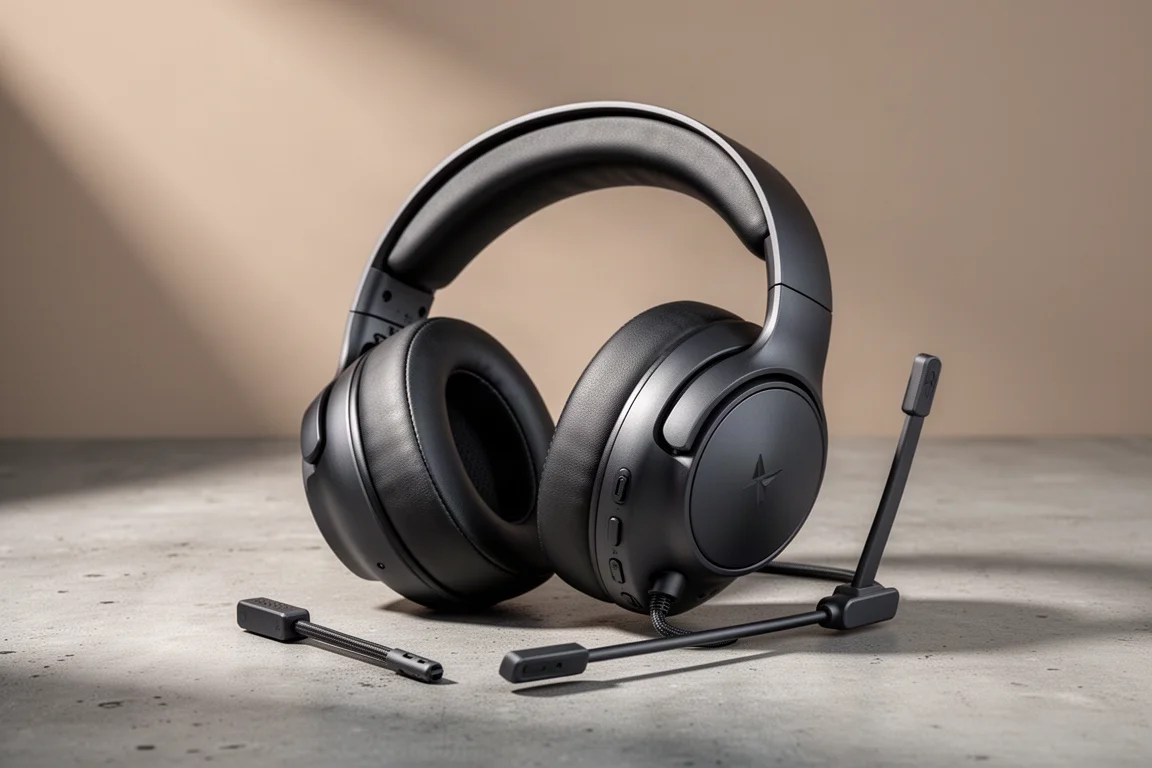
The left ear cup carries a USB-C port that handles both charging and audio transmission, alongside a 3.5mm analogue jack for connecting a source directly to the headset’s internal amplifier and DSP circuits. Note that the 3.5mm input is not an amplifier input; it accepts analogue audio from a player or DAC output only. On the ear cup you also get a master volume wheel, a voice mix wheel for balancing game chat against game audio, a button for the AI noise filtering feature, and power and Bluetooth controls.
Wireless support is comprehensive. Bluetooth 5.3 brings Bluetooth Low Energy for improved audio quality, lower latency, and reduced power consumption, and the headset handles SBC, AAC, LDAC, and LC3plus. LDAC and LC3plus allow audio formats up to 24-bit/96kHz, which matters as more games and streaming services move to higher quality audio. Bluetooth multipoint lets you switch between devices, and the included USB dongle upgrades systems that lack Bluetooth 5.3 or LE support, replacing a limited built-in receiver with noticeably better performance.
Microphone and Software
The detachable boom microphone was developed with help from a leading professional microphone manufacturer, and it slots in and out cleanly with a secure fit. Without the boom attached, a multi-mic beamforming array handles calls reasonably well, but it does not come close to the boom mic for voice quality. Once the boom is installed, an AI processor combines it with the beamforming mics to strip out background noise.
That filtering can be set to low, high, or off using the button on the ear cup, and it is genuinely effective. Background noise that is not your voice, from a vacuum cleaner to nearby music, largely disappears before it reaches your teammates. A mute button sits within easy reach so you can silence yourself without removing the headset.
The companion app is available on all major platforms and gives full control over the headset. It includes a multiband EQ with presets created by players of specific games, four slots for your own presets, bass and treble boosts, and community settings shared by other users. Boosting particular frequencies to pick out footsteps more clearly is a genuinely useful competitive tool, and it is one of the more rewarding parts of living with this headset.
Sound Quality for Gaming and Music
Inside the Maxwell is a three-part planar magnetic driver design using Uniforce voice coils, Fluxor magnets, and Phasor wave guides. The very light driver allows high speed transients and accuracy, and despite the wireless connection the headset runs with ultra low latency, performing similarly to a wired pair.
Across multiple game genres on Xbox Series X and PC, the combination of the app and per-game EQ tuning produced sound effects that were accurate and highly detailed, with positional information easy to read. For music, the large planar drivers deliver bass that goes deep and stays linear, while the frequency response remains balanced across the spectrum. Every genre tested sounded lifelike and detailed, with the smooth character Audeze headphones are known for.
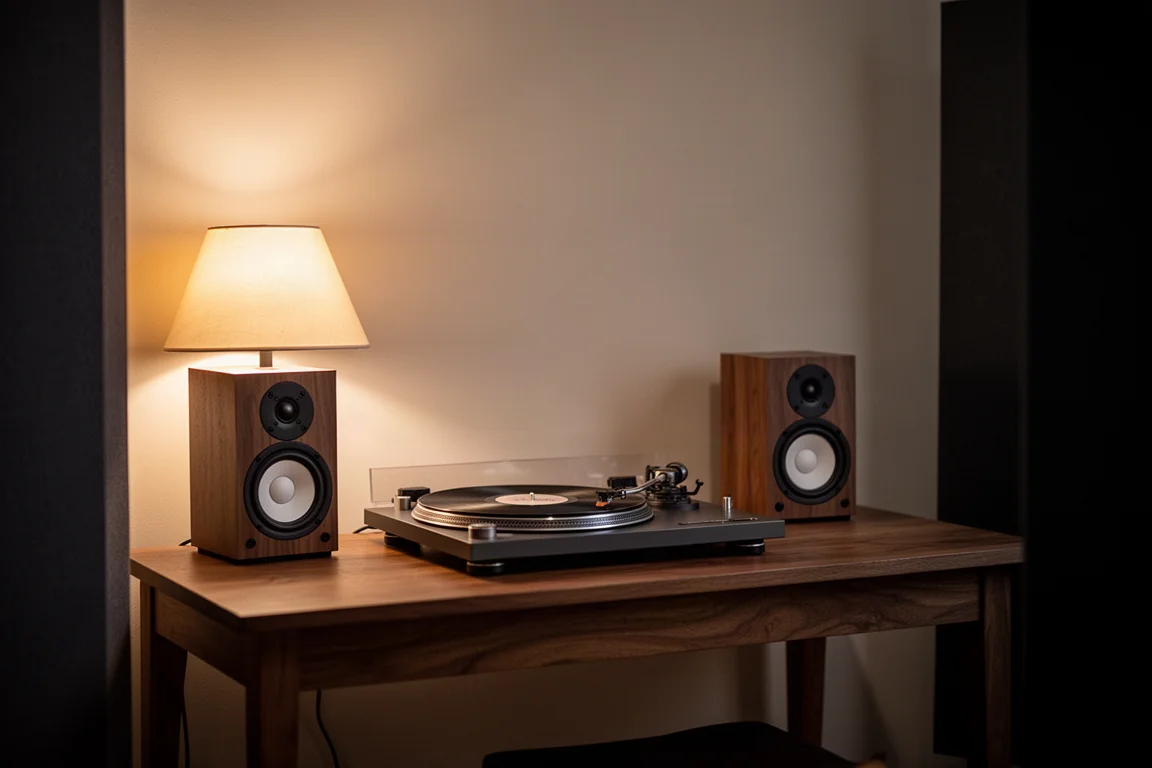
It is a closed-back design, so soundstage and imaging cannot match Audeze’s open-back planar headphones. Even so, the Maxwell serves up much of what those far more expensive models offer, while adding all of the wireless features above. If you want the absolute best competitive performance, a wired headphone is still the purist choice, but at this price it is hard to think of a wireless gaming headset that performs this well.
Things to Consider Before Buying
A few limitations are worth knowing before you commit.
The 3.5mm input is not a direct-to-driver connection. Audio fed through the jack passes through the internal DSP and amplifier sections before reaching the drivers, so connecting an external DAC or portable amplifier brings only a minimal performance gain and is generally not recommended.
Weight is the most obvious physical trade-off. At 490g the Maxwell is heavier than many gaming headsets, and while the balance is good, anyone sensitive to weight should try one before buying.
The ear pads are shallower at the front than the back, which can be an issue for larger ears. The pads are removable, so aftermarket alternatives are an option.
Without the boom microphone attached, voice quality is adequate for calls but not impressive. The boom mic is the part that makes this headset a strong communicator, and there is currently no way to apply additional voice filters inside the app, which would be a welcome addition in future updates.
Finally, there are two versions. The Xbox version includes the embedded Dolby Atmos license and is slightly more expensive, and its voice chat wheel works when connected to an Xbox. The PlayStation version uses Tempest 3D instead, and its voice chat wheel does not function on a PlayStation, where voice chat levels must be adjusted in the console settings. Both versions work with PC.
Buying Advice
Start by deciding which platform matters most. If you play on Xbox or work with Dolby Atmos content, the Xbox version justifies its small premium through the embedded Atmos license, head tracking support for the Atmos renderer, and a voice chat wheel that works on the console. If you play on PlayStation and do not need Atmos, the PlayStation version delivers the same sound quality and wireless feature set for less. PC players can choose either.
Whichever version you pick, install the companion app early. A firmware update was waiting the moment the app was opened, and keeping the headset current is the simplest way to get the best sound quality and the latest features. The app is also where the EQ presets live, and they are a large part of what makes the Maxwell feel tailored to the games you actually play.
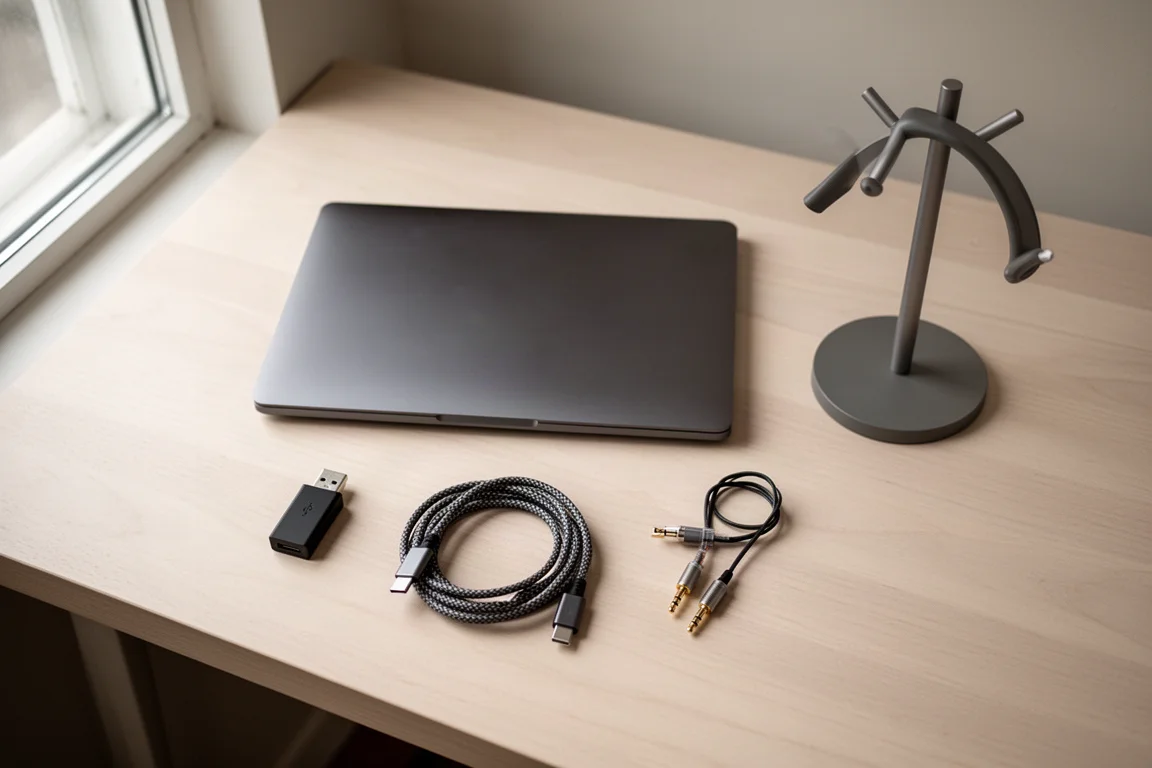
Treat it as a long-term purchase rather than a quick accessory. The build quality, the replaceable ear pads, and the ability to run wirelessly over Bluetooth or through the USB dongle mean the Maxwell can move between a gaming desk, a laptop, and a phone without losing anything in the transition. For buyers who want one headset to cover gaming, calls, and music, that flexibility is the real value.
Conclusion
The Audeze Maxwell is a rare thing in the gaming headset market: a wireless model that does not ask you to sacrifice sound quality for convenience. Its gaming performance sits at the top of its price class, the planar magnetic drivers deliver detail and control that most rivals cannot match, and the battery life removes one of the most common frustrations of wireless audio.
It is not perfect. The 3.5mm input cannot bypass the internal electronics, the 490g weight is worth checking in person, and the onboard microphone only becomes genuinely good once the boom mic is attached. Those are reasonable compromises for what the headset offers in return.
Gamers looking for a serious wireless headset should put the Maxwell near the top of their list. Music listeners who want a flat, accurate, closed-back headphone that can also handle competitive play will find it unusually adaptable. And anyone producing or checking Dolby Atmos work will appreciate what the Xbox version brings to the desk. Few headsets in this class are this versatile.
Product link
View more details for Audeze Maxwell
This product is mentioned in the review. Check the specifications, options, and compatibility before buying.
View more details for Audeze MaxwellFurther reading
Related Reviews

Gaming Headsets
ASUS ROG Cathara Review: Planar Magnetic Sound With a Few Caveats
The ASUS ROG Cathara brings planar magnetic drivers and audiophile-grade tuning to a gaming headset, but volume sensitivity and mic quirks mean it is not for everyone.

Gaming Headsets
Asus ROG Kithara Review: A Cozy Open-Back Headset With Audiophile Sound
The Asus ROG Kithara blends HiFi Man planar magnetic drivers with ROG gaming features. We test comfort, microphone quality, and sound across games and music.
Gaming Headsets
Audeze Maxwell 2 Review: A Wireless Gaming Headset That Doubles as Serious Hi-Fi
A detailed look at the Audeze Maxwell 2, a planar magnetic wireless gaming headset with 80-hour battery life, refined comfort, and genuine audiophile ambitions.