Running Shoes
Atreyu Daily Trainer Review: A Budget Daily Trainer With Retro Charm
Atreyu's Daily Trainer adds stack height and full rubber coverage to the brand's simple formula. Here's how it runs, and how it stacks up against the Asics GlideRide and New Balance Rebel v3.
Introduction
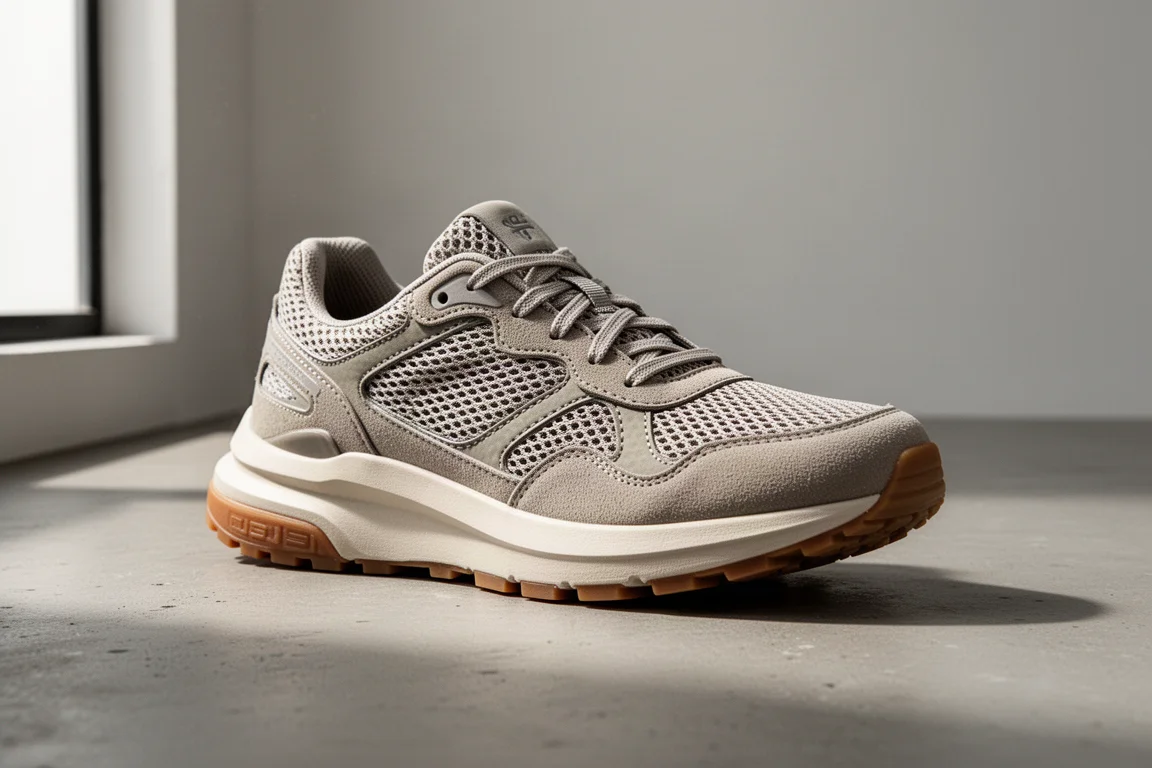
Atreyu built its name on simplicity: minimal construction, low overhead, and aggressive prices. The brand’s first base model was a bit too raw for some runners, though. It was fun in small doses, but longer training blocks exposed its limits. The new Atreyu Daily Trainer is the answer to that: it keeps the simple supercritical EVA formula but adds just enough of everything to make it livable as an everyday shoe.
This review looks at what the Daily Trainer changes, how it runs, and where it fits against two alternatives, the Asics GlideRide and the New Balance Rebel v3.
Specs and Construction
The Daily Trainer carries 30 millimeters of stack height in the heel with a 6 millimeter drop, giving 24 millimeters in the forefoot. The midsole is nothing but supercritical EVA in a slightly taller configuration than the base model. Inside, there is a 5 millimeter thick non-removable ETPU insole.
The biggest change from the base model is the outsole: full rubber coverage. The pattern looks similar to Atreyu’s trail shoe but with much smaller lugs, better suited to roads. The upper uses the familiar Atreyu silhouette in a more breathable mesh with large holes, almost see-through in places. Overall weight comes in at 9.3 ounces (263 grams).
What the Daily Trainer Changes
The base model was exciting but minimal. It had no rubber outsole at all, and for marathon training it simply did not give enough. For runners whose easy days top out in the 3 to 6 mile range, the original was fine, but anyone running longer daily miles plus weekend long runs found it a little too minimal.
The Daily Trainer resolves most of that. The extra stack height and the way the rubber changes how the foam feels underfoot make it noticeably more livable, and it no longer bottoms out as easily.
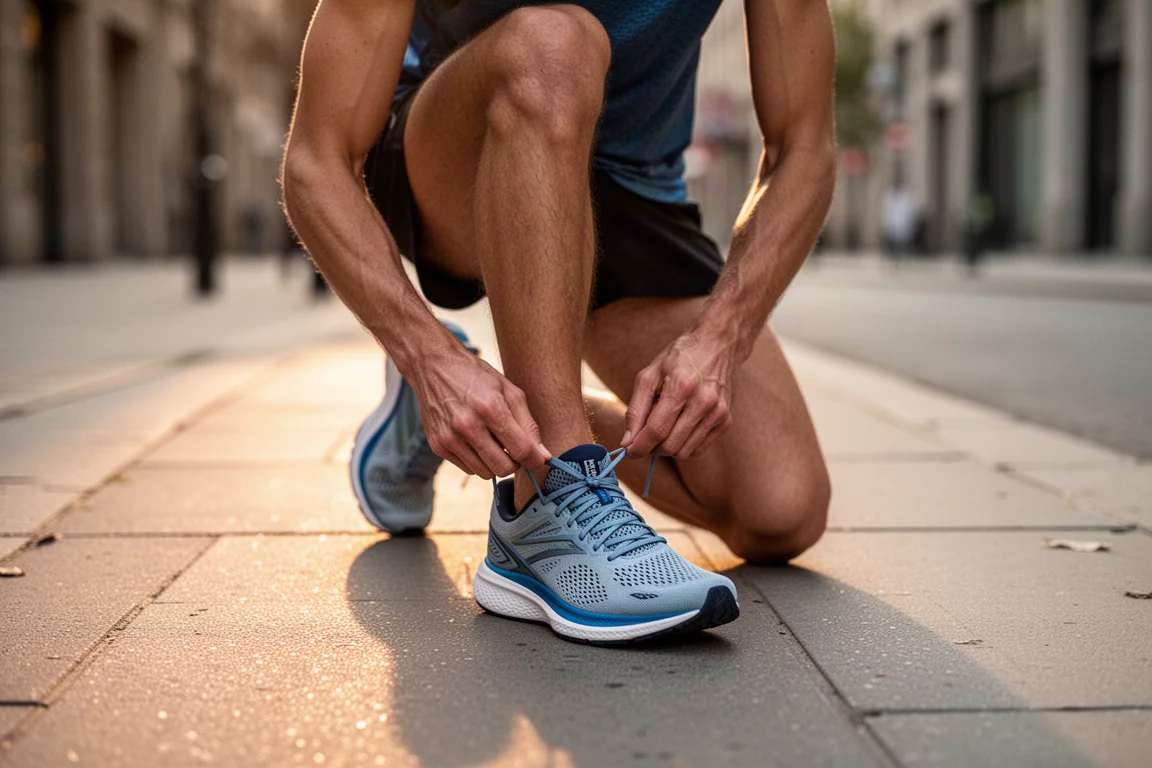
Fit is familiar territory for anyone who has worn an Atreyu shoe before: same shape, same tongue, same overall feel, just in a more open mesh.
The Ride Feel
On the run, there is a decent amount of squish and responsiveness, but the overall character feels like running in a really good retro shoe, as if your favorite old-school running silhouette had been given real modern running chops. It still leans firm overall, and the styling reinforces that vintage vibe.
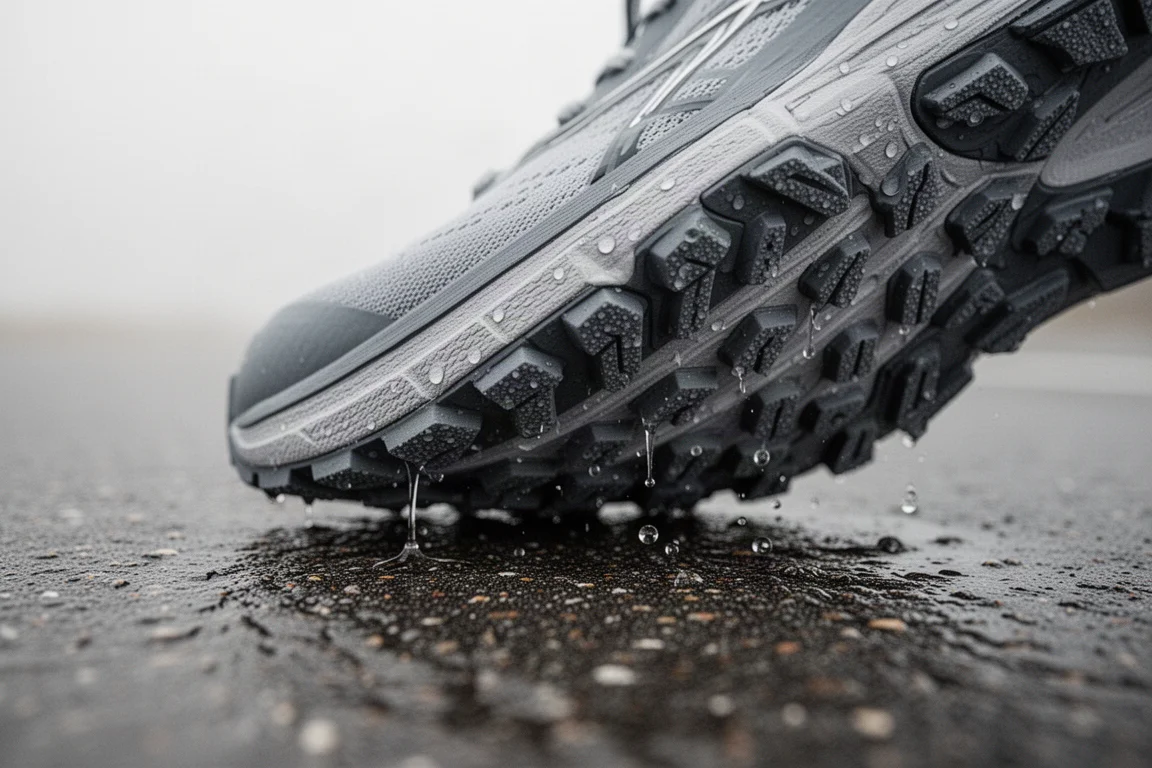
The rubber outsole delivers plenty of grip. It handled light snowy pavement and wet roads without trouble, which is something the bare-foam base model could never promise.
The main limit is distance. Ten miles is about as long as this shoe has been pushed, and while it could probably go a bit further, it is not the shoe for 18 to 20 mile long runs. For those, a plusher cushioned shoe helps you bounce back faster for the following week of training.
How It Compares: Asics GlideRide
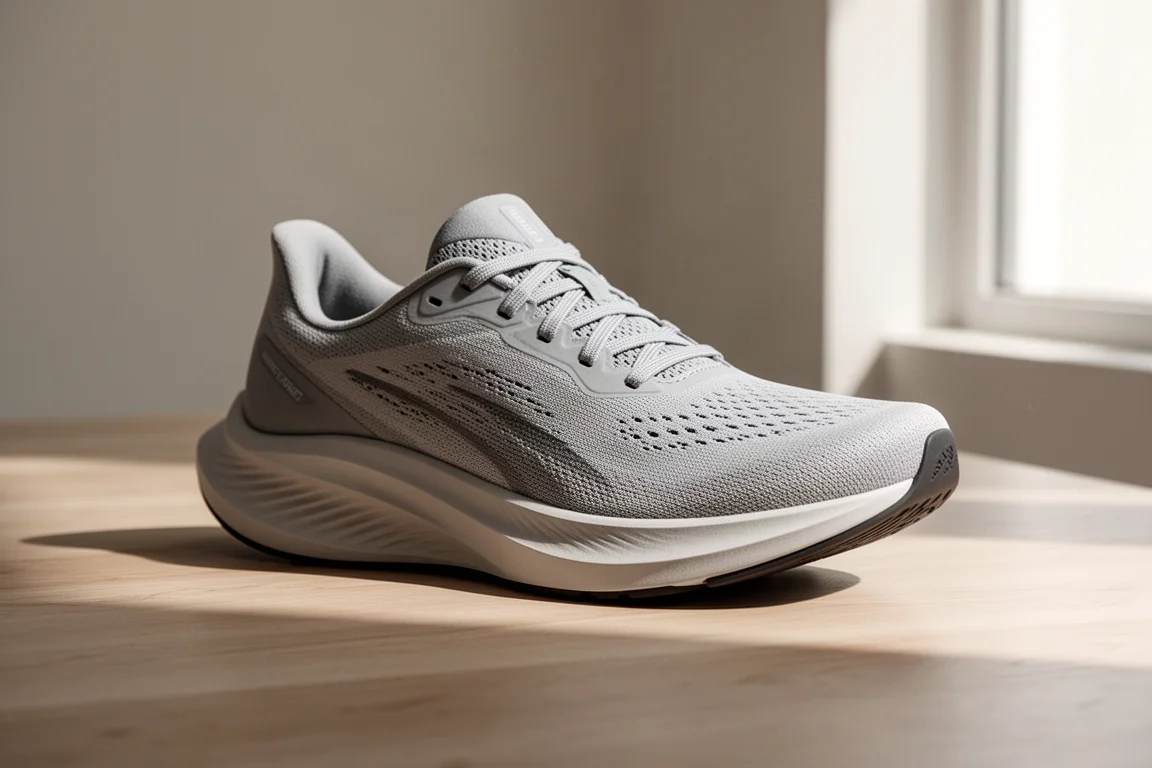
If you like the Daily Trainer’s ride mechanics but want a version with a bit less simplicity, the Asics GlideRide is an underrated option that does similar things, arguably slightly better. The trade-off is price: it still sells at full retail around $150 in most places, a significant step up from the Daily Trainer’s $110.
If the Daily Trainer’s firm, retro-leaning ride is not quite for you, the GlideRide may be the splurge worth making.
How It Compares: New Balance Rebel v3
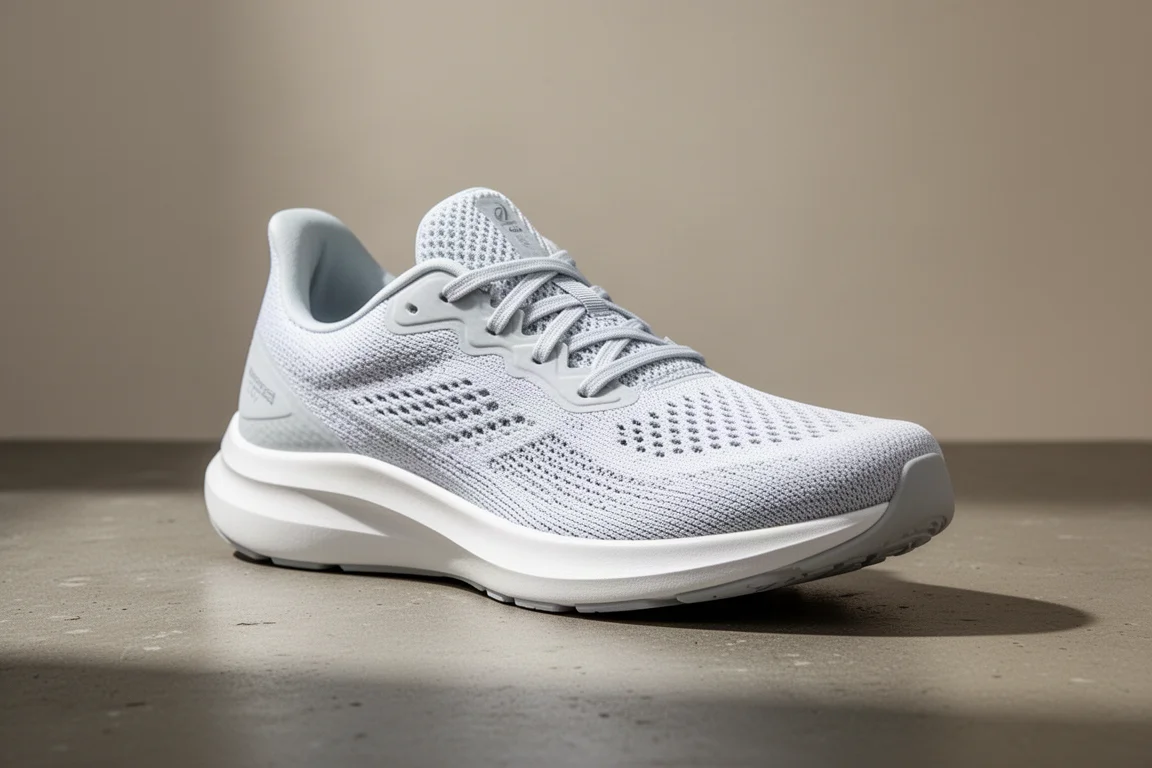
The New Balance Rebel v3 was one of the favorite daily trainers of its launch year and remains a strong pick. At a full retail of $130, it costs a little more than the Daily Trainer, but both are supercritical foam shoes that are straightforward, basic, and carry only a small strip of rubber between you and the road.
The interesting wrinkle: one Rebel v3 colorway has been available in a wide size range at $100. At that price, it is arguably the better buy for runners who prefer that foam feel. If you cannot find the Rebel v3 at $100, the Daily Trainer at $110 becomes a very interesting option.
Buying Advice
The Daily Trainer is best for easy, everyday training miles, not your longest runs and not your workouts. If you want to build a rotation around it, the obvious pairing within the Atreyu family is the Atreyu Artist for sessions and longer efforts, and the SC Elite for race day, pairing the Daily Trainer’s supercritical EVA with a softer, carbon-sprung supercritical midsole on race day.
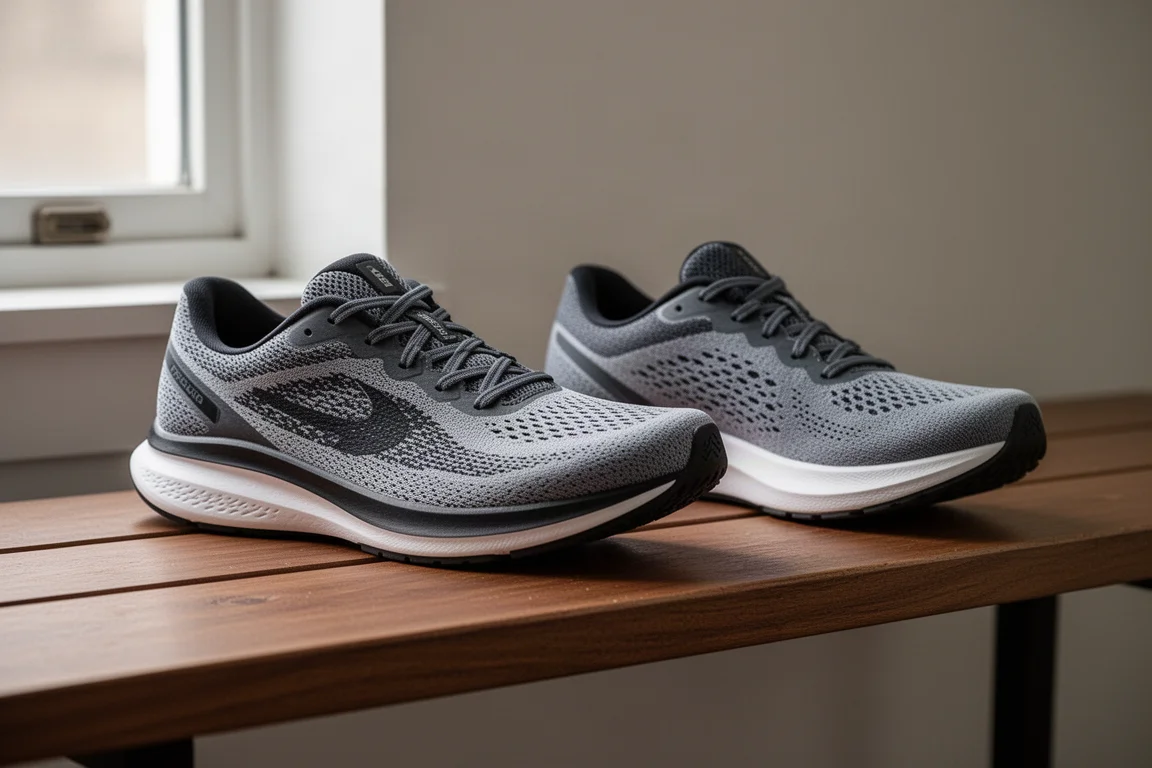
On price, Atreyu keeps costs remarkably low. At $110, the Daily Trainer is aggressive in a market where shoe prices have been climbing fast. There is an odd internal pricing quirk, though: the base model sits at $85, the trail version at $115, and the racing shoe, the Artist, at just $100. Given that lineup, the Daily Trainer might logically slot somewhere different, but at price points this low, quibbling over $10 or $15 seems unnecessary.
Conclusion
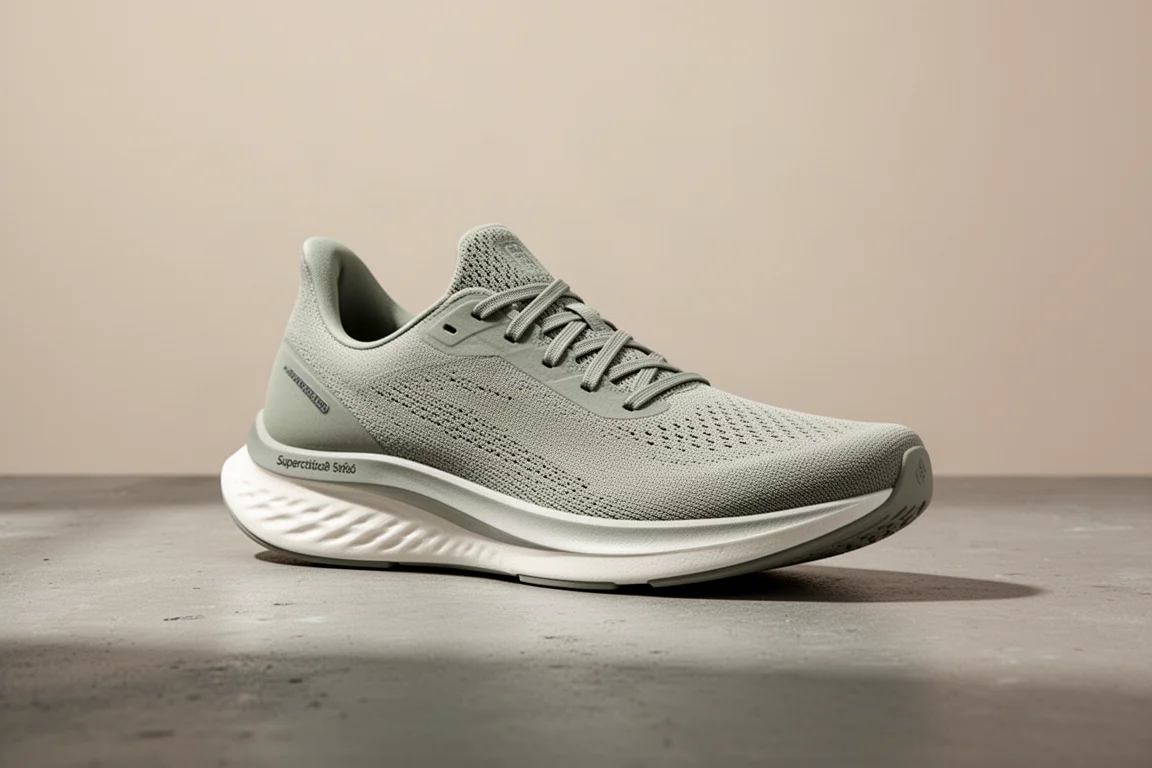
The Atreyu Daily Trainer takes a shoe that was fun but limited and makes it genuinely usable as a daily trainer. Full rubber coverage and added stack height fix the base model’s main complaints, and $110 is a hard price to argue with. Choose it if you want a simple, firm, retro-flavored trainer for everyday miles; look at the New Balance Rebel v3 at $100 or the Asics GlideRide at $150 if you want more refinement and are willing to pay for it.
Further reading
Related Reviews

Running Shoes
Best Road-to-Trail Running Shoes: Three Versatile Options for Mixed Terrain
A practical guide to three road-to-trail running shoes that handle both pavement and mild trails, with clear strengths and trade-offs for different runner types.

Running Shoes
Best Running Shoes for Achilles Tendonitis: Three Options Explained
Three running shoes with different heel drops and support features designed to help reduce Achilles tendon pain during walking and running.

Running Shoes
Best Running Shoes for Women: Five Top Choices Ranked
A ranked guide to five women's running shoes, from versatile daily trainers to high-performance racing options, with real strengths and trade-offs for each.