Ski Gear
Atomic Freeride Gear Guide: Two Skis, Three Bindings, and One BOA Boot
A hands-on look at the Atomic Bent 110, Backland 107, Shift 13, Backland Tour, and Hawx Ultra XTD BOA, with honest strengths and trade-offs for freeride and freetouring skiers.
Introduction
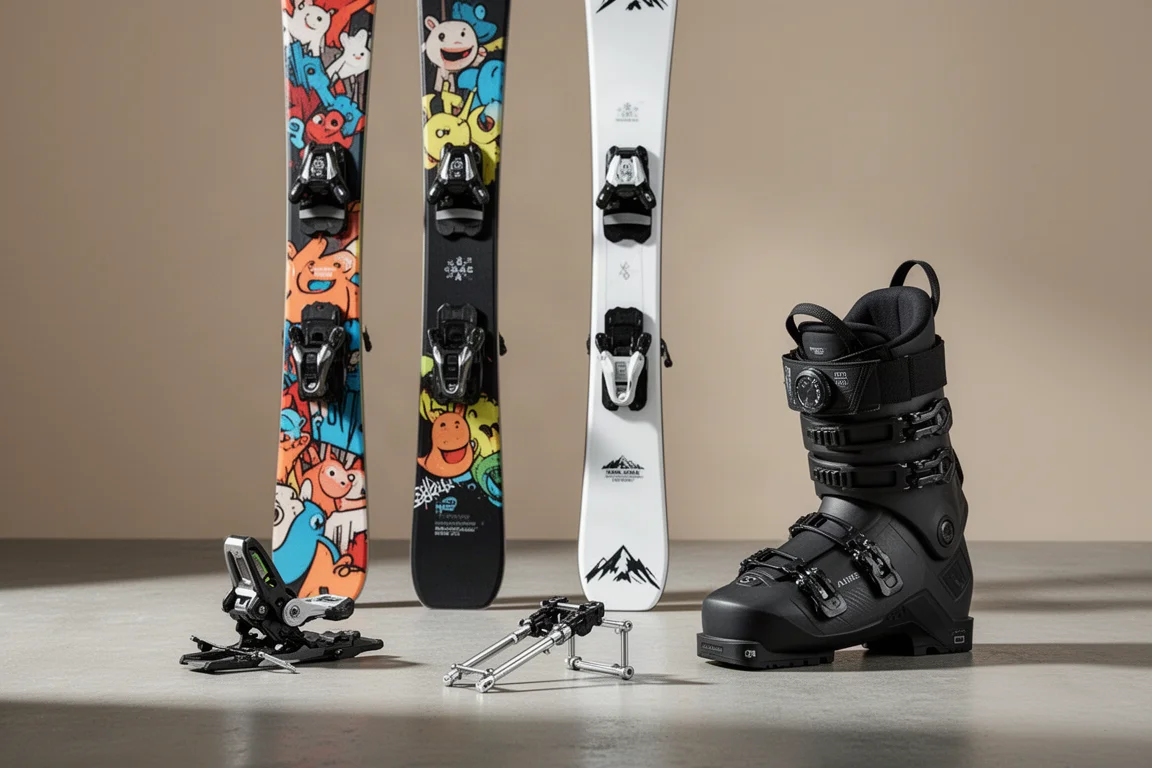
If you have been torn between a playful freeride ski and a directional big-mountain tool, or between the downhill safety of an alpine binding and the climb of a pin binding, this guide covers a full Atomic freeride setup that straddles those worlds. These are the pieces worth a closer look before you commit to a new quiver.
Atomic Bent 110: The Playful Freeride Ski
The Bent 110 has been around long enough to know well: skied in several lengths and in both hybrid and pin bindings. For its width it is quite light, and it has a nice progressive flex pattern. It butters in powder, lands switch easily, and spins feel natural. It is best described as an oversized freestyle ski, and that is exactly the fun of it. Short turns in trees feel nimble and lively, and it shines on tree runs and in deep snow conditions.
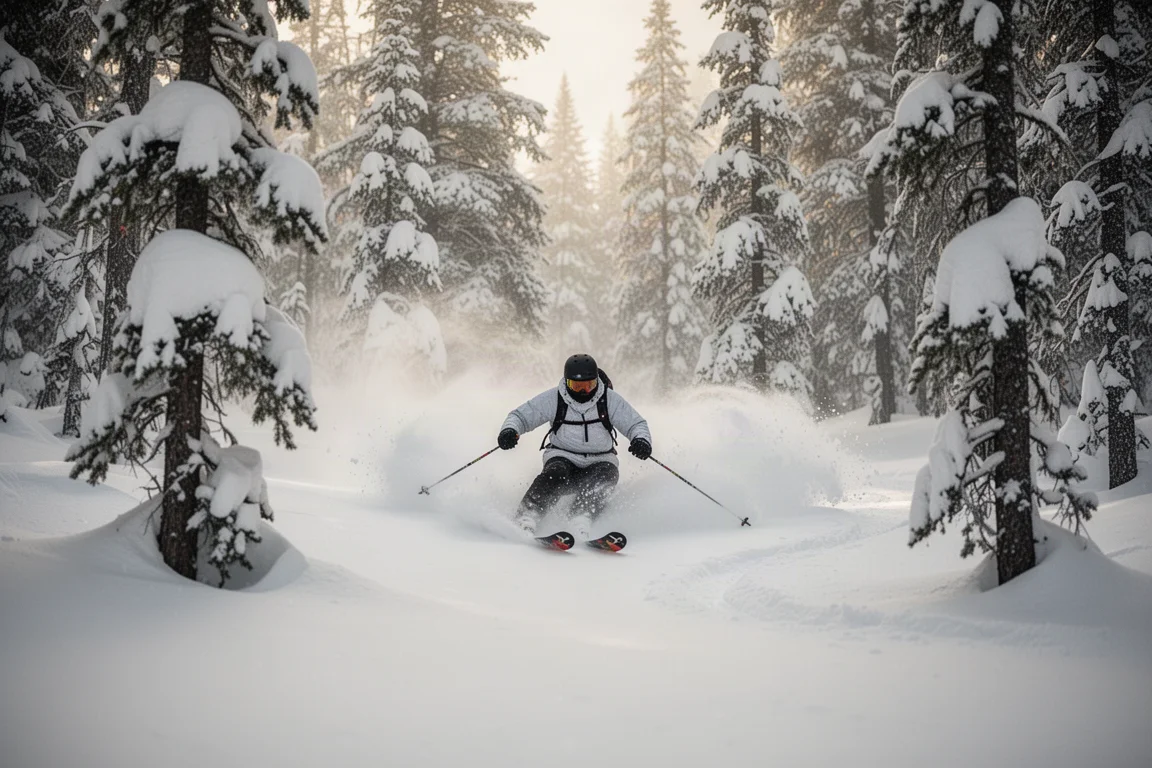
The trade-off shows up on big open faces. Mounted at the recommended line, the ski can feel nervous and hard to turn cleanly on wider, steeper terrain, partly because the mount point sits fairly far forward. Moving the binding back might help there, but it would shrink the tail, make switch landings harder in powder, and dilute the playful freestyle character that makes this ski special. It is a genuine trade-off: fun freestyle moves and switch landings at recommended, or better open-face turns with a set-back mount.
If you like 180s off drops, the occasional rodeo, landing switch, and even skiing switch in powder, this ski is squarely for you. The newer version also brings redesigned sustainability, with reduced CO2 emissions on the skis, plus striking artist graphics. A full on-snow verdict on the redesign will follow once it has enough days on snow, since it looks and feels very similar.
Atomic Backland 107: The Directional Big-Line Ski
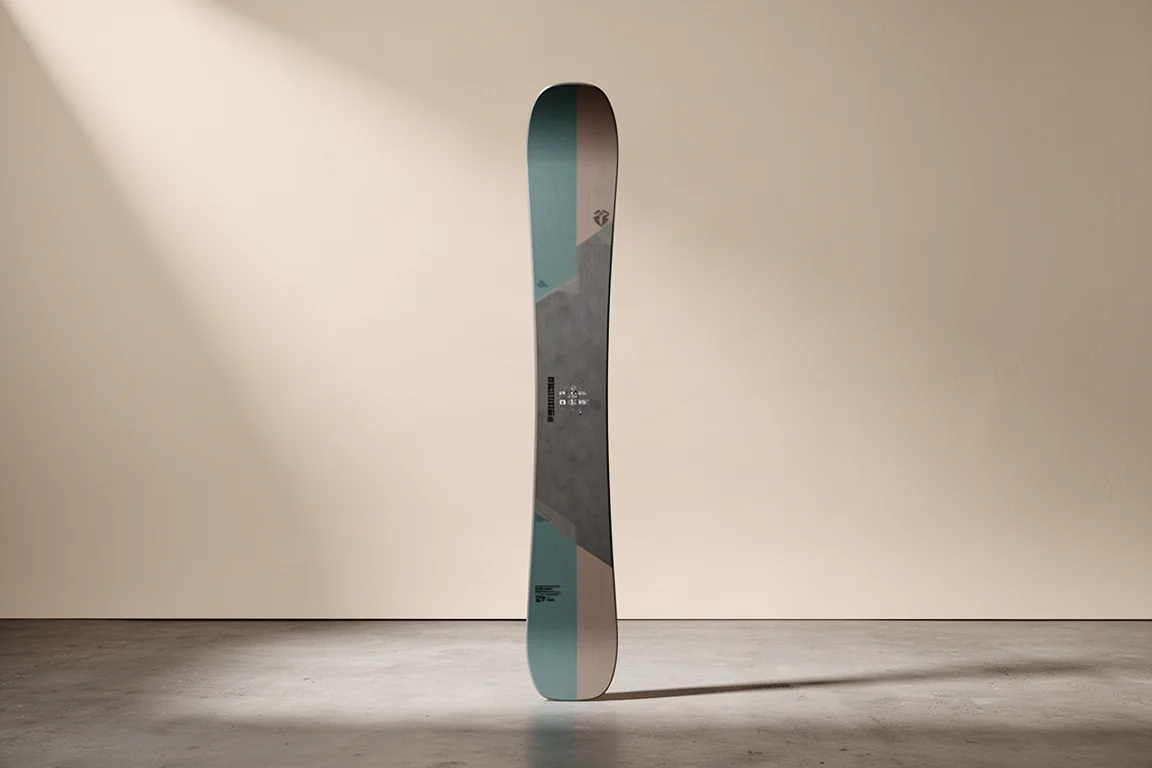
The Backland 107 is a completely different character. This is a totally directional ski meant to be ridden forward and mounted relatively far back, and that layout makes it excellent at turning: short turns in trees work well and long, swooping turns down big faces are a great time. The stand-out detail is the white and black design that looks sharp against mountain rock. The base graphic is more of a World Cup race look and less appealing, though that comes down to taste. One honest quirk: the long nose makes mute grabs look less flattering, so maybe skip those on this one.
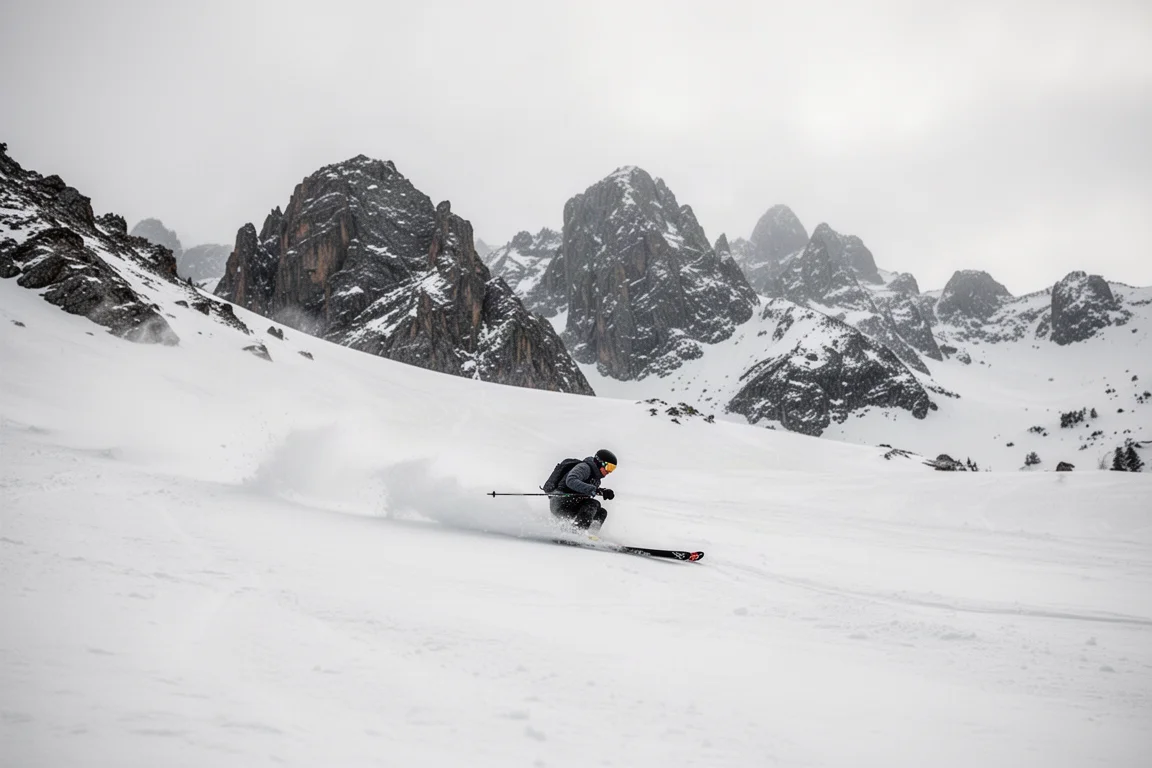
The limitation is stability. The ski is very light for its width, and with lightness you lose some sense of stability. Torsional stiffness is still well handled, feeling firm enough to ski rather well, but if you are charging hard at high speeds, the flex is a bit too soft. For skimo racers there are far lighter skis on the market, so this is not that ski. It is built for freetouring people: riders who might take a lift up, tour a thousand meters or so, and then rip a proper line down.
The upcoming version in a 109mm width is more sustainably made and keeps one of the nicest graphics in the line. Based on a first day of skiing, it feels rather similar and like a good ski.
View more details for Atomic Backland 107
Atomic Shift 13: The Hybrid Alpine-Touring Binding
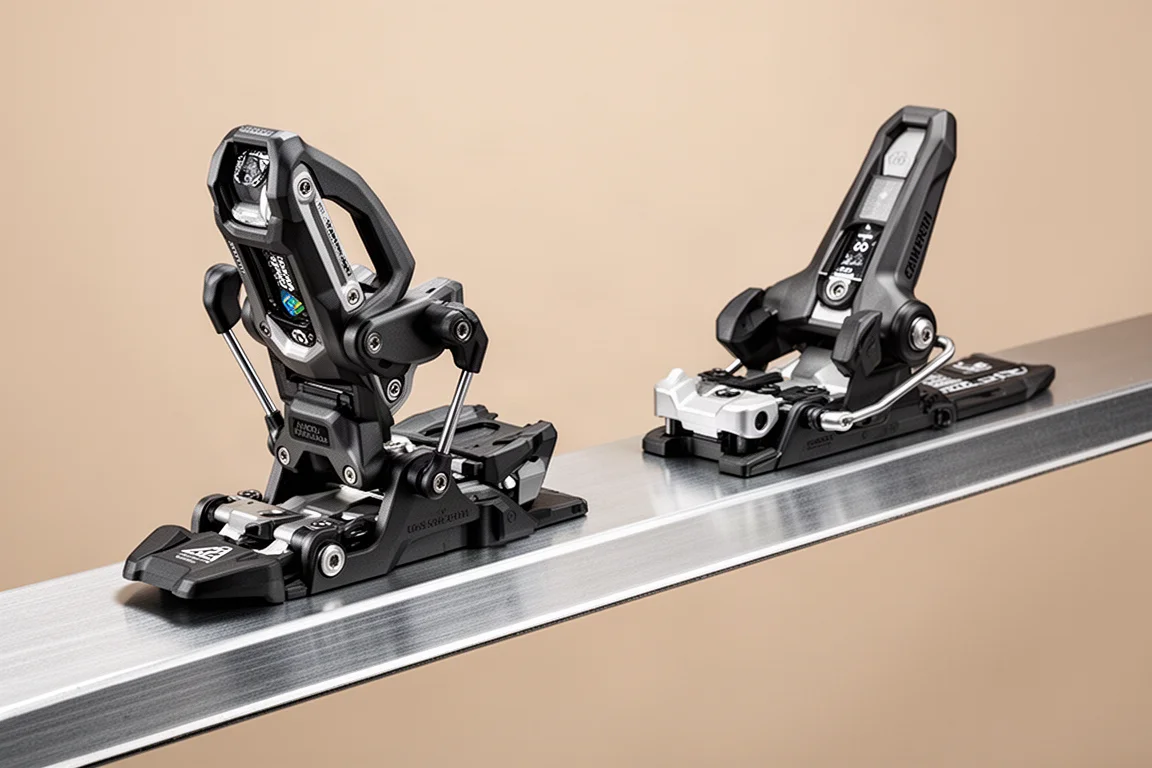
The Shift 13 fills the gap that old frame bindings never solved. Compared to a frame binding, which gave you alpine safety with the option to tour but weighed a ton, the Shift is dramatically lighter at roughly 880 grams. Because the toe piece is designed similar to an alpine binding, with a bit of lateral suspension, the ski stays on edge when the going gets rough and it feels more like an alpine binding underfoot. It releases safely sideways and up from the heel, and it uses normal DIN settings.
Switching to tour mode is fast: flip the piece down, flip the riser up, step in, and start walking. Compared to fiddling around with some other hybrid systems, it is quick and simple. For a volcano ascent of around 1,500 vertical meters it worked fine, though it is clearly a heavy option for a long tour.
The downsides are real. At 880 grams it is still heavy next to a pin binding. The riser plate on this version had a tendency to lower itself over time and could be crushed by hard landings; the next model year uses a different mechanism that is supposed to fix that. The binding also carries a reputation for breaking and for pre-releasing, though no breakage has happened here and no pre-release issue showed up when forward pressure was set up properly. Landing switch off drops could pop the heel, and the 13 DIN ceiling is borderline for aggressive freestyle skiers, who may prefer a 16 version or a different system despite the extra fiddle factor. One more annoyance: the ski stopper lifts but does not fold in, so the other ski can get stuck under it, and it has hooked onto gear in ways that felt sketchy.
This binding is for freetouring people who want one freeride ski that does everything: safe alpine performance in the resort, and touring that stays reasonable up to roughly 1,200 meters of climbing. It also suits lighter or less aggressive freestyle skiers.
Atomic Backland Tour: The Lightweight Touring Binding
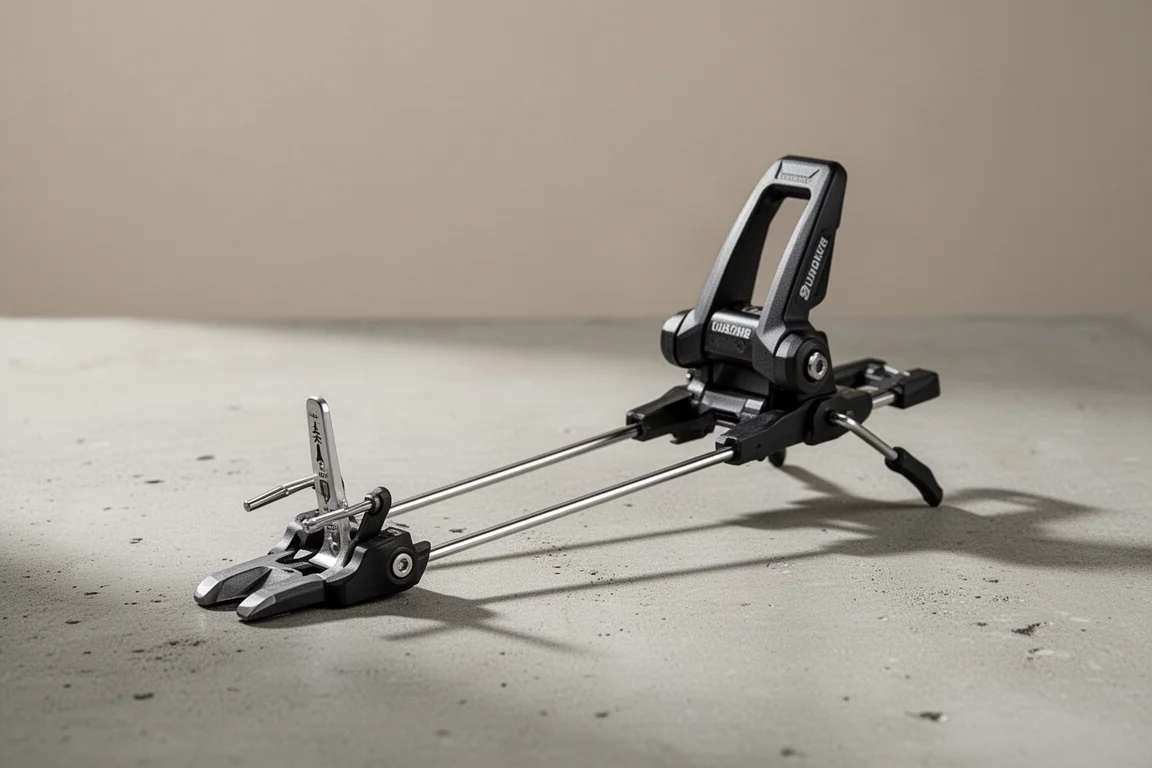
The Backland Tour has seen a few seasons of use and it has generally been very satisfying. It is very light, and while lighter bindings exist, few come with a ski stopper included and still stay reasonably light. A small metal alignment piece at the toe makes stepping in quick compared to other pin bindings, which is genuinely helpful on a mountainside. Ease of use is another plus: flip it up, get in the toe, stand on it, and you are in tour mode, with one extra twist to let the heel flow naturally. The construction is simple, with not much that can go wrong, and no breakage or bending has occurred so far.
The caveats deserve attention. One pre-release happened on a slope after barely hitting a bump, caused by the forward pressure screw loosening slightly over time; the included plastic measuring piece showed the gap had grown. Since then the forward pressure has been checked regularly, and trust is slowly coming back, but that nagging doubt is worth taking seriously. Check yours often. The DIN situation is the other issue: the binding comes with three interchangeable pin settings for women, men, and expert, and the expert setting is, in the words of a mountain guide, well beefy, sometimes even hard to click into. That stiffness brings its own worry about hard releases, so experimenting with a binding that offers a 12 DIN setting is on the table.
For pure pin-binding touring where you want light weight, a stopper, and simple construction, this is a good binding.
Atomic Hawx Ultra XTD BOA: Alpine Feel with a Dial
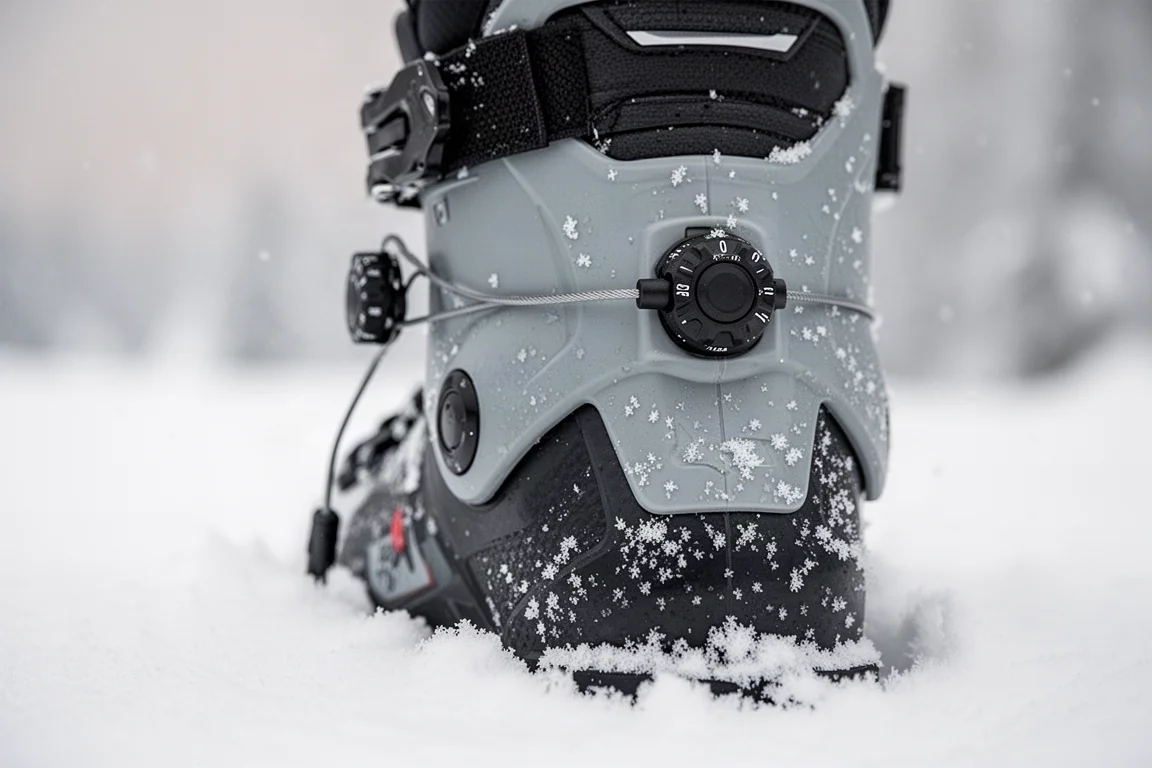
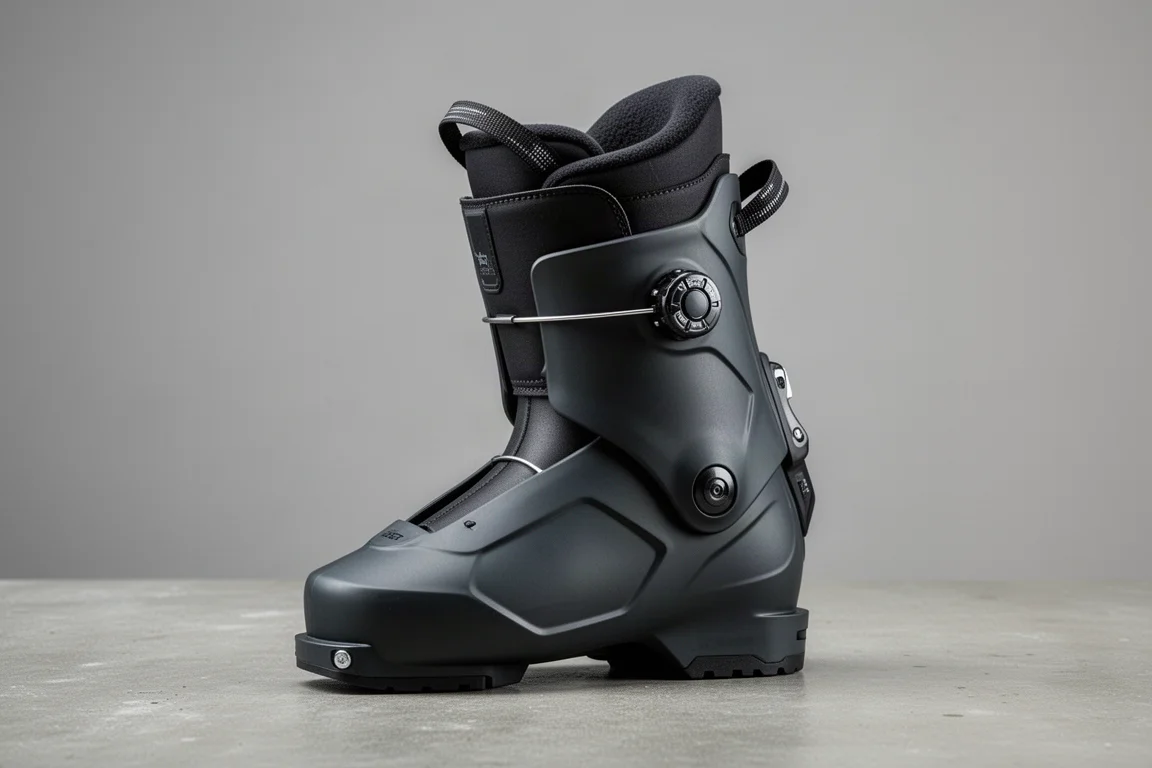
This boot has been a mainstay for years, and it rides and feels very similar to a regular aggressive Hawx Ultra 130. The liner is thick and it feels like a real alpine boot, with weight very close to one too, which is impressive for a boot meant for sending big lines. The BOA dial, initially dismissed as a gimmick that would just be one more thing to break, turned out to be a surprise favorite after extended use. Turn the dial a little to release pressure while touring, tighten a touch when it feels loose, no endless buckle twisting back and forth. The long cable also makes getting into the boot effortless.
The drawbacks mirror other boots with this walk mode style: with the mode engaged, the boot does not flex as a whole unit, instead deforming forward slightly, though the on-snow feel stays close to regular Hawx boots so it is easy to live with. Getting out of the boot in normal mode can pinch the top of the foot, a workaround being to open it in walk mode first, and the liner adds a bit of extra fight when pulling your foot out. The bottom line: a very good boot that skis very close to an alpine boot, but it is heavy. A much lighter 120-flex version is on the way to test, almost half a kilo lighter, and the open question is whether it skis well enough to become the new favorite for touring days.
Buying Advice
Build your setup around how you actually ski. If your days are mostly playful: slashes, switch landings, tree laps, the Bent 110 at recommended will make you grin. If your joy is clean, sweeping turns down bigger faces, the directional Backland 107 is the better match. For bindings, the Shift 13 makes sense if you want one setup that handles resort laps and moderate tours, while the Backland Tour suits skiers who spend more time skinning and accept the diligence that pin bindings demand, especially around forward pressure. Pair either with the Hawx Ultra XTD BOA if downhill performance is non-negotiable, and keep an eye on the lighter 120-flex option if weight matters more than outright stiffness.
Conclusion
None of these products is perfect, and that is the point of an honest guide. The Bent 110 trades open-face composure for playfulness, the Backland 107 trades stability for low weight, the Shift 13 trades grams for alpine security, the Backland Tour trades some reassurance for climbing efficiency, and the Hawx Ultra XTD BOA trades heft for downhill feel. Match the trade-off to your style and every one of them can be the right choice.
Further reading
Related Reviews

Ski Gear
2023 Blizzard Hustle vs Rustler: Six Freeride Skis Compared
Blizzard's 2023 Hustle collection rebuilds the Rustler shape with a lighter core and no metal. Here is how all six skis differ, and which one suits your riding.

Ski Gear
2023 Skis of the Year: Atomic Maverick 88 TI, Salomon QST 106, and Look SPX 12 Pro
Three standout ski picks for all-mountain carving, powder days, and reliable binding performance, with practical buying notes for 2023 models.

Ski Gear
2025 Nordica Enforcer 104 Review: A Directional Charger Replaces the 104 Free
The 2025 Nordica Enforcer 104 drops the Free name and the twin-tip personality, gaining weight, stiffness and composure in rough snow. Here is what changed and who it suits.