Ski Gear
Atomic Bent Chetler Ski Line Guide: Choosing Between the 85, 90, 100, 110, and 120
A practical walk through the five-ski Atomic Bent Chetler line, from the $399 park-friendly 85 to the $799 powder-focused 120, with the construction and width differences that actually matter.
Introduction
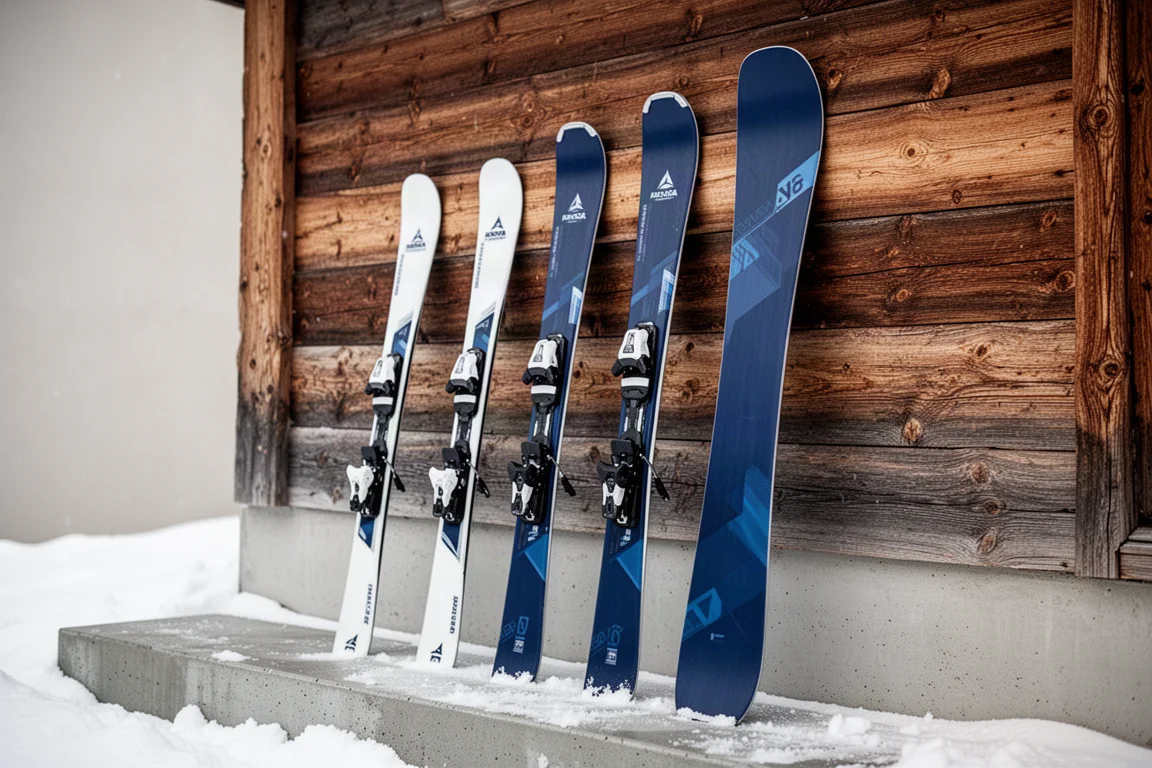
Atomic has taken the Bent Chetler name and built it into a complete five-ski family: the 85, 90, 100, 110, and 120. Each step up the line adds width, and the price ladder is refreshingly easy to remember, moving up by $100 at every width increment from $399 to $799.
That structure matters more than it might sound. Instead of one signature ski with a couple of token alternatives, there is now a Bent Chetler aimed at a groomer-focused intermediate, a park rider, a touring-curious all-mountain skier, and a dedicated powder hound.
This guide walks the line from narrowest to widest, covering what changes between each model, where the construction differences show up, and which width makes sense for the snow you actually ski.
How the Bent Chetler Line Breaks Down
Every ski in the line uses Atomic’s Dura Cap construction, and from the 90 upward they also get Horizon Tech, a surfboard-inspired shaping at the tip and tail that influences how the ski releases and how it floats. The 85 does not have Horizon Tech.
Cores vary as well. The 85 uses a Densalite wood core, a lower-cost composite wood that keeps the price down. The 90 and 100 step up to a light wood core.
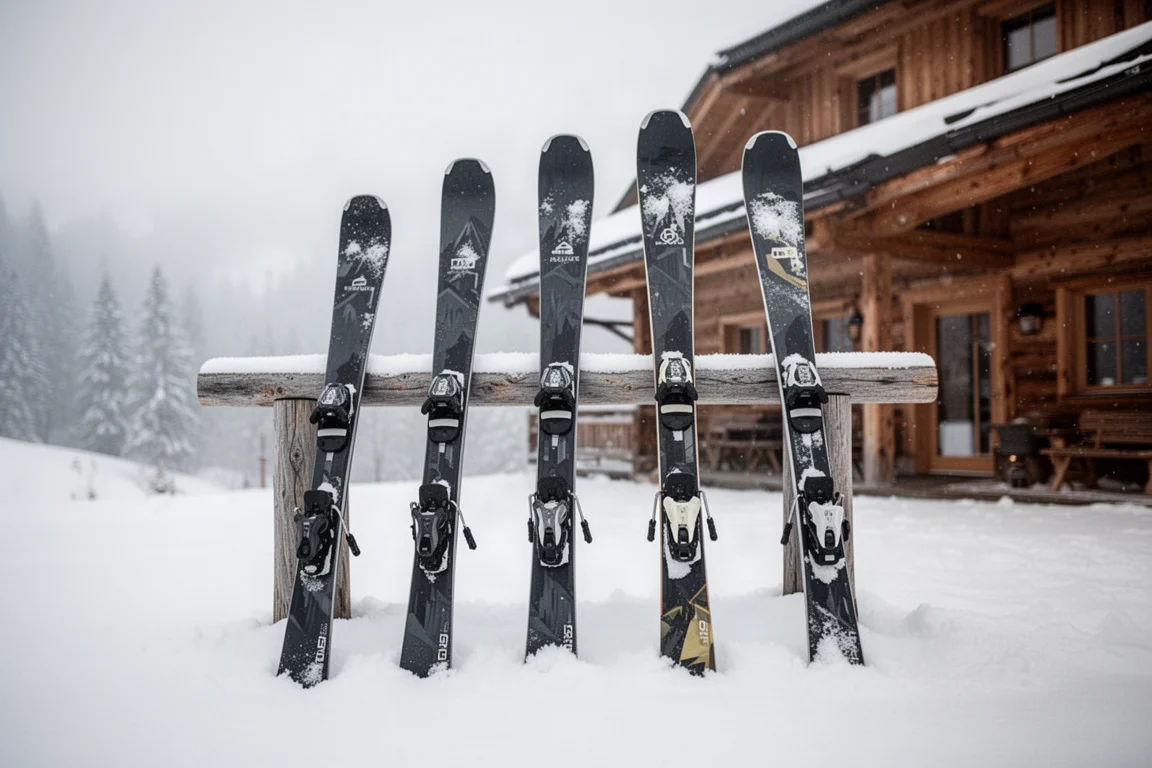
Weight tracks those choices. The 90 comes in around 1,600 grams and the 100 around 1,700 grams, which means the 85 is actually the heavier ski of the three despite being the narrowest.
There is a second story running underneath the lineup. The 85 and 90 also take over the space left by Atomic’s Punx collection, the park and pipe twin tips that are being discontinued. That gives the two narrowest Bent Chetlers a clear park-oriented role alongside their all-mountain duties.
The pricing is simple: $399 for the 85, $499 for the 90, $599 for the 100, $699 for the 110, and $799 for the 120. Even at the top of the range, that is a restrained number for a powder ski with a carbon backbone.
Atomic Bent Chetler 85: The Entry Point
At 85 mm underfoot and $399, the Bent Chetler 85 is the value play in the family. Its Densalite core and its lack of Horizon Tech set it apart from everything above it, and it is heavier than the 90.
That combination points at a specific buyer. It suits an intermediate all-mountain skier who wants one ski for groomers and lighter soft snow, and it also works well as a first twin tip for a teenager or a developing park skier.
Atomic Bent Chetler 90: The Park and All-Mountain Workhorse
The 90 shares its shape philosophy with the 100: a 20 mm tip rocker, a 70 mm camber section, and a 10 mm tail rocker, paired with a light wood core. It lands around 1,600 grams, making it the lightest of the narrow skis.
It does not chase the planted, endlessly stable feel of a stiff directional ski, and it is not trying to. What it offers instead is quick edge-to-edge response, a lively flex, and a shape that works just as well in a terrain park as it does on a groomer.
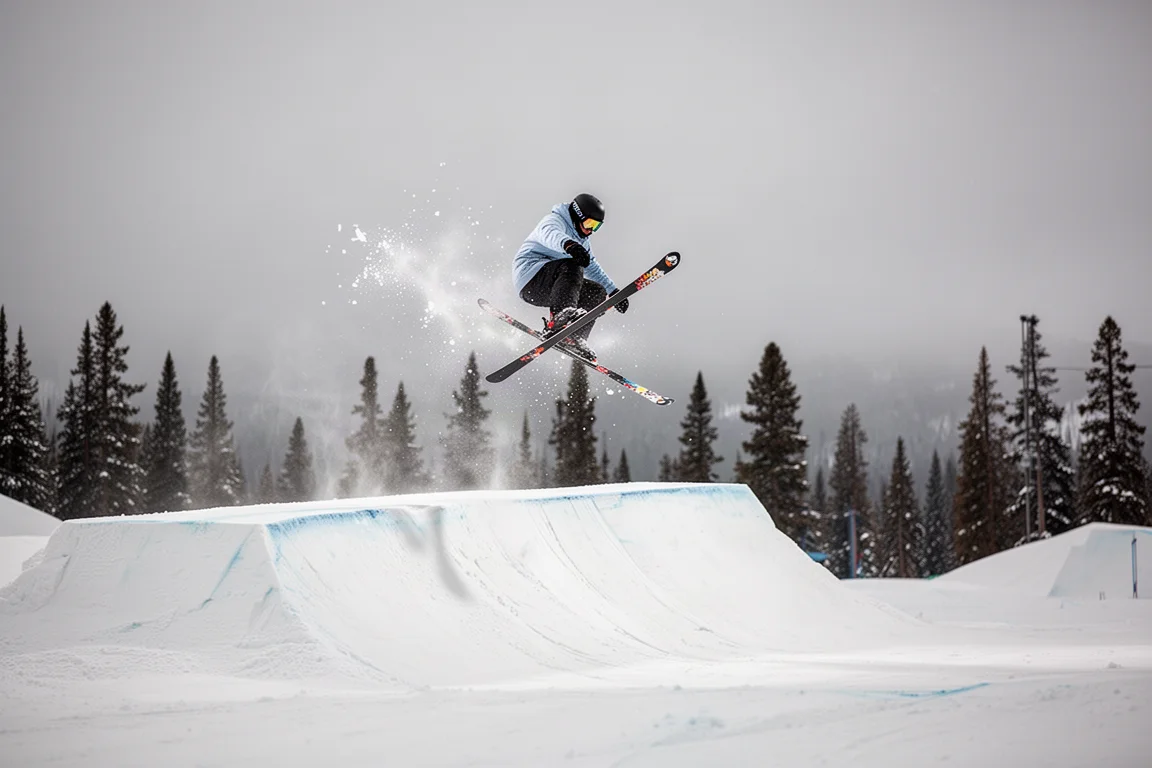
For skiers in the East or in lower-snow regions, the 90 is arguably the smartest entry point into the line, and it saves $100 over the 100. High-level park riders who want to stay on Atomic will likely be choosing between the 90 and the 100.
Directional all-mountain skiers, and even those mounting touring bindings, have used this shape successfully. The narrower waist simply trades float for quicker handling.
Atomic Bent Chetler 100: The Well-Rounded All-Mountain Ski
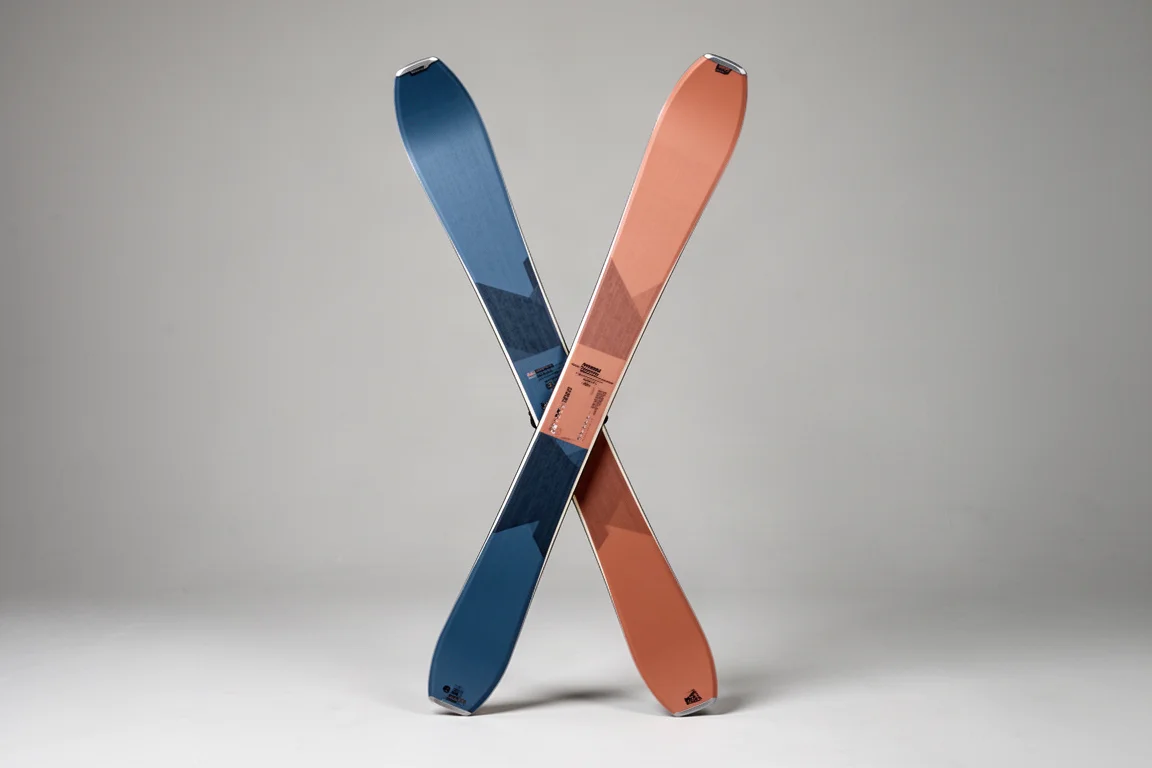
The 100 returns unchanged apart from a new graphic. It carries the same rocker and camber profile as the 90, the same light wood core, Horizon Tech shaping, and roughly 1,700 grams at a given length. It costs $599.
This is the middle of the line and the most broadly useful ski in it. It is quick in trees, comfortable on groomers, and happy in the park, which is why it has become a genuine one-ski option for a lot of skiers.
Atomic Bent Chetler 110: The Freestyle Powder Ski
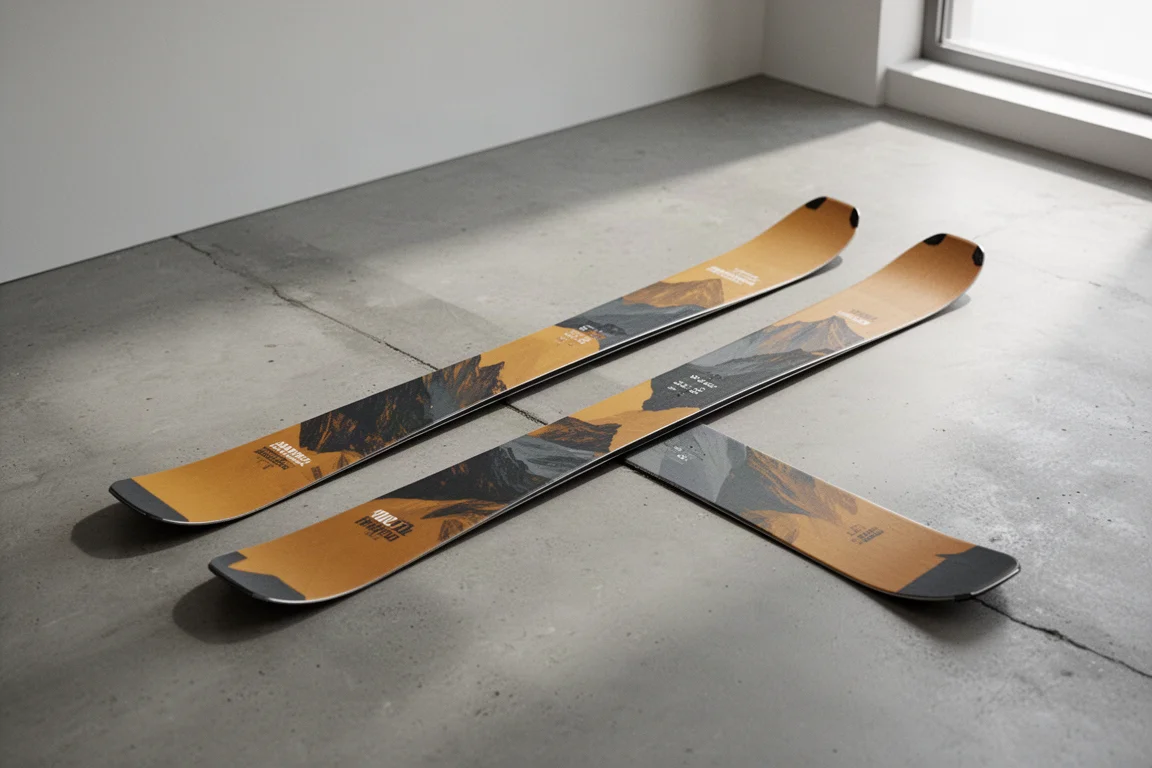
The 110 changes the formula. Its profile is more symmetrical than the 90 and the 100, with a 25/50/25 rocker and camber split, so tip rocker and tail rocker are matched. That symmetry is the point: it makes the ski a natural tool for landing switch in powder and for throwing tricks in the backcountry.
Flex is the other headline. The 110 is a notably soft, playful ski with a high wiggle factor, easy to butter and smear.
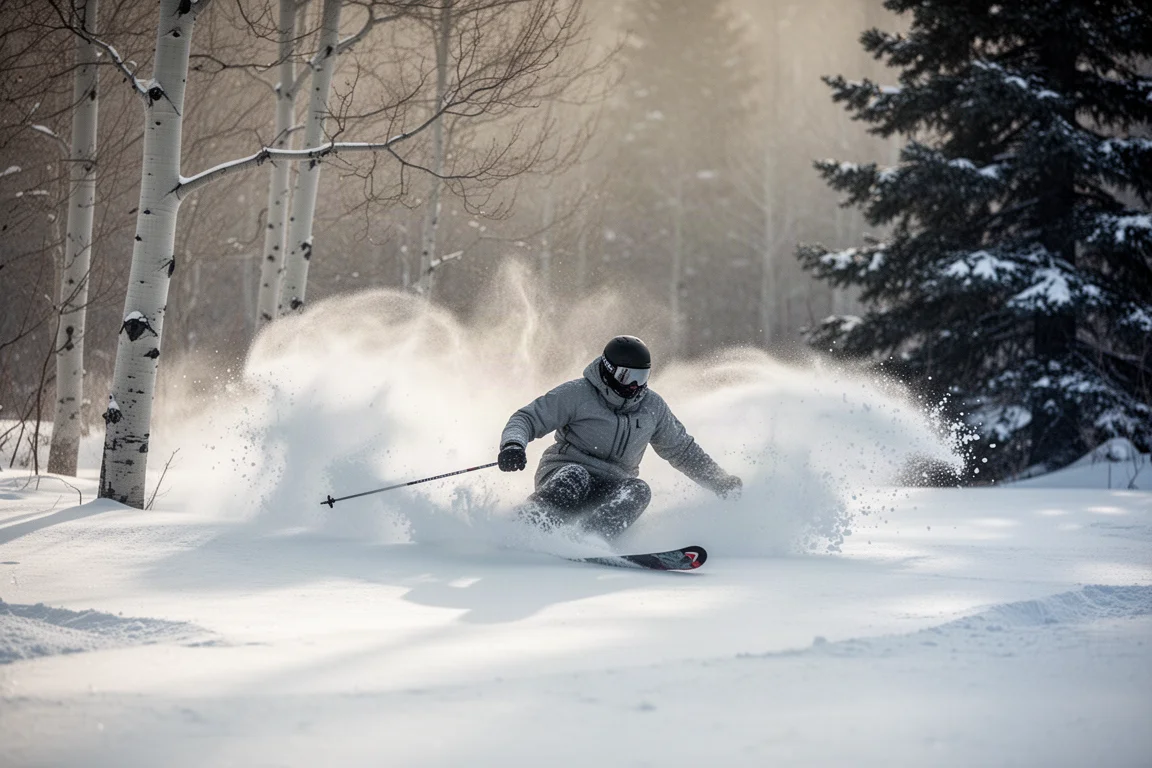
That softness is worth flagging to stronger or heavier skiers, because a more powerful skier will feel the flex limit sooner than they might expect.
Mount point is where this ski gets interesting. The factory recommended line sits close to true center, and moving the binding forward or back changes the ski’s personality substantially. A centered mount leans into the freestyle side, while moving back roughly three to four centimeters gives a more directional, drive-the-shovel feel.
On-snow impressions of the 110 so far come from soft snow rather than the deep conditions it was designed for, so treat those performance notes as preliminary.
Atomic Bent Chetler 120: The Deep Snow Specialist
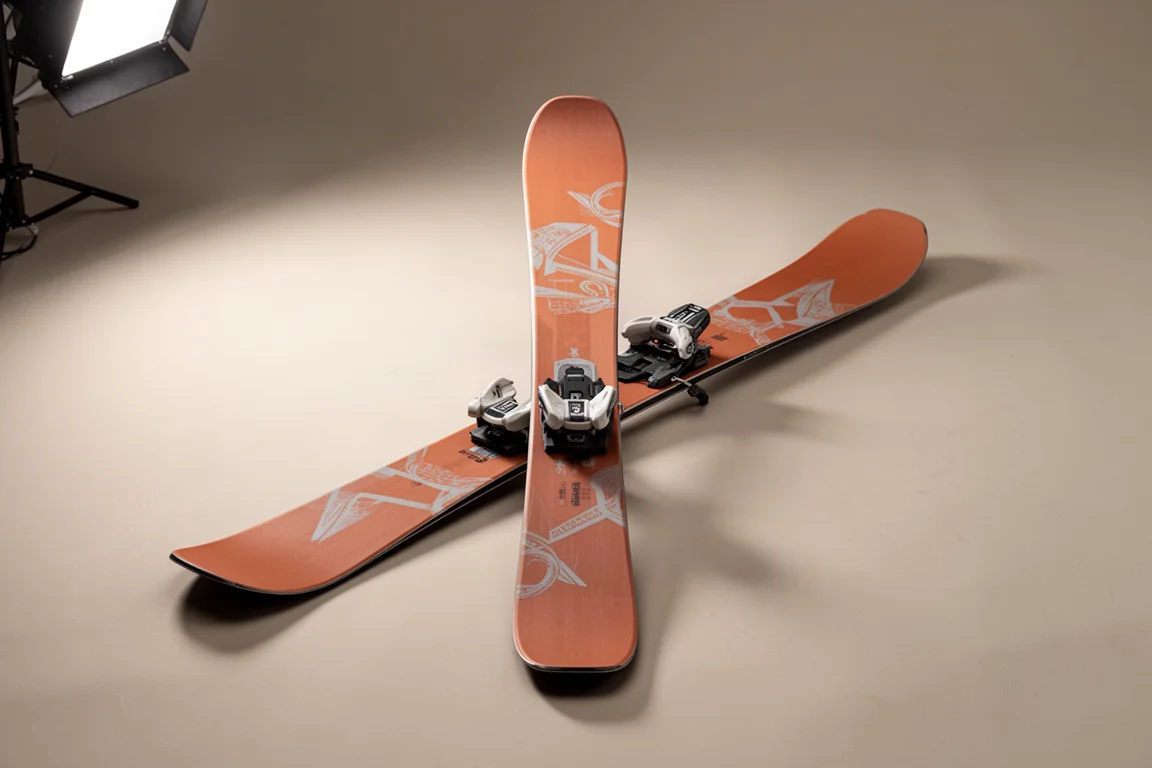
The 120 is unchanged this cycle. It steps the rocker profile up to 30/40/30, giving it a deeply mustached tip and tail, and it adds a carbon backbone that the rest of the line does not have. That reinforcement is a big part of why the price rises to $799.
For most skiers in lower-snow regions, 120 mm underfoot is more ski than the average day calls for. Where it earns its place is in genuinely deep snow and in a quiver alongside something narrower.
Which Bent Chetler Should You Buy?
Match the width to your snow and your priorities rather than to the top of the line.
- Ski mostly groomers and lighter soft snow, want a single affordable ski, or you are an intermediate or developing rider: the 85.
- Ski the East or lower-snow areas, spend time in the park, or want the quickest handling in the family: the 90.
- Want one ski for trees, park, touring, and resort days without obvious compromise: the 100.
- Want a playful freestyle powder ski that lands switch and butters easily: the 110.
- Chase deep days and are building a quiver: the 120.
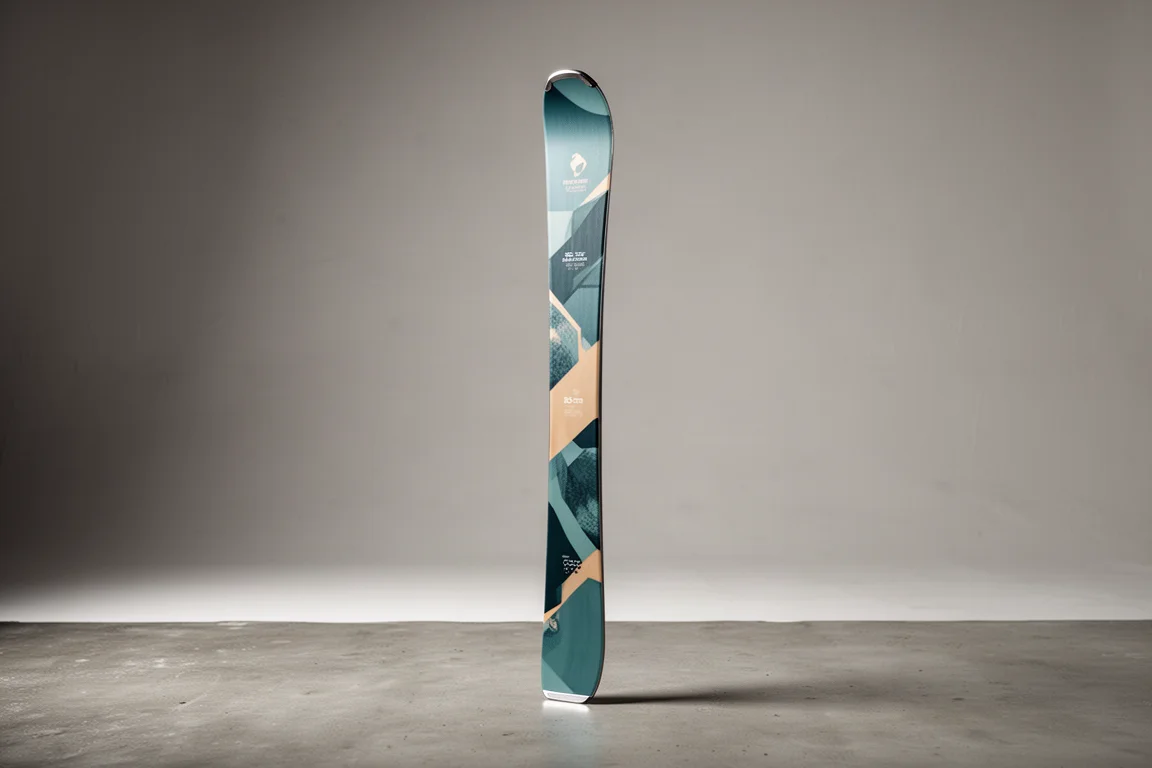
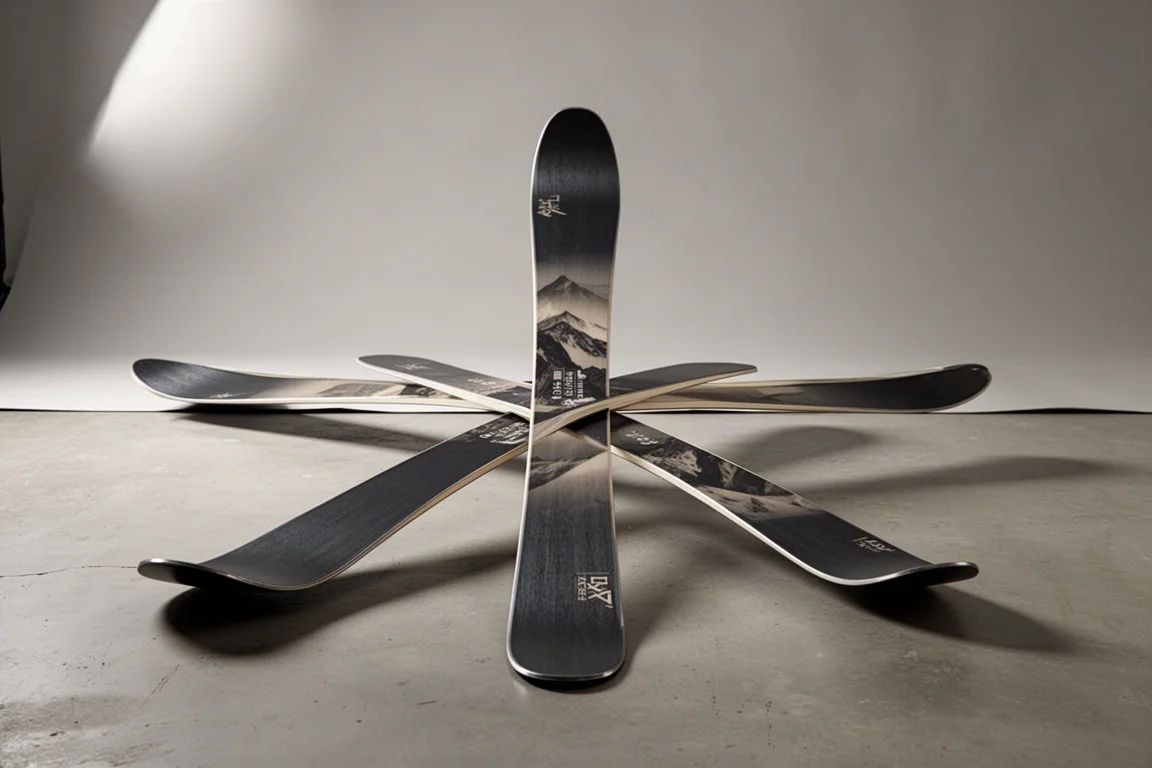
A note on the graphics, because it is part of what you are buying. Chris Benchetler painted one large piece, and the artwork for every ski in the line is drawn from that single painting, with hard lines worked back over the top on each individual model. The result is a family that reads as a set rather than as five unrelated skis.
One more detail worth knowing is that mount point is adjustable across the wider models, so a single ski can be tuned from a centered freestyle setup to a more directional one depending on how you ride.
Conclusion
The value story here is straightforward: a wood core with the right amount of camber, consistent Dura Cap construction, and a clean $100 step between each width. Whether you are shopping for a first all-mountain ski or filling a powder slot in a quiver, the line gives you an affordable and genuinely easy way to pick the right width instead of guessing.
Further reading
Related Reviews
Ski Gear
2023 Blizzard Hustle vs Rustler: Six Freeride Skis Compared
Blizzard's 2023 Hustle collection rebuilds the Rustler shape with a lighter core and no metal. Here is how all six skis differ, and which one suits your riding.
Ski Gear
2023 Skis of the Year: Atomic Maverick 88 TI, Salomon QST 106, and Look SPX 12 Pro
Three standout ski picks for all-mountain carving, powder days, and reliable binding performance, with practical buying notes for 2023 models.
Ski Gear
2025 Nordica Enforcer 104 Review: A Directional Charger Replaces the 104 Free
The 2025 Nordica Enforcer 104 drops the Free name and the twin-tip personality, gaining weight, stiffness and composure in rough snow. Here is what changed and who it suits.