Ski Gear
Atomic Bent 100 vs Rossignol Sender 110 Free: Two Wide All-Mountain Skis Compared
A practical comparison of two wide all-mountain skis, the 100mm Atomic Bent 100 and the 110mm Rossignol Sender 110 Free, and who each one genuinely suits.
Introduction
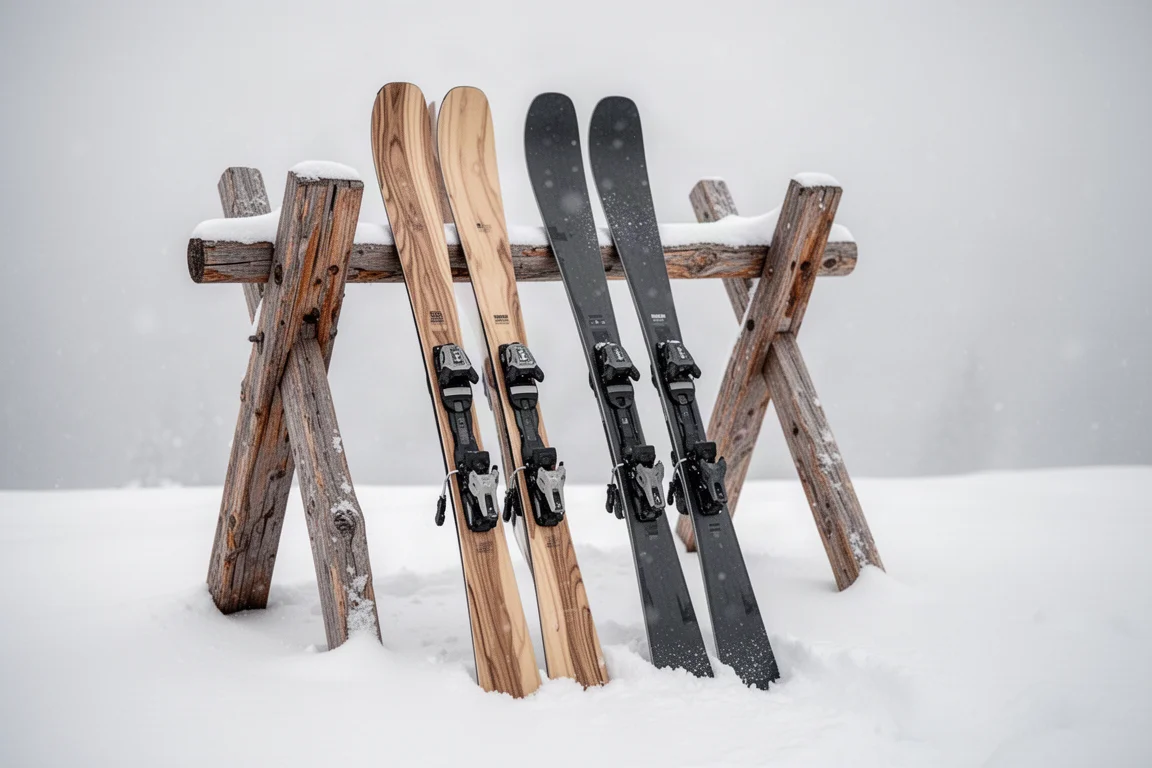
All-mountain skis are supposed to cover a lot of ground. In practice, the category stretches from narrow, carving-biased shapes all the way to skis that are really powder skis wearing an all-mountain label. Two models that sit at the wide end of that range are the Atomic Bent 100 and the Rossignol Sender 110 Free, and comparing them is useful because they make very different arguments about what an all-mountain ski should be.
The Bent 100 is a 100mm freestyle-leaning ski that has been reworked for the current season. The Sender 110 Free is a 110mm ski built primarily for powder and big mountain lines. Both can be skied across a whole resort. Neither is a narrow daily driver, and that distinction matters more than the marketing language suggests.
How We’re Judging These Two Skis
The working definition here is straightforward. An all-mountain ski blends carving and on-trail performance with off-trail performance and flotation. It is not a dedicated powder ski, and it is not a narrow carving ski. It sits in the middle and does a bit of everything.
For most skiers, that middle ground means on-trail performance comes first. A large share of the average season is spent on groomed runs, with soft snow days filling out the rest. Width decisions should follow that reality rather than the highlight reel.
By that standard, both skis here are wide. A 100mm waist sits at the upper end of what most people would call all-mountain. A 110mm waist is wider than plenty of skis that are sold as powder skis. That does not make either ski bad. It does mean they suit a particular kind of skier.
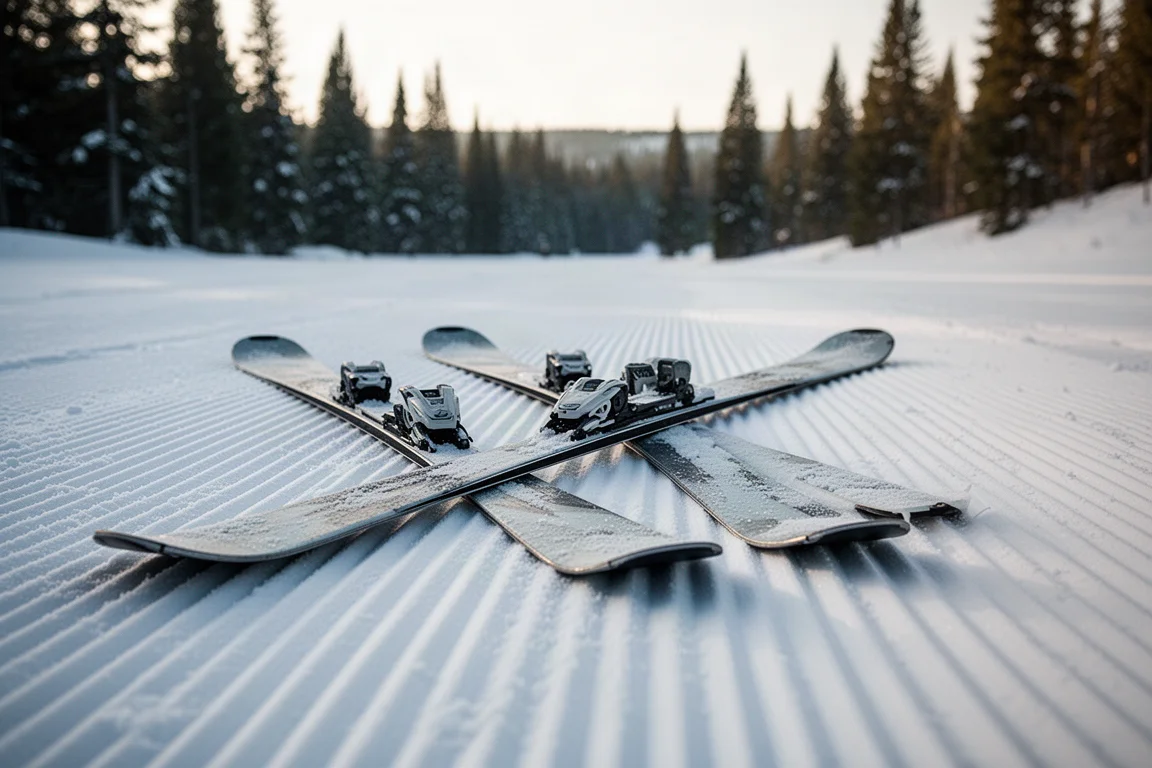
Width also shapes how a ski behaves when the snow is firm. Wider skis take longer to move edge to edge and ask for more input on hardpack. That is the trade you accept in exchange for flotation.
Atomic Bent 100: Freestyle-Leaning All-Mountain
The Bent 100 is a 100mm ski with a playful, freestyle-oriented character. It is light, and its low swing weight makes it easy to spin and throw around. That combination makes it a natural fit for park laps on a wider platform, and it also floats well for its width when the snow is soft.
Versatility is the main argument for it. The same ski that handles jumps and spins can be skied in boot-deep and knee-deep snow, and in softer eastern conditions it is wide enough to serve as a powder ski. With a touring binding, it can also be pressed into backcountry duty, though it sits on the heavier side for that, and there are more maneuverable, more forgiving touring options in a similar width.
It is not a universal recommendation. There are skis in the same width class that offer more versatility, and it is worth being honest that a 100mm ski is a specific answer rather than a safe default for everyone.
View more details for Atomic Bent 100
What Changed on the Bent 100 for 2025
The current version keeps the qualities that made the ski popular and reworks the details that held it back.
The tail rocker is deeper, with more rise than before. That makes the ski noticeably more drifty when it is thrown sideways, particularly in powder. To compensate, the tail was stiffened, and carving performance holds up. The stiffer tail also adds stability when landing backseat, which matters for anyone taking jumps to flat.
The wood core is stiffer throughout. Earlier versions felt soft and noodly, and that softness is the main thing this update addresses. The Horizon Tech construction also changed shape, becoming more square so that it engages at multiple angles rather than only along one axis.
The net effect is a ski that now feels closer to the wider Bent models. Previously, the 100 and the 99 sat together while the 110 and the 120 shared a different, looser feel. That gap has narrowed, and the 100 now reads as part of the same family.
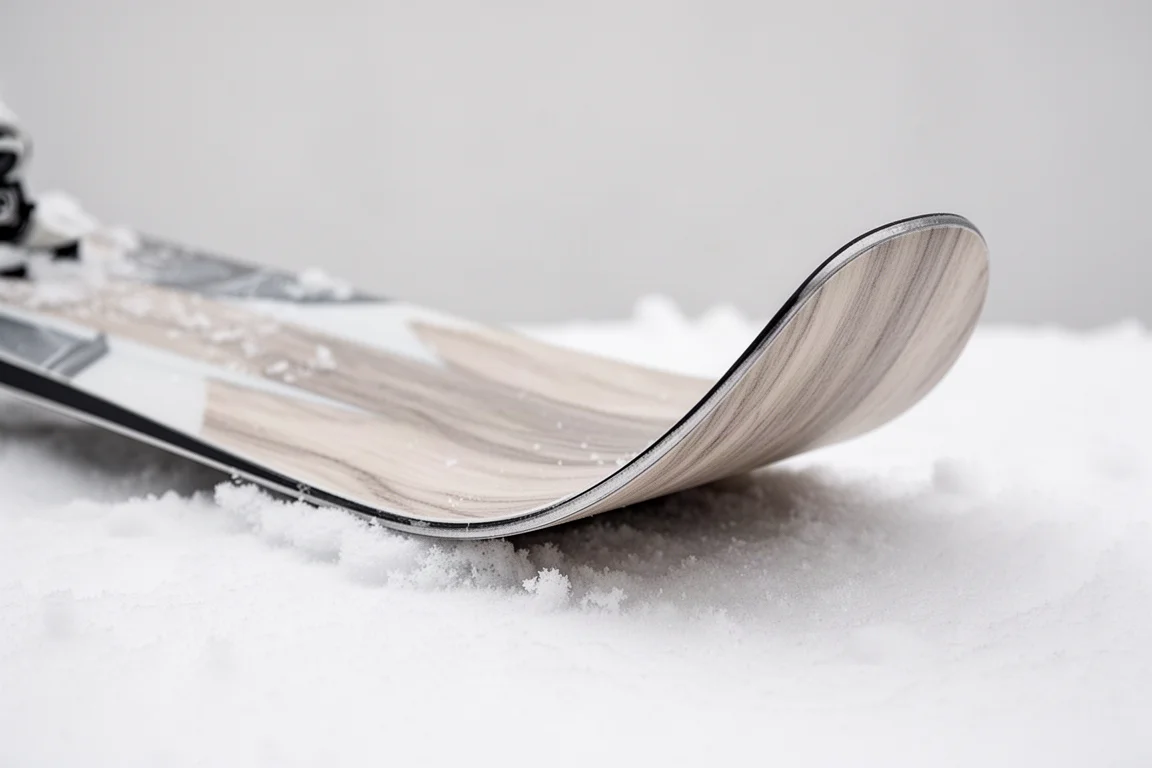
Pairing a low swing weight with a more supportive tail is what makes this ski appealing to riders who want to spin and land switch without giving up soft snow performance.
Rossignol Sender 110 Free: Powder and Big-Mountain Focused
The Sender 110 Free is a 110mm ski aimed at powder and big mountain terrain. It is a chargier design than the Bent 100, with a straighter sidecut and less taper. That geometry makes it happiest running straight down the fall line and holding speed through variable snow.
Its reputation was built on big terrain, including podiums on the Freeride World Tour. It has also been skied in the park and in the backcountry, which says something about how approachable it is for its class. Despite the width and the stability, it remains remarkably easy to ski, and that mix of damp, stable and playful is unusual.
The flip side is that it is not an all-mountain ski in the traditional sense. At 110mm, it is wide for everyday groomed laps. It will carry you across a cat track and let you build speed into a powder stash, but long groomer days on it are not comfortable compared with a narrower ski.
How the Sender 110 Free Rides
On snow, the Sender 110 Free feels smooth. The flex builds pressure progressively, and the ride is buttery rather than poppy. It is not as eager to ollie as more freestyle-focused shapes, but it lands hard and holds, which is why it has a reputation as a stomp ski.
Turns come easily in powder, and it is more fun in soft snow than the narrower Sender 104 Ti. The damp, stable feel is paired with genuine playfulness, and it stays light enough to spin. A shorter length keeps park skiing within reach, and the ski butters without much effort.
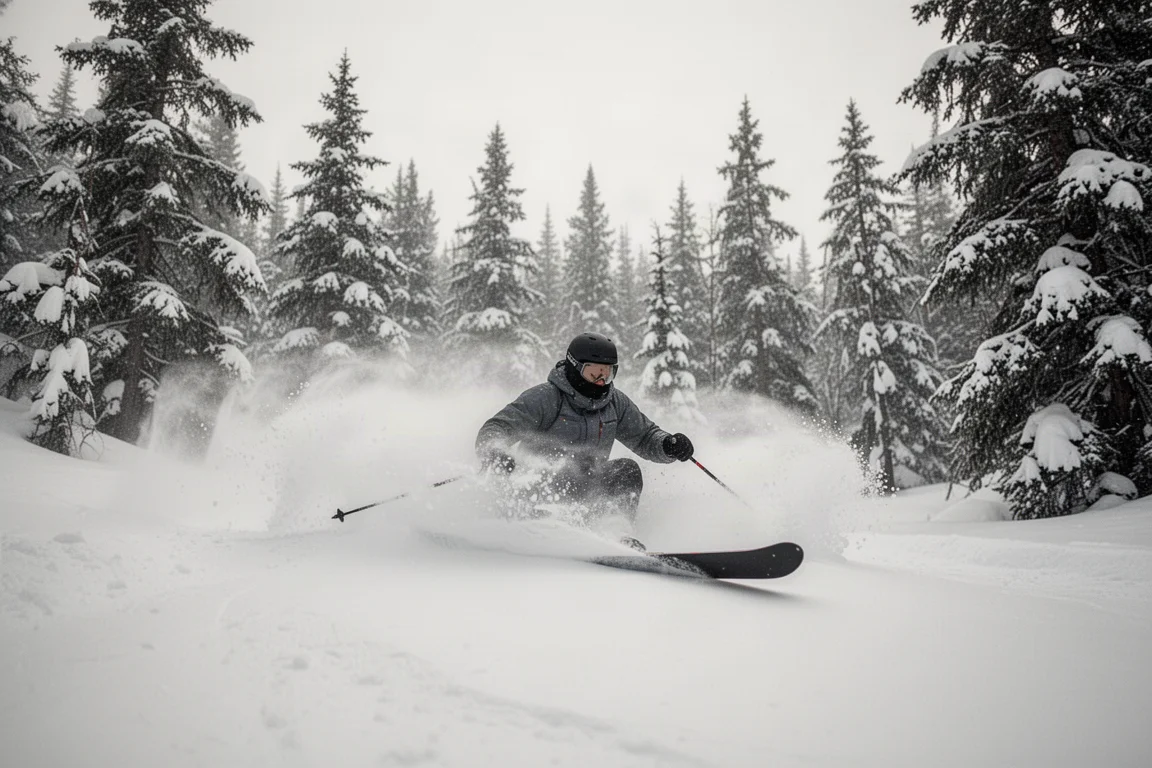
Treat it as a powder and big-mountain tool. Keep the edges sharp, look after it, and save it for the days it was built for.
Matching the Ski to Your Skiing
The choice between these two comes down to what most of your days actually look like.
If you want one wide ski that can handle park laps, soft snow and a bit of everything in between, the Bent 100 is the more flexible pick. Its 100mm waist is easier to live with, its low swing weight keeps it playful, and the stiffer core and tail make it more supportive than earlier versions. It is also the more sensible single-ski choice if you are heading somewhere without knowing what the conditions will bring.
If your season is built around powder days and you want a ski that feels planted at speed in big terrain, the Sender 110 Free is the stronger match. Just be realistic about how much groomed skiing you do, because 110mm underfoot is a lot to stand on every day.
Neither ski replaces a narrower daily driver. Skiers who spend the majority of their time on groomed runs would likely get more out of something thinner, and the carving feedback a narrower ski provides is a different experience entirely.
Buying Advice
Start with the conditions you ski most, not the conditions you hope for. If powder is a handful of days a year, a 110mm ski is a lot of width to carry through the rest of the season. If your hill regularly delivers soft snow and you like to ski fast in it, the width makes sense.
Think about the rest of your quiver as well. Both of these skis work best as part of a small collection rather than as the only pair you own. The Bent 100 covers the widest range of the two, which makes it the better starting point if you are building toward a two-ski setup. The Sender 110 Free is the ski you add once you already have a narrower option for firm days.
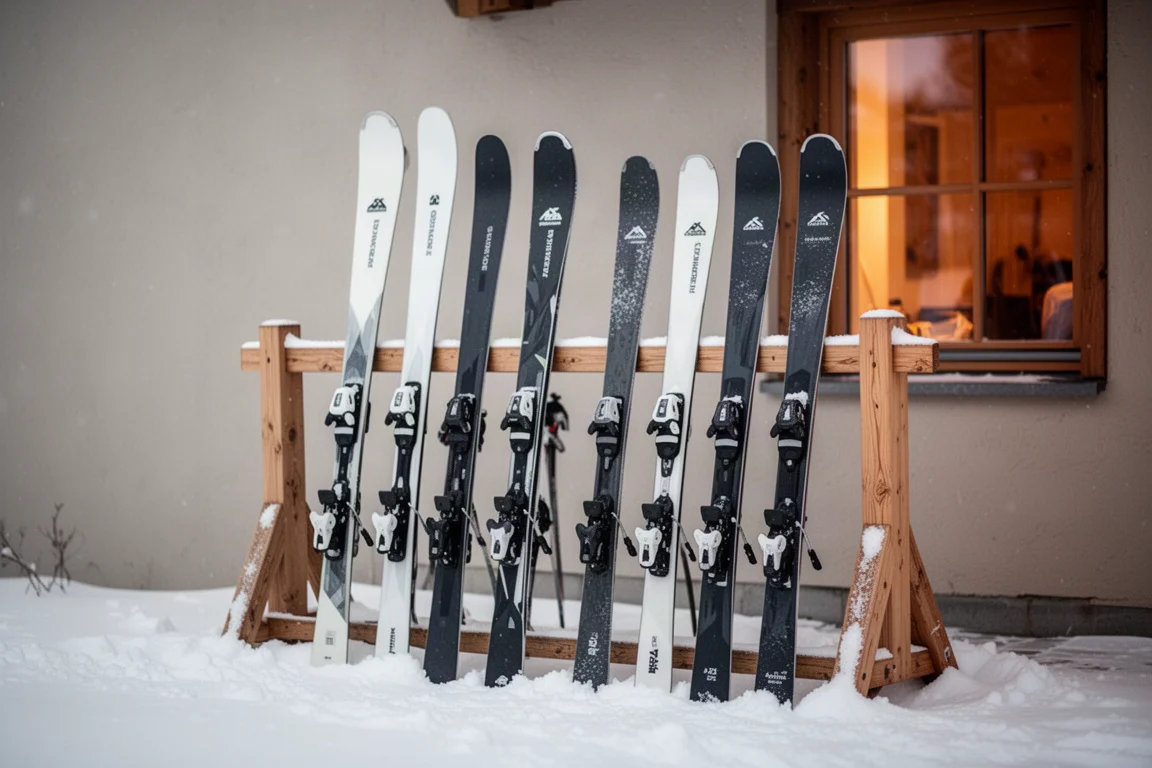
Consider your binding setup too. A lighter ski like the Bent 100 pairs well with a touring binding if you want occasional uphill access, while the Sender 110 Free is best matched with an alpine binding that can drive a wide ski at speed.
Finally, be honest about your technique and your terrain. Wide skis reward a confident, centered stance and a willingness to let the ski run. If you are still building those habits, a narrower ski will teach you more and be more enjoyable in the process.
Conclusion
The Atomic Bent 100 and the Rossignol Sender 110 Free are both good skis, and both are wider than the typical all-mountain recommendation. The Bent 100 is the more versatile of the two, with a reworked core and tail that fix its earlier softness and a playful feel that carries across park, soft snow and mixed terrain. The Sender 110 Free is a powder and big-mountain specialist that is damp, stable and surprisingly easy to ski, as long as you accept it for what it is.
Match the width to your season, and either one will do exactly what it was designed to do.
Further reading
Related Reviews
Ski Gear
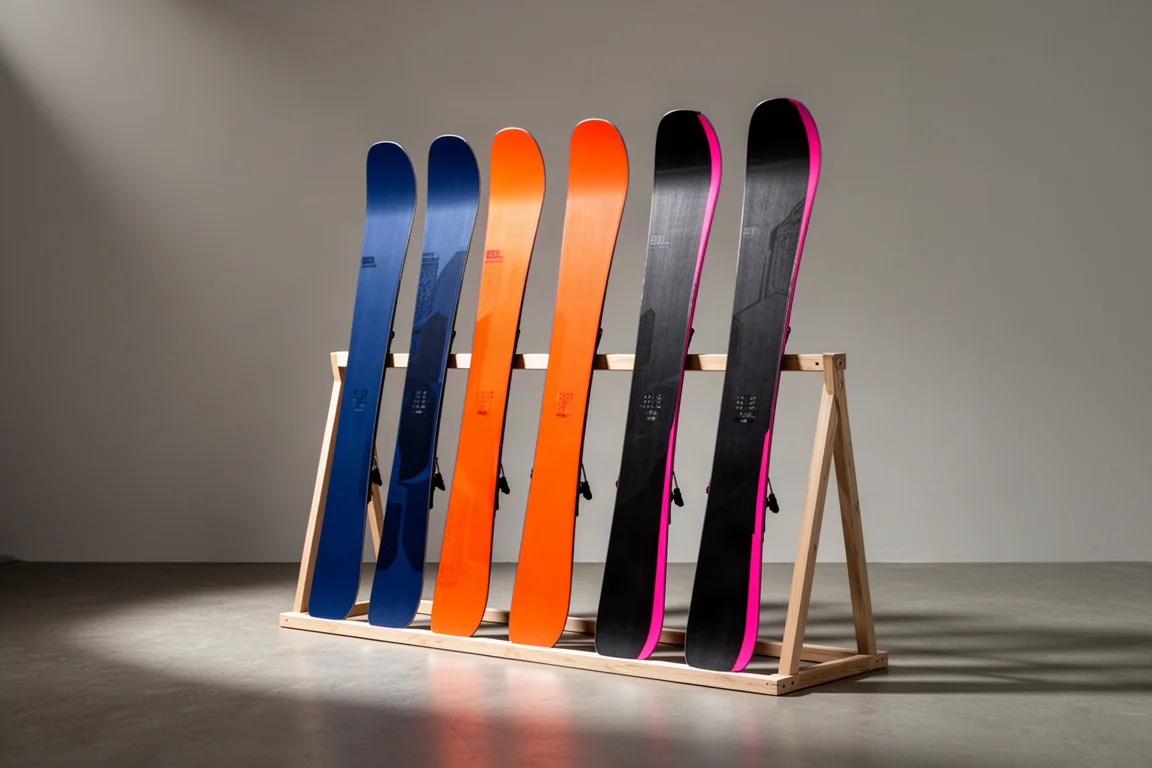
2023 Blizzard Hustle vs Rustler: Six Freeride Skis Compared
Blizzard's 2023 Hustle collection rebuilds the Rustler shape with a lighter core and no metal. Here is how all six skis differ, and which one suits your riding.
Ski Gear
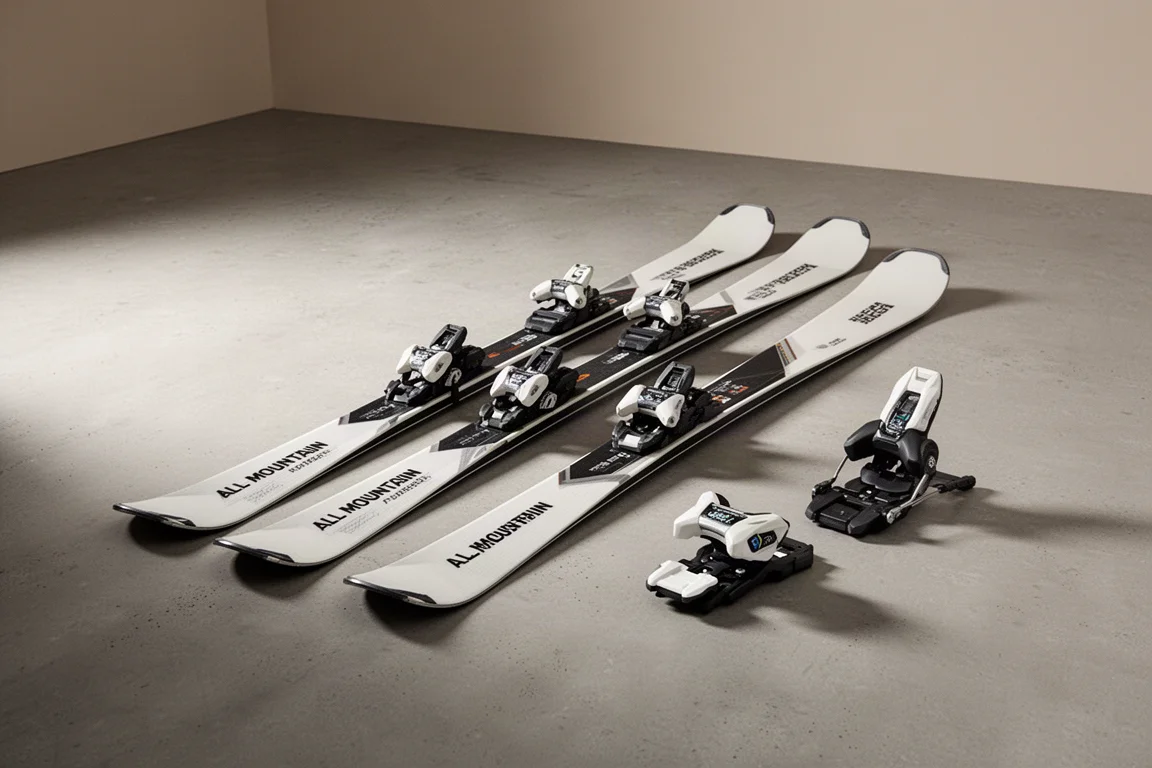
2023 Skis of the Year: Atomic Maverick 88 TI, Salomon QST 106, and Look SPX 12 Pro
Three standout ski picks for all-mountain carving, powder days, and reliable binding performance, with practical buying notes for 2023 models.
Ski Gear
2025 Nordica Enforcer 104 Review: A Directional Charger Replaces the 104 Free
The 2025 Nordica Enforcer 104 drops the Free name and the twin-tip personality, gaining weight, stiffness and composure in rough snow. Here is what changed and who it suits.