Light Sport Aircraft
ATH 321 Fetta NG Review: A Czech-Built Lowwing SLSA Now Available in the USA
A full carbon fiber lowwing light sport aircraft with a true 120-knot cruise, tilt-back canopy, and Garmin glass cockpit options. Here is what US buyers need to know.
Introduction
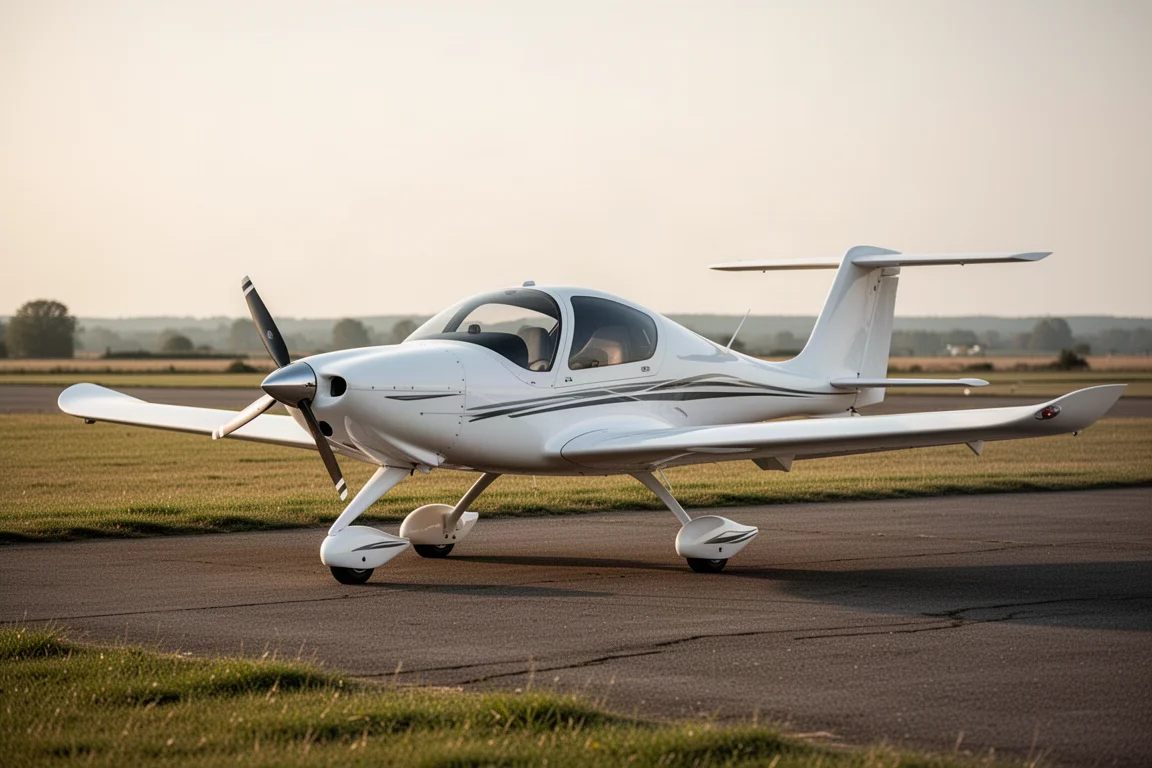
Spring flying season brings a fresh arrival to the American light sport market: the ATH 321 Fetta NG, a lowwing SLSA built in the Czech Republic and now being imported into the USA. This particular aircraft is the cross tail version, reportedly the first of its kind in the United States, and it has already drawn attention for how polished it looks on arrival.
We spent time walking around one that had only been in the country for about three weeks, with roughly 14 hours on it. It is a full carbon fiber factory-built sport aircraft with a 1,320 lb max takeoff weight, and it aims squarely at pilots who want a sporty, agile cross-country machine inside light sport rules.
First Look: What Kind of Aircraft Is It?
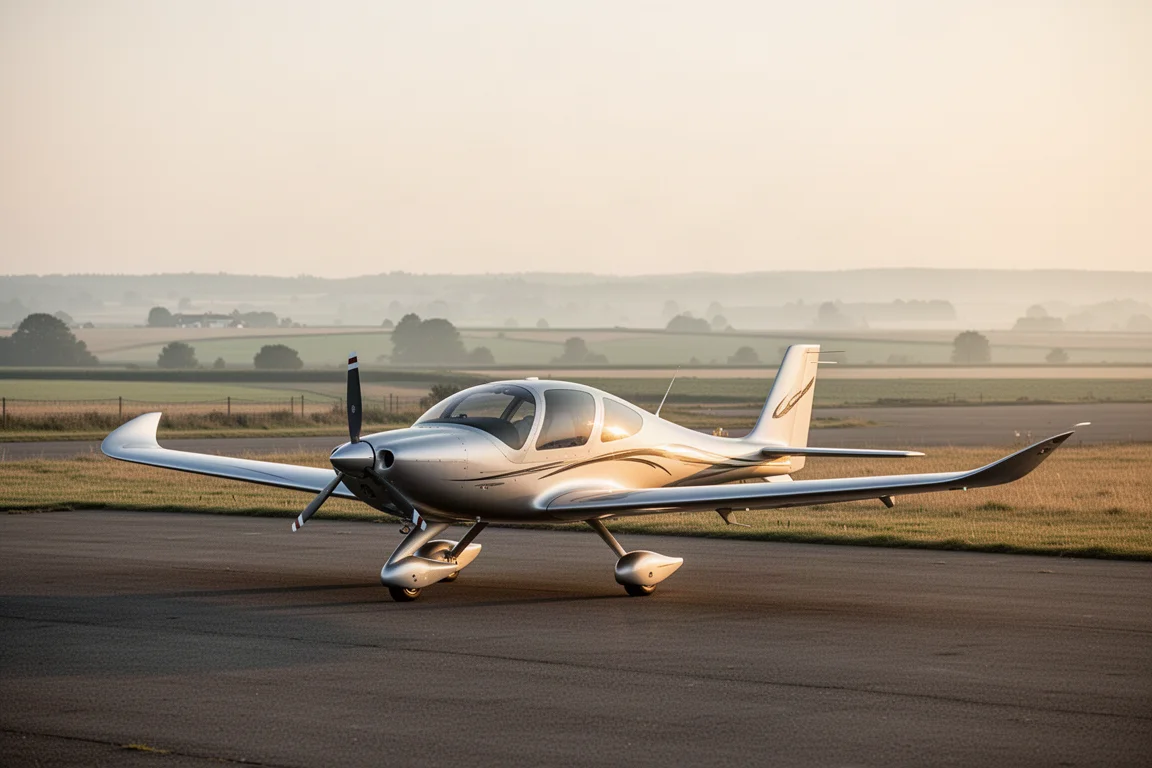
The Fetta NG is a lowwing, full composite light sport aircraft. Construction is 100% carbon fiber, which keeps the empty weight down to 787 lbs. Useful load runs anywhere up to 610 lbs depending on options; the well-equipped example we looked at carried a 535 lb useful load thanks to its loaded-out panel.
Performance numbers are where this airplane gets interesting. It cruises at a true 120 knots, stalls at 30 knots, and has a never-exceed speed of 147 knots. Builders pair it with the 100 hp Rotax 912 iS, an efficient fuel-injected engine that most modern SLSA imports have moved to. With a 26-gallon fuel capacity and roughly 7 hours of endurance, this is a genuine cross-country aircraft with real range on paper.
Flight character is described as sweet and very agile, with excellent slow flight manners, but it will also deliver top-end speed when you push the throttle forward. Depending on throttle setting, fuel burn runs from about 3.5 up to 6 gallons per hour.
Cockpit and Canopy
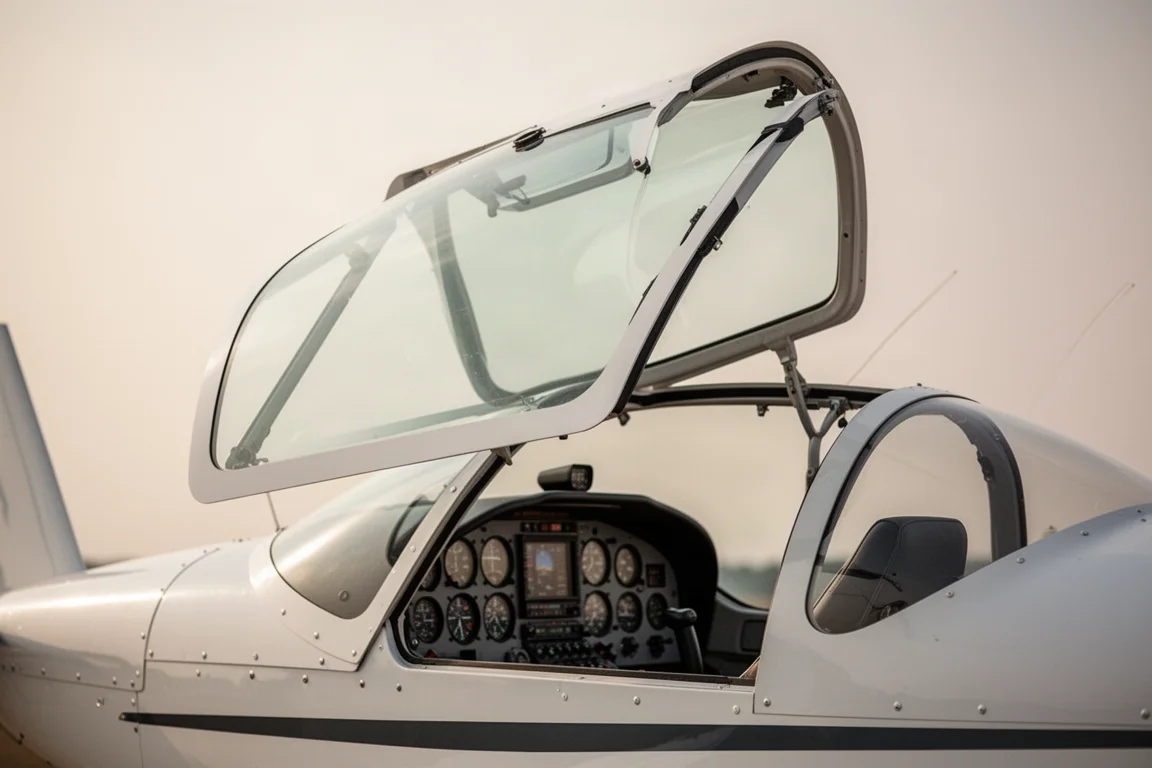
One of the standouts is the tilt-back canopy. Instead of tilting sideways or sliding, the canopy hinges straight up and comes straight down, with a light, easy hand lift under the lip. Entry is from the front rather than from behind the seat, using built-in handles and the back rest to settle in.
Safety latches are a thoughtful touch: there is one on each side, and both must be latched before the engine will start. The aircraft simply will not run with the canopy unlatched.
Control layout keeps everything at your fingertips. A single-lever handbrake handles braking rather than differential pedals, trim is available in all directions on the stick, and throttle, three-notch flaps, autopilot disconnect, and yaw damper disconnect are all clustered nearby. The rescue system T-handle sits right in front of the pilot, with the parachute stowed in a box behind the luggage area. Heating is automotive-style, using exhaust heat, and includes heated seats on both sides.
Avionics and Interior
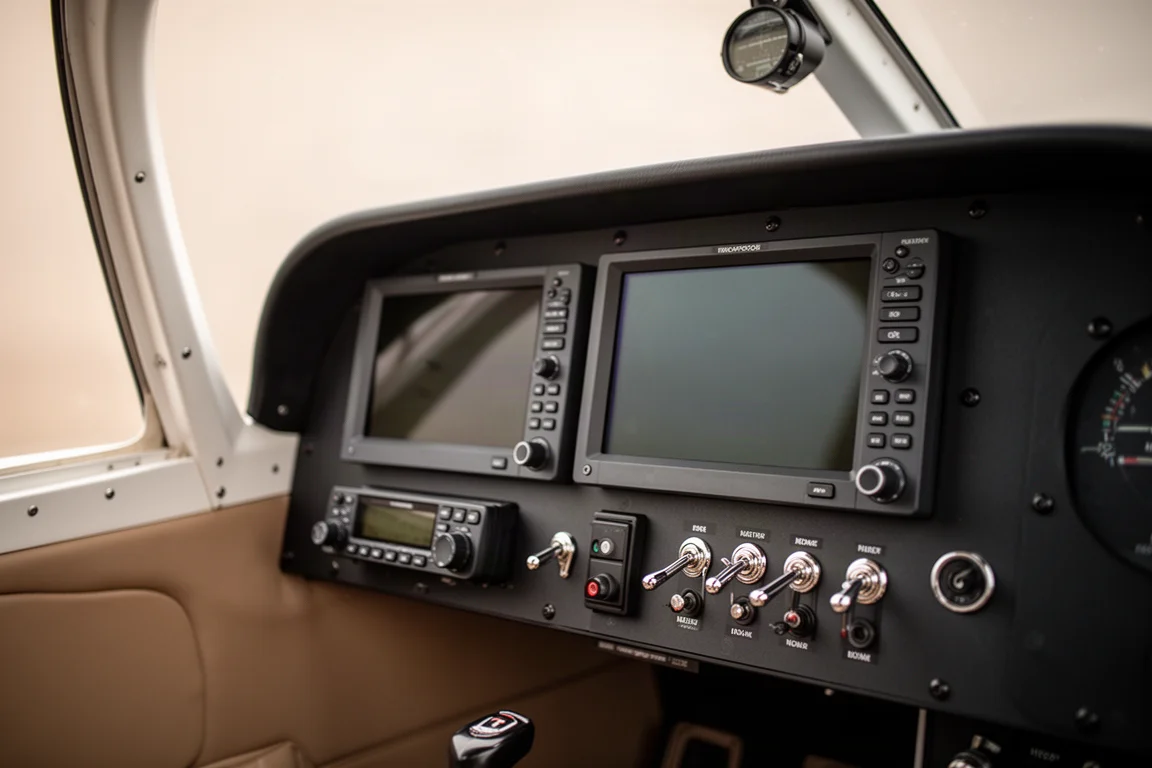
The example we saw carried a full Garmin suite with a three-axis autopilot, which the importer prefers as their standard fit. Donav avionics (don.com) is available as an option, and an Aero 760 transponder sits in the center stack. An IFR-equipped version is reportedly under discussion, potentially with a 650Xi in the center, though none have been produced yet.
Interior options range from a basic vinyl leather to the show-stopping Alcatra leather fitted to this aircraft, a very high-end hide with a velvet-soft feel, laid out in a three-color trim pattern. There is a built-in cell phone charger in the console. Baggage capacity is 20 kg (44 lbs), enough for a couple of overnight bags and a few nights away.
Import, Assembly, and Certification
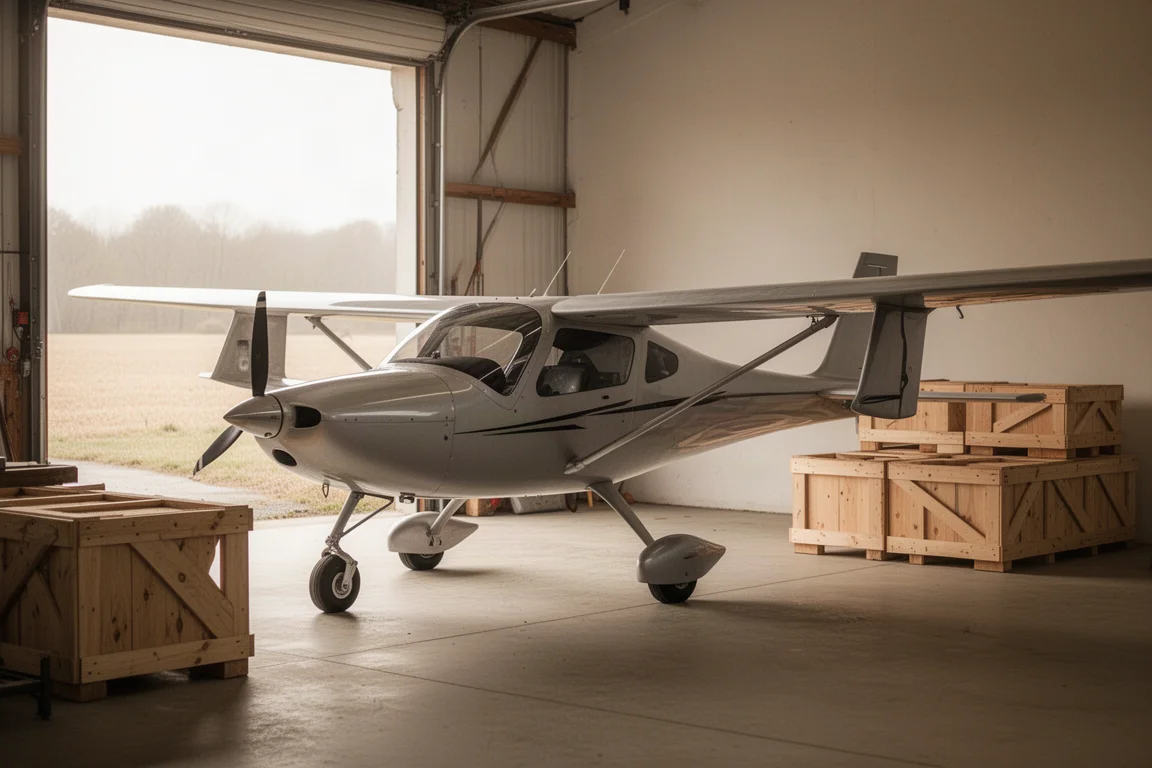
Aircraft arrive by ship in containers with the fuselage crated in wood and the wings wrapped separately. The importer reports no shipping damage so far. Before shipping, the factory flies each aircraft for roughly six to seven hours of flight testing, performed by the aircraft’s designer himself, and those test results become part of the documentation needed for the US airworthiness certificate.
Assembly in the USA is limited to bolting on the wings and horizontal stabilizers, followed by rigging checks and a full review. The importer then files for the airworthiness certificate, schedules a DAR inspection, and walks the inspector through the aircraft and paperwork. Once certified, the aircraft goes to market. Final assembly and sign-off typically take one to two weeks if no issues arise.
Buying Advice: Pricing and Ownership
As fitted here, with the top-of-the-line interior and full Garmin panel, this aircraft sits in the 230,000 to 240,000 dollar range ready to fly home. Scaling back options and moving to single-screen Donav avionics can bring the price down to around the 170,000 range, shipped to the United States and assembled.
The purchase process is structured: a 30% production payment up front, another 30% after three to four months of build, and the remaining 40% paid three days before shipping. Expect roughly five to six months from first payment to delivery in the United States.
Transition training is included with the sale. The importer will not send an aircraft home with a customer without five hours of dual time, and local CFIs with experience in type work with buyers until they are comfortable. Additional hours are worked out with the customer when needed, with safety listed as the top priority.
Conclusion
The ATH 321 Fetta NG is a compelling option for pilots shopping the lowwing SLSA segment who want true 120-knot cruise, modern glass avionics, and a full carbon fiber airframe in a factory-built package. The cross tail version adds a distinctive look that has not yet been seen in the US market. With included transition training, a structured purchase process, and range figures that make long cross-countries realistic, it deserves a spot on the shortlist of anyone entering the light sport market with a serious budget.
Product link
View more details for ATH 321 Fetta NG
This product is mentioned in the review. Check the specifications, options, and compatibility before buying.
View more details for ATH 321 Fetta NGFurther reading
Related Reviews
Light Sport Aircraft
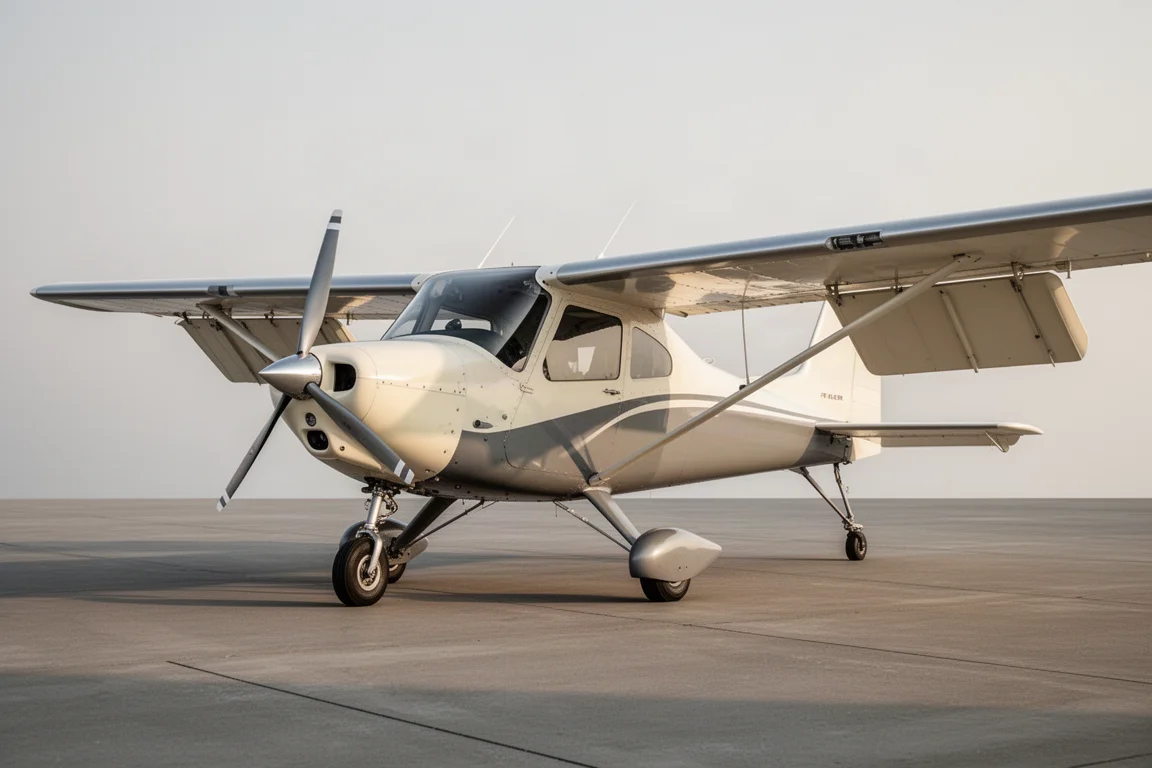
Zlin Savage Norton: A Closer Look at Zlin's Latest Light Sport Stalwart
The Savage Norton combines an all-metal wing, retractable slats, big Filer flaps, and a turbocharged Rotax 915 into one of the most complete light sport aircraft to date.

Watches
Essential Pilot Watches: A Guide to the Most Iconic Aviation Timepieces
From the classic Flieger to the Moonwatch, these are the pilot watches that defined aviation history and remain essential today.
Aircraft
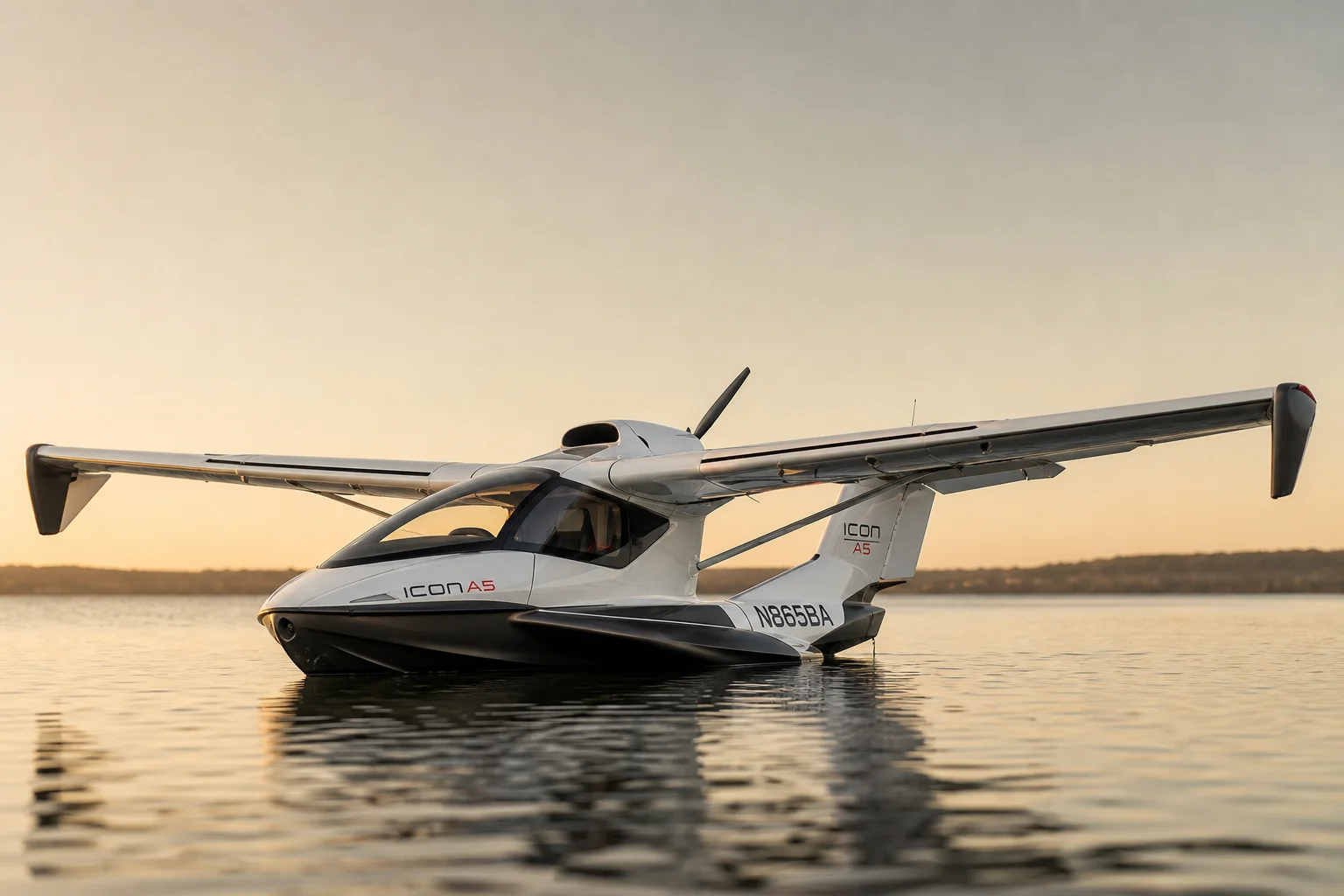
Icon A5 Amphibious Aircraft Review: Adventure Aviation Redefined
The Icon A5 combines sleek design, accessible controls, and water-landing capability in a three-hundred-thousand-dollar light sport aircraft built for explorers and adventure seekers.