Skincare & Anti-Aging
At-Home Anti-Aging Devices Rated: Which Actually Work and Which Waste Your Money
A board-certified facial plastic surgeon rates five popular at-home anti-aging devices, revealing which ones deliver results and which ones could damage your skin.
Introduction
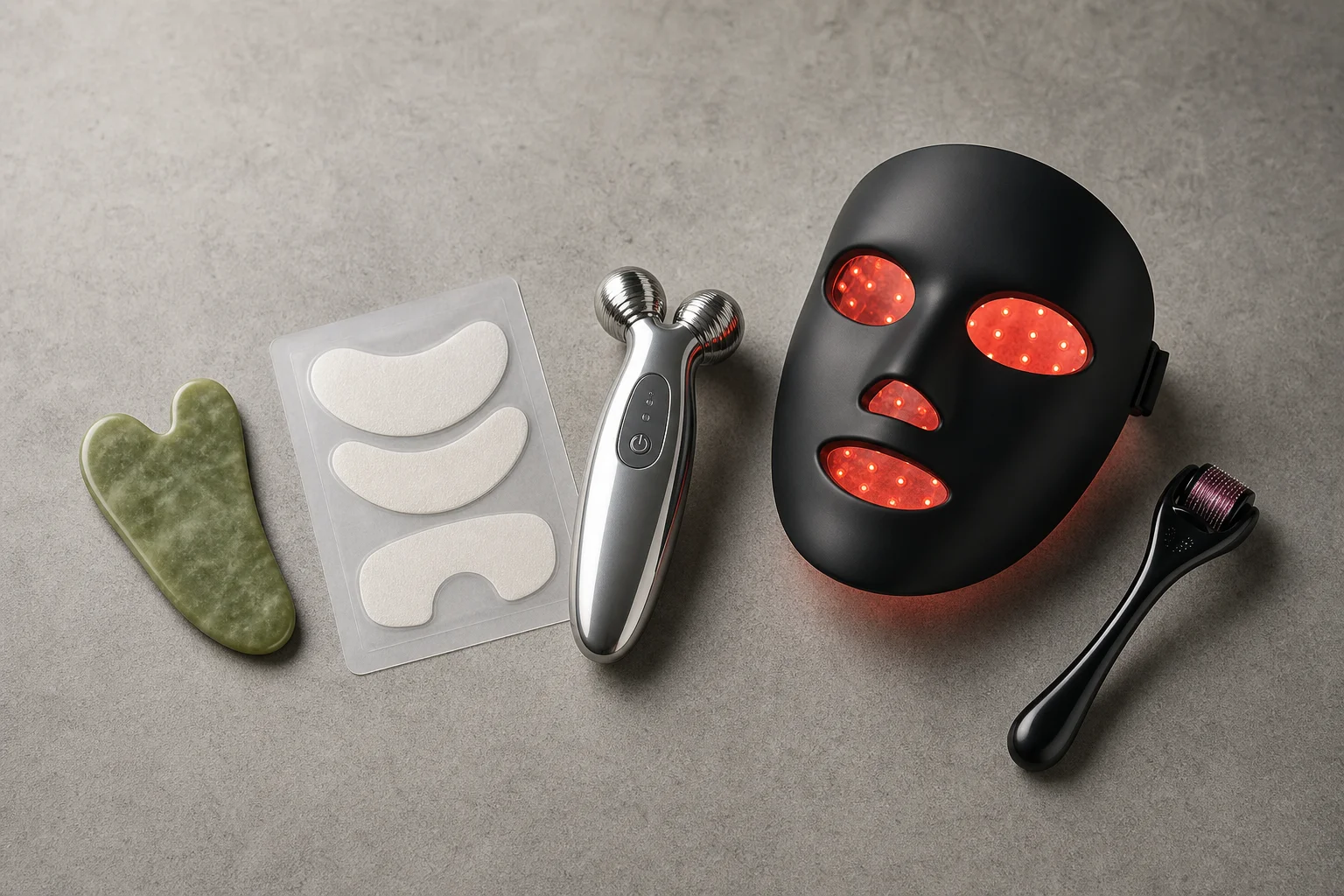
Black Friday brings a flood of advertisements for at-home anti-aging devices, each promising dramatic skin transformation. Before you invest hundreds of dollars, it helps to understand which devices actually deliver results and which ones waste your money or risk damaging your skin. A board-certified facial plastic surgeon with over 20 years of experience specializing in facial rejuvenation has rated five of the most popular at-home anti-aging devices based on scientific evidence and clinical outcomes.
Gua Sha: The Overhyped Massage Tool
Gua sha uses a stone tool, typically jade, to massage the face with the promise of sculpting, detoxifying, and lifting the skin. While the technique is gentle and carries minimal risk, the results rarely match the hype.
The fundamental issue is that gua sha does not stimulate collagen production, which is the foundation of skin rejuvenation. Facial massage can improve blood flow temporarily, but this does not address the underlying cause of aging skin. The device receives a rating of 2 out of 10 because while it is not harmful, the gap between expectations and actual results is significant.
For anyone considering gua sha as a primary anti-aging treatment, the opportunity cost is high. Your time would be better spent on approaches that actually trigger collagen stimulation.
Frownies: Overnight Adhesive Patches
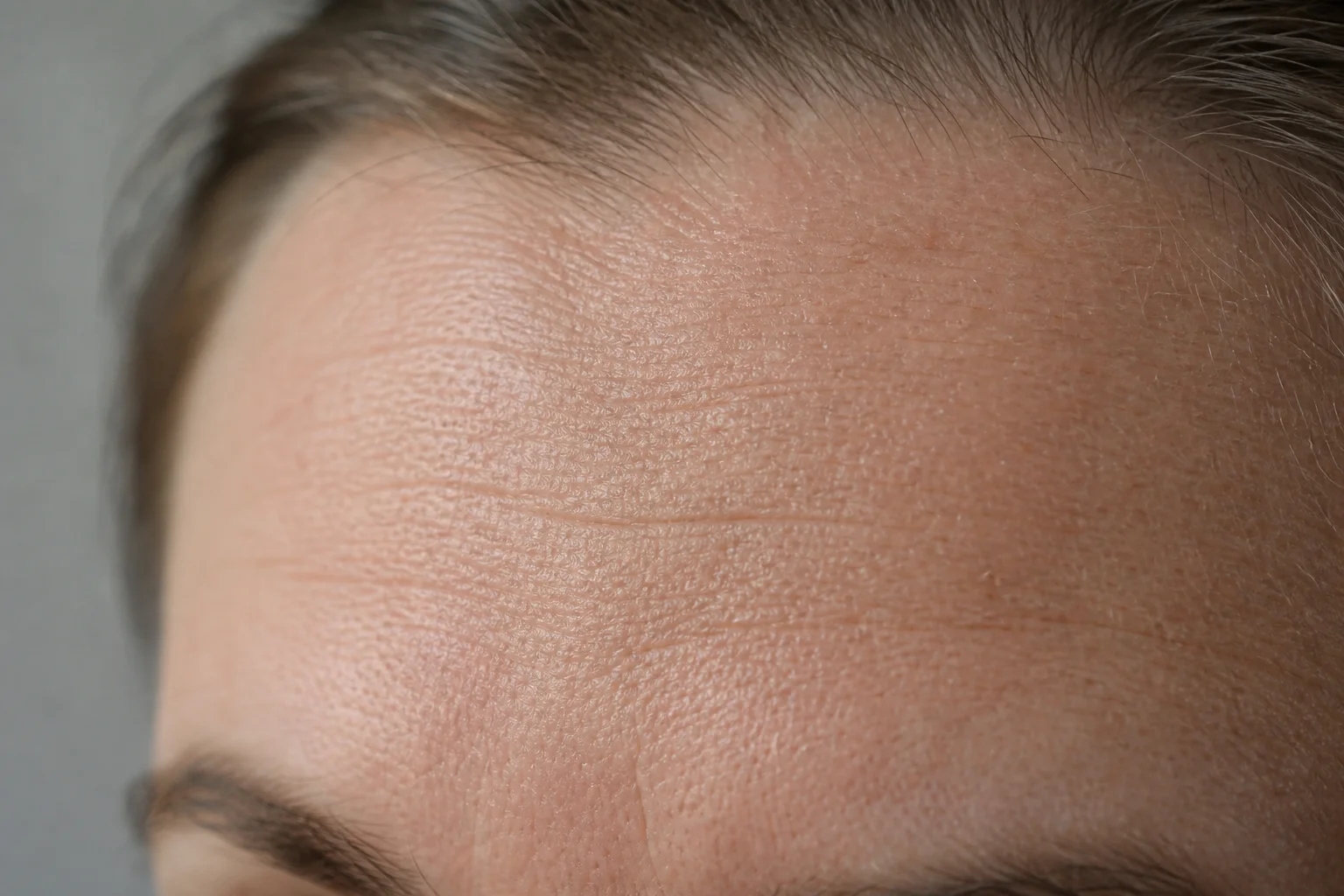
Frownies are adhesive patches applied to the forehead or between the brows overnight to prevent muscle contractions that deepen expression lines over time. The concept is straightforward: by keeping the skin smooth while sleeping, you reduce the cumulative effect of muscle movement.
The patches carry no real risk, but their effectiveness is limited. While they may prevent some muscle activity during sleep, most people are relaxed when sleeping and not actively frowning. Even if the patches do spread the skin slightly and reduce daytime line impact, the benefit is modest. Frownies receive a rating of 3 out of 10.
The critical point is that expression lines form because skin is losing collagen and thinning, not primarily because of muscle movement. Women lose approximately 30 percent of their collagen during perimenopause and post-menopause, causing a dramatic drop in elasticity and skin thickness. The real problem is the skin itself, not the muscle beneath it.
Microcurrent Devices: Nuface, Foreo, and Medicube
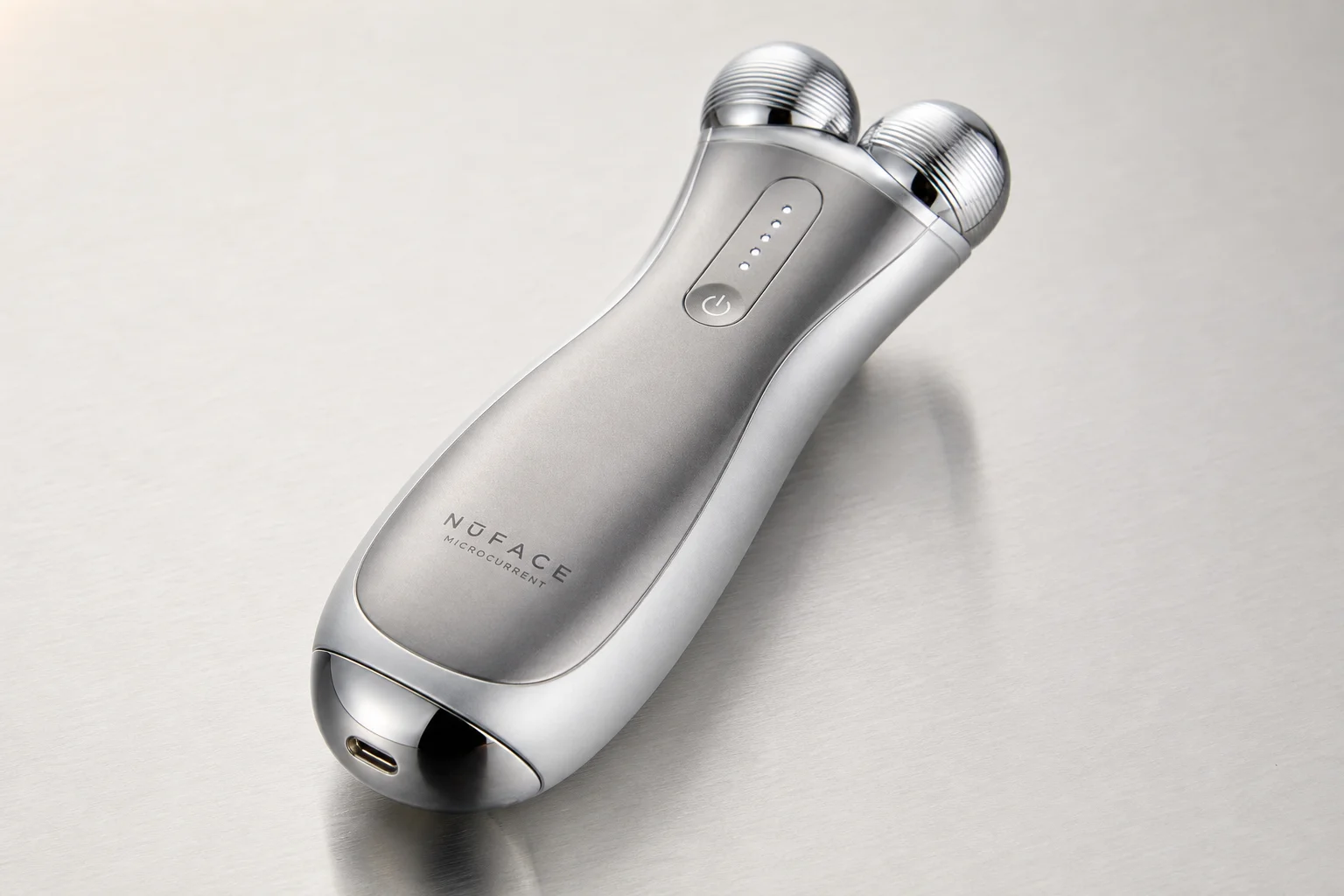
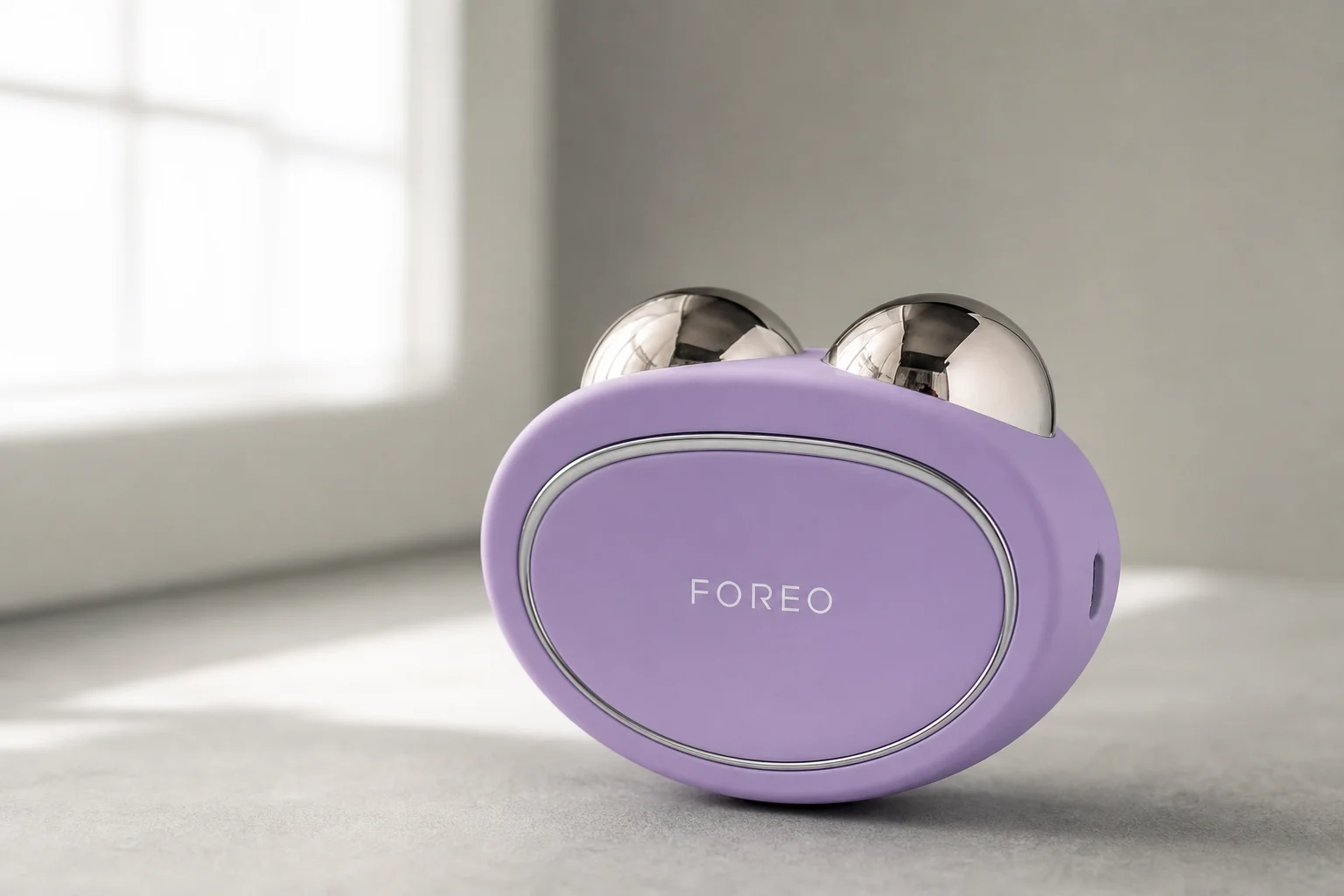
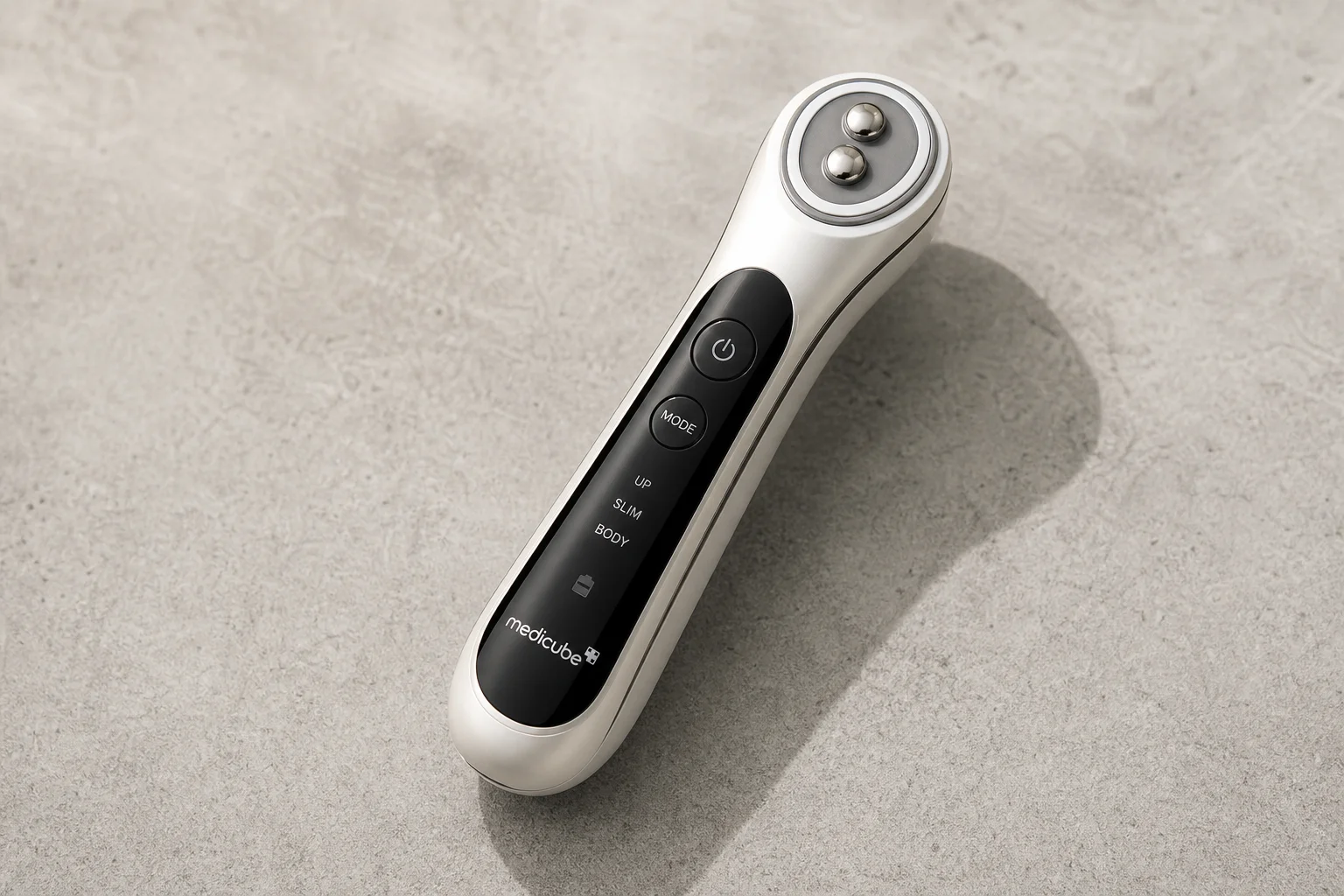
Microcurrent devices deliver a very low level of electrical current to stimulate underlying facial muscles, creating temporary tone, lift, and improved contour. Brands like Nuface, Foreo, and Medicube dominate this category.
These devices carry very little risk and can be useful for short-term results before an event. If you want to look slightly lifted and more contoured for a specific occasion, microcurrent can deliver a subtle improvement. However, the results are temporary and do not provide long-term prevention of skin aging or facial laxity.
Microcurrent devices receive a rating of 5 out of 10. They are not a bad tool if you have realistic expectations and understand they offer a quick, subtle change rather than lasting transformation. Once skin laxity reaches a certain point, the results become less dramatic. The key is using them as an occasional boost rather than a primary anti-aging strategy.
Red Light Therapy Devices: The Science and the Catch
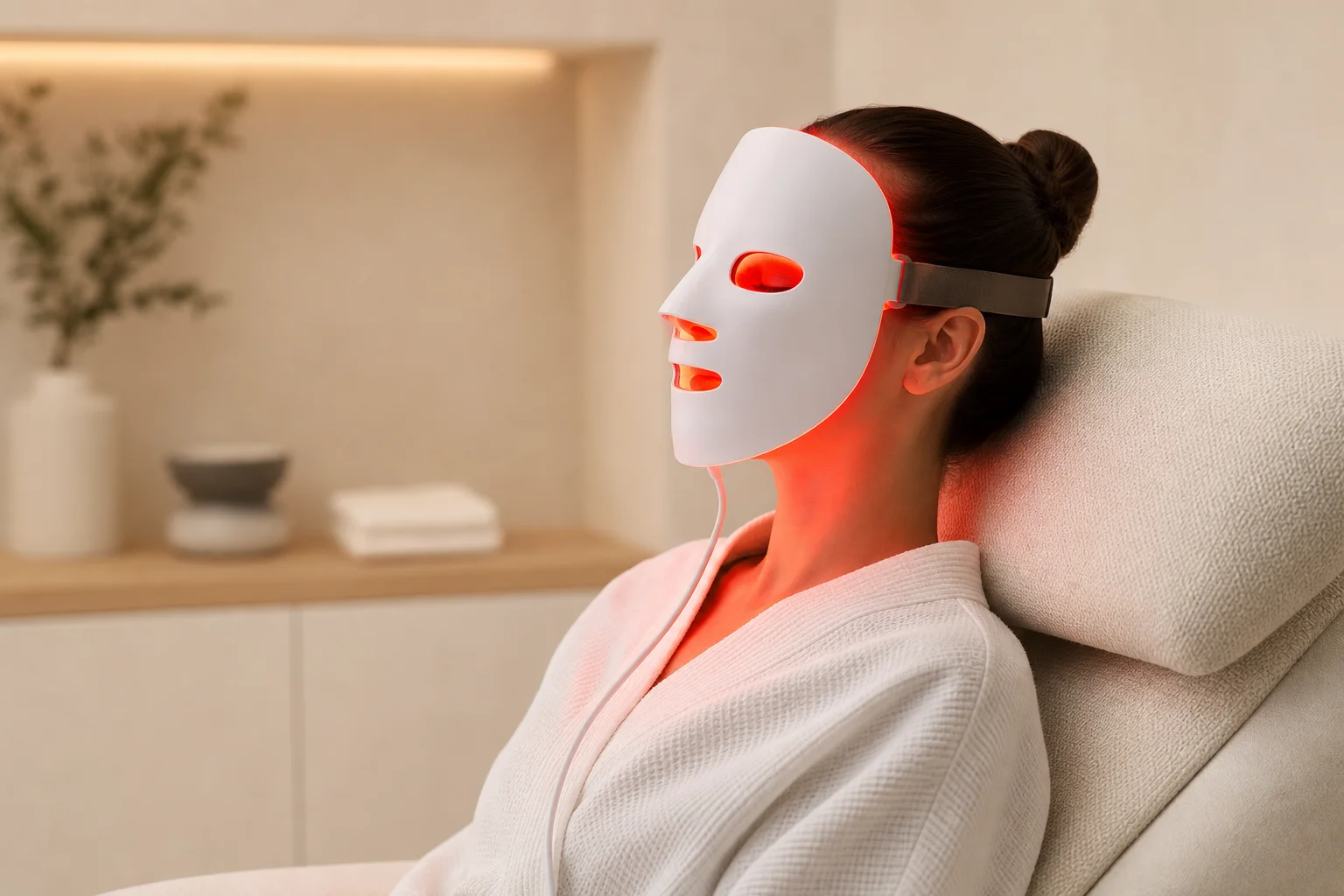
Red light therapy uses specific wavelengths of red and near-infrared light to stimulate collagen production, reduce inflammation, and improve skin tone and texture. The science is real: red light at the correct wavelength, typically around 660 nanometers, can penetrate the skin and stimulate mitochondria in cells, boosting collagen production and speeding healing.
However, most at-home devices on the market are either too weak or use the wrong wavelength. The critical factor is irradiance, which measures the intensity of light hitting your skin. Without an irradiance level of approximately 100 to 110, the device will not deliver enough intensity to create meaningful changes. You will simply be sitting under a glowing light with minimal benefit.
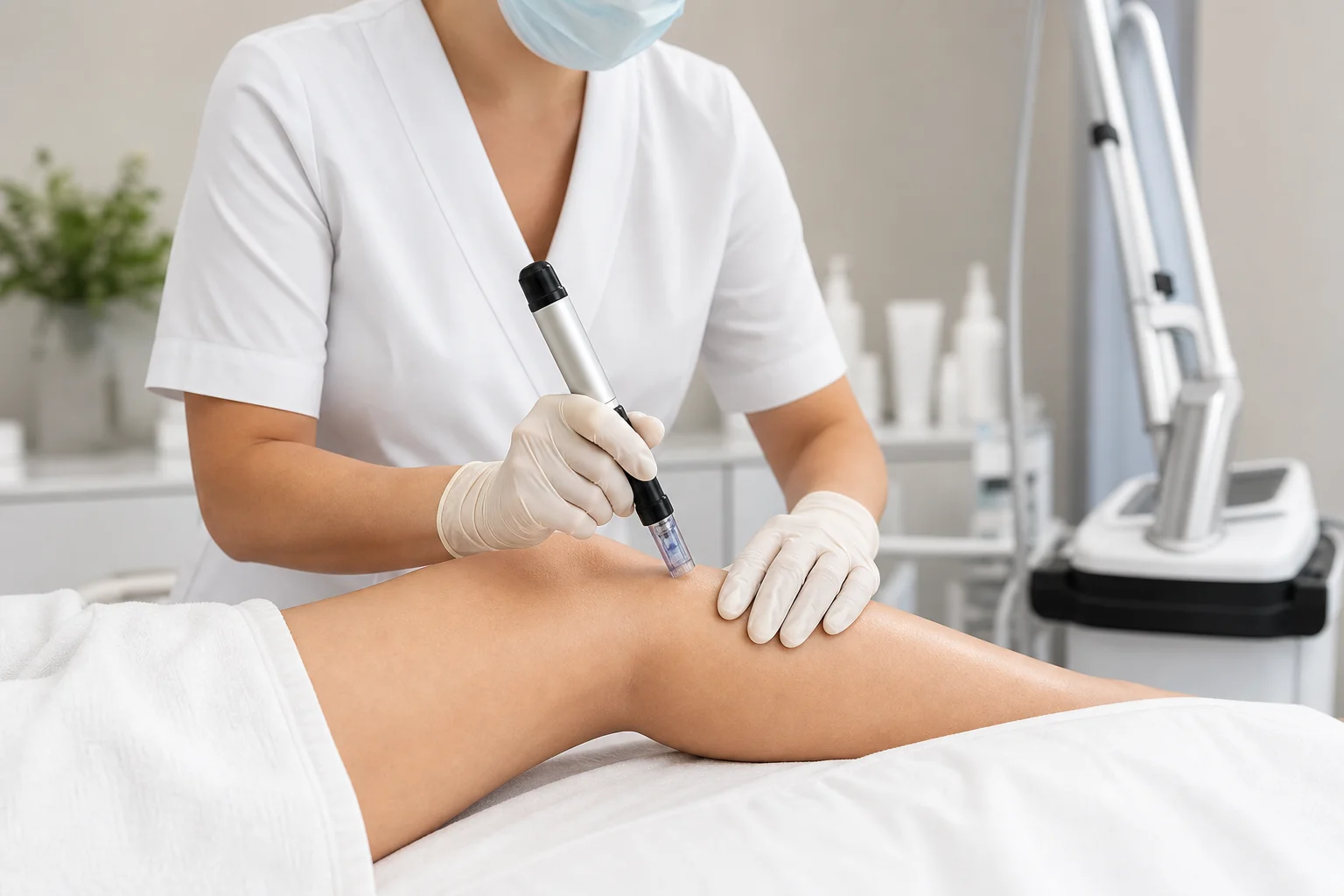
When evaluating red light therapy devices, look for true LED light rather than a red bulb or colored film over white light. Check the irradiance specifications carefully. Larger panels with higher light density deliver more light and reduce treatment time, making consistency easier. A device requiring only 6 minutes daily is far more sustainable than one requiring 30 minutes every other day.
Red light therapy receives a rating of 6 out of 10 when used as a complementary treatment alongside a strong skincare routine. It would receive a 1 out of 10 if you expect it to significantly transform your skin on its own. Think of it as an adjunct to your routine, not a replacement for it.
At-Home Microneedling: Why Professional Treatment Matters
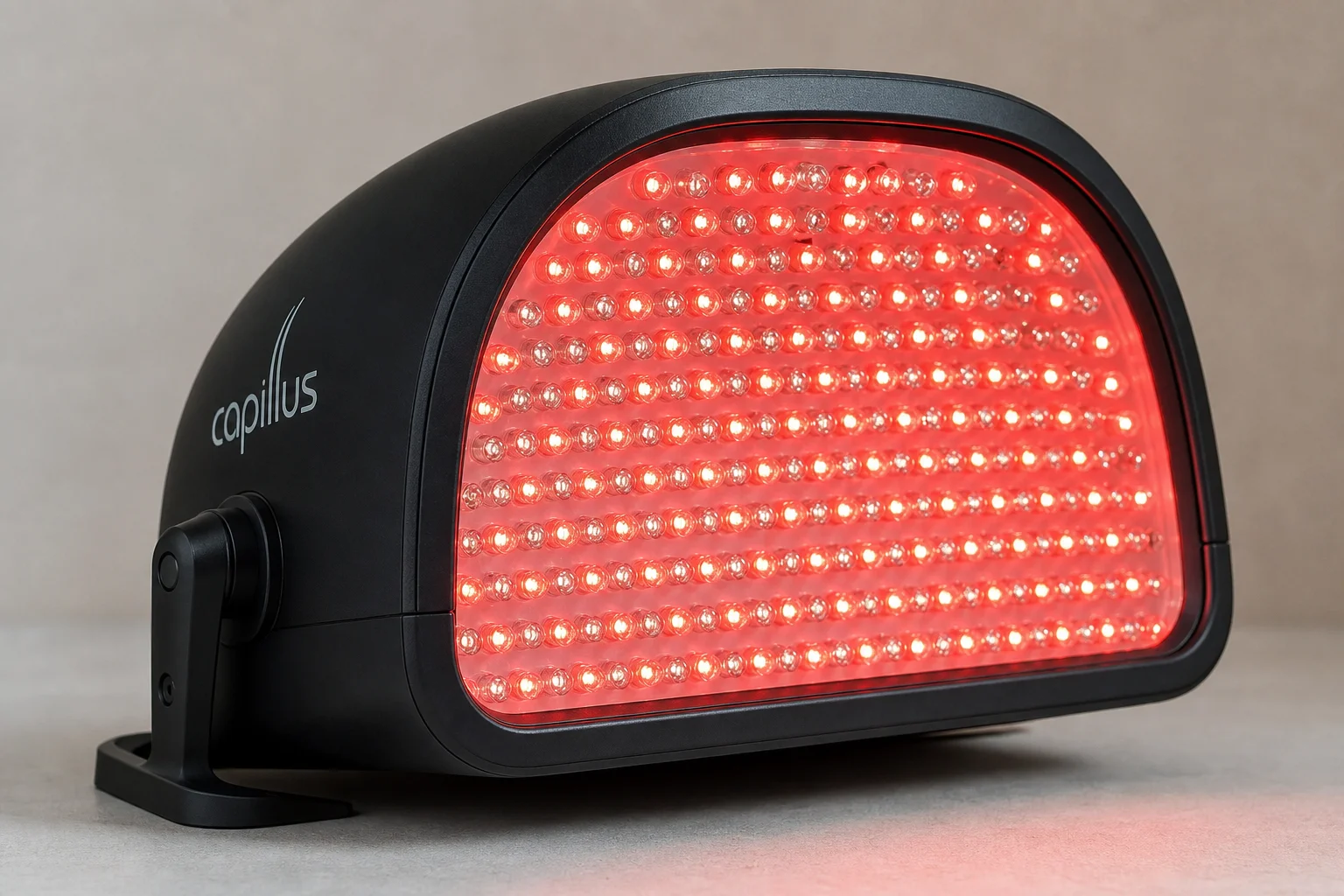
At-home microneedling devices, including dermarollers and stamps, operate on a sound principle: creating controlled micro-injuries to stimulate collagen production. However, at-home microneedling receives a rating of 1 out of 10 due to serious practical concerns.
The primary issue is sterility and cleanliness. Professional microneedling uses sterile needles that are discarded after a single use and placed in a sharps container. At-home devices are reused, and most people lack the knowledge to properly sterilize them. This creates a situation where bacteria, oils, and dead skin cells accumulate on the needles and are driven back into the skin, often resulting in infections and breakouts.
Additionally, at-home devices are typically much more superficial, penetrating only about 0.25 millimeters, barely past the outermost layer of skin. Meaningful collagen stimulation usually requires deeper penetration. If you want microneedling, seek professional treatment in a clinical setting where proper sterility protocols and appropriate needle depth are guaranteed.
Understanding the Real Problem: Collagen Loss
The reason fine lines and wrinkles form is that skin loses collagen and thins over time. This is the foundational issue that most at-home devices fail to address directly. Women experience a massive drop in collagen during perimenopause and post-menopause, losing approximately 30 percent of their collagen. This loss of elasticity and skin thickness means every facial movement causes the skin to crease more easily.
While devices can provide temporary improvements, they do not replace the need for topical skincare that actually stimulates collagen production and maintains skin health.
The Real Solution: Consistent Daily Skincare
After more than 20 years of helping people with skin and facial rejuvenation, the honest truth is that no device replaces proper at-home skincare done consistently and correctly. Efficacy and visible skin change require daily application of the right ingredients.
The most effective approach combines retinol, vitamin C, peptides, and niacinamide with daily sun protection. This is not the sexiest or coolest concept, but it is what actually works. A complete routine takes only one to two minutes, performed twice daily in the morning and evening.
Consistency is the key. Doing the routine once in a while will not produce results. The daily, disciplined approach to skincare is the blue-collar method of skin rejuvenation, and it is the most reliable path to visible transformation over time.
Conclusion
At-home anti-aging devices can play a supporting role in your skincare routine, but they are not replacements for consistent, science-backed daily skincare. Gua sha and Frownies offer minimal benefit. Microcurrent devices provide temporary results for specific occasions. Red light therapy can support collagen production when used correctly with proper irradiance levels. At-home microneedling carries significant infection risks and is best left to professionals.
The real investment in your skin should be a daily routine featuring proven ingredients: retinol, vitamin C, peptides, niacinamide, and sun protection. This combination, applied consistently, is what transforms skin over time and delivers lasting results.
Further reading
Related Reviews

Hi-Fi Speakers
Acoustic Energy AE1 40th Anniversary Review: A Modern Take on a British Classic
A compact standmount that revives a 1980s favorite with all-new parts, a warm mid-centric balance, and a price of £1,499 per pair.

Studio Monitors
ADAM Audio A8H Review: A Three-Way Studio Monitor That Also Knows How to Have Fun
A three-way active studio monitor with an 8-inch woofer, a handmade AMT tweeter, and two distinct tunings, the ADAM Audio A8H aims to satisfy both critical work and everyday listening.
Coffee Brewing
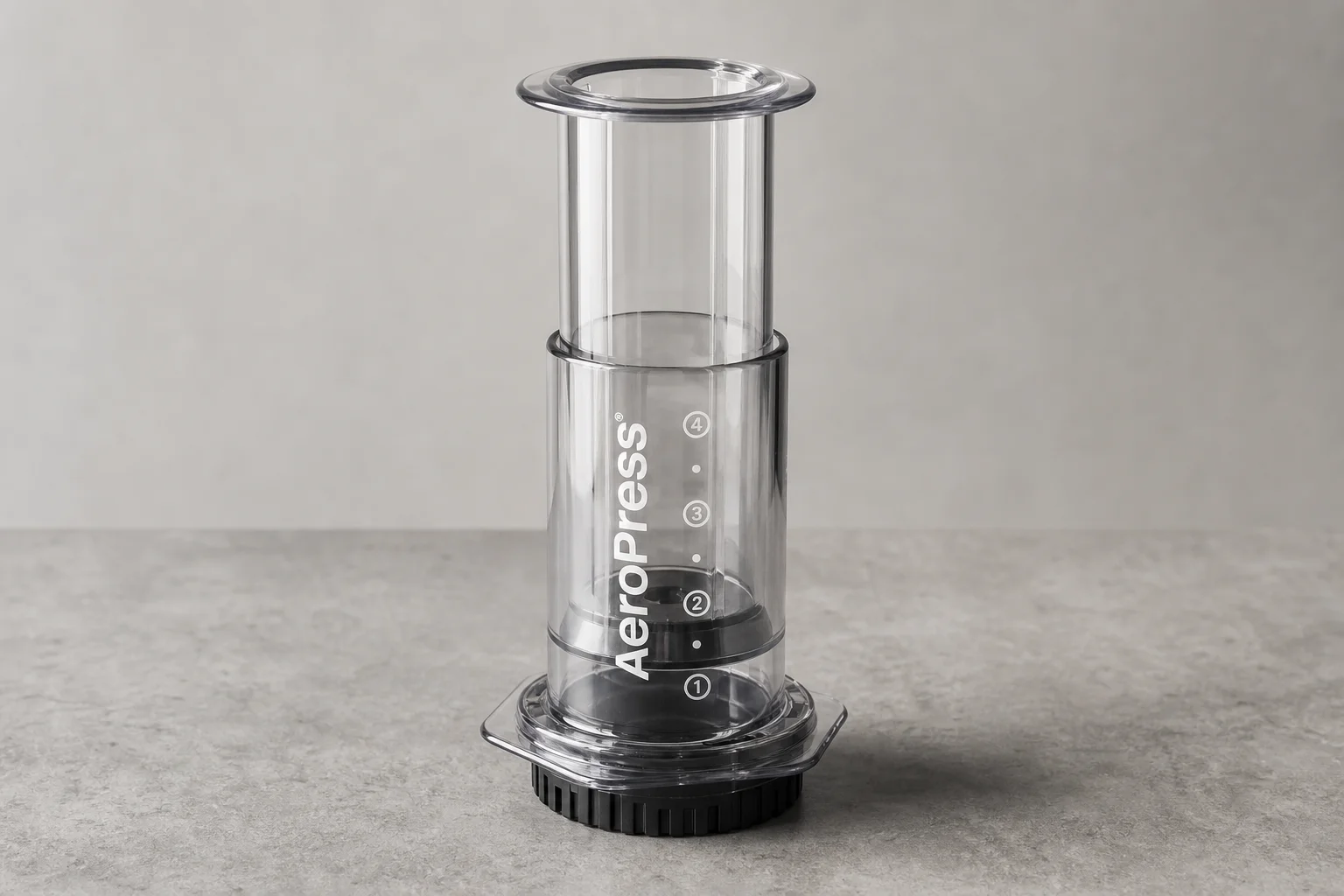
AeroPress Clear Review: A Transparent Upgrade With Caveats
The new AeroPress Clear uses Tritan material and costs $50, but doesn't brew better coffee than the original. We tested durability, staining, and what the price increase means for the brand's future.