Fountain Pens
Asvine V126 Review: A $28 Vacuum Filler That Punches Above Its Price
A frosted black vacuum-fill fountain pen with a Western-sized extra fine steel nib, user-friendly disassembly, and a few build compromises worth knowing about before you buy.
Introduction
Chinese fountain pen brands have come a long way in the past five years, and the Asvine V126 is a good example of why it is worth taking another look. Asvine, which appears to be the next evolution of the Moonman/Maan brand lineage, focuses on vacuum-fill piston pens with attractive trims and its own nib designs, and it has been earning consistently positive feedback.
At around $28 on Amazon, the V126 is a vacuum-fill pen with a range of frosted, glossy, and swirl finishes, three nib sizes, and packaging that would not embarrass pens costing several times more. This review covers the frosted black version with all-black trim and an extra fine steel nib, right out of the box with no cleaning or tuning beforehand.
Design and First Impressions
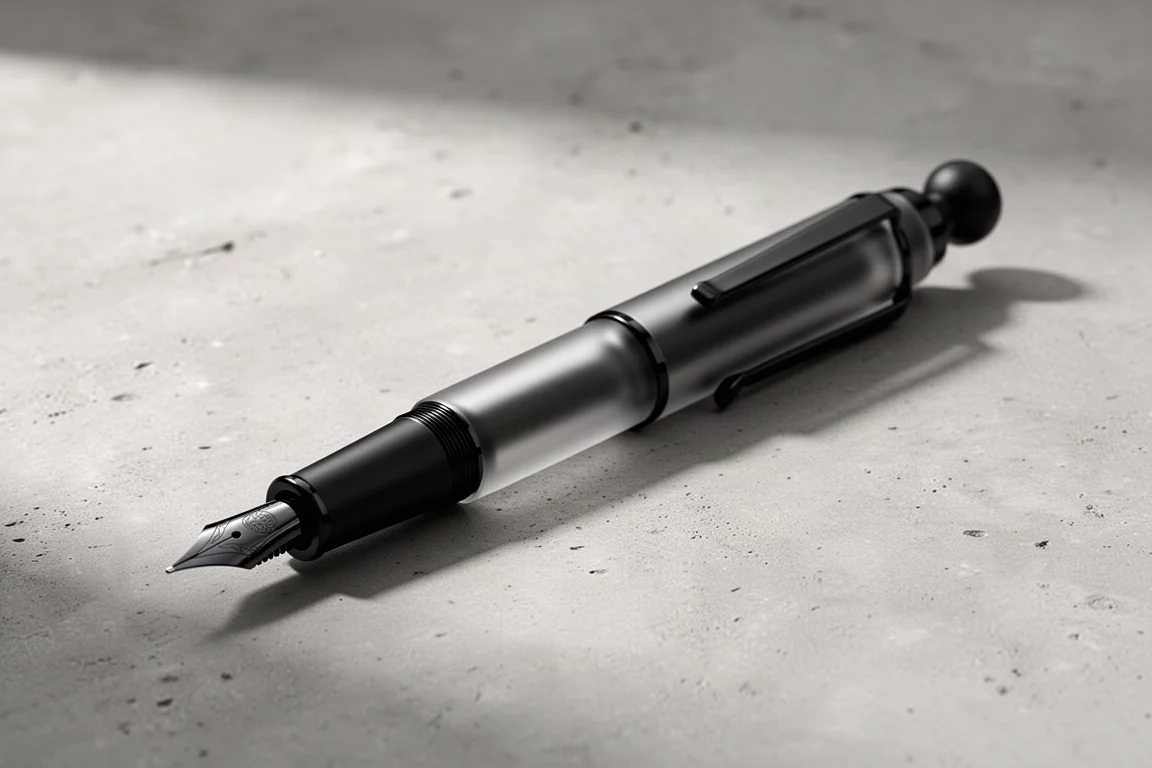
The frosted black acrylic looks genuinely good, and the all-black treatment extends to the nib itself, which carries a small amount of scrollwork and an “EF” marking so you can tell the nib size at a glance. The pen is clearly inspired by the Pilot Custom 823, taking its shape and filling design cues from that pen, but Asvine offers far more finish variety than Pilot currently does.
The cap unscrews in about one and a half rotations, which is completely acceptable, and the cap has a good inner sleeve that should keep the nib from drying out. The step down to the section is rounded and smoothed rather than a hard edge, so it does not dig into your hand, which suggests some real thought went into the ergonomics.
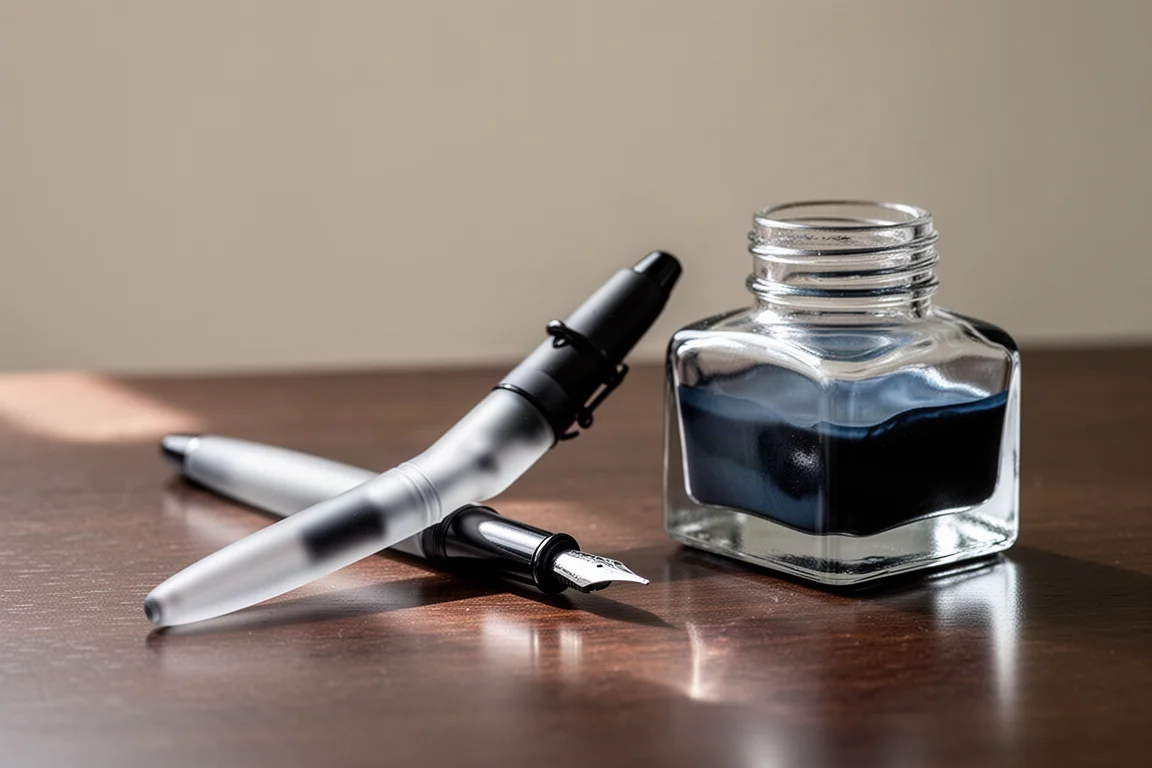
One design choice worth knowing about: the rear screw threads are steel threads entering an acrylic cap, and the flat wrench spots were cut after the threads, leaving sharp burrs that are already chewing into the acrylic on a brand-new pen. It is unlikely to cause real problems in normal use since you rarely unscrew the blind cap, but it is a manufacturing detail Asvine should improve.
Filling and the Vacuum Mechanism
The vacuum filler works as expected: push the plunger down while the nib is in the ink bottle, creating negative pressure behind it, and when it reaches the release point the vacuum releases and draws ink into the barrel. On a first fill it reached roughly half capacity, and a second push added noticeably more. Additional pumps, or turning the pen nib-up, can chase out the remaining air.
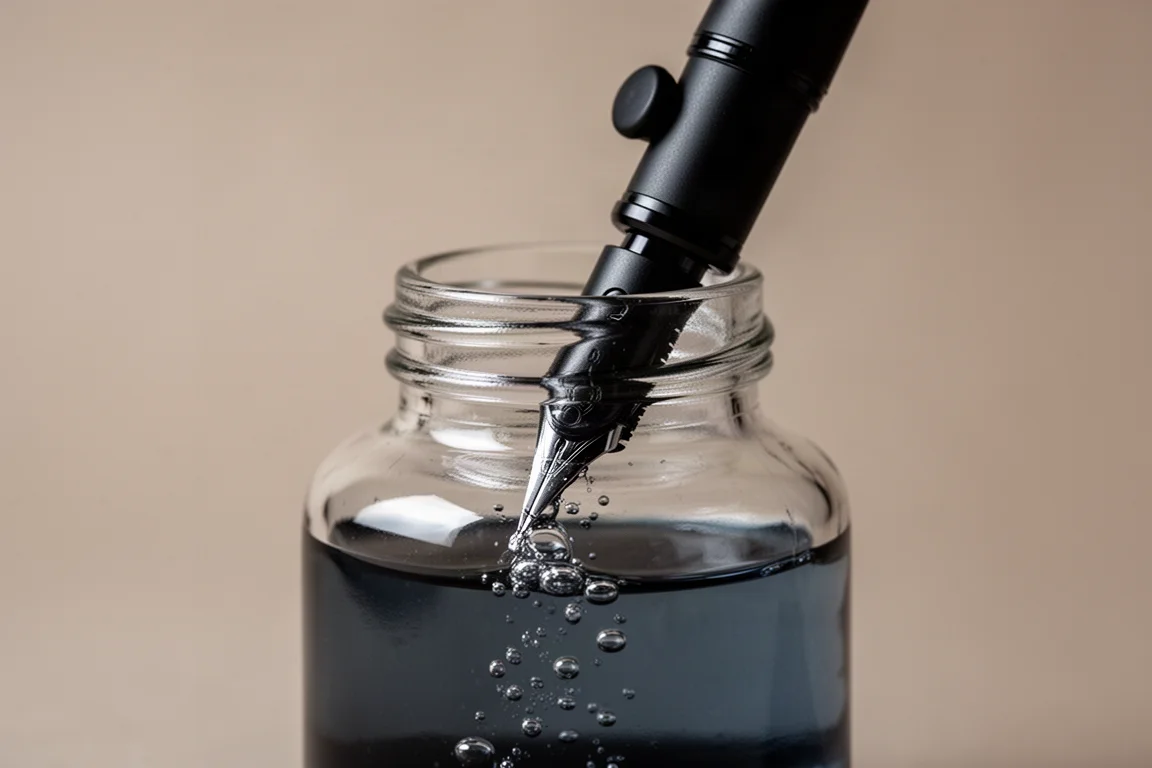
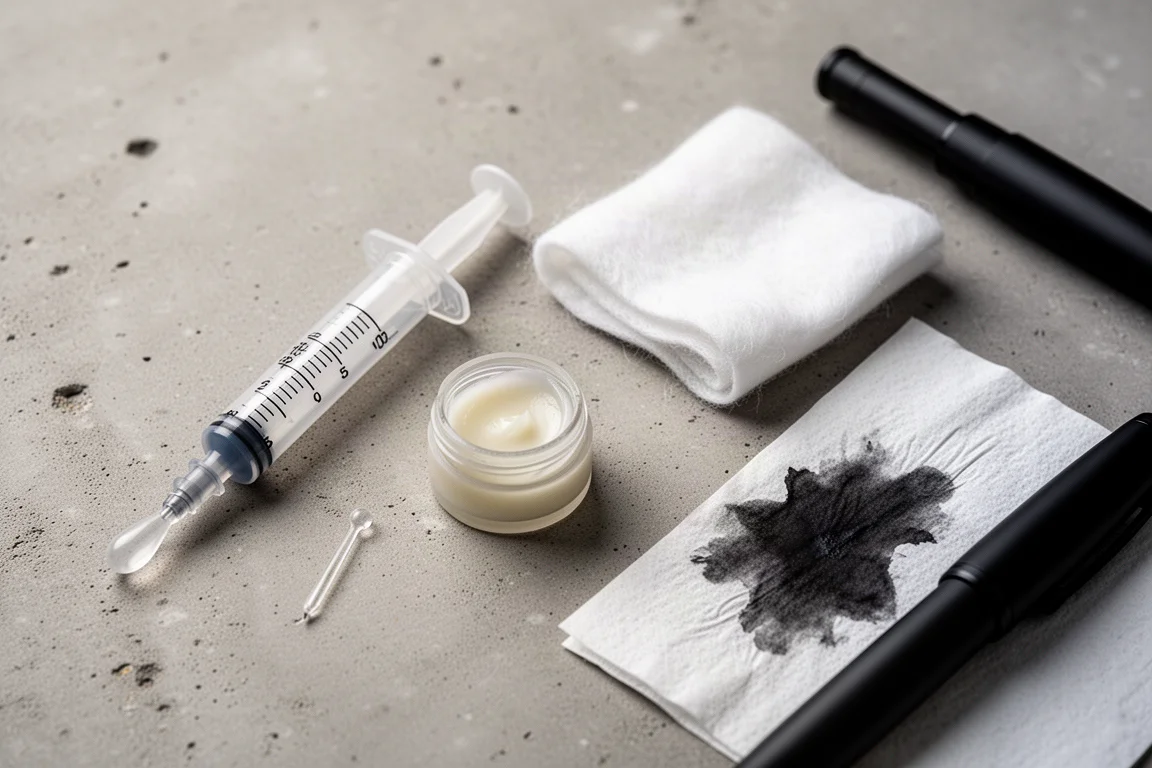
The most welcome surprise is that the whole rear section unscrews, held by an O-ring or two. That means you can disassemble the pen fully for cleaning with a bulb syringe or running water, something the Custom 823 actively discourages. You can also remove the section entirely and eyedropper the pen for an absolutely full fill. A little silicone grease on those threads is a sensible maintenance habit if you unscrew it often.
One vacuum-filler note: if the pen is left screwed down, the piston rod seals the feed and ink flow stops. If writing suddenly runs dry while the barrel still has ink, just unscrew the plunger tip slightly and the flow resumes. It also makes the pen a good candidate for flying, since the sealed position prevents leaks.
Writing Performance
The extra fine steel nib runs closer to Western sizing, nearly matching a Twsbi extra fine in line width. Wetness is generous for an extra fine, around what you would expect from a medium, which means you still get good shading even on a fine line.
The nib has a pleasant pencil-like feedback, reminiscent of a Sailor, that lets you feel the paper without catching or scratching. There is no baby’s bottom and it came tuned well out of the box, which seems to be a strength of Asvine nibs generally. It passed all direction tests and a full speed test down the page and back with no skips.
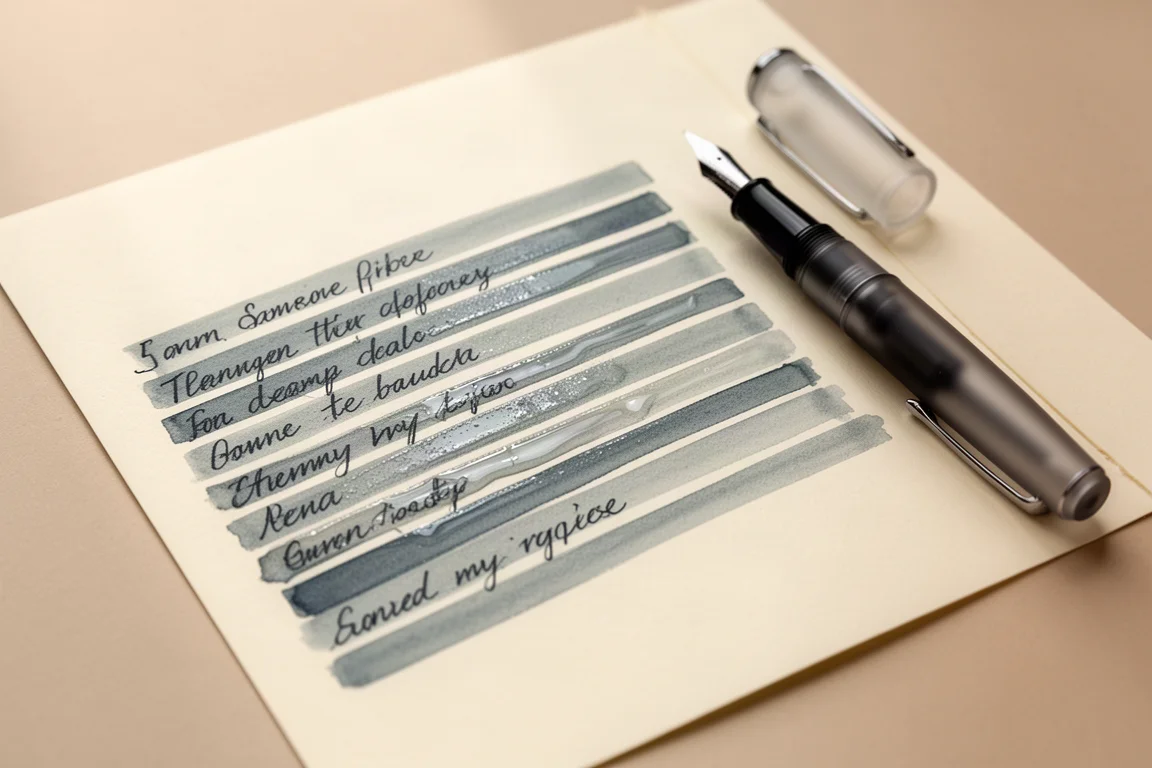
For testing, the pen was inked with Ruru Fuyugesho from the Roshisuku Nature line, a winter-themed blue-leaning grey that shades nicely and stays legible. The grey-toned frosted black barrel makes a fitting winter pairing.
Build Quality and Longevity
Honest assessment: the materials are clearly cheaper than a Pilot Custom 823. Hand the two to someone blindfolded and the difference is obvious. The matte trim appears to be painted rather than anodized or plated, and the cap band already shows some smoother spots, so expect the finish to soften with use.
That said, the pen is well built for what it costs. Cap threads are plastic and smooth, fit and finish are tidy, the machined threads elsewhere feel precise, and the folded metal clip is round all the way around, which is genuinely impressive for this price. The clip is stiff but functional, and the weight sits slightly rearward without hurting the writing feel.
The main longevity concern is that gritty steel-to-acrylic thread interface at the blind cap, which does not feel good in use and may wear over time. Even so, at $28 a replacement is trivially affordable: if it wears out after a few years, buying another costs less than $30.
Buying Advice
For a vacuum-fill pen with its own nib, matching black trim, and a wide choice of interesting finishes, $28 is close to a steal; it undercuts Twsbi and most other vacuum-fill options. It also suits beginners unusually well, since vacuum fillers used to be an expensive category to enter. If you eventually want the real Custom 823, you will still buy it, but this is a low-risk way to find out whether the format is for you. It also cured a long-held skepticism about budget Chinese pens, at least for now.
Conclusion
The Asvine V126 delivers a working vacuum filler, a well-tuned extra fine nib, easy disassembly for cleaning, and attractive frosted finishes for less than $30. The painted trim and gritty blind-cap threads are real compromises, but none of them undermine the core value. For the money, this is one of the most compelling entry points into vacuum-fill fountain pens right now.
Product link
View more details for Asvine V126
This product is mentioned in the review. Check the specifications, options, and compatibility before buying.
View more details for Asvine V126Further reading
Related Reviews
Fountain Pens
Best Budget Fountain Pens Tested: 9 Pens, One Clear Winner
A hands-on comparison of nine affordable fountain pens for everyday writing, calligraphy, and sketching, with a clear standout for flexible nib fans.
Fountain Pens
Aurora Optima Review: An Italian Piston Filler That Punches Above Its Price
A 14k gold nib, ebonite feed, and a beautifully deep oraloid body make the Aurora Optima one of the most rewarding piston fillers around.
Fountain Pens
Cross Bailey Light Review: The Entry-Level Fountain Pen Worth Keeping at the Office
A plastic-bodied Cross with a metal clip, snap cap, and famously smooth extra fine steel nib. Around $15, available almost everywhere, and easy to recommend.