Fountain Pens
Asvine P80 Review: A Budget Piston Filler With Real Personality
A chrome-over-acrylic piston fountain pen that looks far more expensive than its $35 price tag, with a few trade-offs worth knowing about.
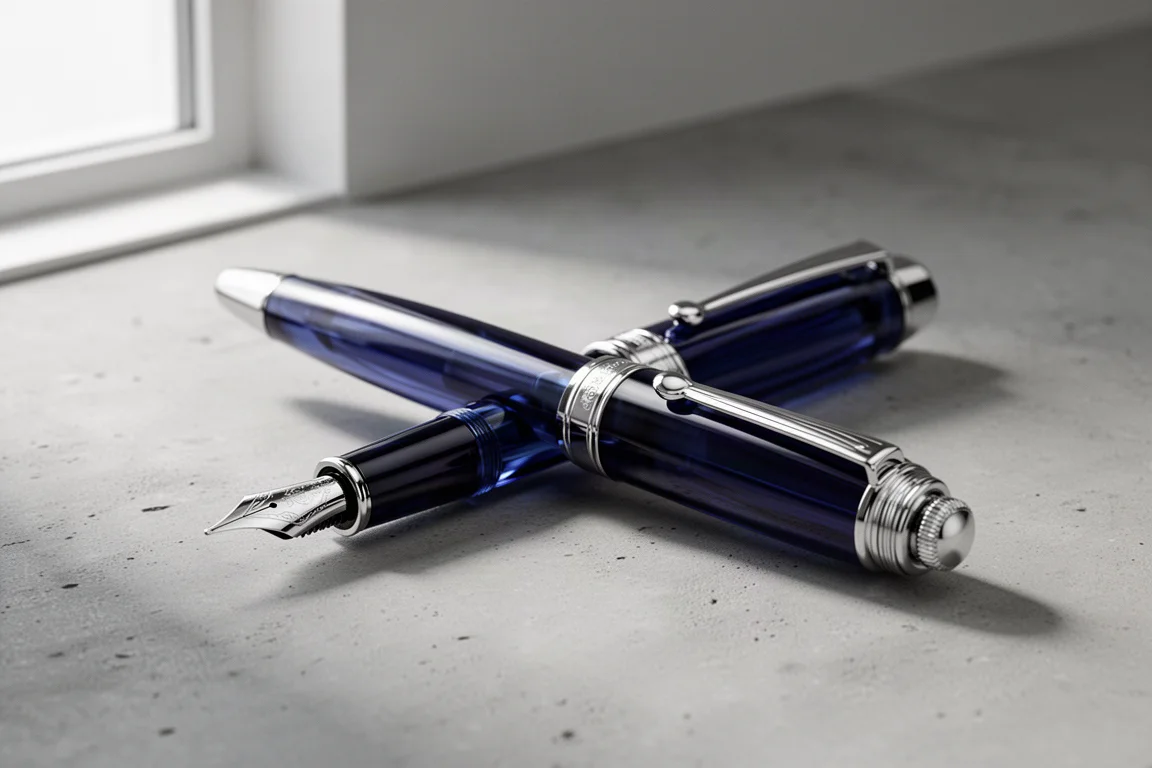
Introduction
For years, the entry-level fountain pen conversation revolved around the same short list: the Pilot Metropolitan, the Lamy Safari, the Platinum Preppy, and a few TWSBI options. Recently, less expensive Chinese brands such as Asvine have genuinely stepped up, producing pens that can no longer be dismissed as junk. The Asvine P80 is a strong example of that shift: a piston filler with a chrome-plated brass overlay, translucent acrylic, and a price of $34.99 that makes it one of the more interesting budget pens on the market right now.
Who This Product Is for
The P80 suits anyone who wants a piston-filling fountain pen with genuine visual personality without spending into the triple digits. If you are graduating from a cartridge-converter starter pen, or you simply want a daily writer that looks more expensive than it costs, this is an easy pen to recommend. It is available in five finishes: blue, gray blue, red, transparent clear, and transparent gray.
First Impressions and Design
The review unit is the gray blue version, which pairs a chrome-plated brass overlay with translucent gray-blue acrylic. The overlay is the defining feature of this pen, and it is executed better than the price suggests. The edges of the metal cutouts are not sharp, which matters more than you might think: some overlay pens have rough metal edges that feel uncomfortable in hand. There is also no discernible repeating pattern across the cap and barrel; every cutout is unique.
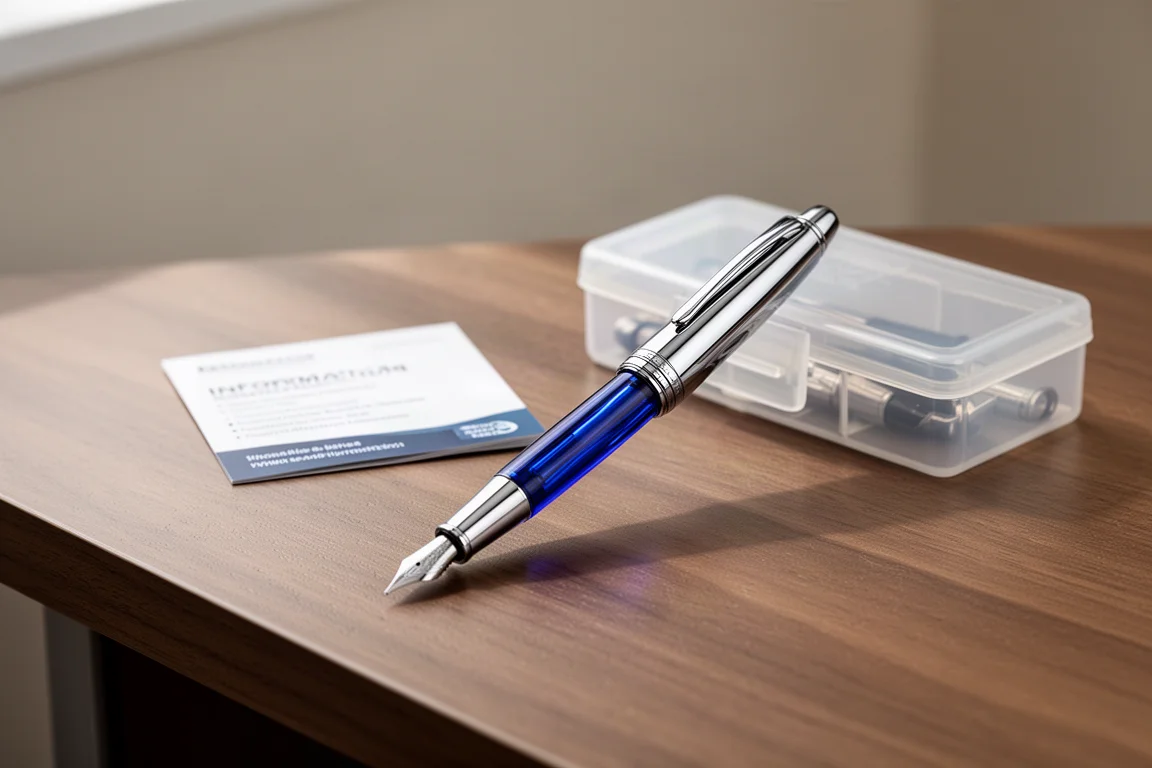
The subtle motif hides a small detail: two spiders, one on the cap and one on the barrel facing opposite directions. Spider imagery will not be for everyone, but the theme is understated enough that the pen reads as “pattern overlay with a couple of spiders” rather than a novelty spider pen. The translucent resin gives a decent view of your ink level, which pairs nicely with the piston filling system.
Cap, Clip, and Filling System
The cap has a rounded top that transitions into a clip wide at the top and gently tapering down. It handles pocket material of varying thicknesses well, and the area directly below the clip is free of cutouts, so your pocket or pouch will not snag when sliding in. The company name is stamped at the end of the clip, with the P80 name on the other side.
The piston mechanism is smooth and operates well, and the translucent barrel means you always have a good look at your ink situation. One practical gripe: the tapered, slick metal piston knob looks great but can be slippery, especially with wet hands. You sometimes have to squeeze and turn it with a bit of intention. A grip feature near the bottom of the knob would have helped.
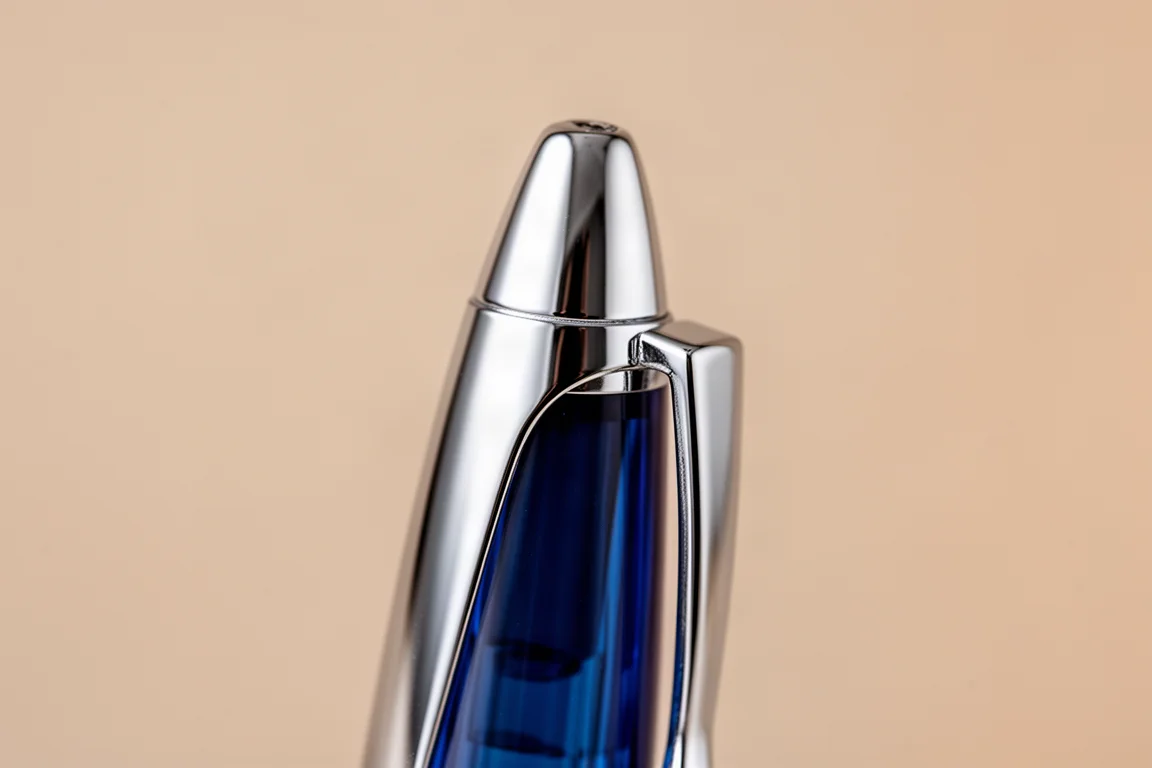
The cap twists off in one and a quarter rotations, revealing a number six stainless steel nib. One quirk worth knowing: because the cap has multiple threads, the nib can end up in orientations that do not align with the clip, and adjusting the clip would knock it out of line with the barrel branding. It is a minor annoyance for anyone who cares about nib alignment.
Writing Performance
The stainless steel nib is available in extra fine, fine, and medium, with fine and broad B nib options available for an additional $10. The medium tester was pleasant, with slightly more line variation than expected when light pressure was applied, though it is by no means a flex pen. Ink flow is substantial for a medium nib.
Reverse writing is not too scratchy and lays down an extra-fine line, and during fast writing the plastic feed had no trouble keeping up. The metal section is the other practical compromise: it looks cohesive with the chrome exterior, and the flare at the front prevents your grip from sliding off the end, but grip it further back and it tends to travel forward. The cap does not post, which is fine, since the pen is long enough to use comfortably unposted.
Size and Comparisons
The P80 sits comfortably alongside other Asvine models such as the V169 overlay pen, the P36, the P50, and the vacuum-filling V126, and it holds its own next to pens like the Opus 88, TWSBI Diamond 580 Iris, and Lamy Al-Star. Next to those, the P80’s combination of brass overlay and piston filler at $34.99 makes it look like the bargain of the group.
Buying Advice
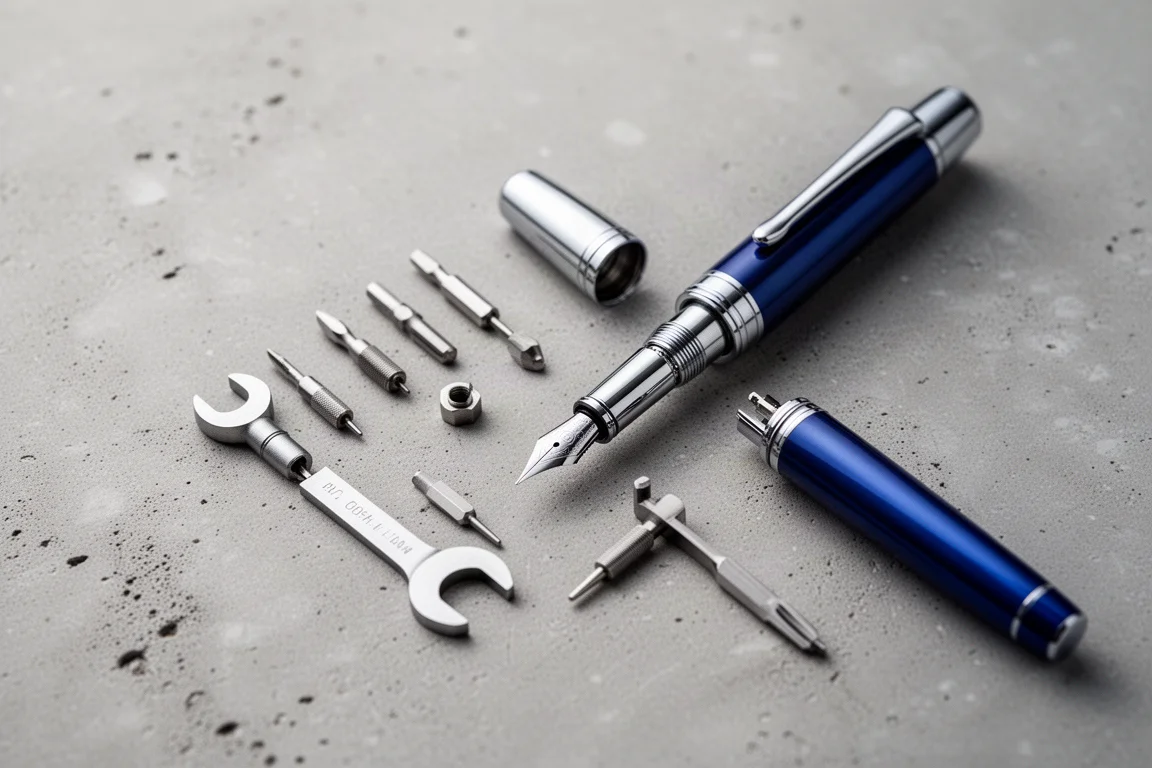
At $34.99, the P80 offers sharp looks, a reliable piston filler, and a nib that performs well above its price bracket. Buy it if you value style and a filling system upgrade on a budget. Skip it or think twice if you dislike slick metal sections or need a cap that posts. The included bonus is worth noting too: a small utility tool for disassembling the piston mechanism, with cutouts sized to work on other manufacturers’ piston pens as well.
Conclusion
The Asvine P80 is proof that budget Chinese fountain pens have become genuinely competitive. It has personality, performs well on paper, and looks more expensive than it is. The slick section and slippery piston knob are real but minor trade-offs at this price, and for anyone shopping in the entry-level range, it deserves a place on the short list.
Product link
View more details for Asvine P80
This product is mentioned in the review. Check the specifications, options, and compatibility before buying.
View more details for Asvine P80Further reading
Related Reviews
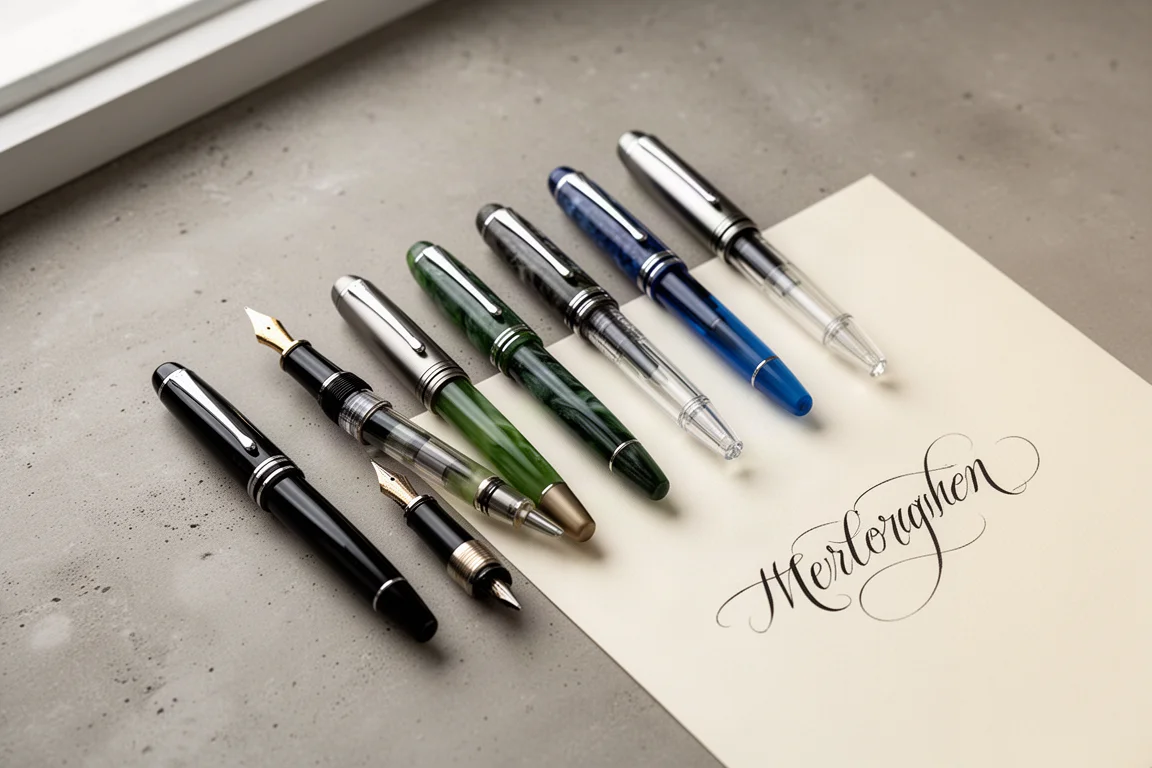
Fountain Pens
Best Budget Fountain Pens Tested: 9 Pens, One Clear Winner
A hands-on comparison of nine affordable fountain pens for everyday writing, calligraphy, and sketching, with a clear standout for flexible nib fans.
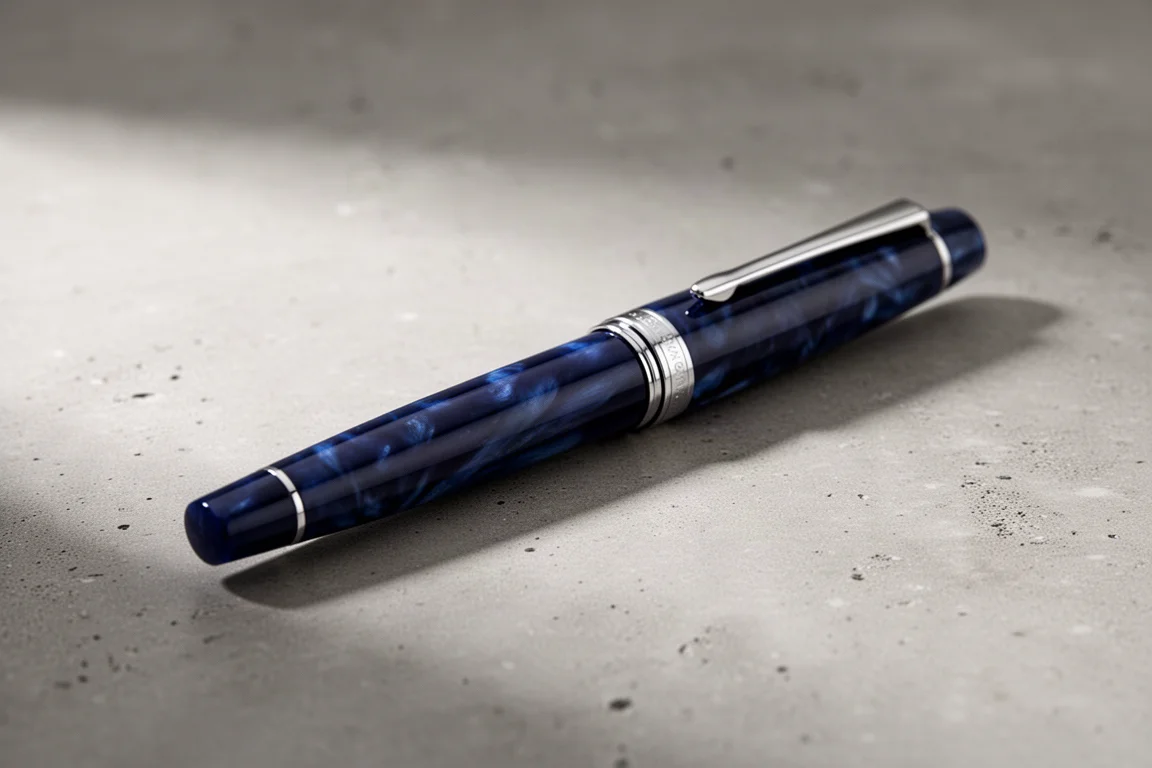
Fountain Pens
Aurora Optima Review: An Italian Piston Filler That Punches Above Its Price
A 14k gold nib, ebonite feed, and a beautifully deep oraloid body make the Aurora Optima one of the most rewarding piston fillers around.
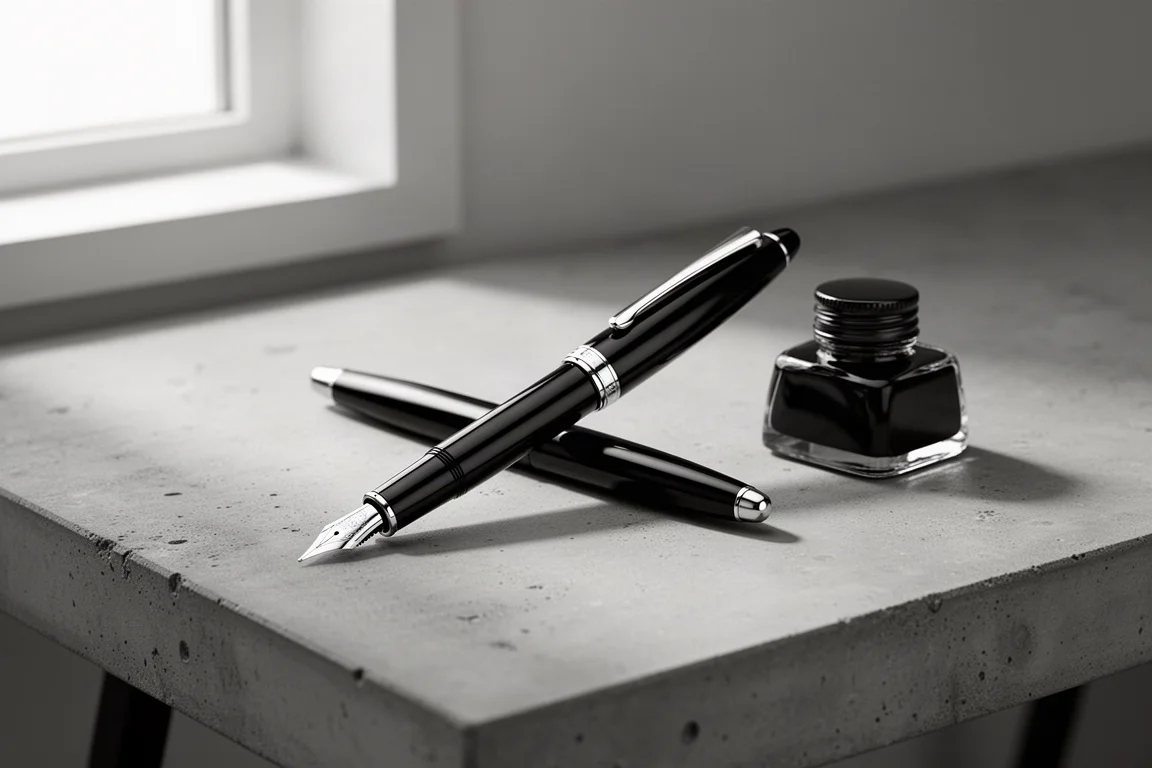
Fountain Pens
Cross Bailey Light Review: The Entry-Level Fountain Pen Worth Keeping at the Office
A plastic-bodied Cross with a metal clip, snap cap, and famously smooth extra fine steel nib. Around $15, available almost everywhere, and easy to recommend.