Fountain Pens
Asvine Hongdian Black Forest 1861 Pro: Two Finishes, One Impressive Budget Fountain Pen
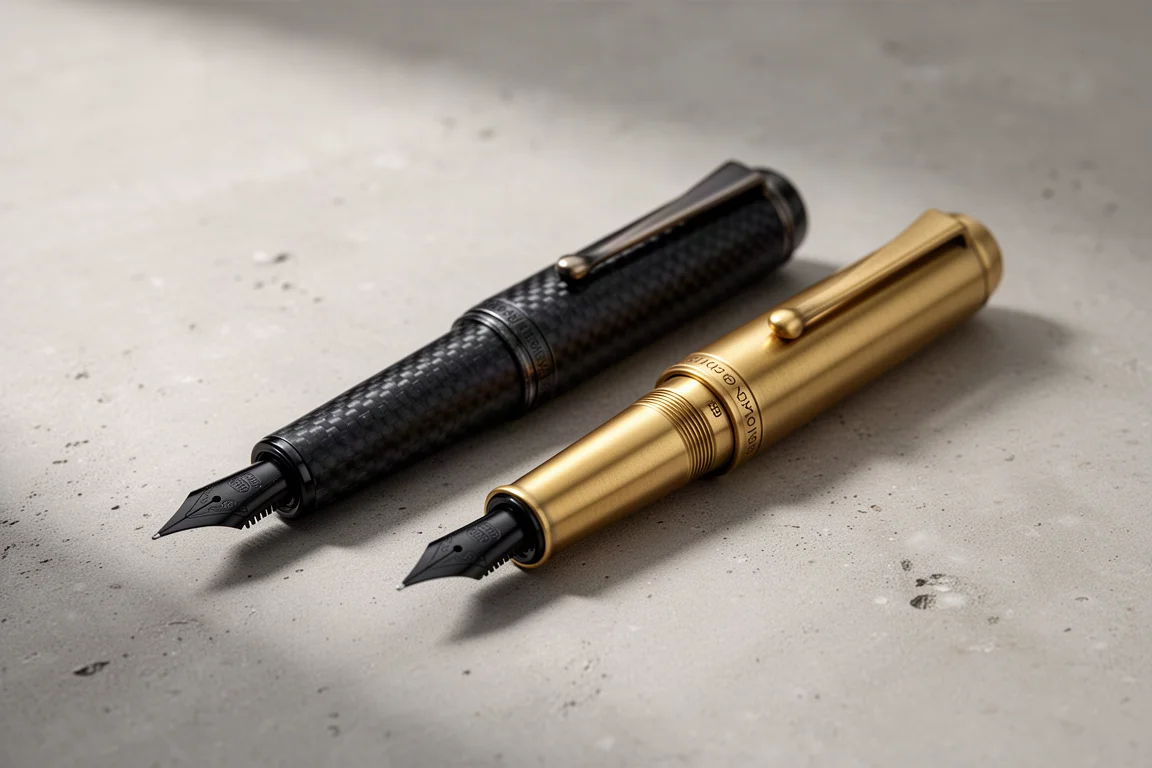
A close look at the Black Forest 1861 Pro in carbon fiber and brass finishes: solid build, a converter in the box, and writing quality that punches well above its price.
Introduction
The Black Forest 1861 Pro from Asvine, sold under the Hongdian brand, is not a new pen, but it has recently gained a set of new finishes: carbon fiber, brass, and stainless steel. Here we take a close look at the first two. Priced at 17.50, these pens sit firmly in budget territory, yet they behave like pens that cost considerably more. Whether you are after the visual texture of carbon fiber or the warmth of brass, there is a version worth considering.
First Impressions and Packaging
Both pens arrive in packaging that feels genuinely thoughtful. A small cardboard outer box conceals a compact tin, which is attractive enough to keep and reuse. Inside, the pen is protected by a soft sleeve. It is a complete package that makes a good first impression before you even touch the pen.
Build Quality and Design Details
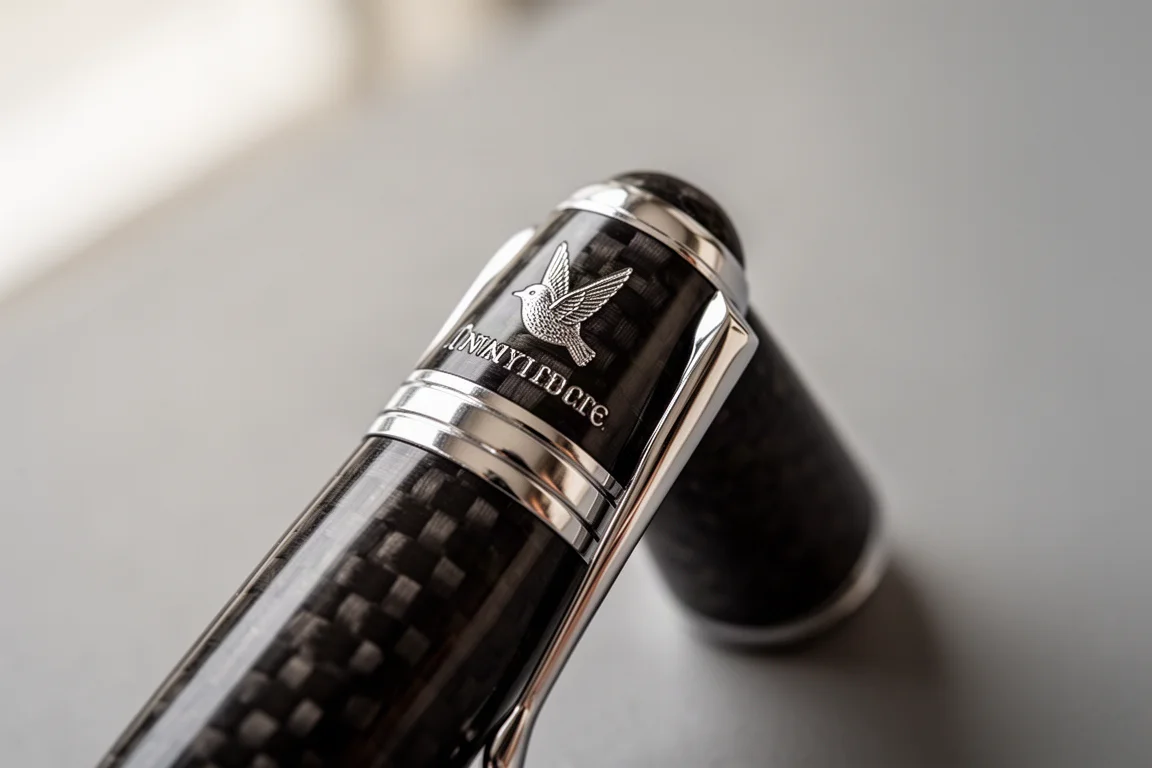
Both finishes pull apart securely, cap with a satisfying solid clunk, and use a spring-loaded clip with a nice groove detail. The carbon fiber version has a black nib and a bird motif engraved on the cap finial, along with Black Forest 1861 lettering. Its medium nib is stamped rather than laser engraved, a nice touch at this price.
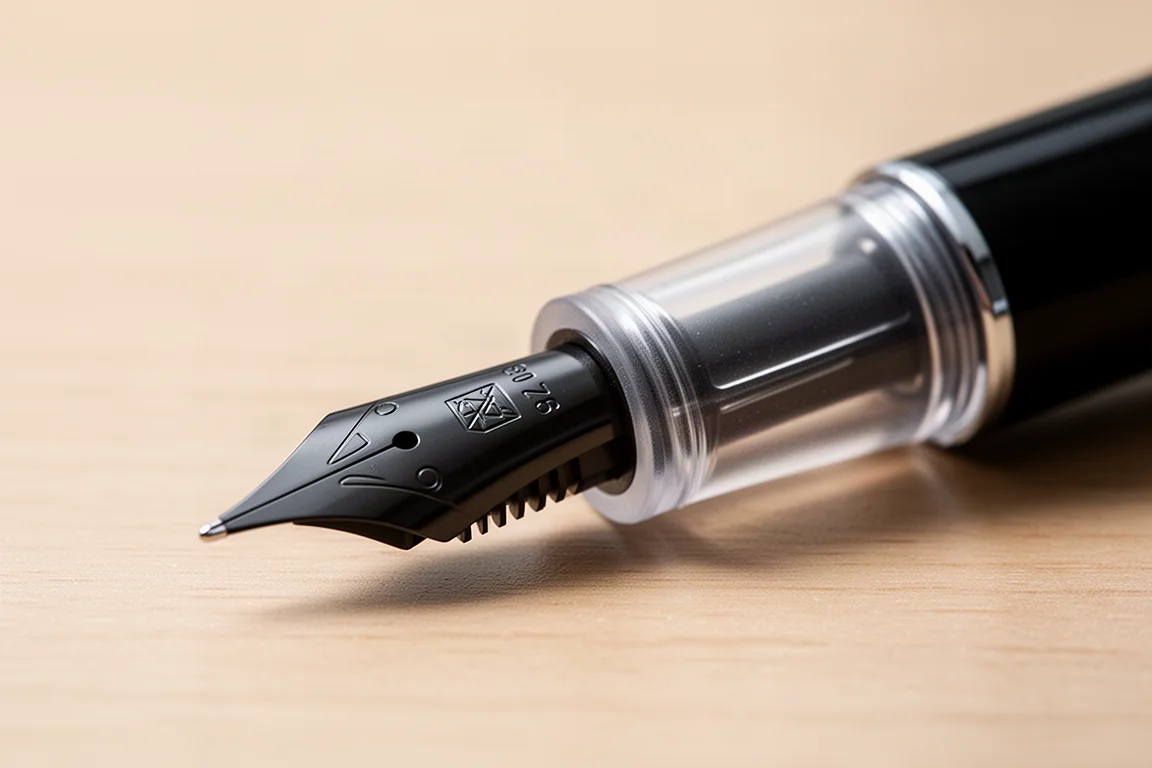
Interestingly, although these are the same model, the brass version has a slightly different center band and cap: the groove patterns differ, and the center band reads LT Hongdien 1861 Pro on the back, which the carbon fiber does not have. The section tapers down and flares slightly, and both pens post securely thanks to a shaped rear end. The carbon fiber adds visual texture without any tactile roughness, since the surface is completely smooth.
Nibs and Filling
Both pens use number 5 nibs, available in extra fine, fine, medium, and fude. The brass sample carries the fude nib, an upturned nib originally intended for Asian calligraphy and artists. The pen is fed by a converter with a flattened turning knob similar in style to a Lamy converter, though it is not a Lamy converter. A converter is included in the box, which is remarkable at this price point; notably, no cartridge is included, but with a converter in hand that is easy to forgive.
Writing Performance
The carbon fiber version with the medium nib writes well straight out of the box. After a quick flush, it wrote immediately with only one skip, and the flow sits in a pleasant middle ground: not excessively wet, not too dry. It is genuinely impressive that a pen under twenty dollars writes this well without any tuning.
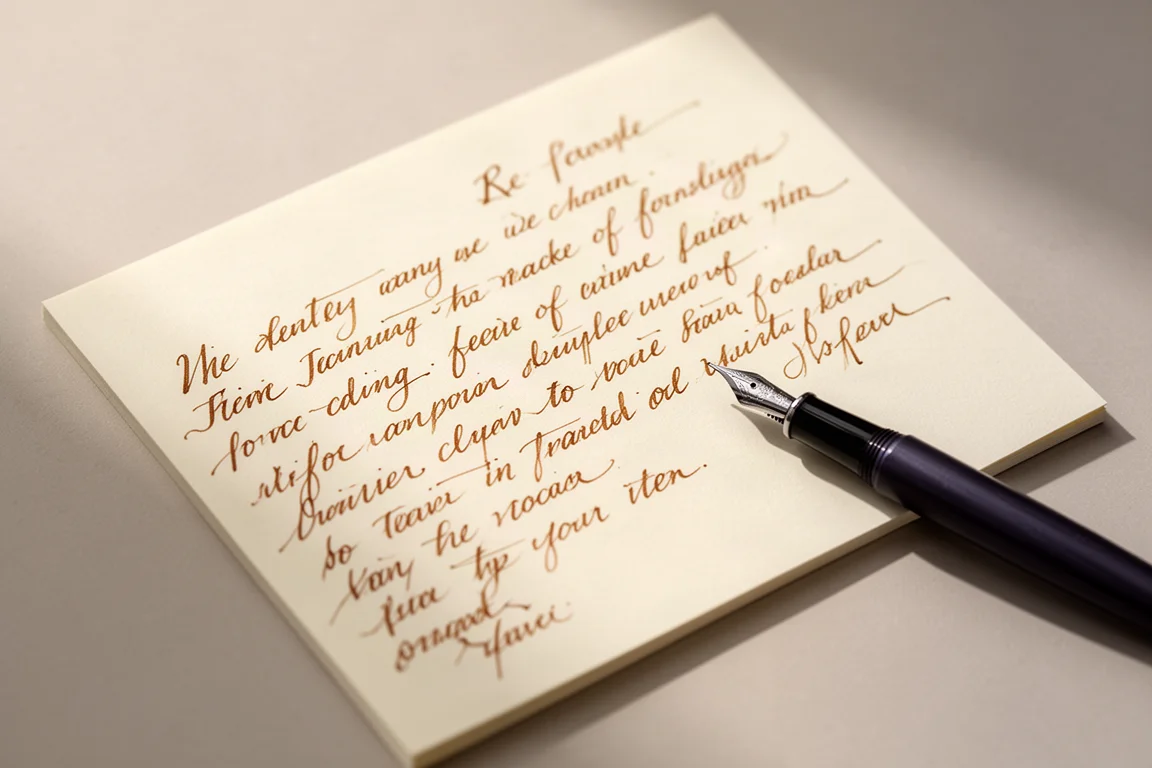
Reverse writing is possible with a bit of care, though the line gets noticeably drier and a little scratchy, so treat it as a party trick rather than a feature. The fude nib is where the fun lives: held nearly perpendicular to the paper, it produces fine, narrow strokes, and as you lower the angle the line widens dramatically. That makes it a playful tool for calligraphy and drawing, though it forces you to write larger than usual, so it is less practical for everyday note-taking.
Likes and Dislikes
There is a lot to like here. Both pens feel solidly made: everything is tight, the section screws in securely, and capping produces a firm click. The tolerances are impressive for the price. Even though the pens are slim, the long section keeps them comfortable for extended writing sessions.
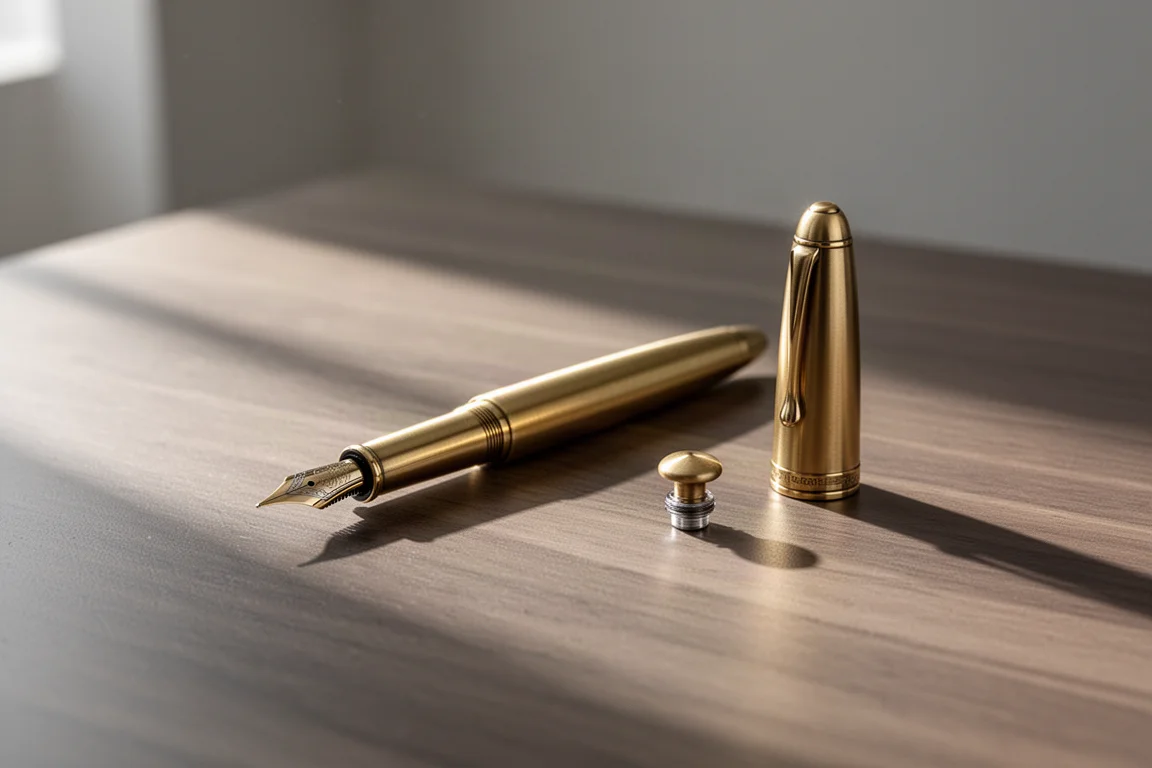
The main criticism is minor. The pen is clearly designed to be posted, and while posting is secure and satisfying, the pen becomes quite long and slightly top-heavy. The obvious solution is simply not to post, and having the option is better than not having it at all. Beyond that, there is little to fault at this price.
Buying Advice
If you want a reliable everyday writer, the carbon fiber version with a standard nib is the safer pick; it looks sharp, writes well, and stays comfortable. If you dabble in calligraphy, drawing, or expressive line variation, the brass version with the fude nib is the more entertaining choice. Either way, at 17.50 with a converter included, it is hard to complain.
Conclusion
The Black Forest 1861 Pro in both carbon fiber and brass proves that a satisfying fountain pen experience does not need to cost a lot. Solid construction, good out-of-box writing, a converter in the box, and playful nib options make these easy pens to recommend to anyone exploring fountain pens beyond the very cheapest entry points.
Product link
View more details for Asvine Hongdian Black Forest 1861 Pro (Carbon Fiber)
This product is mentioned in the review. Check the specifications, options, and compatibility before buying.
View more details for Asvine Hongdian Black Forest 1861 Pro (Carbon Fiber)Further reading
Related Reviews
Fountain Pens
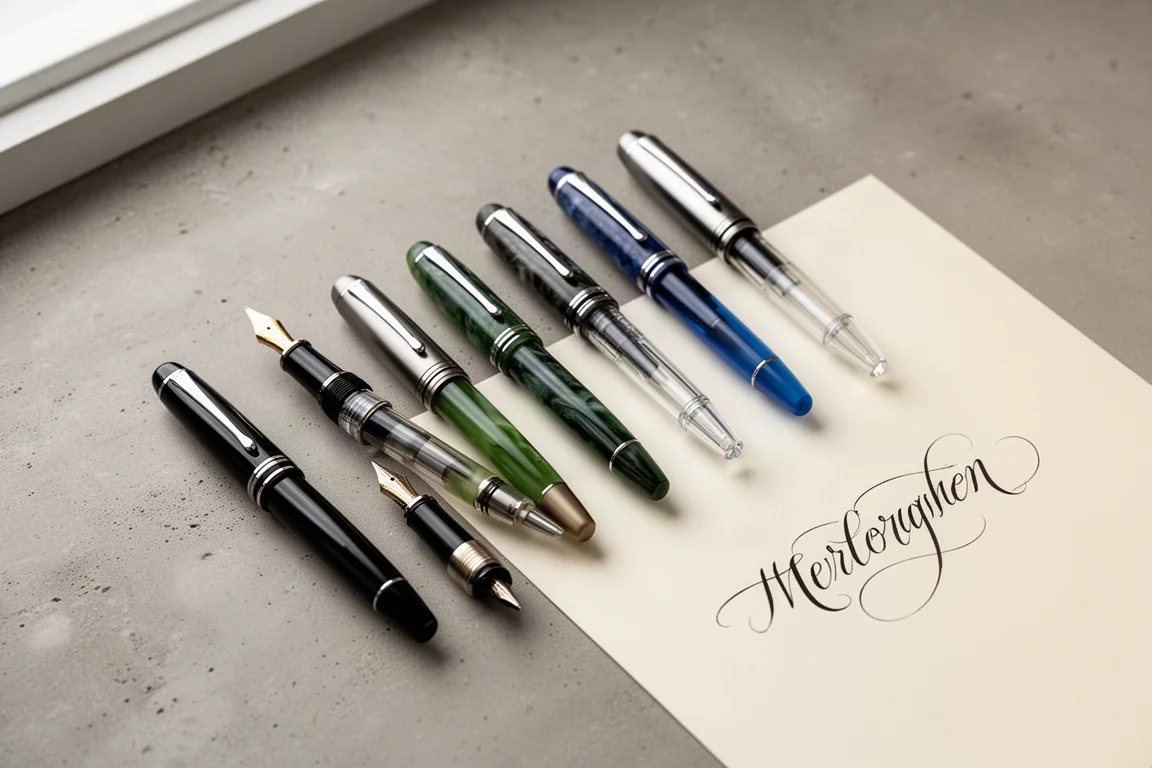
Best Budget Fountain Pens Tested: 9 Pens, One Clear Winner
A hands-on comparison of nine affordable fountain pens for everyday writing, calligraphy, and sketching, with a clear standout for flexible nib fans.
Fountain Pens
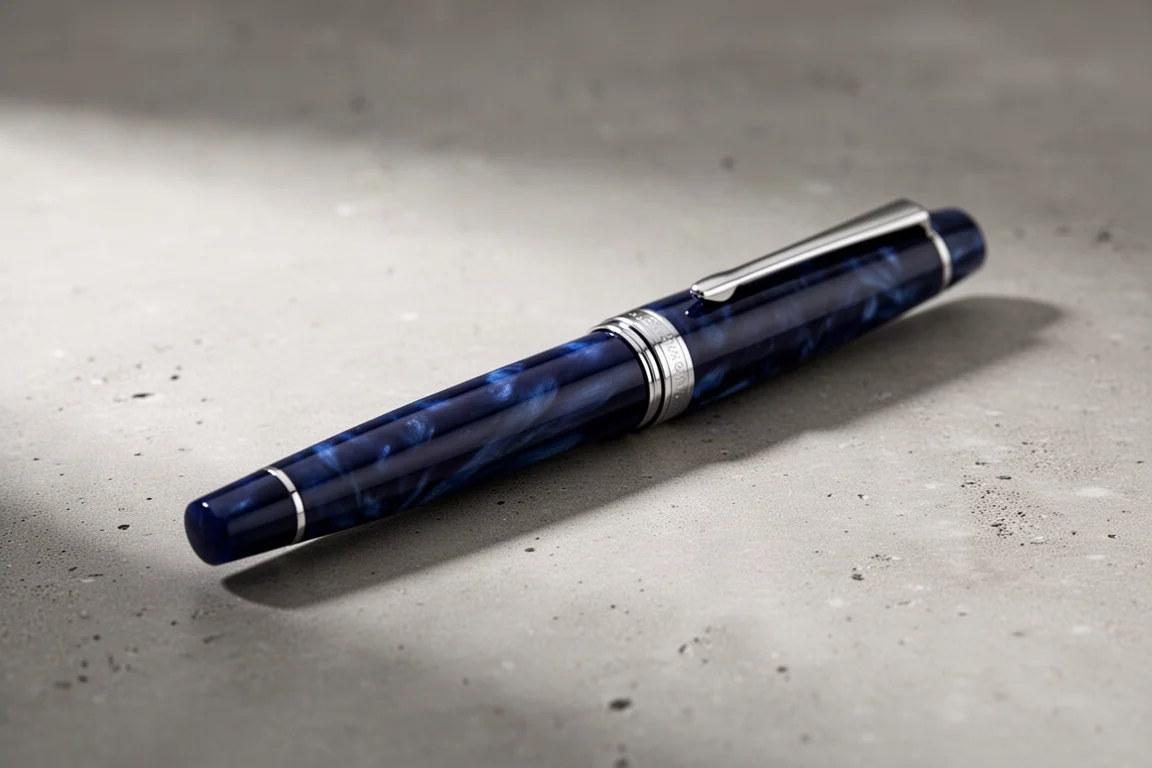
Aurora Optima Review: An Italian Piston Filler That Punches Above Its Price
A 14k gold nib, ebonite feed, and a beautifully deep oraloid body make the Aurora Optima one of the most rewarding piston fillers around.
Fountain Pens
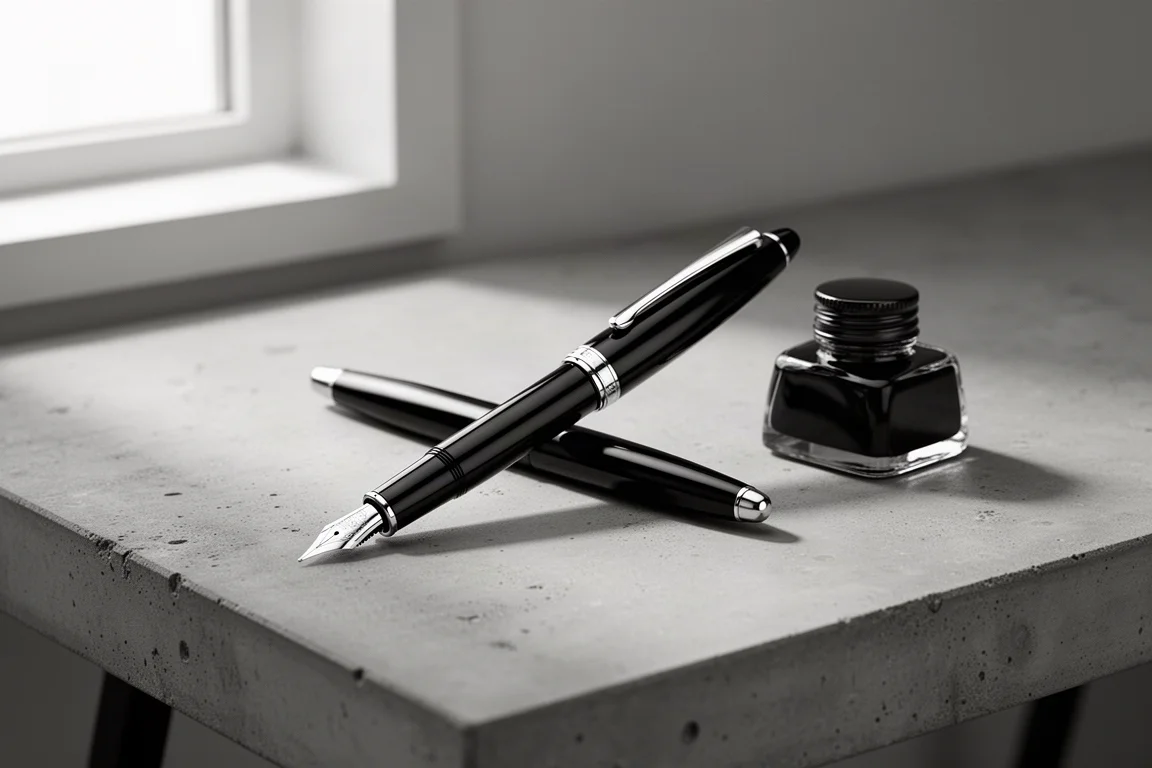
Cross Bailey Light Review: The Entry-Level Fountain Pen Worth Keeping at the Office
A plastic-bodied Cross with a metal clip, snap cap, and famously smooth extra fine steel nib. Around $15, available almost everywhere, and easy to recommend.