Graphics Cards
Asus Prime RTX 5070 Ti Review: A Solid 4K Performer at the Right Price
The Asus Prime RTX 5070 Ti delivers 4080-class performance, easy overclocking, and strong cooling in a compact design. Here is what to consider before buying.
Introduction
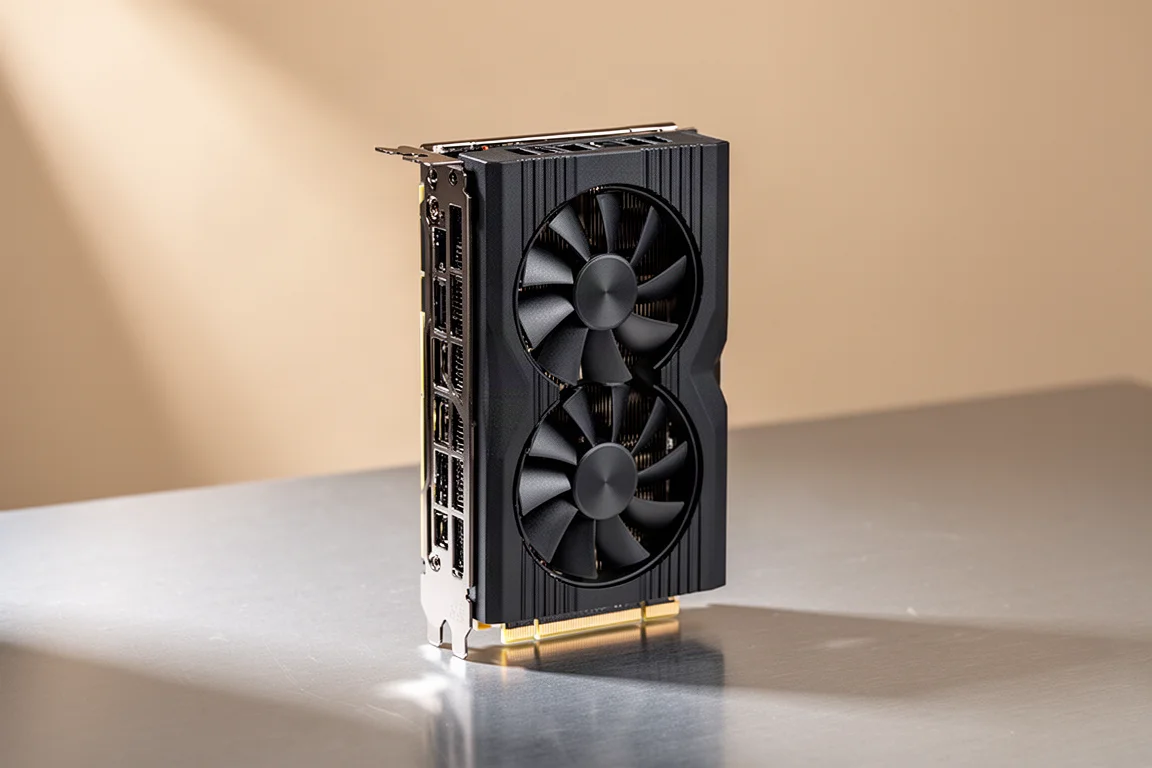
The RTX 50 Series launch has been a turbulent one, with cards selling out quickly and pricing shifting at the last minute. The RTX 5070 Ti is no exception, but it brings something interesting to the table: a tale of two price points. Whether this card represents good value depends entirely on which price you can actually get it for.
The card reviewed here is the Asus Prime base model, a board partner card with no Founders Edition equivalent for the 5070 Ti. This particular unit was confirmed at the original $749 MSRP, with Asus choosing to absorb tariff costs for the North American market. That $150 difference from the rumored $899 price point makes a significant impact on the value conversation.
Who This Card Is For
The RTX 5070 Ti is essentially a 4080 in terms of raw performance. It trades blows with the 4080 in benchmarks, sometimes edging ahead at 4K and losing by an average of 6% at 1440p. This makes it a compelling option for gamers who want 4080-class performance without paying 4080 prices.
The card also retains dual NVENC encoders, a feature that content creators and streamers will appreciate. The upcoming base 5070 is expected to offer only one encoder, making the 5070 Ti a more attractive option for those who do any kind of video work alongside gaming.
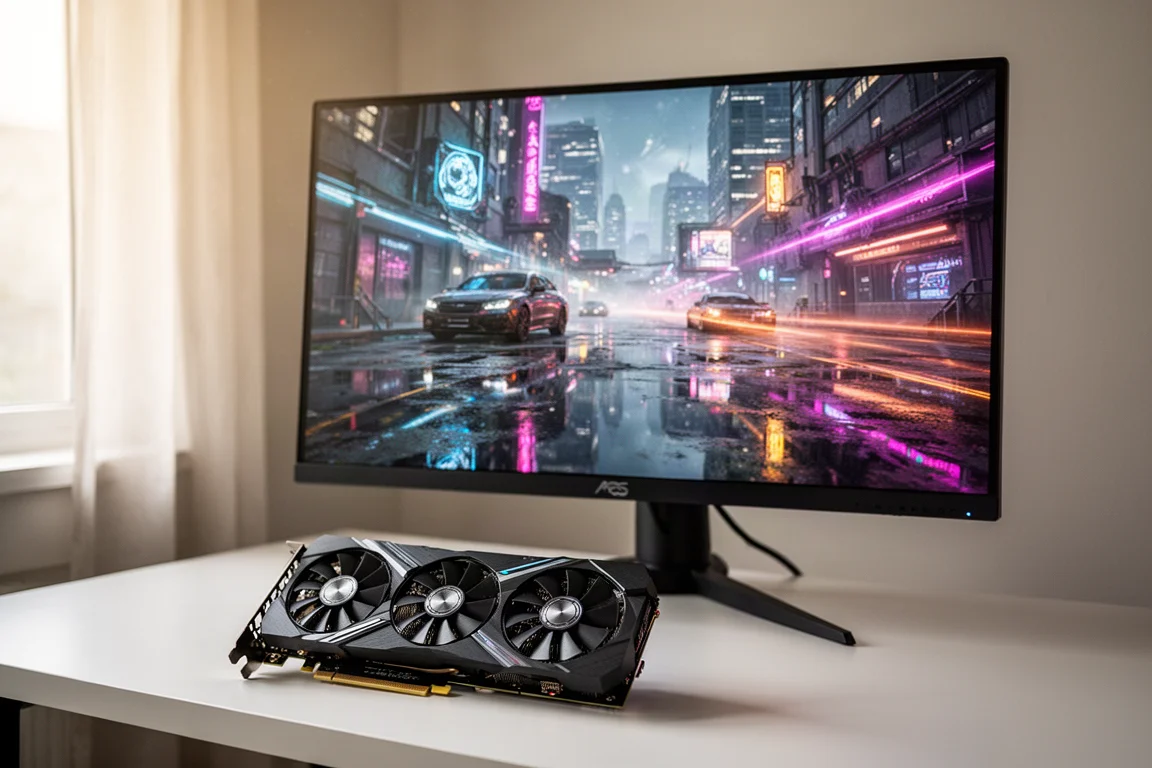
This card is best suited for gamers targeting 4K resolution with high settings, or those who want headroom for future titles. The 16GB of VRAM and 8960 CUDA cores put it much closer to the 5080 in terms of memory amount, bandwidth, and compute capability than to the base 5070.
Main Strengths
Performance That Matches the 4080
At 4K, the 5070 Ti performs almost identically to the 4080, with the two cards trading blows across a 12-game test spread. At 1440p, the 5070 Ti loses more often than it wins, being beaten by the 4080 by an average of 6%. Still, this level of performance at the $749 MSRP makes the card a strong value proposition.
Compared to the 5080 Founders Edition, which costs $1,000 at retail with most partner cards costing even more, the 5070 Ti offers about 14% less performance at 4K and 10% less at 1440p. That performance gap is relatively small considering the price difference, especially if you can secure the card at MSRP.
Cooling and Build Quality
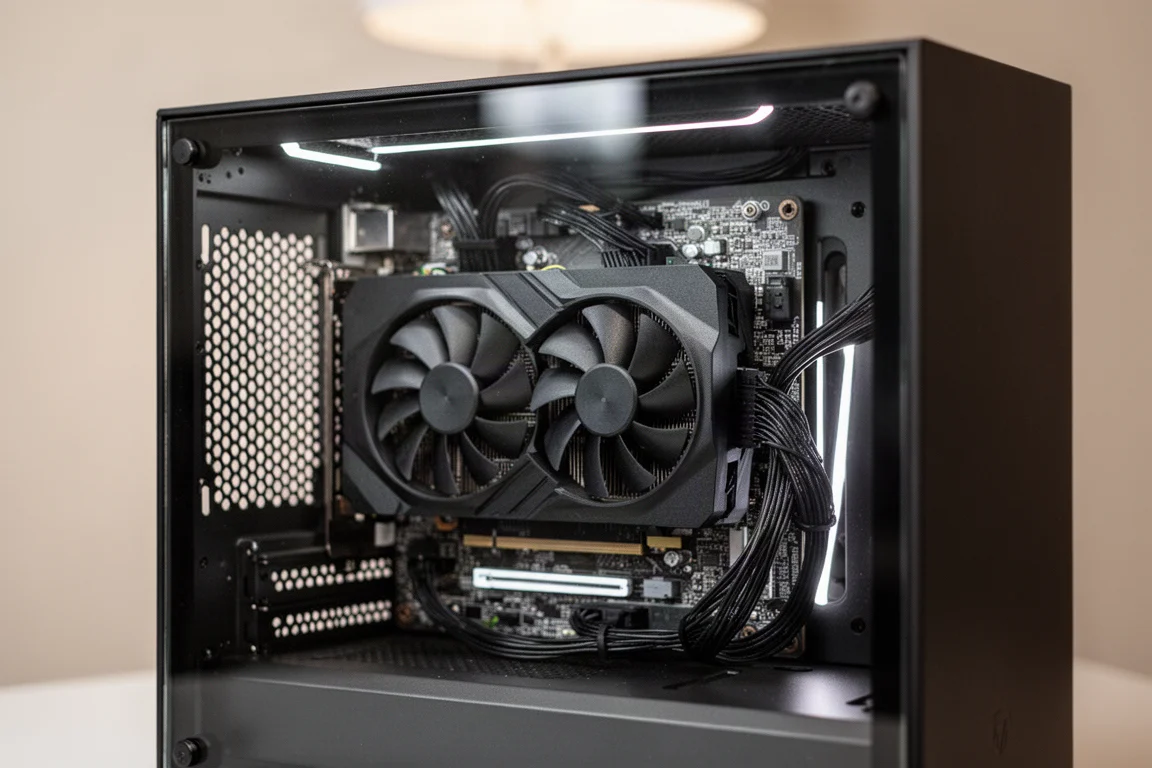
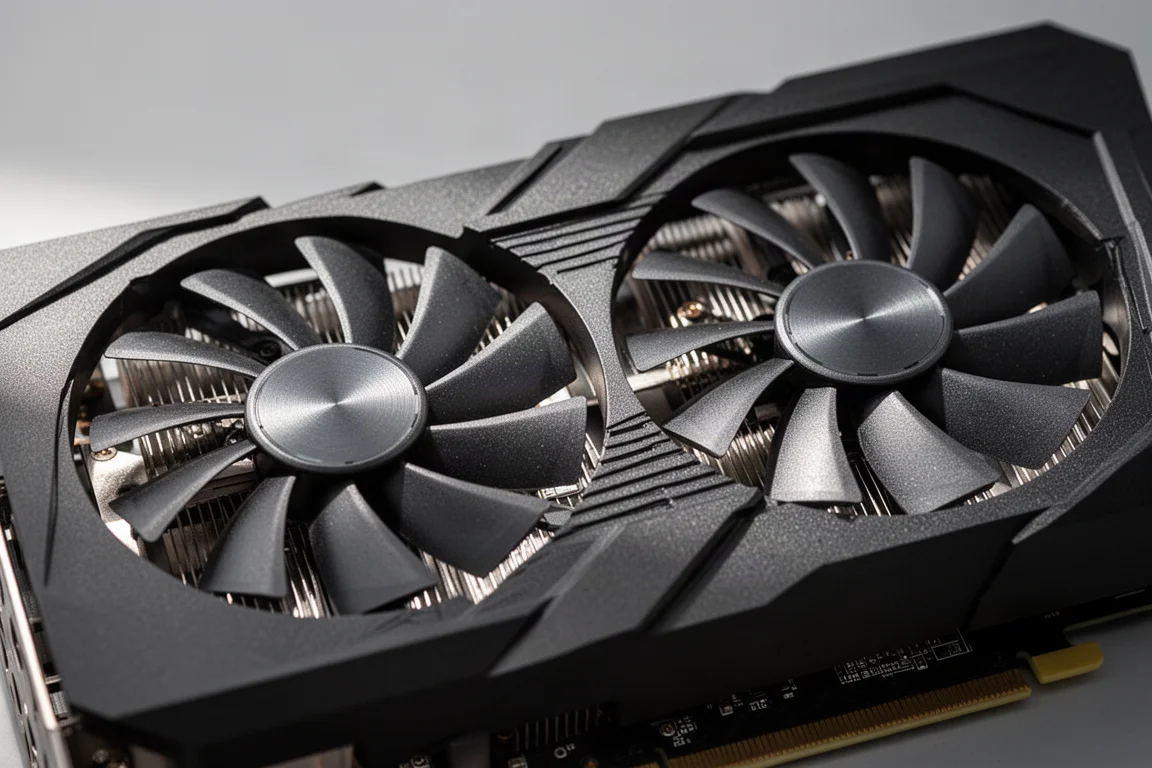
The Asus Prime card features a relatively compact 2.5-slot design, which makes it a great fit for small form factor builds. Unlike many larger board partner cards, it does not have excessive length or RGB lighting. The design is understated and functional, though it lacks the premium feel of a Founders Edition card.
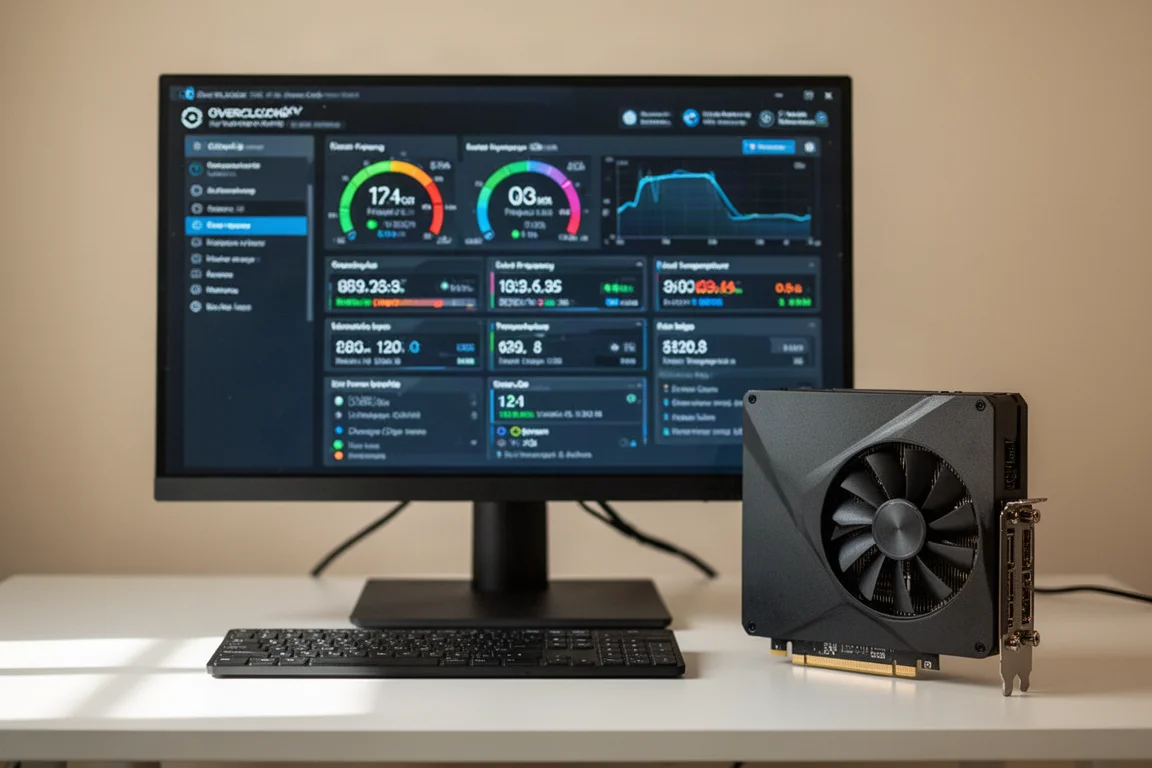
Cooling performance is excellent. Even with the core clock pushed to around 3,300 MHz during overclocking, temperatures stayed just over 65 degrees Celsius with a memory junction temperature of 68 degrees. Power draw peaked at about 306 watts. The card also includes a zero DB mode, which keeps fans off during light loads for silent operation.
Overclocking Potential
Overclocking this card is remarkably straightforward. After light testing, the review unit was stable everywhere at +425 MHz on the core clock and +2000 MHz on the memory. The core clock could be pushed to +475 MHz in synthetic benchmarks, but real-world stability settled at +425 MHz with the clock topping out around 3,300 MHz.
This overclock required no power adjustment and no fan curve adjustment, yet it delivered about a 7% performance improvement. The ease of overclocking makes this card appealing for enthusiasts who want extra performance without complicated tuning.
Things to Consider Before Buying
Availability Is the Biggest Hurdle
The RTX 5070 Ti sold out very quickly at launch. At Micro Center, the Asus Prime card was one of only two models available at the $749 MSRP, and those units sold out instantly. Best Buy presented an even more frustrating situation: the $749 cards never went in stock even an hour after release, while higher-priced models sold out.
The number of $749 MSRP cards in circulation remains unknown. If you cannot secure one at that price, the value proposition shifts significantly. At $899 or $999, where most partner cards are priced, it makes more sense to consider a 5080 Founders Edition at $1,000, assuming you can find one in stock.
Used 4080 Prices Are Inflated
If you are considering a used 4080 as an alternative, current market conditions make that difficult. Used 4080 Super cards are selling for as much as $1,600 in the United States. The 5070 Ti release may cool those prices off if steady restocks become available, but that remains uncertain.
Multi-Frame Generation Has Caveats
The headline feature of the 50 Series is multi-frame generation, which can multiply whatever is on screen, both good and bad. The higher your base native rendering rate, the better the experience. A base rate of over 100 FPS is ideal, and the feature is not recommended below 60 FPS because controls start to feel sluggish.
Multi-frame generation also introduces some system latency, making it primarily suitable for single-player games that do not require tight timing. In practice, the feature has been running well in demanding titles with only a few distracting artifacts, but it is not a replacement for a solid native frame rate.
Buying Advice
If you can secure an RTX 5070 Ti at the $749 MSRP, this feels like the least upsetting card of the 50 Series launch so far. The performance is solid, the cooling is excellent, and the overclocking potential is impressive. The compact design makes it versatile for different build sizes.
However, availability is the critical factor. If you can only find the card at $899 or higher, the value argument weakens considerably. At those prices, a 5080 Founders Edition becomes a more sensible purchase, assuming you can get your hands on one.
The best advice right now is to wait if you can. AMD has an opportunity to shake up the market with upcoming releases, and pricing and performance comparisons will become clearer in the coming weeks. Unless you are willing to pay scalper prices, patience is likely to be rewarded.
Conclusion
The Asus Prime RTX 5070 Ti is a well-rounded graphics card that delivers 4080-class performance in a compact, efficient package. Its cooling is excellent, overclocking is simple, and the $749 MSRP makes it a compelling value. The main challenges are availability and the uncertainty around how many cards will actually be sold at that price.
For gamers targeting 4K performance without the premium of a 5080, the 5070 Ti is a strong option if you can find it at MSRP. For everyone else, waiting for market conditions to stabilize is the more prudent approach.
Product link
View more details for Asus Prime RTX 5070 Ti
This product is mentioned in the review. Check the specifications, options, and compatibility before buying.
View more details for Asus Prime RTX 5070 TiFurther reading
Related Reviews
Graphics Cards
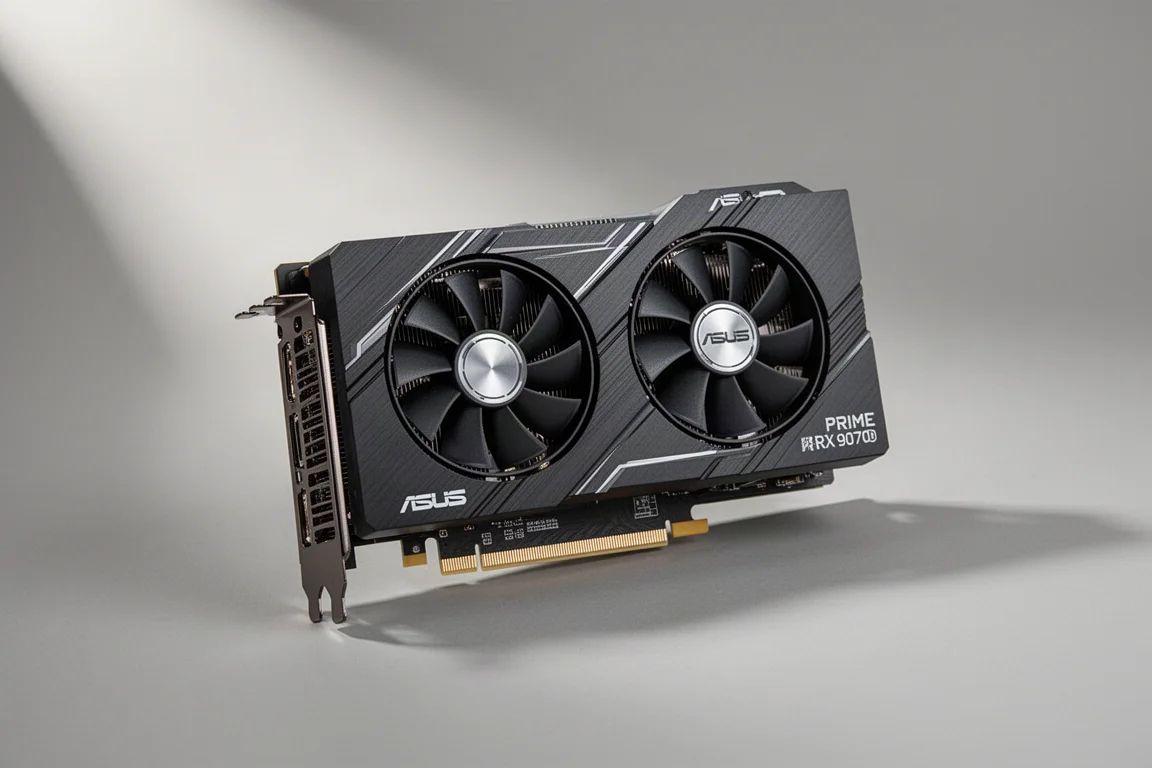
ASUS Prime RX 9070 OC Review: A Small Form Factor Powerhouse
The ASUS Prime RX 9070 OC delivers strong 1440p and 4K performance in a compact 2.5-slot design that fits perfectly in small form factor builds.
Graphics Cards
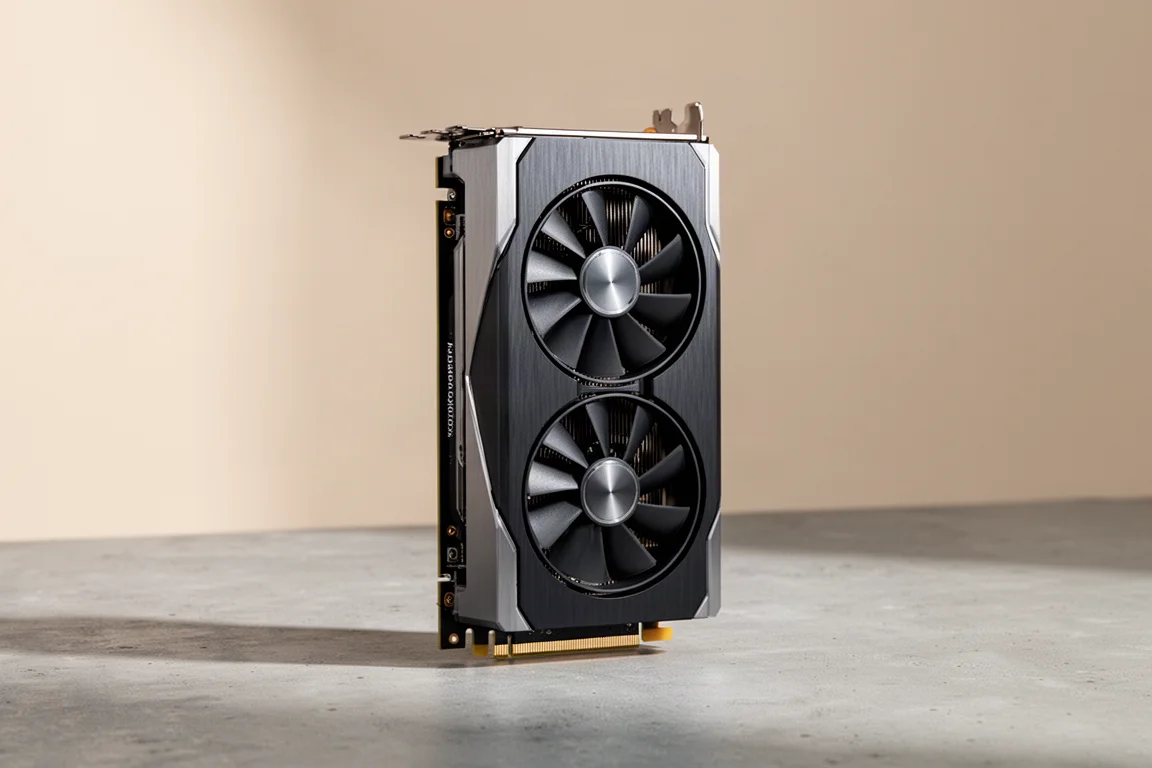
Nvidia RTX 5080 Review: Modest Gains and a Big Bet on AI Features
The RTX 5080 delivers only modest raw performance gains over the previous generation, while Nvidia leans heavily on DLSS 4 and multi-frame generation.
Gaming Monitors
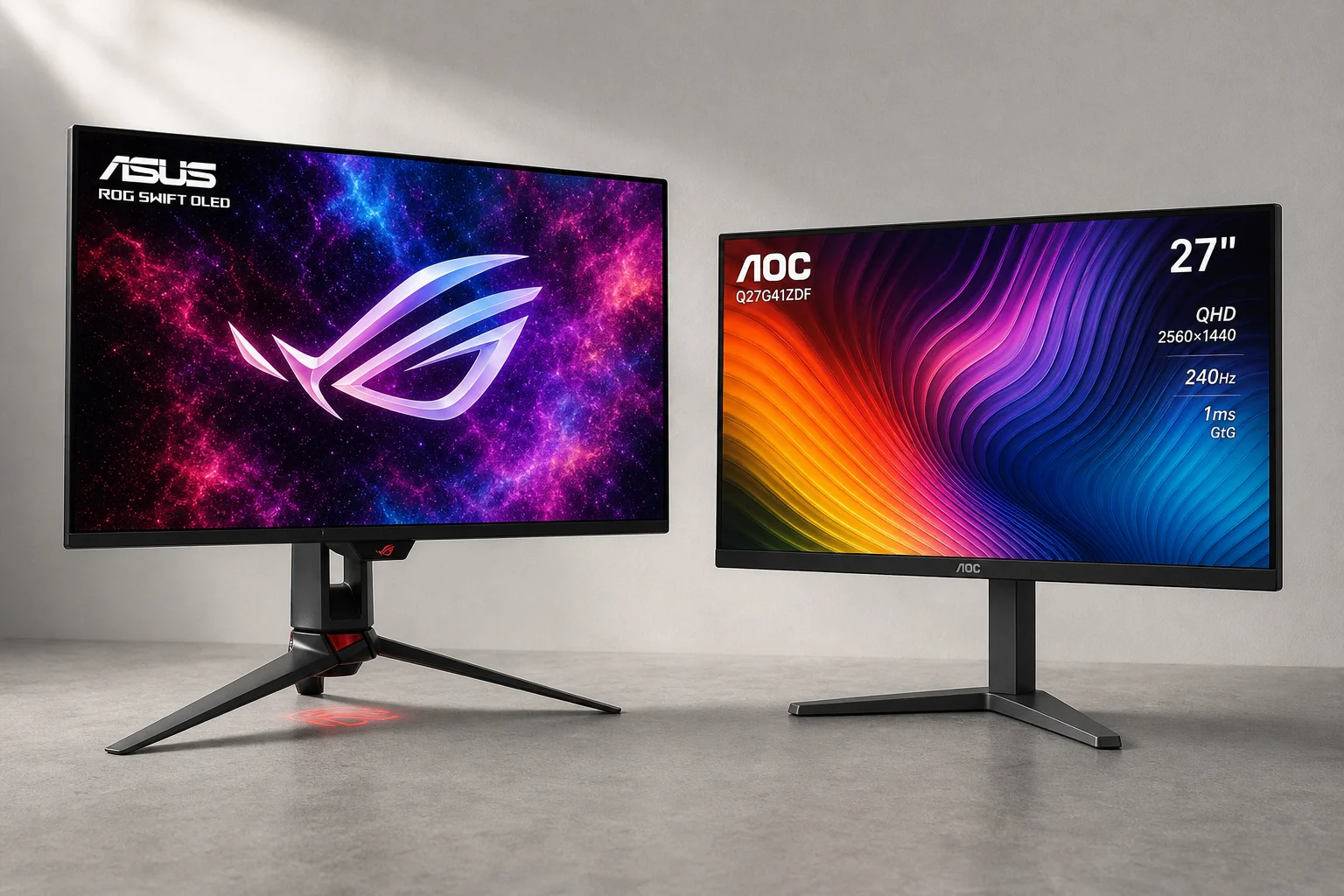
AOC Q27G41ZDF vs Asus ROG Swift OLED PG27AQDP: Budget vs Premium OLED Gaming
Two 27-inch 1440p OLED gaming monitors at vastly different price points. We compare brightness, color accuracy, text sharpness, refresh rates, and real-world performance to see what justifies the premium.