Backpacking Tents
Asta Gear Yungan 2 Review: A Budget Two-Person Trekking Pole Tent
A close look at the Asta Gear Yungan 2, a two-person trekking pole tent with a 15D silicone-treated fly, a 5,000 mm hydrostatic head and a packed weight of 1.2 to 1.3 kg.
Introduction
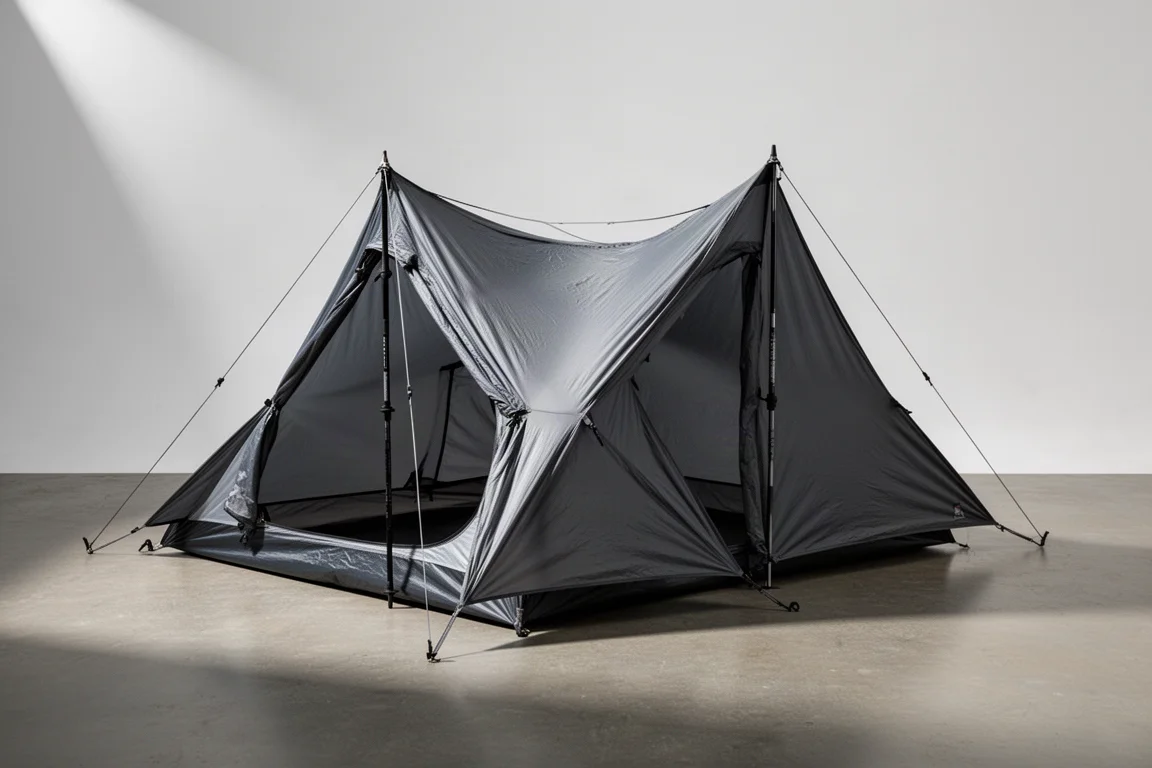
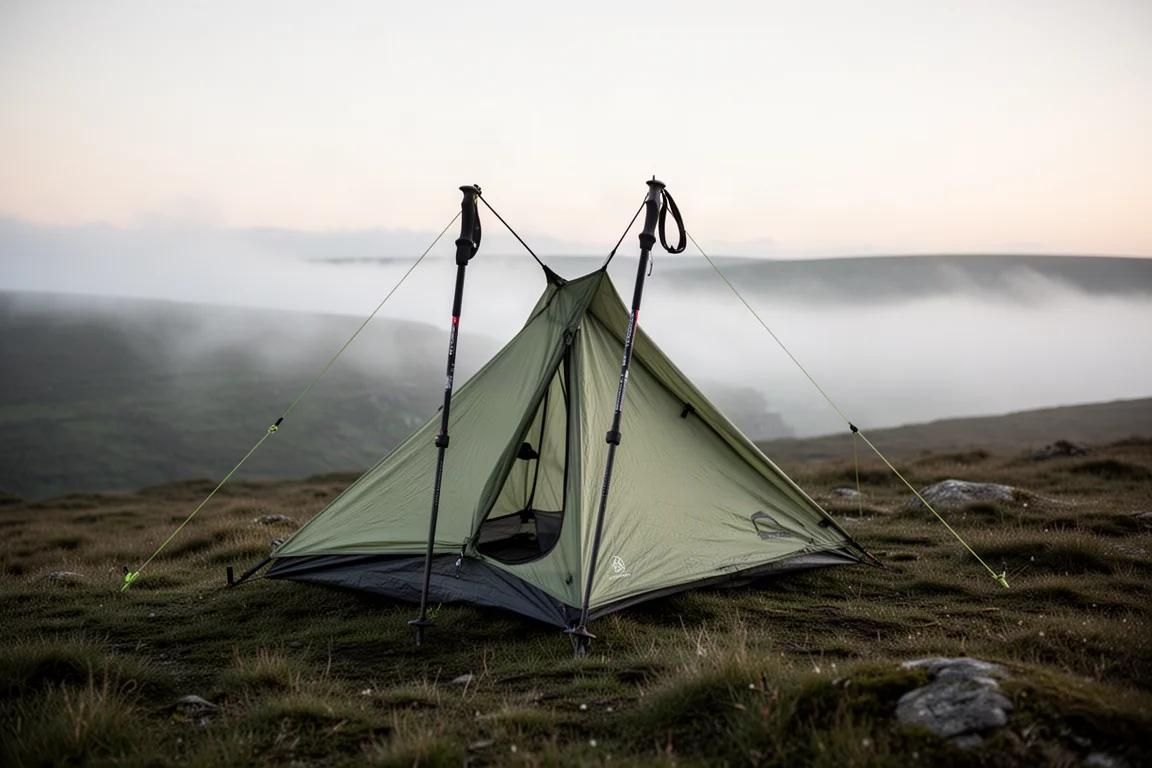
The Asta Gear Yungan 2 is a lightweight trekking pole tent with a silhouette most backpackers will recognise immediately. Its two-door, twin-vestibule shape follows the same broad geometry as the Durston X-Mid, the multi-award-winning shelter that helped popularise this style of trekking pole pitching. The tent is offered as a one-person or a two-person model, and the two-person version is the one that stands out for the amount of room it provides.
Underneath the familiar shape, the specification reads like a serious backpacking shelter rather than an obvious budget compromise. The fly is made from a 15D nylon that is silicone treated on both sides and rated to a 5,000 mm hydrostatic head, while the inner uses a 20D ripstop fabric. Packed weight for the two-person version sits somewhere between 1.2 and 1.3 kg.
Value is the part that will decide it for most buyers. Pricing lands at around £138 including delivery and taxes when ordered through Alibaba, which is budget money by the standards of this shelter category. That gap between price and specification is the entire argument for a tent like this, so it is worth understanding exactly what you gain and what you accept in return.
The short version is that the Yungan 2 delivers a premium-style shelter layout at a price that makes it genuinely accessible, provided you are comfortable with a little extra setup work and a few deliberate compromises. The rest of this review breaks those down section by section.
Who This Tent Is For
The clearest audience is the backpacker who wants a genuinely spacious two-person trekking pole shelter without paying premium prices. The interior is large, and there is no doubt that it has plenty of room for two people. If your priority is living space per pound spent, this tent makes a strong case.
It is also best understood as a summer shelter. The bathtub floor is not especially high, which means it is not the tent to choose for wet ground or sustained rain. Used as a warm-weather tent, it performs in the role it was clearly designed for.
A third group will appreciate the flexibility on offer. You can choose a mesh inner or a solid inner depending on the season, and the tent can be packed either as a single bag or split into two separate bags so the load can be distributed differently across a pack. For anyone who likes to tune a setup rather than accept a fixed one, that matters.
Design and Pitching
Pitching follows a logical sequence. The inner, which has a built-in groundsheet, goes out first. The fly then goes over the top and is pegged loosely. Trekking poles are inserted next, and only then do you work around the tent tightening the guy lines and adjusting the pegs until the whole structure stands tall and taut.
This is not a four-peg-and-go pitch. The design it resembles can be pitched with just four pegs and the poles placed straight in, so the Yungan 2 takes a little longer and rewards patience. Fine tuning the guy lines and the various fixing points makes a real difference to how well it stands.
The hardware is more generous than the price suggests. You get a vent on either side of the door, two fixing points for the door itself, and a reinforced point for adding an extra guy line. There are inner and outer fixing points so the two layers can be tensioned together, and the same reinforced arrangement appears roughly halfway along the sides. The fly zip is taped, which is a genuinely nice touch, and both the fly and the inner use two-way zippers.
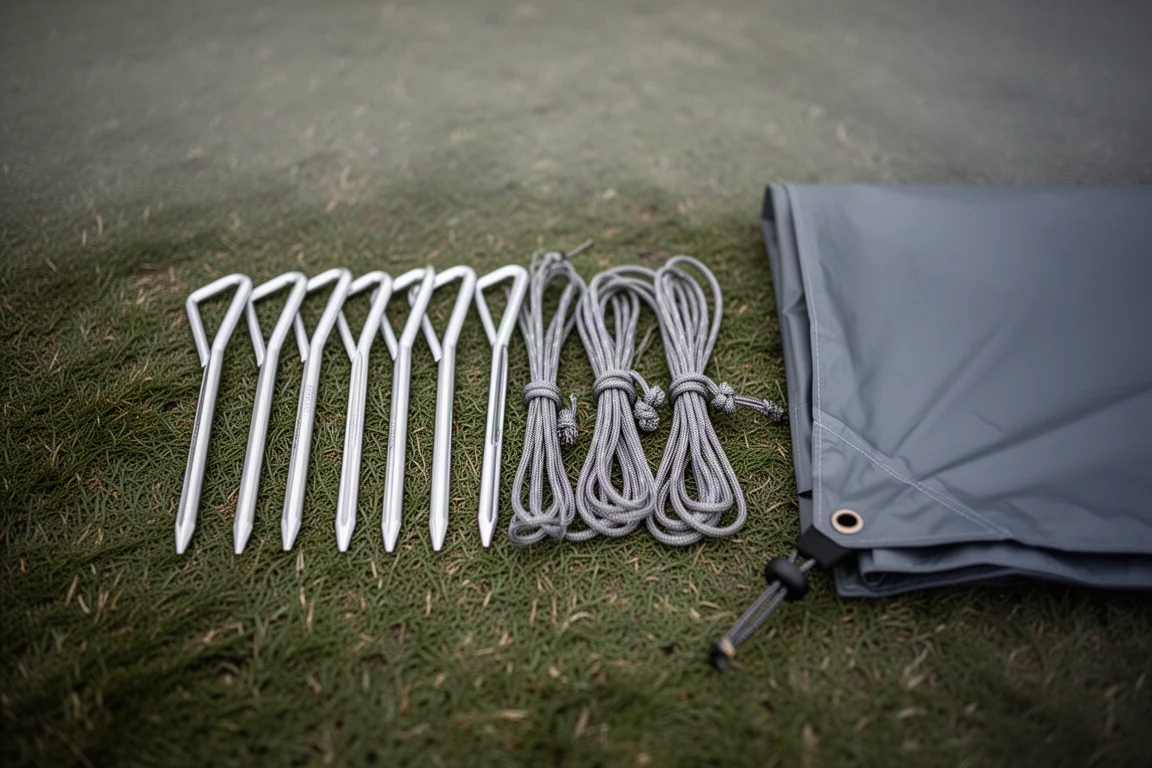
Everything needed to pitch the tent properly is in the bag. Twelve anodised V pegs and four guy lines are included, which is more than many shelters at this price provide and enough to get a solid pitch without shopping for extras.
Fabric, Weight and Packability
The fly uses a 15D nylon that is silicone treated on both sides, giving it a hydrostatic head rating of 5,000 mm. The inner is a 20D ripstop fabric. Those are the makings of a credible lightweight backpacking tent, and the materials are the main reason the weight stays competitive.
Packed weight for the two-person version falls between 1.2 and 1.3 kg, which is respectable for a shelter with this much interior volume. It is not the lightest option in the category, but it is light enough to carry comfortably on multi-day trips.
Packability is one of the more thoughtful aspects. The tent arrives in a single bag that houses both the inner and the outer, but the two can be separated, letting you set up your pack differently to how you normally would. That kind of flexibility is unusual at this price.
One point to plan for: the tent does not arrive seam sealed. It does, however, come with two seam sealing kits, which is a generous inclusion. It is worth remembering that plenty of expensive top-end tents also ship without adequate seam sealing, and some do not include enough pegs or guy lines either, so this is far from a unique shortcoming.
The dark grey colourway is a practical choice as well. With a lantern inside, a lighter fly can glow brightly and draw attention across a campsite. The darker fabric keeps the shelter far more discreet after dark, which is a real benefit in busy or sensitive camping areas.
Space, Interior Details and Ventilation
Interior space is the headline feature. There is an enormous amount of room inside, comfortably enough for two people with gear, and the shape keeps usable floor area high rather than tapering it away at the edges.
Storage details are sensible. There is a pocket beside each door, and a lantern hook at the top of each door for hanging a light. Small touches like these are what make a shelter pleasant to live in rather than merely adequate.
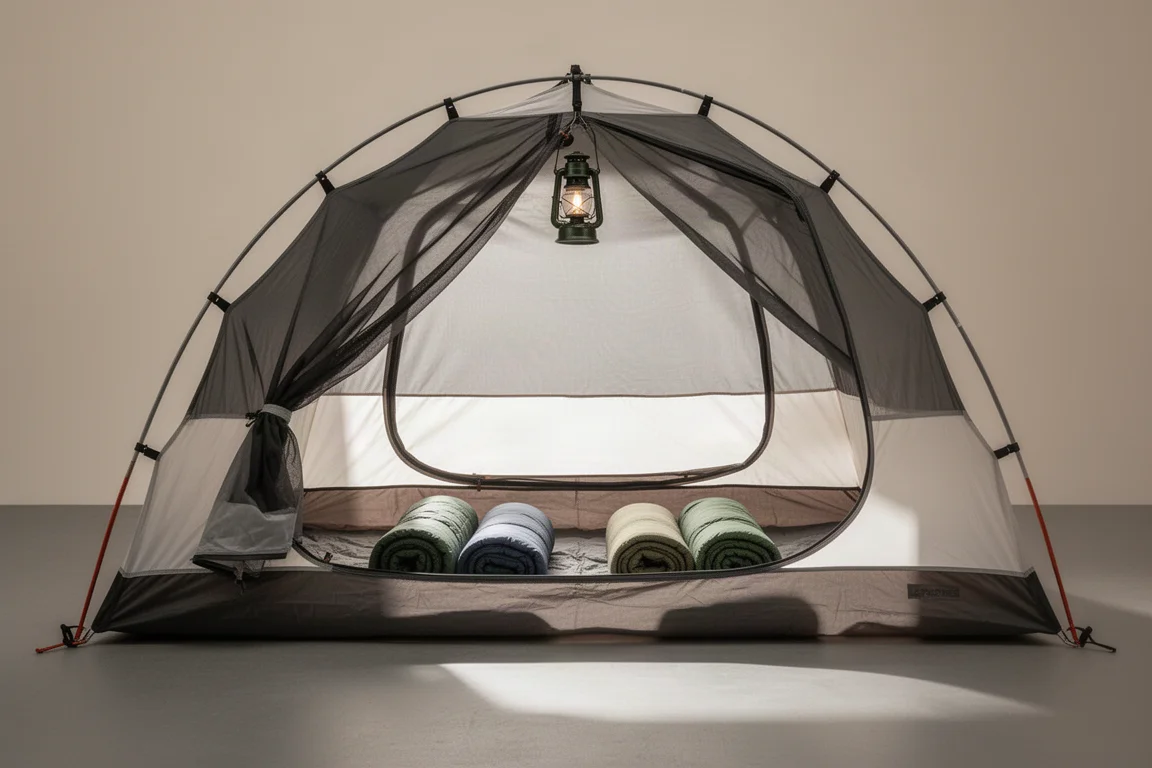
The doors are well thought out. The inner door has three fixing points, so there is no chance of it dropping or flapping once it is secured. The mesh inner is the standard configuration, and a solid inner can be bought separately for colder conditions, giving you a summer or winter setup from the same fly.
The main limitation is the bathtub floor, which is not very high. In dry summer conditions that is a fair trade for weight and simplicity, but it is a genuine reason to leave this tent at home when rain is likely. Ventilation comes from a vent on either side of the door, which helps keep condensation in check on still nights.
Things to Consider Before Buying
The first thing to accept is that you will need to seam seal the tent yourself. Two kits are included, so the materials are covered, but it is an extra task before the shelter is fully weather ready.
The second is the low bathtub floor. This is a summer-oriented design, and using it on saturated ground or through prolonged rain is not what it was built for. If you camp year round in wet conditions, this is the detail that should give you pause.
Third, expect to spend a bit more time pitching and adjusting than you would with the shelter design it resembles. Guy lines and fixing points need tuning to get the best result, and the first few pitches will take longer than the tenth.
Finally, detailed interior measurements are not clearly listed by the seller, so it is worth confirming the dimensions before ordering if exact floor space matters to you. Availability and pricing can also vary depending on where you source it, since the tent was ordered through Alibaba at around £138 with delivery and taxes included.
Buying Advice
If your budget genuinely allows it and you can justify the outlay, buying the original premium shelter is the straightforward recommendation. It is the reference design, and it remains the benchmark.
If that is not realistic, the Yungan 2 is an excellent alternative rather than a consolation prize. It offers a top-end shelter design for budget backpacking money, and it enables people who cannot justify a premium tent to camp in a layout that would otherwise be out of reach.
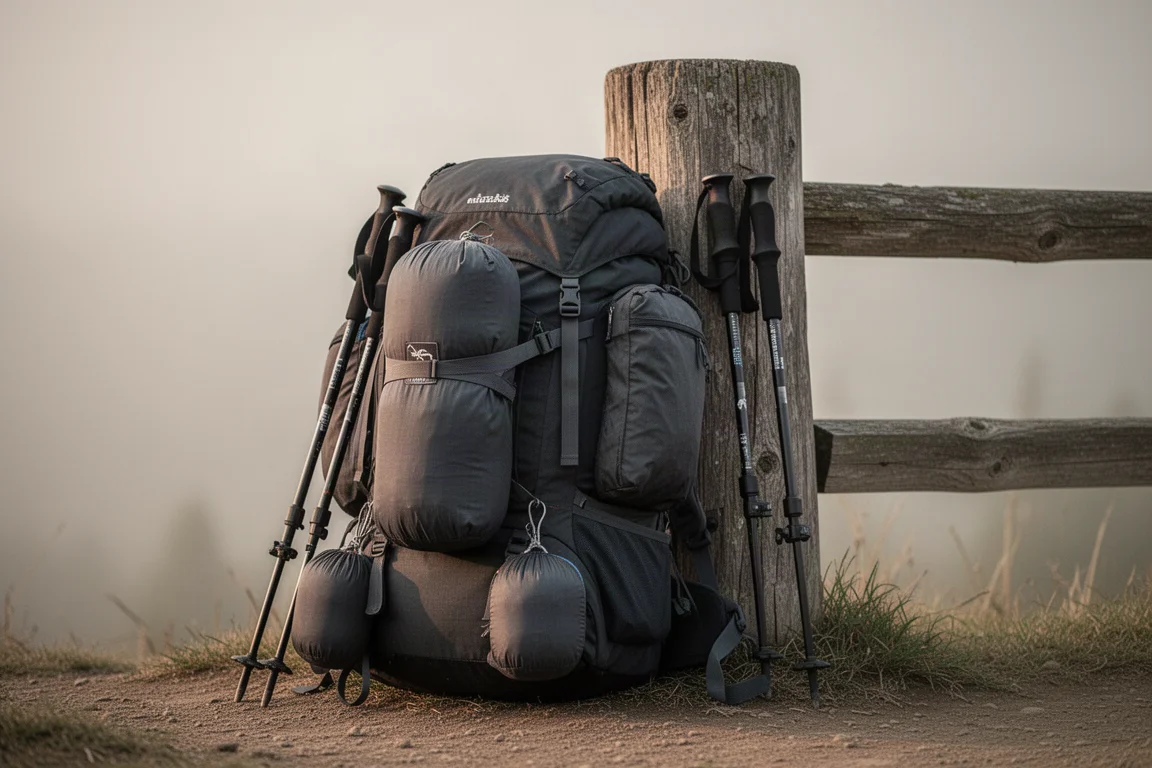
When ordering, be deliberate about the configuration. Decide between the one-person and two-person versions, and between the mesh and solid inner, based on the conditions you actually camp in rather than the ones you hope for. Factor in the time to seam seal the tent and to dial in the guy lines on your first few trips, and the setup will reward you.
Conclusion
The Asta Gear Yungan 2 delivers a large, well-specified two-person trekking pole shelter at a price that few competitors can match. The 15D silicone-treated fly with its 5,000 mm hydrostatic head, the 20D ripstop inner, the choice of mesh or solid inners, the taped fly zip and the ability to split the shelter across two bags all point to a tent that was designed with real backpacking use in mind.
The compromises are equally clear: you seam seal it yourself, the bathtub floor is low enough to rule out wet-weather camping, and pitching takes longer than the design it echoes. For summer backpacking, and for anyone who wants this class of shelter without a premium price tag, those trade-offs are reasonable ones to make.
Product link
View more details for Asta Gear Yungan 2
This product is mentioned in the review. Check the specifications, options, and compatibility before buying.
View more details for Asta Gear Yungan 2Further reading
Related Reviews
Backpacking Tents
3F UL Lanchan Pro 1 Review: A 1 lb 8 oz Single-Wall Trekking Pole Tent
A practical look at the 3F UL Lanchan Pro 1, a single-wall trekking pole shelter with a 1 lb 8 oz weight, 20D silnylon fabrics, and a roomy 90 x 31 x 49 inch interior.
Backpacking Tents
3F UL Taiji 2-Person Tent: A Convertible Backpacking Shelter Worth a Closer Look
A practical look at the 3F UL Taiji two-person tent, covering its materials, true two-person interior, fly-first pitching, and the seasonal inner swap that lets one shelter cover more of the year.
Backpacking Tents
3FUL Lanshan Twoerson Pro Review: A Light Trekking Pole Shelter That Struggled in Rain
A two-person trekking pole shelter with a 2026 redesign, pitched with sticks and put through a night of steady rain. Here is what worked, what did not, and what to check before buying.