Running Shoes
ASICS vs Nike vs Adidas: Which Brand Has the Strongest Running Shoe Lineup?
A category-by-category look at how the three biggest running shoe brands stack up across daily trainers, tempo work, long runs, and racing.
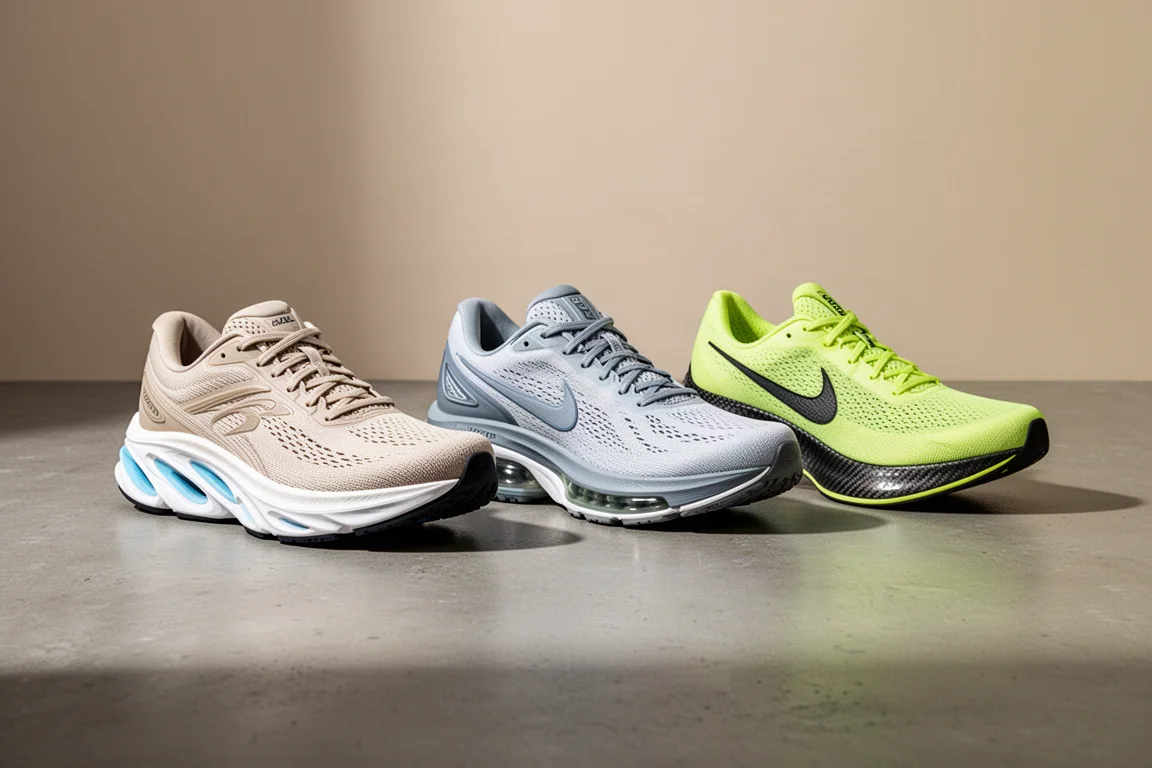
Introduction
When people argue about the best running shoe, they usually argue about a single model. But the smarter question is which brand has the strongest lineup across every category: easy recovery runs, daily sessions, tempo work, long runs, and racing. We looked closely at the lineups of the three brands with the biggest market share in the UK, and the differences are bigger than you might expect.
How We Compared the Lineups
The comparison is straightforward. Each brand needs a capable easy-day trainer, a responsive daily option, something for tempo and longer efforts, and a credible race shoe. Depth matters as much as the headline model: a lineup with one great shoe and a lot of filler is weaker than one where nearly every category has two or three solid answers.
ASICS: Depth Without Drama
ASICS is the subtle lineup of the three, and arguably the strongest. The brand gambles less on wild ideas and instead refines each version of a shoe rather than tearing up the design and starting again. The result is a range where the lines between categories blur, and you can often use one shoe for several jobs and get a little more for your money.
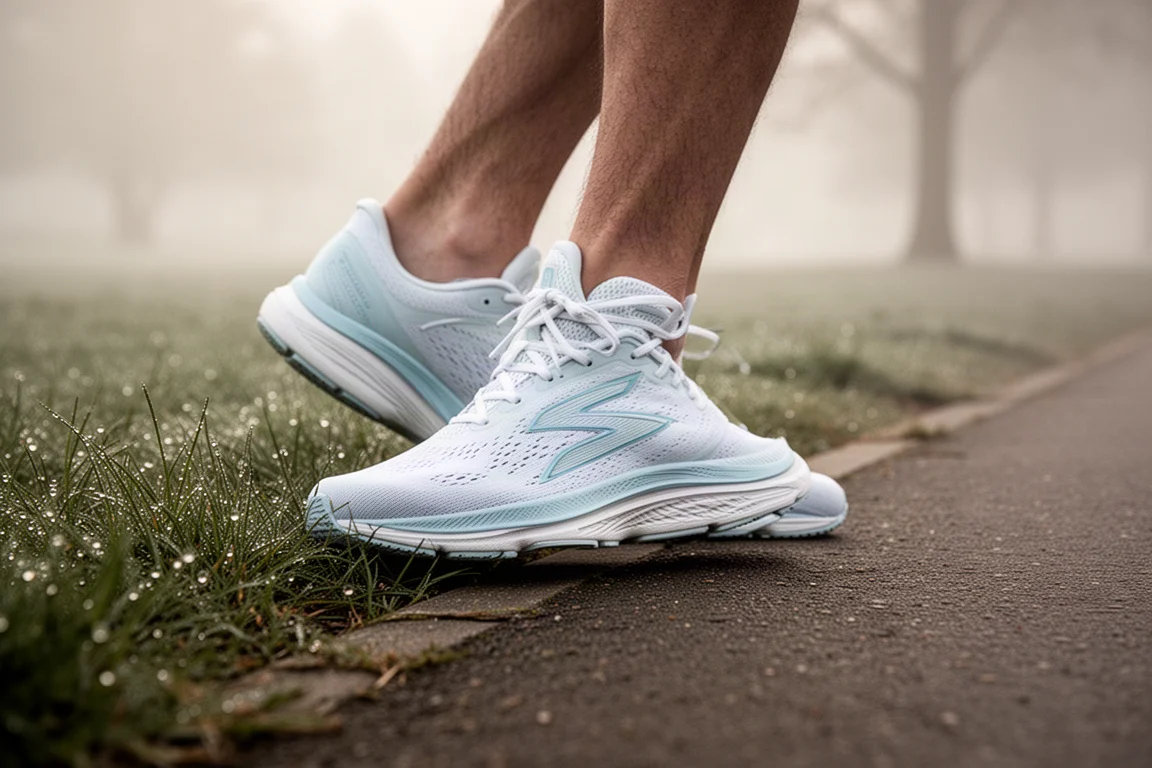
For lower-paced running and easier sessions, the Novablast series ticks a lot of boxes, and the Cumulus 28 offers a different take on the same FF Blast Max foam formula: slightly more resilient, a touch wider, and a bit more of a comfort-first package. The Novablast is the lighter, more fun and versatile of the two.
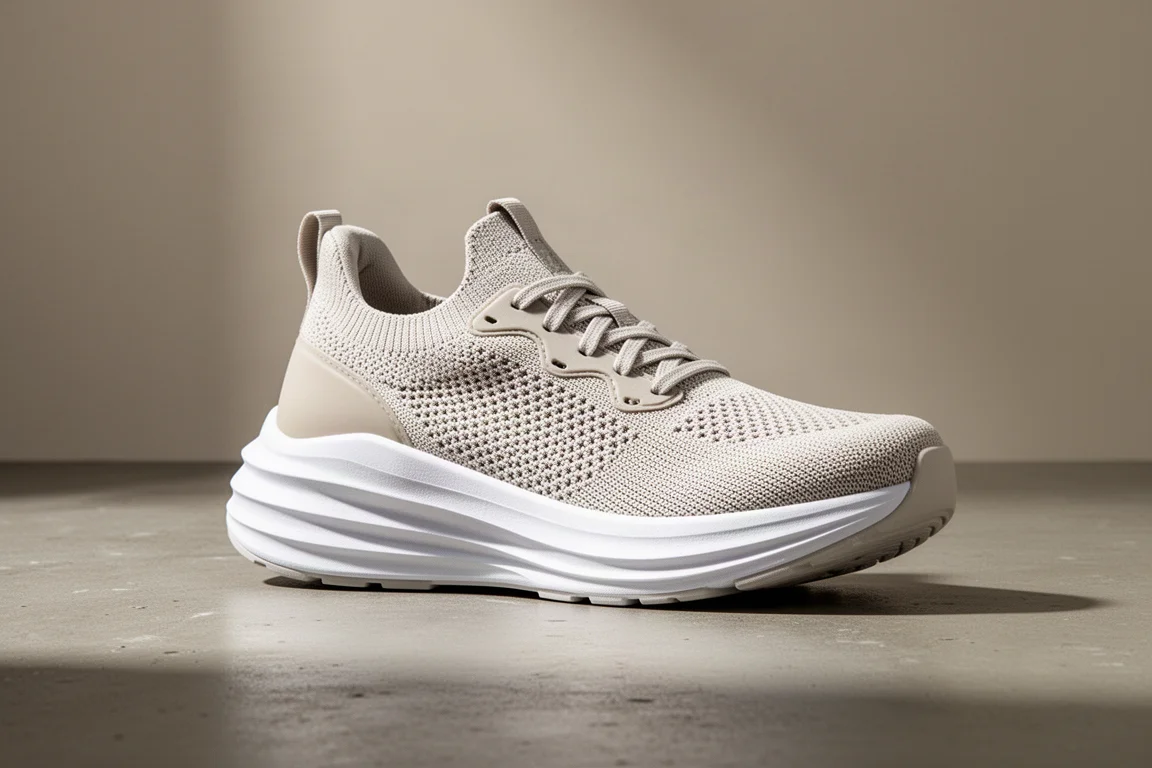
ASICS Cumulus 28
The Cumulus 28 is the softer, steadier alternative in that same family. If your priority is impact protection on easy days rather than pace flexibility, this is the one that leans furthest that way while still feeling like a proper running shoe rather than a soft brick.
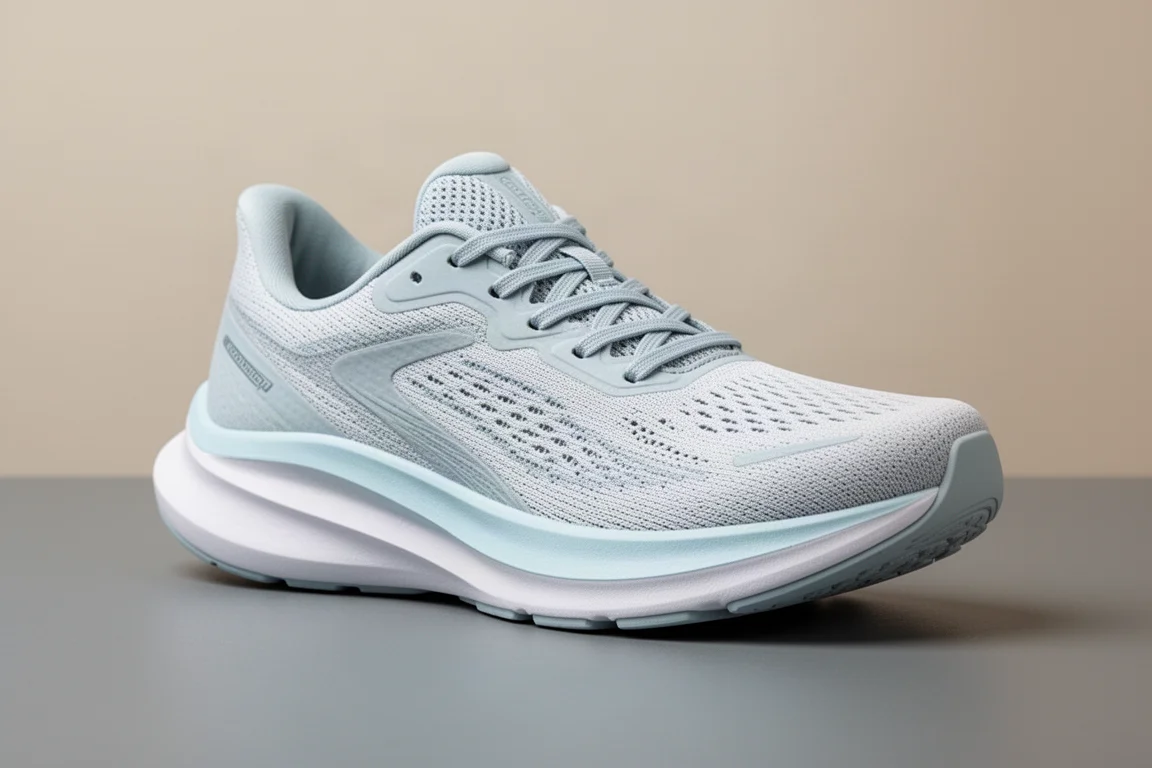
ASICS Superblast 3
Where ASICS really shows its hand is the big-stack hybrid category. The Superblast 3 and the Megablast both offer more stack than the Novablast while weighing less, which is an odd but effective combination. They are not soft shoes in the lazy sense; they are more responsive, more stable than their height suggests, and you can turn the pace up more. The Megablast in particular is versatile enough that you can run a marathon in it, yet it still feels right for easy or recovery miles.
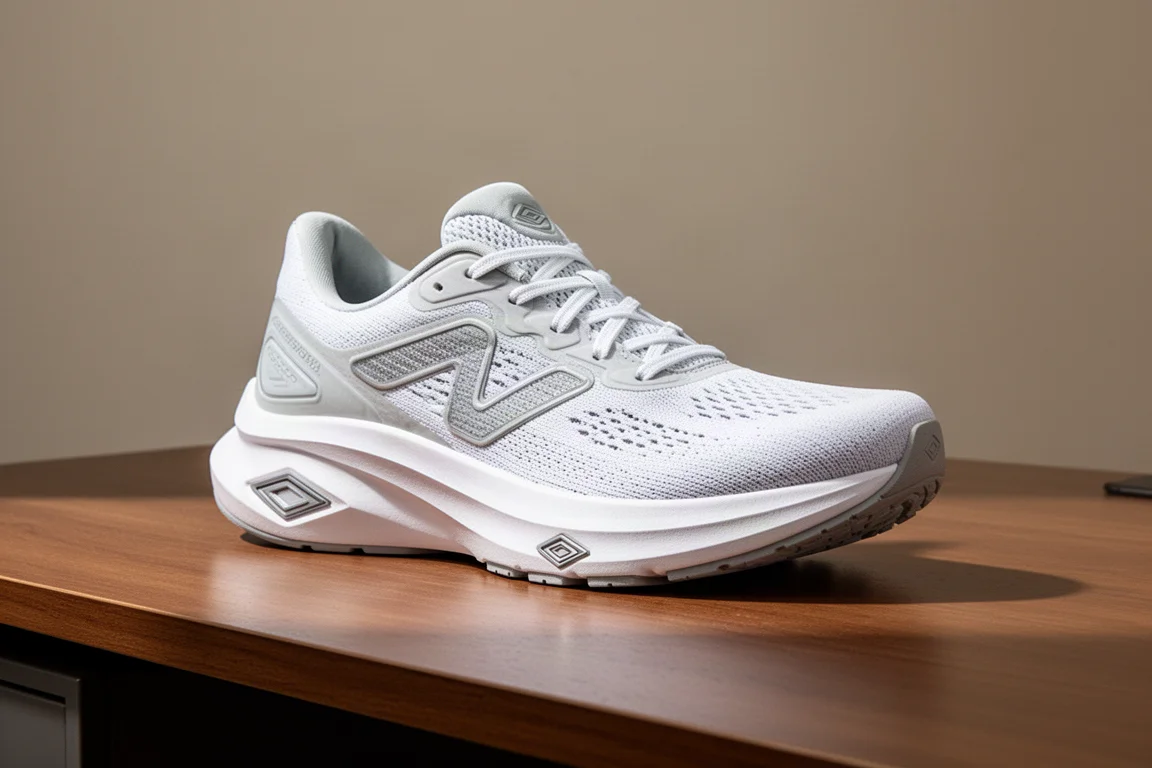
ASICS Sonic Blast
The plated tempo option is the Sonic Blast. It runs rigid, and the foam feels noticeably different from shoes that supposedly use the same FF Turbo Squared material as the Megablast. There is a lot of stack here, and if you want something resilient in the midsole for faster days, it may suit you well, but it is a more polarizing shoe than the rest of the range.
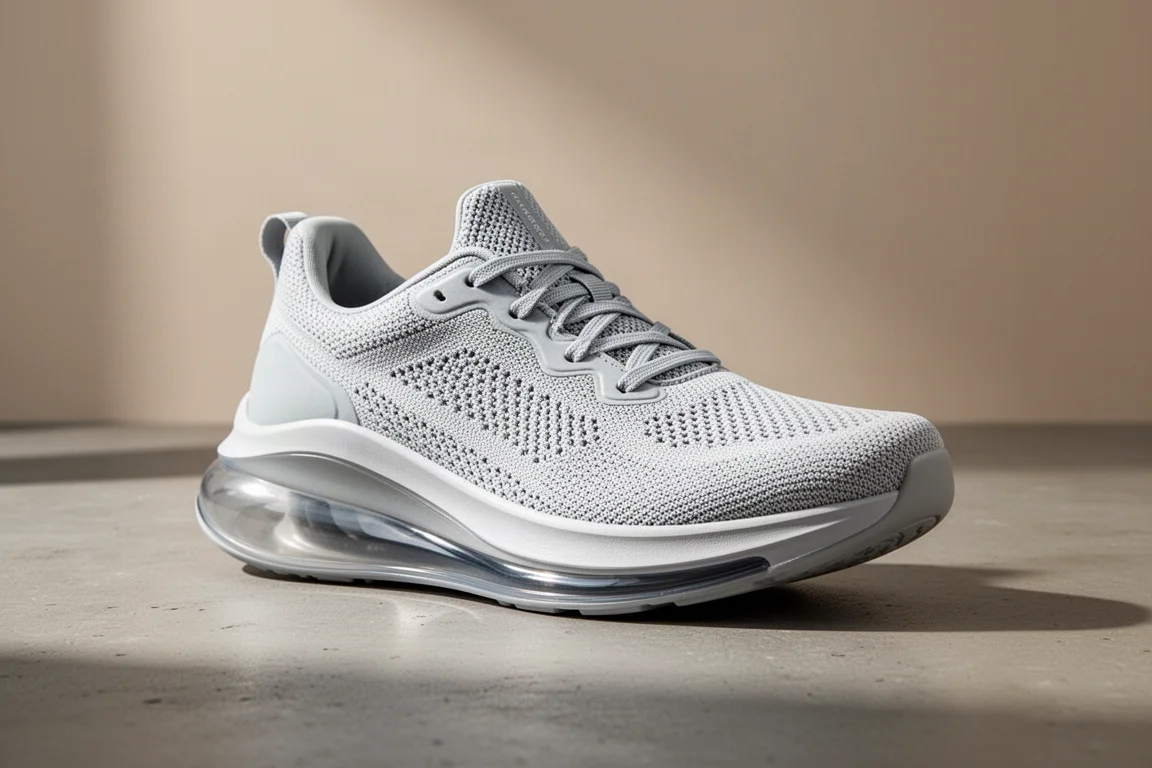
ASICS Metaspeed Sky Tokyo
The race lineup is very well stocked. The Metaspeed Sky Tokyo and Edge Tokyo use two of ASICS’s best foams, FF Leap and FF Turbo Plus, with a 5mm drop in both, which is drastically lower than many competitor race shoes. The Sky uses a flatter plate, while the Edge has a more curved, more traditional carbon plate. After extensive testing in both, the Sky Tokyo is the clear favorite.
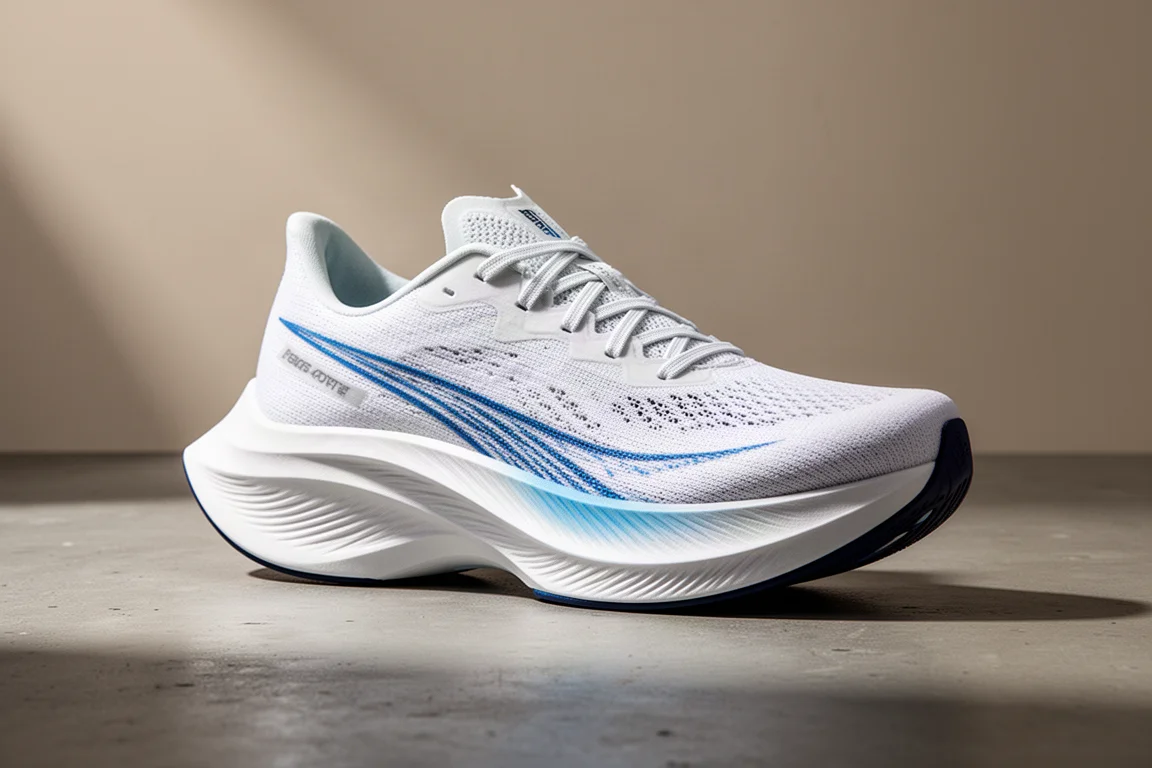
The only genuinely out-there shoe is the Metaspeed Ray: extremely light, very unstable, FF Leap only, and only about 20 or 30 pounds more than the flagship racers. It is niche, which is probably why plenty of pairs sit on shelves. Still, it says something that ASICS prices its most experimental racer so close to its main one.
Nike: Plush, Heavy, and Middle of the Road
Nike takes the most middle-of-the-road approach right now, and it is the weakest lineup of the three on balance. Many of the daily shoes are bulky with plush uppers, and several models have not moved on much in years.
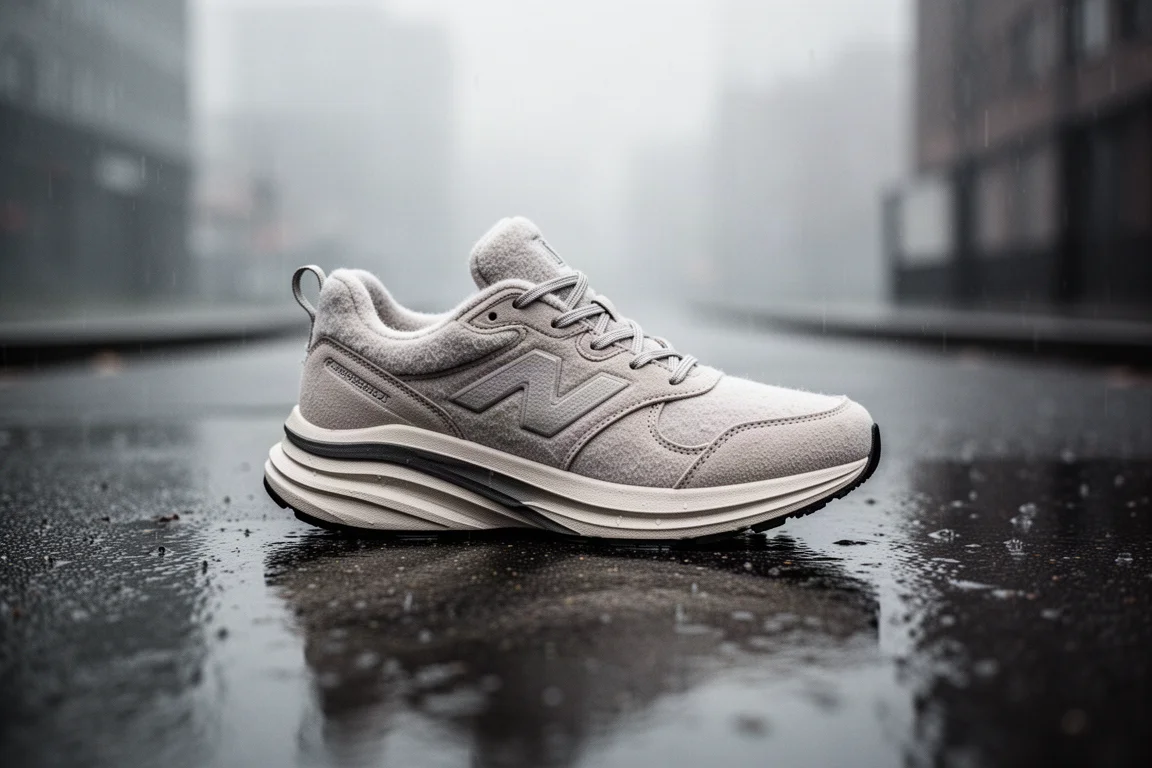
The Pegasus 42 is the classic example: modest air units and firm carrier foam make it fine for easy and daily running, but it is not a shoe that has progressed much over the last six or seven years. If you want something more forgiving, the Vomero 18 is arguably the better shoe, though with quite a bit more bulk: predominantly ReactX in the midsole with a top layer of ZoomX, more cushion and compression, but a weightier and slightly more expensive package. The Vomero Plus is a lighter, ZoomX-only alternative with lots of impact protection, though the drop feel feels closer to 10mm than you might expect.
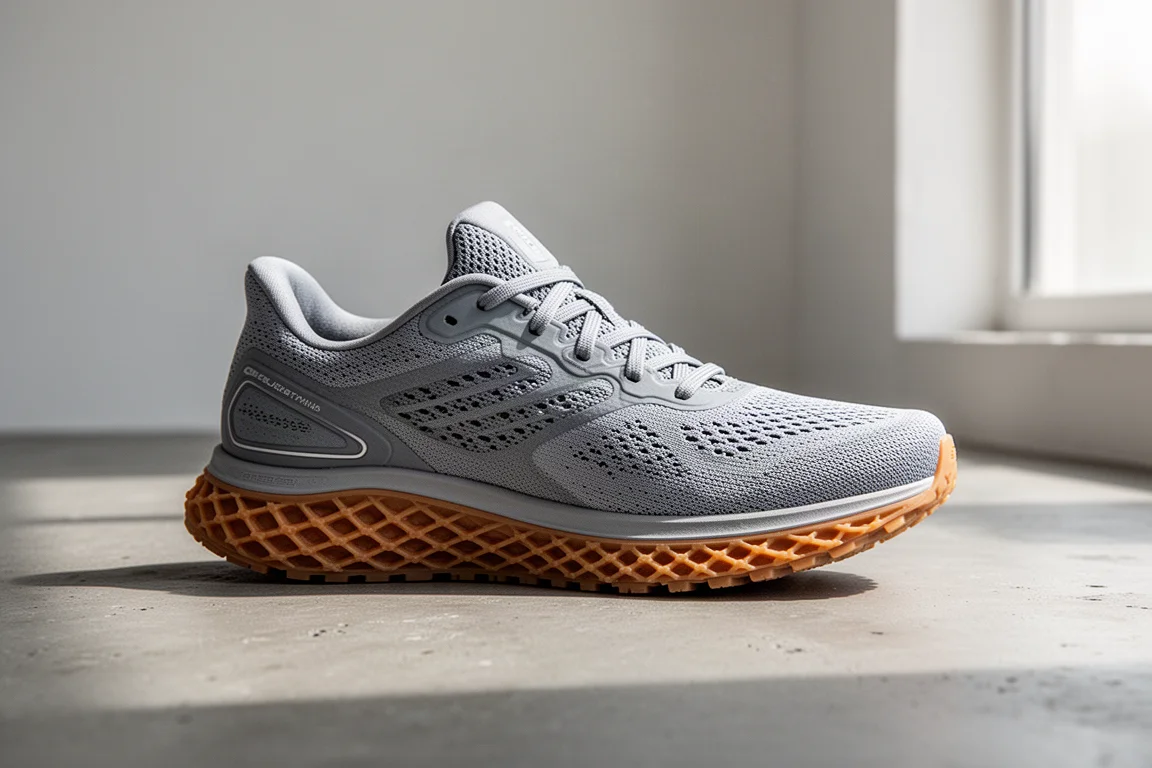
Nike Vomero 18
As the impact-protection-focused pick in the range, the Vomero 18 delivers more cushion and a more forgiving ride than the Pegasus, at the cost of weight and price. It suits runners who value a plush, protective daily shoe over a nimble one.
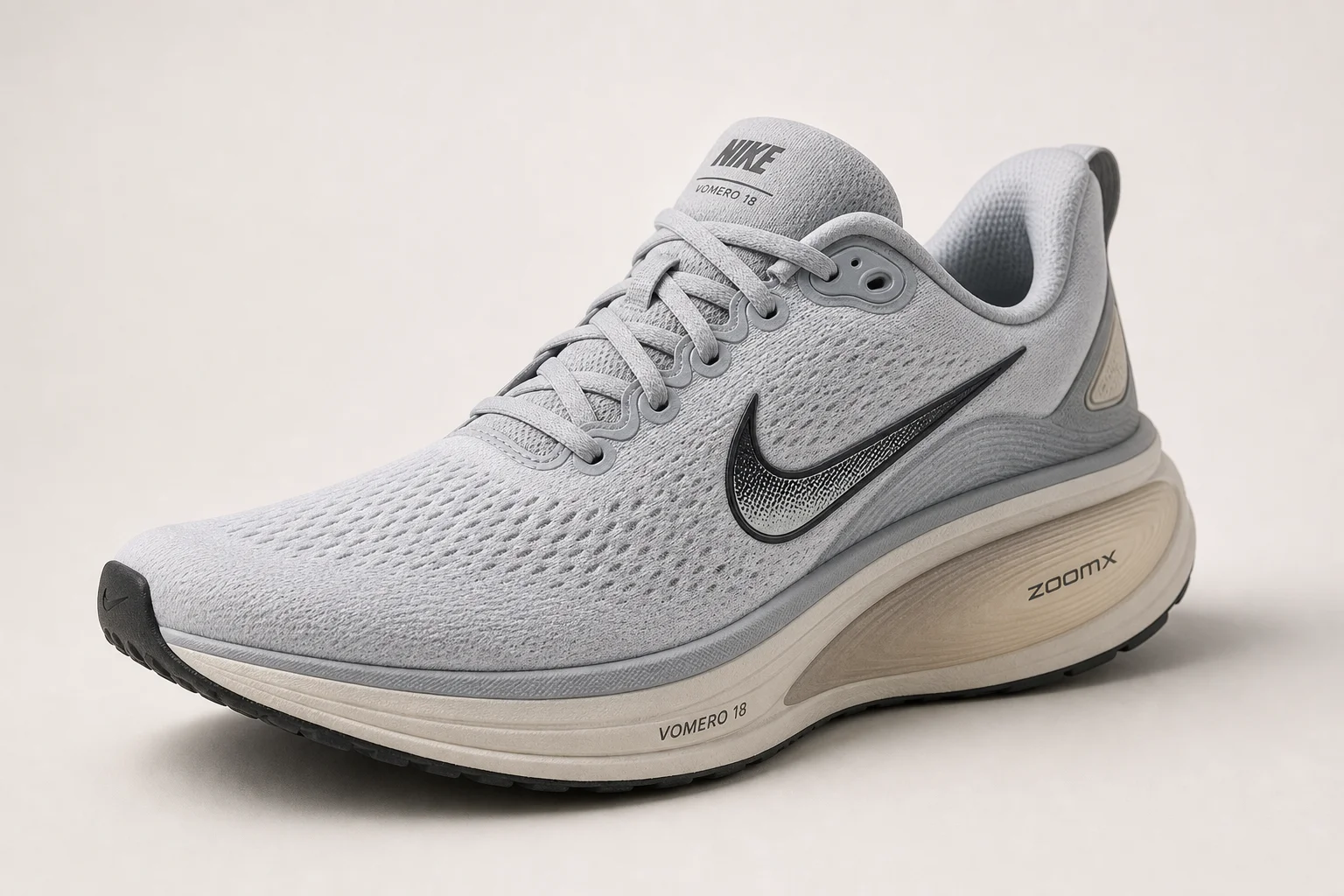
Nike Zoom Fly 6
The Zoom Fly 6 is Nike’s carbon-plated trainer: a touch lighter, a bit more propulsive, with a narrower footbed, and the plate helps stabilize the foam. It is a solid tempo option, but this shoe type appears to be in decline, with fewer brands bothering to put carbon plates in training shoes and instead relying on foam geometry for rigidity.
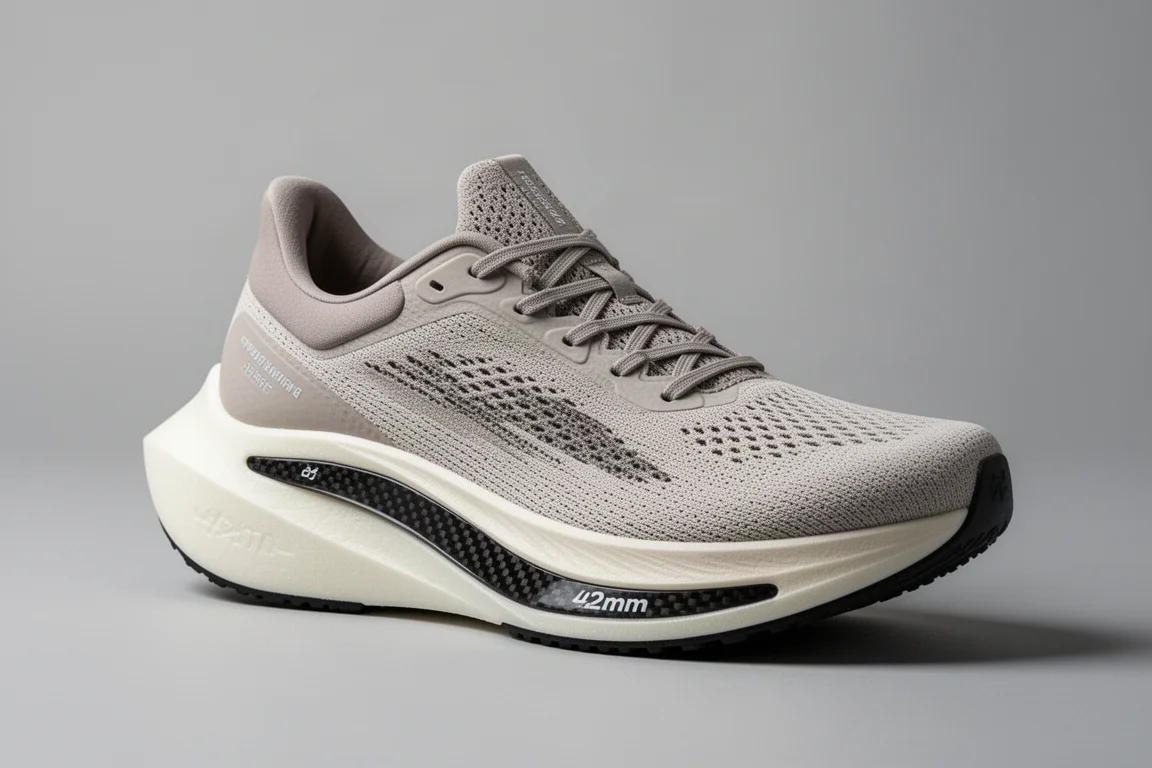
At the top end, the Vaporfly 4 and Vaporfly 3 and the Alphafly 3 round out the range, and they are all a little long in the tooth. The Vaporfly 4 trimmed the stack slightly to save weight and works well up to about half marathon distance, but it is not the universal marathon shoe the original was. The Vaporfly 3, with its heavily hollowed, weight-relieved midsole and maximum surface area, remains the marathon-focused option, though it is heavy for a racer, closer to 250 grams in a typical size where rivals drop below 200. The technology was cutting edge in 2020; whether it still is, is a fair question.
Adidas: The Widest Range in the Test
Adidas has the widest range of the three brands, stretching from the low-stack, road-feel-oriented Adios 9 all the way up to the towering Prime X 3. For easier days, the AdiStar BYD 2 and Supernova cover the comfort angle with Pebax-based midsole foam, decent weight, and plush uppers.

The Evo SL is the shoe Adidas struck gold with: more nimble and performance-oriented, with good durability and a friendly price. It is not quite a true daily trainer in the sense of the Pegasus 42 or Novablast, but as a performance shoe at a non-performance price, it is hard to beat.
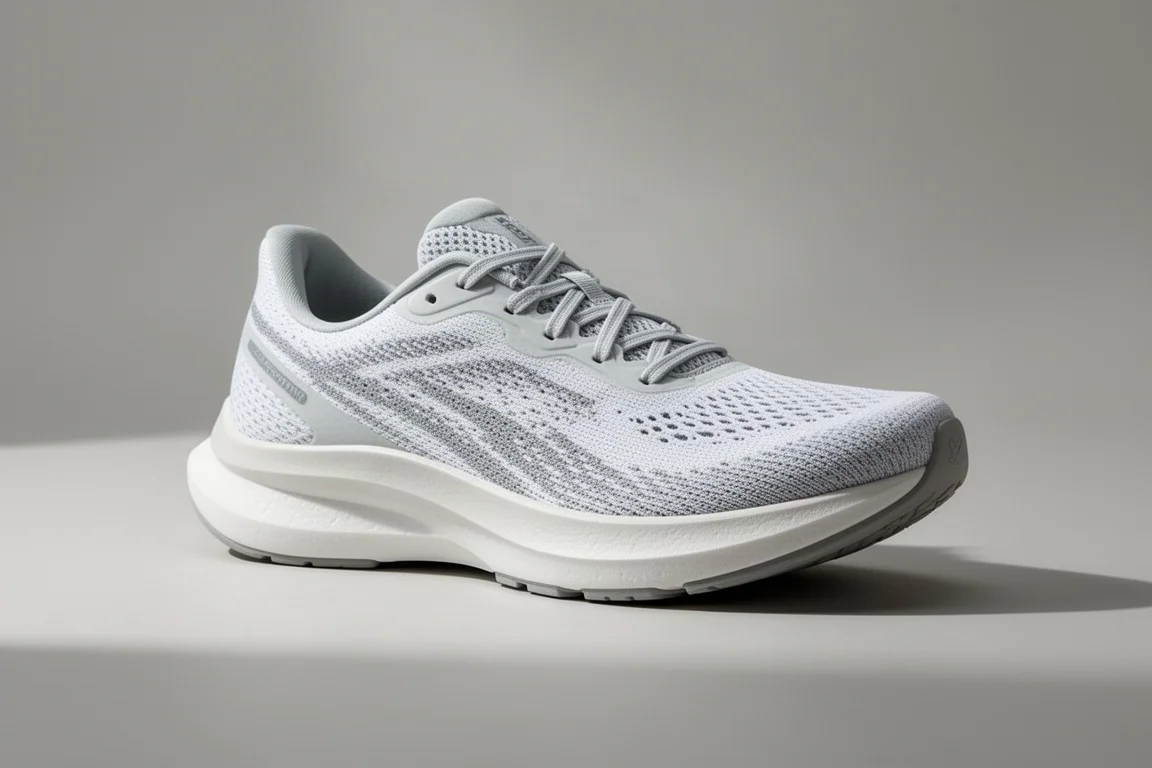
Adidas Boston 13
For tempo work, the Boston 13 is the closest thing Adidas has to a plated speed trainer. It sits alongside the Takumi Sen 11, which uses stabilizing rods for rigidity at a very low weight and works well for track sessions up to half marathon, and the Adios 9, which offers more road feel for faster, shorter efforts.
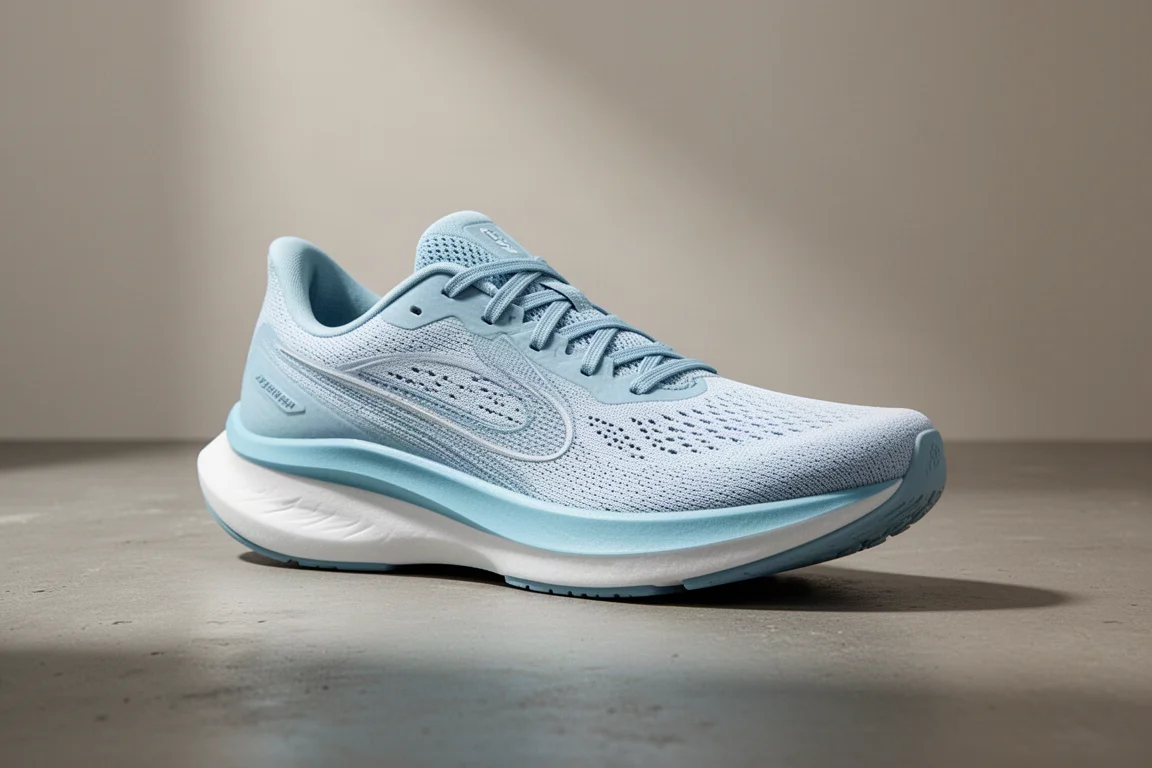
Adidas Prime X 3
For long runs, the Prime X 3 and Hyperboost Edge bring vastly higher stacks than anything else here. The Prime X 3 makes the Megablast look like a race flat, yet neither of these shoes is super squishy. The Prime X 3 is structured rather than plush and smooths out your gait, while the Hyperboost Edge feels more like the Megablast in terms of bounce. Both come in a lot lighter than all of Nike’s daily offerings, which matters if you dislike heavy, plush long-run shoes.
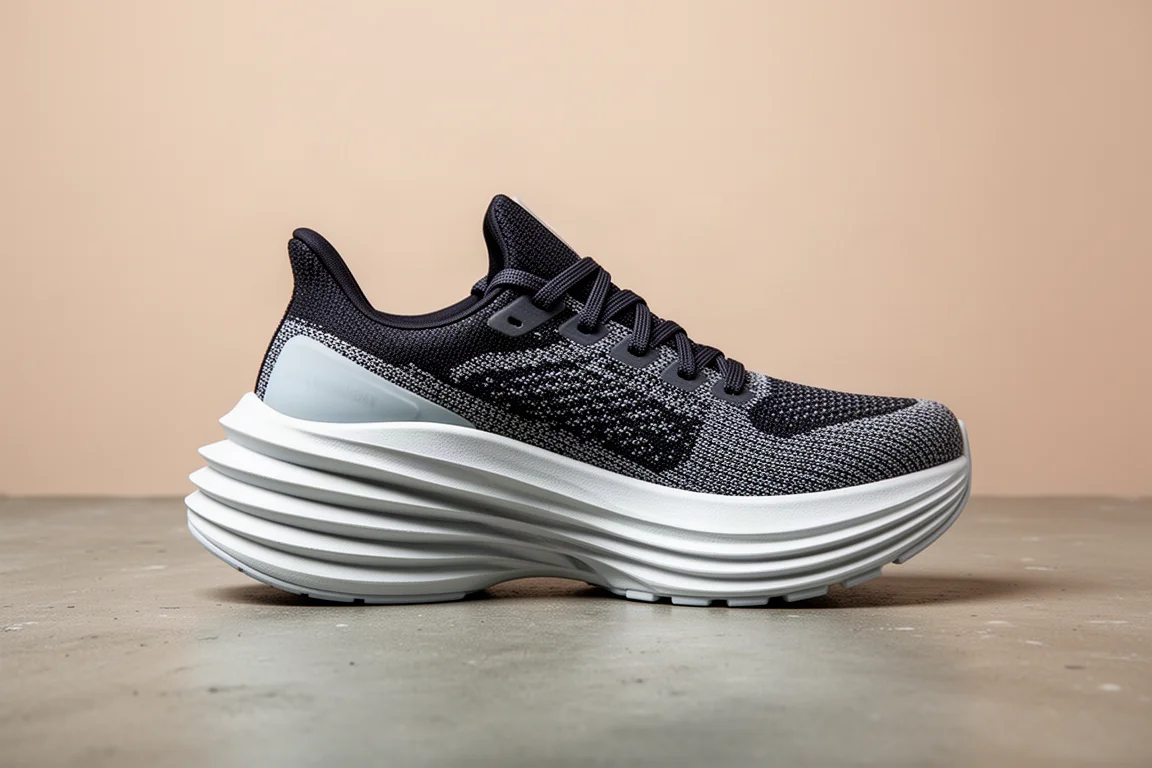
Adidas Adios Pro 4
At the top end, the Adios Pro 4 is a softer, more race-oriented option suitable for anything from 5K to the marathon, and it is frequently available at a heavy discount. In the UK, the street price often sits around £140 against a £220 retail price, which is remarkable value for a flagship racer.
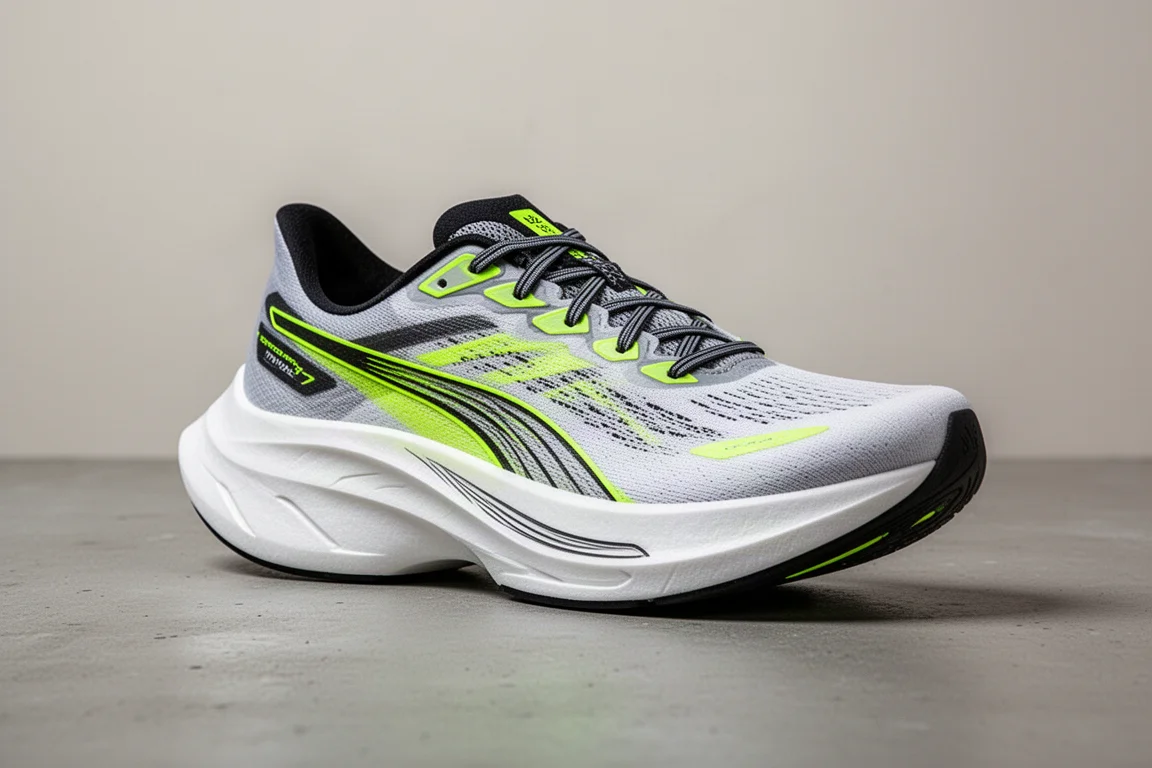
Above even that sits the Pro Evo 2 at £450 retail in the UK, though discounts have started appearing around the £325 to £350 mark. It is still a lot of money, and the fact that Adidas prices its top-end race shoes so much higher than ASICS does is one of the reasons the brand does not take the overall win here.
Which Lineup Should You Buy Into?
Ranked on the overall lineup, Nike sits at the bottom: too bulky too often, with too much reliance on historic Air technology rather than new foams, even if Air remains the brand’s unique selling point. Models like the Pegasus Premium and Vomero Premium look like performance shoes on the shelf but do not deliver that on foot.
Adidas takes second place. The shoes work well and the range is the widest of the three, but the top-end pricing pushes buyers away from the flagship, and the long wait for the Adios Pro line cost it some momentum. That leaves ASICS as the top lineup. The range is deep, the shoes are versatile enough to use all the time rather than saved for special sessions, and the iterative design approach means you generally know what you are getting.
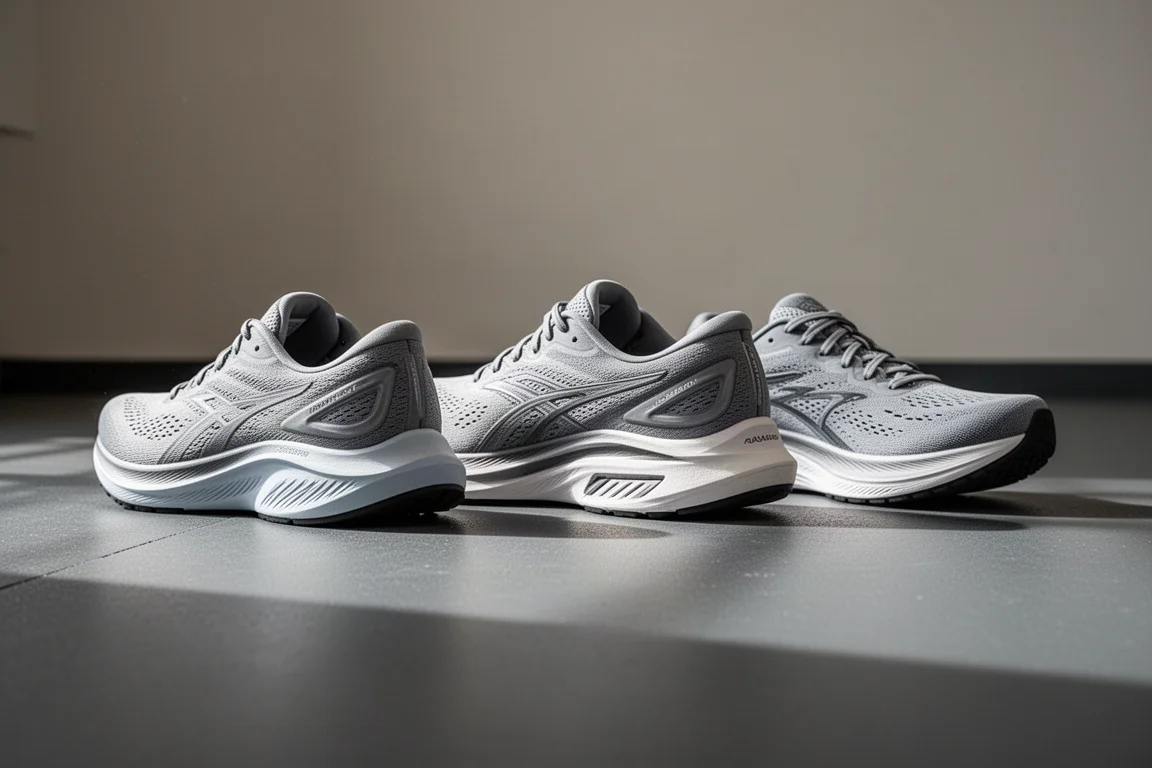
If you want one brand to buy into for everything from recovery jogs to marathon racing, ASICS is the safest bet. If you chase value in a fast shoe, Adidas’s discounted race models are hard to ignore. And if you already love Nike’s feel, the tempo and race options still justify a place in the rotation, even if the daily lineup lags behind.
Conclusion
All three brands make excellent shoes, but the lineups are not equal. ASICS wins on depth, versatility, and consistency; Adidas wins on range breadth and discount-hunting value; Nike currently trails on weight, freshness, and everyday practicality. Match the brand to how you actually run, and you will get more from any individual shoe in it.
Further reading
Related Reviews

Running Shoes
Best Road-to-Trail Running Shoes: Three Versatile Options for Mixed Terrain
A practical guide to three road-to-trail running shoes that handle both pavement and mild trails, with clear strengths and trade-offs for different runner types.

Running Shoes
Best Running Shoes for Achilles Tendonitis: Three Options Explained
Three running shoes with different heel drops and support features designed to help reduce Achilles tendon pain during walking and running.

Running Shoes
Best Running Shoes for Women: Five Top Choices Ranked
A ranked guide to five women's running shoes, from versatile daily trainers to high-performance racing options, with real strengths and trade-offs for each.