Running Shoes
ASICS SuperBlast 2 vs Saucony Endorphin Speed 5: Two Premium Daily Trainers, Two Different Rides
A close comparison of two of the most versatile running shoes on the market: the max-stack, plateless ASICS SuperBlast 2 and the plated, low-profile Saucony Endorphin Speed 5.
Introduction
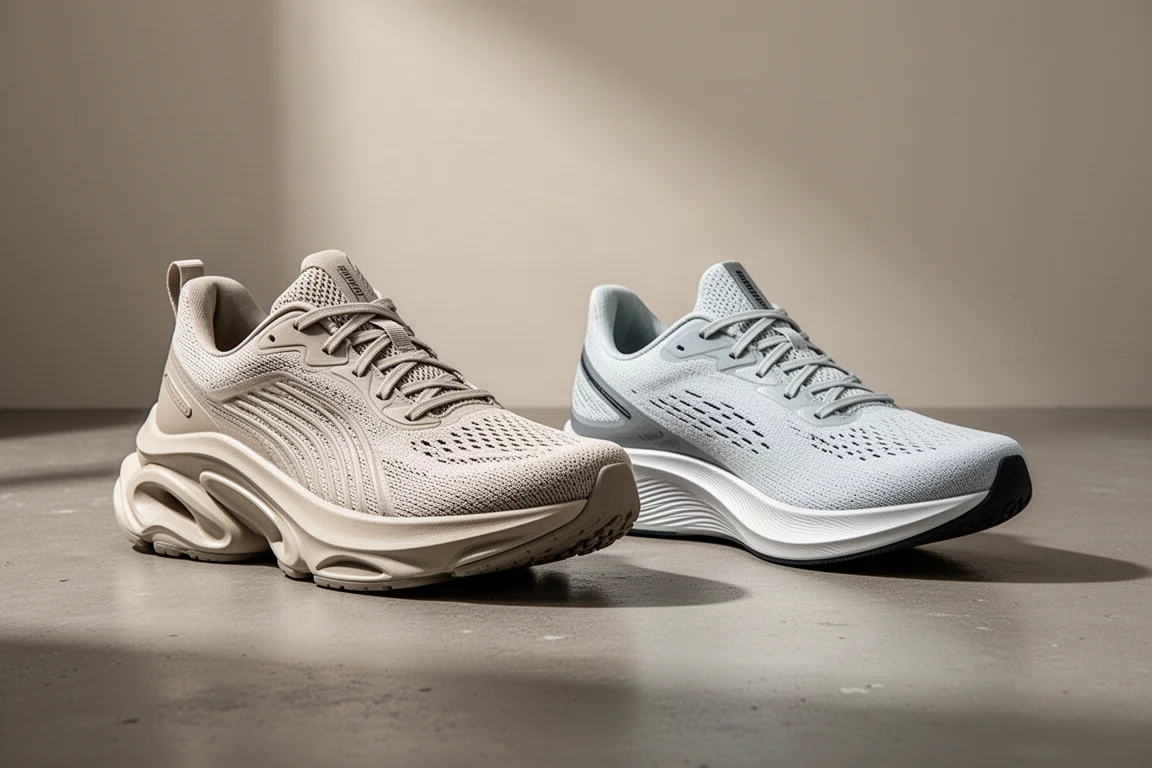
The ASICS SuperBlast 2 and the Saucony Endorphin Speed 5 are two of the most highly rated versatile trainers around, and both can handle a remarkably wide range of runs. They are lightweight, fast, and still carry enough comfort and cushioning for easy days. But they take very different approaches: the SuperBlast 2 is a big max-stack shoe with no plate, while the Endorphin Speed 5 is, by modern standards, quite a low-stack shoe with a nylon plate. Both are expensive, so the question is which philosophy suits your running.
Key Specs at a Glance
The two shoes are closer on the scales than their looks suggest. The SuperBlast 2 weighs 252g (8.9 oz) in a UK 9 / US 10, making it the lighter shoe despite its much higher stack. The Endorphin Speed 5 comes in at 256g (9 oz) in the same size. Both have an 8mm drop.
The stack heights tell the real story. The SuperBlast 2 sits at 45mm in the heel and 37mm in the forefoot, while the Endorphin Speed 5 measures 36mm at the heel and 28mm at the forefoot. That extra foam is the defining difference between the two rides.
Upper and Midsole Design
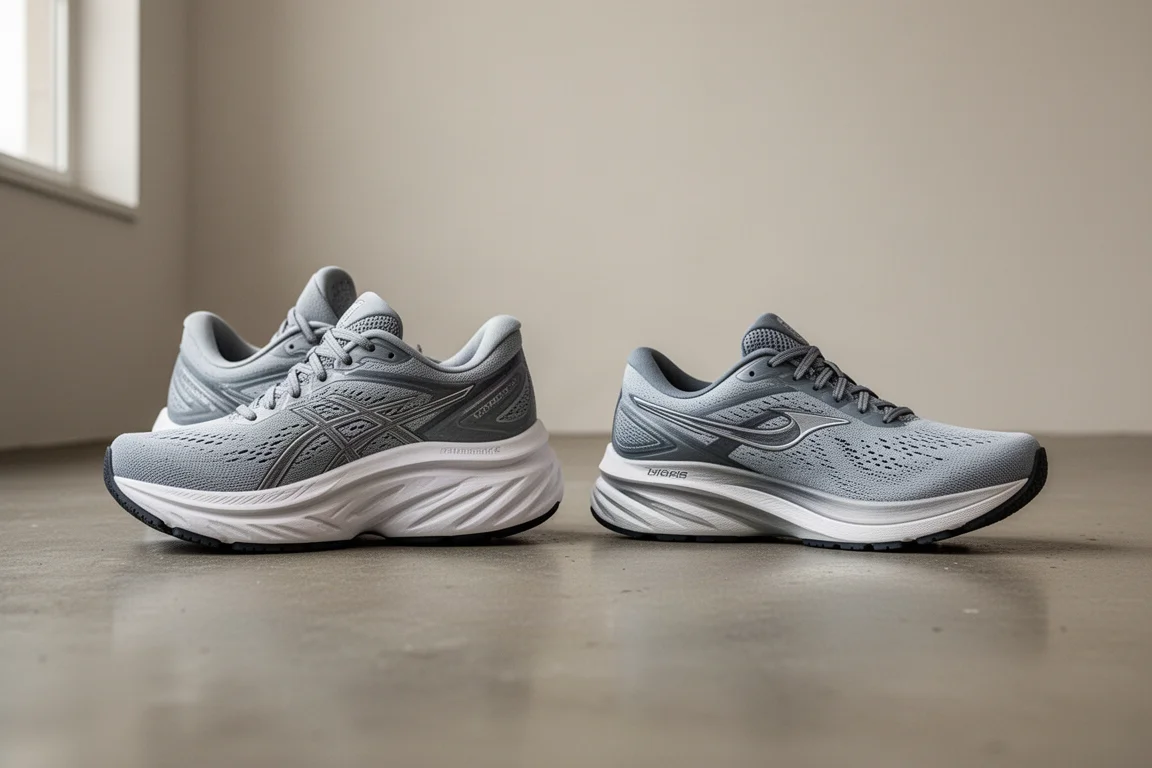
Both shoes use engineered mesh uppers. The Endorphin Speed 5’s upper is lightweight, open around the toes, lightly padded at the tongue and collar, and backed by an internal heel counter. The SuperBlast 2’s upper leans more toward comfort, with extra padding around the collar and generous volume across the top of the foot, though its tongue is thin and breathable.
Underfoot, the Endorphin Speed 5 runs on Saucony’s PWRRUN PB foam with a winged nylon plate for propulsion that is less stiff than carbon, plus a speed roll rocker geometry. The outsole uses rubber over the forefoot and two strips at the rear, with a midfoot cutout to save weight.
The SuperBlast 2 stacks two foams: FF Turbo Plus on top, the same bouncy foam used in ASICS’s Meta Speed racing shoes, over a thinner layer of FF Blast Plus Eco. There is no plate, and an AHAR Plus rubber outsole covers the length of the shoe without being full coverage.
Fit and Sizing
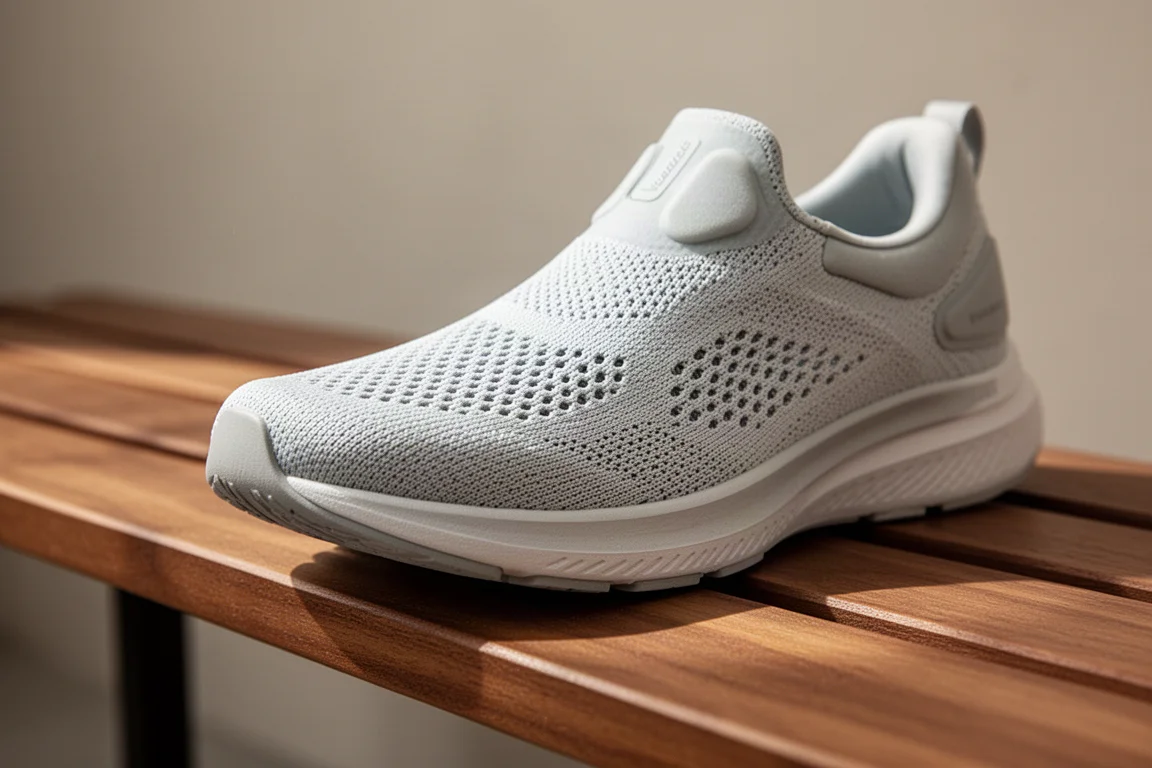
Both shoes run true to size, and testers found roomy, unfussy fits with good toe wiggle room, solid midfoot lockdown, and secure heels. The main difference is volume: the SuperBlast 2 is notably generous in the forefoot and across the top of the foot, to the point where it can feel a little too spacious for some. It is also a long shoe, but not a particularly wide one, so going down half a size could cause midfoot problems.
The Endorphin Speed 5 sits a little closer to the toes while still offering ample length, and the latest version’s redesigned front section has been praised as the best-fitting of the Speed line. If you prefer a padded, high-volume feel, the SuperBlast 2 delivers it; if you want a lighter, more breathable fit that still pads the key areas, the Speed 5 is the sharper choice.
Ride and On-Road Performance
On the run, the differences are clear. The SuperBlast 2 is a much bigger shoe, especially at the heel, with a bouncy, deeply cushioned ride where you never really feel the ground. It is also surprisingly stiff for a plateless shoe, which lets you turn your legs over quickly and run genuinely fast sessions in it, including long intervals and even half marathon effort work. Where it shines most, though, is cruising long runs: the protection and bounce make long miles feel more effortless, and heel strikers get a big, forgiving wedge of foam on landing.
The Endorphin Speed 5 is the better straight speed shoe. Its lower, nimbler design, ground feel, plate, and rocker combine to perform remarkably close to a full carbon plate racer, with one tester matching carbon-shoe times on a familiar 5K tempo workout. It turns over quickly, feels responsive, and makes holding fast paces over distance feel easier than the bigger SuperBlast 2.
The trade-off shows on long runs. The Speed 5 has less foam, and some testers reported forefoot discomfort over longer distances at faster paces, something the SuperBlast 2’s sheer cushioning never allows. Others noted the SuperBlast 2’s softness asks a bit more of tired legs, but it is better at keeping foot fatigue at bay when landing heavy.
Durability and Grip
Neither shoe offers outstanding outsole grip, with rubber focused in similar key areas. The SuperBlast 2’s coverage is a little more segmented along the shoe, and it showed less wear over greater distances. Grip has proven fine in both wet and dry conditions, with the SuperBlast 2 perhaps holding a slight edge in the wet.
Buying Advice and Rotation Ideas
Priced at £200 / $200, the SuperBlast 2 is the more expensive option and can be hard to find. The Endorphin Speed 5 sits slightly cheaper at £180 / $170.
As a single all-rounder, the choice comes down to stack preference. Want a softer, bouncier ride with a wider platform? The SuperBlast 2 is the pick, and it is arguably the better shoe for slower two-hour-plus marathon training runs. Prefer ground feel, agility, stiffness, and snap? The Endorphin Speed 5 is the better shoe for faster training and is the more versatile of the two for runners who mix speeds frequently.
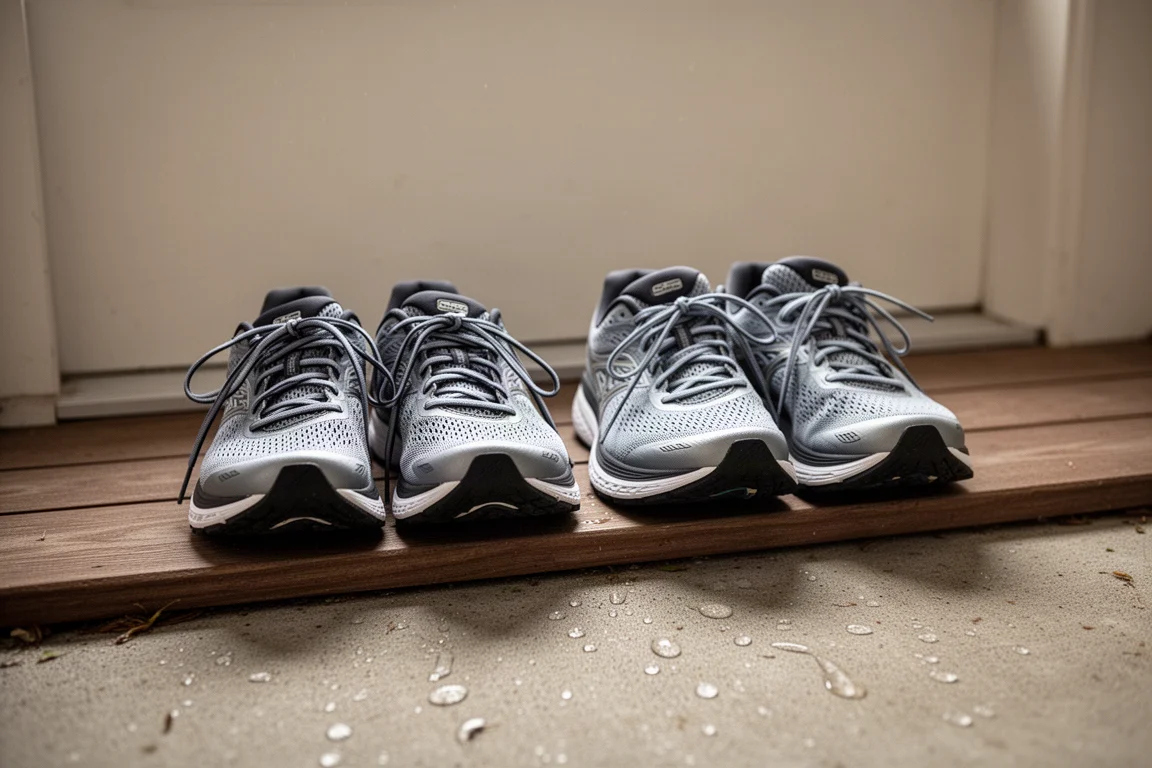
For rotation planning, the SuperBlast 2 pairs beautifully with a carbon plate race shoe in a two-shoe setup, covering everything except race day. In a three-shoe rotation, the Endorphin Speed 5 fits best in the middle as a fast training shoe that can also handle odd races while preserving your main racer. The two shoes together also make a strong two-shoe rotation on their own, though many runners would rather add a carbon racer to the mix and save money on cushioning elsewhere.
Conclusion
These are both excellent daily trainers that can eat almost any run in a marathon training block, and even carry you through race day in a pinch. The SuperBlast 2 is the more comfortable, cushioned all-rounder that shines on long runs and consistent paces, while the Endorphin Speed 5 is the nimbler, snappier option for speed-focused runners who want performance close to a carbon racer. Choose based on how much shoe you want underfoot and how much of your week is spent running fast.
Product link
View more details for ASICS SuperBlast 2
This product is mentioned in the review. Check the specifications, options, and compatibility before buying.
View more details for ASICS SuperBlast 2Further reading
Related Reviews

Running Shoes
Best Road-to-Trail Running Shoes: Three Versatile Options for Mixed Terrain
A practical guide to three road-to-trail running shoes that handle both pavement and mild trails, with clear strengths and trade-offs for different runner types.

Running Shoes
Best Running Shoes for Achilles Tendonitis: Three Options Explained
Three running shoes with different heel drops and support features designed to help reduce Achilles tendon pain during walking and running.

Running Shoes
Best Running Shoes for Women: Five Top Choices Ranked
A ranked guide to five women's running shoes, from versatile daily trainers to high-performance racing options, with real strengths and trade-offs for each.