Running Shoes
Asics SuperBlast vs Saucony Kinvara Pro: Two Big-Stack Super Trainers Compared
Two premium super trainer shoes that promise to do it all. We compare weight, cushioning, ride feel, and durability to help you pick the right one.
Introduction
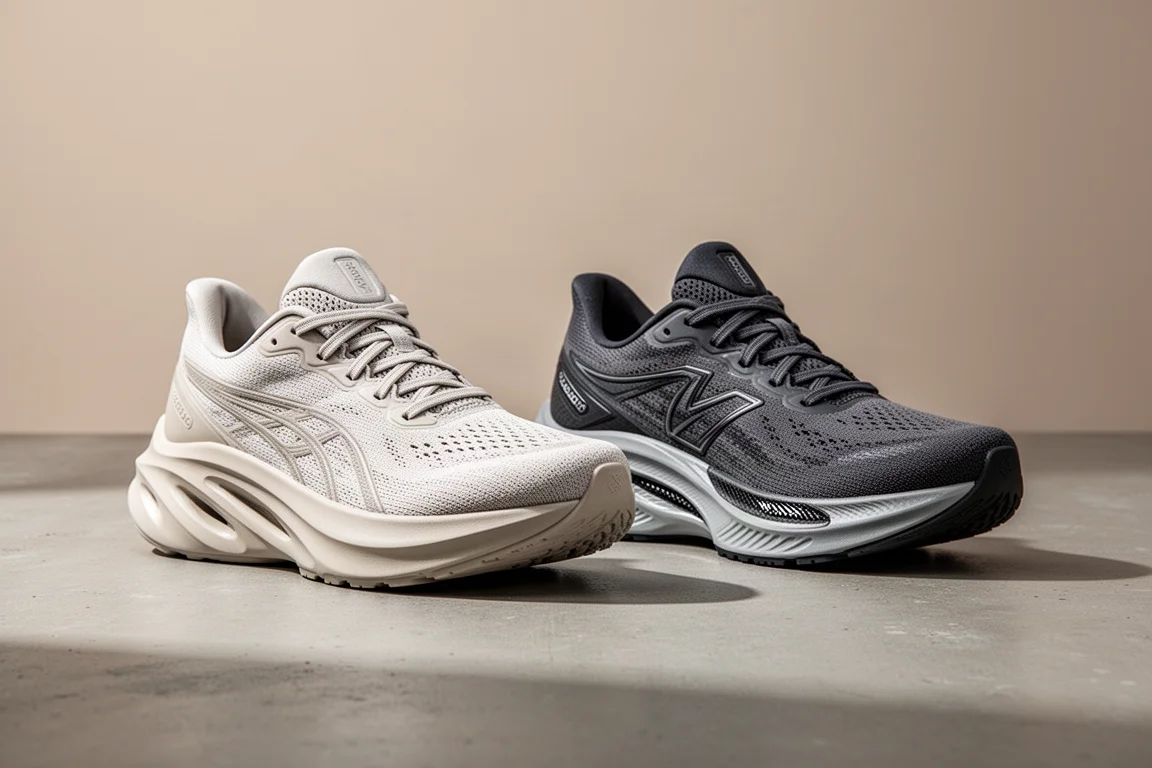
Big-stack super trainers are the do-everything category of modern running shoes, and two of the most talked-about options are the Asics SuperBlast and the Saucony Kinvara Pro. Both promise a cushioned ride that can handle easy runs, tempo work, and everything in between, and both come with very premium price tags.
The problem is that they deliver very different experiences. One of these shoes is an easy pick. The other has left our testing team genuinely divided.
Two Super Trainers, Two Very Different Price Tags
The Asics SuperBlast costs 195 pounds or 200 dollars, while the Saucony Kinvara Pro is priced at 200 pounds or 180 dollars. With that kind of money on the line, expectations should be high, because there is a lot of competition in this category.
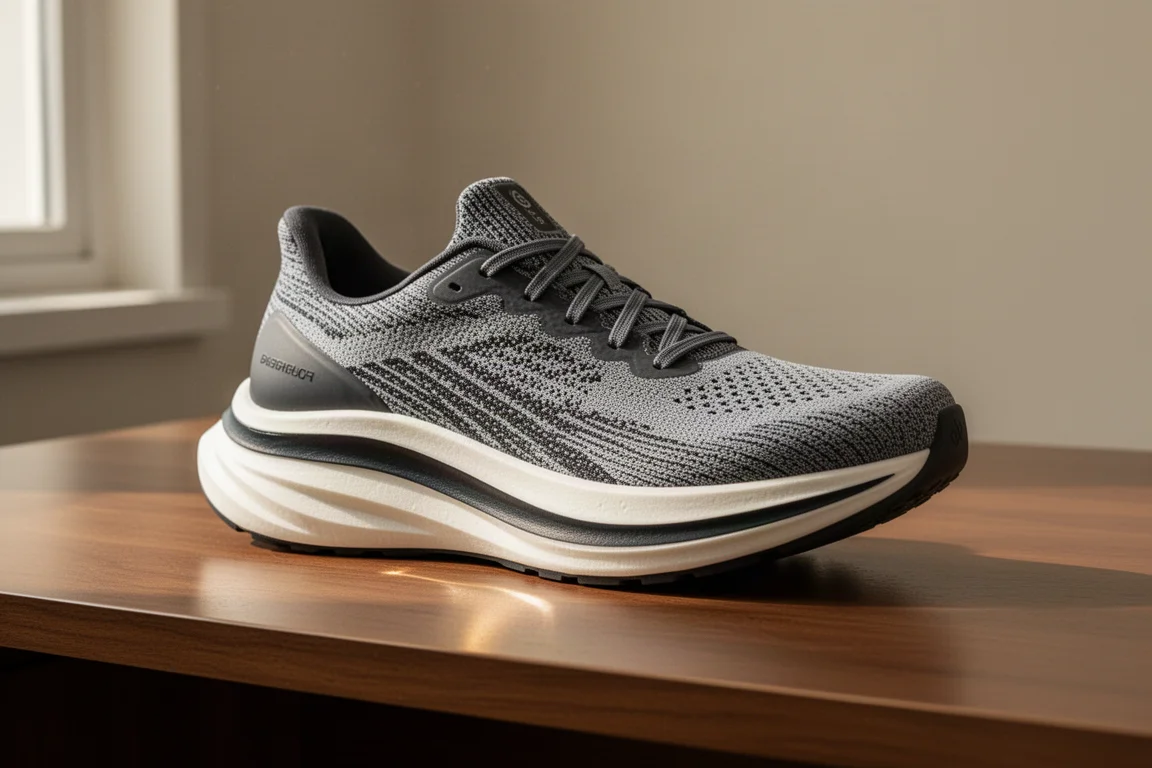
The spec sheets tell an interesting story. Both shoes share an eight millimetre drop, but the SuperBlast stacks 45.5 millimetres at the heel and 37.5 at the forefoot, while the Kinvara Pro sits at 42 and 34 millimetres. Despite being the bigger shoe, the SuperBlast is dramatically lighter: 251 grams or 8.8 ounces in a UK 9, versus 303 grams or 10.7 ounces for the Kinvara Pro in the same size.
Asics SuperBlast: Big Stack, Surprisingly Light
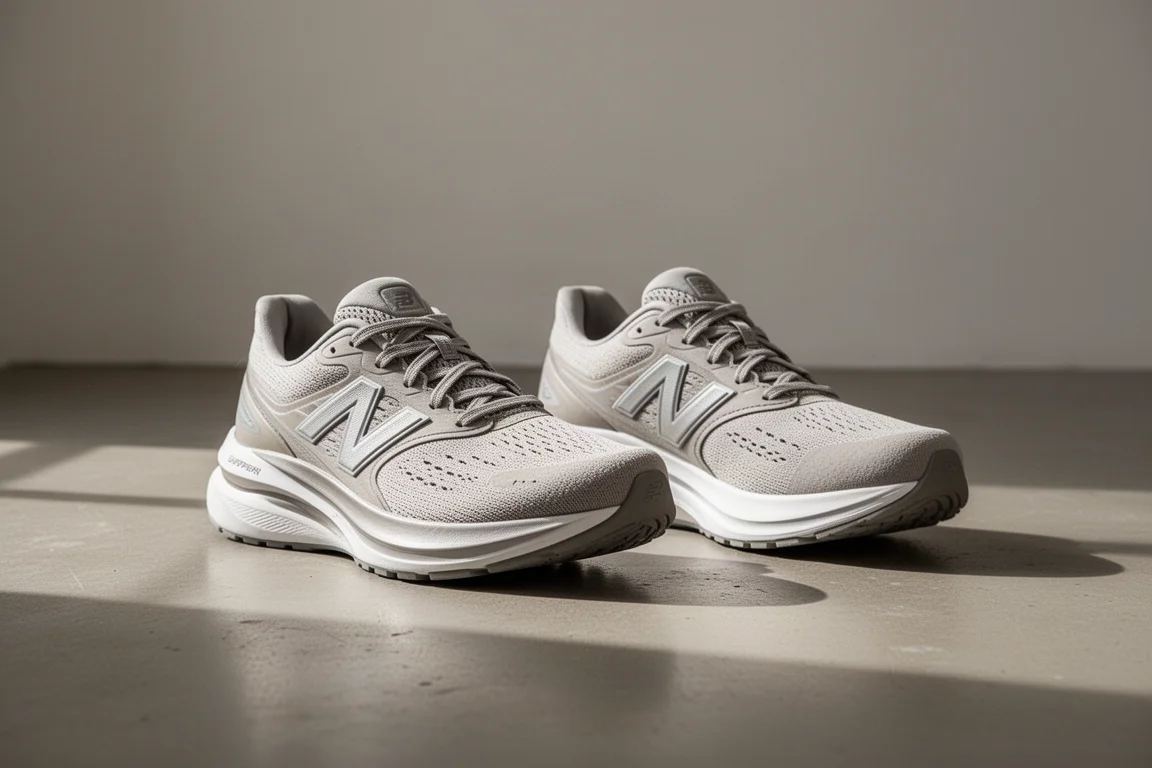
The SuperBlast uses a dual-density midsole with a generous top layer of FF Turbo foam, the same foam Asics uses in its Metaspeed race series, over a thinner layer of the firmer FF Blast Plus foam found across much of the Asics range. That firmer base layer adds durability and structure under a very tall stack.
There is no plate here, but the shoe makes up for it with smart geometry. Foam sidewalls and an internal heel counter add stability to what is otherwise a very big, quite wide shoe. The mesh upper is lightly padded around the heel, and the outsole uses AHAR Plus rubber placed sparingly across the key impact areas, with some exposed foam and small gaps visible through the Blast Plus layer.
On the run, it is a lovely cruiser. The cushioning is comfortable with a little bit of pop, not a huge amount, but enough to pick up the pace nicely. Testers found it versatile enough for easy runs, long runs, tempo work, and even hard track sessions with five-minute repeats. It is not the softest sinking-feeling shoe you will ever try, and it is slightly ungainly to look at, but it feels smoother than it has any right to, and its low weight for such a big shoe genuinely changes how it runs.
Saucony Kinvara Pro: Great Foam, Muted by the Setup
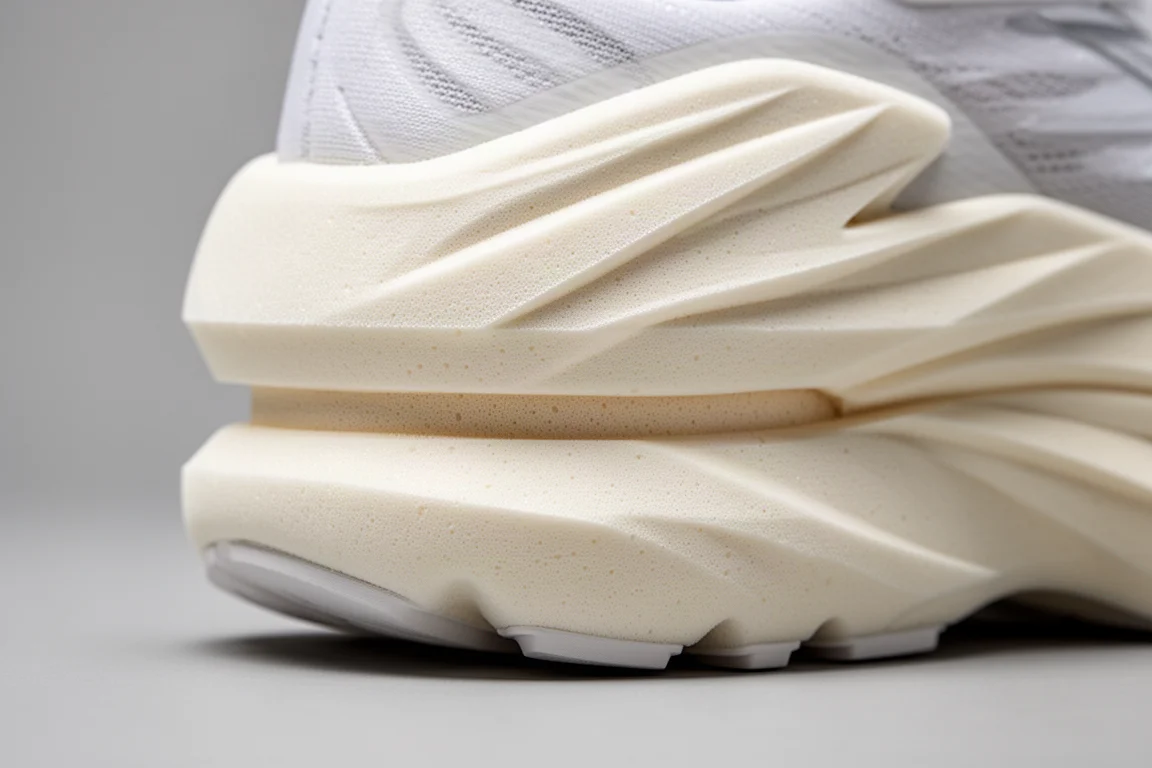
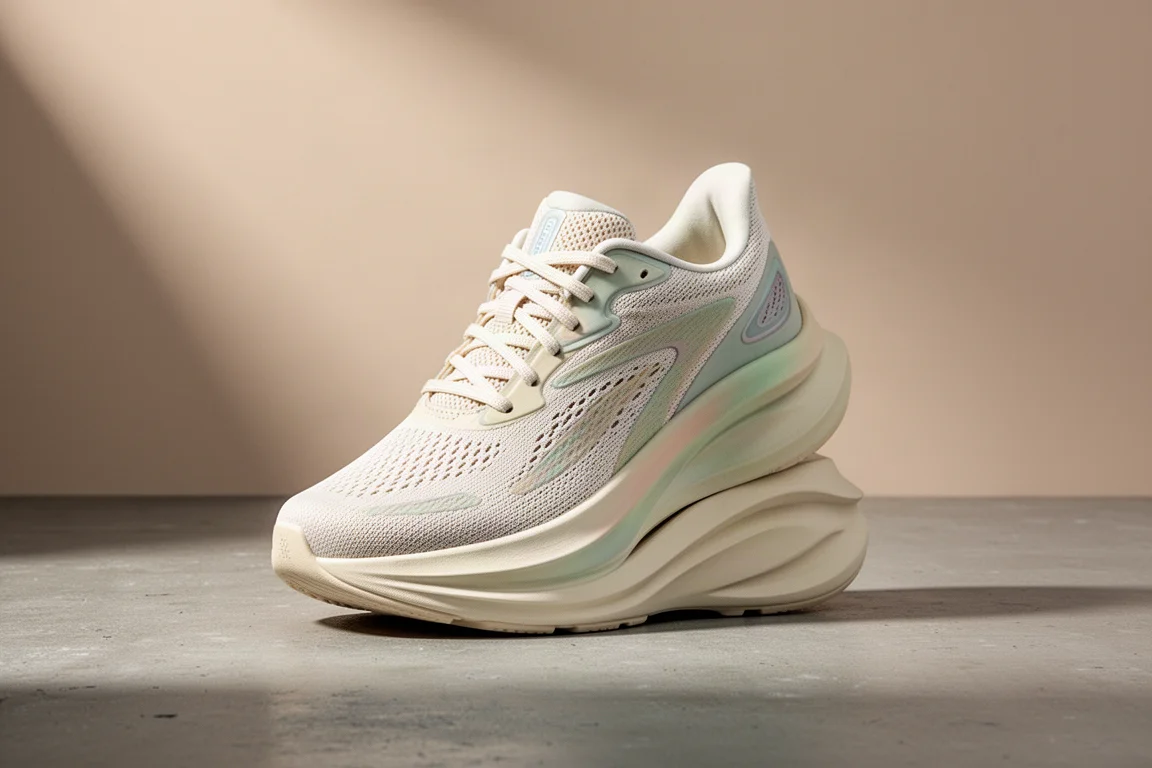
The Kinvara Pro also runs a dual-density midsole, with a top layer of PWRRUN PB, the foam used in Saucony’s Endorphin Pro race shoes, over a thicker layer of PWRRUN. Add a PWRRUN Plus sockliner and you have three layers of Saucony foam in total. A three-quarter length carbon plate runs from the midfoot to the front of the shoe, paired with Speedroll geometry to create a rocker-style ride.
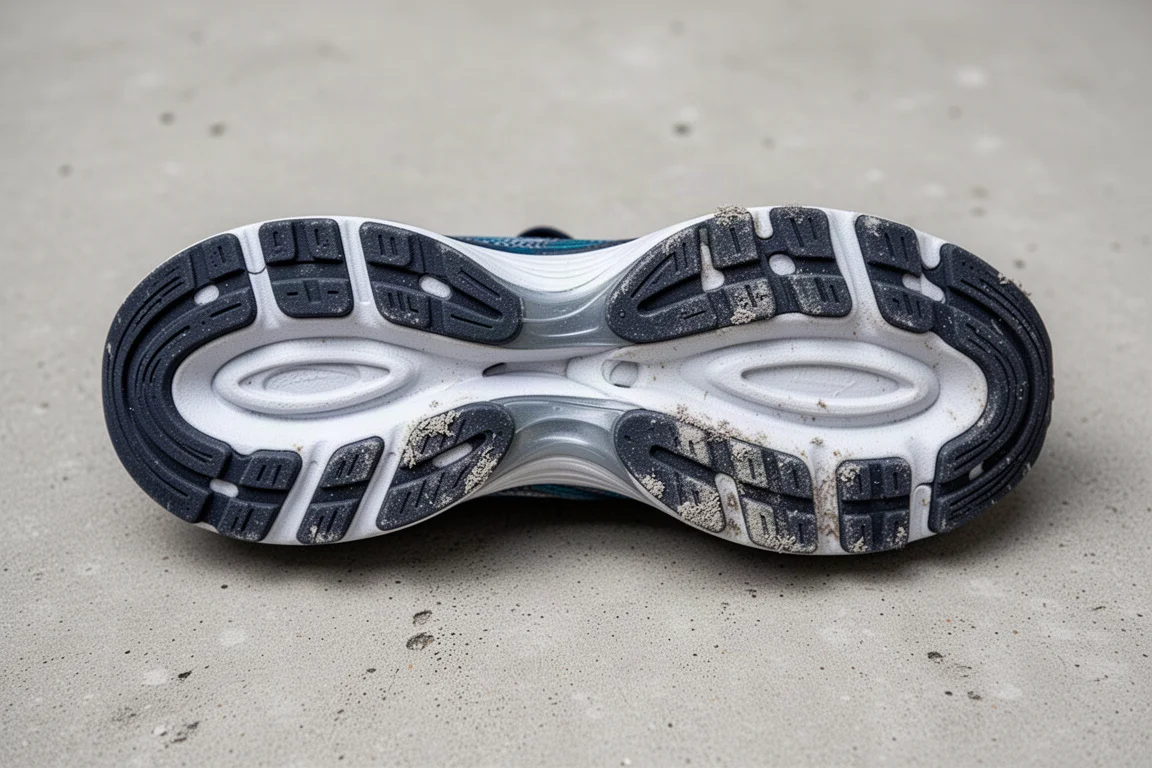
The upper uses small plastic overlays around the forefoot, good heel padding, and an internal heel counter. Notably, there is no outsole at all: the PWRRUN foam is moulded to create the tread itself, which helps grip but does nothing for durability.
On the run, the experience has been mixed. One tester initially found it heavy, clunky, and clog-like, and even after returning to it fitter and faster during marathon training, still found it a firm, weighty shoe. Another tester felt the excellent PWRRUN PB layer was muted by the thick, firmer foam underneath, and could not get the plate to engage even when pushing paces in the 3:30 to 3:48 per kilometre range. It has a decent rocker and can feel okay rolling through easy miles, but it never quite adds up to more than the sum of its parts.

How They Fit and Feel on the Run
Fit is refreshingly straightforward in both shoes. Testers found their normal running sizes worked perfectly, with no need to size up or down in either brand.
The SuperBlast is roomy in the forefoot, which is a nice change from some of Asics’ tighter race shoes, and it holds well through the midfoot and heel. It was described as very comfortable and plush all round. The Kinvara Pro is similar overall, though one tester found it slightly more restrictive in the forefoot and a touch less comfortable. Neither shoe raised fit concerns, but the SuperBlast edges ahead on all-day comfort.
Durability and Outsole Concerns
The Kinvara Pro’s lack of an outsole is the most questionable design decision here. Moulded foam tread still grips reasonably well, but it offers no extra protection or longevity, which is a strange trade on a very expensive shoe that is meant to cover lots of different runs.
That concern is not theoretical. After roughly 90 kilometres, visible wear had already been scuffed into the rear portion of the Kinvara Pro’s outsole. The SuperBlast does not use a huge amount of rubber either, but the AHAR Plus coverage over the key impact areas protects the foam and should help longevity, which matters when you are paying this much.
Which One Should You Buy?
If you are choosing between the two, the SuperBlast is the easy pick. It is more comfortable, more versatile, more enjoyable to run in, and dramatically lighter for a shoe of this size. The missing plate does not limit it in any way compared to the Kinvara Pro; the better foam pairing and geometry simply make it move better at any pace.
The Kinvara Pro does many things, but in testing it did not do any of them particularly well. It is okay for easy runs, but if you are spending this much money, okay is not enough. There are plenty of alternatives worth considering before the Kinvara Pro, and even fans of big-stack trainers would be better served elsewhere at this price.
One honest caveat on the SuperBlast: it is a very good daily trainer that does nearly everything well, but some runners may still find it hard to justify the price. Great shoes exist for considerably less. If you are determined to spend premium money on a big-stack super trainer, though, the SuperBlast delivers a genuinely premium experience, while the Kinvara Pro does not deliver much at all.
Conclusion
The Asics SuperBlast and Saucony Kinvara Pro occupy the same category and the same price bracket, but they are not close in quality. The SuperBlast is lighter, more comfortable, more versatile, and more durable, and it earns its place as one of the best super trainers available. The Kinvara Pro, despite excellent foam and a carbon plate, ends up heavy, firm, and hard to recommend at this price.
Further reading
Related Reviews

Running Shoes
Best Road-to-Trail Running Shoes: Three Versatile Options for Mixed Terrain
A practical guide to three road-to-trail running shoes that handle both pavement and mild trails, with clear strengths and trade-offs for different runner types.

Running Shoes
Best Running Shoes for Achilles Tendonitis: Three Options Explained
Three running shoes with different heel drops and support features designed to help reduce Achilles tendon pain during walking and running.

Running Shoes
Best Running Shoes for Women: Five Top Choices Ranked
A ranked guide to five women's running shoes, from versatile daily trainers to high-performance racing options, with real strengths and trade-offs for each.