Running Shoes
ASICS SuperBlast vs Saucony Endorphin Speed 3: Which Faster Daily Trainer Wins?
Two training shoes that skew towards faster running, compared on ride, fit, versatility and value to help you pick the right one.
Introduction
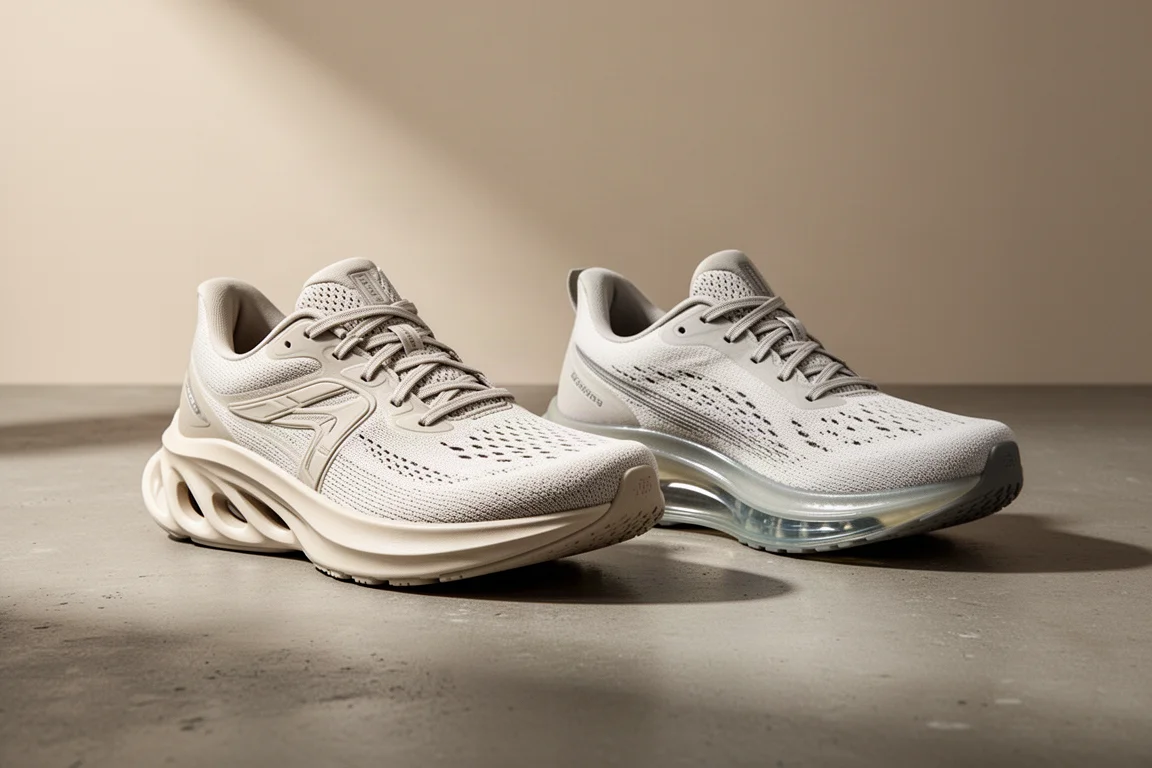
When you start shopping for a daily trainer that leans towards faster running, two shoes come up again and again: the ASICS SuperBlast and the Saucony Endorphin Speed 3. They are not an obvious head-to-head, since one has a nylon plate and the other does not, but in practice they occupy very similar ground. Both are built to work alongside a carbon-plated racer, letting you run tempo sessions and longer faster efforts without burning through your race shoes. This comparison looks at how each one performs across the training spectrum and which offers better overall value.
Specs at a Glance
The Saucony Endorphin Speed 3 costs 165 pounds in the UK or 170 dollars in the US, weighs 230 grams (8.1 oz) for men in a size 8, and has an 8mm drop. The ASICS SuperBlast weighs in at 237 grams (8.4 oz) in the same size with the same 8mm drop, and sits at the premium end of the pricing scale, listed at 210 pounds. So the Endorphin Speed 3 is the lighter shoe and the cheaper one, and that gap in price matters later in this comparison.
Design and Construction
The SuperBlast is a daily trainer designed to veer towards faster and longer efforts. Its midsole combines FF Blast Plus, the same foam used in the Novablast 3, with FF Blast Turbo, the speed-focused ASICS cushioning found in the Metaspeed Sky Plus. That mix is intended to deliver a cushioned yet responsive ride across a range of sessions. The shoe also has a thin asymmetric mesh upper, a heel stabilizer for a secure ride, an ASICs Plus rubber outsole for grip, and a trampoline-inspired design in the sole for a more responsive bounce.
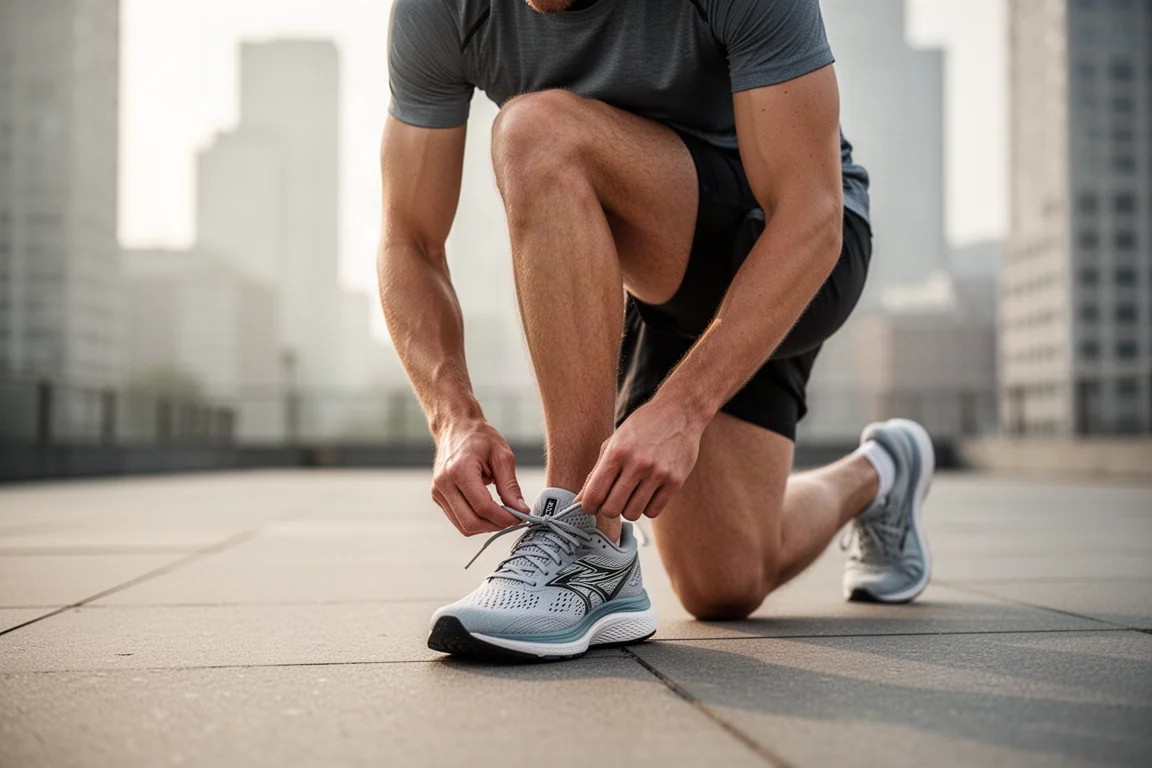
The Endorphin Speed 3 builds on a strong lineage. The Speed 1 and 2 were long the go-to options for runners wanting a shoe that could do it all, and Saucony has kept changes minimal in this version. Updates focus on improving midsole stability and widening the fit. The core recipe remains a full-length winged nylon plate paired with Powerfoam midsole cushioning and a Speedroll rocker design, making it a genuine all-round training option from easy miles to race day.
The Ride: How They Compare on the Run
Surprisingly, the plateless SuperBlast feels like a carbon-plated shoe. It is notably rigid and poppy, launching you off the forefoot in a way that might convince you there is a plate inside. That comes down to the FF Blast Turbo foam, which dominates the ride; the FF Blast Plus layer is barely detectable. In testing, it worked best on longer faster runs, with tempo sessions up to around 12 miles being its sweet spot. It keeps a fluid, speedy turnover going, which is exactly what you want when holding a consistent pace in a marathon build-up. On the track it performed well, though it lacks a bit of pickup compared with a dedicated lighter shoe, and it is not a natural easy-day option.

The Endorphin Speed 3 skews towards faster runs but really can do everything. Easy runs and recovery jogs feel fine in it, track sessions and faster training work well, and runners have used it for full marathons with all their training done in the same pair. A lot of its efficient movement comes from the combination of the nylon plate working with the midsole foam. In terms of feel, the SuperBlast offers slightly more cushioning and bounce for longer efforts, while the Speed 3 delivers its speed through the plate and foam working together. On versatility, the Saucony is clearly the more complete shoe.
Upper, Fit and Comfort
The SuperBlast fits true to size with a reasonably snug forefoot, similar in feel to the Novablast. Runners with wider feet may have issues, so going true to size is the safer call. The upper is a race-style construction: thin, light and a little plasticky rather than plush. It is not uncomfortable and caused no problems during testing, but it is not the nicest upper to wear.
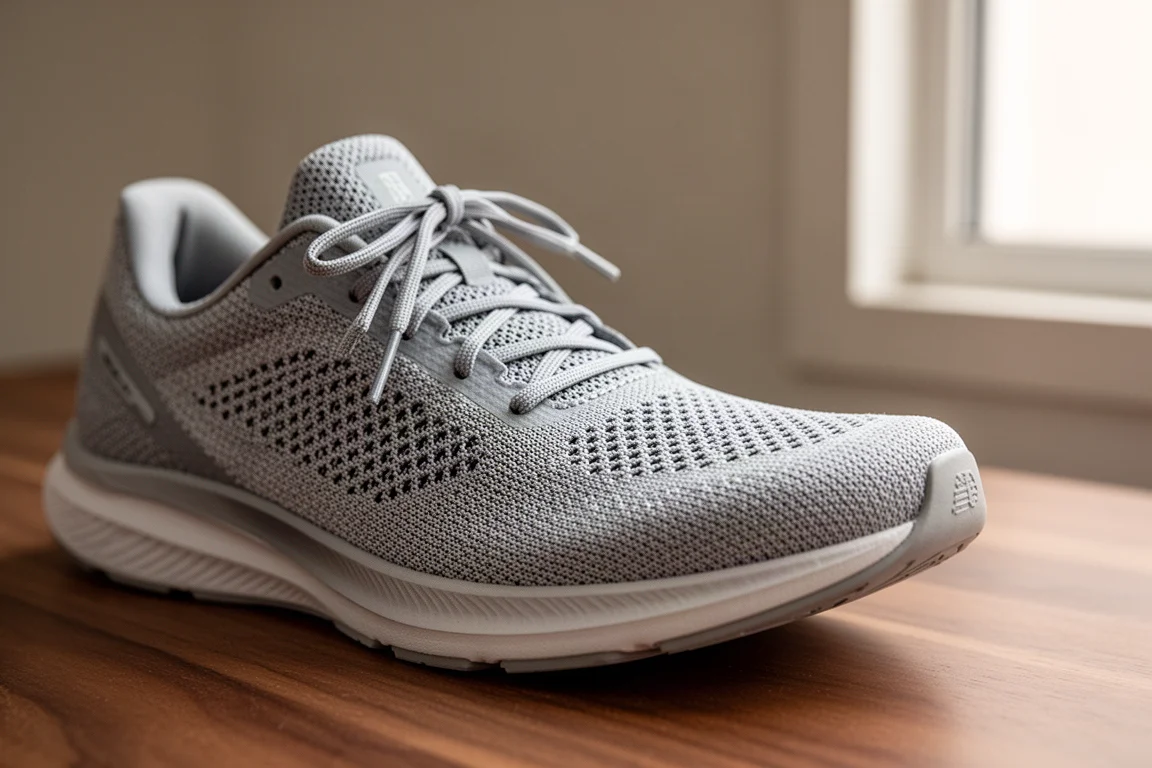
The Endorphin Speed 3 is also true to size, and its upper is the superior of the two. The mesh is soft, comfortable and enjoyable to wear even if it is not massively plush. The main caveat is the widened fit compared with the Speed 2, which some runners love and others find changes the lockdown and security they were used to. If fit is your main consideration, the Speed 2 remains worth a look since the differences between the two versions are small. Stability is very good in both shoes as long as you get a good fit.
Durability and Grip
Outsole rubber coverage is similar on both shoes, with a tacky compound on each that delivered no grip issues across testing. The midsoles of both also feel comparable in how they deliver on the run, with the SuperBlast edging ahead on cushioning for longer distances and the Speed 3 earning its efficiency through the plate.
Which One Should You Buy?
The SuperBlast is a fantastic but specific shoe. It is really well designed for tempo sessions and longer distance training, where it is genuinely enjoyable and keeps a nice turnover going. It is less at home on easy-day runs, and daily sessions are fine only as long as they are not mostly easy ones. That specificity is compounded by its price: at 210 pounds it is a significant investment in a shoe that may still require an easy-day companion in your rotation.

The Endorphin Speed 3 is pound for pound the more cost-effective shoe and, frankly, the better all-rounder. At 165 pounds it is considerably cheaper, handles every type of run without frustrating you, and can carry you all the way to race day with a lightweight, natural feel. If you want one shoe for everything, this is the easier recommendation. It is also worth noting that the Endorphin Speed 2 differs very little and can be found for around 100 pounds, making it a great-value alternative. The Hoka Mach 5, a lighter unplated option used widely in marathon build-ups, and the New Balance SuperComp Trainer, a cheaper niche pick best kept under about 20K, round out the alternatives.
Conclusion
Both shoes do the job of letting you train fast without touching your carbon racers, but they serve slightly different runners. The ASICS SuperBlast is the superior tempo and long-run tool if you have the budget and a second shoe for easy days. The Saucony Endorphin Speed 3 is the better value, the more versatile, and for most people the smarter buy as a single faster-training daily trainer.
Product link
View more details for Asics Superblast
This product is mentioned in the review. Check the specifications, options, and compatibility before buying.
View more details for Asics SuperblastFurther reading
Related Reviews

Running Shoes
Best Road-to-Trail Running Shoes: Three Versatile Options for Mixed Terrain
A practical guide to three road-to-trail running shoes that handle both pavement and mild trails, with clear strengths and trade-offs for different runner types.

Running Shoes
Best Running Shoes for Achilles Tendonitis: Three Options Explained
Three running shoes with different heel drops and support features designed to help reduce Achilles tendon pain during walking and running.

Running Shoes
Best Running Shoes for Women: Five Top Choices Ranked
A ranked guide to five women's running shoes, from versatile daily trainers to high-performance racing options, with real strengths and trade-offs for each.