Running Shoes
Asics Superblast vs Novablast: Which Protective Daily Trainer Fits Your Running
A head-to-head look at the Asics Superblast and Novablast, plus three strong alternatives: the Puma Deviate Nitro 2, New Balance Fresh Foam 1080 v13, and the Hoka Clifton 6.
Introduction
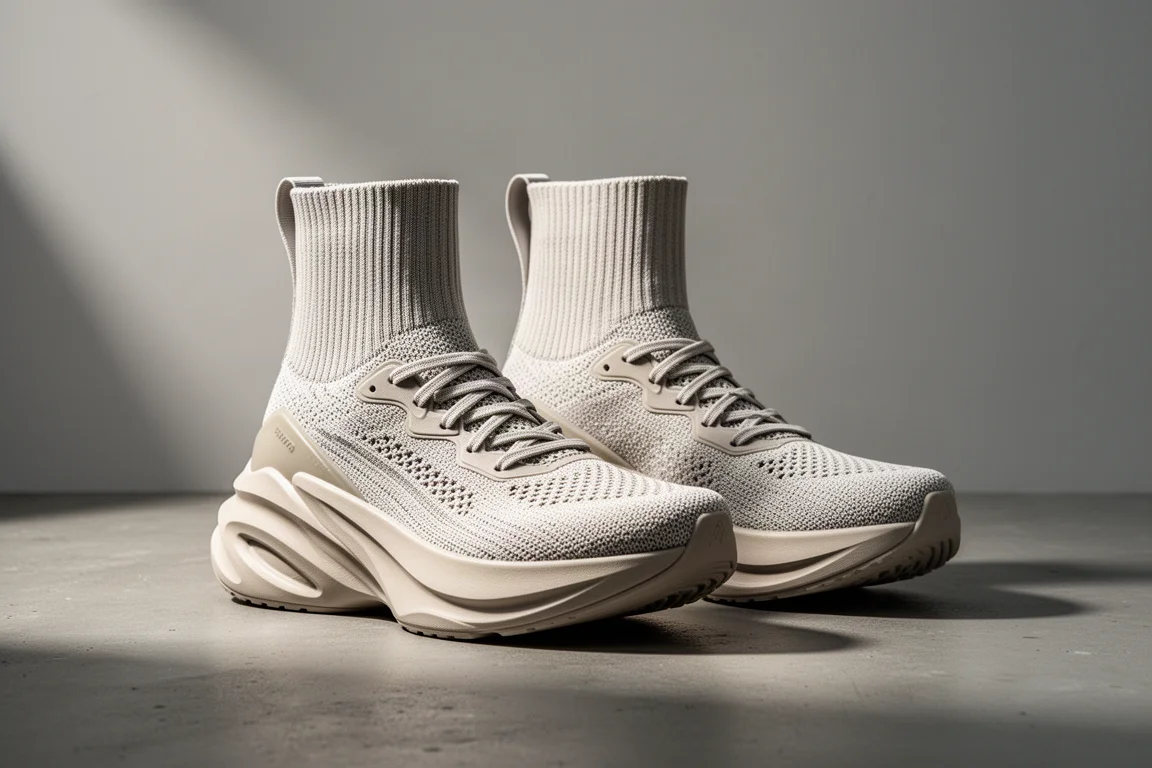
If you have been running high mileage and want serious protection underfoot, the Asics Superblast and Novablast are two of the most obvious candidates. Both are tall, protective trainers designed to keep your legs feeling fresh through long runs and heavy training weeks.
This comparison breaks down how they differ underfoot, how they fit, how they grip and hold up over time, and which type of runner each one suits best, with a few alternatives for runners who want something a little different.
The Head-to-Head: Superblast vs Novablast
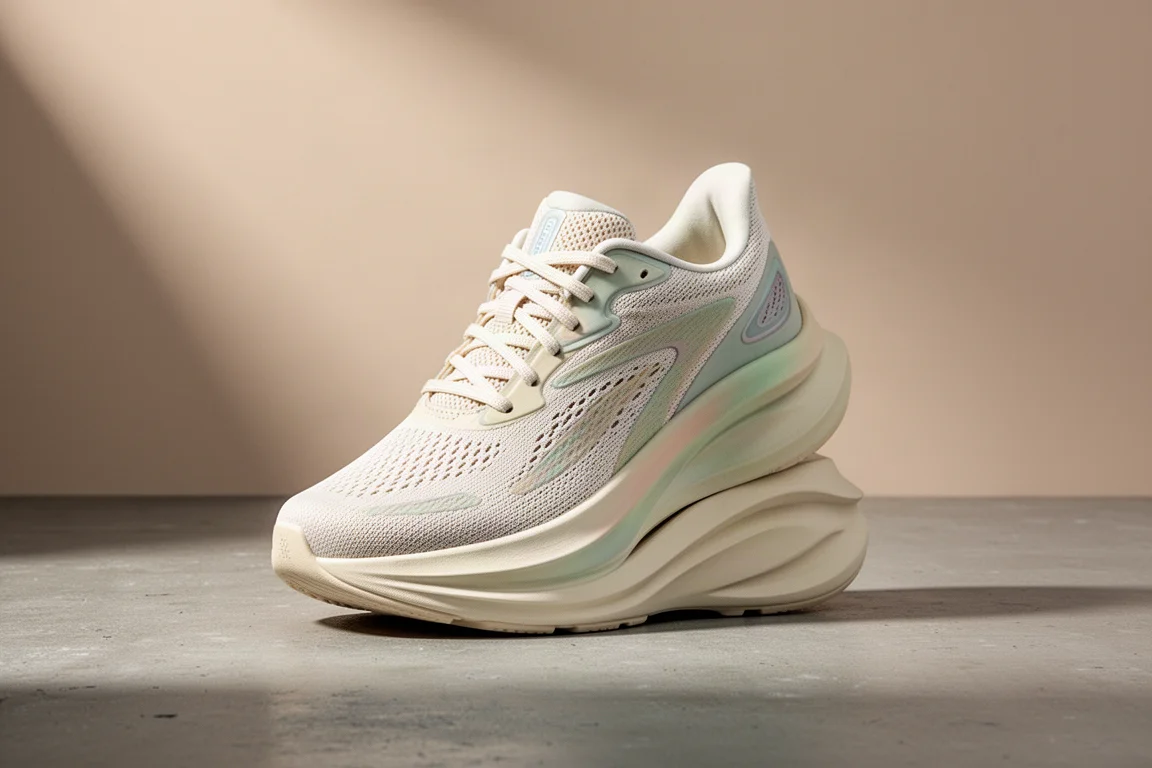
Both the Superblast and the Novablast are good choices if you want something really protective. The Superblast has a bit more stack, 45mm in the heel versus 42mm for the Novablast, and its foam is bouncier, which in practice makes it better for fast running.
The key draw of the Superblast is that all that cushion also makes it a do-it-all shoe. The Novablast is more specialized for longer, relaxed miles, while the Superblast handles anything where you pick up the pace down to marathon effort or even faster. The trade-off is that the Superblast is about $60 more expensive, a significant premium you need to justify.
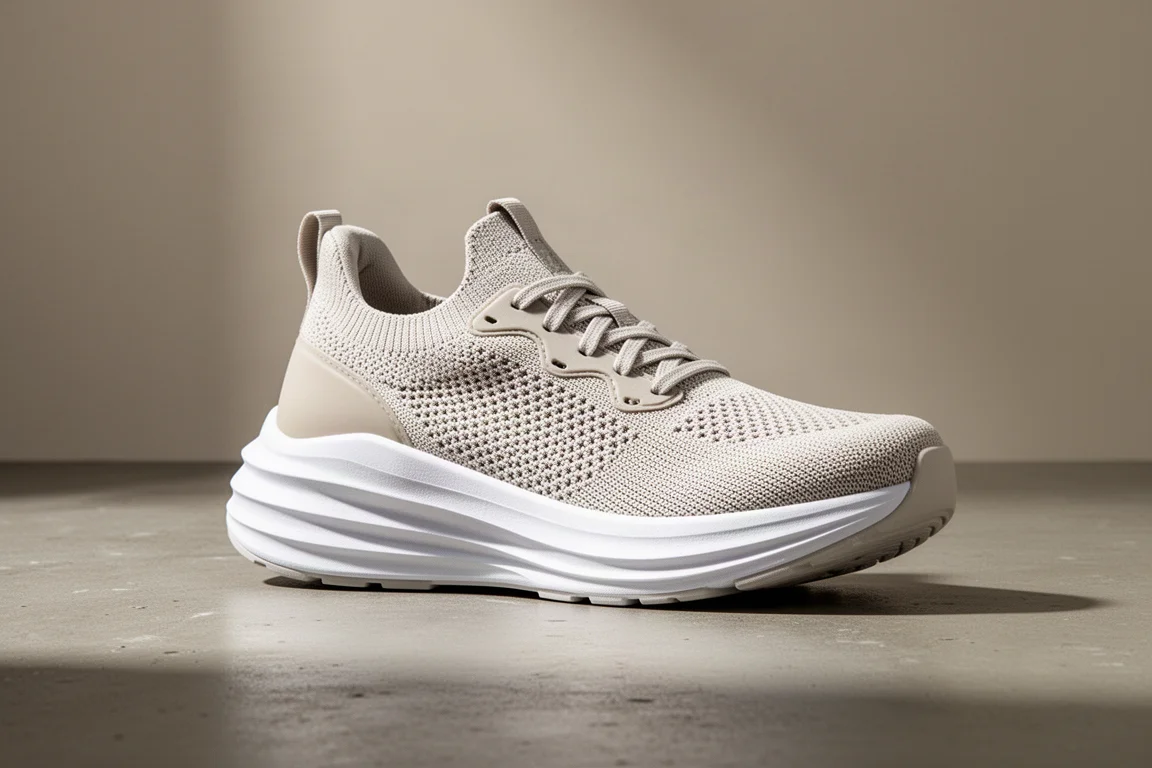
The Novablast, by contrast, is the firmer, more planted option. It is the shoe that feels better the more time you spend in it during a run, with a firm snap off the forefoot and a trampoline-style pad that pops you through your stride.
Fit, Upper Comfort, and Stability
The upper story flips the foam story. The Superblast has the more comfortable foam, but the Novablast has the more comfortable upper: it is more padded, the laces are softer, and it hugs the foot more closely. The Superblast upper is lighter and airier with less padding, since weight was cut in that model.
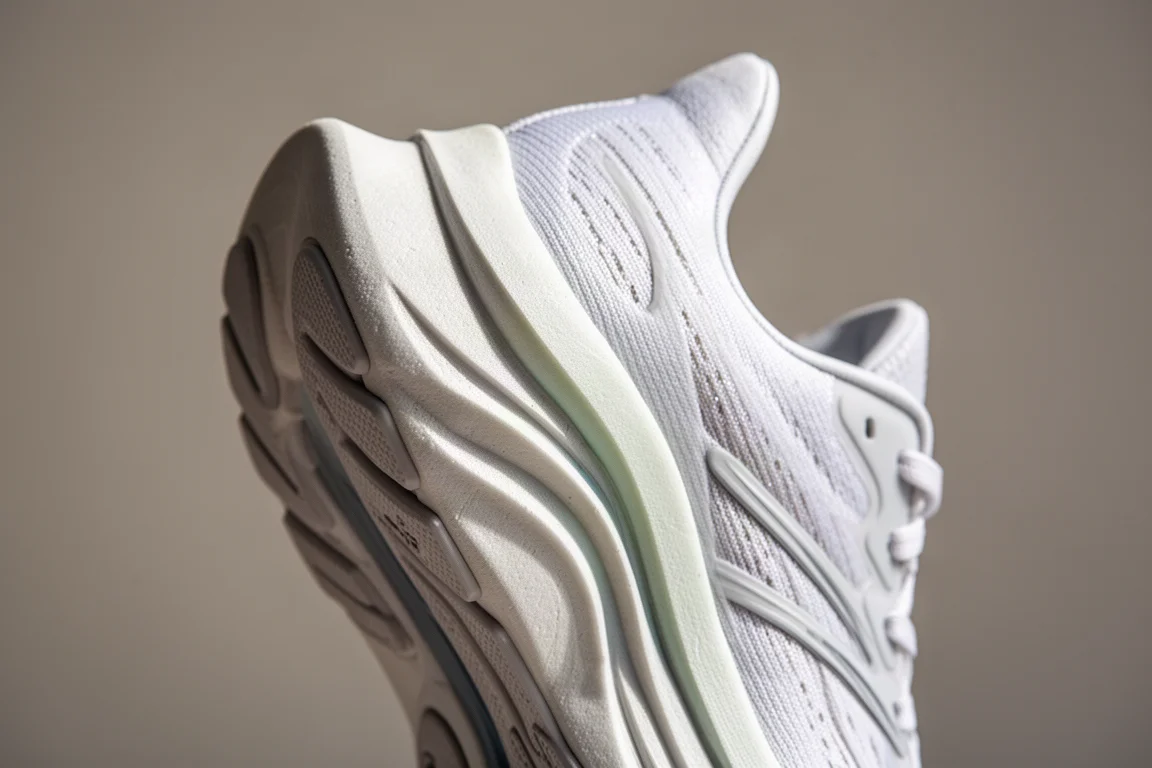
On stability, both shoes are solid, but the Novablast edges it out. Its sidewalls cradle the foot more, and a more rigid heel piece locks the foot down better. The Superblast’s bottom layer of FF Blast+ foam acts almost like a glorified outsole, adding a bit of stability without changing the ride much.
For fit, the Superblast runs roomy in the toe box even in true-to-size, and the tester needed a half size up. The Novablast tapers slightly more but still offers a roomy upper, so wider feet should work well in both.
Outsole Grip and Durability
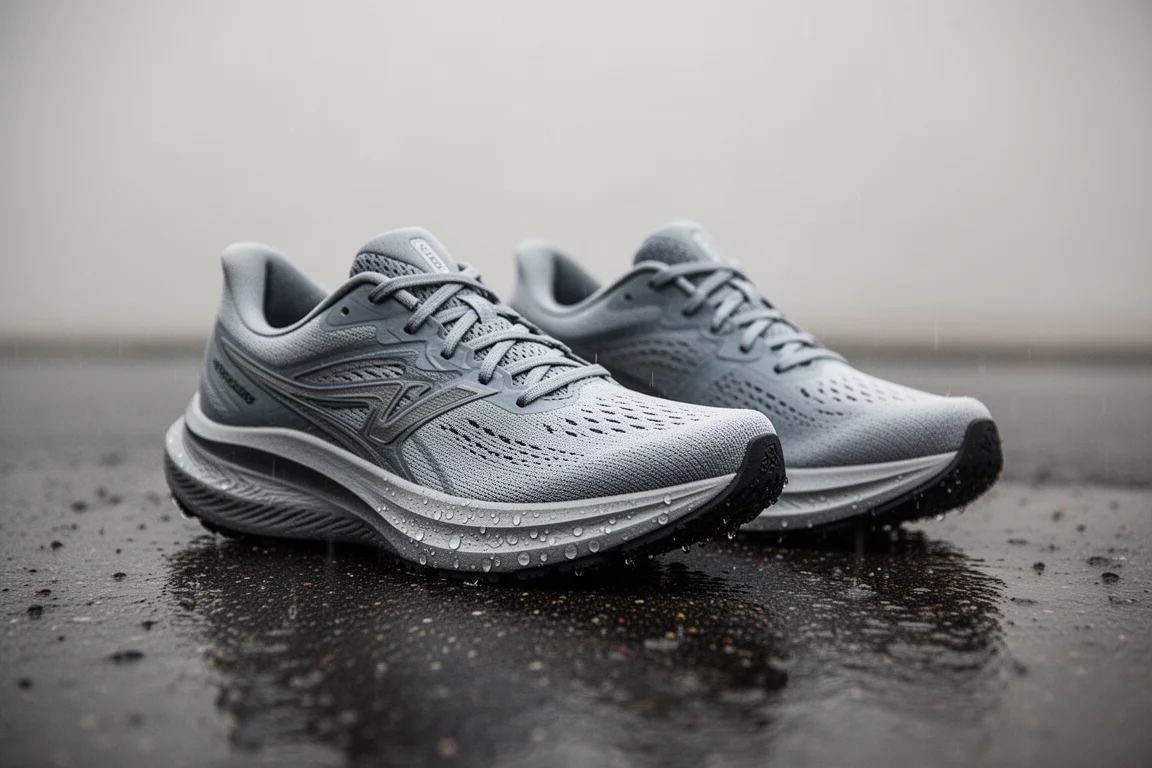
Both shoes share similar outsole patterns, but the Novablast has thicker rubber coverage that shields the foam well. The catch: that rubber performed poorly in wet conditions, slipping noticeably on rain-soaked roads. The Superblast grips slightly better, though it is still not class-leading, and some foam wear was visible at around 70 to 80 miles.
Durability is a different story. Several runners have taken the Superblast well past 500 miles, so despite the higher price, it should deliver a long lifespan. The Novablast has no break-in period and has performed consistently through about 100 to 120 miles, and its firmer foam plus thick rubber suggest strong long-term durability.
Break-In Expectations
The Superblast needs patience. It took roughly 70 miles before the ride softened up and that gentle bounce appeared, and it was genuinely underwhelming out of the box for a $200 shoe. If you run only a few days a week, it could take months to reach that break-in point, which makes it a poor fit for low-mileage runners.
The Novablast required no break-in at all and has felt consistent from the first run, which makes it the easier shoe to live with.
Best Alternatives to Consider
If the Superblast appeals but $200 and a long break-in do not, there are a few alternatives worth a look.

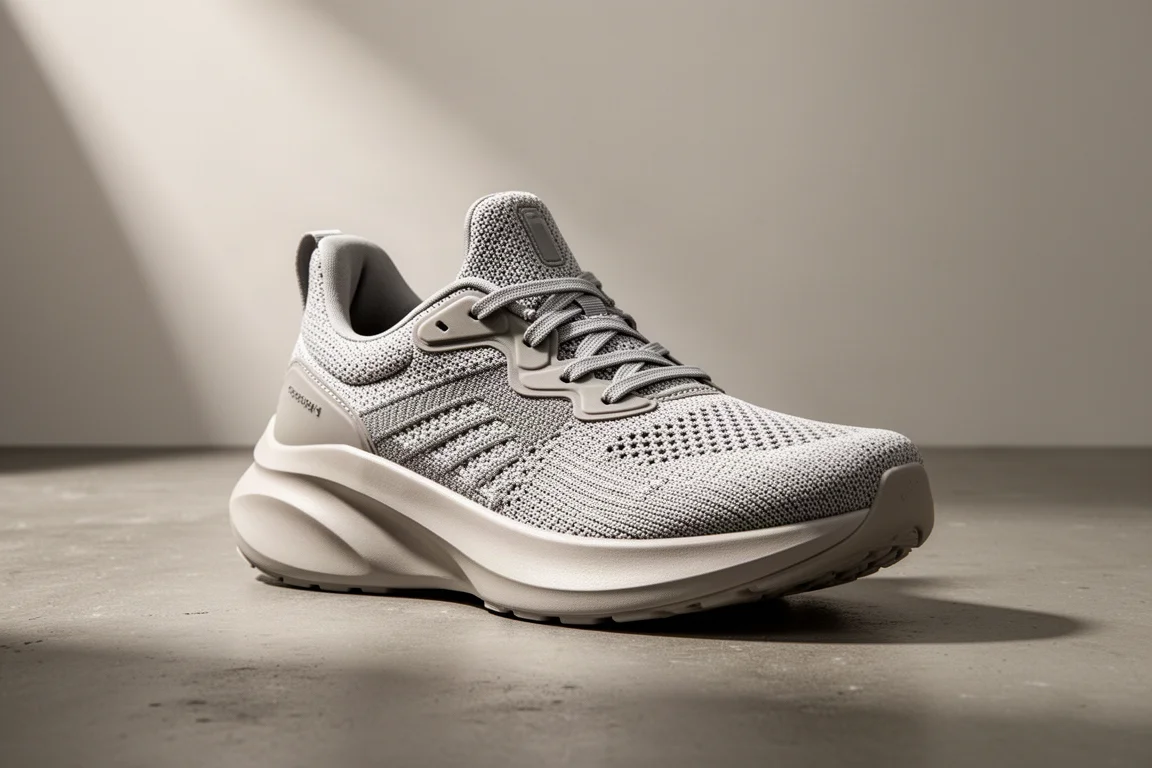
The Puma Deviate Nitro 2 is the standout value pick. It puts a race-day-style foam in an everyday trainer with a lower stack, good outsole grip, decent stability from a wider heel, and a more normal, minimal feel than either Asics shoe. It is one of the best daily trainer and tempo shoes available, and discounts under $100 have appeared, making it the best budget alternative to the Superblast.
The New Balance Fresh Foam 1080 v13, at $160, suits runners who want the protection of the Novablast but not the firmer feel. It delivers one of the softest rides available, with a deep sinking-in cushion that is all about comfort rather than speed.
Finally, for runners who want something fun and bouncy for shorter or less frequent runs, the Hoka Clifton line offers a soft, lively foam at around the same $140 price as the Novablast, without the massive stack.
Buying Advice
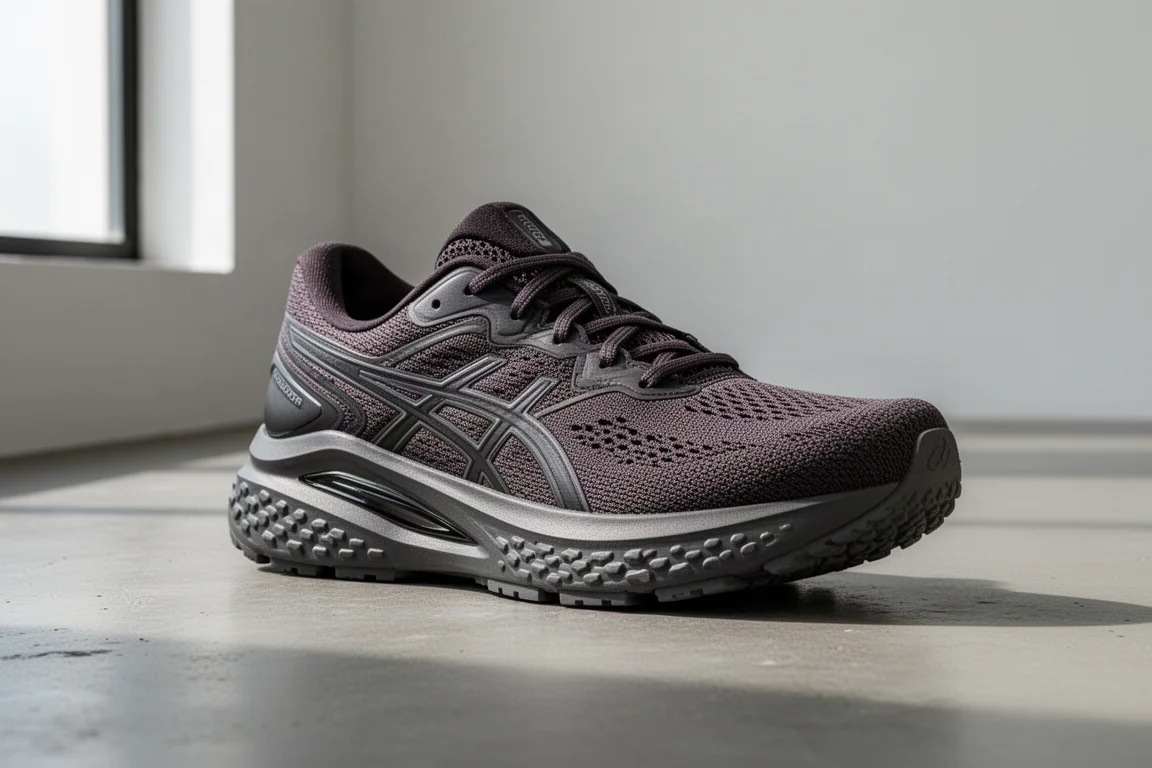
Choose the Superblast if you want a softer, bouncier shoe that can also handle faster running, you are a higher-mileage runner who does long runs and a workout or two a week, and you are willing to be patient through 60 to 80 miles of break-in. At $200, it rewards volume.
Choose the Novablast if you are not doing a ton of workouts, do not need something super soft or fast, and want a stable, protective everyday trainer for relaxed miles, base building, or getting started in running. At $140, it is also the better pick for shorter runs and walking between the two.
Neither shoe makes sense for 30-minute easy runs or gym sessions, given stacks above 40mm.
Conclusion
The Superblast is the do-it-all, speed-capable cushion tank for high-mileage runners willing to break it in, while the Novablast is the firmer, more stable, easier-to-love little brother for relaxed everyday miles. Match the shoe to your weekly volume and pace needs, and both will keep your legs feeling protected mile after mile.
Further reading
Related Reviews

Running Shoes
Best Road-to-Trail Running Shoes: Three Versatile Options for Mixed Terrain
A practical guide to three road-to-trail running shoes that handle both pavement and mild trails, with clear strengths and trade-offs for different runner types.

Running Shoes
Best Running Shoes for Achilles Tendonitis: Three Options Explained
Three running shoes with different heel drops and support features designed to help reduce Achilles tendon pain during walking and running.

Running Shoes
Best Running Shoes for Women: Five Top Choices Ranked
A ranked guide to five women's running shoes, from versatile daily trainers to high-performance racing options, with real strengths and trade-offs for each.