Running Shoes
ASICS SuperBlast vs Novablast 3: Which ASICS Cushioned Trainer Makes Sense for You?
A side-by-side look at ASICS's max-cushion SuperBlast and the more affordable Novablast 3, covering fit, foam, ride feel, and durability.
Introduction
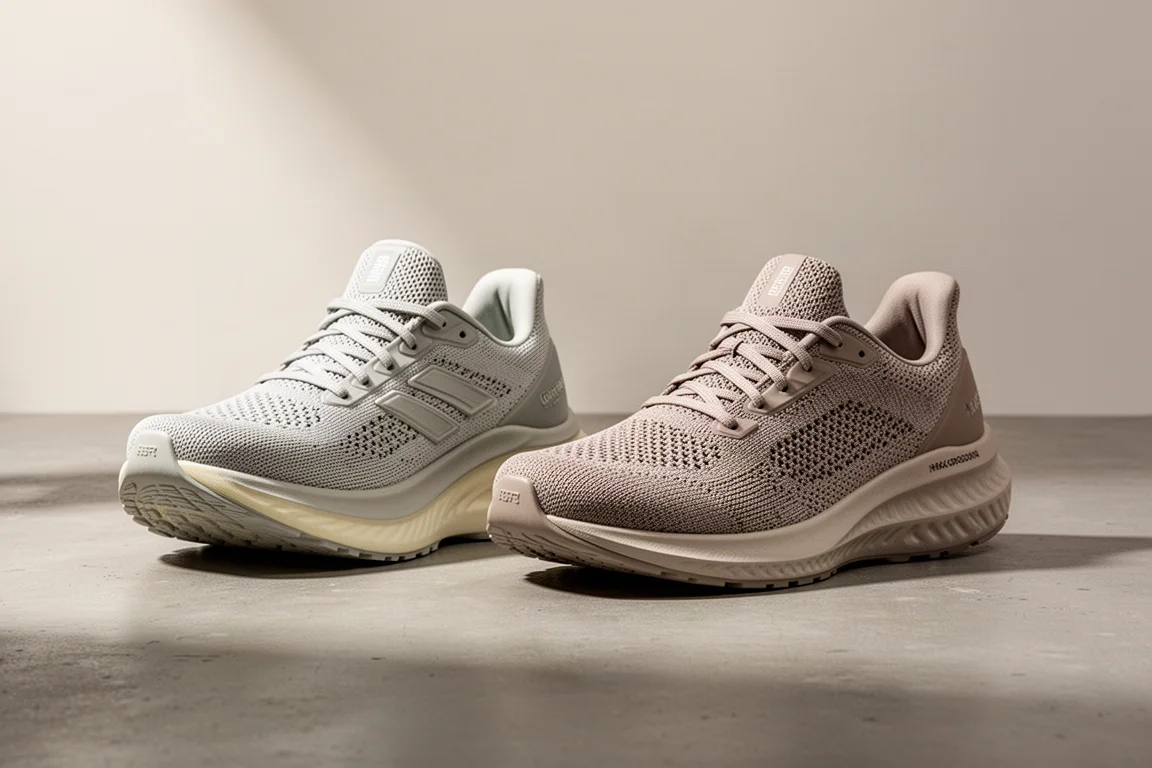
ASICS has two cushioned trainers that often get lumped together: the SuperBlast, a tall max-cushion shoe with premium foam, and the Novablast 3, its more affordable sibling built around a softer everyday ride. After putting real mileage on both, the distinction matters more than the looks suggest. The SuperBlast is not simply an upgraded Novablast 3; it is a different tool aimed at long runs and faster-paced training, while the Novablast 3 remains the more sensible daily option for most runners.
Upper, Fit, and Sizing
The SuperBlast uses a simple one-piece engineered mesh upper with elastic on both sides of the tongue, a wing-style design that holds the tongue in place and gives a nice lockdown over the foot. Flat stretchy laces do a fine job, and there is decent padding through the collar and heel.
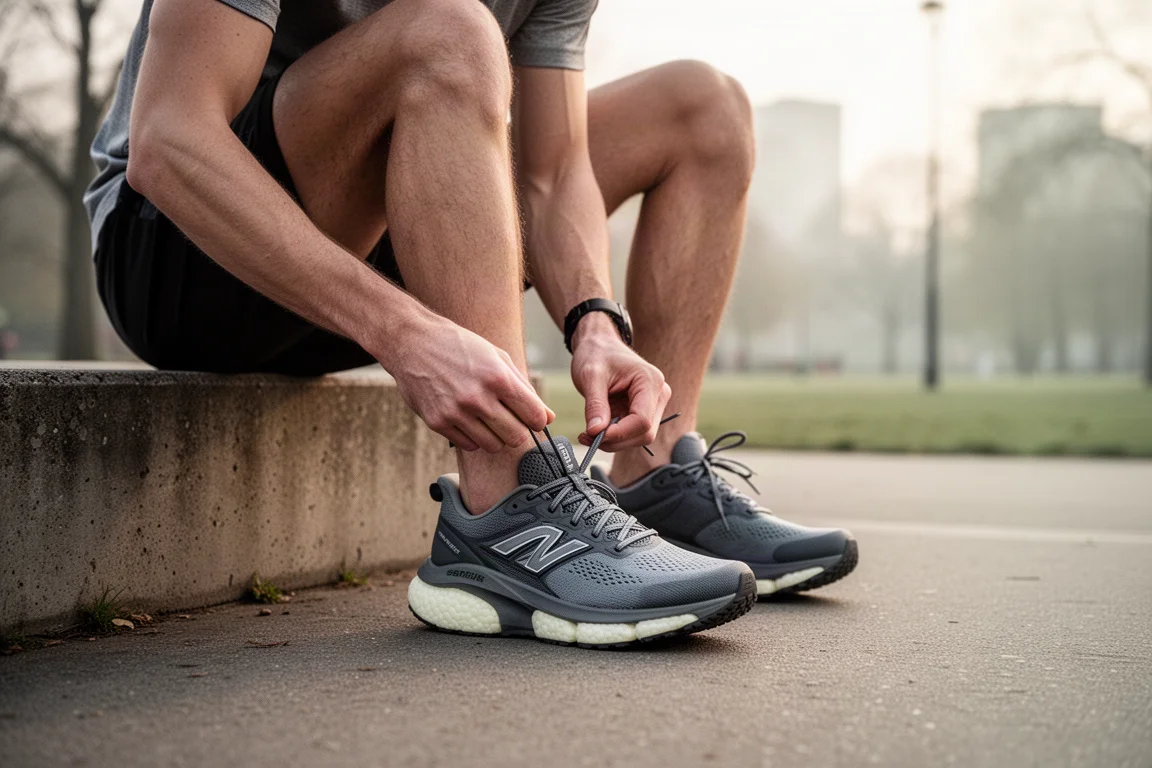
Sizing is worth a note: testers who usually go half a size down in ASICS found the SuperBlast a little snug at the half size down, so if you are on the fence, sticking with your regular size is the safer call. Heel fit was good overall, with only minor heel lift that a small lace adjustment solved. The Novablast 3 fits similarly and offers a comfortable forefoot with room that is generous but not sloppy.
Foam and Ride Feel
This is where the two shoes genuinely diverge. The SuperBlast carries a massive stack: 45.5 millimeters in the heel and 37.5 in the forefoot, an 8-millimeter drop, with two foams stacked together. FF Blast Plus sits underneath, and FF Turbo sits on top as a large slab.
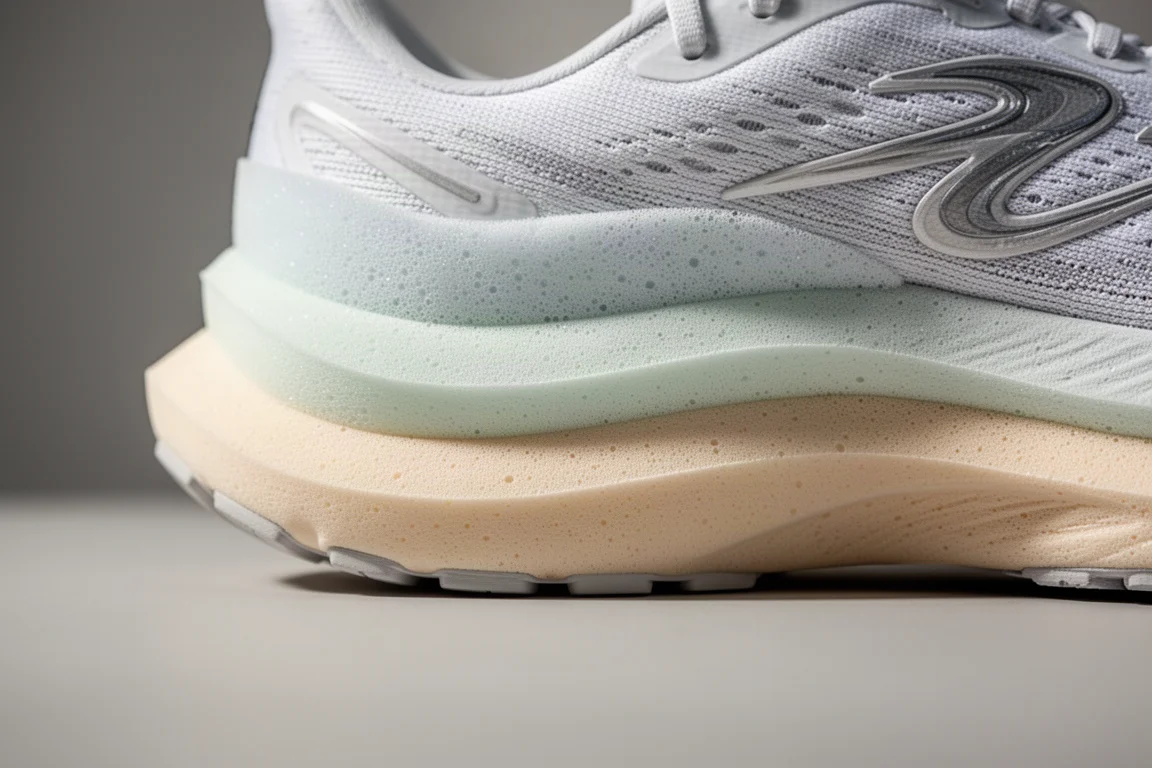
The FF Turbo foam is light and airy with an almost hollow character rather than a squishy one. The FF Blast Plus below it does not feel as soft here as it does in the Novablast 3, so the SuperBlast ends up firmer than you would expect from a max-cushion shoe. Think of it as a blend of the Novablast and the Metaspeed line: protection without a plate, in a package that feels light on the foot. It also runs surprisingly stable for the stack height, thanks to a nice wide platform.
The Novablast 3, without the Turbo layer, delivers the softer, bouncier, more classic cushioned-trainer feel. It is not an upgrade case; it is a different ride character.
Break-In, Temperature, and Performance
The SuperBlast needs a break-in period. The first couple of runs left one tester unsure, and the shoe only came to life after roughly 25 to 30 miles, when the Turbo foam started showing its bounce and responsiveness. It may also be slightly temperature sensitive, feeling more hollow and less bouncy in colder weather and softer and livelier around 60 degrees.
Once broken in, it works best for long runs and training days where you want to pick up the pace. It is not a snappy 5K shoe, but the foam should protect legs over 26.2 miles while staying light, and the Turbo held up well enough that 300-plus miles of durability looks realistic.
Grip and Outsole Durability
The SuperBlast finishes with AHAR Plus rubber, which is more grippy than the regular AHAR used on the Novablast 3. That difference showed up in real conditions: wet roads and a notoriously slippery wet bridge produced no traction issues at all, only a faint squeak.

If you have found the Novablast grip questionable in the wet, the SuperBlast’s AHAR Plus outsole is a genuine step up.
How They Compare and Who Each Shoe Suits
The SuperBlast sits at $220, premium territory, while the Novablast 3 comes in $80 less. On the scale, the SuperBlast measured 7.4 oz / 210 g in a women’s US 7.5 and 8.8 oz / 251 g in a men’s US 10, remarkably light for the amount of cushion.
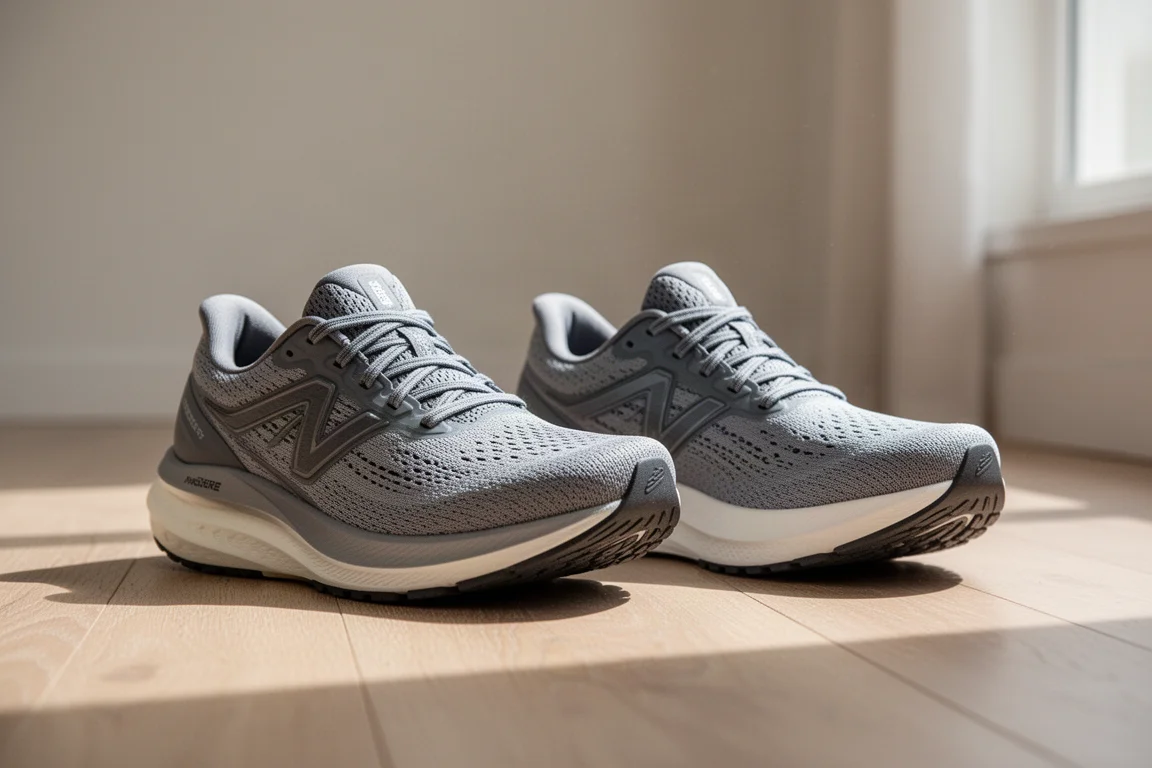
Choose the SuperBlast if you want a tall, protective shoe for long runs and faster-paced distance work and do not mind the break-in and the premium price. Choose the Novablast 3 if you want a soft, bouncy everyday trainer at a friendlier price; at $80 cheaper, it will be the right pick for most runners almost all of the time.
Conclusion
Both shoes earn a green light for their intended roles. The SuperBlast rewards patience: give it 30-plus miles for the Turbo foam to come alive, and it becomes a great long-run and pace-up trainer. The Novablast 3 asks far less of you, costs $80 less, and delivers the softer ride many runners expect from a max-stack feel. Match the shoe to the miles you actually run and either one will serve you well.
Product link
View more details for Asics Superblast
This product is mentioned in the review. Check the specifications, options, and compatibility before buying.
View more details for Asics SuperblastFurther reading
Related Reviews

Running Shoes
Best Road-to-Trail Running Shoes: Three Versatile Options for Mixed Terrain
A practical guide to three road-to-trail running shoes that handle both pavement and mild trails, with clear strengths and trade-offs for different runner types.

Running Shoes
Best Running Shoes for Achilles Tendonitis: Three Options Explained
Three running shoes with different heel drops and support features designed to help reduce Achilles tendon pain during walking and running.

Running Shoes
Best Running Shoes for Women: Five Top Choices Ranked
A ranked guide to five women's running shoes, from versatile daily trainers to high-performance racing options, with real strengths and trade-offs for each.