Running Shoes
Asics Superblast vs New Balance FuelCell SC Trainer: Two Super Shoes With Very Different Missions
On paper they share similar specs, but the Asics Superblast and New Balance FuelCell SC Trainer ride completely differently. Here's how to pick the right one.
Introduction
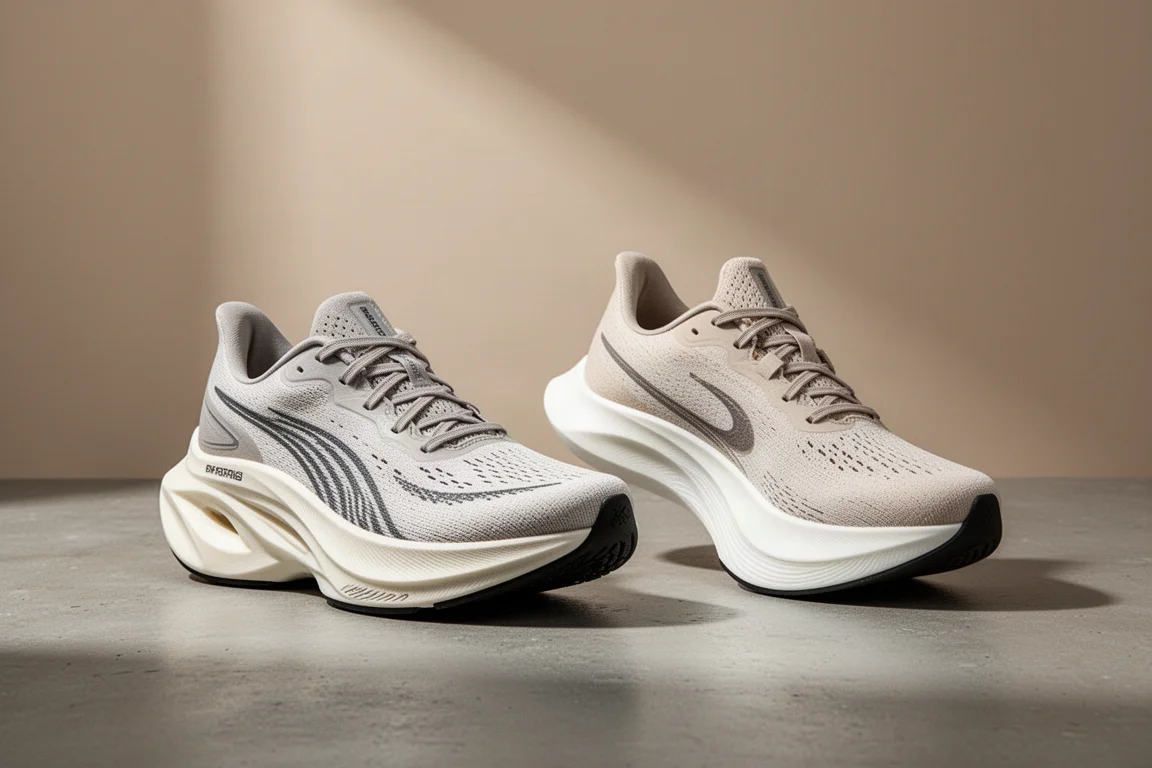
On paper, the Asics Superblast and New Balance FuelCell SC Trainer look like close relatives: both are tall-stacked, high-drop super shoes with the same 8mm drop. In practice, they could not be more different. One is a firm, plated racer built for up-tempo work; the other is a softer, plateless all-rounder that is far more versatile. Here is how they stack up.
The Specs Side by Side
The Superblast comes in at 45.5mm in the heel and 37.5mm at the forefoot, while the SC Trainer sits at 47mm in the heel and 39mm at the forefoot. Both share an 8mm drop. The big structural difference is the plate: the SC Trainer has one, and the Superblast does not. Interestingly, the plateless Superblast still feels stiffer underfoot, while the plated SC Trainer has a softer, more compressed ride.
Asics Superblast
The Superblast is the more versatile shoe of the pair. Its firmer, snappier ride, despite having no plate, lets it handle faster efforts: short fartleks, long threshold sessions, long runs, and easy miles. It is not racing legal, so it cannot be used in races, but as a one-shoe-for-everything option it is genuinely fun to run in.
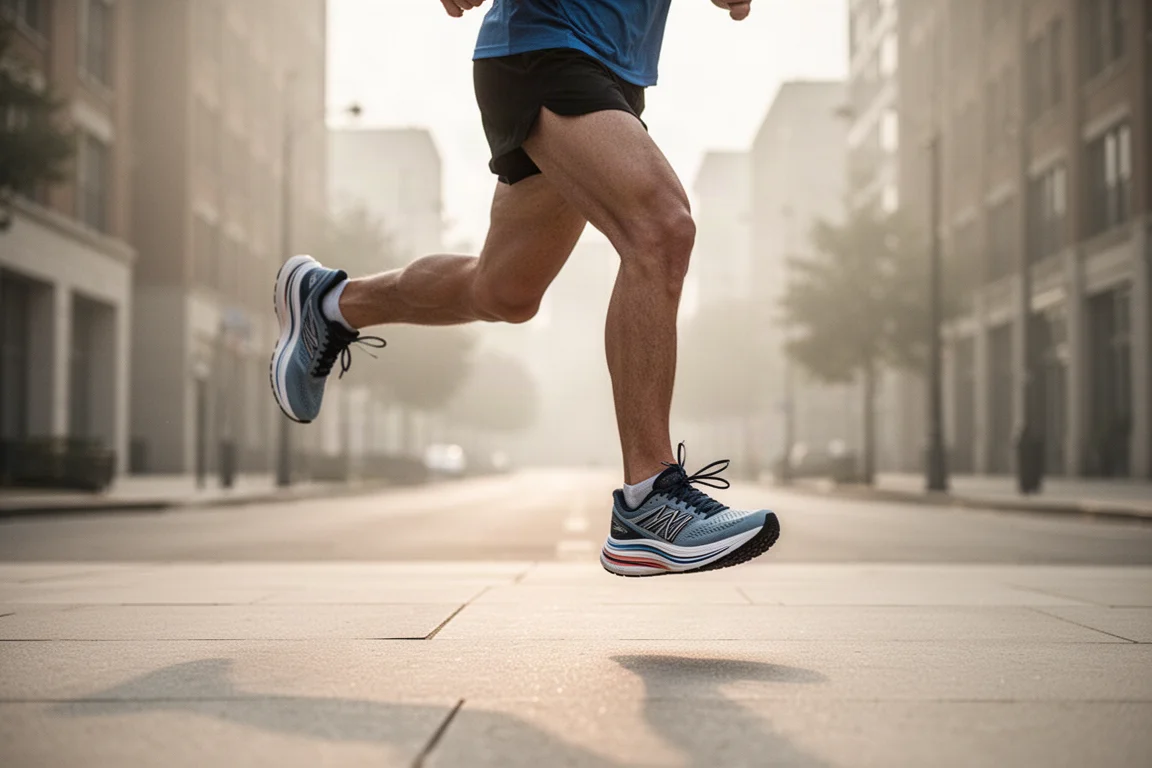
It is also the lighter shoe at 8.4 ounces, which is a big part of why it can absorb workouts. It takes a little breaking in, feeling very stiff at first before settling into its firmer character.
New Balance FuelCell SC Trainer
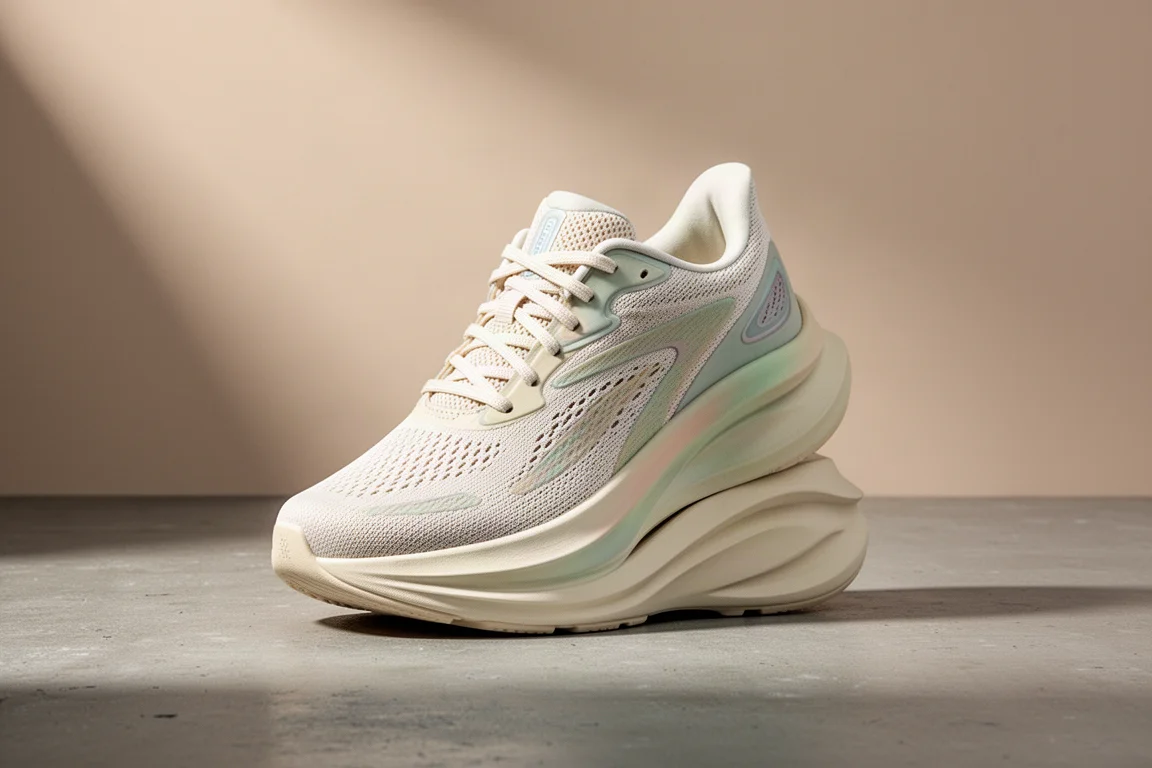
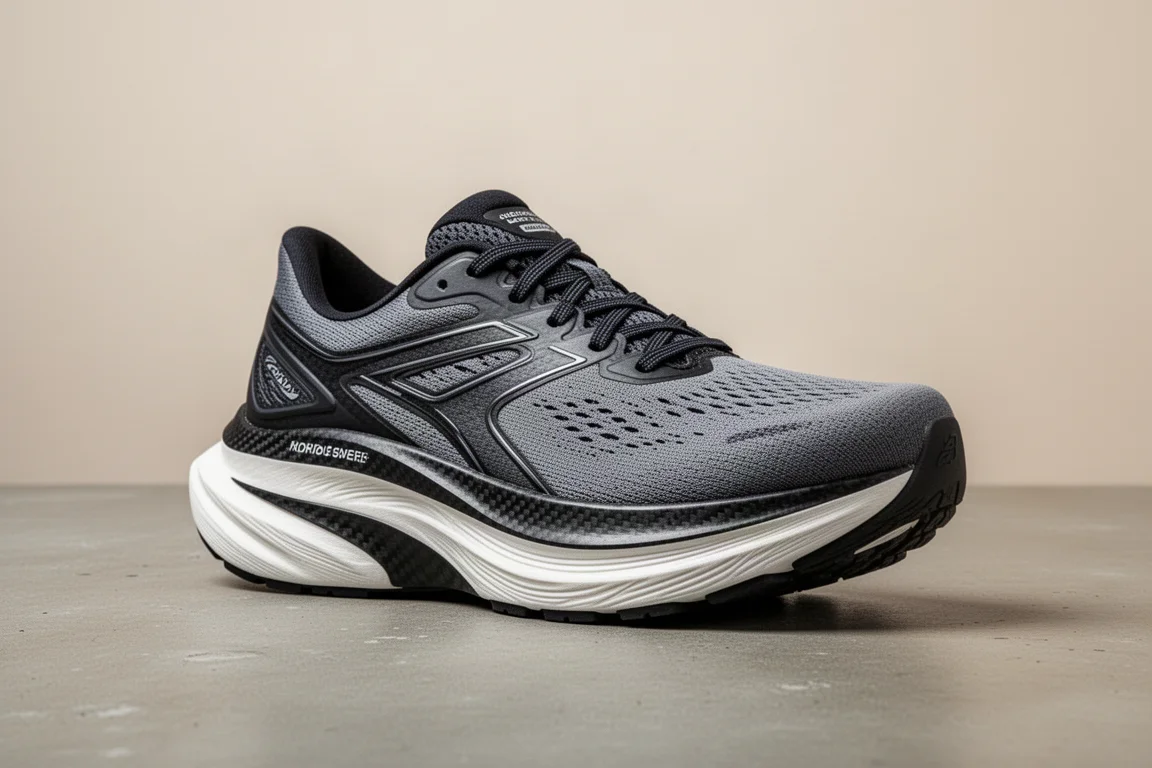
The SC Trainer is a different animal. Its plate makes it feel firmer right underfoot, but the midsole compresses noticeably with each stride, giving it that intense soft bounce. It is also much more rockered, and at 11 ounces it is the heavier of the two. That weight makes it a harder shoe to handle at pace; it has mostly been used for easy and recovery miles rather than workouts.
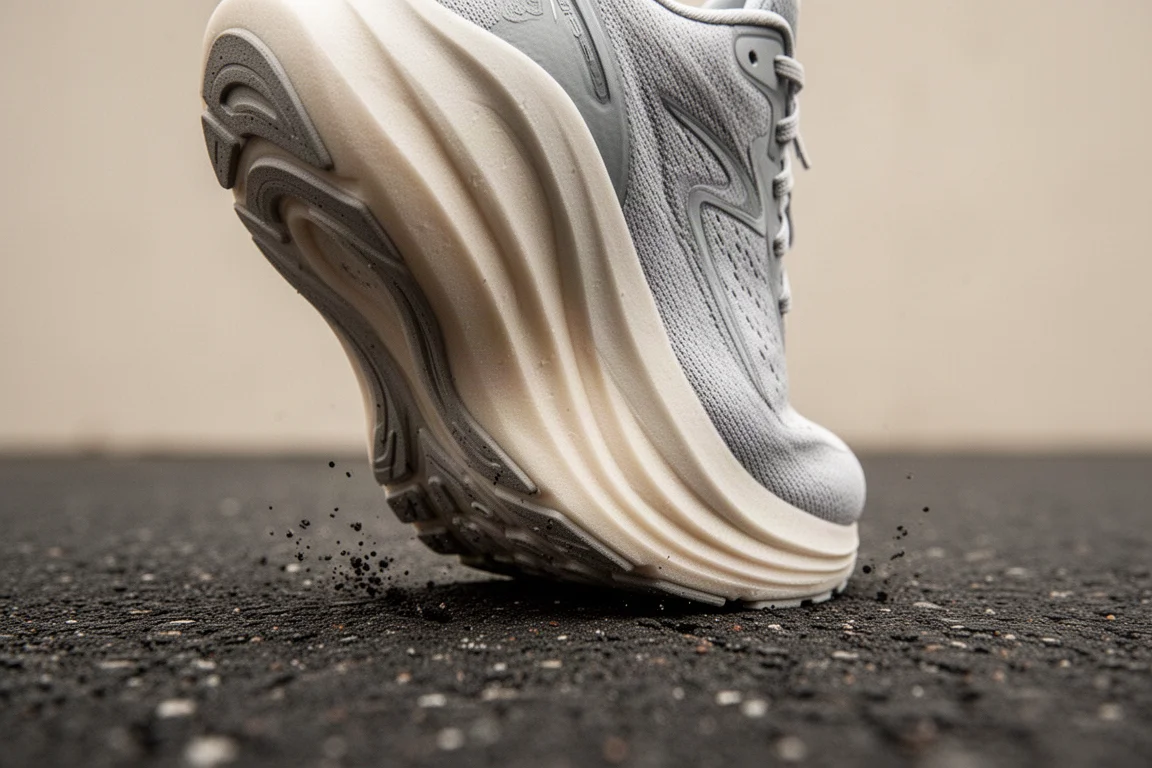
The Turbo variant rides firmer than expected, though even after breaking in this remains the firmer-riding shoe given its stack height. If you want maximum cushioned bounce for easy days, it delivers.
Durability
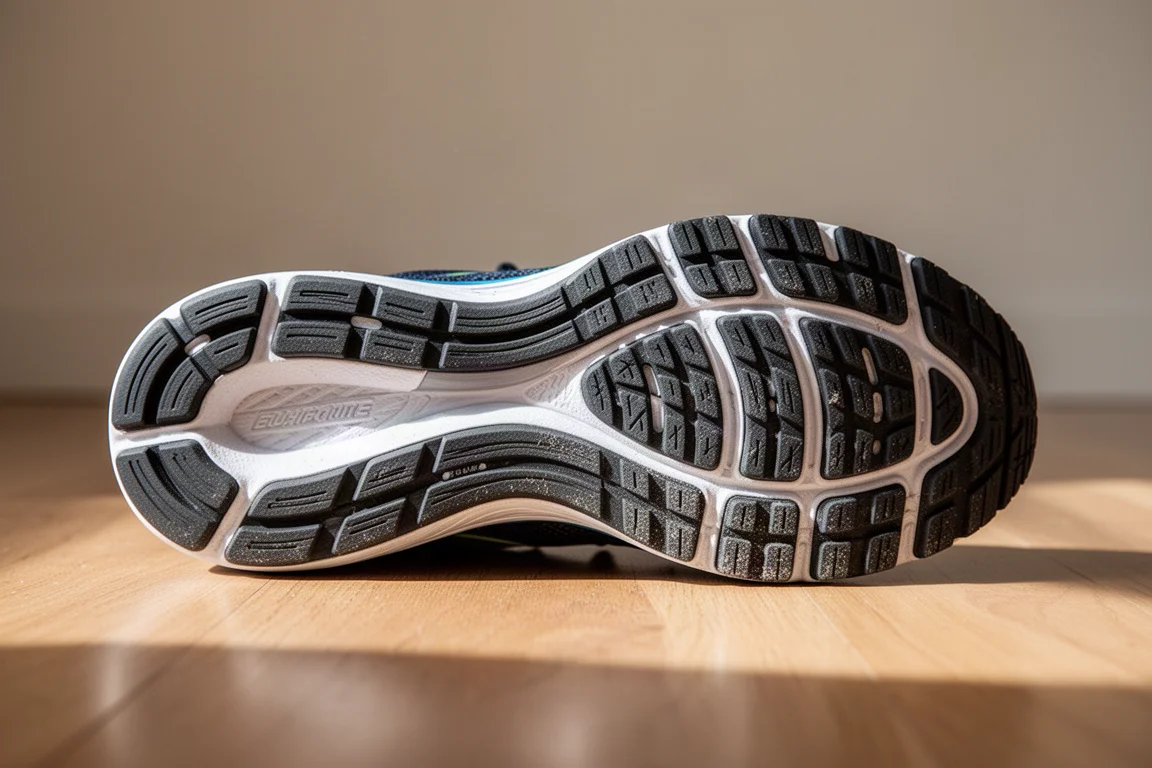
Durability is a clear win for the Superblast. After around 70 miles on a test pair, there was no visible dent in the outsole at all. The FuelCell SC Trainer, despite being well loved, tore through its outsole fairly quickly, likely a side effect of its softer sole. It costs more, but the Superblast may actually return more miles for the money.
Fit and Feel
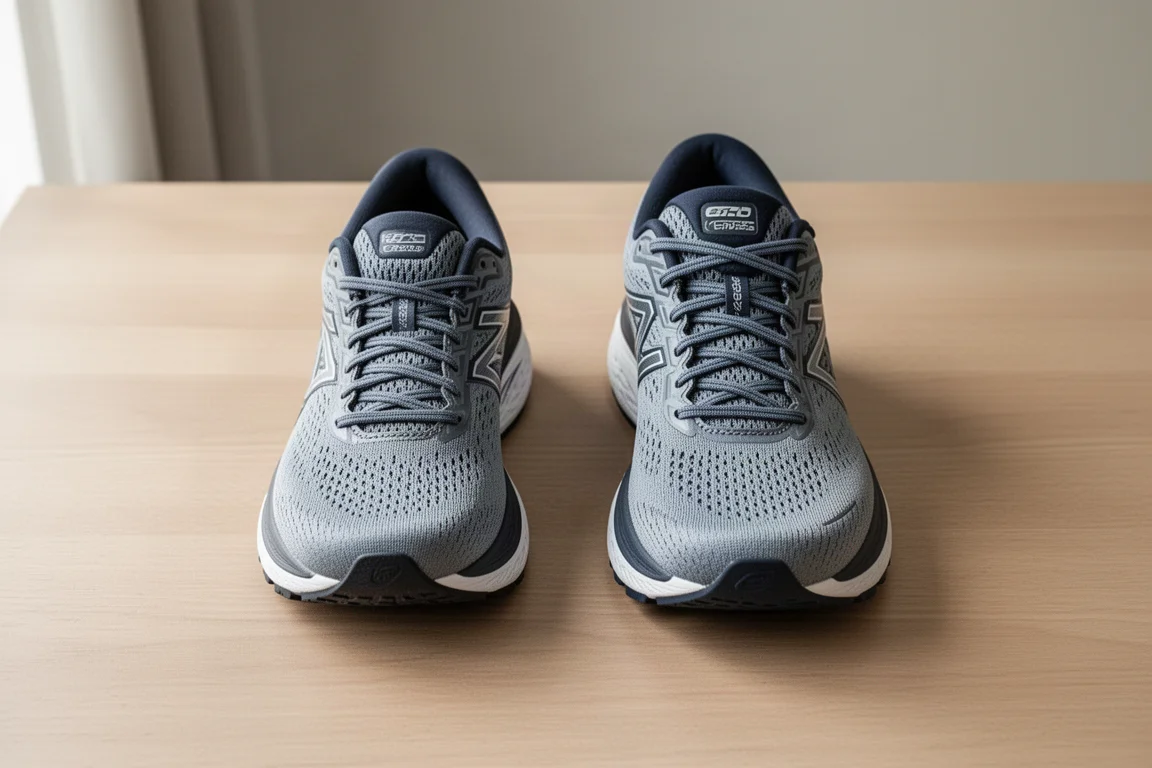
The two shoes also fit differently. The SC Trainer runs a little more snug, while the Superblast offers a bit more width, particularly through the forefoot. That makes the Superblast the friendlier option for wider feet or all-day comfort, while the SC Trainer suits runners who prefer a close, locked-in fit.
Which One Should You Buy?
Choose the Superblast if you want one versatile shoe that covers easy days, long runs, and even faster sessions, with the bonus of impressive outsole durability. Choose the SC Trainer if you want a soft, rockered, plated ride specifically for easy and recovery miles, and you are comfortable trading weight and durability for that bounce. Both are excellent; they simply serve very different roles in a training rotation.
Conclusion
The Superblast and FuelCell SC Trainer prove that similar specs on paper can mean completely different shoes in practice. The Superblast is the versatile, firmer, lighter, more durable all-rounder; the SC Trainer is the softer, rockered, plated easy-day specialist. Knowing which role you need should make the decision easy.
Further reading
Related Reviews

Running Shoes
Best Road-to-Trail Running Shoes: Three Versatile Options for Mixed Terrain
A practical guide to three road-to-trail running shoes that handle both pavement and mild trails, with clear strengths and trade-offs for different runner types.

Running Shoes
Best Running Shoes for Achilles Tendonitis: Three Options Explained
Three running shoes with different heel drops and support features designed to help reduce Achilles tendon pain during walking and running.

Running Shoes
Best Running Shoes for Women: Five Top Choices Ranked
A ranked guide to five women's running shoes, from versatile daily trainers to high-performance racing options, with real strengths and trade-offs for each.