Running Shoes
ASICS SuperBlast vs Hoka Skyward X: Two Premium Super Trainers Compared
Two high-stack, high-price super trainers with very different personalities. We compare stack, weight, ride feel, and who each shoe is really for.
Introduction
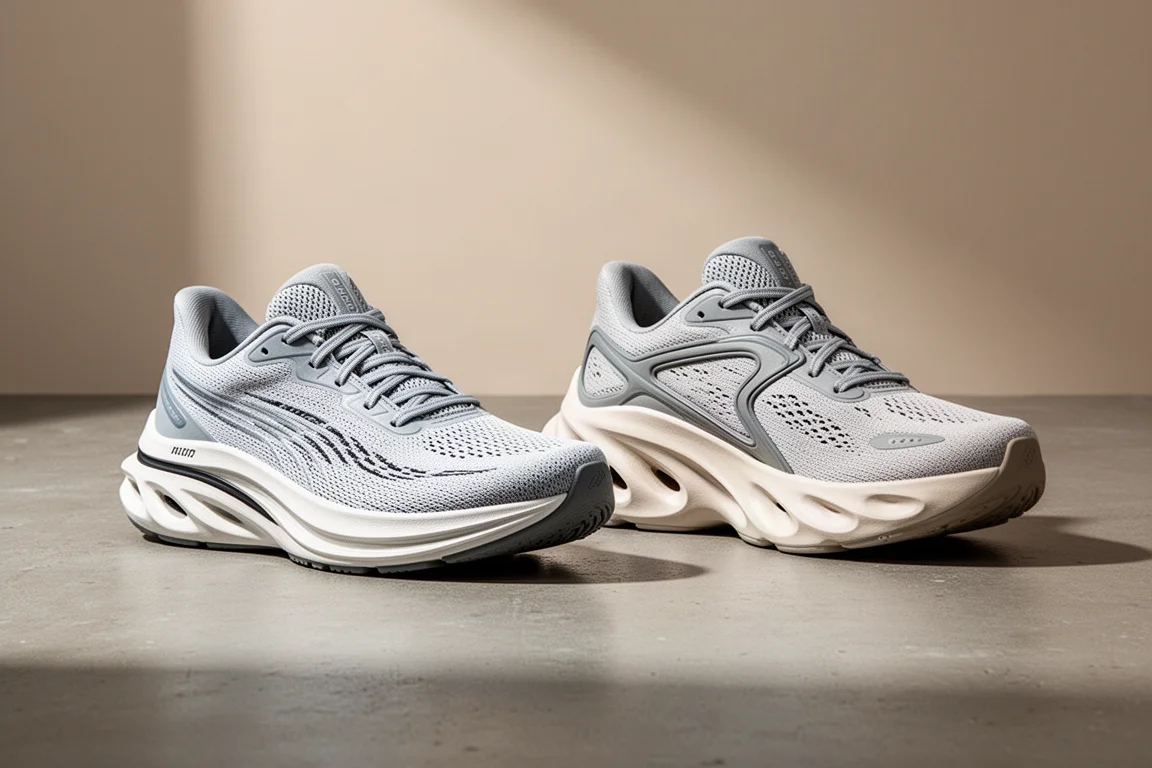
The ASICS SuperBlast and Hoka Skyward X are two of the most ambitious high-stack super trainers on the market, and both carry premium price tags to match. They promise big foam, big comfort, and genuine versatility for daily training. The interesting part is how differently they go about it. After roughly 60 to 65 km in each shoe, the differences are clear: one is a versatile all-rounder that can handle almost anything, the other is a plush cruiser built for relaxed miles.
Specs and Construction
The SuperBlast costs £195 in the UK and $200 in the US. The Skyward X is slightly cheaper in the UK at £185, but pricier in the US at $225. Weight is where they really diverge: the SuperBlast comes in at 251 g (8.8 oz) in a UK 9, while the Skyward X is a much heavier 320 g (11.3 oz) in the same size.
Stack heights are big on both. The SuperBlast measures 45.5 mm at the heel and 37.5 mm at the forefoot, with an 8 mm drop. The men’s Skyward X is 48 mm at the heel and 43 mm at the forefoot (46/41 mm in the women’s version), with a 5 mm drop.
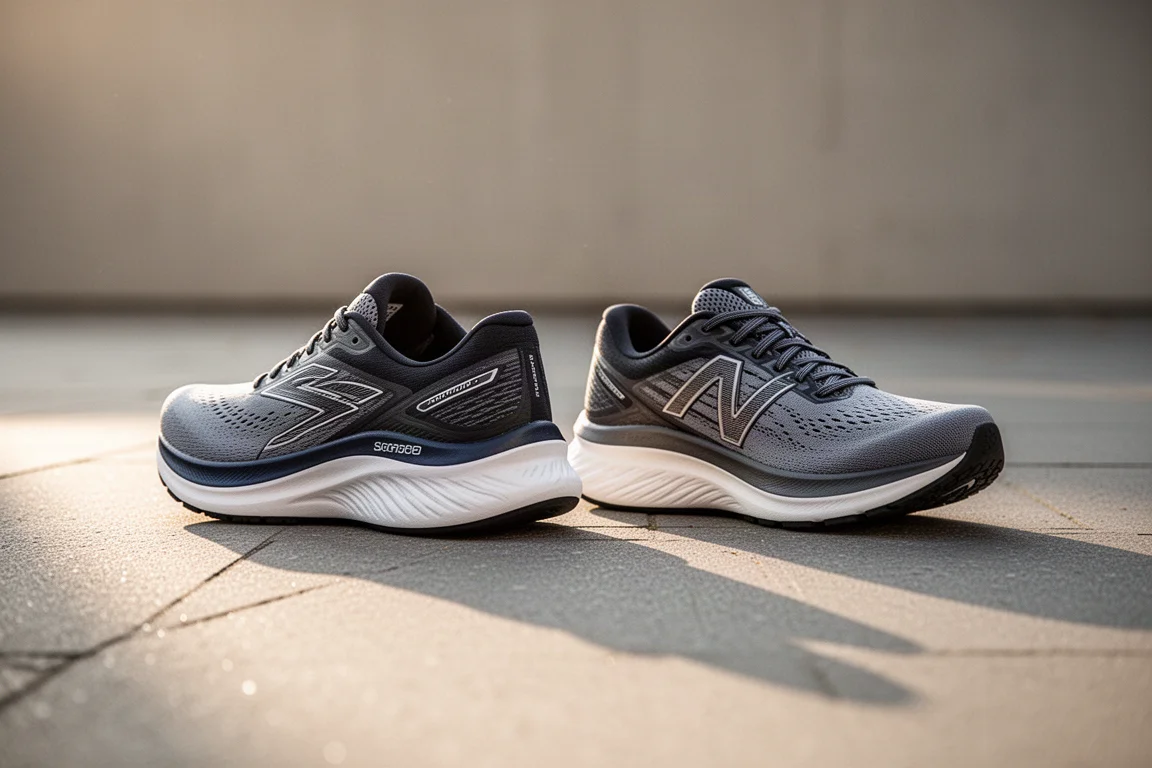
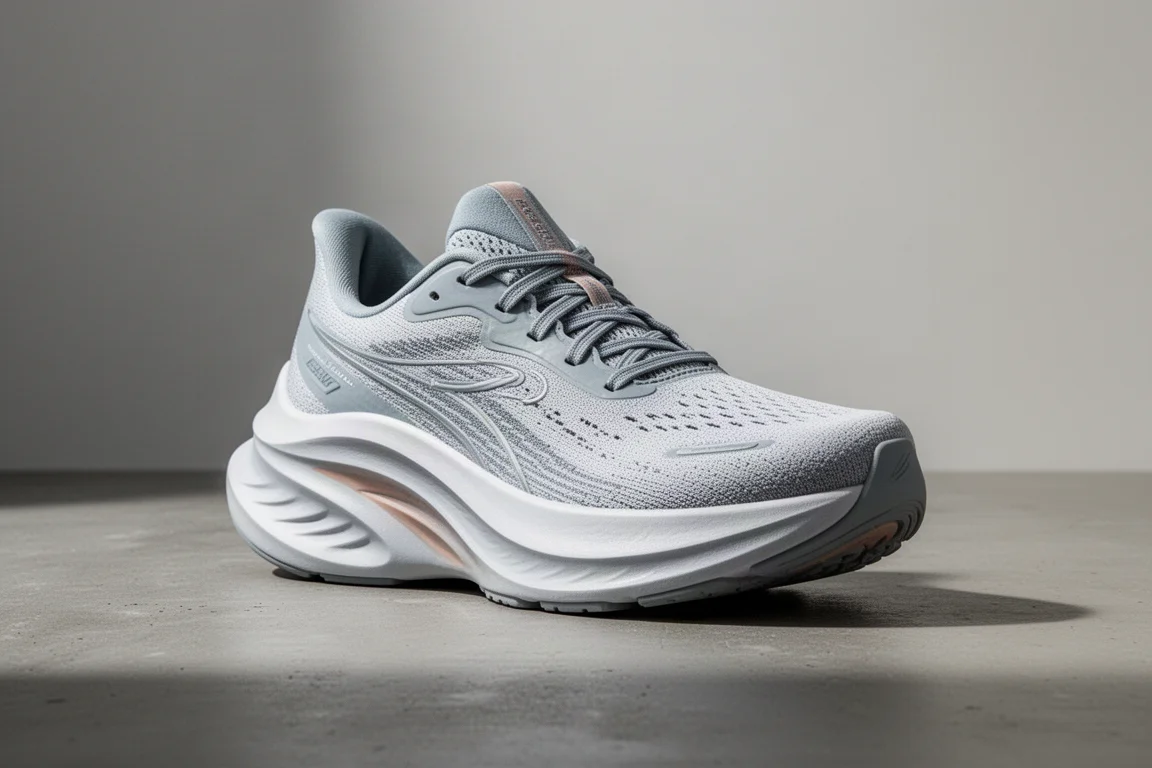
Underfoot, the SuperBlast uses a dual-density midsole: FF Turbo foam on top, the brand’s best foam, with FF Blast Plus underneath. Foam sidewalls, an internal heel counter, and a wide base all work to keep the high stack stable. The upper is a lightweight mesh with modest heel padding, and the rubber outsole covers most key impact zones with a few exposed foam patches, with no grip or durability concerns so far.
The Skyward X takes a different route. It pairs a PEBA midsole foam with a supercritical EVA frame surrounding it for stability, plus a large external heel counter and wide base. Uniquely, it carries a convex carbon plate, a segmented design with gaps that reduce stiffness, bowing in the middle to create what the brand describes as a suspended feeling. The flat-knit upper is more plushly padded at the tongue and collar than the ASICS, with a high heel tab at the back, and the outsole offers thick, generous rubber coverage with a central cutout.
Fit and Sizing
Both shoes fit true to normal running shoe size in testing, with a UK 9 working well in each (US 10 for the ASICS, US 9.5 for the Hoka). The ASICS runs slightly longer, and some runners might consider going half a size down, but both were comfortable in standard sizing.
Hold through the midfoot is good in both, and the toe box stayed comfortable even on longer runs. One small note: the high heel tab on the Skyward X can cause slight Achilles irritation for some, a concern absent on the SuperBlast.
How the ASICS SuperBlast Runs
The SuperBlast set the standard for the high-stack super trainer category, and most rivals are still struggling to keep up. It is remarkably light for its size, bouncy, and genuinely fun to run in. It handled fast track reps and hard road workouts around five-minute pace without complaint, yet stays comfortable enough for easy runs of any length.

It is not the softest or most flexible shoe, and it is surprisingly stiff despite having no plate, which helps push you forward at speed but takes away some relaxed comfort on easy days. The payoff is versatility: it is capable across everything from cruising to speed sessions, and it moves you onto your forefoot quickly with a snappy, direct feel and that slightly higher drop sensation. For speed work, some runners will still prefer a smaller, nimbler shoe, but this one is impressively quick for its size.
How the Hoka Skyward X Runs
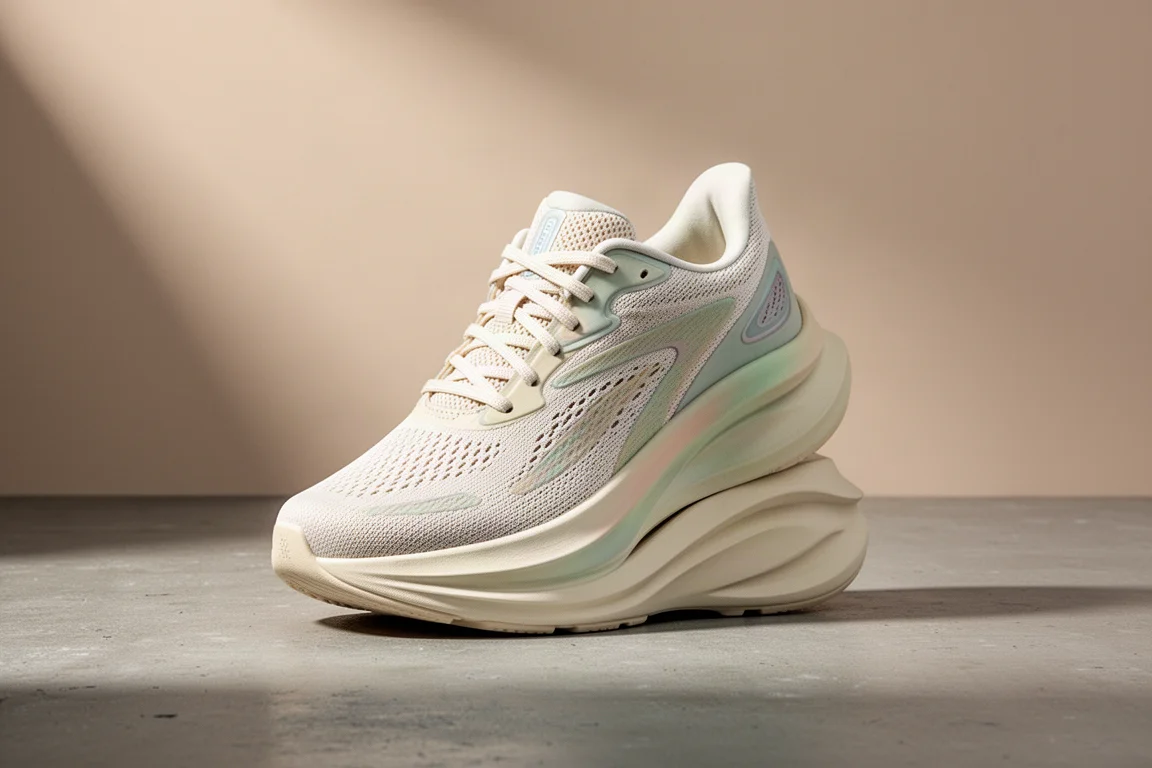
The Skyward X feels geared much more toward slower running. Despite its carbon plate, it feels more flexible and relaxed than the SuperBlast: softer, bouncier, with a plusher upper. It is a shoe built for cruising through relaxed runs and high-mileage weeks, and it made for a very enjoyable long run in testing.
You tend to move a little quicker than you think in it thanks to the efficiency benefits of the foam and plate, but it is not enjoyable at faster paces. Pushing the pace on a progression run felt merely okay. It is a trainer for hoovering up daily mileage, not for ticking off speed sessions.
Running both shoes back to back highlights the contrast: the Hoka feels higher, bouncier, more cushioned and smooth, almost rocket-like in its glide, while the ASICS is stiffer, firmer, snappier, and obviously much lighter and nimbler. Both proved stable in testing despite their size and soft foam, with the Skyward X’s frame and heel counter doing their job well.
Buying Advice: Which One Should You Pick?
If you want an all-rounder, the SuperBlast is the clear pick. It is versatile enough to handle easy runs, long runs, speed sessions, and even racing if you do not mind a stack above the World Athletics legal limit. At its price, it needs to be impressive, and it is: versatile, comfortable, fast, and remarkably light for its size. Value-focused runners can find shoes like the New Balance Rebel v4 or Hoka Mach 6 that do much of what it does for less, but as an unplated super trainer it remains outstanding.
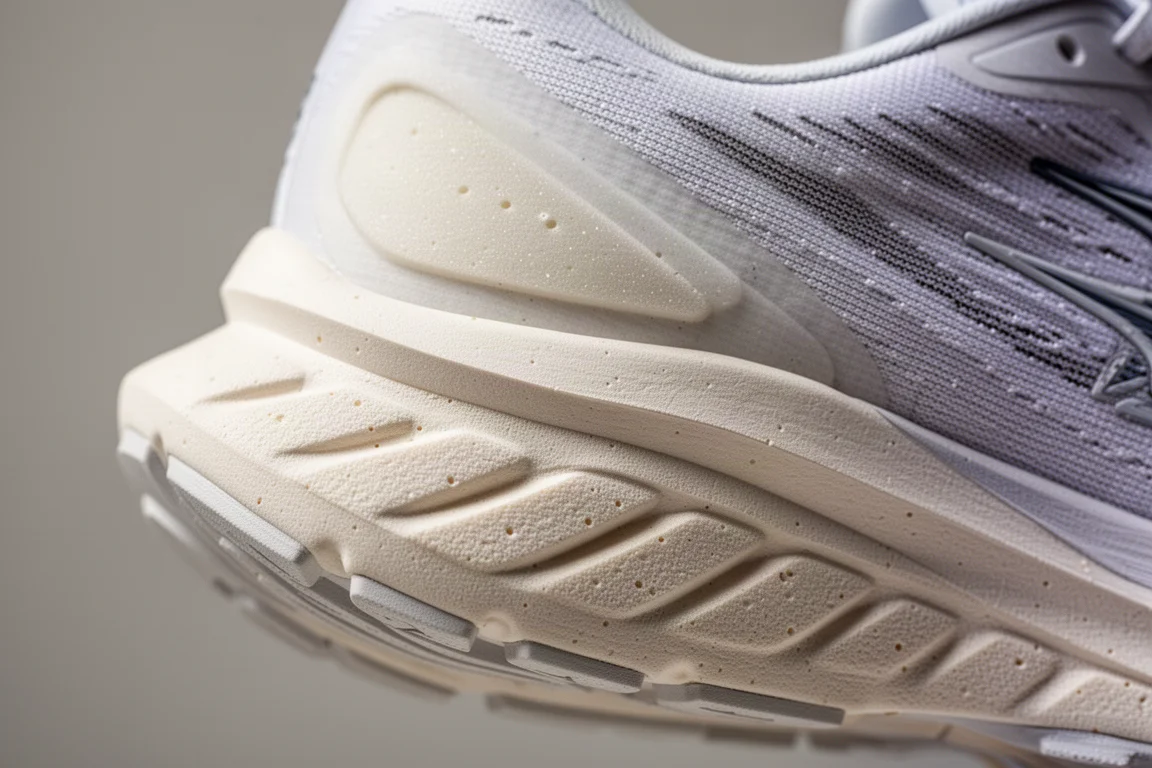
The Skyward X is a wonderful easy-run shoe, and its cushioned cruiser character is more enjoyable than the SuperBlast for relaxed running. But it is expensive for what it does. Cheaper cushioned shoes like the Glycerin or Sugar Ride deliver similar comfort, and plated trainers like the Endorphin Speed or Hoka Mach 6 offer more versatility for less. If you buy the Skyward X, you will likely still need a fast trainer and a racing shoe alongside it. The SuperBlast, by contrast, can potentially collapse a three-shoe rotation into two.
Conclusion
Both are good shoes with premium price tags. The ASICS SuperBlast is the more versatile, better all-around package and does the most to justify its cost. The Hoka Skyward X is a genuinely fun cruiser for easy runs and long miles, but it only makes sense if you are not concerned about price and really just want a cushioned daily ride. Pick the SuperBlast for the everything shoe, the Skyward X for pure comfortable mileage.
Further reading
Related Reviews

Running Shoes
Best Road-to-Trail Running Shoes: Three Versatile Options for Mixed Terrain
A practical guide to three road-to-trail running shoes that handle both pavement and mild trails, with clear strengths and trade-offs for different runner types.

Running Shoes
Best Running Shoes for Achilles Tendonitis: Three Options Explained
Three running shoes with different heel drops and support features designed to help reduce Achilles tendon pain during walking and running.

Running Shoes
Best Running Shoes for Women: Five Top Choices Ranked
A ranked guide to five women's running shoes, from versatile daily trainers to high-performance racing options, with real strengths and trade-offs for each.