Running Shoes
ASICS Superblast V1 vs Superblast 2: Why This Unplated Trainer Divides Runners
A closer look at the shoe everyone keeps recommending, what makes the original special, and what the Superblast 2 needs to fix.
Introduction
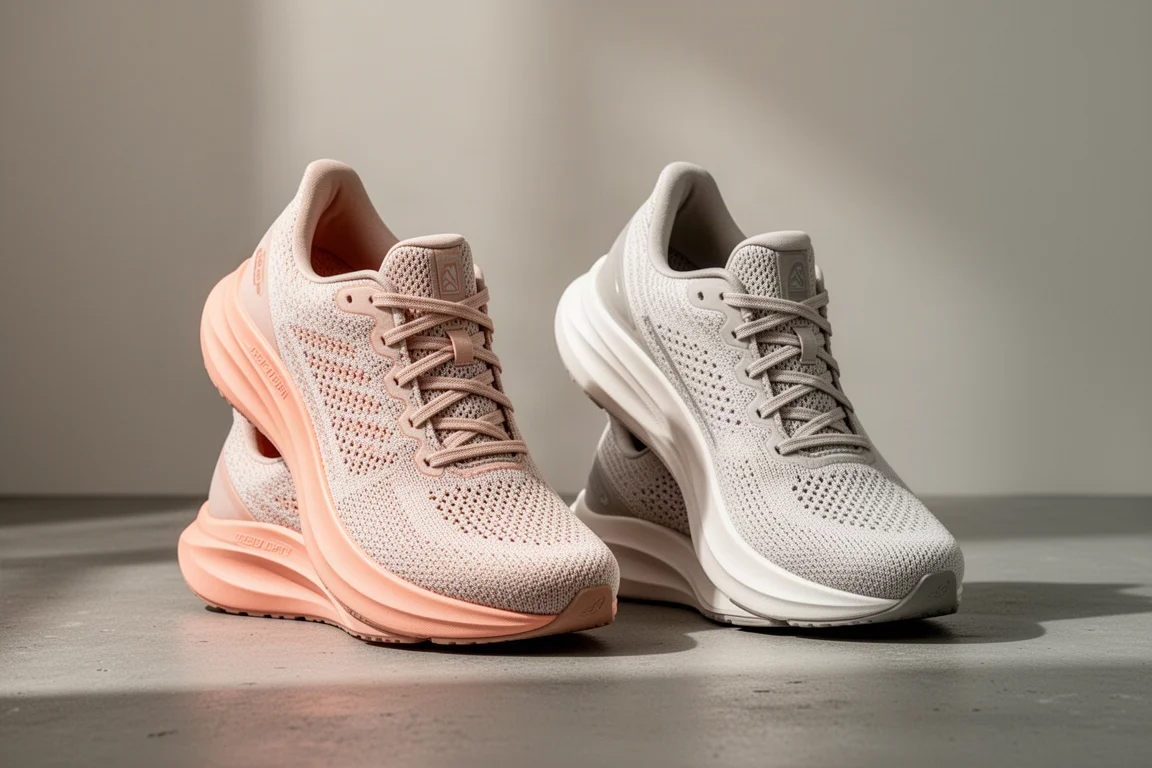
Very few running shoes have dominated recommendations the way the ASICS Superblast has. For roughly two years, if you asked runners on forums or group chats for a do-it-all shoe, this was the answer that kept coming up again and again. Now the Superblast 2 has arrived, and it is the right moment to look back at the original, understand why it earned that reputation, and figure out whether the sequel deserves your money.
The Superblast occupies a strange place in the market. It helped pioneer unplated, high-stack performance training, and every major brand is now chasing that same idea. But it is also a $200 shoe with a very specific personality, and whether that personality fits your running matters more than the hype suggests.
Why the Superblast Became So Beloved
Before the Superblast, the do-it-all recommendation for most runners was something like the Saucony Endorphin Speed 2 or 3: fast shoes with race foam that stayed soft and forgiving. When the Superblast landed, it took over that spot for a huge number of people.
The reasons are straightforward. It offers a stack height above 40mm while staying remarkably lightweight, because the FF Turbo race foam can be stacked high without dragging the weight up. Add better stability than you would expect from race foam, and you have a shoe with an unusually rare protection-to-weight ratio.
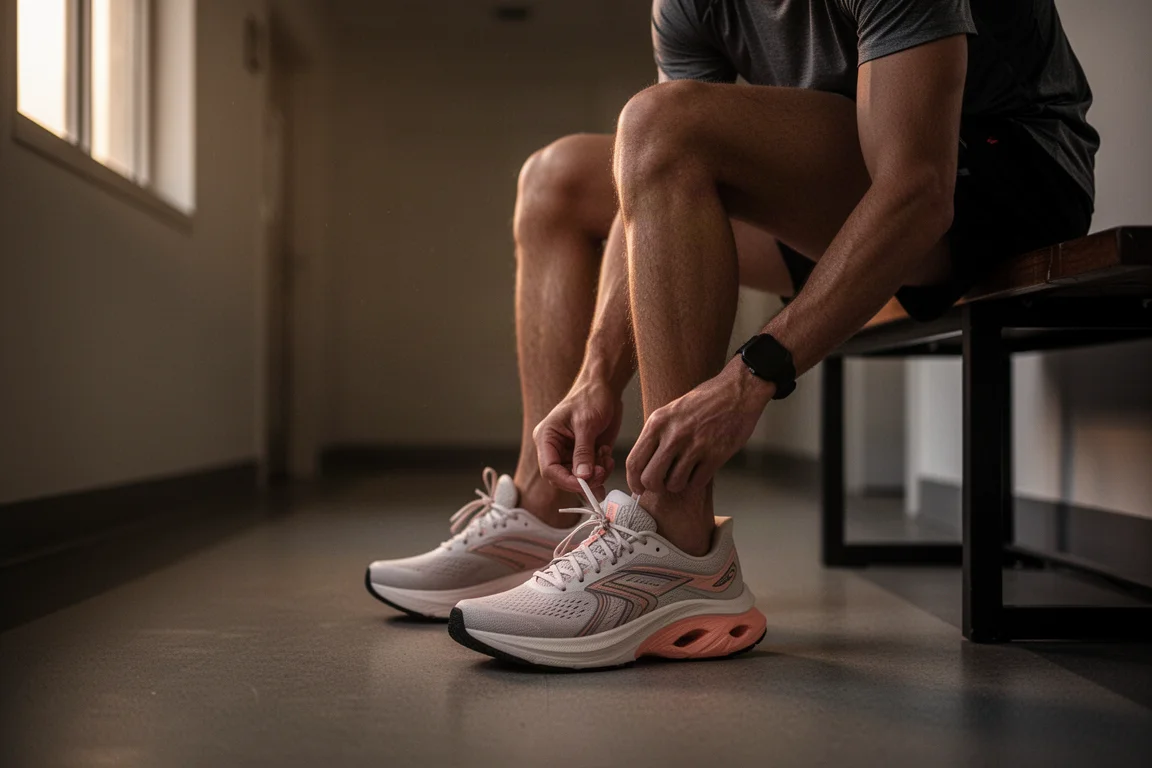
There is also the plate question. The Endorphin Speed line uses a plastic plate to stabilize its foam, while the Superblast is entirely unplated. Plenty of runners prefer exactly that, and ASICS essentially created a new category by doing it at this stack height.
What the Superblast Gets Right
The upper is one of the best parts of the shoe: lightweight, race-shoe-like, and still comfortable enough that it works for long hours on foot. The geometry is smooth and slightly rockered without being aggressive, so it genuinely feels more like a normal shoe on foot than most speed trainers.
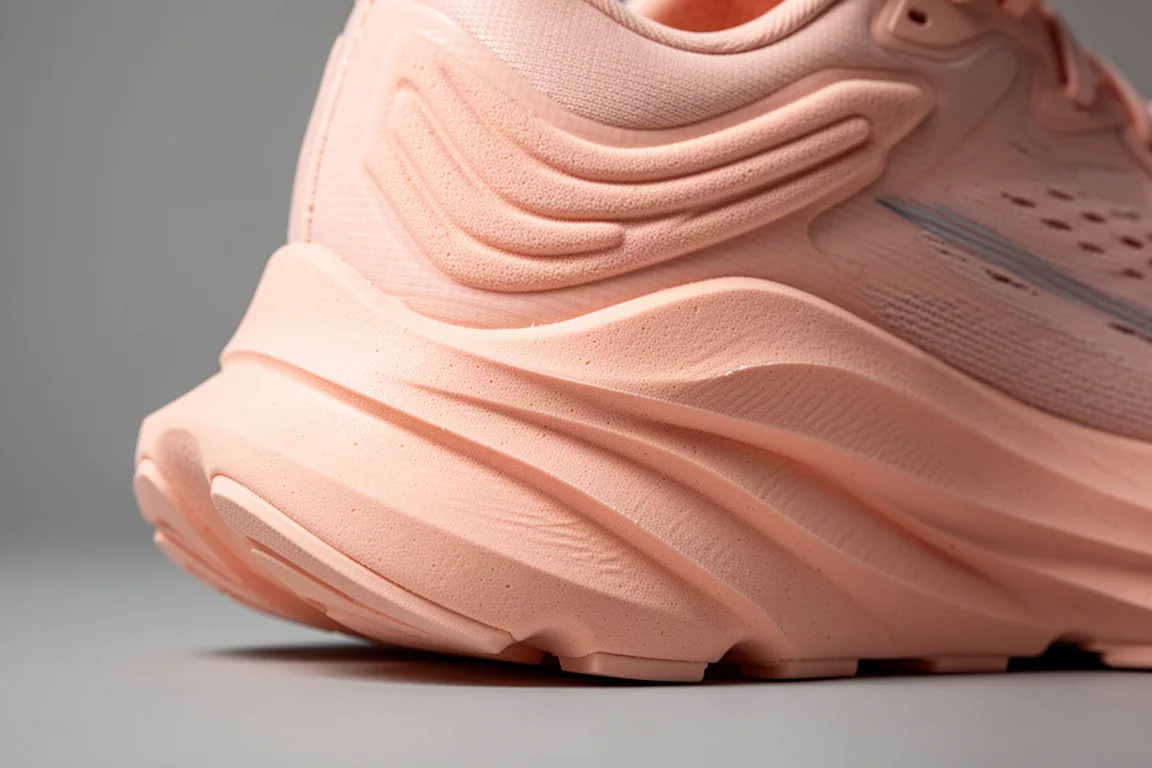
The headline trait, though, is protection. Across long runs, doubles, and even hours of walking around with kids at an aquarium, the foam never bottomed out and never left the feet feeling beaten up. Shoes with comparable stack heights often weigh 80 grams more, landing around 330g. Keeping that much protection at roughly 250 to 260g is rare, and it is the core reason people fall in love with this shoe.
It is also simply lighter than it looks. It is not the lightest shoe in most collections, but the tall, chunky silhouette makes it feel like it should be 20 percent heavier than it is.
The Catch: Foam That Demands Speed
Here is the tradeoff that never quite goes away. FF Turbo is a firm race foam, and in a shoe this thick and unplated, it has to be. The foam simply does not fully compress at slower paces. The consistent experience is that the shoe gives you about 70 percent of its bounce on easy miles, while quietly insisting there is another 30 percent waiting if you would only pick up the pace.
That makes it a dual-character shoe. Some runs feel smooth, bouncy, and easier than they should be. Others feel like fighting the shoe the whole way, with the foam mushy and unresponsive at the pace you actually want to run.
For a $200 training shoe, that raises an uncomfortable question: if you wanted a shoe only for faster running, there are excellent plated options around $160 to $180, like the Boston 12 or the Hyperion Max, that handle easy miles better too. Paying above $160 should buy you more capability than a $160 shoe, and the original Superblast does not always deliver that for slower-paced runners.
The Big Question: One Shoe for Everything?
The Superblast is loved as a comfort, protection, and time-on-feet shoe, yet it keeps nudging you toward faster paces. For runners doing high mileage with polarized training, that is a genuine conflict: easy and recovery days need to feel light and relaxed, and a shoe that pushes the pace works against that.

One comment captures it well: it is a great Zone 3 shoe being wasted on a Zone 2 runner. If you run three or four times a week and want to hold strong steady paces for 90 minutes, this shoe is excellent. If most of your week is deliberately relaxed mileage, cheaper options like the Gel Nimbus or Novablast may serve you better, and your race-pace long runs belong in a proper race shoe.
Who Should Buy the Superblast 2
The Superblast 2 arrives with reports that the foam has been softened, which addresses the biggest complaint about the original. A slightly softer ride would make daily miles more forgiving and let the shoe actually deliver on its do-it-all promise. A more dialed-in fit, going down half a size from an oversized feel, could help too.
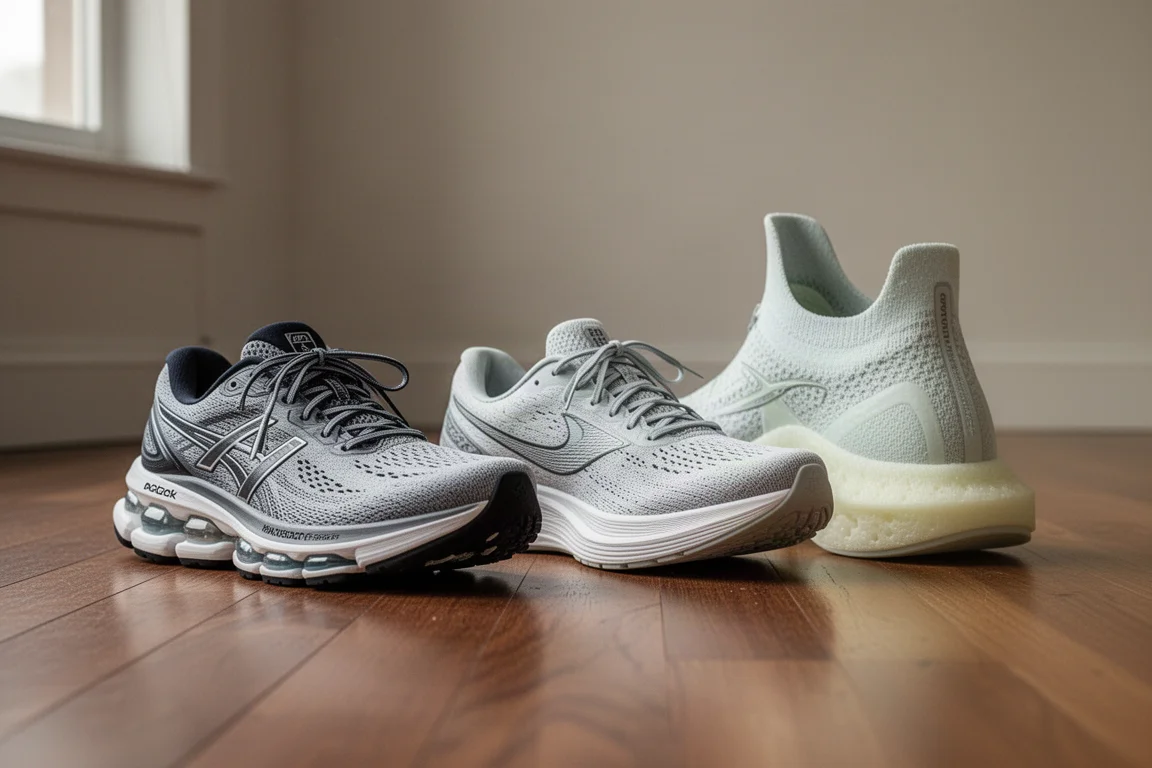
If you own only one or two pairs and want a single shoe that can handle steady miles, long runs, and occasional faster efforts, the Superblast 2 makes a strong case. If you run high mileage and keep your easy days strictly easy, you may still prefer a dedicated max-cushion or softer trainer for most of the week and save this one for the days you want to move.
The original ASICS Superblast deserves credit for pioneering a category: tall, unplated, race-foam training. It is a special shoe for what it is. Whether the Superblast 2 is special for what you need is the question worth answering before you spend $200.
Conclusion
The Superblast V1 earned its devoted following through an unmatched protection-to-weight ratio, a comfortable upper, and an unplated design that felt new to the market. Its firm race foam simply works best at faster paces, which makes it a conflicted daily trainer for relaxed-mile runners. The Superblast 2, with its reportedly softer tune, has a real chance to fix that. Match the shoe to how you actually run, and either version can be a great addition to a rotation.
Product link
View more details for ASICS Superblast V1
This product is mentioned in the review. Check the specifications, options, and compatibility before buying.
View more details for ASICS Superblast V1Further reading
Related Reviews

Running Shoes
Best Road-to-Trail Running Shoes: Three Versatile Options for Mixed Terrain
A practical guide to three road-to-trail running shoes that handle both pavement and mild trails, with clear strengths and trade-offs for different runner types.

Running Shoes
Best Running Shoes for Achilles Tendonitis: Three Options Explained
Three running shoes with different heel drops and support features designed to help reduce Achilles tendon pain during walking and running.

Running Shoes
Best Running Shoes for Women: Five Top Choices Ranked
A ranked guide to five women's running shoes, from versatile daily trainers to high-performance racing options, with real strengths and trade-offs for each.