Running Shoes
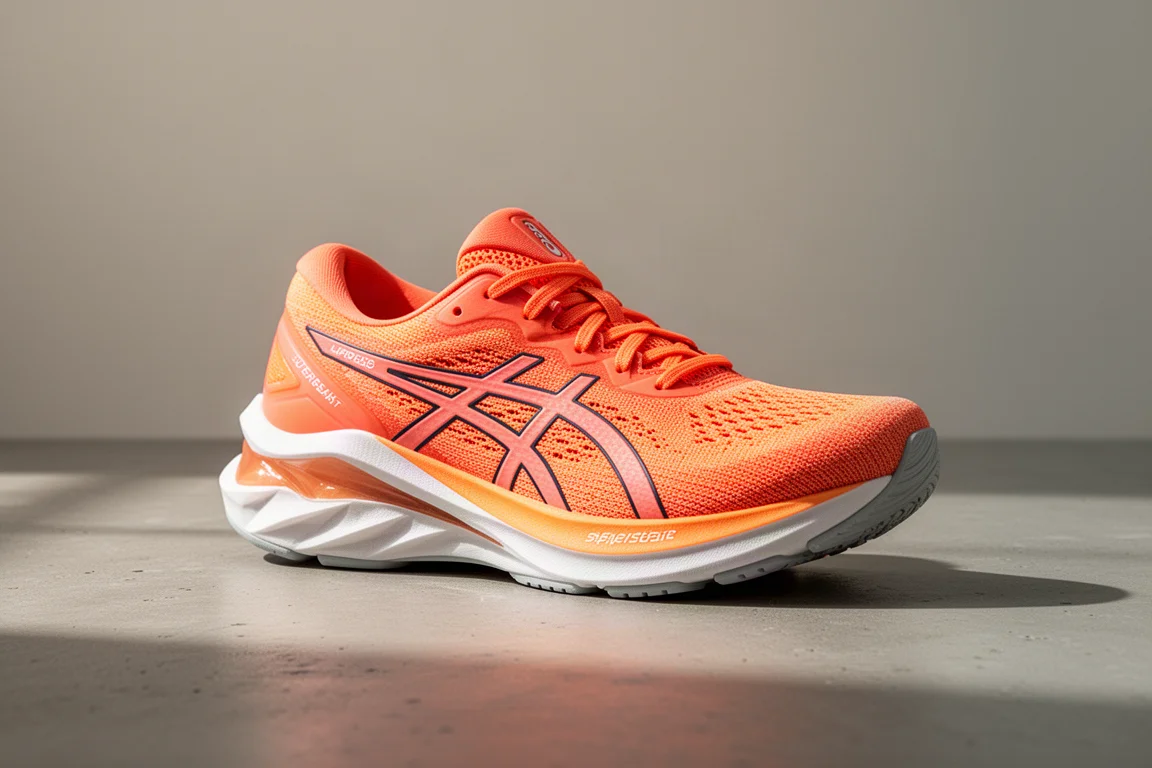
ASICS Superblast Review: A Break-In Story From 37 Miles of Testing
After nearly 40 miles including a 20-mile double day, the ASICS Superblast proves exceptional at fast running but raises questions about its all-around value.
Introduction
Some running shoes feel perfect straight out of the box. The ASICS Superblast is not one of them, and that is not necessarily a flaw. This shoe is designed to reward patience, with a break-in period that runs roughly 30 to 50 miles before it settles into its best form. We logged 37 miles across daily runs, strides, and a full 20-mile double day to see how it evolves. The short version: it is an outstanding shoe for fast running and a more divisive one for easy miles.
Who This Shoe Is For
The Superblast suits runners who want a high-stack trainer that comes alive at pace. It encourages speed. On most runs during testing, the shoe pushed toward faster paces, holding 7:30 to 7:40 pace effortlessly and delivering excellent feel during strides that dipped toward 4:30 pace. Runners training for a marathon who regularly run steady, tempo-adjacent miles will find a lot to love here. Runners who want a relaxed, forgiving daily trainer for slow recovery miles may find themselves fighting the shoe.

Break-In and First Impressions
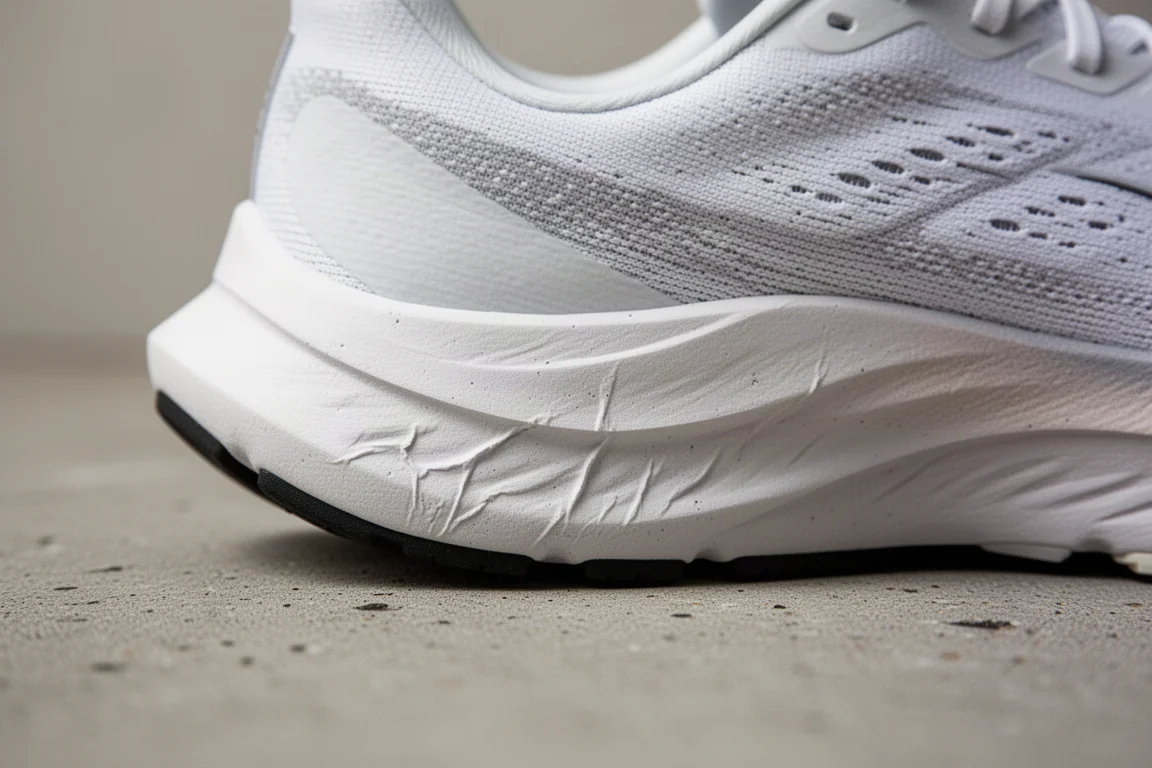
This is a shoe that demands work before it gives something back, and that mirrors what many runners love about the sport itself. At 29 miles, the outsole foam had started to show creasing, but the upper FF Turbo foam layer had not yet softened. Aerobic-paced miles felt merely okay while the shoe was still stiffening into shape, but the strides at the end of runs felt exceptional, even better than expected for a trainer of this stack.
The 20-Mile Double Day Test
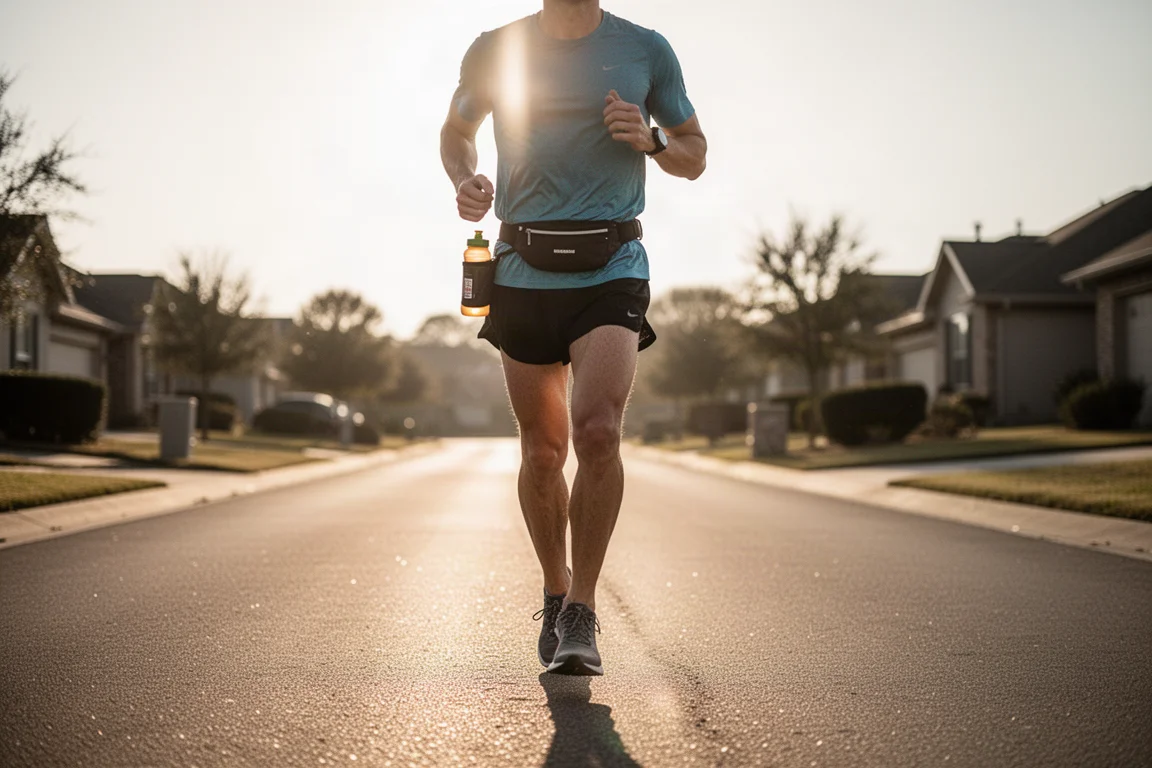
To accelerate break-in, we ran 20 miles in a single day: 12 miles in the morning plus strides, then another 8 miles in the afternoon heat. The shoe protected the legs well across both runs, but the huge foam volume makes easy-paced miles feel like more work than they should. The surprise is how consistent the ride is. Once a pace is locked in, the Superblast holds it with metronomic steadiness, producing remarkably even splits.
At 37 miles, deep into the typical break-in window for race-foam shoes, the midsole had not obviously softened. The ride remained bouncy and poppy but not especially forgiving. That is the core trade-off: this is a specialized long-run and speed shoe, not a do-it-all trainer, at least not yet.
Where It Truly Excels: Speed
The biggest finding from testing is how brilliant this shoe is for fast running. During strides progressing from 5:40 down to 4:30 pace, the Superblast felt like one of the best fast shoes tested, in the company of shoes like the Adidas Boston 12 and Adidas Takumi Sen. It comes alive at speed in a way few trainers do, which makes it a serious candidate for workout days and marathon-pace long runs.
The Walking Surprise
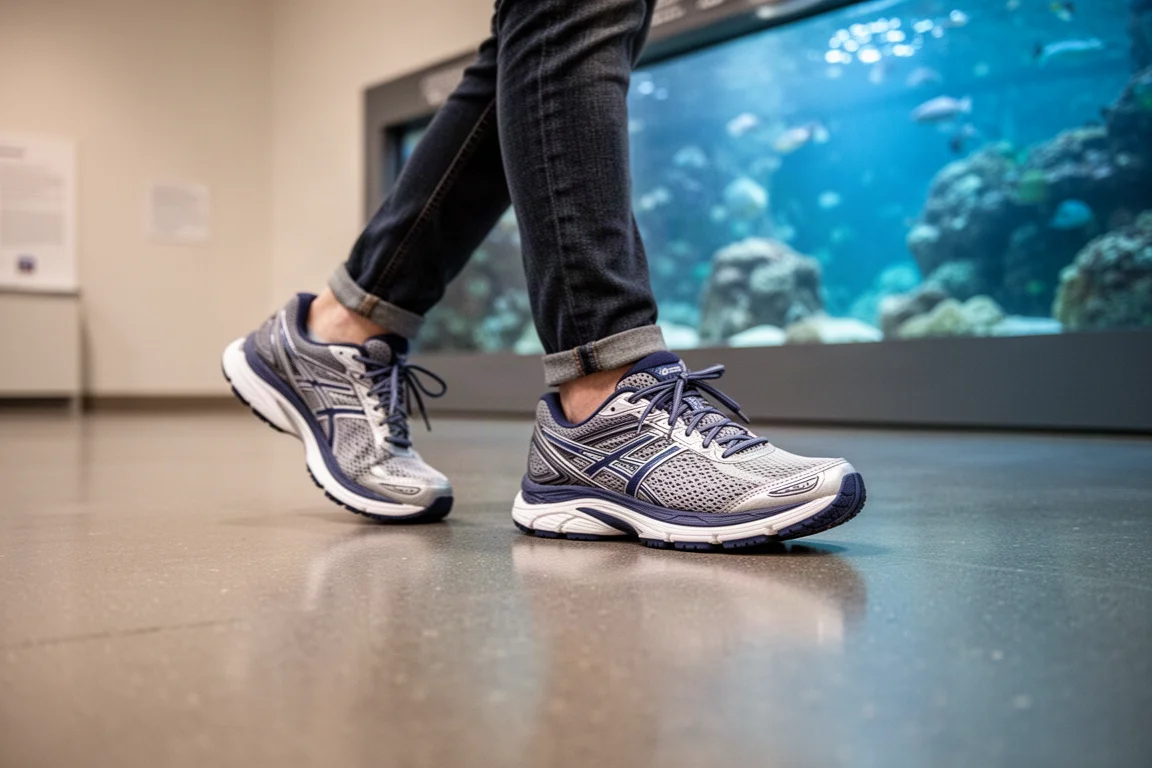
An unexpected strength emerged during a two-hour outing at a marine science center: the Superblast is genuinely one of the most comfortable all-around sneakers tested for walking. Stacked against the Brooks Ghost Max, a dedicated walking favorite, the Superblast felt lighter and more comfortable despite its taller build. For runners who wear their shoes for errands after a run, this matters more than it sounds.
The Value Question
At $200, the value proposition is the sticking point. The Superblast’s premium is supposed to buy everyday-run comfort on top of speed capability, and it does not fully deliver on the everyday side. Alternatives like the Adidas Boston 12, Saucony Endorphin Speed 3, and Hoka Mach 6 (around $140) offer similar pop at a much lower cost, though with less cushioning for 90-minute-plus efforts. If your training is built around slow, high-mileage aerobic running, shoes like the New Balance 1080 or Nike Vomero may serve you better for daily wear.
Buying Advice
Buy the ASICS Superblast if your week is anchored by faster steady runs, tempo work, and long runs at or near marathon pace. Skip it, or wait for more break-in confirmation, if you want a plush recovery-day trainer. Think of it as a specialized speed and long-run shoe first, with surprisingly good everyday comfort as a bonus.
Conclusion
Through 37 miles, the ASICS Superblast has been consistent, bouncy, and excellent at speed, while remaining stubborn at slow paces. The break-in window is nearly complete, and future testing to 100 miles may reveal a softer, more versatile shoe. As it stands, this is a superb marathon training companion for pace-focused runners, and a harder sell for pure easy-mile duty.
Product link
View more details for Asics Superblast
This product is mentioned in the review. Check the specifications, options, and compatibility before buying.
View more details for Asics SuperblastFurther reading
Related Reviews

Running Shoes
Best Road-to-Trail Running Shoes: Three Versatile Options for Mixed Terrain
A practical guide to three road-to-trail running shoes that handle both pavement and mild trails, with clear strengths and trade-offs for different runner types.

Running Shoes
Best Running Shoes for Achilles Tendonitis: Three Options Explained
Three running shoes with different heel drops and support features designed to help reduce Achilles tendon pain during walking and running.

Running Shoes
Best Running Shoes for Women: Five Top Choices Ranked
A ranked guide to five women's running shoes, from versatile daily trainers to high-performance racing options, with real strengths and trade-offs for each.