Running Shoes
ASICS Superblast 3: What Changed and How It Compares to the Megablast, Vomero Plus and MagMax 2
A closer look at ASICS's updated super trainer, plus how it stacks up against the Megablast, Nike Vomero Plus and Puma MagMax 2.
Introduction
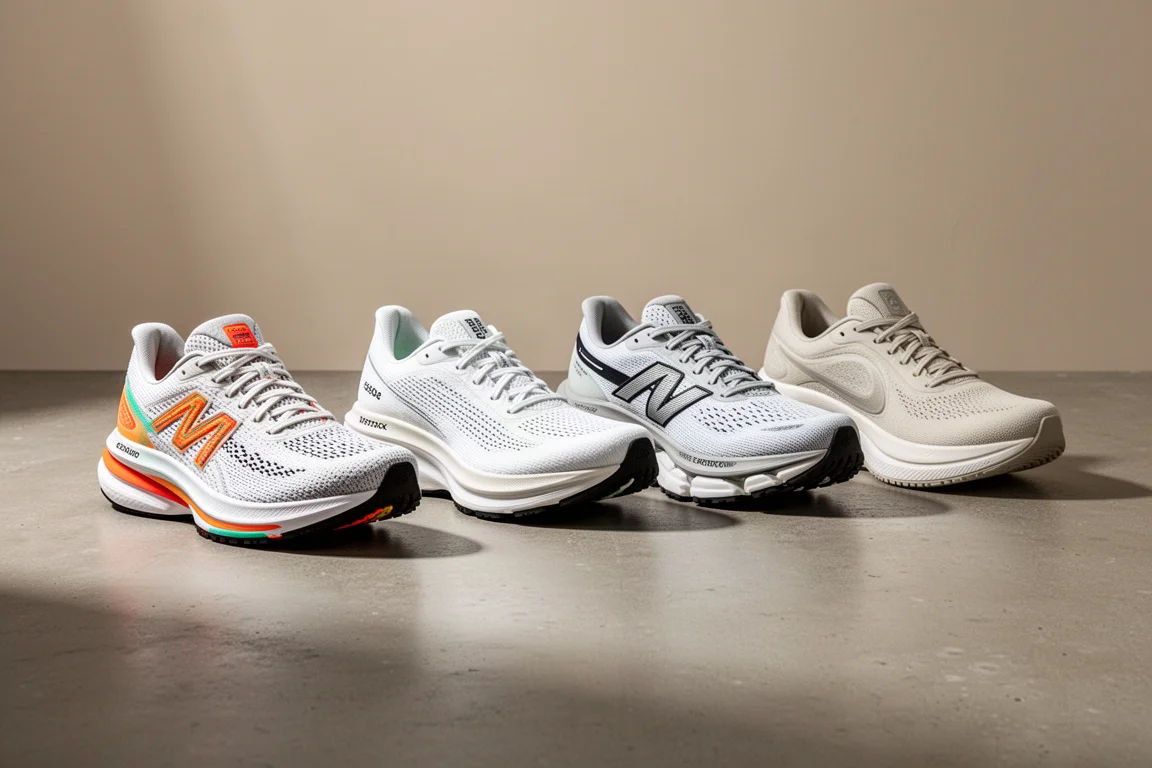
Few running shoes carry the reputation of the ASICS Superblast 2, so the arrival of the Superblast 3 was always going to be a big deal. After roughly 5,000 km across various versions of the Superblast 2, expectations could not have been higher. The new version has already caused a stir, with runners scrambling to get pairs early, and the changes are significant enough to genuinely alter the character of the shoe.
At around €220 in Europe, £200 in the UK and $210 in the US, this is firmly a premium shoe. The question is whether the update justifies the price, and how it compares to ASICS’s own Megablast plus strong alternatives like the Nike Vomero Plus and Puma MagMax 2. Here is the full breakdown.
What Changed in the Superblast 3
The headline change is entirely in the midsole. The FF Turbo Blast foam from the Superblast 2 is gone, replaced by FF LEAP FOAM, the same foam ASICS uses in its top-tier race shoes. It is soft and bouncy, making the Superblast 3 noticeably lighter and softer than its predecessor. The thin FF Blast Plus layer at the bottom of the shoe, which adds durability and stability, remains unchanged.
With the new foam, weight drops to just 276 g in a UK 11.5, roughly a 4% decrease on the outgoing model. That is remarkably light for a daily workhorse. Stack height grows by 1.5 mm to a substantial 46.5 mm at the heel, while the 8 mm drop is unchanged. There is also a new lacing system, with laces running through cords lower down to add stretch in the toe box, before reverting to traditional eyelets further up. The engineered woven upper comes with a gusseted tongue that keeps everything securely in place.

In practice, the shoe is a premium non-plated daily super trainer aimed at long runs, easy runs and marathon-pace work. Sizing runs true to the same size as other ASICS models, and the ASICS GRIP outsole rubber has performed well across varied surfaces and conditions.
What We Like About the Superblast 3
Comfort is the standout. Lockdown, forefoot width and toe box height are all excellent, and the lacing update means the shoe feels right out of the box with no break-in worries over chafing or rubbing. It is arguably the most comfortable long run shoe available right now, and the extra toe box height also makes it a better fit than the Megablast for runners who found that shoe shallow up front.
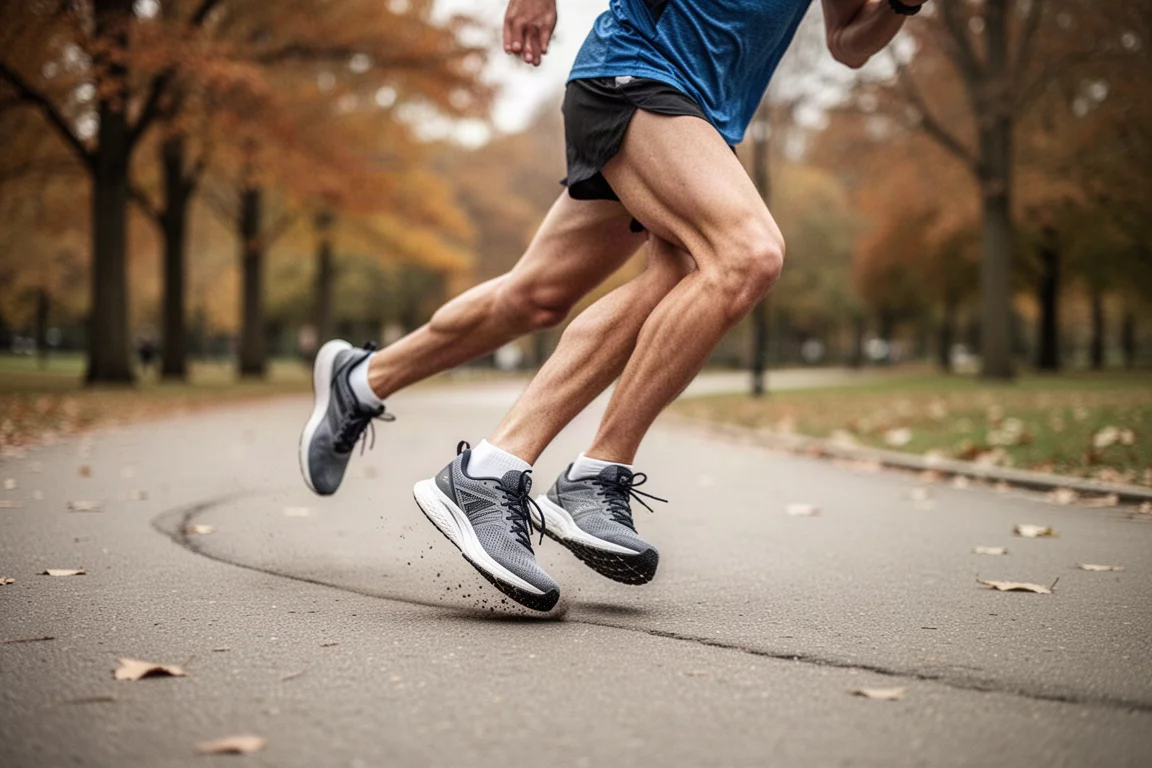
The lightweight, bouncy ride is the second big win. FF LEAP FOAM injects real pop and propulsion, turning up the fun factor on easy miles without compromising the shoe’s long-run ability. It suits beginners, intermediate and advanced runners alike, across heel, midfoot and forefoot strikers, and lighter or heavier runners. Grip is another strong point, with the sticky outsole rubber inspiring confidence in all conditions so far.
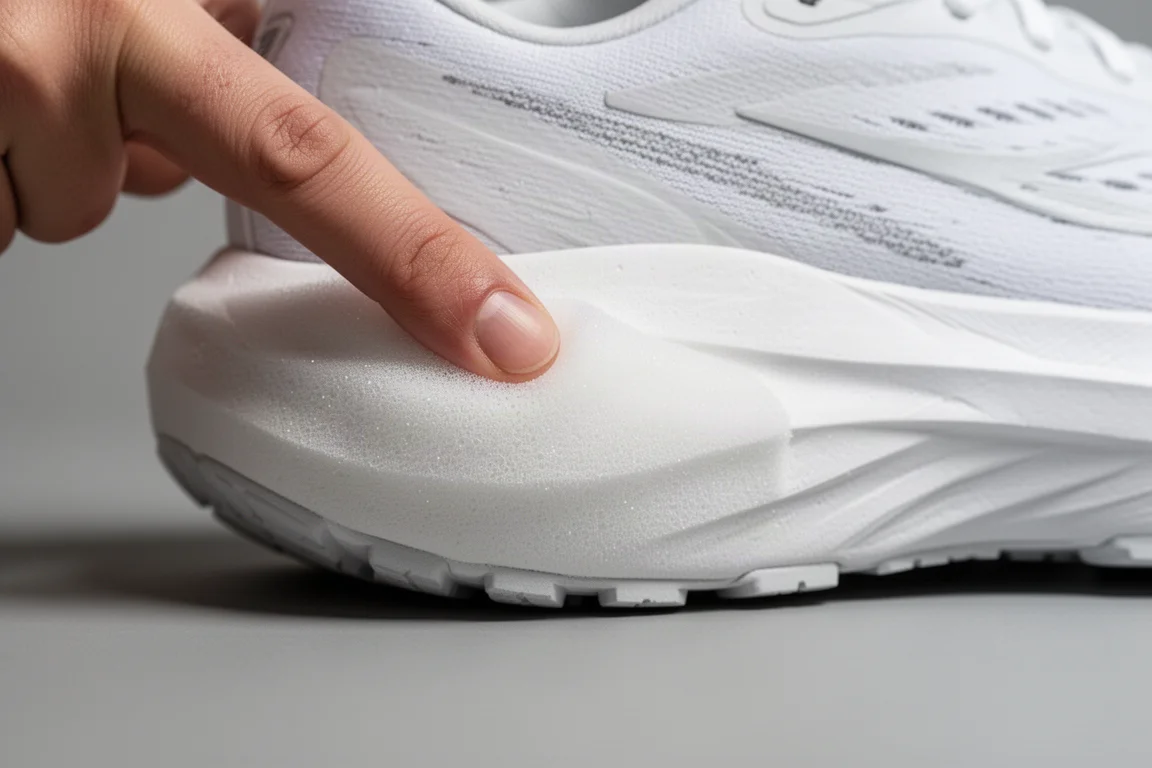
Durability remains the open question. The Superblast 2 was one of the most durable shoes in its class and that helped justify its price, so the new foam will need to prove itself over the long term.
What to Consider Before Buying
The extra stack and softer foam come at a small cost in stability. On sharper corners the shoe feels noticeably less sure-footed than the Superblast 2, and the possibility of rolling an ankle, however slight, is now present where it previously was not. The ride can also feel a touch noisy and sloppy compared with version 2, though this is a minor quibble.
Price is the other consideration. At £200 or $210, this is a serious investment, even if you are getting the very latest high-end foam. And there is a genuine question of overlap with ASICS’s own Megablast, which feels very similar underfoot and sits only £10 higher.
Superblast 3 vs the ASICS Megablast
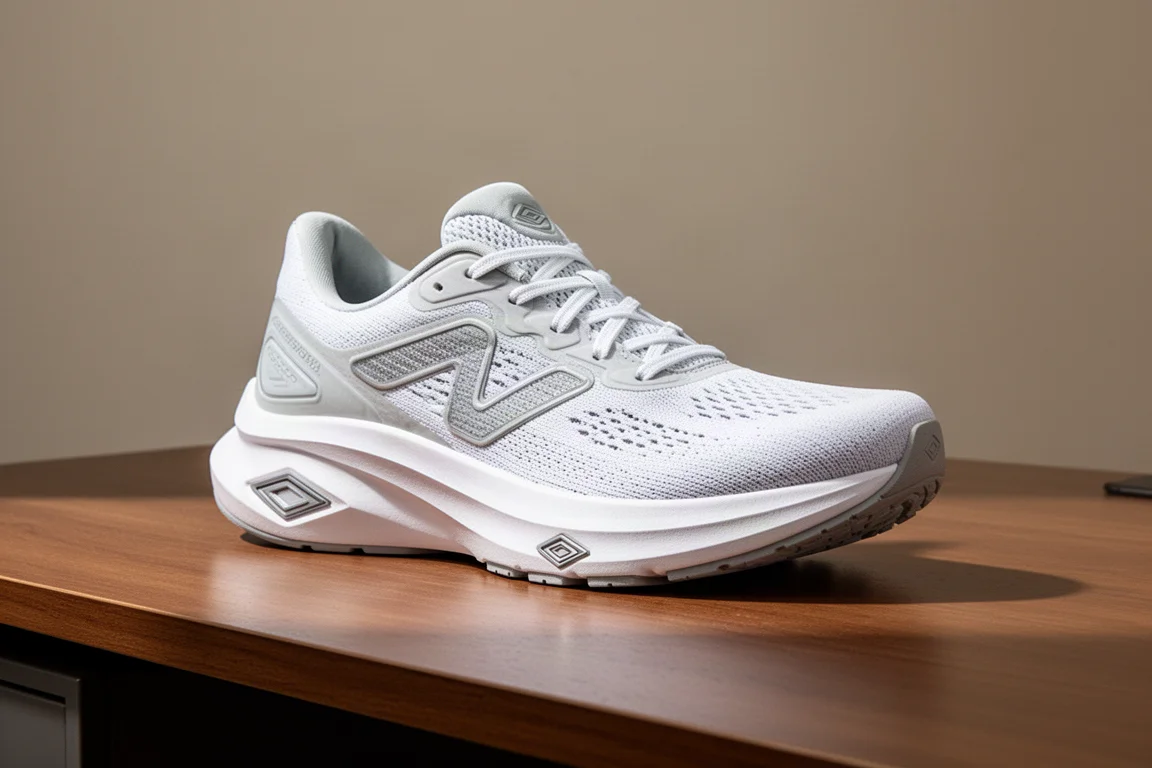
The Megablast costs about £10 more, has 1.5 mm less stack, the same drop and pretty much the same weight. The big difference is the foam: a single thick layer of FF Turbo Squared instead of the Superblast 3’s dual-layer FF LEAP plus FF Blast Plus setup.
The uppers diverge too. The Megablast is more stripped back with a racer-like heel and a shallower toe box, which has caused top-of-foot irritation for some runners. The Superblast 3 has a thicker, more comfortable upper with more room overall. In short, the Megablast is the pick for speed work and racing, while the Superblast 3 is the comfort-first choice for long easy miles.
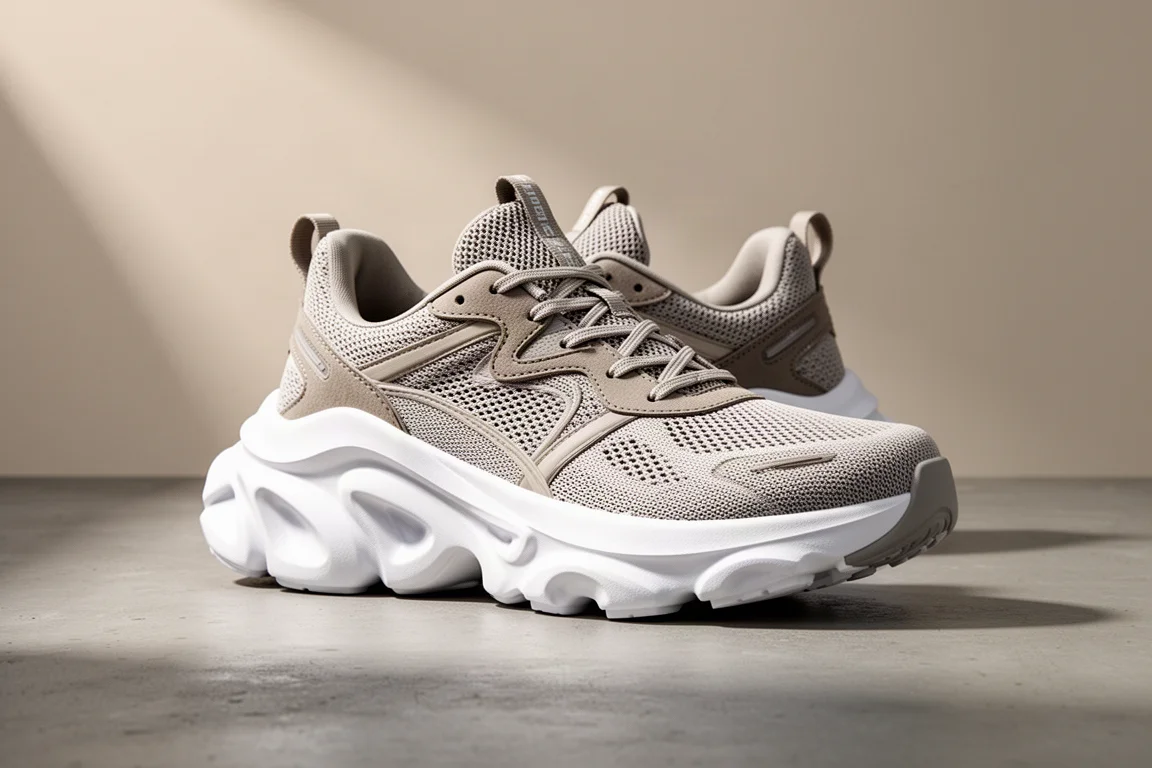
How the Competition Compares
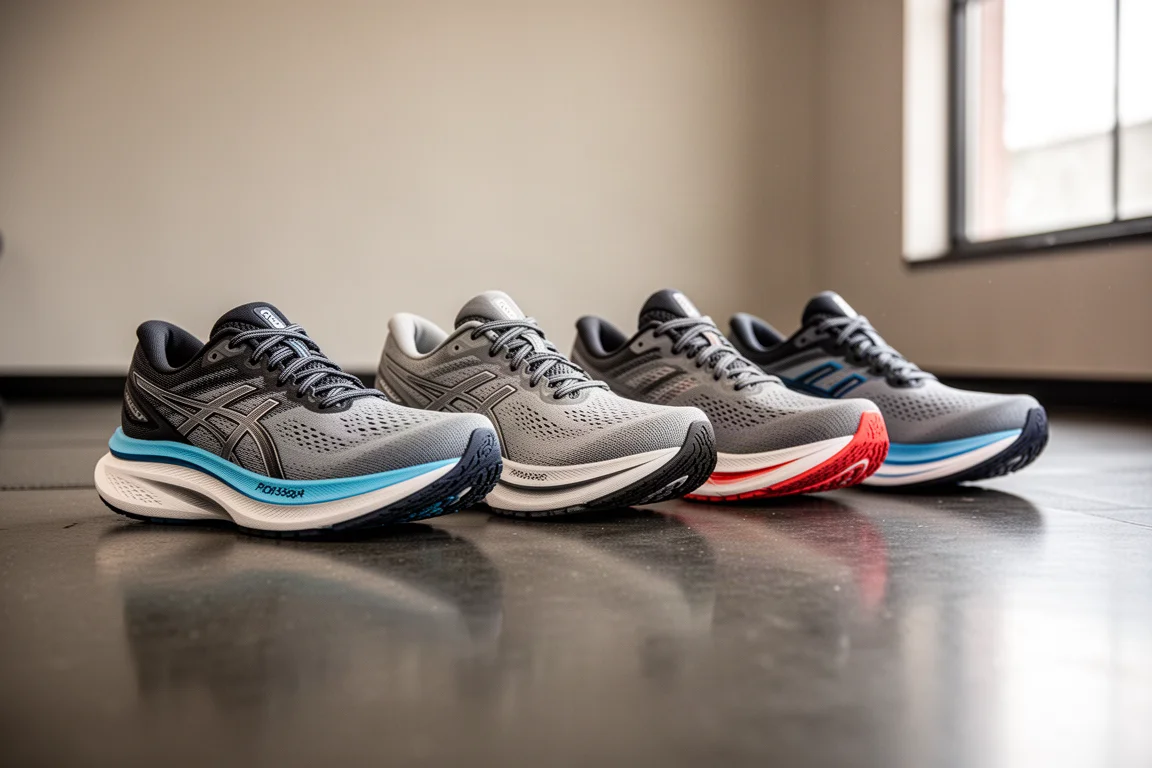
The Nike Vomero Plus comes in around £45 cheaper with 1.5 mm less stack and a 10 mm drop, but it is roughly 83 g heavier, largely due to broader outsole coverage that delivers better traction in poor weather. It has a roomier toe box and a slightly softer feel. If bad weather is your main concern, the Vomero Plus wins; as an overall package, the Superblast 3 is more responsive, more fun and the quicker option on race day.
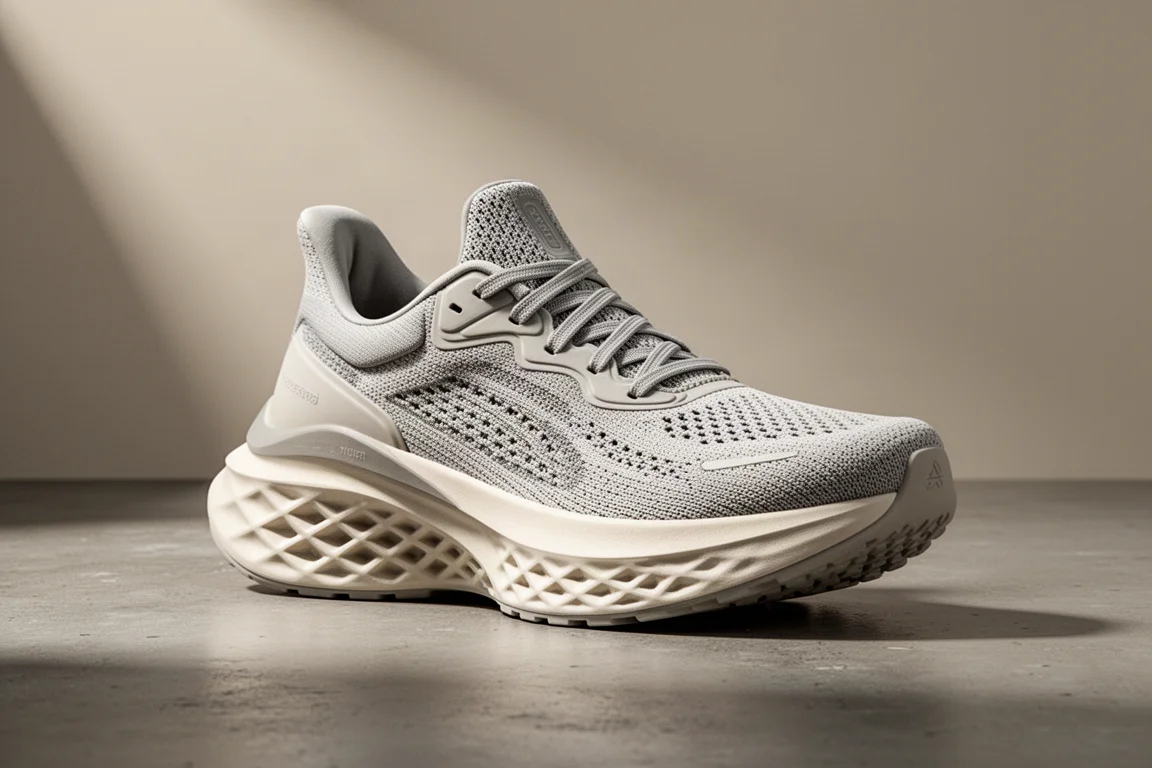
The Puma MagMax 2 sits about £30 cheaper and around 48 g heavier in equivalent sizes, with essentially the same stack and drop. It feels softer and is best suited to cruising at slower paces, and it is hard to recommend for anything faster than marathon pace. Both shoes excel on comfort, but the Superblast 3 simply gets you there a little quicker.
Buying Advice
If you have never run in the Superblast 2, the Superblast 3 is an easy recommendation as a comfortable long-run and marathon training shoe. If you loved version 2 specifically for its firm, stable ride, you may want to stock up on the outgoing model on sale and wait to see where version 4 goes. If you disliked version 2 for its firmness, the softer, bouncier version 3 is very likely to win you over.
Conclusion
ASICS has taken a genuinely unique shoe and moved it closer to what much of the market now offers: high stack, soft foam and a light weight. The good news is that it is doing it slightly better than everyone else. The Superblast 3 is a superb lightweight, bouncy, comfort-first super trainer, provided you accept the price and the slight stability trade-off that comes with all that new foam.
Further reading
Related Reviews

Running Shoes
Best Road-to-Trail Running Shoes: Three Versatile Options for Mixed Terrain
A practical guide to three road-to-trail running shoes that handle both pavement and mild trails, with clear strengths and trade-offs for different runner types.

Running Shoes
Best Running Shoes for Achilles Tendonitis: Three Options Explained
Three running shoes with different heel drops and support features designed to help reduce Achilles tendon pain during walking and running.

Running Shoes
Best Running Shoes for Women: Five Top Choices Ranked
A ranked guide to five women's running shoes, from versatile daily trainers to high-performance racing options, with real strengths and trade-offs for each.