Running Shoes
Asics Superblast 3 vs Saucony Endorphin Speed 5: Two Super Trainers, Two Different Personalities
Both shoes wear the super trainer badge, but they approach it from opposite ends: a cushioned, bouncy cruiser versus a snappier, firmer workout shoe.
Introduction
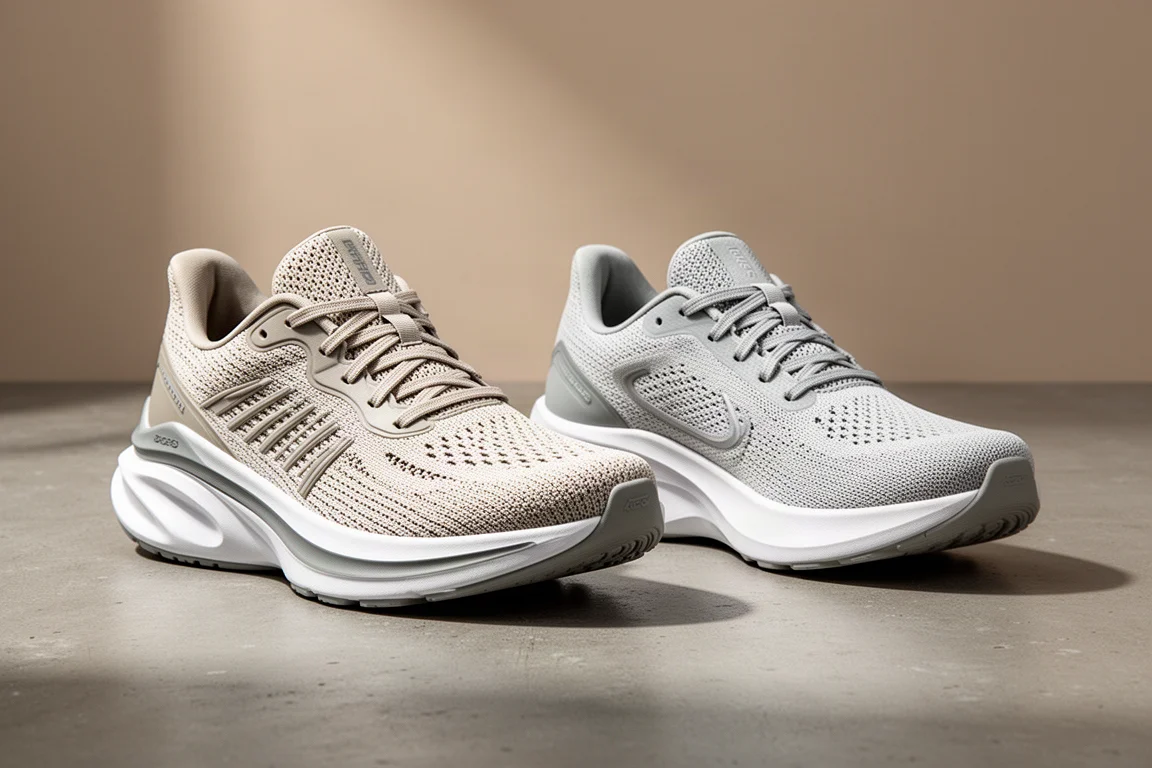
Few shoe matchups are as interesting as the Asics Superblast 3 versus the Saucony Endorphin Speed 5. Both sit firmly in the super trainer category, but they reach it from opposite directions. The Superblast 3 is a big, soft, bouncy shoe that somehow keeps a daily trainer weight, while the Speed 5 is a lighter, firmer, plate-equipped shoe that leans toward faster running. This comparison breaks down the specs, fit, ride character, and durability of each so you can decide which one belongs in your rotation.
Super Trainer vs Super Trainer: What Sets Them Apart
On paper, the two shoes are closer than their personalities suggest. The Asics Superblast 3 costs £200 or $210, weighs 232 g (8.2 oz) for men in a size 8, and has an 8 mm drop. The Saucony Endorphin Speed 5 costs £180 or $175, weighs 242 g (8.5 oz) in the same size, and also sits at an 8 mm drop. Despite the Superblast’s max-cushion look, it is actually the lighter shoe of the pair.
The Superblast 3 introduces the most changes of the two. Its midsole now combines FF Blast Plus cushioning with FF Leap foam, the same foam family used in Asics’ Metaspeed racing models. According to Asics, FF Leap is engineered to be 33% lighter and 13% more responsive than FF Blast technology while still cushioning for daily training. A trampoline-inspired outsole geometry in the forefoot is designed to promote energy return at toe off, the engineered woven upper manages moisture better, and a gusseted tongue wing system improves midfoot fit. The stack is around 1.5 mm higher than the Superblast 2, despite the shoe being lighter.
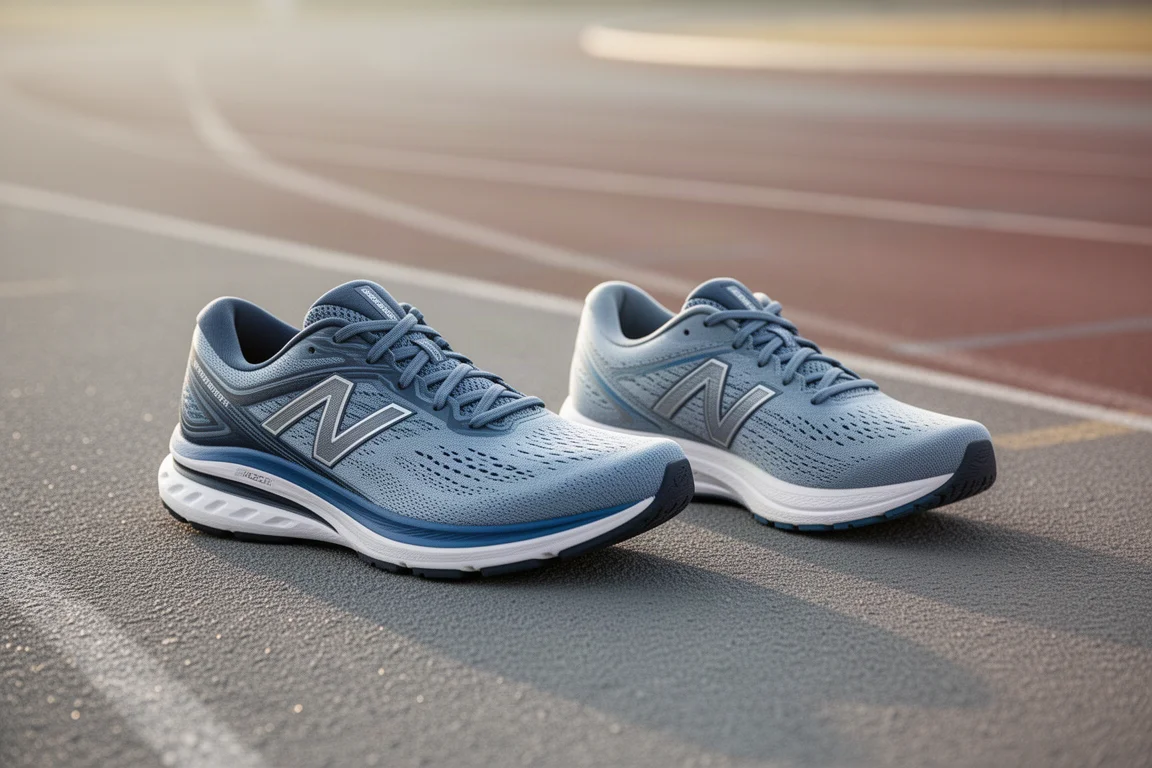
The Endorphin Speed 5 is more of an evolution than a redesign. It keeps the same PWRRUN PB foam as its predecessor, slightly tweaked to feel softer, and pairs it with updated geometry and plate design for a smoother, more natural, more stable ride. The outsole gains expanded heel coverage for durability, and a new single-layer engineered mesh upper improves breathability and comfort.
Asics Superblast 3: The Cushioned Cruiser
The Superblast 3 has shifted character in this generation. The foam is bouncy, soft, and genuinely fun, and the shoe now excels most at easy and daily runs. It has been used for a full marathon at around 5-minute kilometer pace and delivered a smooth, bouncy ride all the way through, which feels like the sweet spot for this shoe. It can handle faster work, including 800 m reps on the track and tempo runs, but it does not feel quick and nippy when you try to accelerate. The big heel can feel slightly cumbersome for heel strikers transitioning to the forefoot.
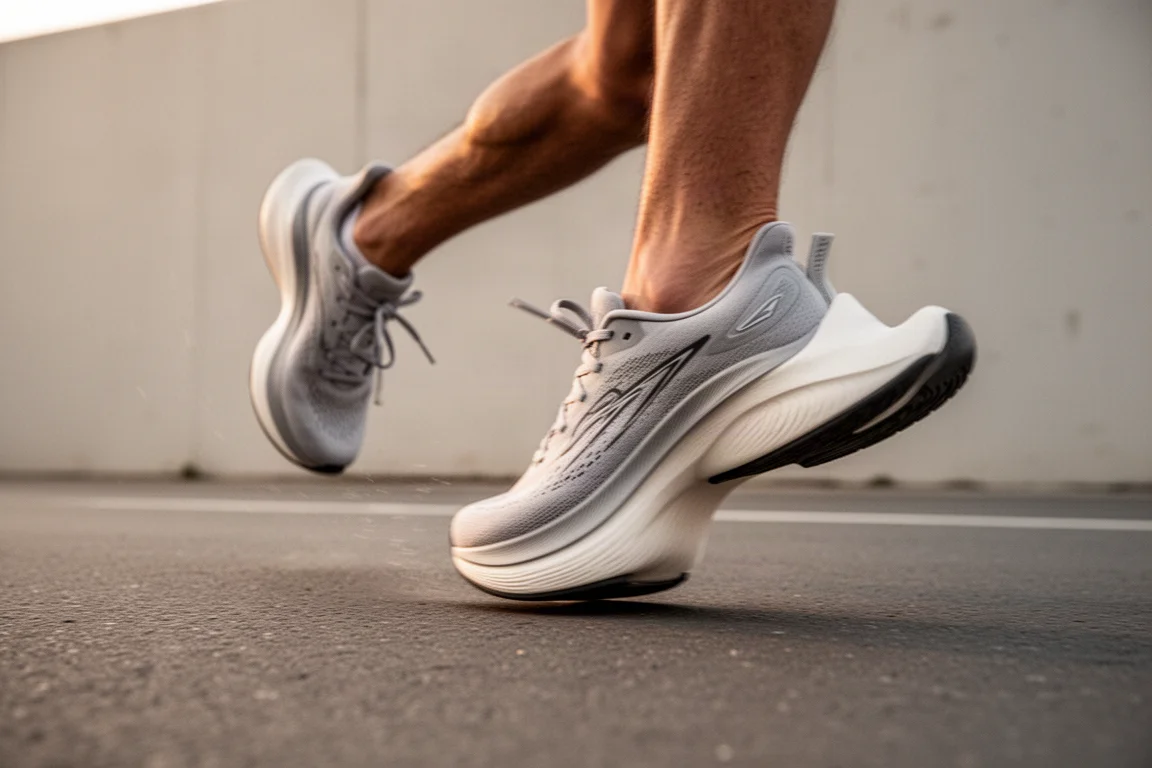
In exchange, you get a softer midsole, no plate, a more relaxed geometry, and noticeably more comfort than the Speed 5, especially under the forefoot on long, hard efforts. It is also the more stable of the two, with the softer foam spread across a broad base. Outsole durability looks strong: after over 100 km of testing, the thick rubber layer shows no signs of wear.
Saucony Endorphin Speed 5: The Speedy All-Rounder
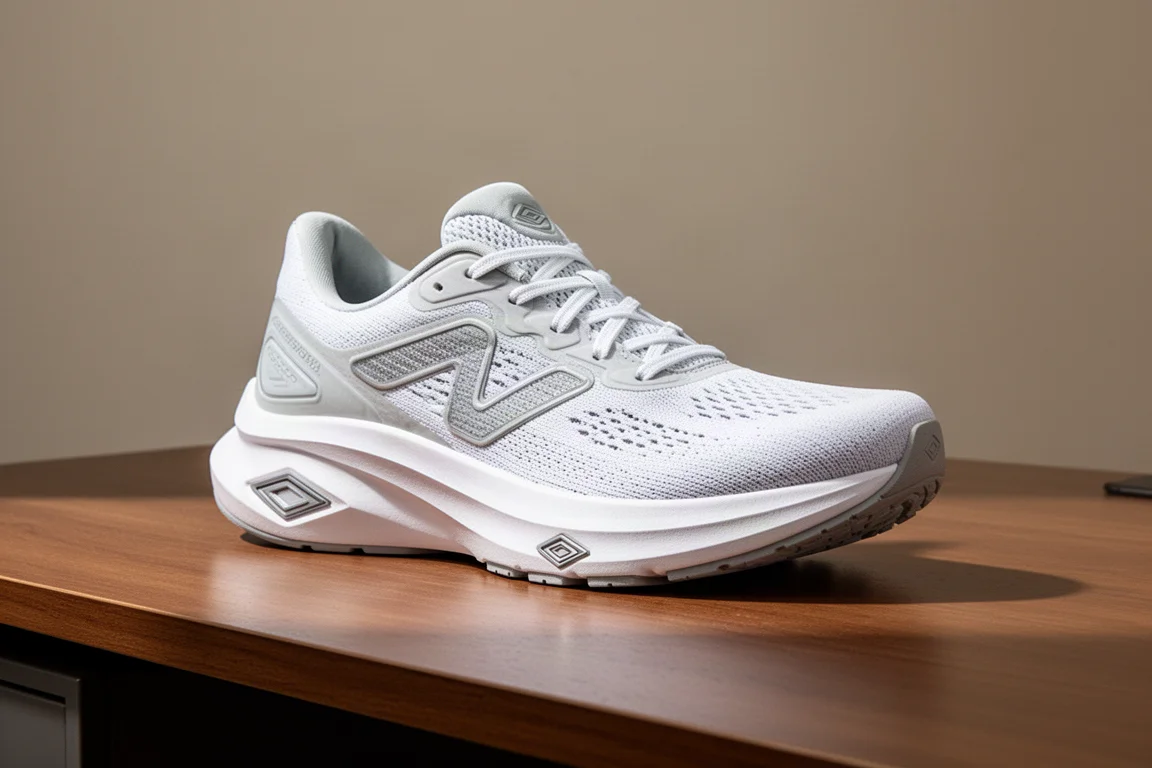
The Speed 5 remains a very balanced, very versatile shoe that skews toward the performance end of the spectrum. The Speedroll geometry, nylon plate, and PWRRUN PB foam combine for a snappy, responsive, more direct ride that works best from tempo pace upward. It has handled genuinely tough sessions, including an all-out parkrun sandwiched between two 5Ks at around 17:30 pace, and it can plausibly fill in for a carbon racer for workouts and even race day.
It is not a one-trick pony, though. The ride is firm but comfortable enough at the heel for easy paces, and many runners will happily cruise in it. There is notably less foam under the forefoot than the Superblast 3, so it is not as kind to tired feet over long, steady efforts, and it is not a great recovery shoe for most people. Outsole grip and durability have held up well, with a good layer of rubber and exposed midsole foam that stands up reasonably over time.

Fit and Sizing
Fit feedback across testers is broadly consistent: both shoes run true to size for most people, with good toe room, secure midfoot lockdown, and no heel slip. The Speed 5 holds slightly closer, particularly around the little toe, with a more conventional padded tongue, while the Superblast 3 offers a slightly more accommodating toe box and a gusseted, flat wrapping tongue. Heel collar padding is similar in both: comfortable without being overbuilt. One tester found that going half a size down in the Superblast 3 worked well because the shoe runs big and voluminous, so if you prefer a more compact fit, that may be worth considering. Both uppers are breathable, with no rubbing reported.
Ride Comparison
Wearing one shoe on each foot makes the contrast obvious. The Endorphin Speed 5 feels firmer, more direct, and peppier, with an aggressive toe-off from the plate and rocker. The Superblast 3 feels softer, more supportive on either side of the foot, and smoother at easy paces. In short, the Speed 5 behaves like a chilled-out carbon racing shoe, while the Superblast 3 behaves like an elevated daily trainer. They earn the super trainer tag from opposite ends: the Speed 5 excels at the fast stuff but stays versatile, and the Superblast 3 excels at the easy, long stuff but can step up when required without truly excelling there.
Which One Should You Buy?
If you want one shoe to do everything and you prioritize comfort over long distances, the Superblast 3 is the better buy. It is the cushioned, bouncy, fun option for daily miles, easy runs, and marathon training blocks, and it is the shoe most people will probably prefer for everyday training. If you want a fast training weapon for workouts, tempo runs, and even non-all-out races, the Endorphin Speed 5 is the faster, snappier shoe, and it comes in cheaper at £180 or $175 versus £200 or $210.
Some runners may even pair the two: the Superblast 3 soaking up daily and long-run mileage while the Speed 5 handles workouts, though that is an expensive way to build a rotation. If you must pick just one, think about where most of your miles fall. High-mileage runners who want comfort should choose the Superblast 3. Runners who spend most weeks in workouts and faster sessions should choose the Speed 5.
Conclusion
Both the Asics Superblast 3 and the Saucony Endorphin Speed 5 are excellent super trainers with strong racing credentials, but they serve different roles. The Superblast 3 is the lux long-run comfort cruiser, softer, bouncier, and slightly lighter, while the Speed 5 is the firmer, nimbler option with a real edge for faster running. Match the shoe to your pace profile and your budget, and either one will earn its place in your rotation.
Further reading
Related Reviews

Running Shoes
Best Road-to-Trail Running Shoes: Three Versatile Options for Mixed Terrain
A practical guide to three road-to-trail running shoes that handle both pavement and mild trails, with clear strengths and trade-offs for different runner types.

Running Shoes
Best Running Shoes for Achilles Tendonitis: Three Options Explained
Three running shoes with different heel drops and support features designed to help reduce Achilles tendon pain during walking and running.

Running Shoes
Best Running Shoes for Women: Five Top Choices Ranked
A ranked guide to five women's running shoes, from versatile daily trainers to high-performance racing options, with real strengths and trade-offs for each.