Running Shoes
ASICS Superblast 3 vs the Field: Five Max-Cushion Trainers Compared
The Superblast 3 goes head to head with the Superblast 2, Megablast, Adidas Prime X 3 and Nike Vomero Plus to find out which trainer deserves your miles.
Introduction
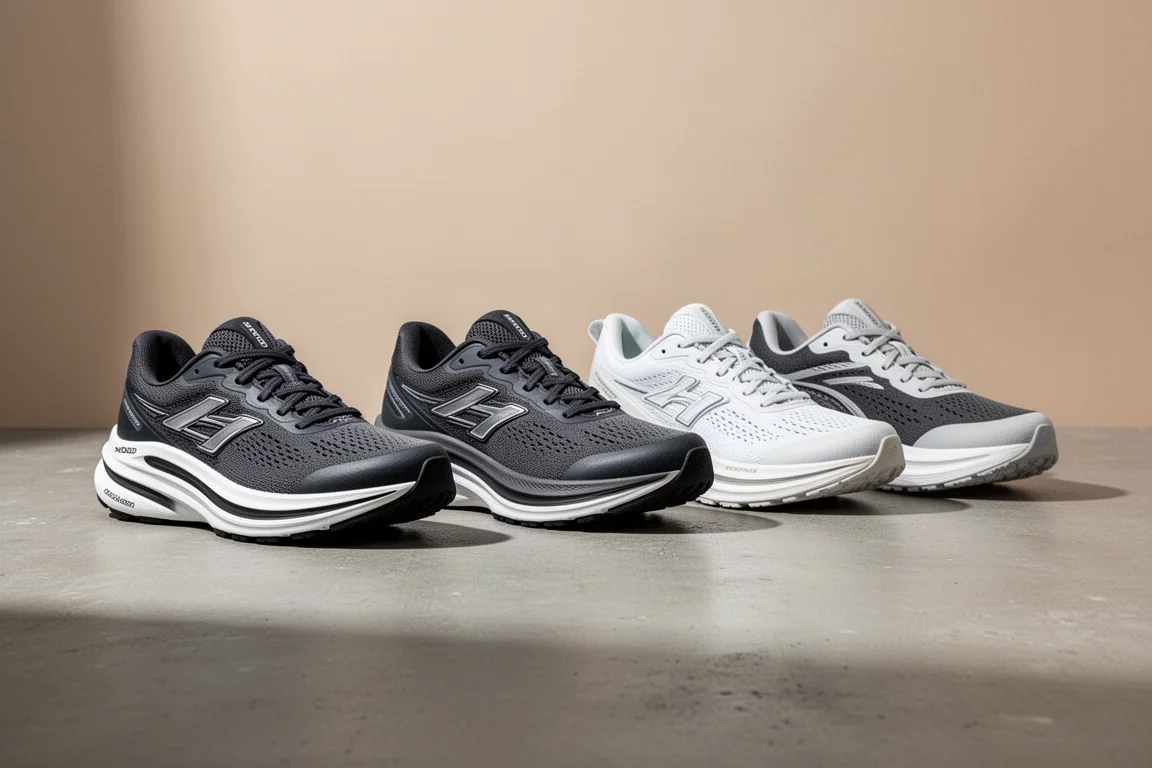
There are very few trainers that genuinely share a category with the ASICS Superblast 3 in terms of weight and stack specs, which makes direct comparisons tricky. Still, a handful of models come close enough to be worth lining up: its predecessor, the Superblast 2, the even lighter ASICS Megablast, the Adidas Prime X 3, and the Nike Vomero Plus as the outlier.
This comparison focuses on how each shoe actually feels underfoot, who it suits, and where the Superblast 3 fits among them. Most of the shoes compared here were UK size 11, with the Superblast 2 and 3 in a UK 10.5, a difference that does not change much in practice.
How the Line-Up Compares
The Megablast still holds the ASICS crown for the lightest trainer, coming in around 9 oz in a UK 11 with a stack close to the Superblast 2 and 3, though it costs slightly more. The Superblast 3 is almost 30 g lighter than the Superblast 2, with a little more stack and the same drop. All three ASICS max cushion models have similar forefoot and heel stack heights but noticeably different underfoot feel.
The Prime X 3 from Adidas is somewhat of an outlier: much heavier than the ASICS models with more surface area, but a very narrow 8.7 heel, which is worth taking note of. The Vomero Plus trails the field in weight, coming in over 2.3 oz heavier than the Superblast 3, making it very much an easy day option, though it is 45 pounds cheaper at retail.
ASICS Superblast 3: The King of Forgiving Cushion
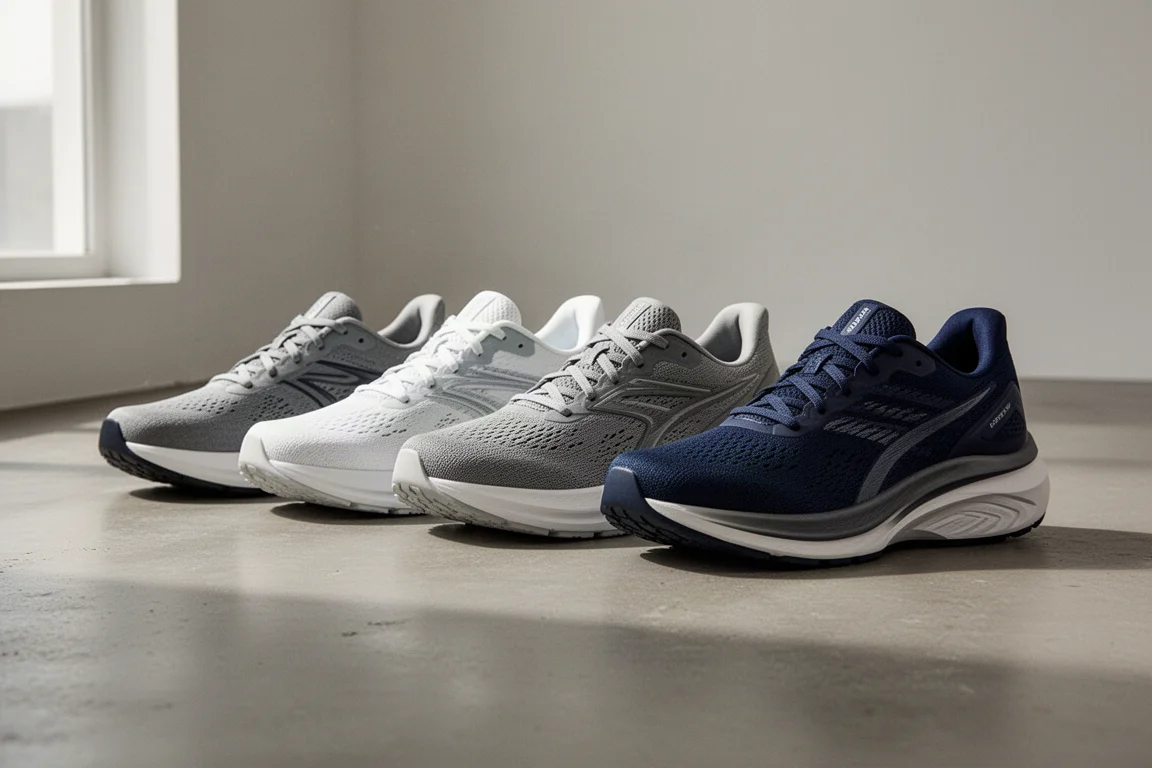
Out of the box, the Superblast 3 is much softer than the Superblast 2 and needs no break-in time. That comes down to the FF Leap (Flight Foam Leap) material, which is much more compressive, giving a more fun toe-off sensation straight away. Many people love the consistent underfoot feel here, a resilient combination of foams rather than the slightly hollow feel of earlier ASICS models.
The upper is very dialled in, with lace loops on the three that improve wrap around the foot. The outsole keeps plenty of ridges and delivers great grip on pretty much all surfaces, making it the safer pick on testing non-road terrain.
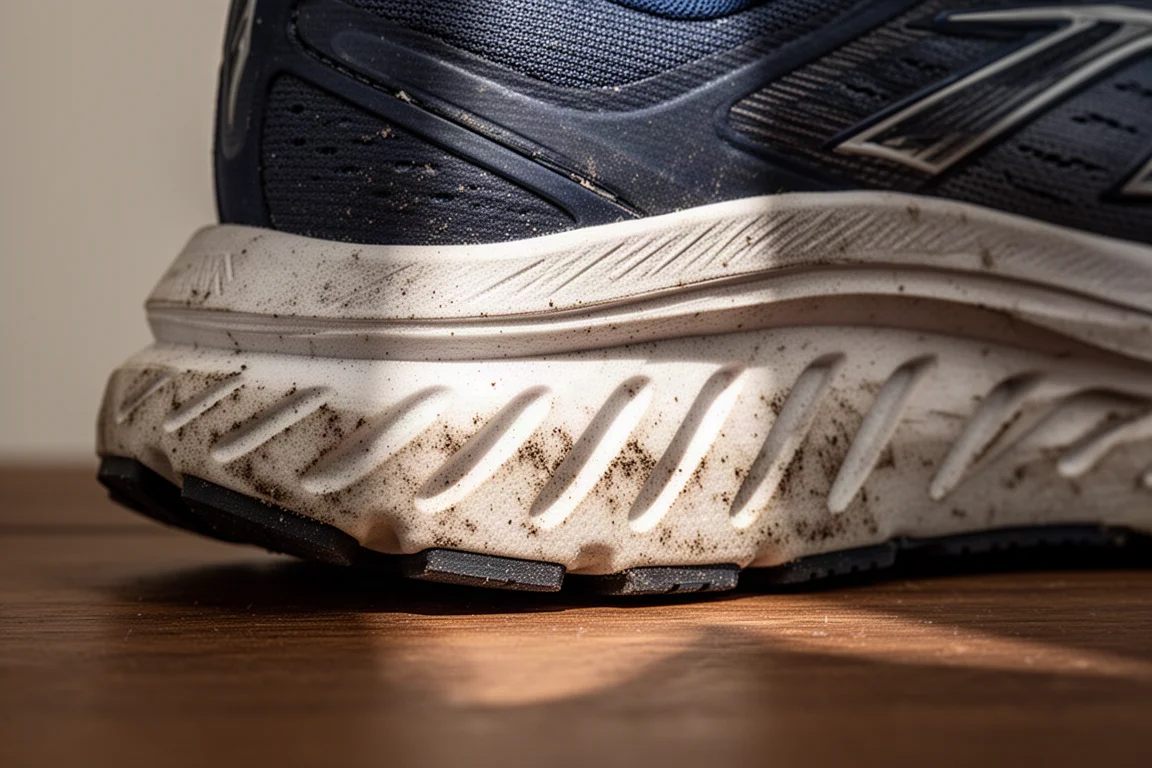
The Superblast 3 could appeal to runners after a marathon shoe without a plate, something with a bit of pop to help through the latter stages rather than a heavy brick. For forgiving cushion without the weight, it is hard to argue against.
ASICS Superblast 2: The Stable and Predictable Choice
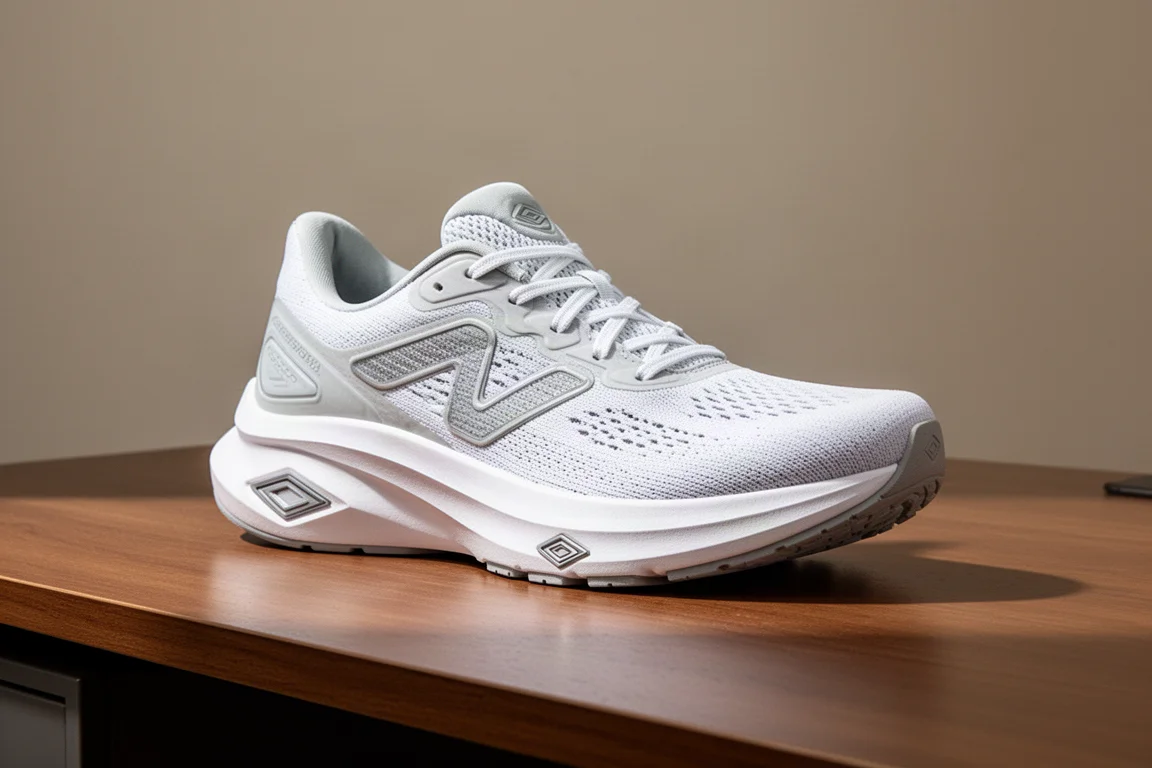
The Superblast 2 remains a great option if you want something a little more stable and predictable, even if it lacks the poppy toe-off feel of its successor. It needs a short break-in period that the Superblast 3 does not.
The upper is a bit more traditional, using standard eyelets rather than lace loops, and a runner’s knot lacing technique worked best here with no heel slip. The outsole is kept very similar between the two models, with lots of ridges and strong grip on most surfaces.
If you have loved these shoes over hundreds of kilometres, grabbing another pair of the Superblast 2 is still a sensible move. It is horses for courses rather than a case of one being bad.
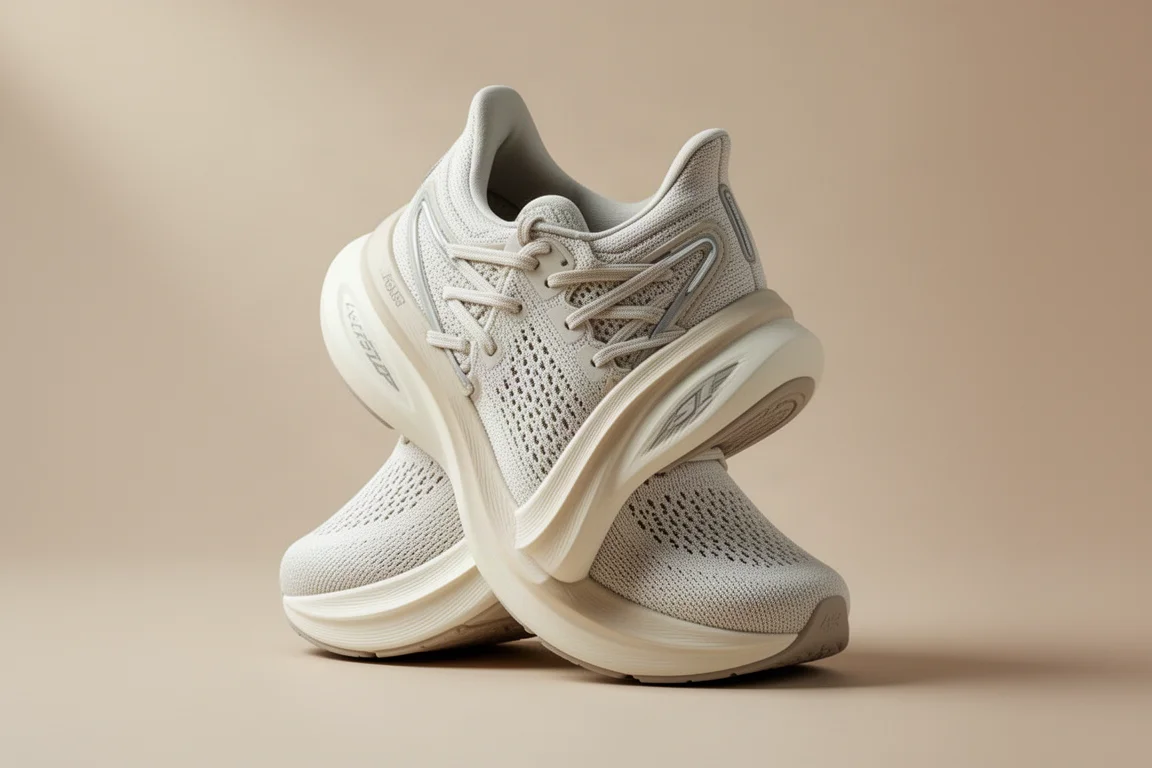
ASICS Megablast: Lighter and Bouncier
The Megablast is actually a little lighter than the Superblast 3, despite being tested in a half size larger, and it offers more wild bounce thanks to a single piece of FF Turbo Squared foam rather than a foam combo. That makes it feel softer in a different way, almost like a crazy fast trainer, and it works a little better at pace.
The upper is less of a success than in the Superblast 3: even with serrated laces, it sometimes needs retightening to get the right lock, and the toe box material is thinner. The outsole also shows more exposed midsole and fewer grooves, so traction is better suited to road and pavement than loose or testing surfaces.

Durability is a real strength, with barely any outsole wear and no damage to the foam over 100 miles. If you are aiming for faster pace sections within longer runs, the Megablast is the better pick; for steady efforts where you want impact protection, the Superblast 3 makes more sense.
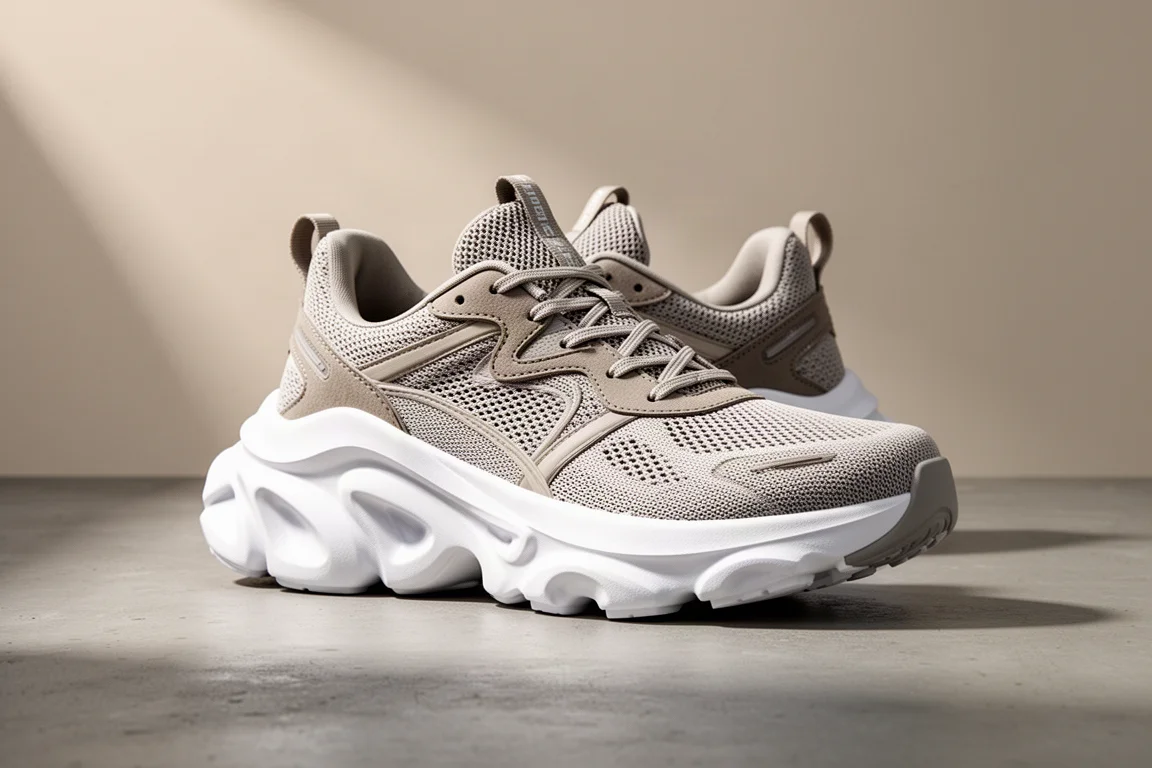
Adidas Prime X 3: The Wild Card
The Prime X 3 is a very different beast. It demands a mid-to-forefoot landing to make use of its tall front-end stack, and its very narrow 8.7 heel offers none of the width the Superblast 3 provides. It needs break-in too, coming alive around 40 miles as the foams compress and start moving.
There is plenty of rigidity here from the plate and energy rods, giving a more controlling, structured ride. It comes alive at pace and suits more experienced runners who do not need the width and forgiveness of the ASICS shoe.
As an older model it is now discounted, sometimes quite heavily, down to around 150 pounds in the UK. If you want a traditional, versatile trainer to soak up lots of miles, stick with ASICS; if you want structure and speed for advanced running, the Prime X 3 earns its place.
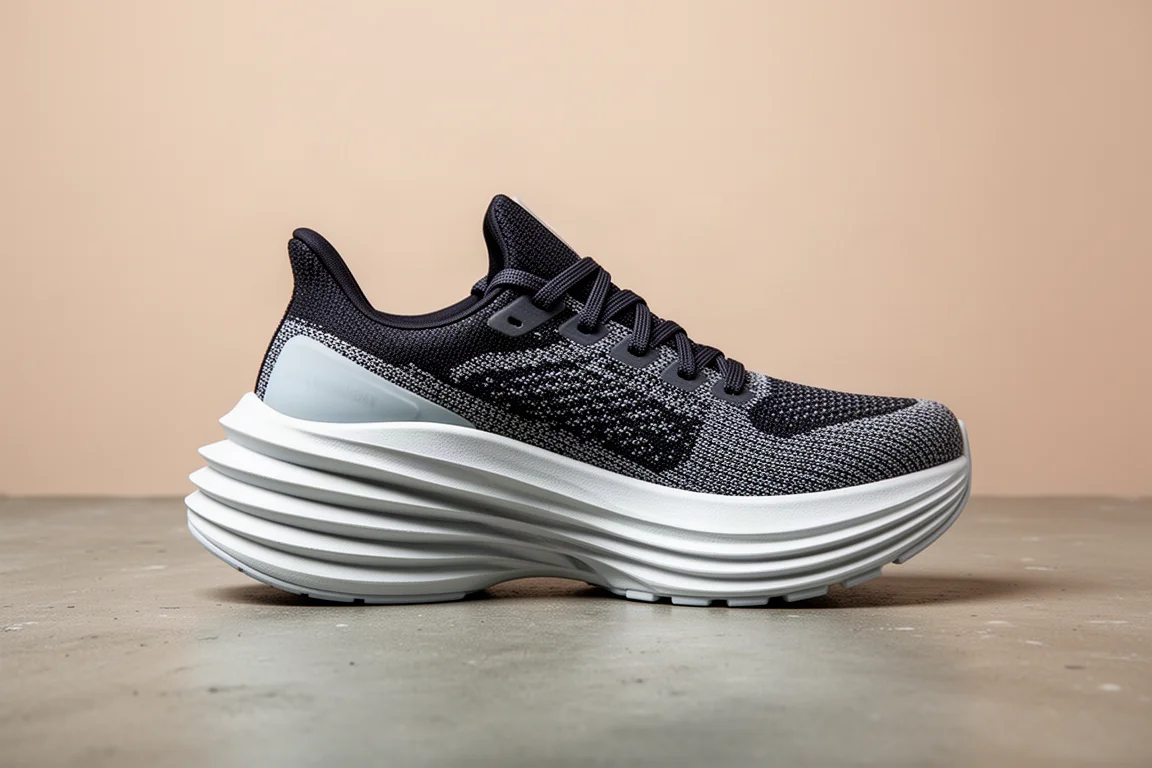
Nike Vomero Plus: The Easy Day Alternative
The Vomero Plus is the absentee in direct performance comparisons, simply because it is so much heavier and wider than the Superblast 3, coming in over 2.3 oz heavier in the same size range. That makes it very much an easy day, almost recovery-style shoe.
That does not make it a bad shoe at all. At 45 pounds cheaper at retail, it offers a lot of cushion for the money, just in a package aimed at relaxed mileage rather than versatile performance.
If your priority is comfortable, low-effort miles and value, the Vomero Plus fits the brief. If you want one shoe that can do easy days and faster work, the Superblast 3 remains the stronger all-rounder.
View more details for Nike Vomero Plus
Which One Should You Buy?
If you had to pick a single desert island shoe from this line-up, the Superblast 3 is the standout: forgiving cushion without the weight, no break-in required, and enough pop for marathon efforts. The Superblast 2 suits runners who value stability and a familiar feel. The Megablast is the lighter, bouncier pick for pace work. The Prime X 3 rewards experienced runners who want structure, and the Vomero Plus is the budget-friendly easy day option.
Conclusion
The Superblast 3 earns its reputation as the most versatile max cushion trainer in this group, but every shoe here has a clear identity. Match the shoe to the miles you actually run, and any of these five can be the right choice.
Further reading
Related Reviews

Running Shoes
Best Road-to-Trail Running Shoes: Three Versatile Options for Mixed Terrain
A practical guide to three road-to-trail running shoes that handle both pavement and mild trails, with clear strengths and trade-offs for different runner types.

Running Shoes
Best Running Shoes for Achilles Tendonitis: Three Options Explained
Three running shoes with different heel drops and support features designed to help reduce Achilles tendon pain during walking and running.

Running Shoes
Best Running Shoes for Women: Five Top Choices Ranked
A ranked guide to five women's running shoes, from versatile daily trainers to high-performance racing options, with real strengths and trade-offs for each.