Running Shoes
Asics Superblast 3 vs Megablast: How the Blast Line Finally Makes Sense
The Superblast 3 gets a major update with FF Leap foam, more forefoot energy return, and a lighter build. Here is how it sits against the Megablast and what to buy.
Introduction
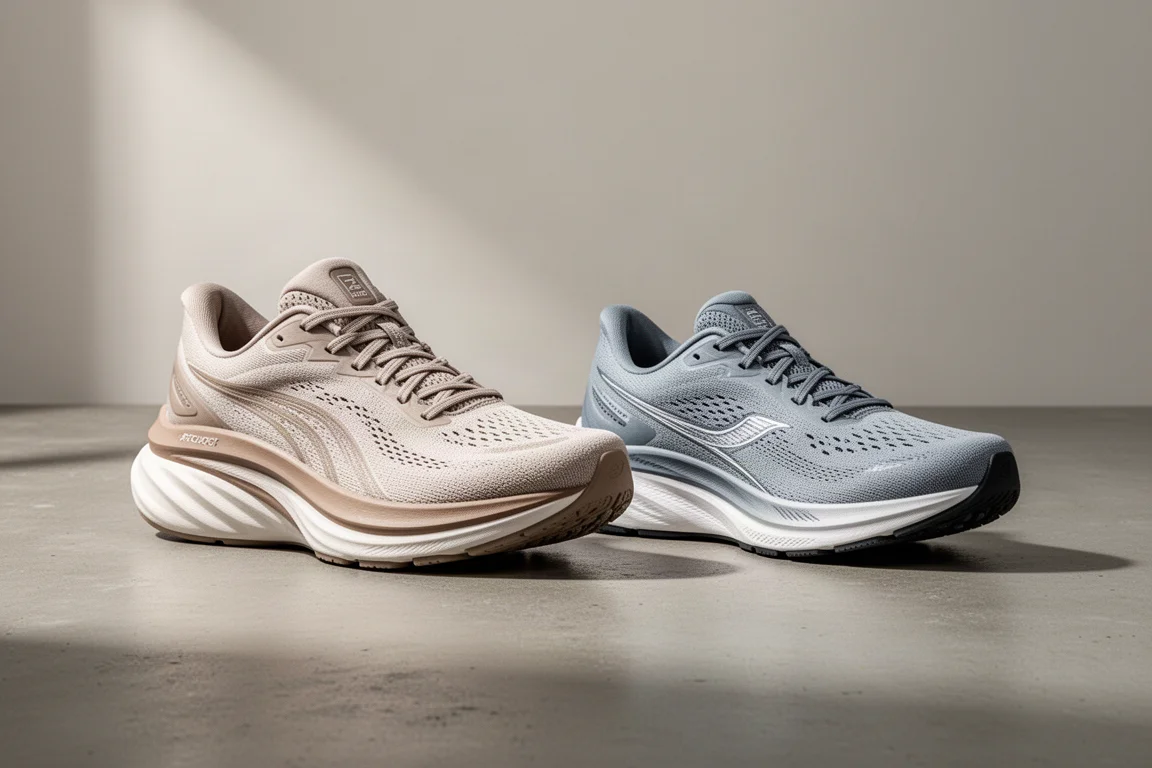
The Blast line has quietly become one of the most talked-about families in running. Nova Blast, Sonic Blast, Superblast, and Megablast each occupy a distinct slot, but the Superblast was the shoe that started it all: a tall, protective trainer built with race-level foam and no plate at all. With the Superblast 3, Asics has taken its biggest step forward yet, borrowing the new FF Leap foam from the Metaspeed line and reshaping the entire ride. This update also does something the Megablast launch could not: it makes the differentiation across the whole Blast family finally clear.
What Is New in the Superblast 3
The Superblast 3 keeps the core idea that made the original a phenomenon, a super-shoe feel without a plate, but the changes here are anything but incremental. The headline addition is FF Leap, the very soft, extremely bouncy, lightweight foam first introduced in the Metaspeed racer. Wrapping it around the proven FF Blast Plus as a two-layer system gives the shoe more forefoot pop without losing the protective, structured character the Superblast is known for.
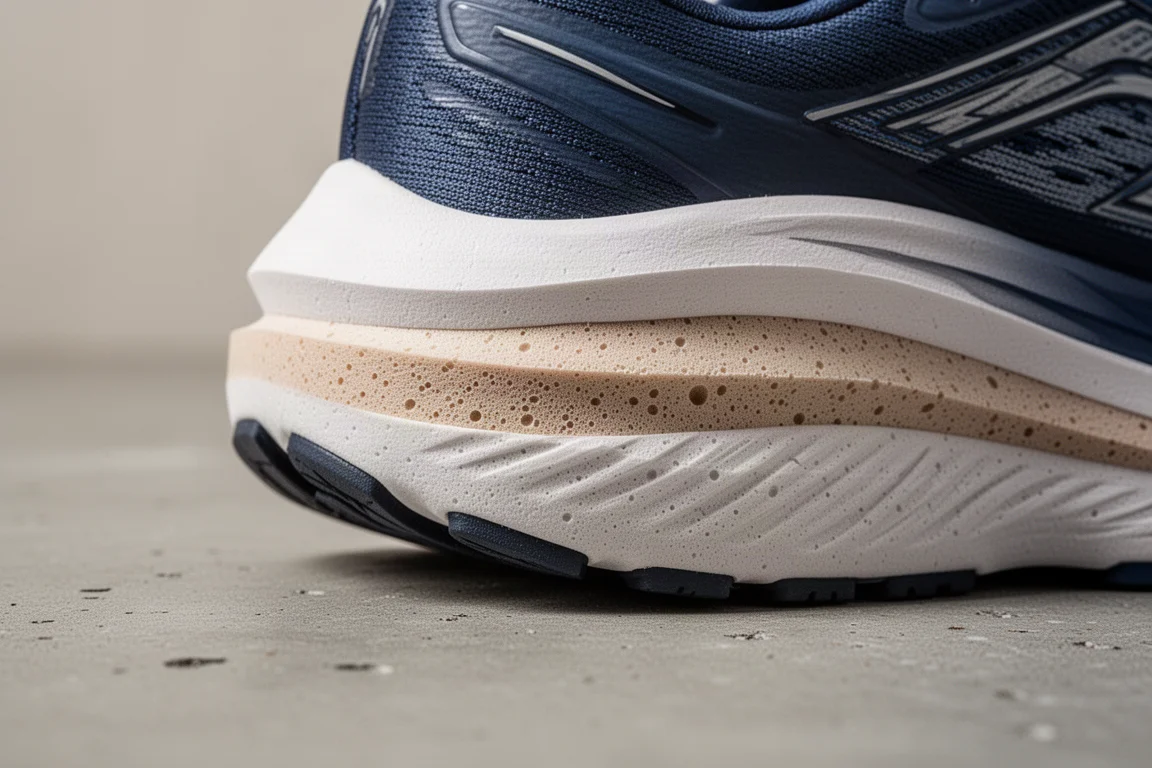
The result is a shoe that still feels protective and rockered, but with a noticeably softer step-in, a deeper sink into the midsole, and a spring-back sensation that the firmer second version never quite delivered. If you loved the Superblast 2 as a structured lightweight rocker, expect a bit more give and send this time around.
Midsole and Construction
The two-layer midsole places FF Leap on top and FF Blast Plus on the bottom. Asics tested several alternative bottom-layer foams before returning to Blast Plus, citing the best overall experience in this construction. The paint line on the midsole can look like a full foam split, but only about 10 millimeters of Blast Plus runs along the bottom layer, adding stability, durability, and reinforcement.
Along the medial arch, that bottom layer rises slightly to harness the softer top foam and keep the foot more controlled at midstance. The sidewalls are also lifted a touch to help the foot sit securely without much movement. The signature trampoline-style bounce pod is far more pronounced this time: a diamond-shaped structure now sits in the top sole beneath the upper, so foot pressure at forefoot compression actively loads it, engaging on ground contact and pushing back on toe-off.

Asics measures roughly 15 percent more energy return in the forefoot compared to the previous Superblast, achieved at 10 grams less weight. A men’s size 9 comes in around 239 grams, with savings coming from the new foam, reduced midfoot outsole rubber, and upper updates. Stack height changes only half a millimeter, a negligible difference, because the existing stack and offset have hit a sweet spot for comfort and athlete adoption.
Upper, Fit, and Lacing
The upper stays woven, engineered to run more seamlessly with the foot. The lacing system is the most distinctive change: the first three eyelets use traditional punch holes, while the lower eyelets route the laces through a corded system. The goal is a more personalized fit down low, useful for the long runs this shoe attracts, when feet swell and shift forward. It also creates an opportunity for contrast or tonal color pops at the lower lace loop.
The tongue keeps a similar shape but gains larger ventilation holes for breathability. A rear heel graphic serves as a deliberate tribute to Superblast fans, tracing the journey from first lace-up to the road, to the finish, to celebration. The side design theme is a “temporal fold,” a visual of moving beyond light speed, with speed lines and a galaxy-like collapse across the panel.

Fit-wise, the Superblast 3 feels more spacious in the forefoot than versions one and two, and the woven material reads a touch softer. In long-run testing there were no hot spots or blisters. The same last is retained, but the material stretch and the softer foam platform naturally give the impression of a slightly higher-volume toe box.
How It Runs
At easy paces, the Superblast 3 is rhythmic and pleasant, almost wanting to bounce rather than sprint. The wide platform and moderately firm structure keep the tall stack stable despite the softer top layer. On longer efforts, the shoe remains protective and consistent mile after mile, and when you cut the pace down late in a run, it responds surprisingly well. That range, from slow to mid to fast, is exactly the versatility that made the original such a hit with runners who wanted protection without committing to a carbon-plated racer.
Megablast: The Premium Expression of Bounce
The Megablast remains the boundary-pusher in the family, the premium expression of bounce and lightweight performance. Its midsole is a single piece of foam, it carries a slightly firmer underfoot feel than the new Superblast, and it delivers a touch more energy return at a lighter weight. The upper leans race-oriented and more transparent, with saw-tooth style lacing reminiscent of the Metaspeed racers.
Where the Megablast separates itself is at speed. At slow paces it can feel a little less efficient and slightly wobblier, with more energy to harness, while it truly sings once you move to midfoot and forefoot running. Runners whose easy pace sits in the low to mid sevens may find the Megablast smooth enough for daily use with more upside on tempo days and a better option if racing is on the calendar.
Superblast 3 or Megablast?
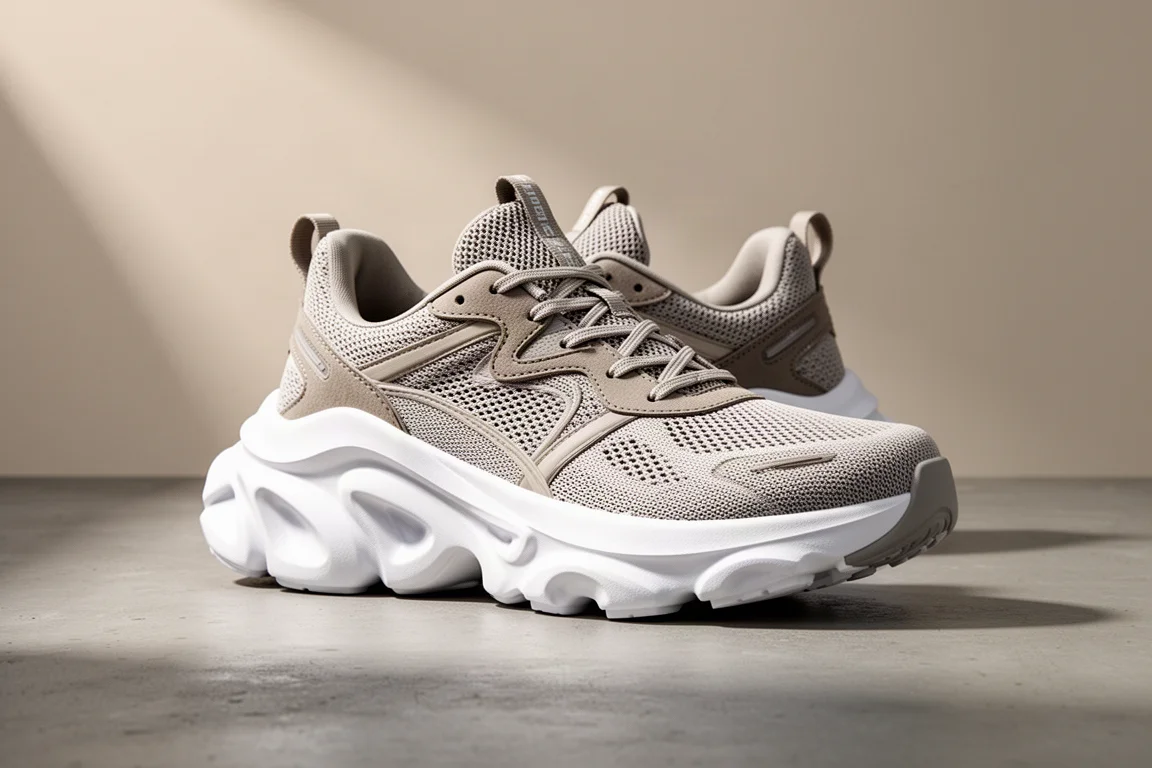
Put side by side, the choice comes down to how you actually run. The Superblast 3 feels much softer on initial step-in, uses a more traditional structured upper, and moves efficiently at genuinely slow paces while still rewarding tempo efforts. The Megablast feels a touch firmer, more technical, and faster, but demands more from you when you are shuffling.
If you want one shoe that does everything, easy days, long runs, and the occasional cutdown, the Superblast 3 is the video game cheat code, refined. If you have races planned and want the most bounce and the lowest weight, the Megablast earns its slot. Even the product line manager behind both shoes would keep the Superblast as the one-shoe pick for slower, versatile, travel-friendly running.
How the Blast Family Lines Up
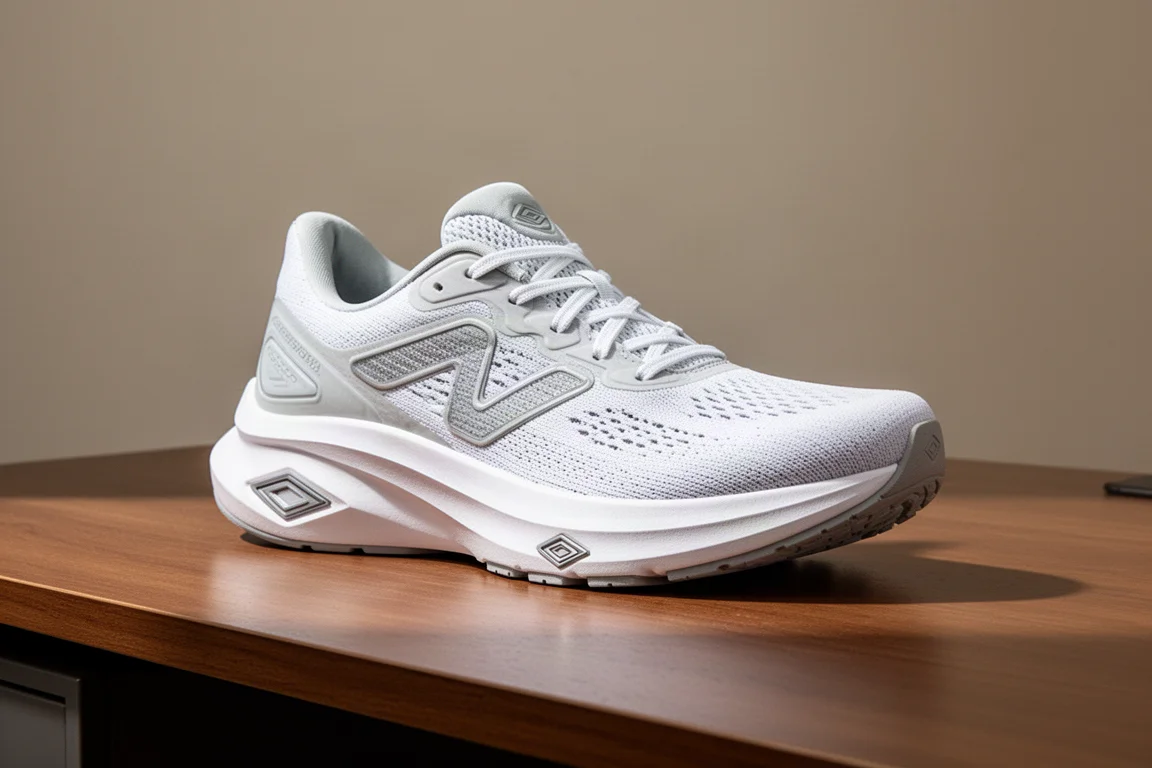
The full line now reads as a clean ladder. Nova Blast is the balanced everyday option. Sonic Blast pairs the Nova-style bottom layer with a Pebax plate and Turbo Square top foam for snappier uptempo work. Superblast is the energetic yet protective Swiss Army knife, and Megablast is the premium, lightweight expression of bounce.
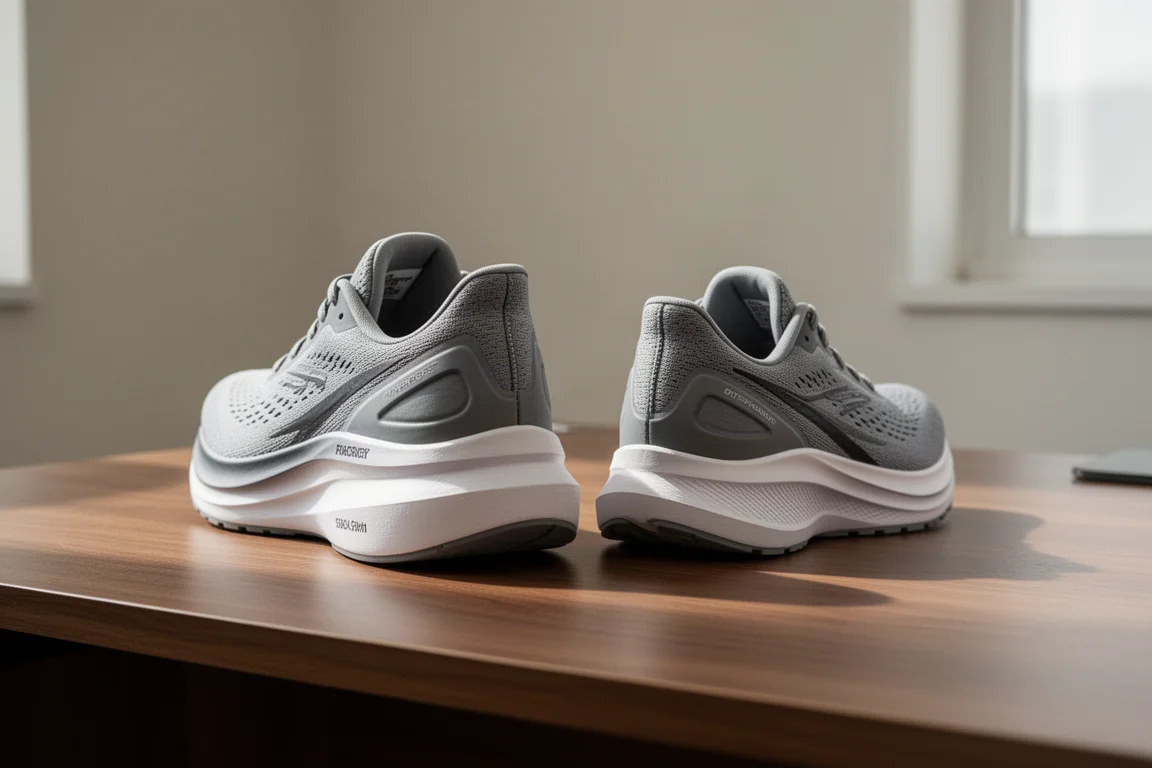
Each model is tuned to a measured, differentiated level of bounce, so stepping up the line means a genuinely different experience rather than a slight remix. Future updates to Nova and Sonic are expected to borrow some of the Superblast 3’s thinking, which speaks to how central this update is to the whole family.
Buying Advice
The Superblast 3 launches at $210 in early March, with an extreme cobalt blue execution matching elite athlete uniforms, plus an all-white option with black accents and a coral version, and further colorways through summer and fall 2026. Buy it if you want a protective high-stack trainer with more bounce than ever and no plate. Pick the Megablast if speed and racing matter more than all-around comfort. Either way, the two shoes no longer blur together, which is exactly what this update was built to fix.
Conclusion
The Superblast 3 is the update that makes the entire Blast line coherent: softer step-in, roughly 15 percent more forefoot energy return, 10 grams lighter, and the same trusted stability. For most runners wanting one versatile, protective, bouncy trainer, it is the obvious pick, while the Megablast holds its ground as the premium speed-leaning option.
Further reading
Related Reviews

Running Shoes
Best Road-to-Trail Running Shoes: Three Versatile Options for Mixed Terrain
A practical guide to three road-to-trail running shoes that handle both pavement and mild trails, with clear strengths and trade-offs for different runner types.

Running Shoes
Best Running Shoes for Achilles Tendonitis: Three Options Explained
Three running shoes with different heel drops and support features designed to help reduce Achilles tendon pain during walking and running.

Running Shoes
Best Running Shoes for Women: Five Top Choices Ranked
A ranked guide to five women's running shoes, from versatile daily trainers to high-performance racing options, with real strengths and trade-offs for each.