Running Shoes
ASICS Superblast 3 vs Hoka Skyward X 2: Which Max Cushion Trainer Fits Your Running?
Two of the strongest max cushion shoes of the year go head to head: soft bounce and range from the Superblast 3, smooth protection from the Skyward X 2.
Introduction
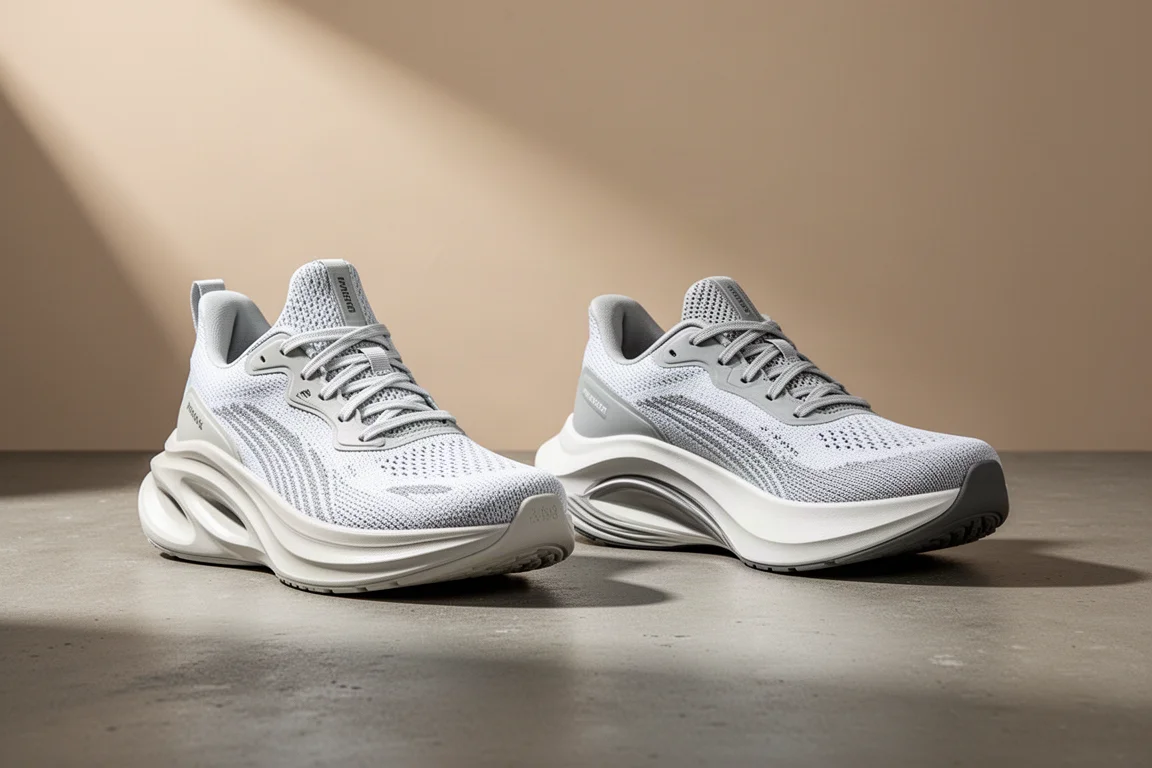
Max cushion shoes have quietly become the workhorses of serious training, and two models sit at the top of the category right now: the ASICS Superblast 3 and the Hoka Skyward X 2. Both deliver a tall, protective platform, and both have spent plenty of time on real recovery runs and easy miles in recent weeks. But they are not interchangeable, and choosing between them comes down to how you actually train.
Two Shoes, Two Very Different Missions
The Superblast 3 has been put through serious mileage, with well over 100 miles of heel-striking wear showing on the tested pair. It has become the go-to for relaxed daily miles while still keeping the option to push pace. The Skyward X 2 is newer, debuting with a 20-mile long run right before Boston and since racking up treadmill sessions and easy recovery days. Right away the split is clear: the Superblast is the versatile one, the Skyward X is the comfort cruiser.

Construction and Ride Feel
Both shoes use dual-foam midsoles, but the layering works in opposite directions. The Superblast 3 pairs a very soft, highly advanced TPU foam on top with a firmer foam frame underneath. The Skyward X 2 stacks a PEBA top layer over supercritical EVA, topped with a carbon fiber plate. The plate exists for the same reason it does in race shoes: to stabilize the platform, reinforce the rocker, and direct energy forward rather than to add speed itself.
The takeaway on foam: the Superblast 3 has the better top layer, while the Skyward X 2 has the better bottom layer. If you want a very soft step-in feel with a bouncy ride, the Superblast wins. If you prefer a firmer, denser, more protective platform, the Skyward X is the pick.
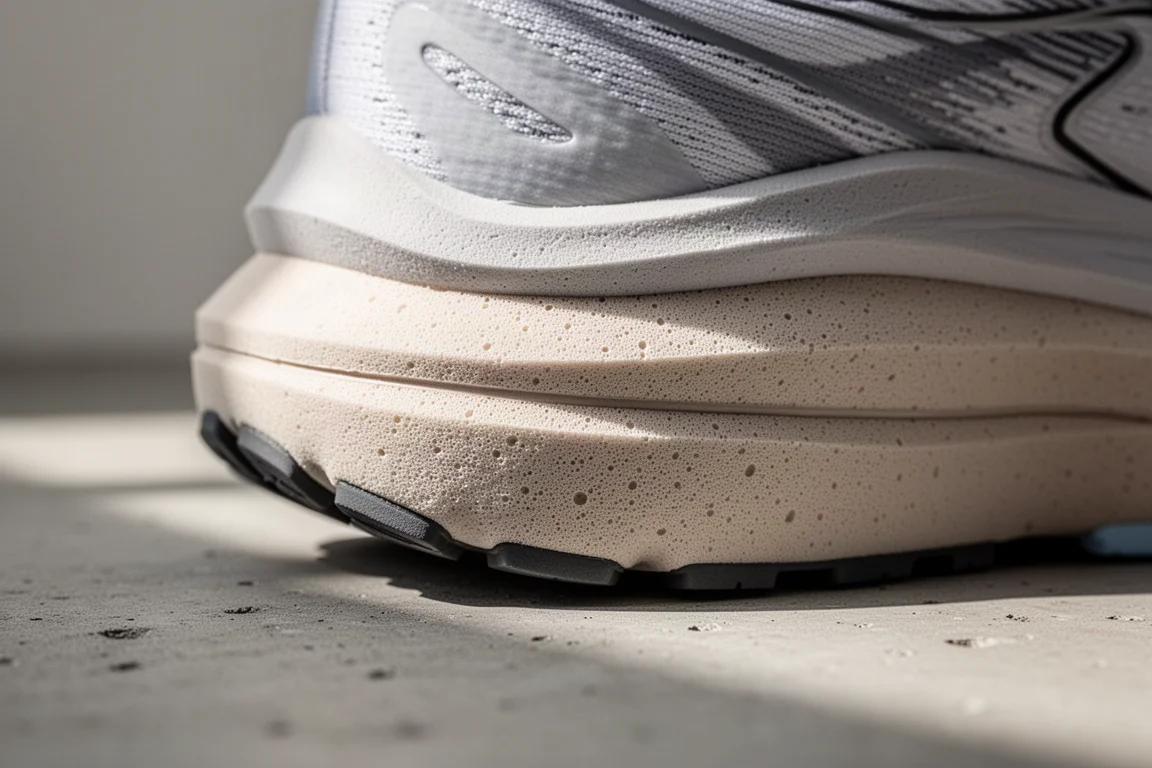
Stability is a tie. Both have wide bases, both wrap foam around the sides of the foot for a cradle effect, and both feel sturdy and secure even for runners with stability concerns. Geometry, though, goes to the Skyward X 2. Its rocker is beautifully smooth from heel through a flat midfoot into a gentle forefoot roll, making it a set-it-and-forget-it shoe. The Superblast has more chop, with roughly an inch of foam overhang at the heel, though its soft top foam makes it easy to forgive.
Versatility and Speed
This is where the Superblast 3 pulls away. At around 240 g in a size 10.5, versus roughly 300 g for the Skyward X 2, it is dramatically lighter. It cruises comfortably at easy paces, handles mid-range efforts, and has even been pushed through marathon-pace miles, though that is not where it is optimal. For anything faster, it is the clear winner, even though the Skyward X technically carries a plate, because the Skyward’s wide platform and dense foam make it far from a fast shoe.
If you want one shoe that can genuinely do it all, the Superblast 3 is the better choice. If you want a shoe that keeps you honest on slow days and never tempts you into strides, the Skyward X 2 is deliberately un-tempting in the best way.
Recovery and Long Run Comfort
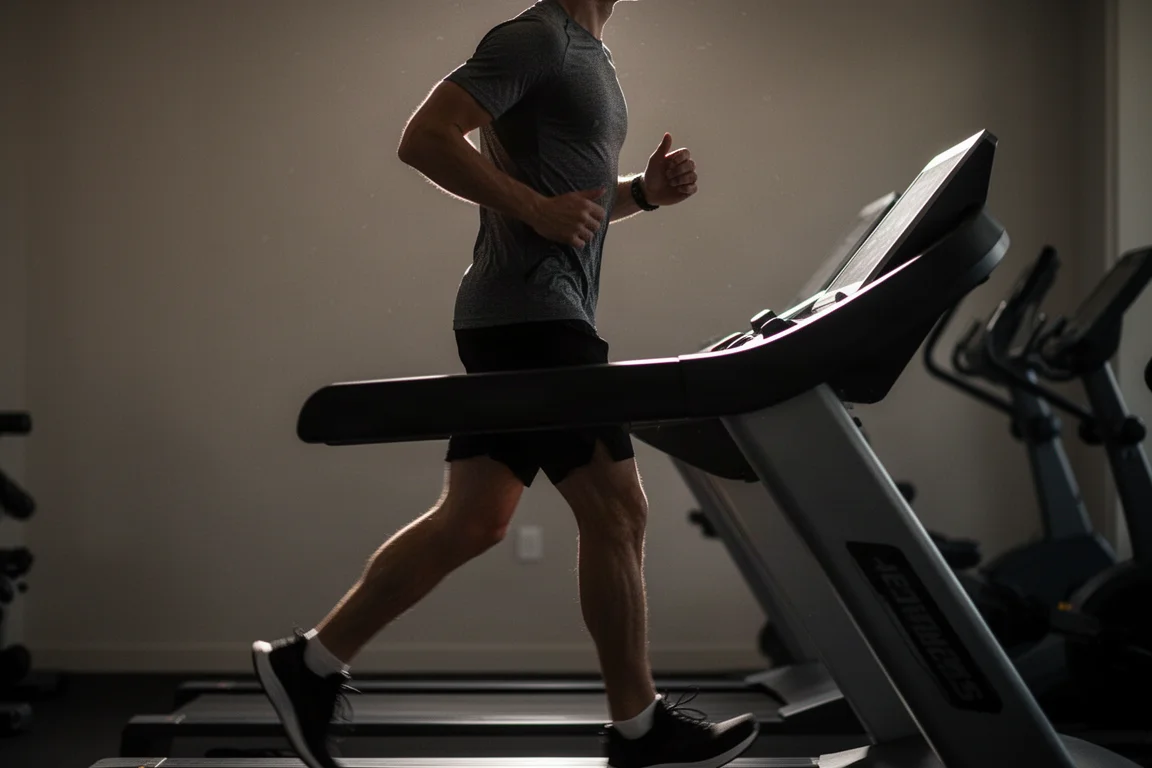
For pure recovery running, the Skyward X 2 has become the recent favorite. It supports relaxed zone one and zone two miles without punishing you for going slow, something some other super trainers fail at. It held up comfortably through 20 miles at around a 6:50 to 7:00 per mile pace out of the box, but its real gift is making slow miles feel luxurious. If your priority is comfortable long runs and recovery days, this is one of the best shoes on the market right now.
Durability, Grip, Fit and Price
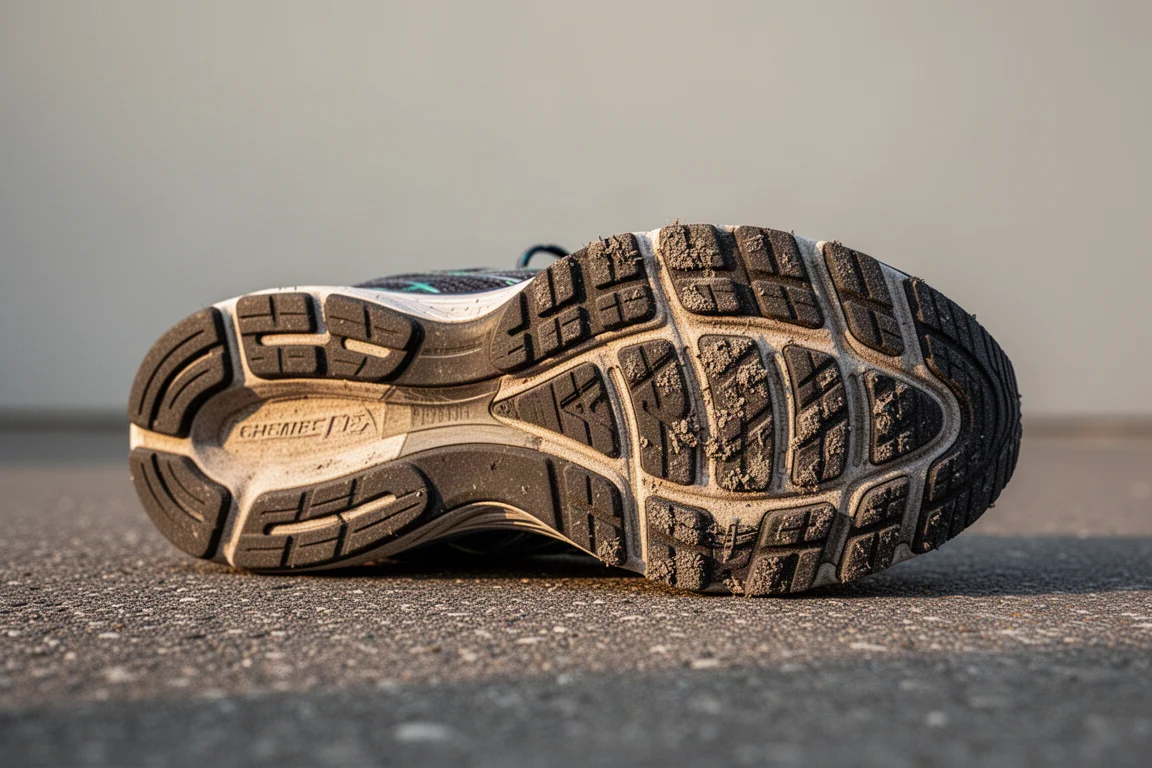
Outsole durability is roughly a tie for a 300-mile target. The Superblast has historically been very durable, though this pair is wearing faster than expected at similar mileage. In wet conditions, the Superblast’s grip is fantastic while the Skyward X is solid.
Fit differs meaningfully. The Superblast 3 has a wider, more voluminous, forgiving upper, though its thin tongue has caused lace bite for some runners chasing that weight saving. The Skyward X 2 fits true to size for most, with more tongue padding, but some runners size up or find the midfoot slightly tight, so wide-footed runners should take note. Pricing sits at $225 for the Superblast 3 versus $210 for the Skyward X 2, a $15 difference that should not drive the decision. Discounts on the Skyward X 2 should appear once it is widely released.
Buying Advice
Think in terms of training zones. If your focus is zone two and zone three, faster daily miles, hill sprints, and progression runs, get the Superblast 3. If your focus is zone one and zone two, high-mileage weeks, and comfortable long-run cruising, get the Skyward X 2. A runner chasing faster daily miles with one do-it-all shoe should lean Superblast; a high-mileage runner grinding through big weeks should lean Skyward X. If forced to pick only one, the Superblast 3’s range gives it the edge.
Conclusion
You cannot go wrong with either shoe. The Superblast 3 is the slightly faster, lighter, more versatile trainer with a bounce-forward ride. The Skyward X 2 is the more comfortable, protective, smooth-riding recovery and long run shoe. Match the shoe to the phase of training you are actually in, and both will earn their spot in the rotation.
Product link
View more details for Asics Superblast 3
This product is mentioned in the review. Check the specifications, options, and compatibility before buying.
View more details for Asics Superblast 3Further reading
Related Reviews

Running Shoes
Best Road-to-Trail Running Shoes: Three Versatile Options for Mixed Terrain
A practical guide to three road-to-trail running shoes that handle both pavement and mild trails, with clear strengths and trade-offs for different runner types.

Running Shoes
Best Running Shoes for Achilles Tendonitis: Three Options Explained
Three running shoes with different heel drops and support features designed to help reduce Achilles tendon pain during walking and running.

Running Shoes
Best Running Shoes for Women: Five Top Choices Ranked
A ranked guide to five women's running shoes, from versatile daily trainers to high-performance racing options, with real strengths and trade-offs for each.