Running Shoes
Asics Superblast 3 vs Adidas Hyperboost Edge: Two Premium Super Trainers Compared
Two of 2026's most exciting super trainers go head to head. We compare fit, stack, ride feel, and value to help you pick the right daily trainer.
Introduction
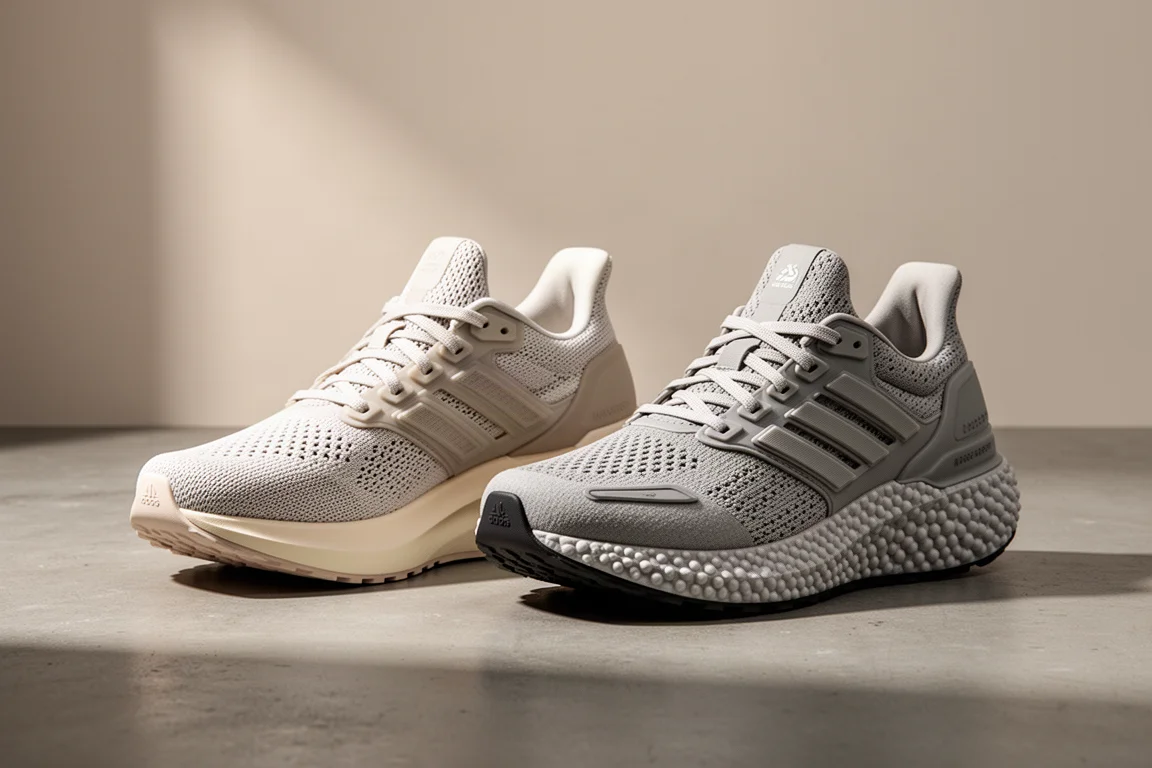
The Asics Superblast 3 and the Adidas Hyperboost Edge are two of 2026’s most interesting launches. One continues a much-loved line, the other is an entirely new entry, and both are positioned as premium super trainers that make everyday miles more fun. After testing both across easy, steady, and tempo runs, this comparison breaks down where they differ and which one deserves your money.
At a Glance: Specs and Pricing
Both shoes come with the high price you would expect from this category. The Asics Superblast 3 costs £200 or $210, while the Adidas Hyperboost Edge is a bit cheaper at £170 or $200.
The Superblast 3 is the slightly lighter shoe at 245 g (8.6 oz) in a UK 9, which is a US size 10. The Hyperboost Edge weighs 255 g (9 oz) in a UK 9, though that corresponds to a US 9.5, so the Adidas is the slightly smaller shoe while still being a touch heavier. On geometry, the Superblast 3 has an 8 mm drop, standing 46.5 mm at the heel and 38.5 mm at the forefoot. The Hyperboost Edge has a 6 mm drop at 45 mm heel and 39 mm forefoot, so both sit firmly in max-stack territory.
Asics Superblast 3: Soft, Bouncy, and Comfortable
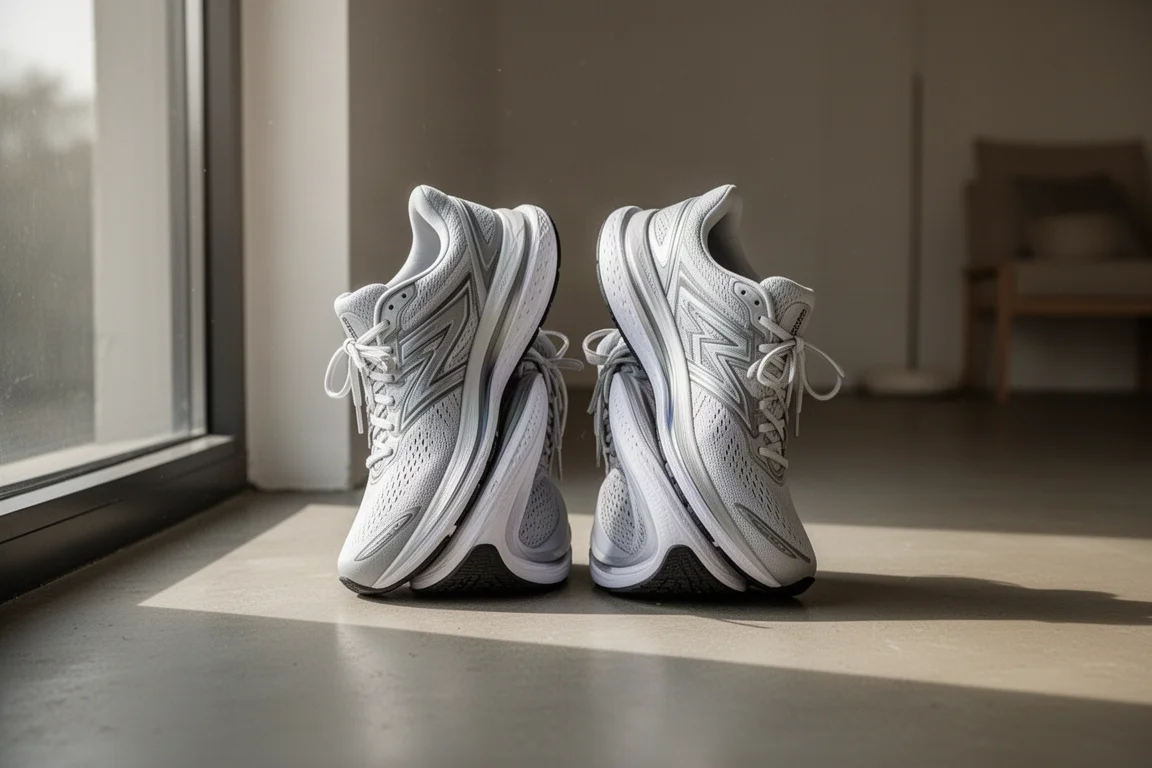
The Superblast 3 keeps things simple where it counts. The lightweight mesh upper is paired with light padding around the heel, and it fits exactly as you would expect from Asics: comfortable, with enough room around the toes and a good hold through the heel and midfoot.
The midsole uses two foams. The top layer is FF Blast, the softest and bounciest foam in the Asics range, while the firmer FF Blast Plus underneath adds stability and durability to the platform. The outsole is Asics Grip rubber laid down in patches, which is a much less full coverage than the Adidas and one reason the Adidas is slightly heavier.
Adidas Hyperboost Edge: Structured and Responsive
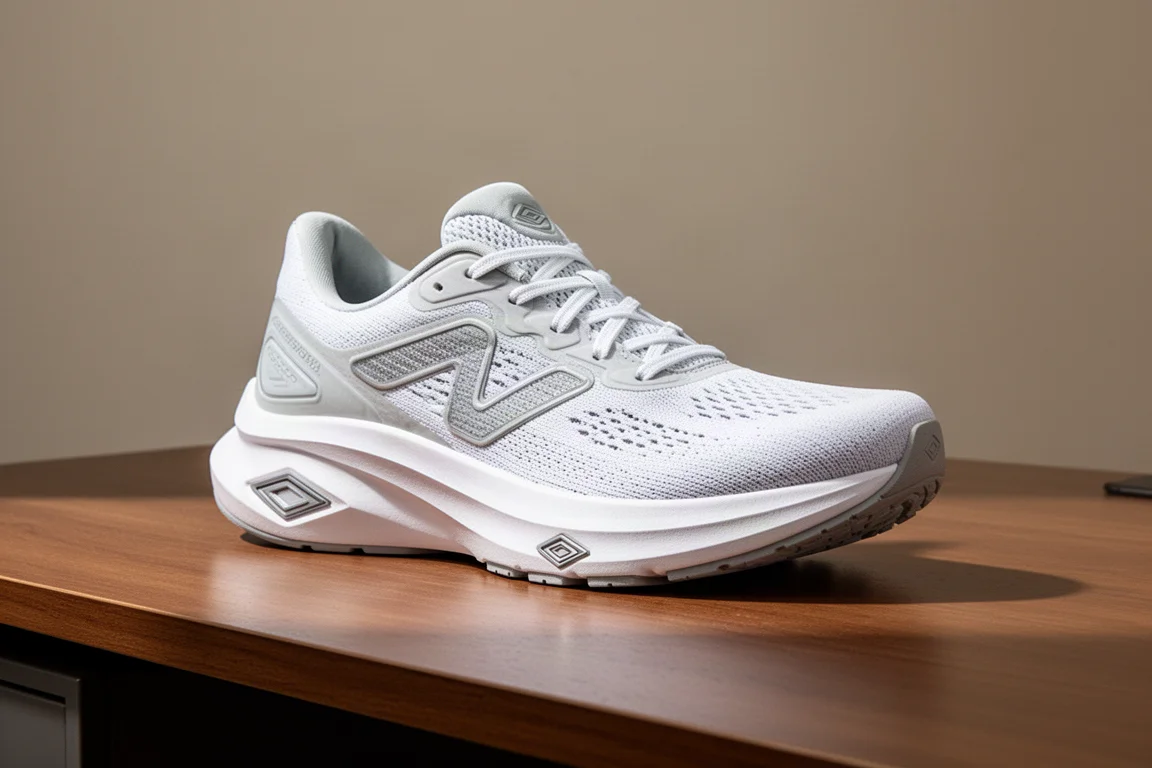
The Hyperboost Edge takes a fussier, more technical approach. The Prime Weave upper has rigid overlays around the toes, a fairly stiff heel collar, and two pads at the back designed to cradle the Achilles.
Underneath sits the Hyperboost Pro midsole, a pelletized form of Adidas’ very springy Lightstrike Pro foam, built up in a big stack with a mild rocker shape. The full-length Light Traction outsole is unusual for a shoe like this and should add grip and durability. That full rubber coverage is also part of why it carries a little extra weight.
Fit and Upper Comfort
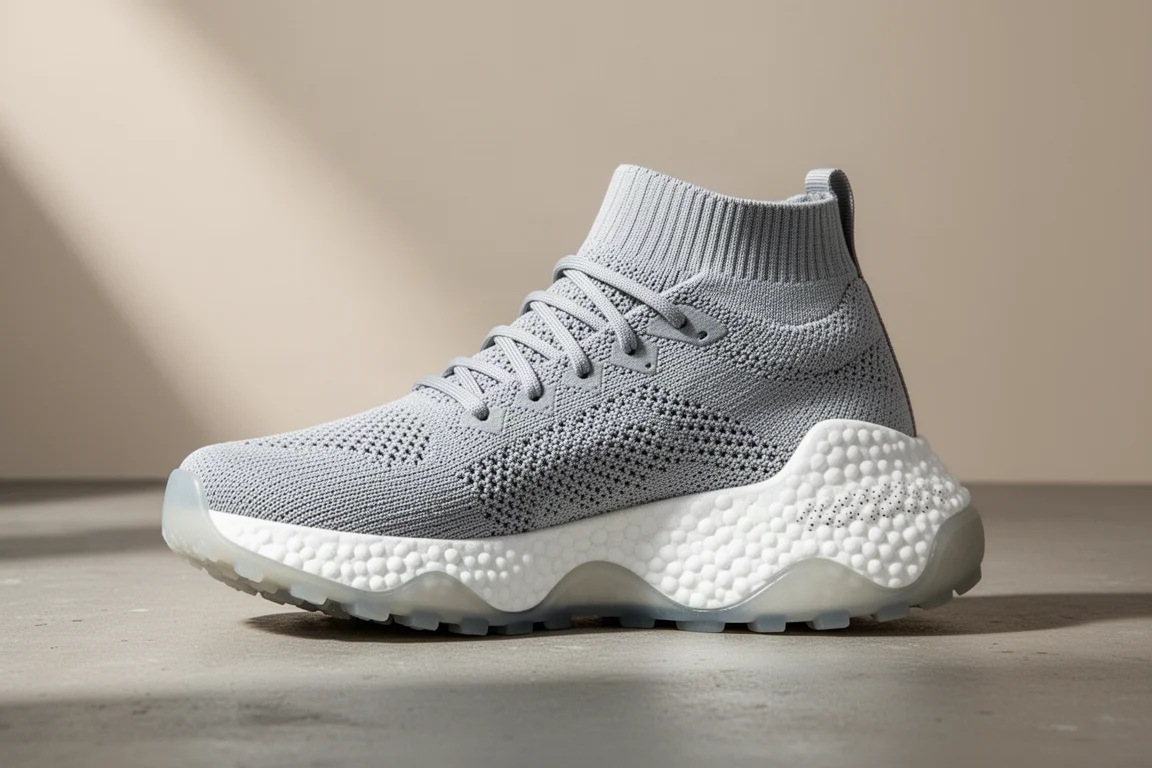
We ran about 65k in the Superblast 3 and 60k in the Hyperboost Edge, both in a UK 9. With the Asics sizing to a US 10 and the Adidas to a US 9.5, UK shoppers should watch how each brand converts sizes; some may need to go half a size up in the Adidas. Sticking to your normal running shoe size worked well in both.
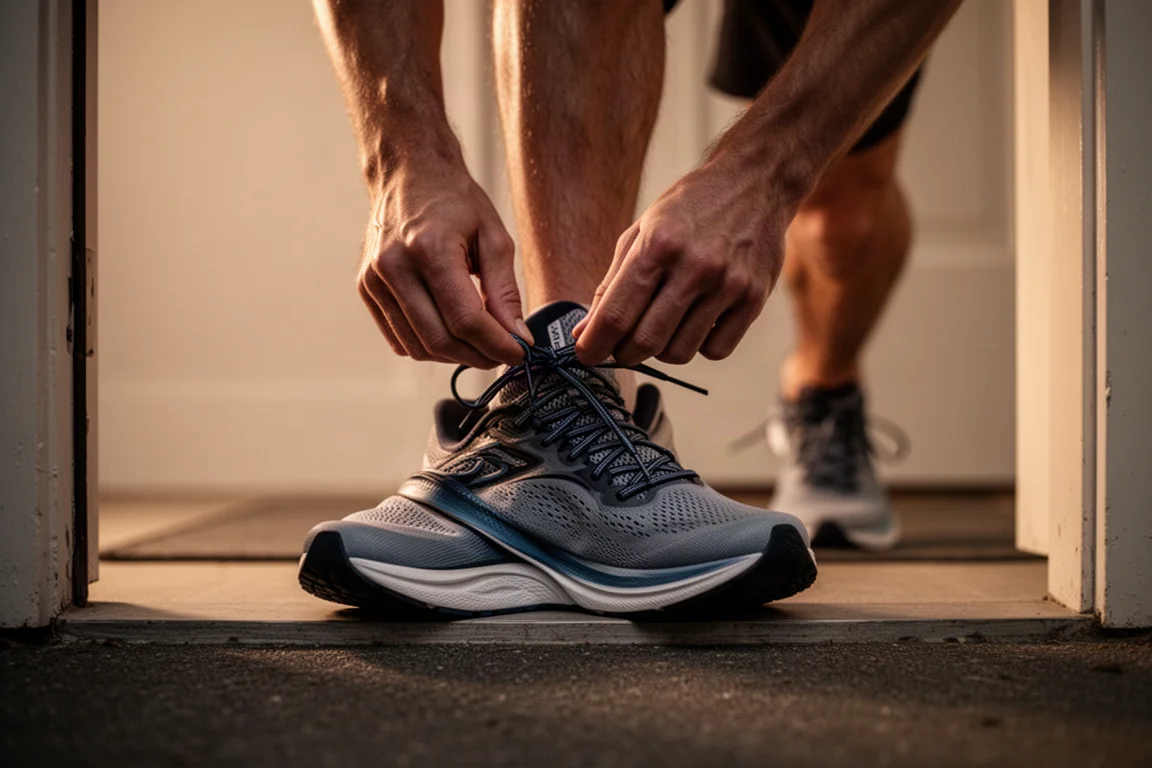
Fit quality is one of the biggest differences here. The Superblast 3 has the more comfortable upper by a clear margin: easy to pull on, roomy where it matters, and secure where it counts. The Adidas upper is stiffer and more noticeable on the run, particularly the rigid heel collar, and after 60k it had not eased up much, although it did stop distracting as much over time. Neither should be a dealbreaker, but comfort-minded buyers should take note.
Ride Feel: Soft Bounce vs Firm Response
Both shoes deliver a genuine super trainer experience: bouncier and more fun than a regular daily trainer even at easy paces. But they bounce in very different ways.
The Superblast 3 is noticeably softer, with that FF Blast top layer creating a squishy, comfy underfoot feel that also feels wide and supportive through the sides. It shines at easy and steady paces, and we even pushed it through a tempo run around 5:40 per mile and some quick 800 m reps. It handled them, but it feels quite long on the foot and a little boat-like at speed, so its real home is relaxed mileage.
The Hyperboost Edge has a firmer, more responsive ride. You do not sink into the midsole as much, but the bounce is booming and available even at easy paces, getting more lively as you speed up. The single midsole foam gives it a deep, connected feel, and it turns over nicely for a big shoe. Like the Asics, it is best at easy, steady, and tempo paces rather than true race pace.

Durability and Outsole Differences
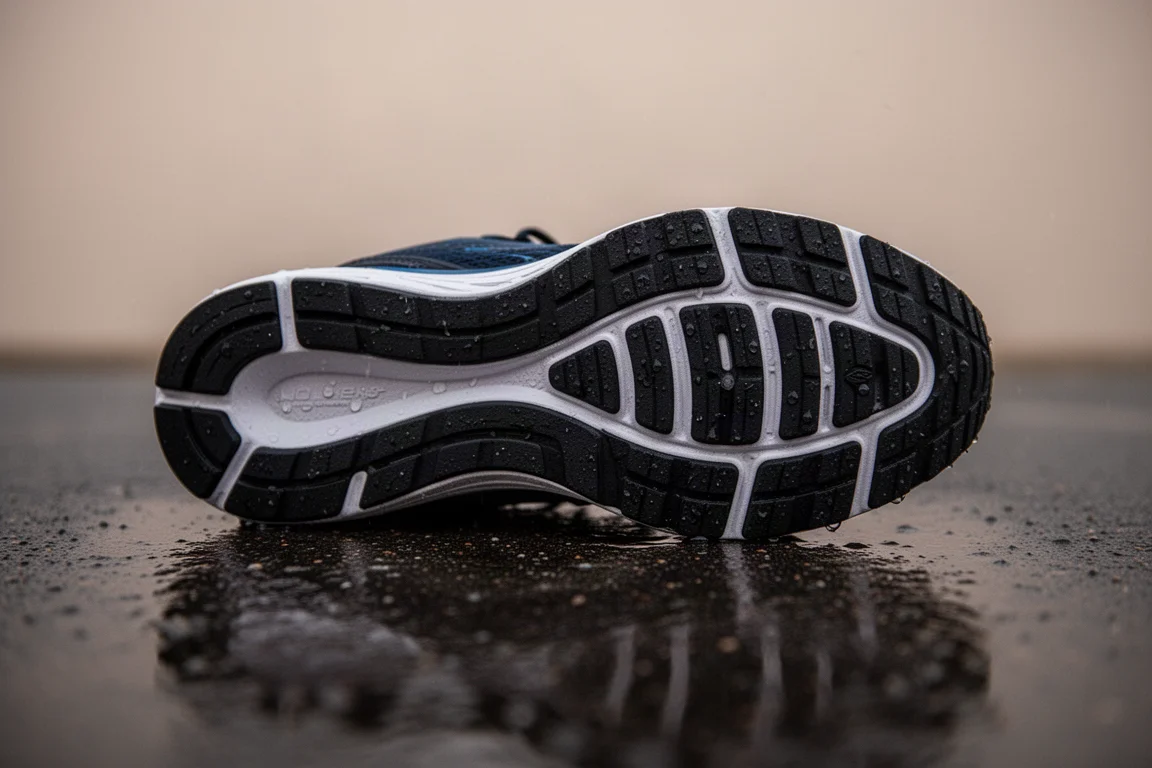
Durability could be a genuine advantage for the Adidas. The full-length outsole offers more coverage than the patchy Asics Grip rubber layout, and the pelletized Hyperboost Pro foam should hold up well over the long haul. That said, the Superblast line has a strong track record for durability too, so the Superblast 3 is unlikely to disappoint.
Which One Should You Buy?
Both are excellent daily trainers that you will want to reach for every day, so the choice may come down to ride preference. If you enjoy a softer, more giving feel and prioritize comfort, the Superblast 3 is the stronger pick, especially for easy and long runs. If you dislike soft shoes and prefer a firmer, springy ride, the Hyperboost Edge delivers super trainer fun without the squish.
Price tips the scale slightly toward the Adidas at £170 or $200 versus £200 or $210, and its upper was not a major drawback on its own. But side by side, the Superblast 3’s better fit, more comfortable upper, and slightly preferred midsole feel make it the narrow overall winner.
Conclusion
The Asics Superblast 3 and Adidas Hyperboost Edge are two of the best super trainers of 2026, and both excel in much the same way: they turn ordinary daily miles into something more enjoyable. Choose the Superblast 3 for comfort and soft bounce, or the Hyperboost Edge for a firmer, responsive ride at a slightly lower price.
Further reading
Related Reviews

Running Shoes
Best Road-to-Trail Running Shoes: Three Versatile Options for Mixed Terrain
A practical guide to three road-to-trail running shoes that handle both pavement and mild trails, with clear strengths and trade-offs for different runner types.

Running Shoes
Best Running Shoes for Achilles Tendonitis: Three Options Explained
Three running shoes with different heel drops and support features designed to help reduce Achilles tendon pain during walking and running.

Running Shoes
Best Running Shoes for Women: Five Top Choices Ranked
A ranked guide to five women's running shoes, from versatile daily trainers to high-performance racing options, with real strengths and trade-offs for each.