Running Shoes
ASICS Superblast 3 Review: The Do-It-All Long Run Shoe, Plus Three Alternatives
The Superblast 3 gets an FF Leap foam upgrade and a taller stack. We look at how it performs, how it compares to the ASICS Megablast, and whether the Nike Vomero Plus or Brooks Hyperion Max 3 make better alternatives.
Introduction
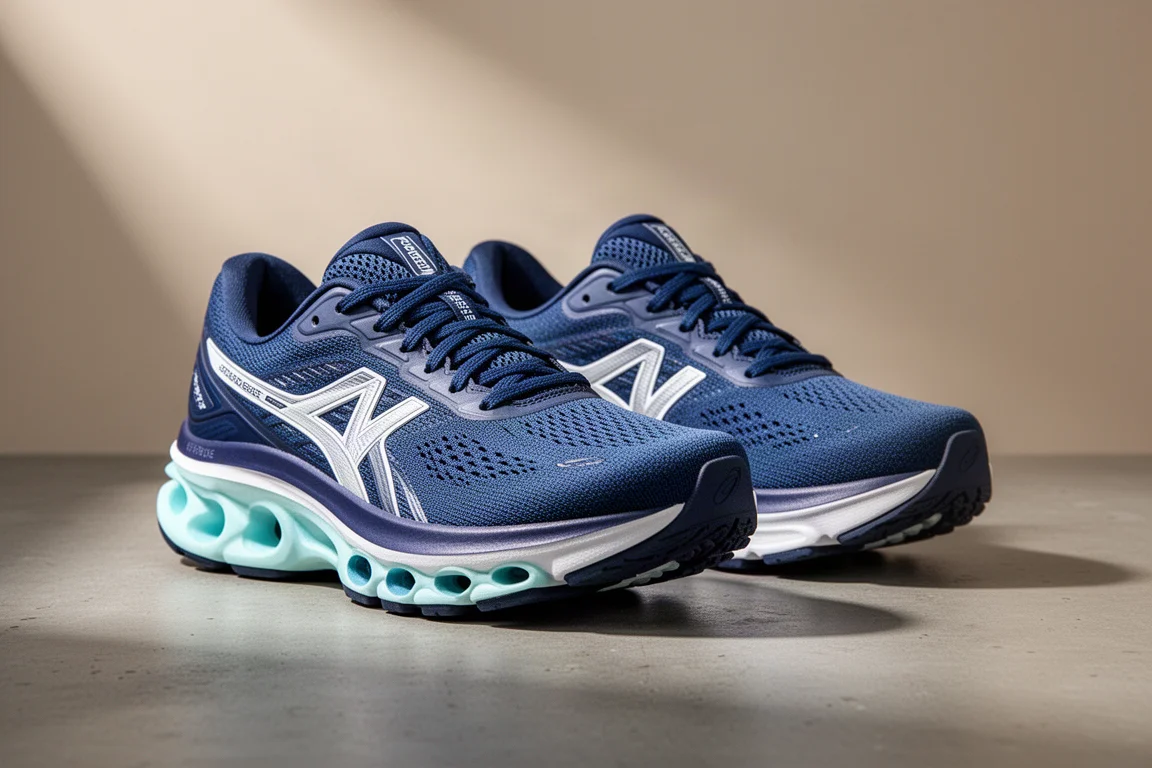
Few running shoes have earned the do-it-all reputation that the ASICS Superblast line carries. The third version keeps that identity but shakes up the formula in an interesting way: the racing-style foam on top is now FF Leap, an aliphatic TPU that ASICS has been rolling out across its faster Meta Speed trainers. At the same time, the Megablast has arrived as a newer, pricier sibling built on a different aTPU formulation, and shoes like the Nike Vomero Plus and Brooks Hyperion Max 3 compete in the same tall-stack, long-run category. Here is how the Superblast 3 stacks up, and when one of the alternatives makes more sense.
ASICS Superblast 3: Specs and What Changed
On paper, the Superblast 3 keeps the 8 mm drop but grows 1.5 mm taller, landing at 46.5 mm of stack in the heel and 38.5 mm in the forefoot. The recipe is familiar: a bottom layer of FF Blast Plus daily training foam, now topped with FF Leap, the aliphatic TPU foam first seen in the Meta Speed Sky Tokyo, Meta Speed Edge Tokyo, and Meta Speed array. That foam is a favorite for good reason: it performs well in both daily training and race applications, and it tends to hold up over the long term.
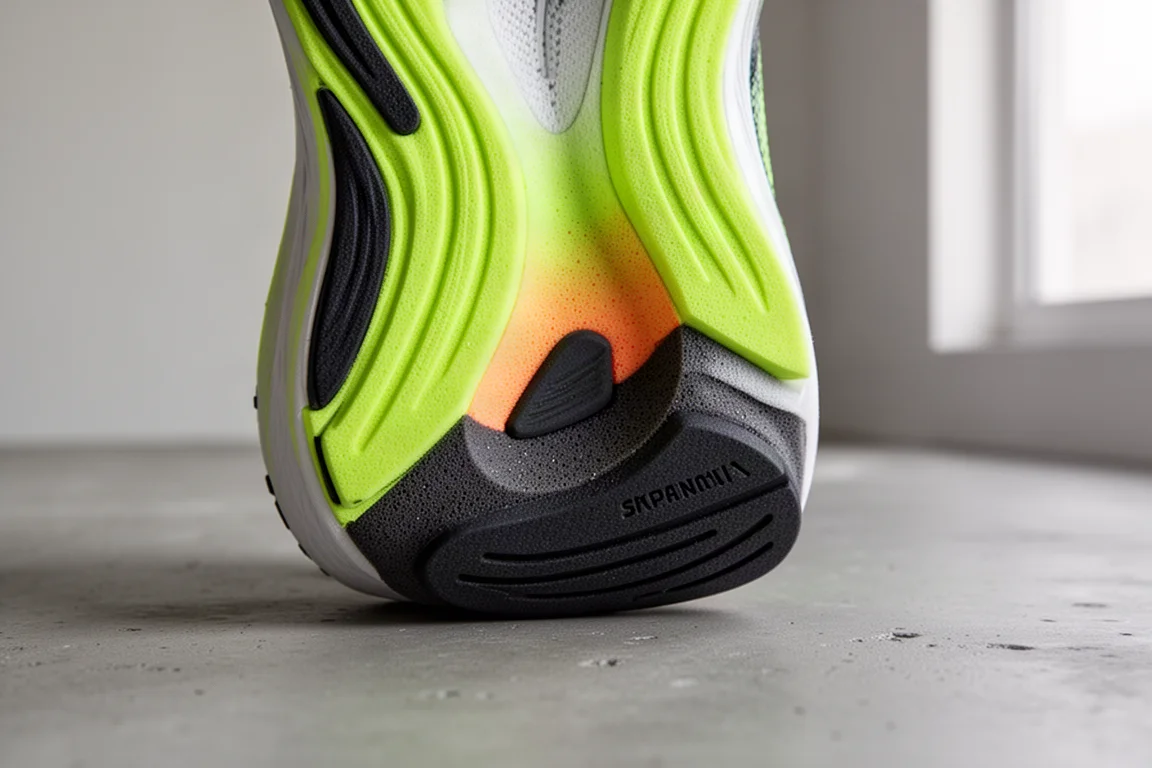
Two details are worth watching. Under the arch side of the shoe there is a small raised wedge of the bottom foam layer, the kind of placement that often signals a stabilizing element, and the FF Blast Plus layer itself looks slightly taller than in the Superblast 2. Neither proved to be a problem, but both are subtle changes from the previous version. The outsole combines a high-abrasion AHAR compound in high-wear areas with a grippier ASICS Grip rubber in the forefoot, and the bounce pod design is more prominent than ever, running through both the bottom foam layer and the aTPU top layer. Weight comes in at a stated 239 g (8.4 oz), which is lighter than a Novablast despite all the shoe here. The upper fits similarly to version 2, a touch roomy with extra volume, and the usual running shoe size works fine.
How the Superblast 3 Performs on the Road
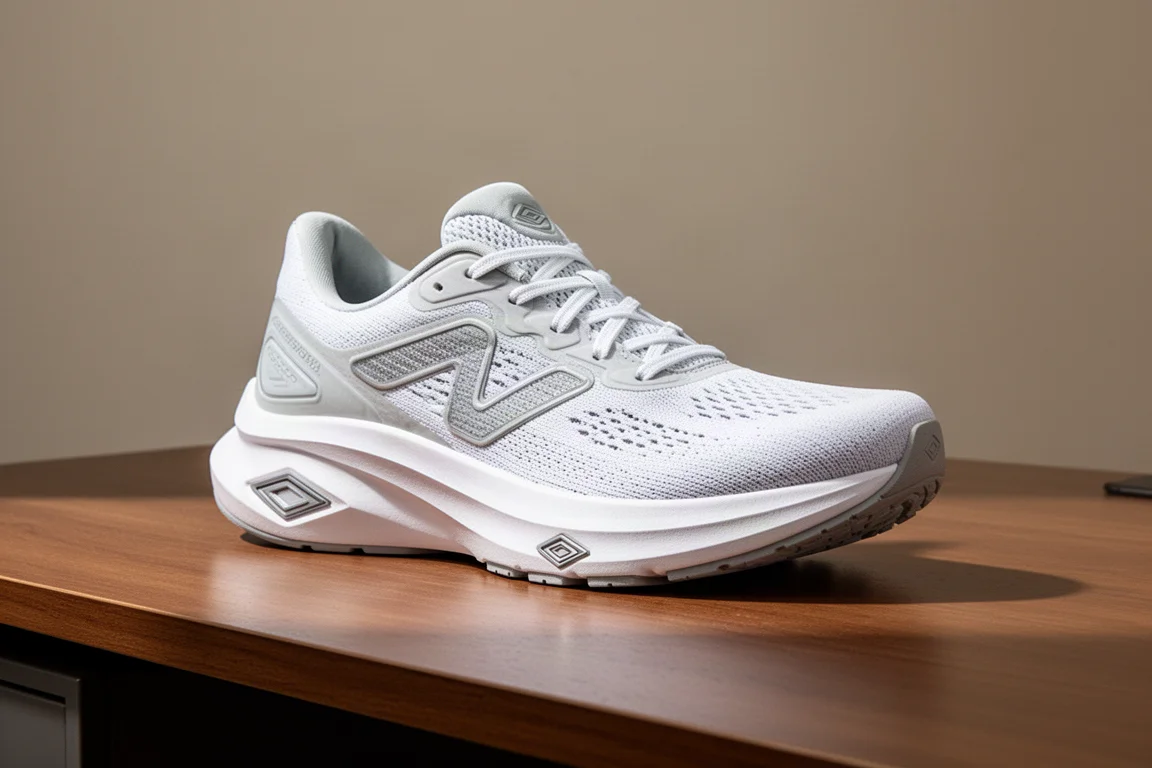
The Superblast has always been one of those shoes that refuses to fit neatly into a single category, and version 3 doubles down. As a modern max cushion shoe for easy and recovery runs, it works exactly the way longtime fans expect. Because it is so light, it also holds up as a daily trainer without feeling like a slab of foam dragging you down.
Where it genuinely shines, though, is when you pick up the pace. At steady runs and marathon-effort miles, landing more squarely on the bounce pod, the foam absorbs impact on landing and then decompresses right as the foot pushes off. It feels soft and springy at the same time, which makes it a standout for long runs with faster miles mixed in, especially during marathon training blocks. Relatively speaking, it can feel slightly underwhelming as just an easy-day shoe, not because it does that job poorly but because it is so much more exciting when you push it. Grip tested well in winter conditions, and the aTPU midsole should prove durable over many miles.

ASICS Megablast: The Closest Sibling
The Megablast also uses aliphatic TPU, but in a different formulation called FF Turbo Square. Think of it as the same family of ingredients in slightly different proportions. Both shoes overlap in their best use case, which is fast long runs, but the sensations are quite different.
The Megablast sits lower to the ground, feels more aggressive, and reads as the faster shoe, with a bouncier, speedier character and less softness. The Superblast 3 delivers more cushion and springiness for a more cushioned long run experience. The Megablast is the better pick if you keep a rotation and want a shoe dedicated to a specific job, and it is not a great max cushion option. The trade-off is price: at $225, it is more expensive than the Superblast 3 and arguably still overpriced.
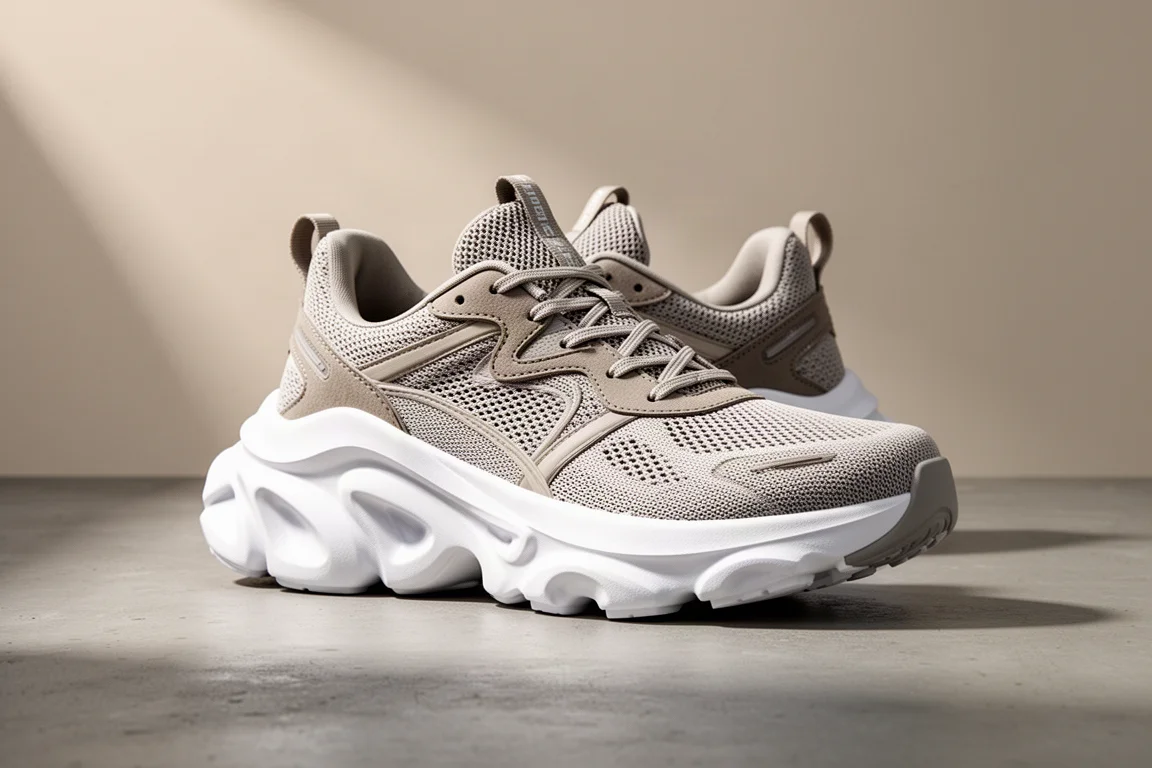
Nike Vomero Plus: Max Cushion First
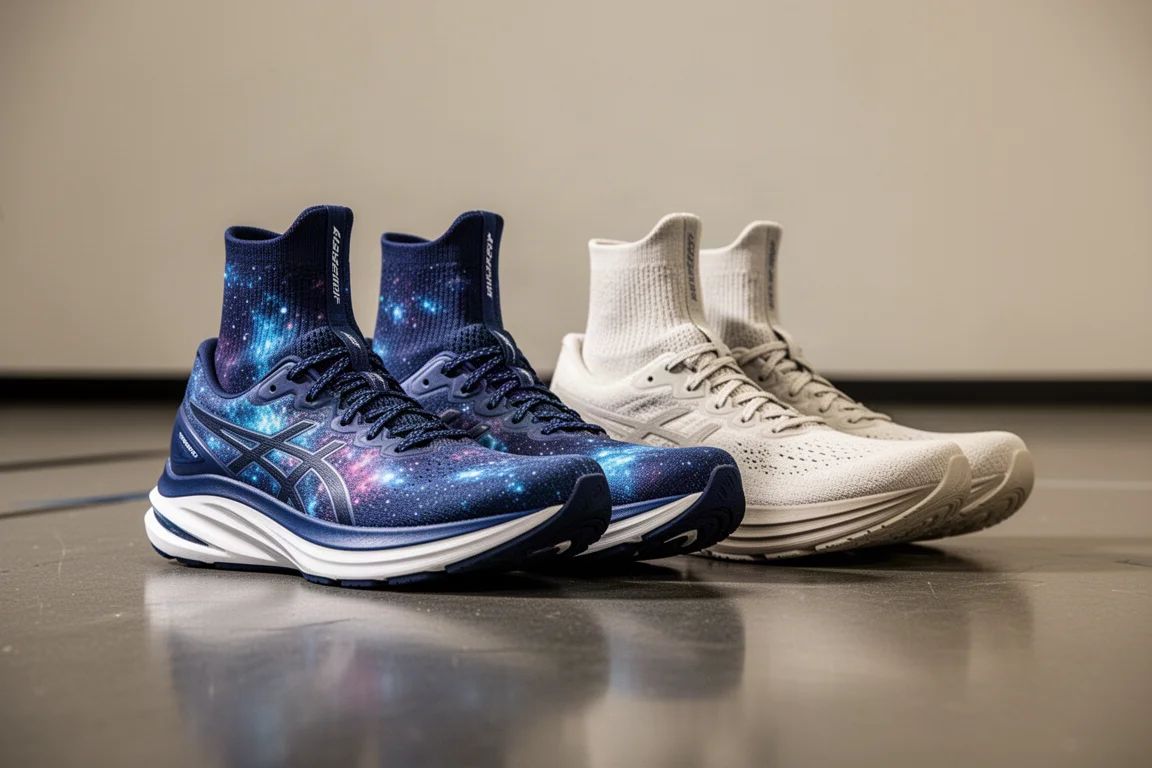
The Vomero Plus was positioned as the successor to the Nike Invincible, one of the original long run shoes alongside the Superblast. In practice, it became a lot more Vomero: a very chill max cushion shoe that does easy and recovery miles exceptionally well but does not love picking up the pace the way the Invincible did. The puffy heel cup, plush tongue, and roomy forefoot all signal a shoe built for comfort rather than hard work.
That is not a flaw so much as a different priority. If your main need is cushioned recovery and easy running, the Vomero Plus makes a strong case, especially at its lower $180 price. If you want one shoe that handles max cushion days and speedy long runs with equal enthusiasm, the Superblast 3 remains the better all-rounder.
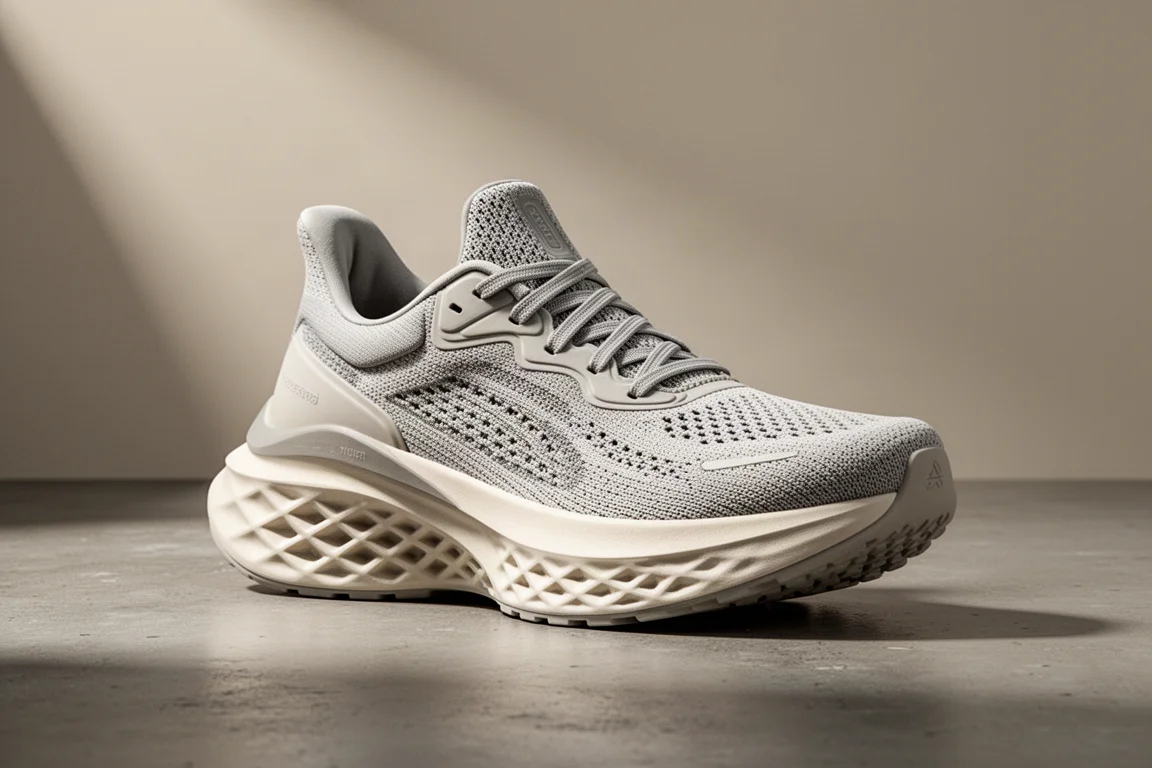
Brooks Hyperion Max 3: The Plate Alternative
The Brooks Hyperion Max 3 underwent a dramatic redesign, adopting a similar two-foam formula to the Superblast: race foam on top, daily training foam on the bottom, with a plastic plate sandwiched between the layers. The knit tongue hints at its speedier intentions, while padding in the heel cup keeps it comfortable for long time on feet.
On foot it feels heavier than the scale suggests, and the ratio of race foam to daily training foam feels a touch small. It works well as a max cushion shoe that can pick up the pace on steady runs and long runs with faster miles, but at $200 it sits in the same ballpark as the Superblast 3 while representing a few more compromises.
Buying Advice
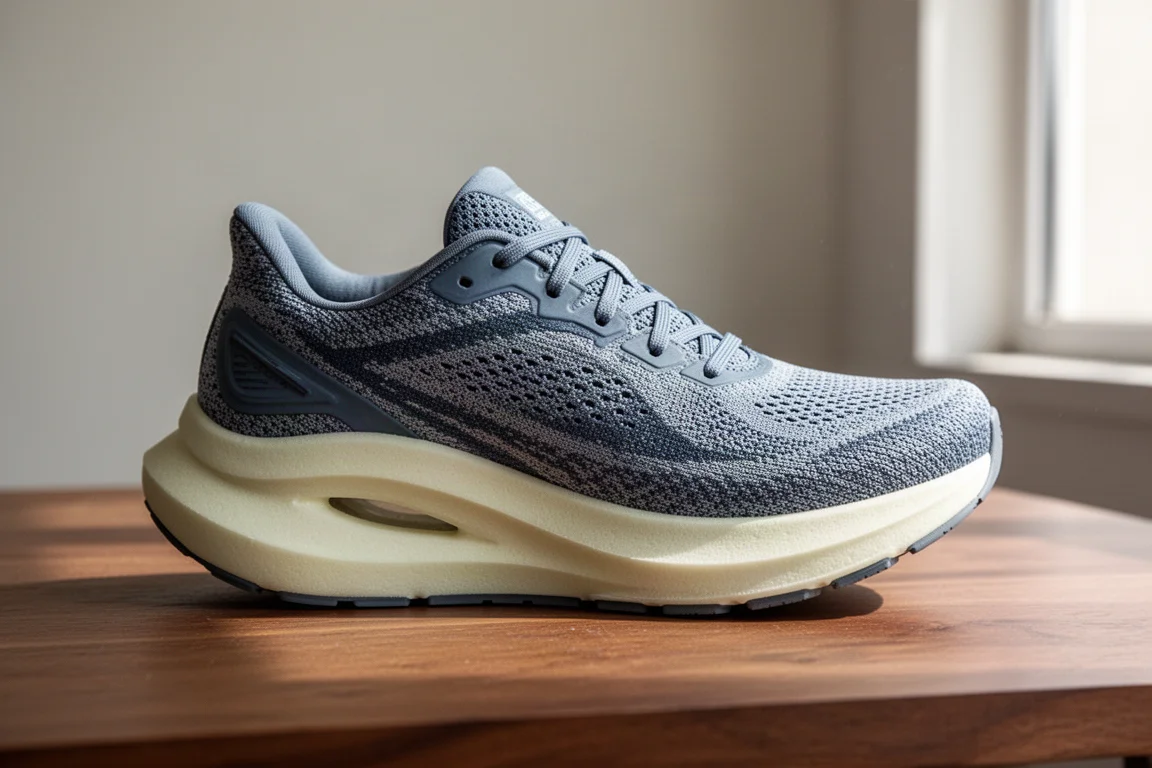
If you want one or two shoes to carry you from week one of marathon training through the taper and up to race day, the Superblast 3 has the versatility to cover recovery runs, daily miles, and speedy long runs. It goes on sale March 1st at $210, a $10 increase over the previous version, which is still expensive for a trainer. Budget-conscious runners can look for the Superblast 2 on sale, typically around $150 where inventory remains, keeping in mind it is a slightly less exciting shoe that hits many of the same notes.
Conclusion
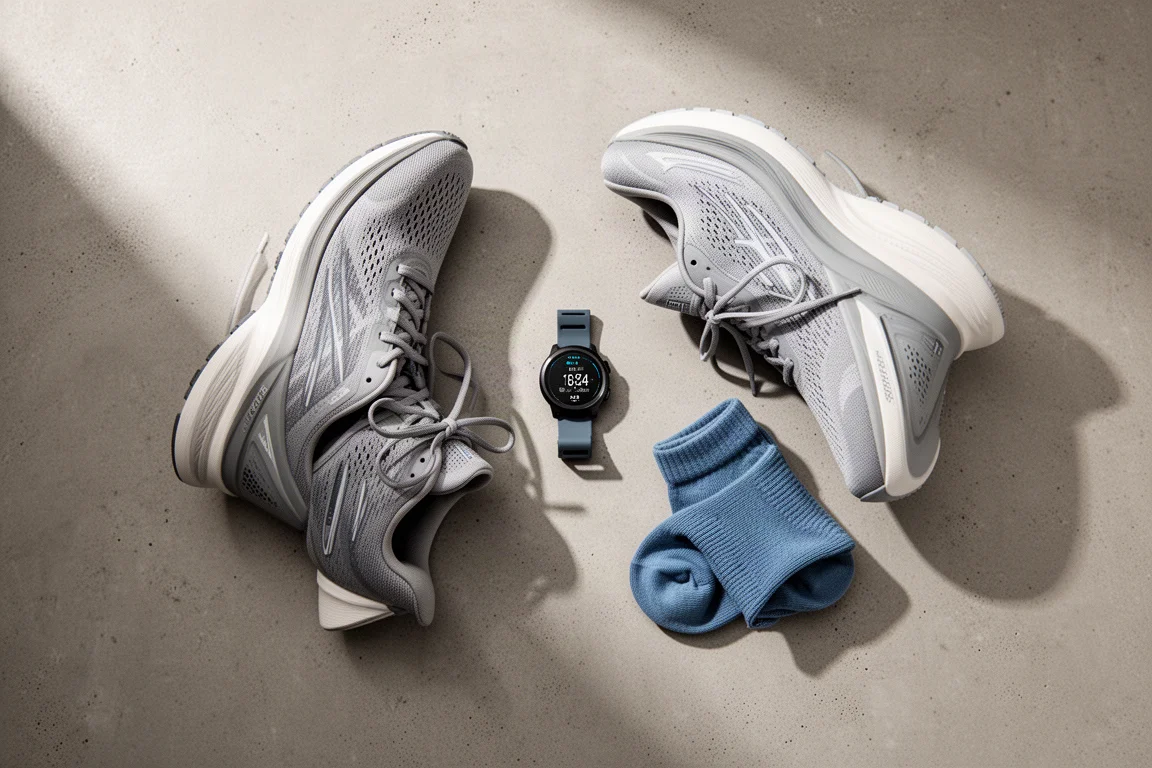
The Superblast 3 remains the benchmark for the do-it-all tall-stack trainer: light enough for daily use, cushioned enough for recovery days, and genuinely fun when the pace picks up. Choose the Megablast if you want a faster, more aggressive long run specialist and do not mind paying more, the Vomero Plus if plush comfort at $180 matters more than speed, and the Hyperion Max 3 only if a plated two-foam design specifically appeals to you. For everyone else, the Superblast 3 is the safest and most versatile pick in this category.
Further reading
Related Reviews

Running Shoes
Best Road-to-Trail Running Shoes: Three Versatile Options for Mixed Terrain
A practical guide to three road-to-trail running shoes that handle both pavement and mild trails, with clear strengths and trade-offs for different runner types.

Running Shoes
Best Running Shoes for Achilles Tendonitis: Three Options Explained
Three running shoes with different heel drops and support features designed to help reduce Achilles tendon pain during walking and running.

Running Shoes
Best Running Shoes for Women: Five Top Choices Ranked
A ranked guide to five women's running shoes, from versatile daily trainers to high-performance racing options, with real strengths and trade-offs for each.