Running Shoes
ASICS SuperBlast 2 vs SuperBlast: Is the Update Worth It?
A side-by-side look at two of ASICS' most loved max-cushion trainers, covering the foam upgrade, fit changes, and traction improvements.
Introduction
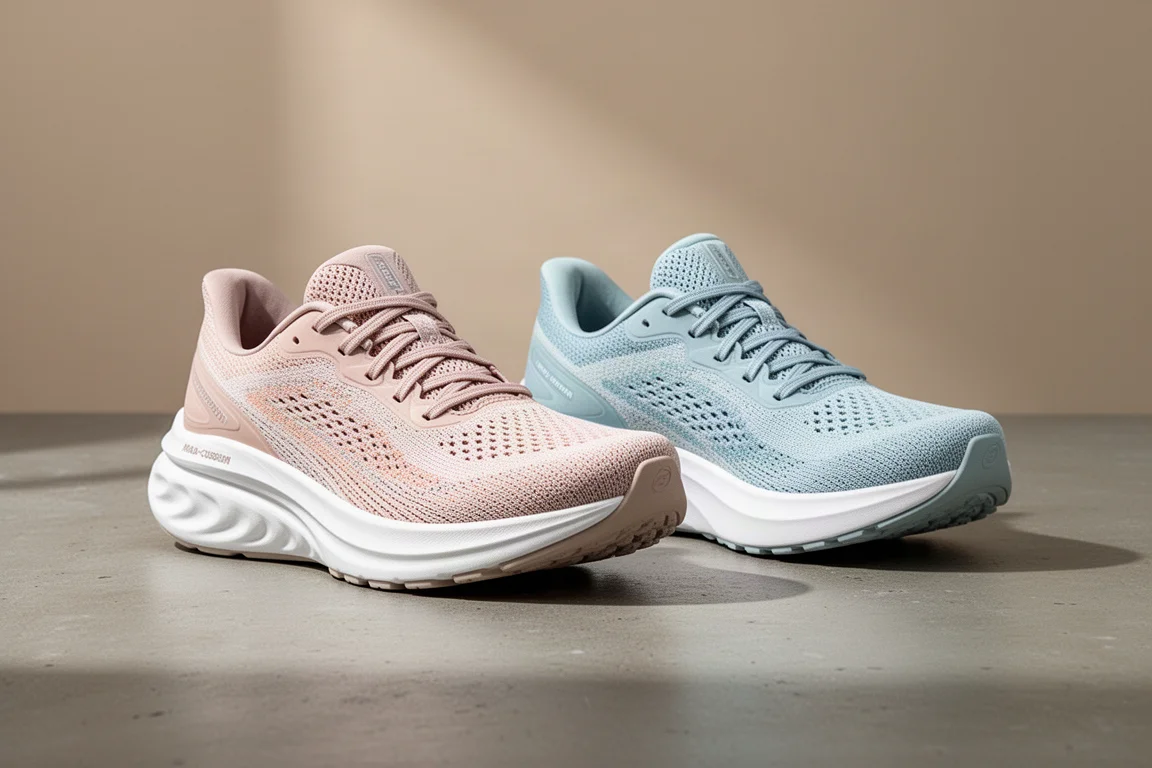
The ASICS SuperBlast was one of those rare trainers that found an audience far beyond what anyone expected, so the SuperBlast 2 arrived with real pressure on it. This comparison looks at what changed, what stayed the same, and whether the newer model earns its place as an upgrade.
Specs at a Glance
On paper, the two shoes are nearly identical. The original SuperBlast carries 45.5 mm of heel stack with 37.5 mm in the forefoot, an 8 mm drop, and a listed weight of 8.8 oz (250 g). The SuperBlast 2 trims that to 45 mm and 37 mm respectively with the same 8 mm drop and 349 g listed weight, so the geometry is effectively unchanged.
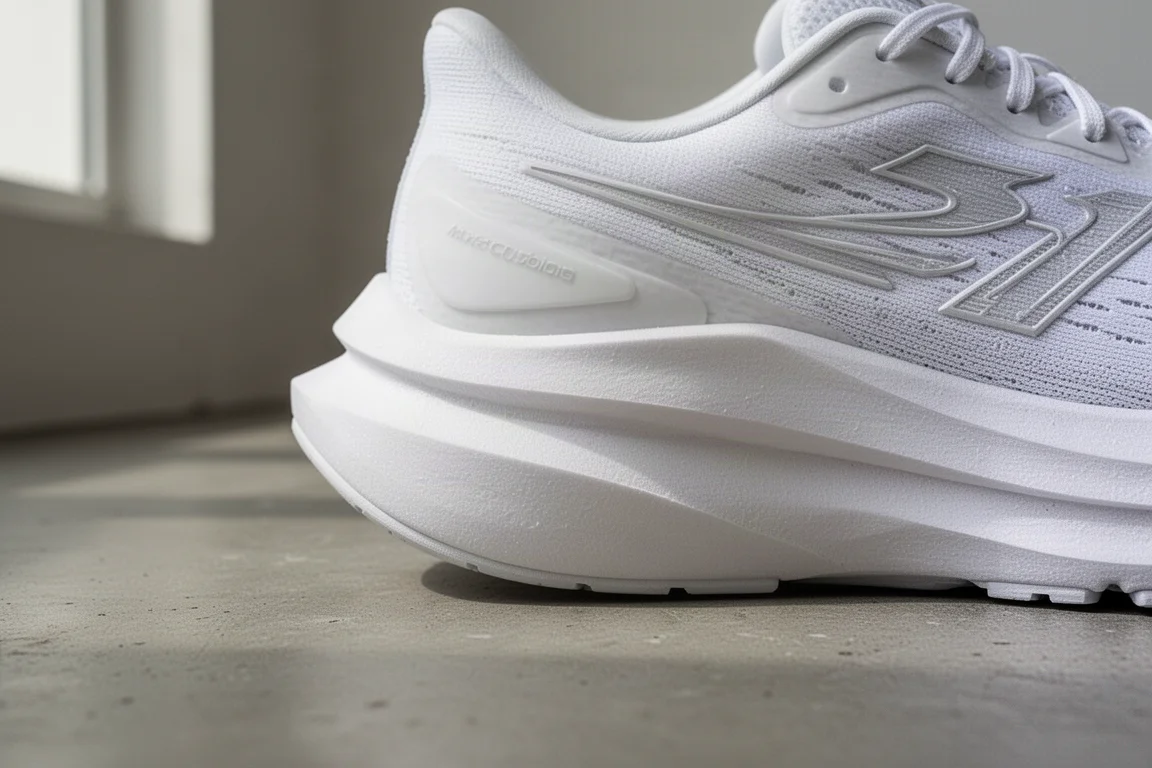
The real difference sits inside the midsole. The original used FF Turbo foam, the same compound found in ASICS’ Metaspeed racing models, with a Blast Plus layer underneath for a touch of structure and bounce. The SuperBlast 2 moves to FF Turbo Plus, the foam from the Metaspeed Edge and Sky Paris, which promises a lighter, more resilient, and more responsive ride.
Ride and Midsole Feel
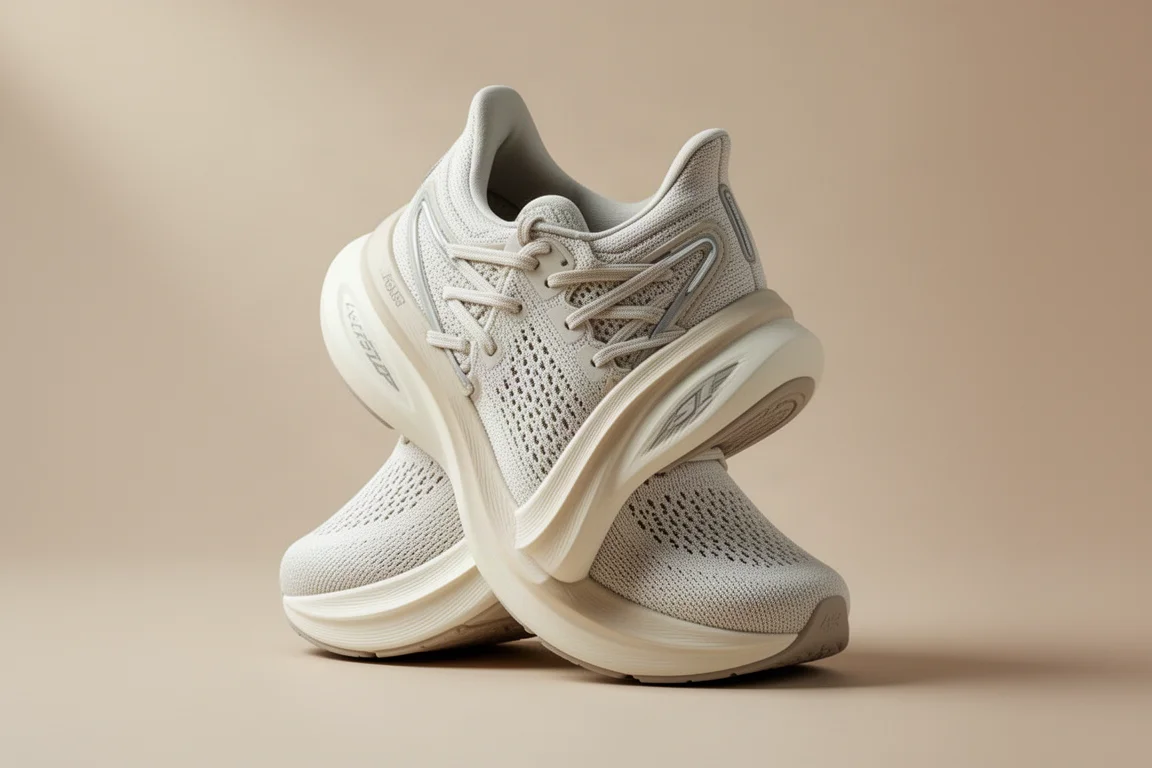
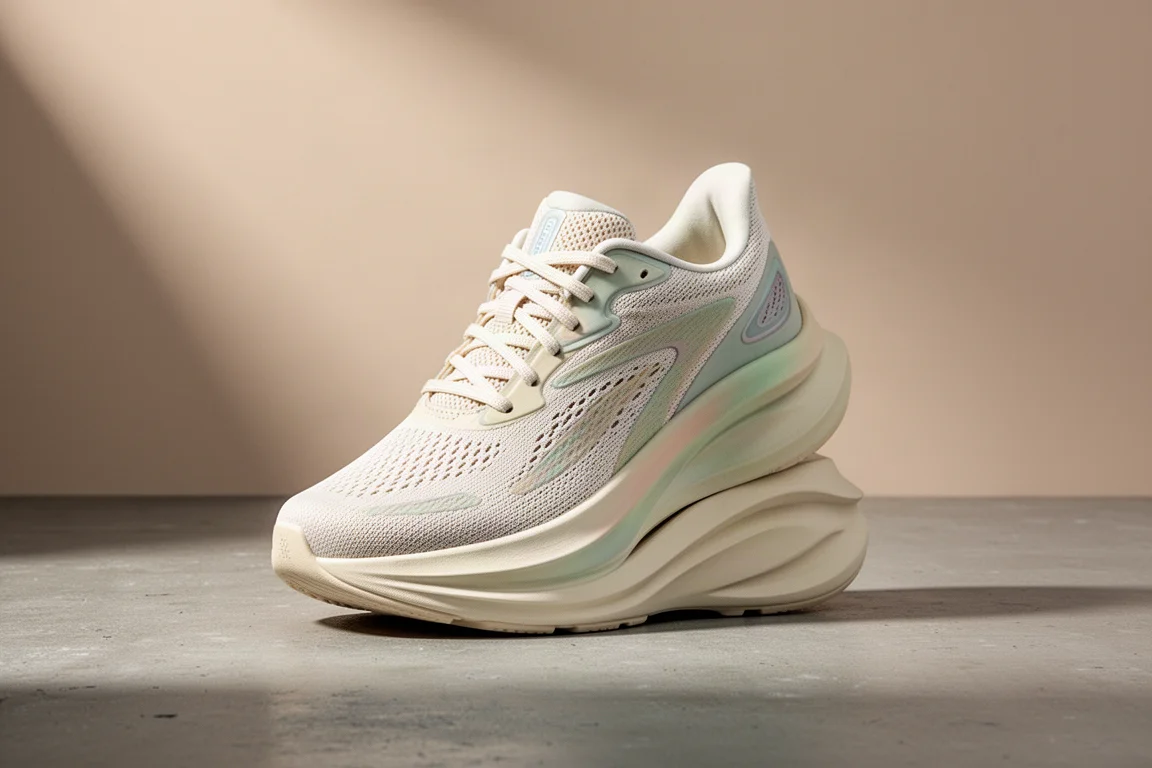
Both shoes share the same core character: a max-cushion ride with a structured, non-mushy feel. FF Turbo and Turbo Plus are slightly less compliant than some softer super foams, so neither shoe sinks or feels unstable underfoot. The Turbo Plus, however, has a bit more give and noticeably more bounce at the forefoot, and the SuperBlast 2 turns over a little better as a result.
The geometry is very similar in both versions: a beveled heel, a long flatter midfoot, and a gradual toe spring through the forefoot. Despite having no plate, both shoes feel naturally stiff thanks to the sheer volume of foam, and both carry substantial sole flaring that gives them a stable-neutral character.
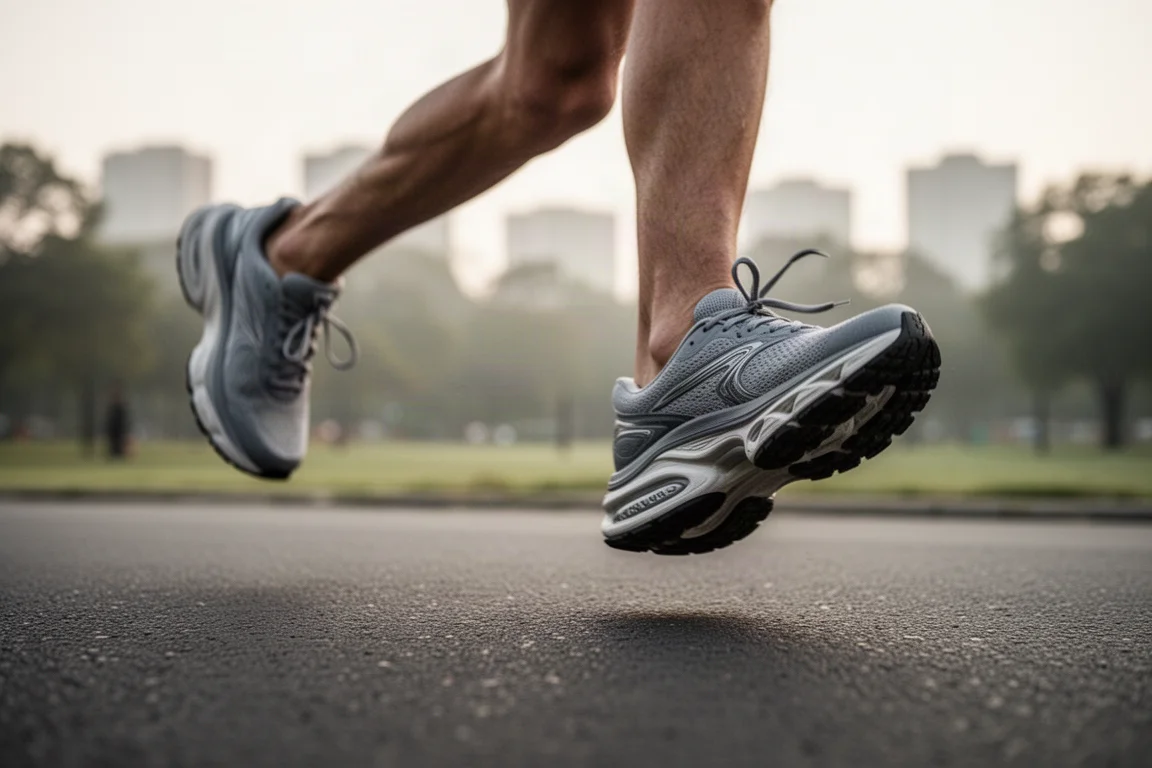
At easy paces, both feel genuinely good, but the extra compliance of the Turbo Plus gives the SuperBlast 2 an edge on relaxed efforts. The original could feel slightly clunky through the heel and midfoot, and while some of that remains in the newer model, the ride is smoother and settles in nicely once you find a rhythm.
Fit and Upper Changes
The single-piece engineered mesh upper returns on both, but the SuperBlast 2 adds a bit more volume through the midfoot and forefoot and hugs the foot more cleanly. The original’s upper felt slightly sloppy through the midfoot; the newer fit is noticeably more streamlined while still feeling like a premium trainer. The upper does stretch slightly and breaks in a little, but it never caused issues on turns or during workouts.
Traction and Outsole Updates
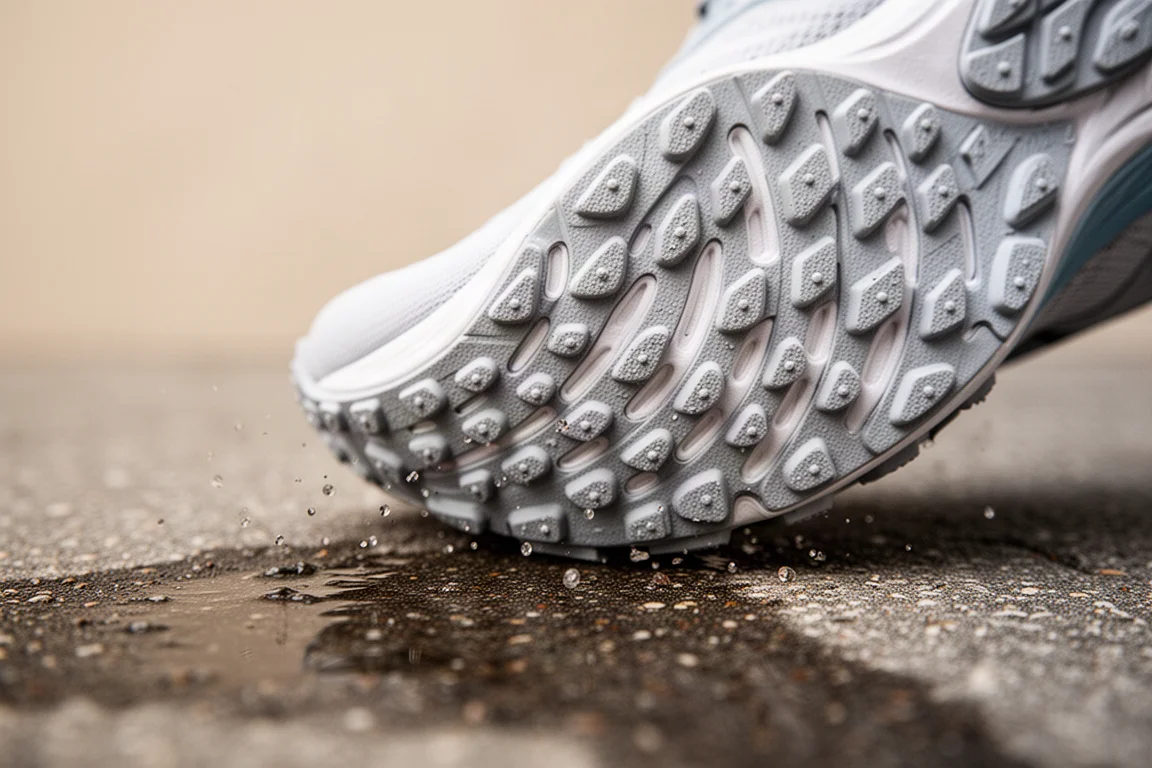
The outsole is one of the clearest improvements. ASICS changed the outsole pattern on the SuperBlast 2, adding small lugs under what it calls ASICS Grip. The result is a shoe that grips noticeably better than the original’s more road-focused outsole, with enough versatility for varied footings and a satisfying bite into the ground when you pick up the pace.
Performance Range
Both shoes handle long runs well, but the SuperBlast 2 gets the nod as a long run companion and daily trainer. It has been run at marathon pace in tempo sessions and holds up well, to the point where racing a marathon in it feels plausible. Compared with dedicated super shoes it is heavier and more structured, but that was true of the original as well, and neither shoe feels unstable on turns.
Which One Should You Buy?
If you already own and love the original SuperBlast, it remains a great shoe and there is nothing wrong with sticking with it. But the SuperBlast 2 is a genuine improvement: a cleaner, more secure fit, better traction, and more responsive foam that add versatility across easy runs, long runs, and workouts.

The appeal of both models is that each can realistically serve as an everything shoe: daily trainer, long run shoe, workout partner, and potentially even marathon racer in a single pair.
Conclusion
The SuperBlast 2 takes an already successful formula and refines it where it mattered most: fit, grip, and midsole responsiveness. For most runners shopping fresh, the updated model is the easier recommendation, while the original remains a solid option if you find it available and prefer its slightly firmer, more structured feel.
Further reading
Related Reviews

Running Shoes
Best Road-to-Trail Running Shoes: Three Versatile Options for Mixed Terrain
A practical guide to three road-to-trail running shoes that handle both pavement and mild trails, with clear strengths and trade-offs for different runner types.

Running Shoes
Best Running Shoes for Achilles Tendonitis: Three Options Explained
Three running shoes with different heel drops and support features designed to help reduce Achilles tendon pain during walking and running.

Running Shoes
Best Running Shoes for Women: Five Top Choices Ranked
A ranked guide to five women's running shoes, from versatile daily trainers to high-performance racing options, with real strengths and trade-offs for each.