Running Shoes
ASICS Superblast 2 vs Novablast 5: Two Very Different Shoes for Two Very Different Runs
Once close relatives, the Superblast 2 and Novablast 5 have diverged sharply in ride, fit, and purpose. Here is how to pick the right one.
Introduction
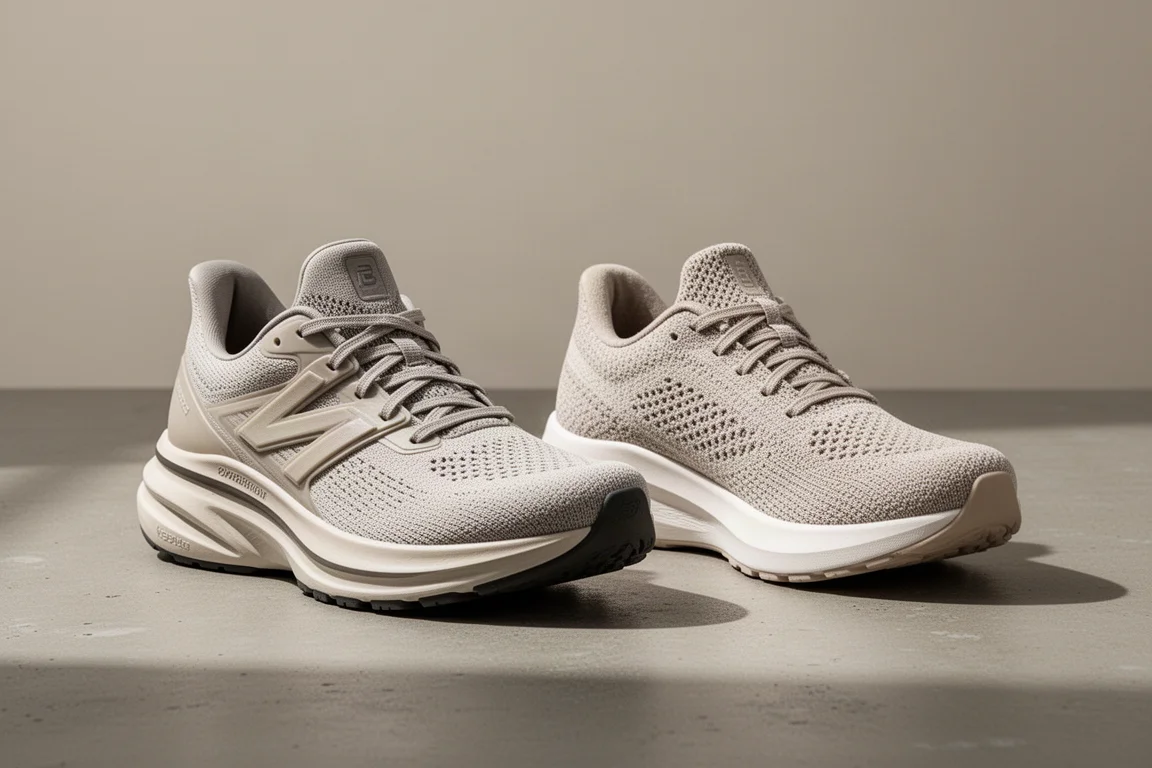
Not long ago, the ASICS Superblast and Novablast were similar enough that runners routinely asked which of the two they should buy. Similar stack heights, similar weights, and enough overlap in capability that the choice felt like a coin flip. The latest versions have changed that completely. The Superblast 2 and Novablast 5 still share a few specs on paper, but they now deliver very different rides, very different fits, and very different purposes. For some runners they could complement each other nicely, but for most people they suit two distinct runners and two distinct jobs. This comparison is designed to help you figure out which one fits your running.
Weight, Stack, and Drop
Measured in a men’s size 10, the Superblast 2 comes in at 244 g, about 8.6 oz. The Novablast 5 is noticeably heavier at 260 g, around 9.2 oz. That is a significant difference between two daily trainers.
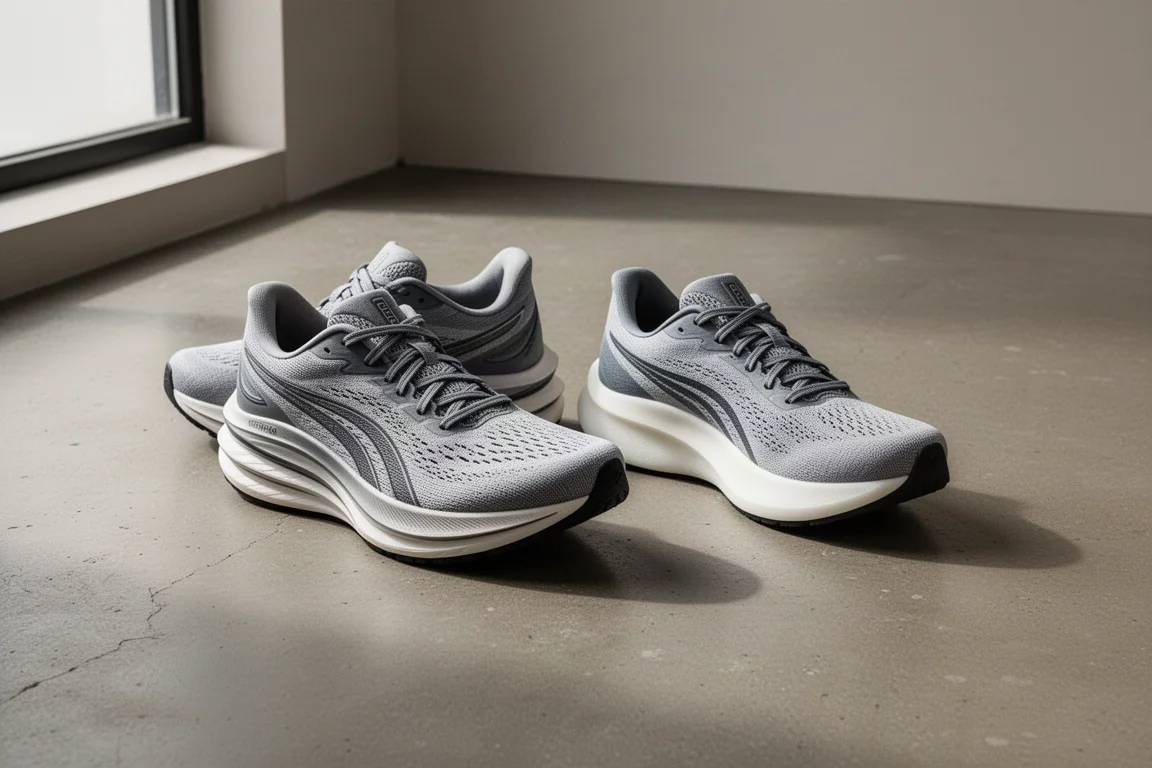
On stack height, the Superblast 2 is much taller: 45 mm at the heel, 37 mm in the forefoot, with an 8 mm drop. The Novablast 5 has the same 8 mm drop but sits lower on paper at 41.2 mm in the heel and 33.5 mm in the forefoot, and in practice it feels even lower because the foam underfoot behaves so differently. Both use ASICS’ 8 mm drop geometry, but everything else about how they ride starts to diverge right here.
Ride and Foam: Responsiveness vs Relaxation
The foam is where the comparison truly begins. The Superblast 2 uses FF Blast Turbo Plus, which is responsive and snappy underfoot. It handles training comfortably, can take on marathon racing, and performs very well in workouts. The Novablast 5 uses the newer FF Blast Max, which is noticeably softer and more cushioned underfoot.
That softness shapes everything the Novablast 5 does. It feels excellent at easy paces and on long runs, with a smooth transition and foam that compresses generously. But the relaxed character does not translate to speed. The Novablast 4 could handle some faster work and had a bit of versatility; the Novablast 5 really does not. As soon as you try to pick up the pace, FF Blast Max does not respond as well to genuinely fast efforts.

The Superblast 2 is the opposite. It has been used across every type of workout, including shorter track sessions (not its best environment, but it can do it), tempo runs, longer uptempo efforts, and long runs, which is where it truly shines. If you run in ASICS and a very aggressive super shoe like the Metaspeed series is not working for you, the Superblast 2 is a strong alternative: it can still move fast, but it is a little more stable and more forgiving while remaining genuinely aggressive when needed.
Stability and Structure
The Superblast 2 has always been a stable neutral shoe. It has a really wide base, good sidewalls, and inherent stiffness. Despite carrying no plate, it has a lot of torsional rigidity, actually more than some carbon-plated shoes.
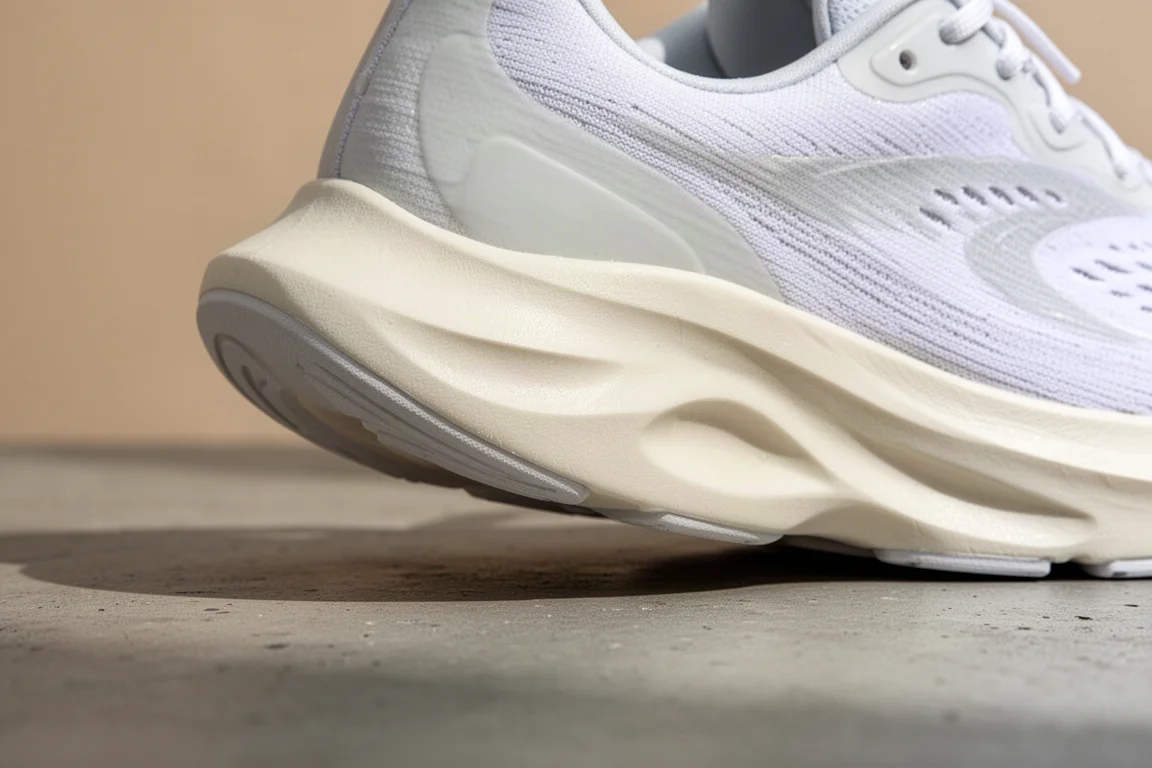
The Novablast 5 is not unstable, but the softer foam simply allows more movement. If you want mild sidewall action and just a hint of rearfoot guidance without a true stability shoe, the Novablast 5 works well. If you want a fast shoe with more stiffness and more inherent guidance, the Superblast 2 is the better option.
Fit and Upper
The uppers are as different as the rides. The Superblast 2 fits more snug, closer to a racer or workout shoe. The forefoot tapers, and the shoe takes several miles to break in. Once broken in, it feels great: secure, close-fitting, lower volume, with no need to cinch the laces because the fit is already locked down.
The Novablast 5 is more relaxed. It fits true to size with no toebox taper issues, offers more volume and height throughout, and the upper has less structure but sits comfortably close. It is the easy-day counterpart to the Superblast’s faster-feeling fit.
Durability is one area where they genuinely match. With around 150 miles in the Superblast 2 and over 100 in the Novablast 5, both are holding up very well, though the Superblast outsole shows slightly more wear than expected. Both should handle a lot of mileage.
Which One Should You Buy?
Choose the Superblast 2 if you want a slightly snug-fitting fast shoe with much more speed versatility, especially over longer distances. It suits runners who do tempo work, longer uptempo efforts, and possibly racing, and who appreciate a stable, stiff platform. Choose the Novablast 5 if you want a relaxed easy-day shoe where pace does not matter and you just want to rack up comfortable miles. Previous generations were harder to separate; these two are not.
Conclusion
The Superblast 2 and Novablast 5 have become genuinely different shoes. One is a trainer-racer-workout shoe that can still be aggressive; the other is a soft, relaxed mileage shoe. Identifying which of those two jobs matches your running is the fastest way to the right purchase, and both are durable enough to justify the investment.
Product link
View more details for ASICS Superblast 2
This product is mentioned in the review. Check the specifications, options, and compatibility before buying.
View more details for ASICS Superblast 2Further reading
Related Reviews

Running Shoes
Best Road-to-Trail Running Shoes: Three Versatile Options for Mixed Terrain
A practical guide to three road-to-trail running shoes that handle both pavement and mild trails, with clear strengths and trade-offs for different runner types.

Running Shoes
Best Running Shoes for Achilles Tendonitis: Three Options Explained
Three running shoes with different heel drops and support features designed to help reduce Achilles tendon pain during walking and running.

Running Shoes
Best Running Shoes for Women: Five Top Choices Ranked
A ranked guide to five women's running shoes, from versatile daily trainers to high-performance racing options, with real strengths and trade-offs for each.