Running Shoes
ASICS SuperBlast 2 vs MegaBlast: Which Max-Stack Trainer Deserves Your Money
Two max-cushion ASICS trainers with near-identical specs but very different personalities. Here is how they compare after serious mileage in both.
Introduction
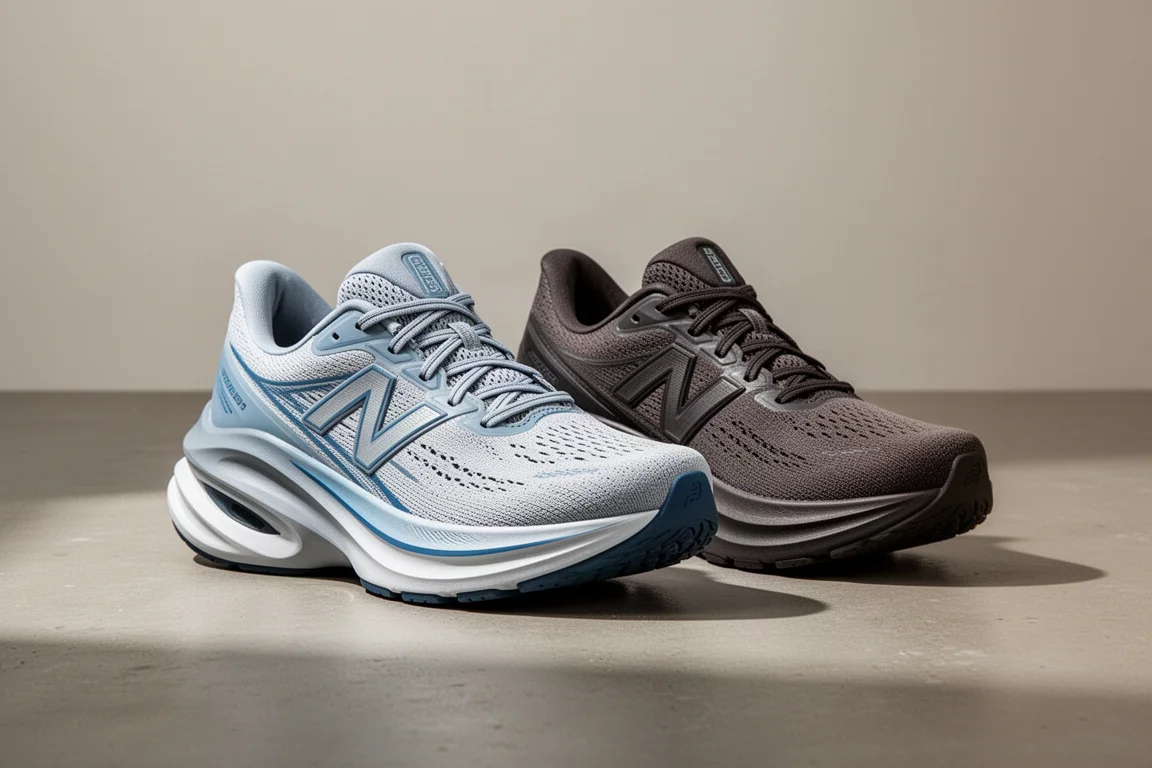
Few running shoes split opinion like the ASICS SuperBlast 2. It is one of the most popular and widely loved max-stack trainers around, yet it also draws real criticism from runners who never got along with its chunky heel and firm foam. The MegaBlast takes the same broad idea and revises it: new midsole compound, smoother geometry, and a higher price. After roughly 200 miles in the SuperBlast 2 and the better part of 60 miles in the MegaBlast, the comparison comes down to one word: smoothness.
ASICS SuperBlast 2: Durable, Reliable, Divisive
The SuperBlast 2’s strongest card is durability. Nearing 200 miles of testing, it holds up like an absolute tank, and reliability is exactly why so many runners keep it in rotation. It is not going to blow your mind at everyday paces around 7:30 to 7:45 per mile, but it delivers a steady, dependable platform that never falls apart.
The problem, for many, is the heel geometry. The heel feels chunky and hangs off the platform, and the transition through the midfoot is choppy. Some runners report it takes around 200 miles to break in, but for lighter runners around 155 lbs it never quite softened up. On paper the specs look similar to the MegaBlast, yet the ride is stiffer and much less bouncy. The upper, however, is excellent: roomy in the toe box and true to size, arguably the better fit of the two. At around $200, it is a shoe that either works amazingly for your stride or does not work at all.
ASICS MegaBlast: The Refined Successor
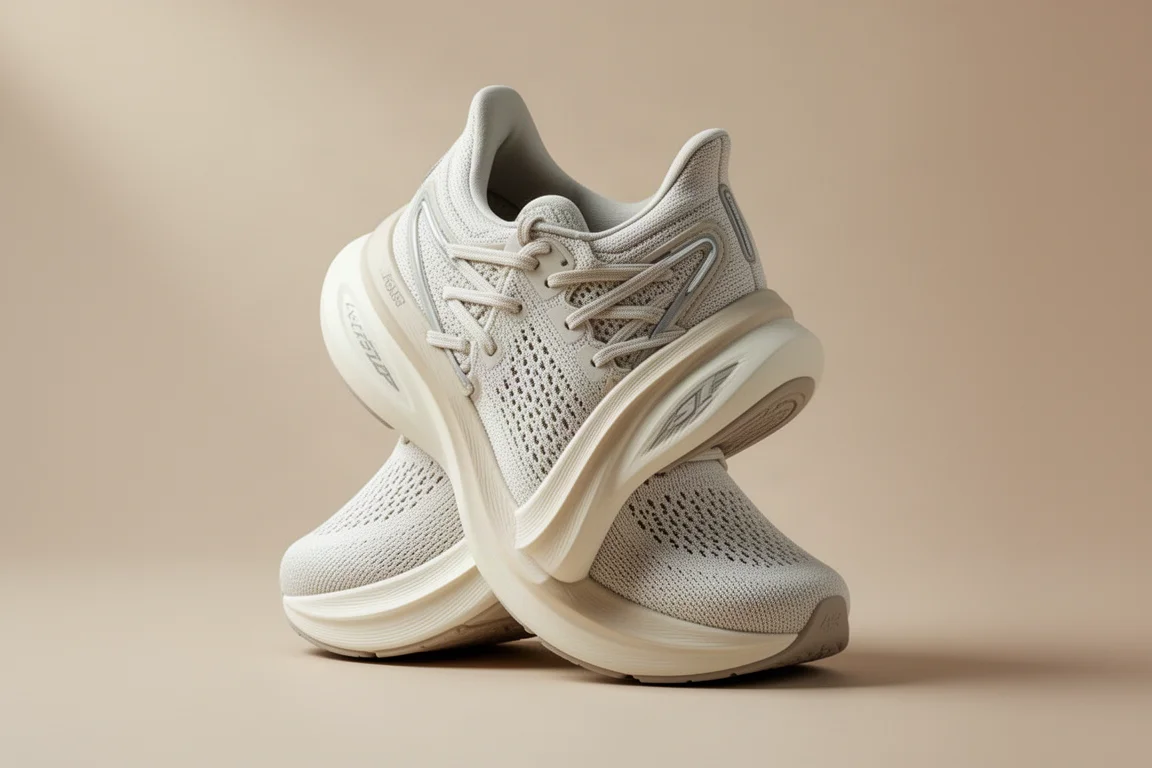
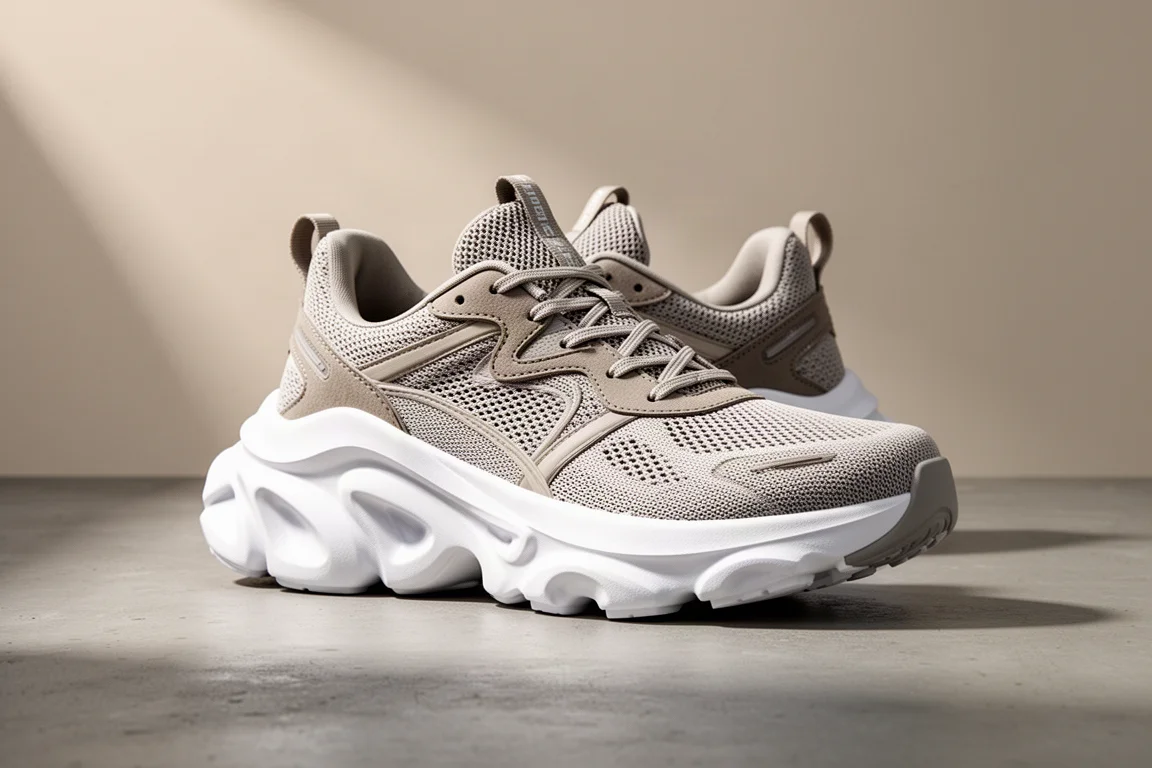
The MegaBlast feels like ASICS listened to the complaints. The revised geometry eliminates the choppiness, the new foam compound makes the ride noticeably more energetic, and the whole shoe feels smoother and nimbler with every mile. It works at every pace: great for everyday miles, and genuinely impressive for speed, feeling close to dedicated race shoes when workouts demand it.
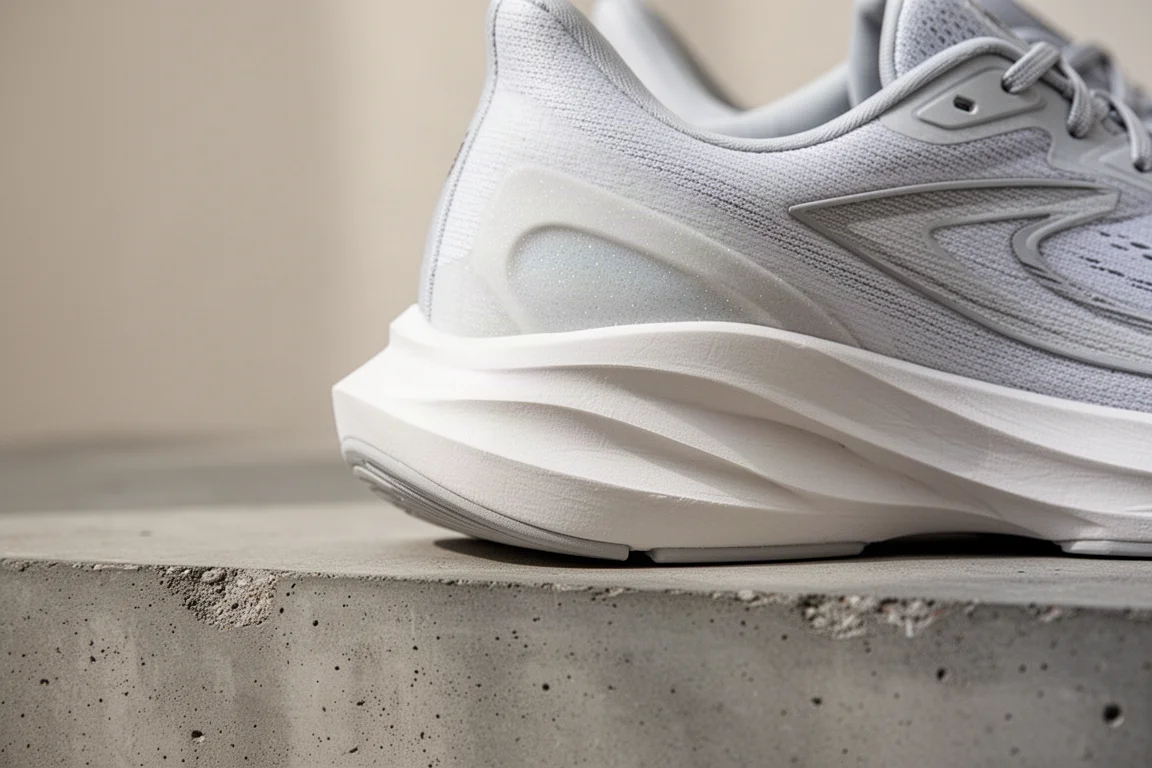
It is still a relatively stiff shoe with un plated race foam in a tall stack, so it does not ride like a soft everyday trainer, but the smoothness and springiness make daily miles feel effortless while keeping serious speed capability on tap. The trade-offs: the toe box is lower volume and snugger than the SuperBlast 2, which may cause some front-of-foot pressure for wider feet, and at $225 it is one of the pricier trainers on the market.
Which One Should You Buy
If you love the SuperBlast 2 and use it for daily miles and workouts, the MegaBlast may not justify the extra $25. But if the SuperBlast’s choppy heel and firmness never worked for your stride, the MegaBlast could be the fix, delivering a smoother, faster, more approachable ride in a very similar package.

Think about how you run. At slower paces, the MegaBlast’s price buys capability you may never use. The SuperBlast 2 remains the pick if you value a roomier fit, proven durability, and a firmer platform. For runners who want one shoe to cover daily miles, long runs, and fast workouts, the MegaBlast is the more complete package.
Conclusion
The SuperBlast 2 is a durable, reliable trainer with a polarizing geometry, while the MegaBlast smooths out nearly all of its quirks and adds genuine speed capability. Run in what works for your stride; for most buyers comparing the two, the MegaBlast is the safer, more refined choice.
Further reading
Related Reviews

Running Shoes
Best Road-to-Trail Running Shoes: Three Versatile Options for Mixed Terrain
A practical guide to three road-to-trail running shoes that handle both pavement and mild trails, with clear strengths and trade-offs for different runner types.

Running Shoes
Best Running Shoes for Achilles Tendonitis: Three Options Explained
Three running shoes with different heel drops and support features designed to help reduce Achilles tendon pain during walking and running.

Running Shoes
Best Running Shoes for Women: Five Top Choices Ranked
A ranked guide to five women's running shoes, from versatile daily trainers to high-performance racing options, with real strengths and trade-offs for each.