Running Shoes
ASICS Superblast 2 vs Hoka Skyward X: Two Max-Stack Super Trainers Compared
Two premium max-stack super trainers with very different personalities. Here is how they compare on weight, ride, fit, and value.
Introduction
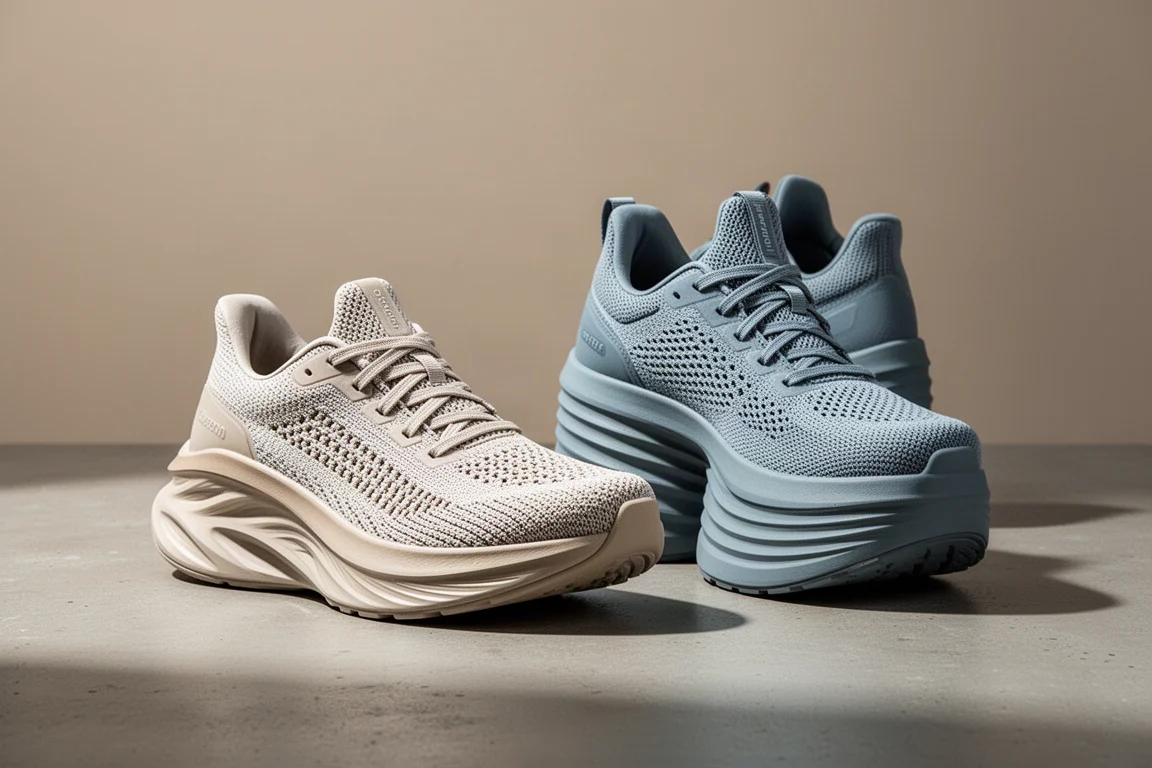
The ASICS Superblast 2 and Hoka Skyward X sit in the same unusual category: max-stack super trainers that try to combine the qualities of faster shoes with the comfort of daily and easy-run shoes. Both deliver that experience, just in slightly different ways, and those differences matter a lot at this price level.
This comparison covers fit, weight, midsole construction, how each shoe handles easy versus faster paces, and which one makes more sense for a given rotation.
Specs and Construction
Both shoes use dual-density midsoles combining multiple foams. The Skyward X adds a carbon plate into the mix, which the Superblast 2 does without. Despite that, the plateless Superblast 2 often feels more propulsive. At the heel and forefoot, the Skyward X offers more stack height, while the Superblast 2 is the lighter shoe of the pair.
Up top, ASICS uses an engineered woven upper compared to the mesh on the Skyward X, which gives the Hoka a more padded fit overall. For outsoles, ASICS uses one of its AHAR Plus hybrid outsoles, while Hoka employs a high-abrasion compound. Both are built for long and regular runs, and both have held up well over testing distances.
Fit and Sizing
Sizing deserves attention here because the two brands do not convert identically. In one tester’s case, a UK 9 corresponded to a US 10 in ASICS but a US 9.5 in Hoka. Overall, both fit well in normal running shoe sizes, with accommodating toe boxes that leave enough room for longer runs. The Superblast 2 has a slightly closer, more dialed-in fit, particularly through the toe box, and is more in line with the fit of the Metaspeed line than roomier ASICS models like the Gel Nimbus.
The Skyward X is a touch more spacious and noticeably more padded, with a thicker tongue, more material through the midfoot, and a slightly more protective heel collar. The level of padding around the heel collar is otherwise very similar between the two. Neither shoe caused any fit concerns around the midfoot or heel.
Midsole and Plate
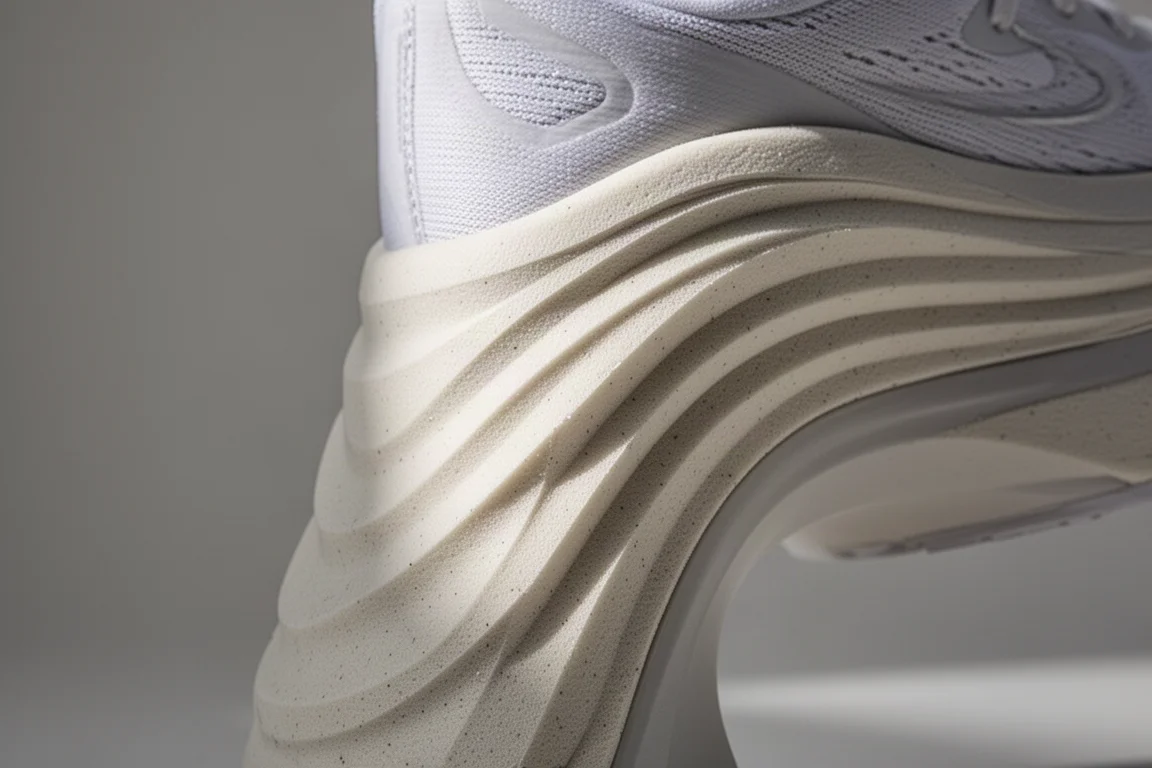
The carbon plate in the Skyward X does not seem to make a dramatic difference in how either shoe runs fast. What matters more is the character of the foam. The Skyward X is the plusher, more sink-in midsole of the two, with some snap and a pleasant rocker, while the Superblast 2 draws on foams from the Metaspeed and Novablast ranges to feel bouncier and more aggressive through its rocker.
Interestingly, the Superblast 2 feels stiffer and more propulsive than the plated Skyward X, which has gaps in its plate and ends up feeling more flexible and relaxed. That stiffness is a plus at easy-to-steady paces but may put off runners who want a very soft, unstructured feel for relaxed runs.
Ride and Performance
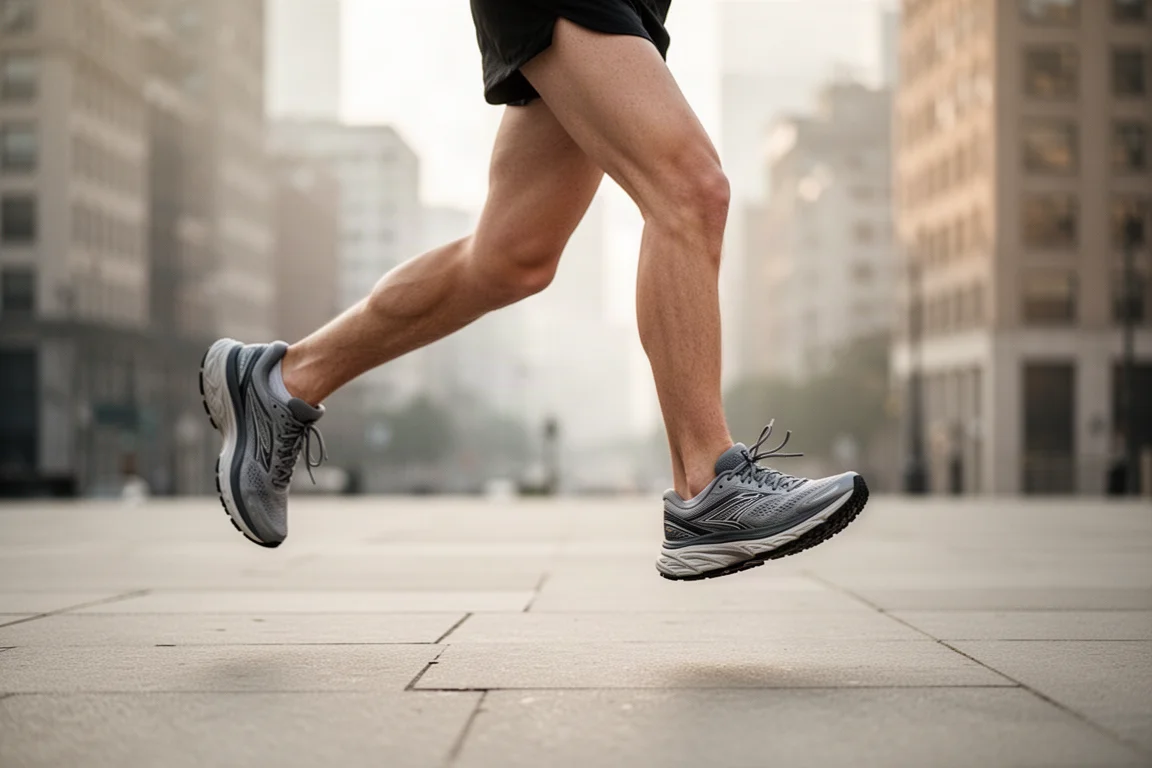
At around 300g in a UK 8, the Superblast 2 is significantly lighter than the Skyward X, closer to a standard daily trainer in weight. Unlike many max-stack shoes at similar weights, it does not feel heavy or cumbersome, and it handles up-tempo running far better than its stack suggests.
The Superblast 2 is the more versatile of the two. Moving through the gears from easy to steady to up-tempo feels effortless, and it is clearly the better pick for faster runs. Its limits show at all-out pace, but for moderate faster work it is excellent. The Skyward X, by contrast, can tick over at a good pace but is not really built for it; you become more aware of its size when you push, and it truly shines as a cruiser.
Over 50 miles in the Skyward X and just over 30 in the Superblast 2, both outsoles showed no serious wear concerns, with exposed foam in minor areas on the Hoka but enough protection in the right places. Grip and traction have been very good on both.
If your training is dominated by easy and recovery miles, the Skyward X is arguably the more comfortable and fun choice. It eats up long miles with a bouncy, protective, stable ride that runs lighter than it is. If you want one shoe that transitions smoothly from slow to fast and back again, the Superblast 2 does that better than any shoe in the category we have used.
Which One Should You Buy?
Price is a genuine factor. These are expensive shoes, and the Skyward X is the cheaper of the two by £5 in the UK and $25 in the US. The Superblast 2 justifies its higher outlay more convincingly because of its versatility: it can plausibly replace two shoes in a rotation, pairing with just a race-day shoe for a lean two-shoe setup.
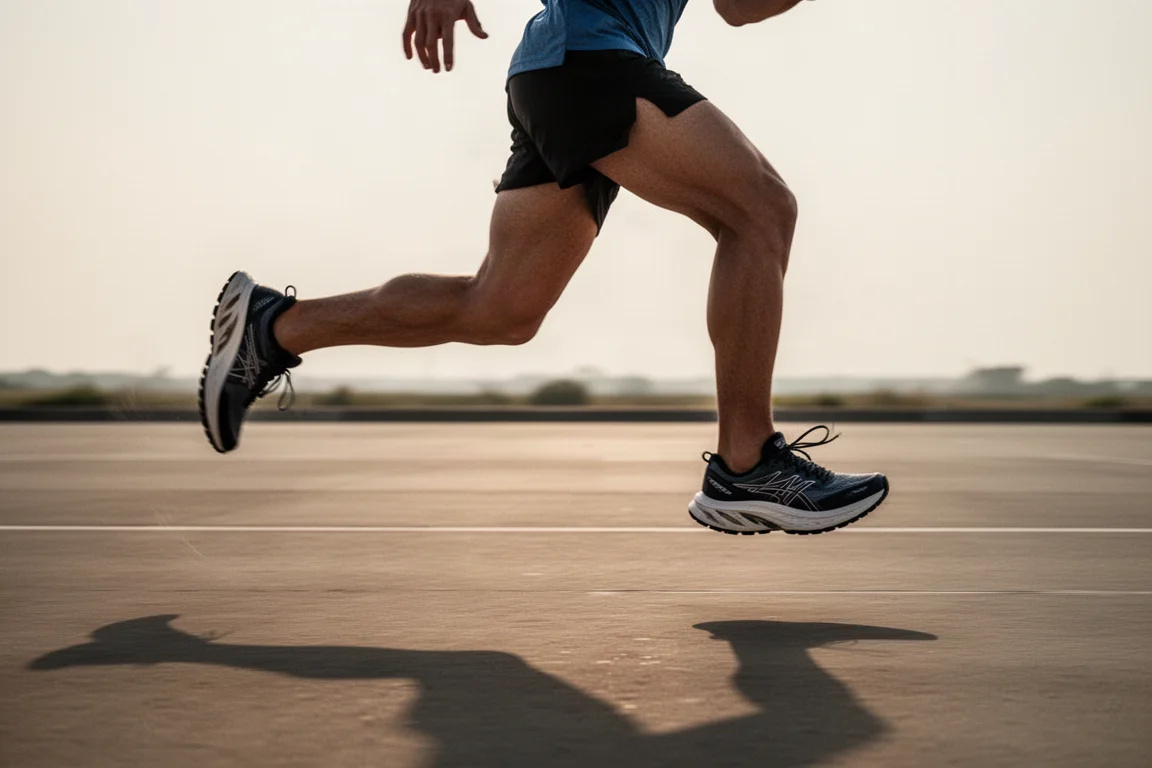
The Skyward X is more focused on easy running. If you do enormous volumes of easy miles and want a fun, bouncy, protective shoe for them, it may be worth the spend, but you would likely still add a dedicated fast trainer and a racer alongside it.
Conclusion
Both are excellent max-stack super trainers, and both earn their premium status in different ways. The ASICS Superblast 2 is the all-rounder: lighter, faster-feeling, and versatile enough to anchor an entire rotation. The Hoka Skyward X is the plush cruiser: heavier and less suited to quick work, but one of the most enjoyable easy-run shoes available. Choose the Superblast 2 for versatility and pace, and the Skyward X if easy, comfortable miles are the heart of your training.
Product link
View more details for Asics Superblast 2
This product is mentioned in the review. Check the specifications, options, and compatibility before buying.
View more details for Asics Superblast 2Further reading
Related Reviews

Running Shoes
Best Road-to-Trail Running Shoes: Three Versatile Options for Mixed Terrain
A practical guide to three road-to-trail running shoes that handle both pavement and mild trails, with clear strengths and trade-offs for different runner types.

Running Shoes
Best Running Shoes for Achilles Tendonitis: Three Options Explained
Three running shoes with different heel drops and support features designed to help reduce Achilles tendon pain during walking and running.

Running Shoes
Best Running Shoes for Women: Five Top Choices Ranked
A ranked guide to five women's running shoes, from versatile daily trainers to high-performance racing options, with real strengths and trade-offs for each.