Running Shoes
Asics Superblast 2 vs Brooks Glycerin Max: Which Max Cushion Trainer Deserves Your Money
A close look at two of the most talked-about max cushion running shoes, covering weight, midsole feel, versatility, and the availability issue that keeps surrounding the Superblast 2.
Introduction
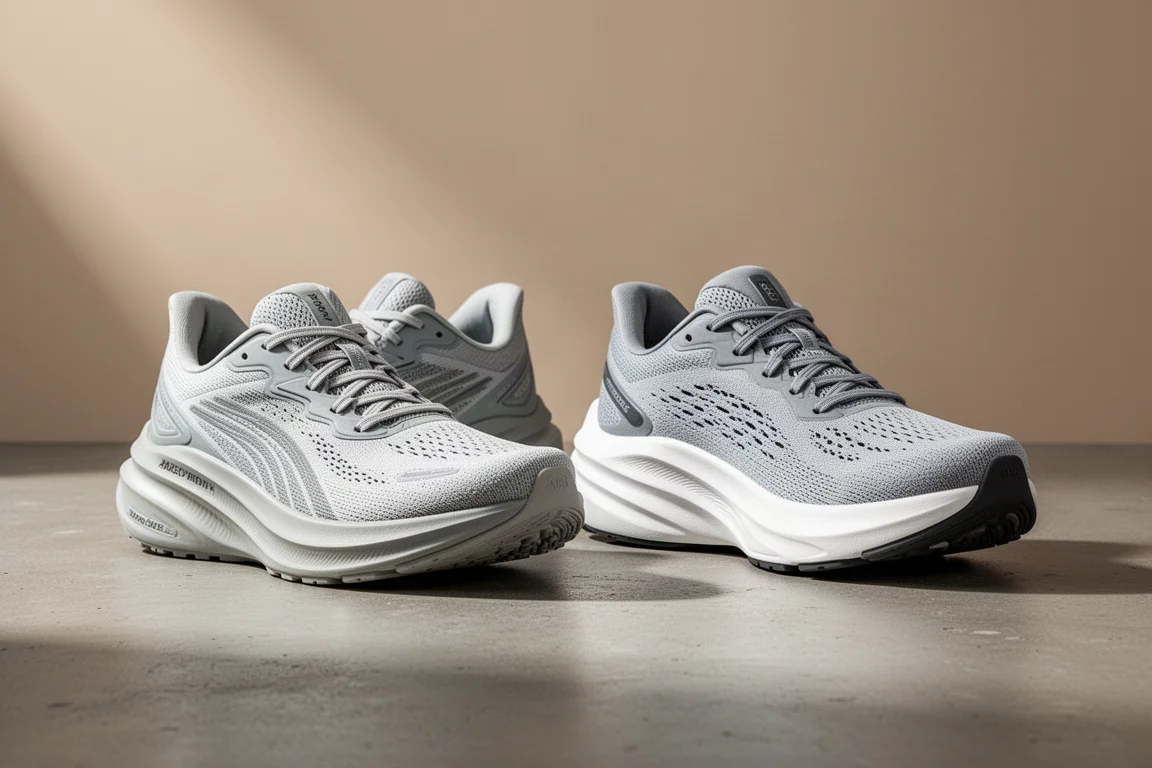
Few running shoes have generated as much conversation as the Asics Superblast 2. Some people consider it overhyped, many consider it the best all-round max cushion trainer available, and stock tends to disappear within days whenever a new colorway lands. To work out whether it lives up to the praise, it makes sense to put it next to the most obvious alternative in the same category: the Brooks Glycerin Max. Both are tall, heavily cushioned trainers, but they take noticeably different approaches to weight, foam, and versatility.
Why the Superblast 2 Sells Out So Fast
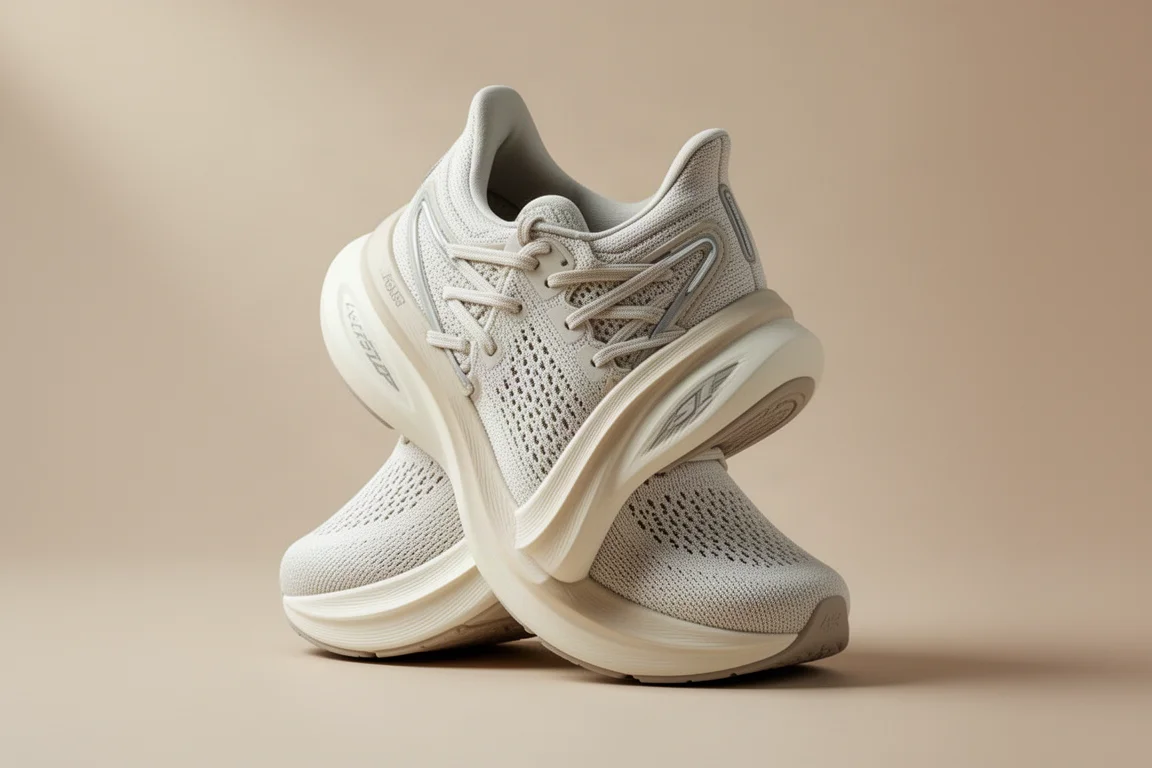
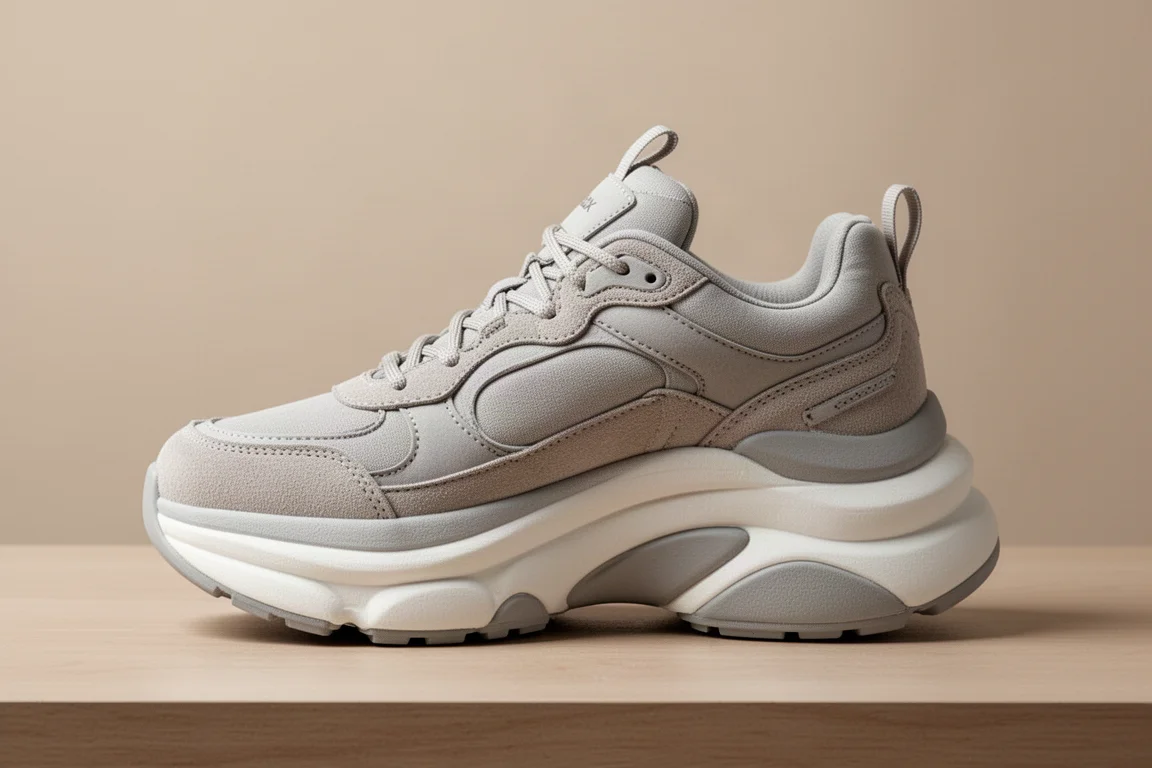
The headline numbers go a long way toward explaining the demand. In a UK size 10.5 (US 11.5), the Superblast 2 carries a colossal 47 mm heel stack while weighing only 299 g (10.5 oz). That is a staggeringly low weight for that much cushion, and on foot it feels even lighter than the scale suggests. Sample sizing measures around 45 mm at the heel and 37 mm at the forefoot, which scales consistently with the larger size.
It is not just another max cushion shoe. The combination of a huge stack and such a low weight makes it feel nimble in a way few competitors manage.
Midsole Feel and Underfoot Stability
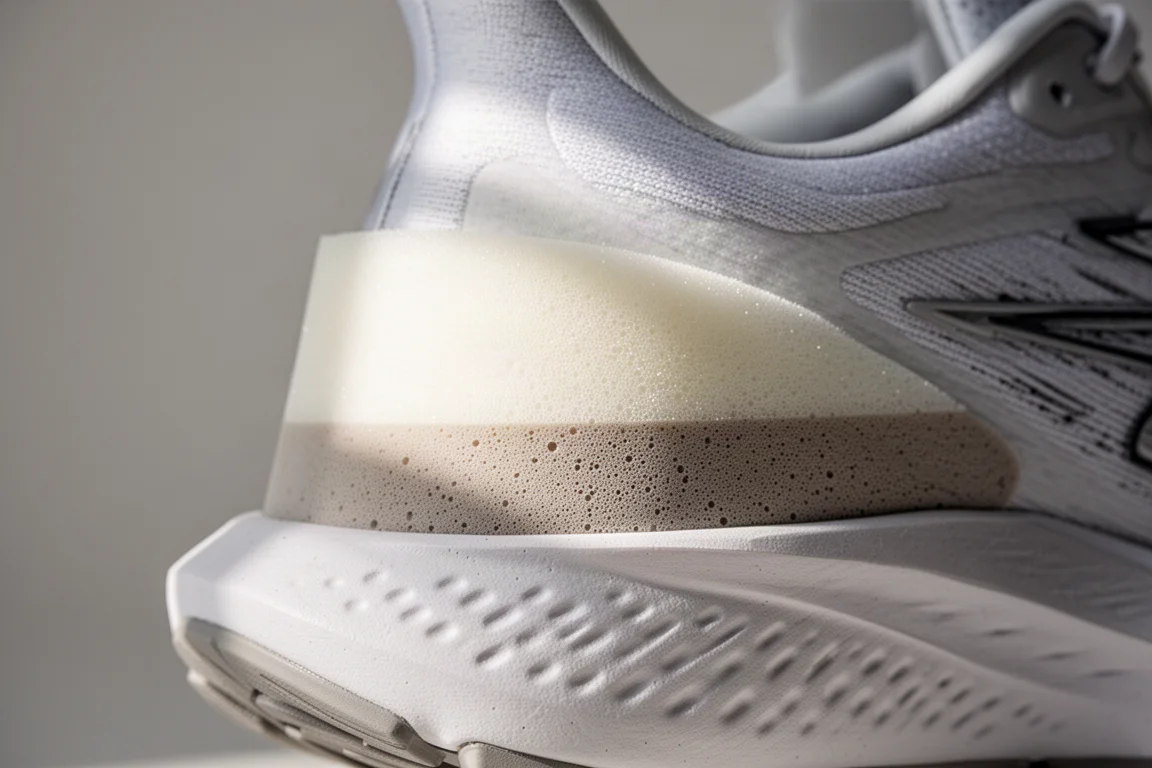
Asics built the midsole from two of their best foams. The top layer uses FF Turbo Plus, the responsive foam found in the Metaspeed Sky and Edge ranges. It has a slightly hollow feel but gives back a lot of energy. Beneath it sits FF Blast Plus Eco, which handles durability and does the heavy lifting so the premium top layer keeps feeling good.
The result is one of the most forgiving midsoles ever fitted to a running shoe. Despite a footprint that easily matches other max cushion models, the foam is not overly squashy, which gives the shoe excellent stability and one of the most assured rides underfoot in the category.
How the Brooks Glycerin Max Compares
The Brooks Glycerin Max is a very cushioned shoe too, but it is noticeably denser than the Asics. It is soft and super consistent, yet it weighs a full 357 g (12.6 oz), roughly two ounces more than the Superblast 2. That difference is very noticeable in use: the Superblast feels light and nimble by comparison, and it lacks neither stack nor surface area to justify its place in the category.
The Glycerin Max also does not match the Superblast’s footprint width and surface area, and for runners targeting marathon or half marathon pace, it can feel like simply too much shoe. It suits easy, cushioned miles far better than faster work.
Versatility Across Paces
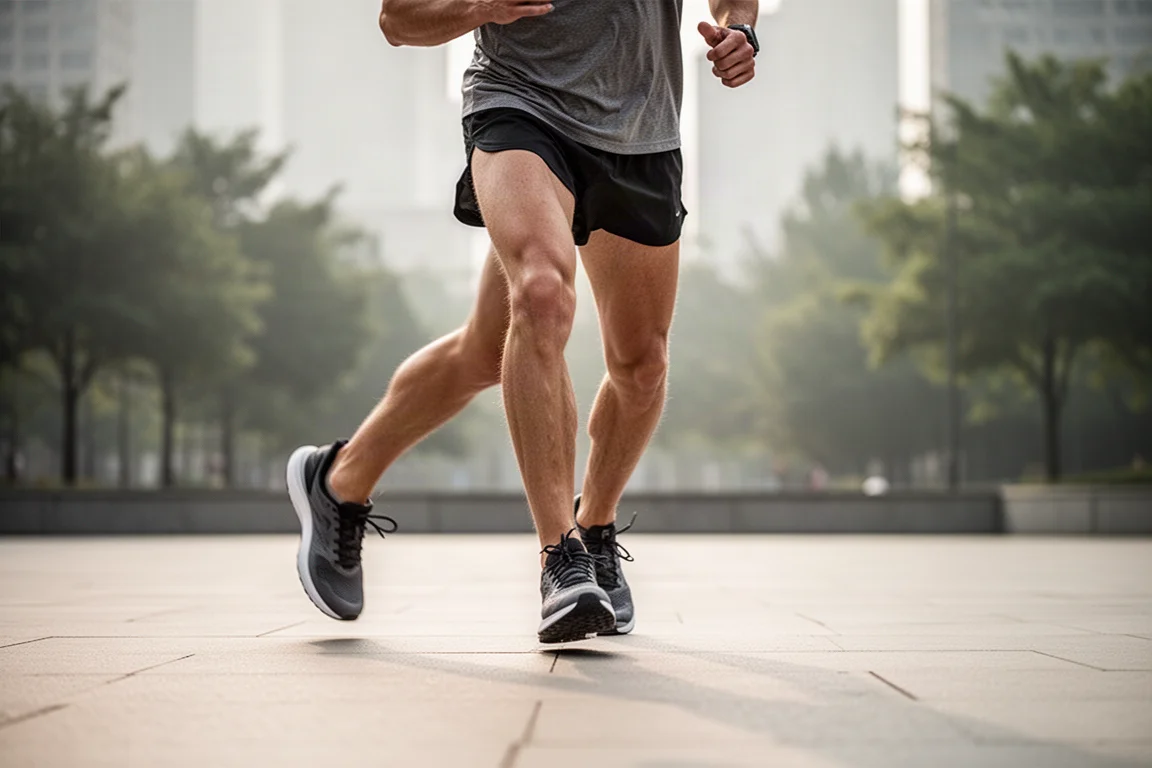
This is where the Superblast 2 earns its reputation. It handles a wide range of paces extremely well and can fill several roles in a running rotation: long runs, marathon build-ups, half or full marathon intervals, recovery efforts, and everything in between. If you do not know what session you are doing until you head out the door, this is the kind of shoe that will probably cope with whatever you throw at it.
The lightweight upper adds to that flexibility. It is equally plausible as a long-run trainer, a recovery shoe, or even a marathon race-day option for some runners, and the forgiving midsole really does save your legs. It is also easy to see it appealing to anyone on their feet all day, whether walking or working in retail.
Outsole and Wet-Weather Grip
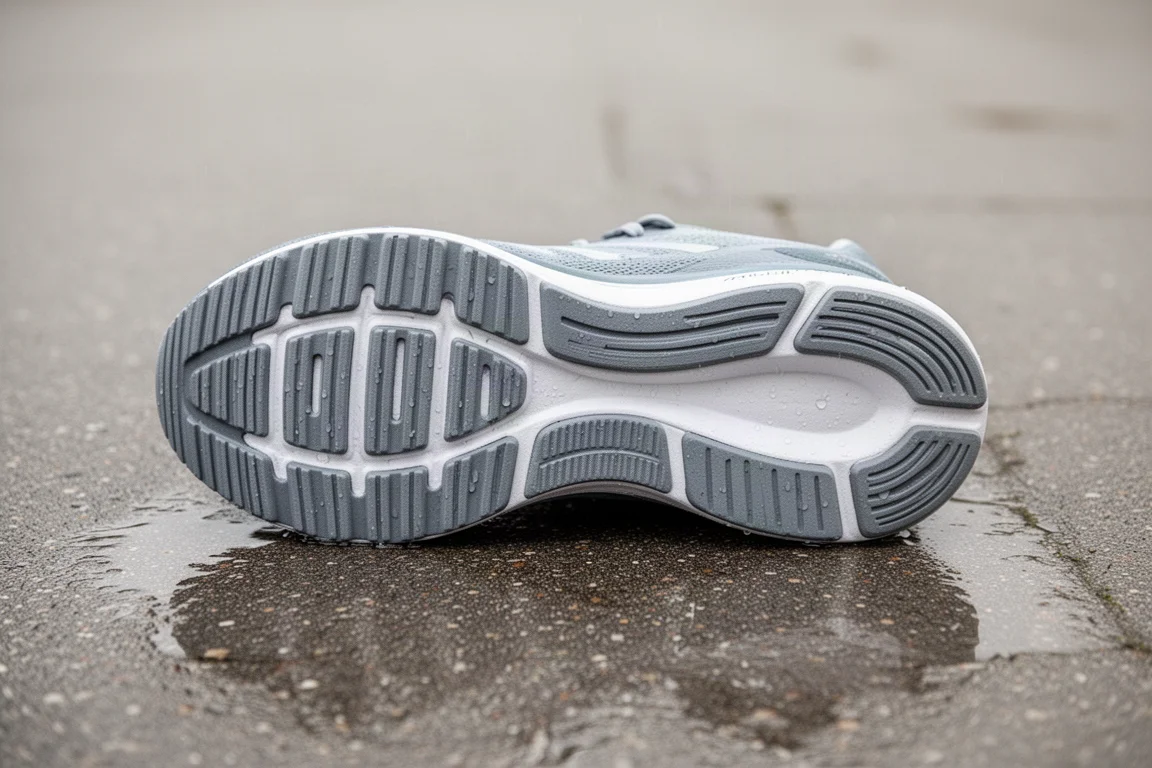
The outsole has been durable in testing, with around 100 km logged and wear suggesting the shoe is only just warming up. Asics improved the rubber pattern on this version, adding many more ridges in the forefoot and heel, and traction is dramatically better than the original. It is easily as good as anything else on the market on road and pavement, including in wet weather, which the first Superblast struggled with. It is not a trail shoe by intent, though it could cope with dusty dirt paths in dry conditions.
Availability and Price: The Catch
There is one significant factor to weigh before buying: price and availability. The Superblast 2 sits at just under £200 in the UK, which is more expensive than the Puma Deviate Nitro Elite 3, one of Puma’s best super shoes. Availability is the other frustration. Full size runs are hard to find anywhere, with only sporadic sizes across released colorways, and resellers appear to be buying pairs up to flip them. Asics does not seem to be creating artificial scarcity; it is more likely they are deliberately avoiding overproducing a shoe that costs more to make, especially at a price point this high.

Which One Should You Buy
If you want one shoe that can plausibly do three or four different jobs in your rotation, and you can find your size, the Superblast 2 is the stronger pick. It is lighter, more stable for its stack, more versatile across paces, and its improved grip fixes the original’s wet-weather weakness. It is also a shoe that genuinely gets better the more you use it, which is rare at any price.
If your running is mostly easy and comfortable mileage, and you prefer a plush, consistently soft ride without paying a premium or hunting for stock, the Glycerin Max remains a very good max cushion option. It just cannot match the Asics on weight or pace flexibility.
Conclusion
The Superblast 2 is not hype. It combines a huge stack with a remarkably low weight, a forgiving two-foam midsole, dependable grip, and genuine versatility, which is exactly why it keeps selling out. The Glycerin Max is a capable alternative for easy miles, but the Asics is the more complete trainer for most runners, provided the price and availability work in your favour.
Further reading
Related Reviews

Running Shoes
Best Road-to-Trail Running Shoes: Three Versatile Options for Mixed Terrain
A practical guide to three road-to-trail running shoes that handle both pavement and mild trails, with clear strengths and trade-offs for different runner types.

Running Shoes
Best Running Shoes for Achilles Tendonitis: Three Options Explained
Three running shoes with different heel drops and support features designed to help reduce Achilles tendon pain during walking and running.

Running Shoes
Best Running Shoes for Women: Five Top Choices Ranked
A ranked guide to five women's running shoes, from versatile daily trainers to high-performance racing options, with real strengths and trade-offs for each.