Running Shoes
ASICS SuperBlast 2 vs Adidas Adizero Evo SL: Two Premium-Foam Trainers, Two Very Different Shoes
Both use race-day foam in a daily trainer, but they feel nothing alike on the foot. Here's how the $200 SuperBlast 2 and the $150 Evo SL compare on upper, midsole, weight, and race-day potential.
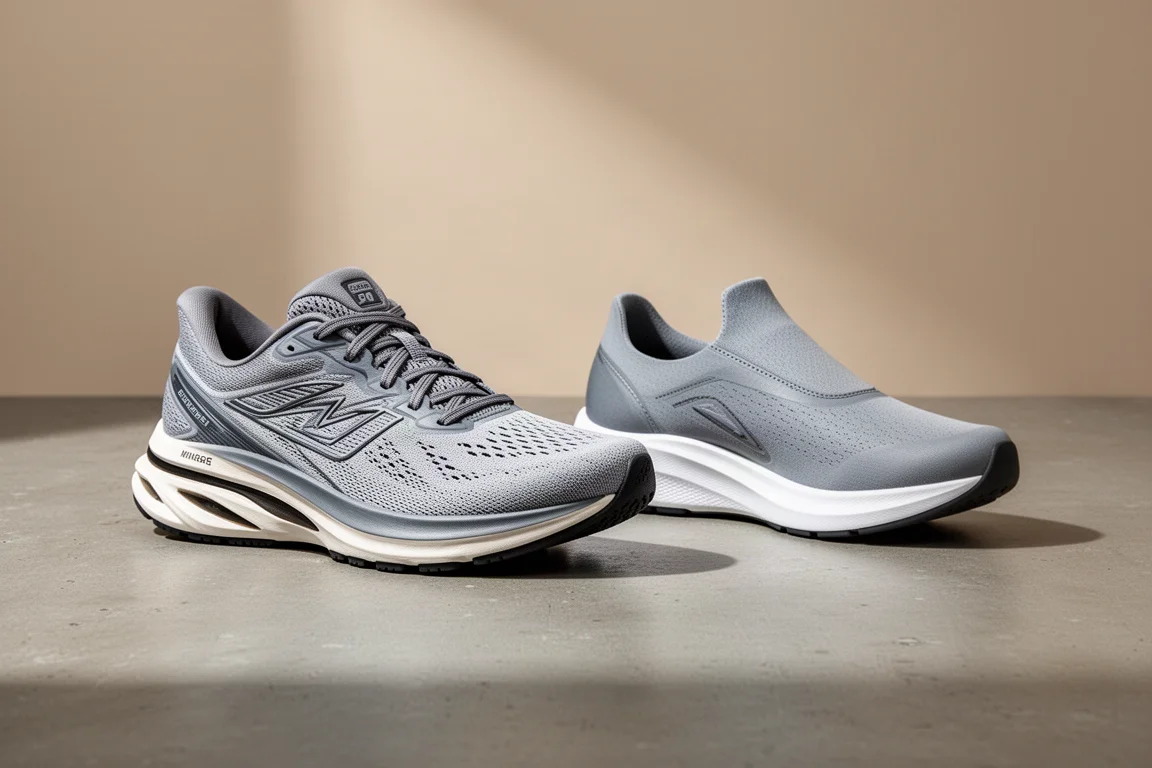
Introduction
These two shoes get compared a lot, and it is easy to see why: both take premium race-day foam and put it into a daily trainer. But once they are on your feet, they feel very different. The ASICS SuperBlast 2 sits at $200, the Adidas Adizero Evo SL at $150, and that $50 gap shows up in more places than you might expect.
The honest answer up front: they are different enough that they probably should not be in the same shopping bucket. One is close to the most versatile shoe on the market. The other is a genuinely great, lightweight daily trainer that also happens to look good with regular clothes.
ASICS SuperBlast 2: The More Versatile of the Two
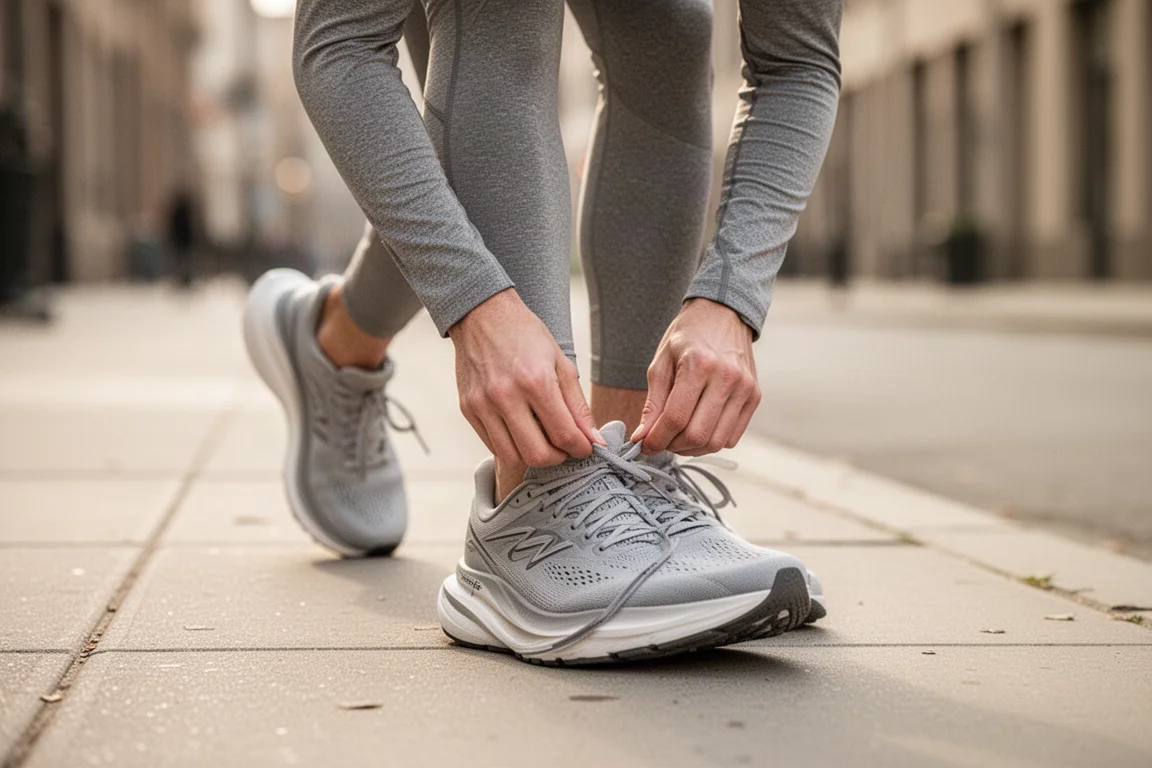
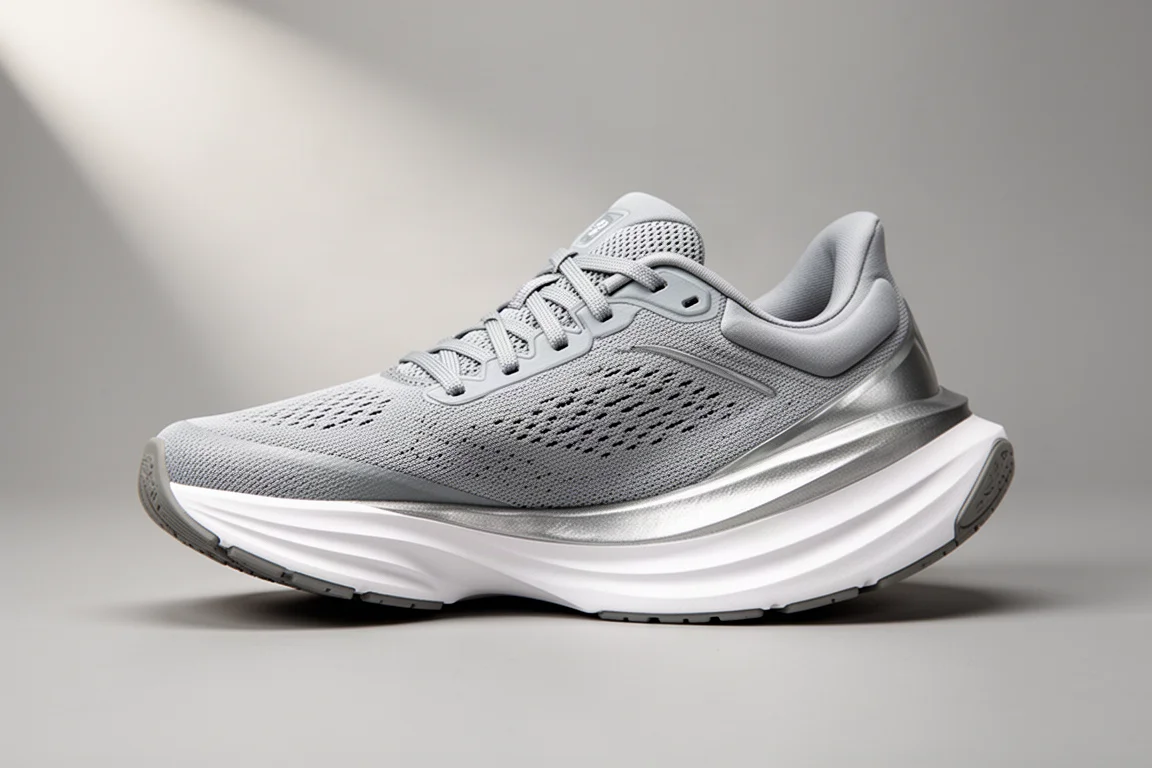
The SuperBlast 2 starts with a much more detailed engineered mesh upper. There are distinct zones of breathability with different weaving to keep the foot locked in over the midsole. It is a fully thought-out upper, and it is also one of the best parts of the update from the first version: more comfortable, with just enough small touches to feel noticeably nicer on the foot.
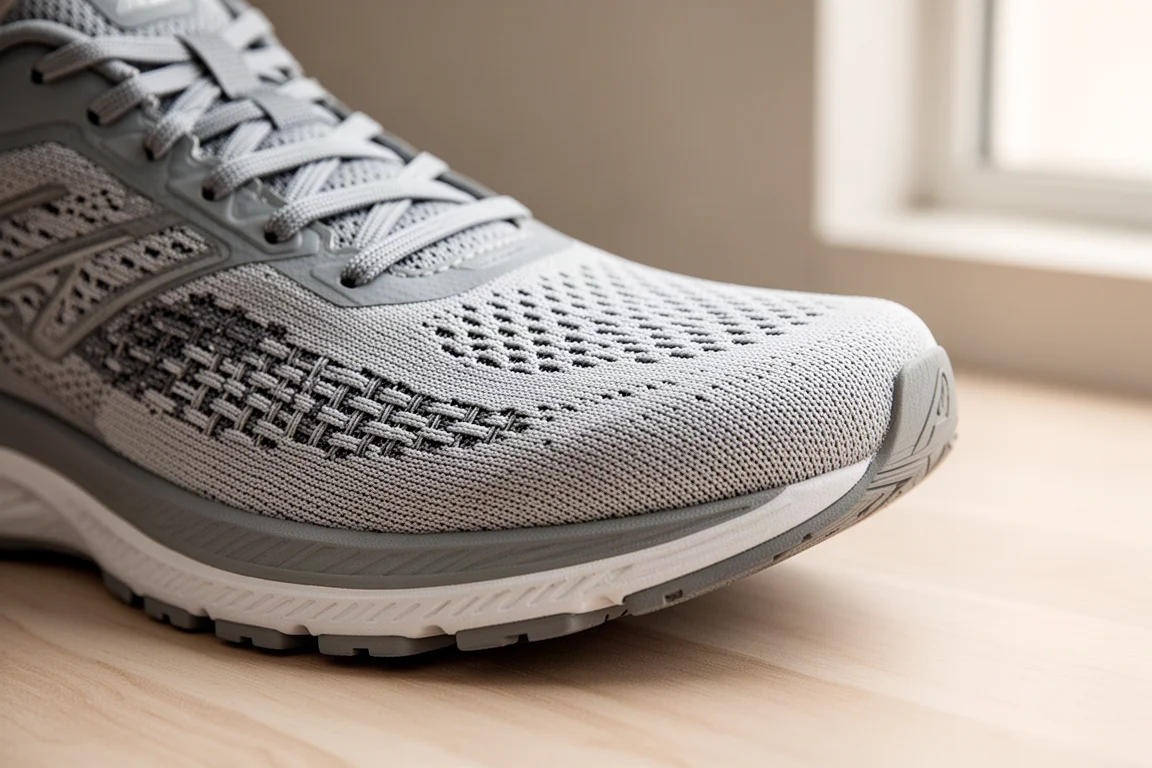
The midsole pairs two ASICS foams, FF Turbo and FF Blast Plus, sandwiched together in a tall stack: 45 mm in the heel and 37 mm in the forefoot for an 8 mm drop. Because the Turbo foam has very little flexibility, you still get a firm, responsive ride with an almost perfect bounce-to-firmness ratio, even without a plate. It never feels sluggish.
That firmness and response is what gives it genuine race-day credibility. Both testers ran a marathon in it and found it performs well over the full distance, and a friend ran Berlin in the same shoe. It handles easy runs, long runs, and faster efforts, and it delivers that lean-forward-and-go feeling when you want to pick up the pace.
Adidas Adizero Evo SL: The Casual, Lightweight Pick
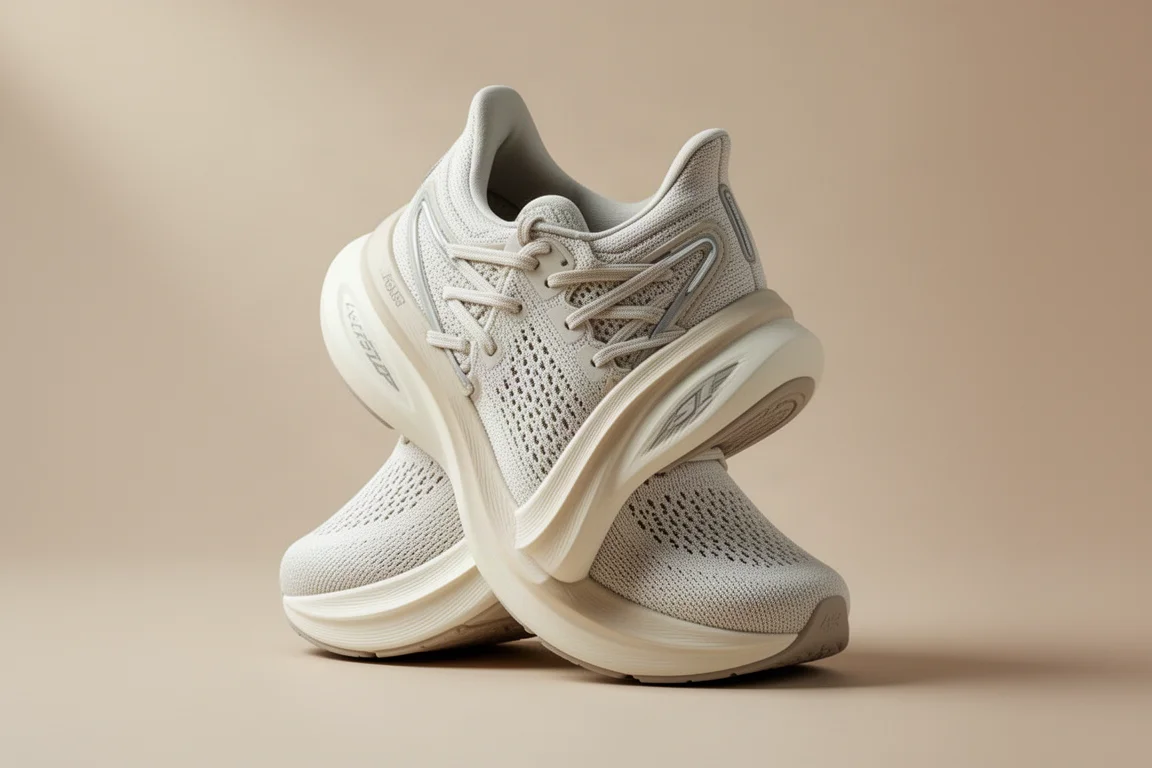
The Evo SL takes a more minimalistic approach, and the upper reflects it. It is a simpler design with a fully integrated, non-gusseted tongue that matches the stripped-back look of the shoe. It still looks great, even when you are not running, and it works well as a casual, everyday sneaker outside of training.
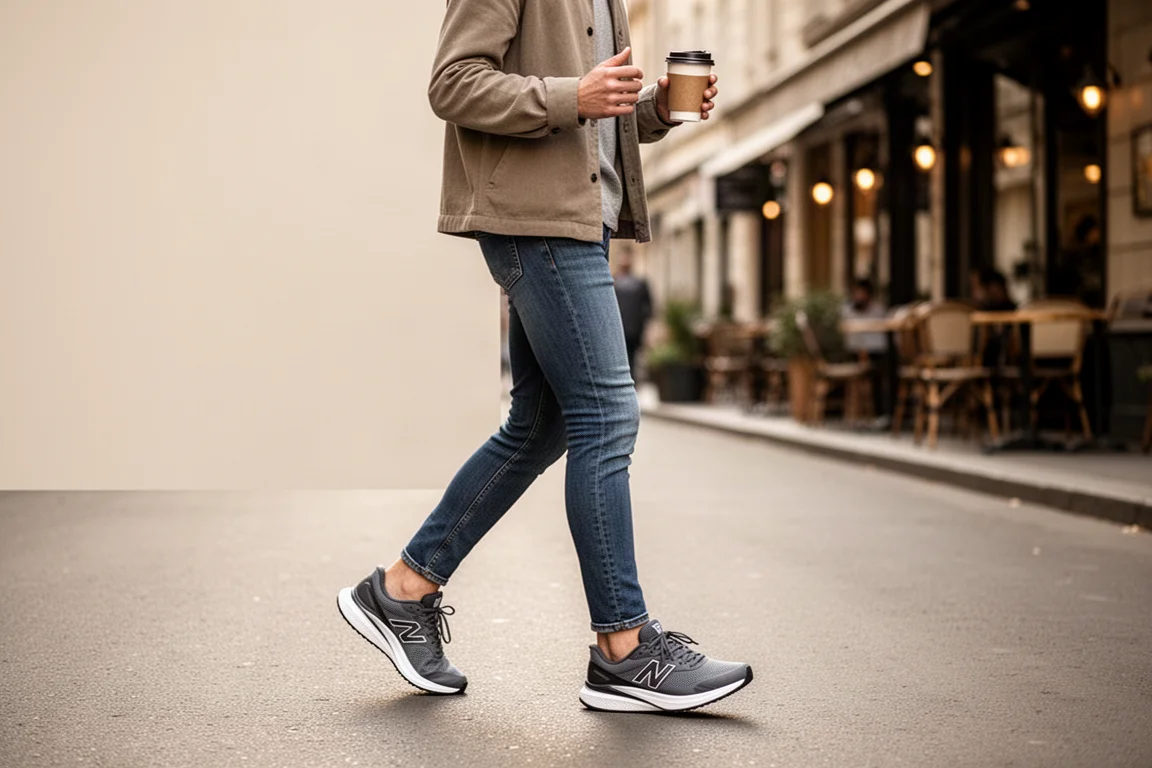
The midsole is a single slab of Lightstrike Pro, the same foam found in the Adizero Pro 3, the previous iteration of the race-day shoe. The stack is lower: 38 mm in the heel and 32 mm in the forefoot for a 6 mm drop. Without a plate, the midsole reads as a nice, comfortable, bouncy ride rather than an aggressive one, and the shoe is noticeably more flexible underfoot.
Weight is where it quietly wins. Both shoes are extremely light, but the Evo SL is race-day light: a women’s 7.5 came in at 6.4 oz versus 7.7 oz in the same size SuperBlast 2, roughly an ounce lighter. At $150, it is a can’t-miss daily trainer, though it is not the shoe to race a fast marathon in. If your goal is closer to four and a half hours rather than a sub-3:30, it can work.
Which One Should You Buy?
If you want one shoe that can do everything, the SuperBlast 2 is the pick. You can race in it, do long runs, and cruise easy miles, and it feels good at both slow and fast paces. For one of the testers it is a top pick of the year, and on the morning of the comparison, when there was no shoe to review, it was the one that got pulled off the shelf.
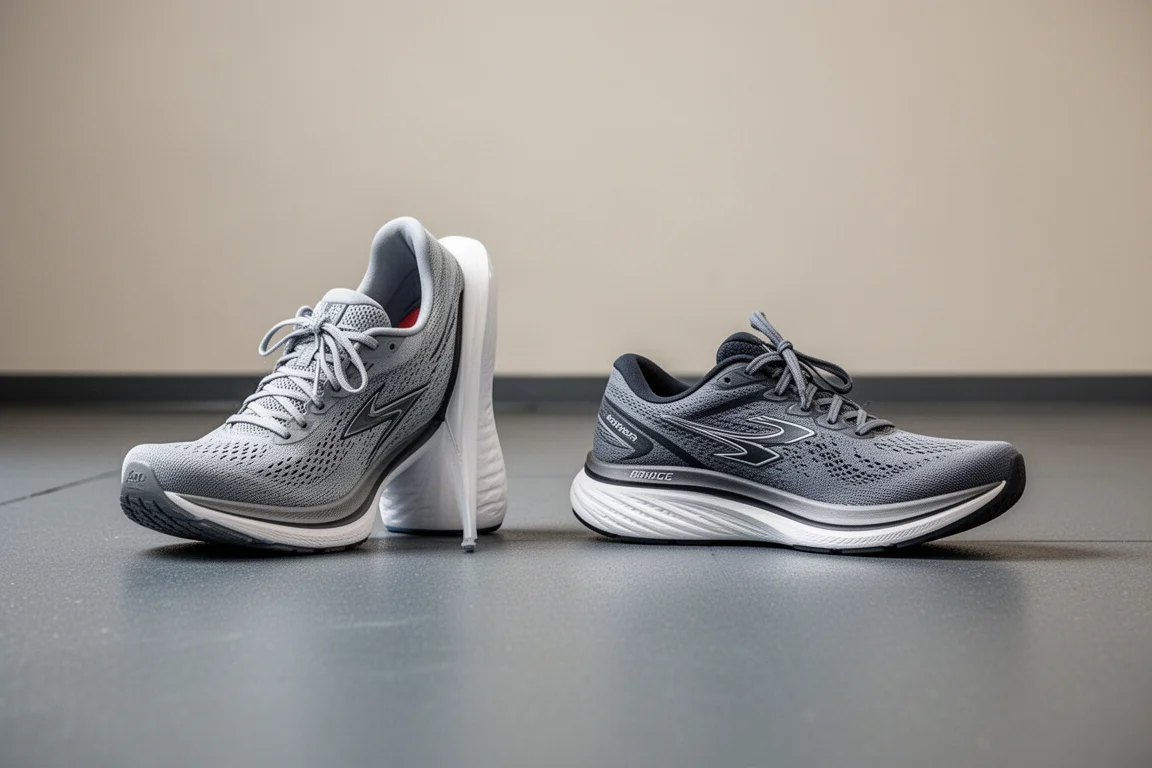
If your running is mostly daily training and you want something lighter, cheaper, and stylish enough for the café, the Evo SL is the better fit. It will not replace a true race-day shoe, but as a $150 daily trainer with race-day foam underfoot, it is hard to beat. Given the choice between more running time and more café time, both testers still leaned SuperBlast 2, even though the Evo SL genuinely stole a heart this year.
Conclusion
The SuperBlast 2 is the most versatile option here, running from daily training all the way up to racing, and it justifies its $200 price. The Evo SL is a versatile, extremely light daily trainer at $150 that doubles as a casual sneaker but is not built for the starting line of a fast race. Buy the SuperBlast 2 for versatility and race-day capability, and the Evo SL if you want a light, comfortable daily trainer that looks good wherever you go. Or, as the closing recommendation suggests: get them both.
Further reading
Related Reviews

Running Shoes
Best Road-to-Trail Running Shoes: Three Versatile Options for Mixed Terrain
A practical guide to three road-to-trail running shoes that handle both pavement and mild trails, with clear strengths and trade-offs for different runner types.

Running Shoes
Best Running Shoes for Achilles Tendonitis: Three Options Explained
Three running shoes with different heel drops and support features designed to help reduce Achilles tendon pain during walking and running.

Running Shoes
Best Running Shoes for Women: Five Top Choices Ranked
A ranked guide to five women's running shoes, from versatile daily trainers to high-performance racing options, with real strengths and trade-offs for each.