Running Shoes
ASICS Superblast 2 vs Superblast 3: Which Do-It-All Trainer Makes More Sense?
A closer look at two versions of ASICS' versatile super trainer, covering the foam change, the underfoot feel, and how the price gap shapes the decision.
Introduction
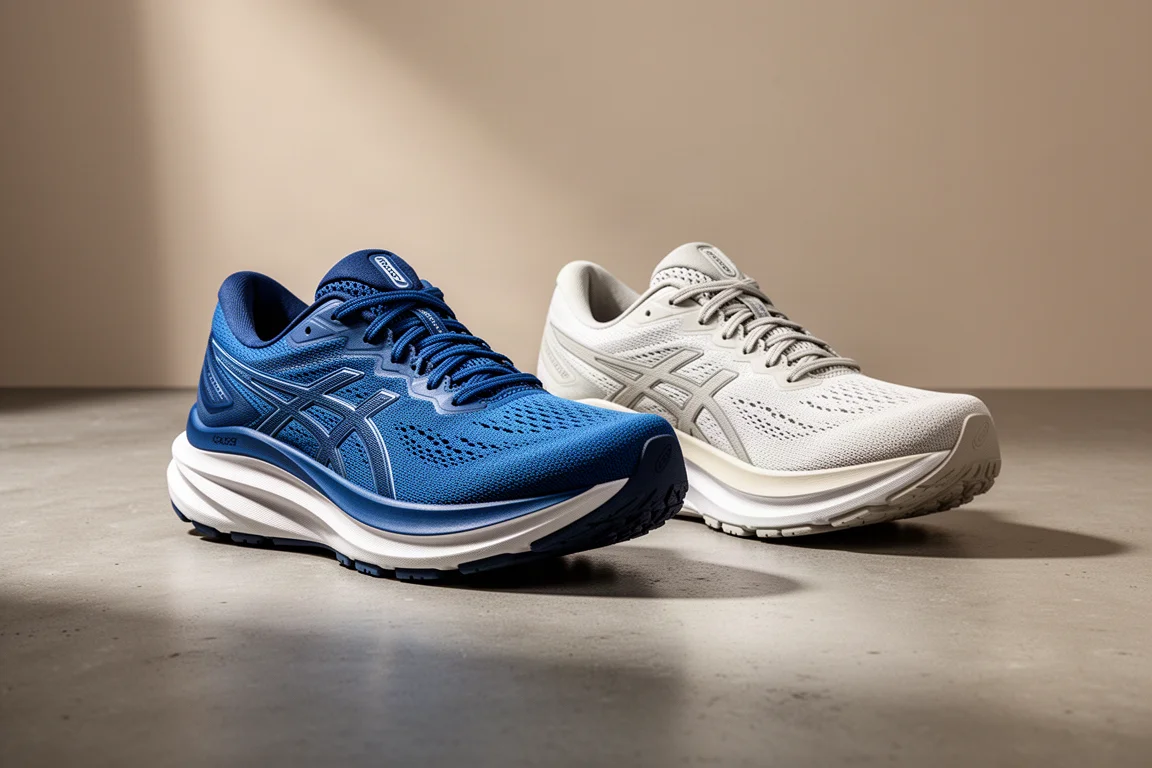
Few running shoes have shaped their category quite like the ASICS Superblast. It arrived looking like a max cushion shoe, ran like something much lighter, and quietly made plates feel optional in a daily trainer. Now there are two generations to choose from: the Superblast 2 and the newer Superblast 3.
This comparison focuses on what actually separates them, because the differences are subtle but meaningful: the midsole foam, the underfoot feel, the price, and who each version suits best.
The Do-It-All Trainer That Started It All
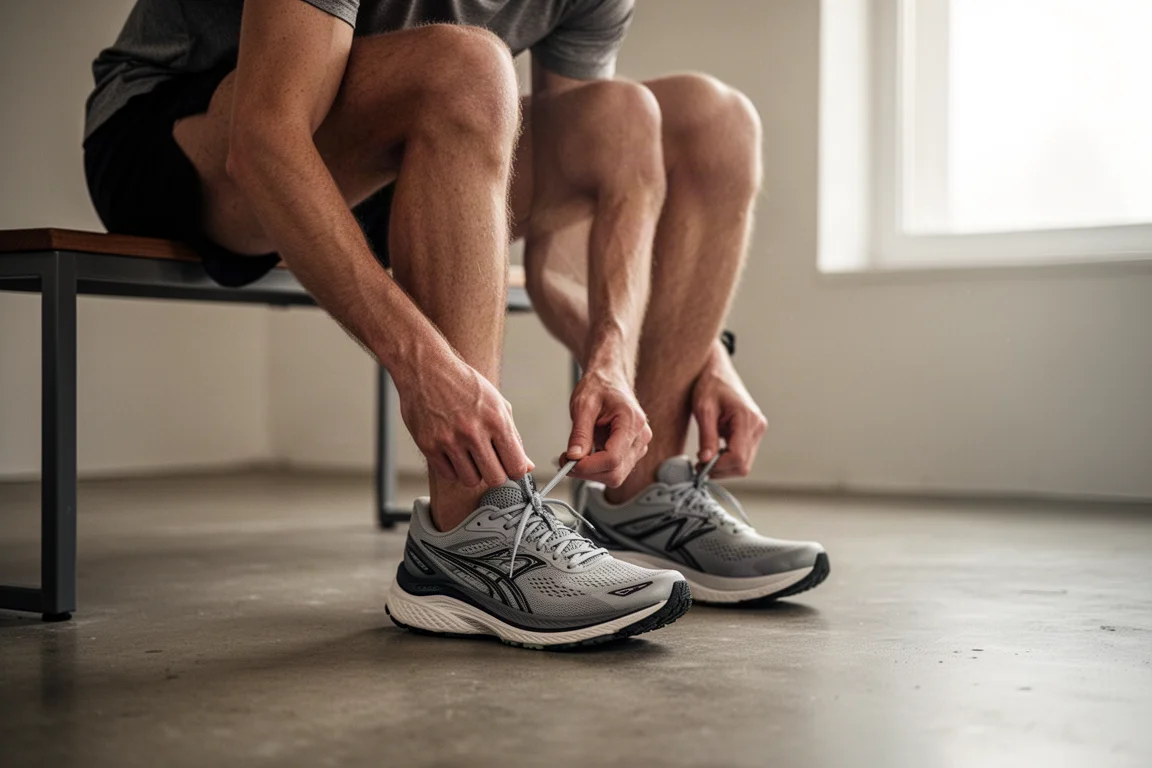
The Superblast 2 is ASICS’ do-it-all shoe: a daily trainer built with race-day components, mostly in the midsole. The key ingredient is FF Turbo foam, which keeps the shoe lightweight while adding some rigidity. Many runners describe it as feeling like a plated shoe without actually having a plate.
That combination gives it a really good roll through the stride and enough propulsion to turn up the pace when needed. If you would rather not wear a plate, this shoe can take you all the way through a marathon. It is one of the most versatile shoes on the market.
Two things to know before buying. First, it feels firmer underfoot than some rivals in the same category, and it needs a short break-in period. Second, its look can be deceiving: it appears to be a max cushion shoe, but it runs lighter, more solid, and more responsive than that silhouette suggests. Once you understand that character, the shoe makes sense, and it arguably set the tone for a whole generation of plate-free super trainers.
What Changed in the Superblast 3
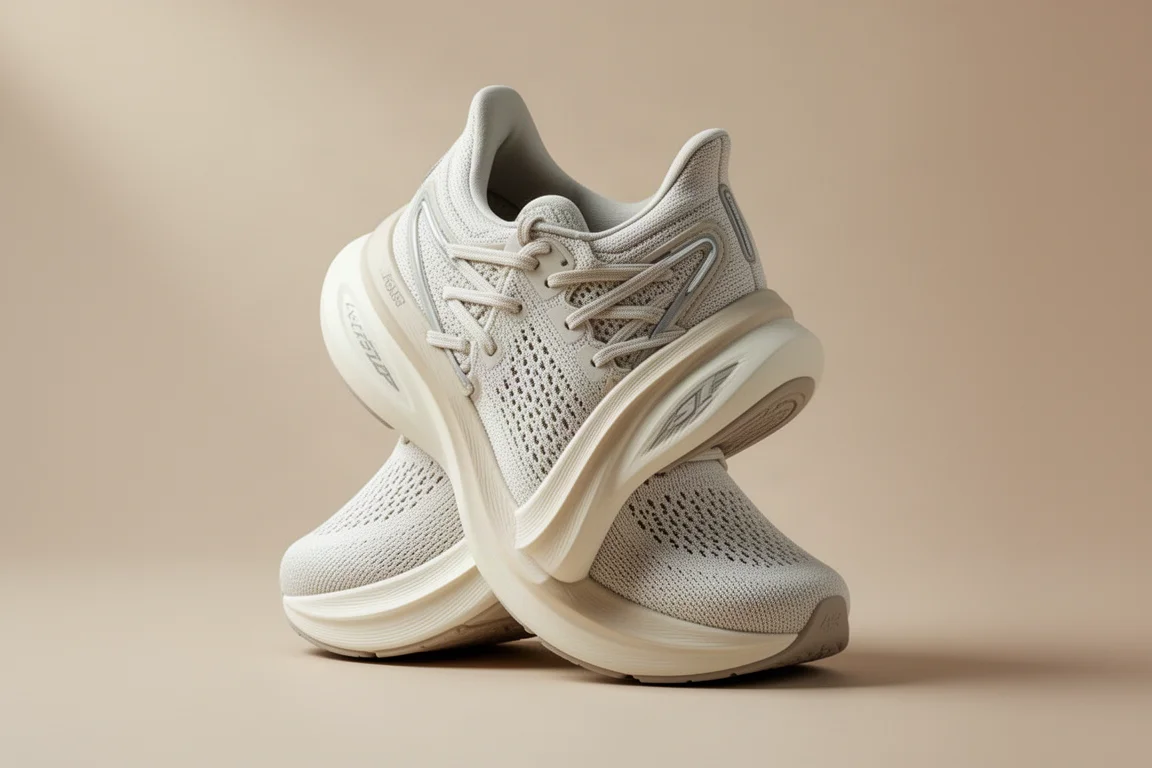
The Superblast 3 looks very similar to its predecessor, but the biggest change sits in the midsole. FF Turbo has been replaced with FF Leap, the same foam used in the ASICS Metaspeed Sky, the brand’s lightest and softest premium race-day model.
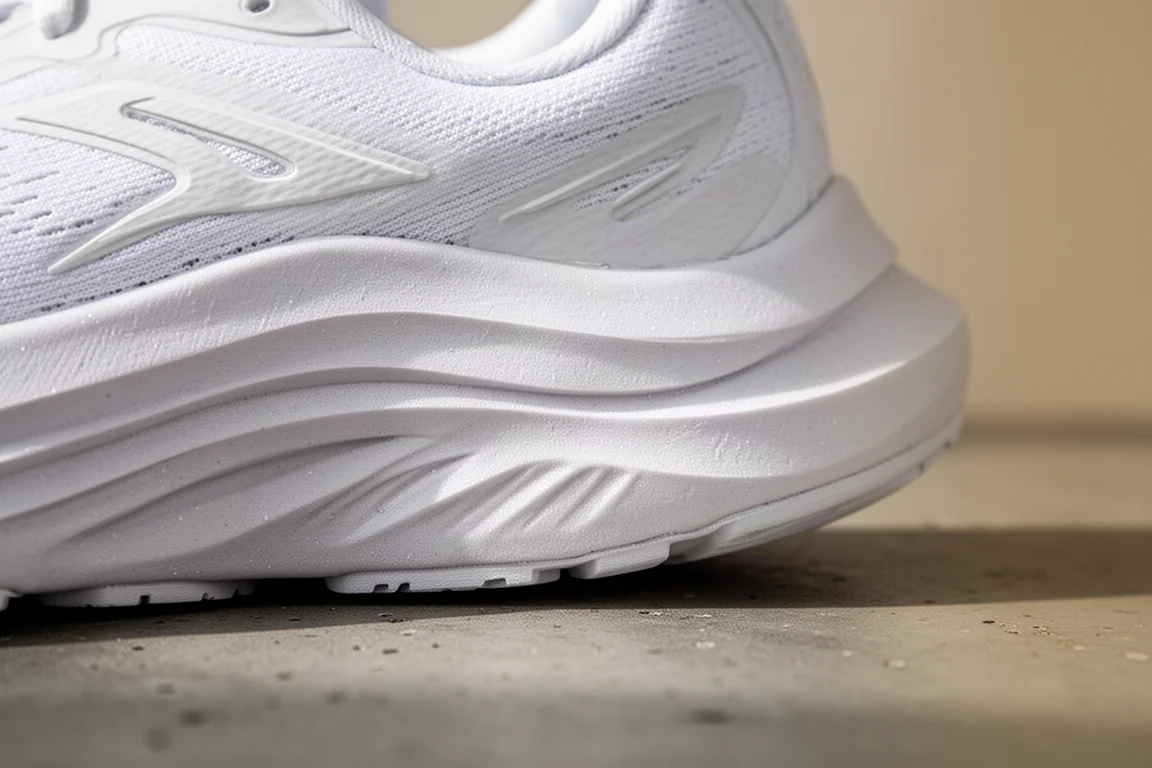
The result is a noticeably softer and bouncier step-in feel and road experience. In some ways it finally delivers what the original Superblast looked like it would be: a plush max cushion trainer. The important part is that you do not trade away performance for that comfort. The lightweight build and the resilient rebound of the foam mean you can still pick up the pace.
The Superblast 3 also adds 1.5 mm of extra foam underfoot, while keeping the same 8 mm drop. A subtle midsole update adds to the comfort too: a laser-cut diamond section in the midsole compresses slightly and returns a little extra rebound, which becomes noticeable as the miles stack up.

Underfoot Feel and Performance
The one group that may not love the change: runners who preferred the firmer feel of the Superblast 2. That firmer character is genuinely missed by some, and it comes down to personal preference. Shoes across the market have gotten softer over the years, but modern soft foams often still deliver strong responsiveness and propulsion, so softer no longer means sluggish.
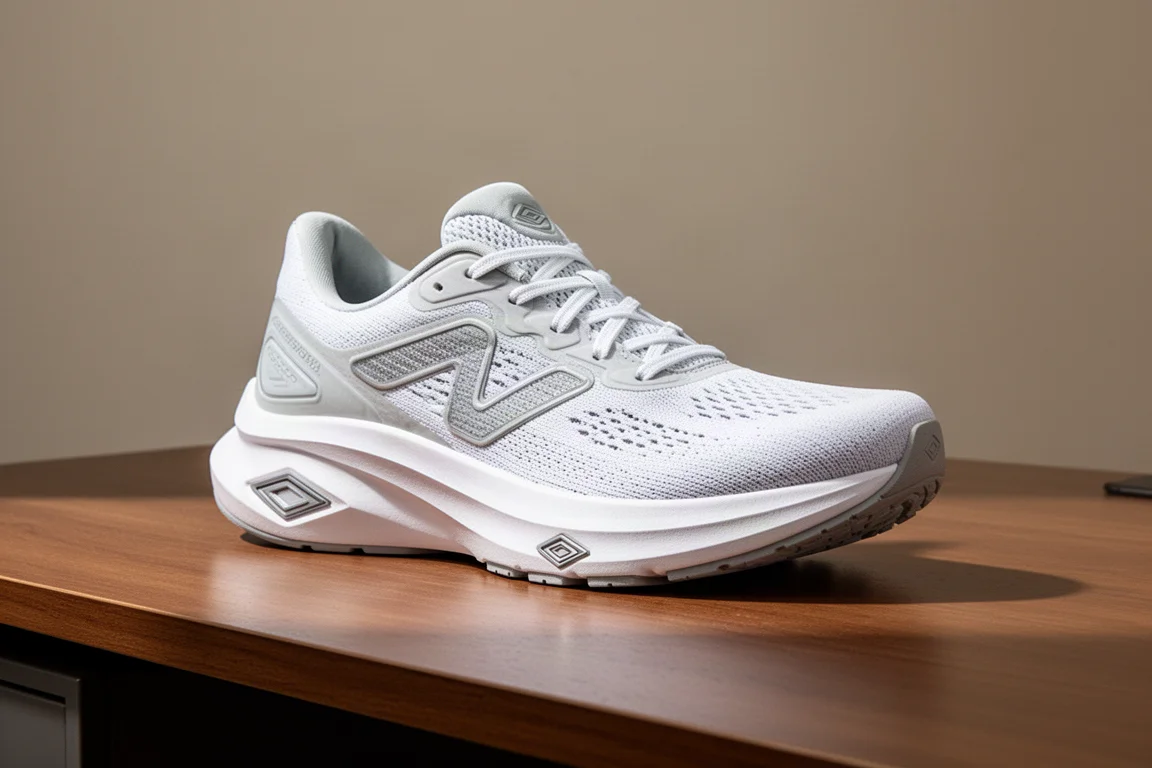
The Superblast 3 also feels slightly lighter than version 2 and keeps a layer of FF Blast Plus to give the softer midsole some stability and keep that plush foam in check. From the first run, the experience is bouncy, light on the foot, and simply more fun. It still feels like a Superblast, just with everything tuned a little better: a true upgrade rather than a reinvention.
Durability and Long-Term Comfort
A soft foam does not necessarily mean a fragile foam. After well over 100 miles in the Superblast 3, the FF Leap midsole held up and the comfort stayed intact. ASICS also made design adjustments intended to reduce creasing in the foam, though some creasing is still visible over time. Even so, testers found the shoes feel nearly out-of-the-box fresh well past the 100-mile mark.
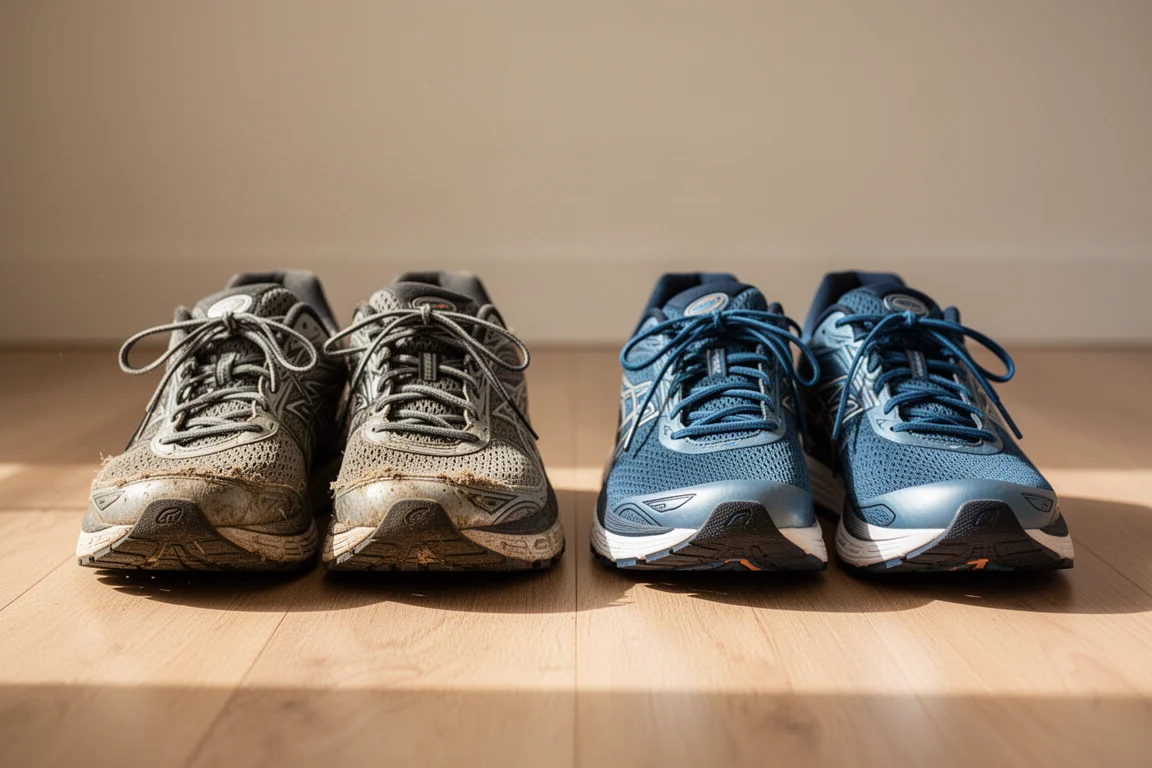
That long-term comfort matters for a shoe positioned as a daily trainer, and it removes one of the main worries about the softer foam swap.
Which One Should You Buy?
Price is the biggest practical factor. The Superblast 2 has dropped to around $150 in some places, while the Superblast 3 sells for $210.
At $150, the Superblast 2 competes directly with strong shoes like the ASICS Evo SL and other models in that price range, and it holds its own. If you have never tried the Superblast and you find it at that price, it is a low-risk way into one of the most versatile trainers available. If you prefer a firmer underfoot feel, version 2 is also the safer pick.
If you lean toward a softer, bouncier ride and want the newest version of the line, the Superblast 3 justifies its higher price. It feels like a genuine step forward: lighter, softer, and more comfortable over long miles.
Conclusion
Both versions earn their place. The Superblast 2 remains a versatile, light, propulsive trainer that punches well above its discounted price. The Superblast 3 refines the formula with the Metaspeed Sky’s FF Leap foam, a plusher and bouncier ride, and slightly better long-term comfort. Choose version 2 for the firmer feel and the value; choose version 3 if a softer, more premium ride is what you are after.
Further reading
Related Reviews

Running Shoes
Best Road-to-Trail Running Shoes: Three Versatile Options for Mixed Terrain
A practical guide to three road-to-trail running shoes that handle both pavement and mild trails, with clear strengths and trade-offs for different runner types.

Running Shoes
Best Running Shoes for Achilles Tendonitis: Three Options Explained
Three running shoes with different heel drops and support features designed to help reduce Achilles tendon pain during walking and running.

Running Shoes
Best Running Shoes for Women: Five Top Choices Ranked
A ranked guide to five women's running shoes, from versatile daily trainers to high-performance racing options, with real strengths and trade-offs for each.